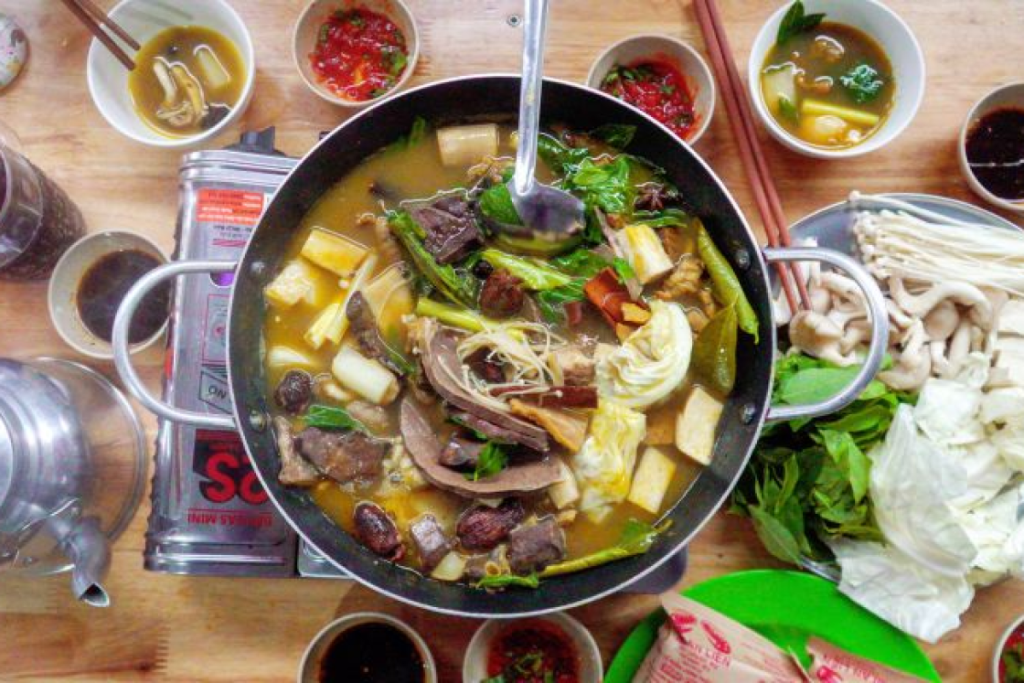
If you are planning a journey to Vietnam’s northernmost frontier, you already know that the views are legendary—but what to eat in Ha Giang is just as breathtaking. Knowing Ha Giang food is the key to transforming a great road trip into a deep cultural immersion. The food here is shaped by the rugged limestone landscape and the diverse traditions of 19 ethnic groups, resulting in flavors that are earthy, smoky, and entirely unique.
Whether you’re looking for the best food on Ha Giang loop to fuel your ride or seeking the top of Ha Giang food at a local Sunday market, this comprehensive guide will walk you through the 12 essential dishes you cannot miss in 2026.
Moreover, you could try others amazing local cuisine of Vietnam such as Hoi An food, Ninh Binh food, Vung Tau food,..
Top 12 Must-try of Ha Giang cuisine
Thang Co (Traditional Highland Stew)
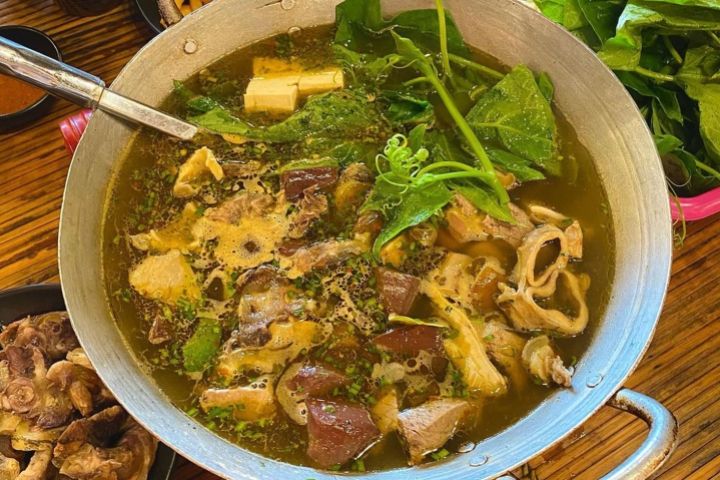
As the most famous Ha Giang food, Thang Co is a bold dish for adventurous eaters. Originally a traditional specialty of the Hmong people, it is a hearty stew made from horse meat (and sometimes beef or goat), organs, and a blend of 12 mountain spices like cardamom, star anise, and cinnamon.
- Where to try it: Dong Van or Meo Vac Sunday markets.
- Pro Tip: Pair it with a bowl of Men Men and a shot of corn wine for the most authentic experience.
Au Tau Porridge (Bitter Tuber Porridge)
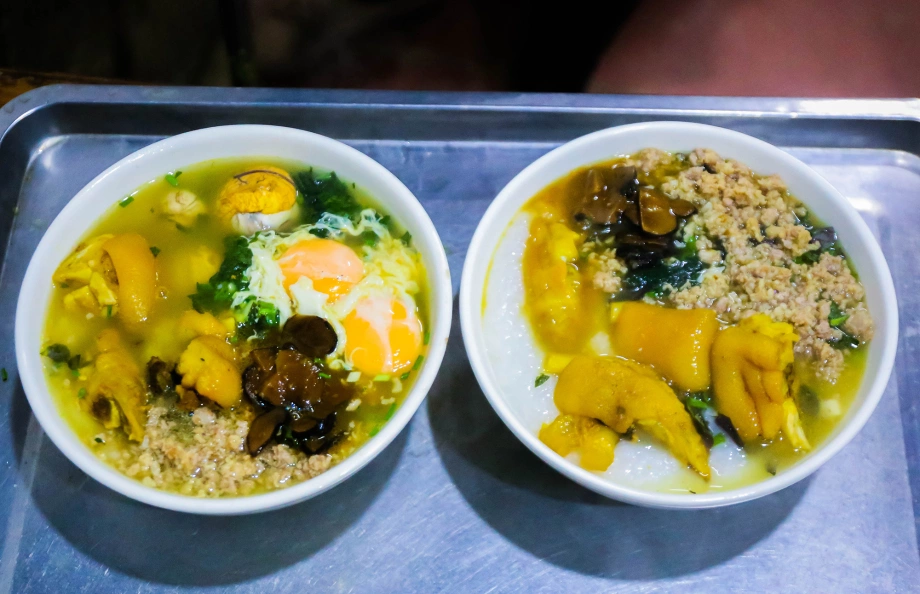
Commonly referred to as the “medicinal porridge,” Chao Au Tau is a staple of Ha Giang cuisine. It is made from the root of the Au Tau plant, which is toxic if not prepared correctly. Locals soak and simmer the root for hours until the poison is gone, leaving a nutritious porridge that is believed to cure colds and aid sleep.
- The Flavor: It has a distinct bitter start with a sweet, savory finish from pork shank and eggs.
- Best Time: It is traditionally eaten at night in Ha Giang City or Dong Van.
Banh Cuon Trung (Egg Rice Rolls)
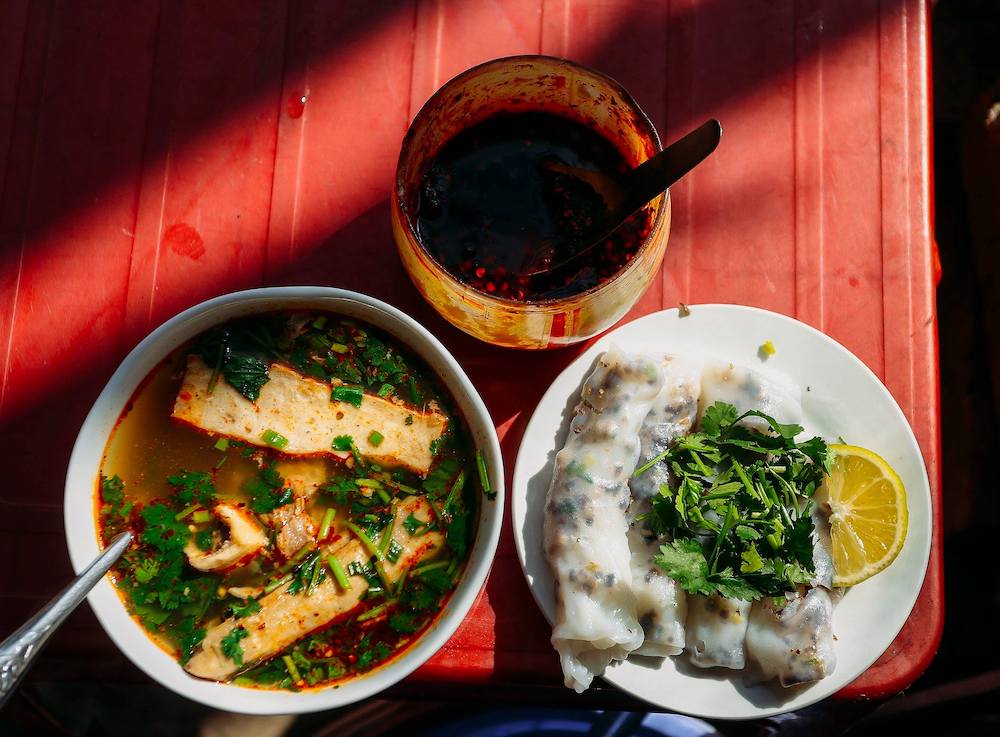
When deciding what to eat in Ha Giang for breakfast, Banh Cuon Trung is the undisputed champion. Unlike the version in Hanoi, Ha Giang’s rice rolls are dipped in a bowl of hot bone broth seasoned with herbs and pork sausage, rather than fish sauce.
- Why it’s special: The rolls are incredibly soft, and the addition of a steamed egg inside creates a creamy, rich texture that warms you up on misty mountain mornings.
Men Men (Steamed Ground Corn)
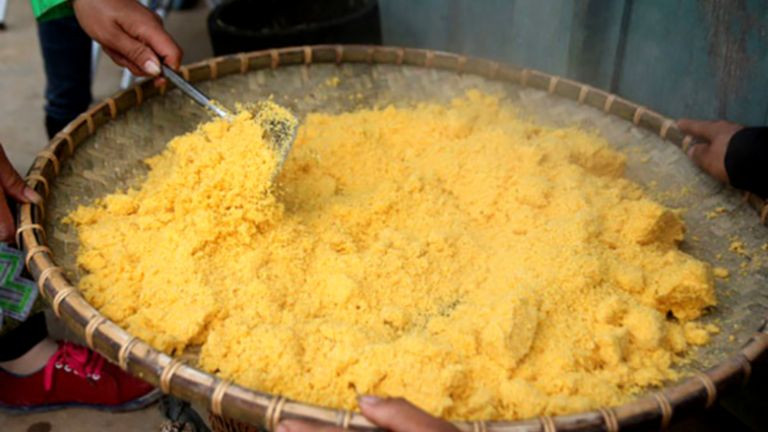
Since rice is scarce on the rocky plateau, corn is the lifeblood of the people. Men Men is made by grinding dried corn into flour and steaming it twice. It is a dense, nutty, and slightly sweet side dish.
- How to eat it: It is rarely eaten alone; most travelers find it best when mixed into a bowl of Thang Co or sour soup.
Thit Trau Gac Bep (Smoked Buffalo Meat)
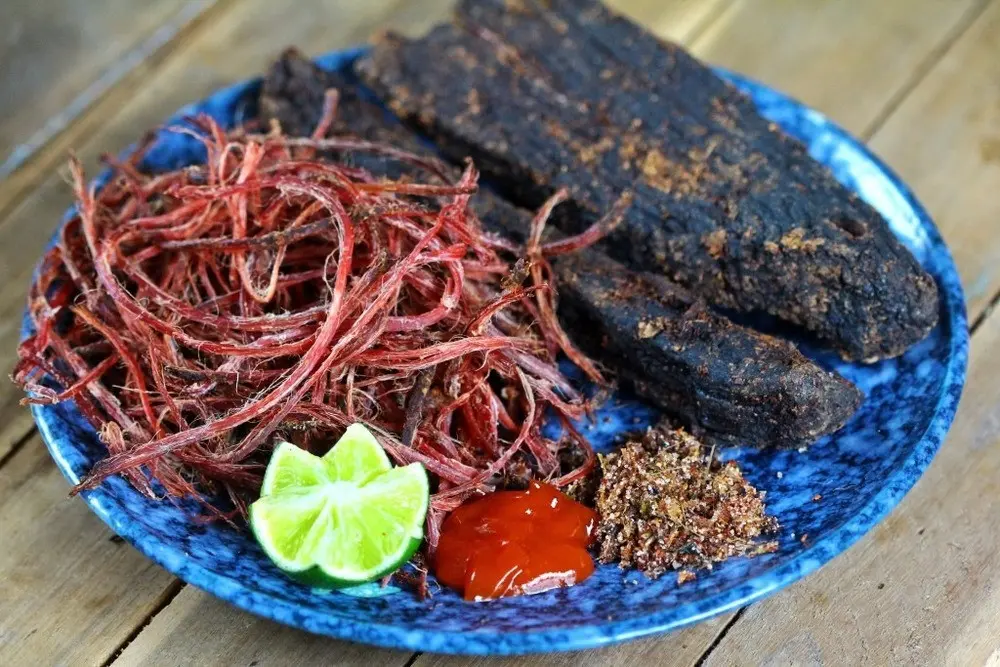
This is a classic food on Ha Giang loop that you can carry in your bag. The buffalo meat is marinated with mac khen (forest pepper), ginger, and chili, then hung over the kitchen hearth to smoke for months.
- The Vibe: It is chewy, smoky, and intensely flavorful. It is the perfect snack to share with new friends at a homestay dinner.
Xoi Ngu Sac (Five-Color Sticky Rice)
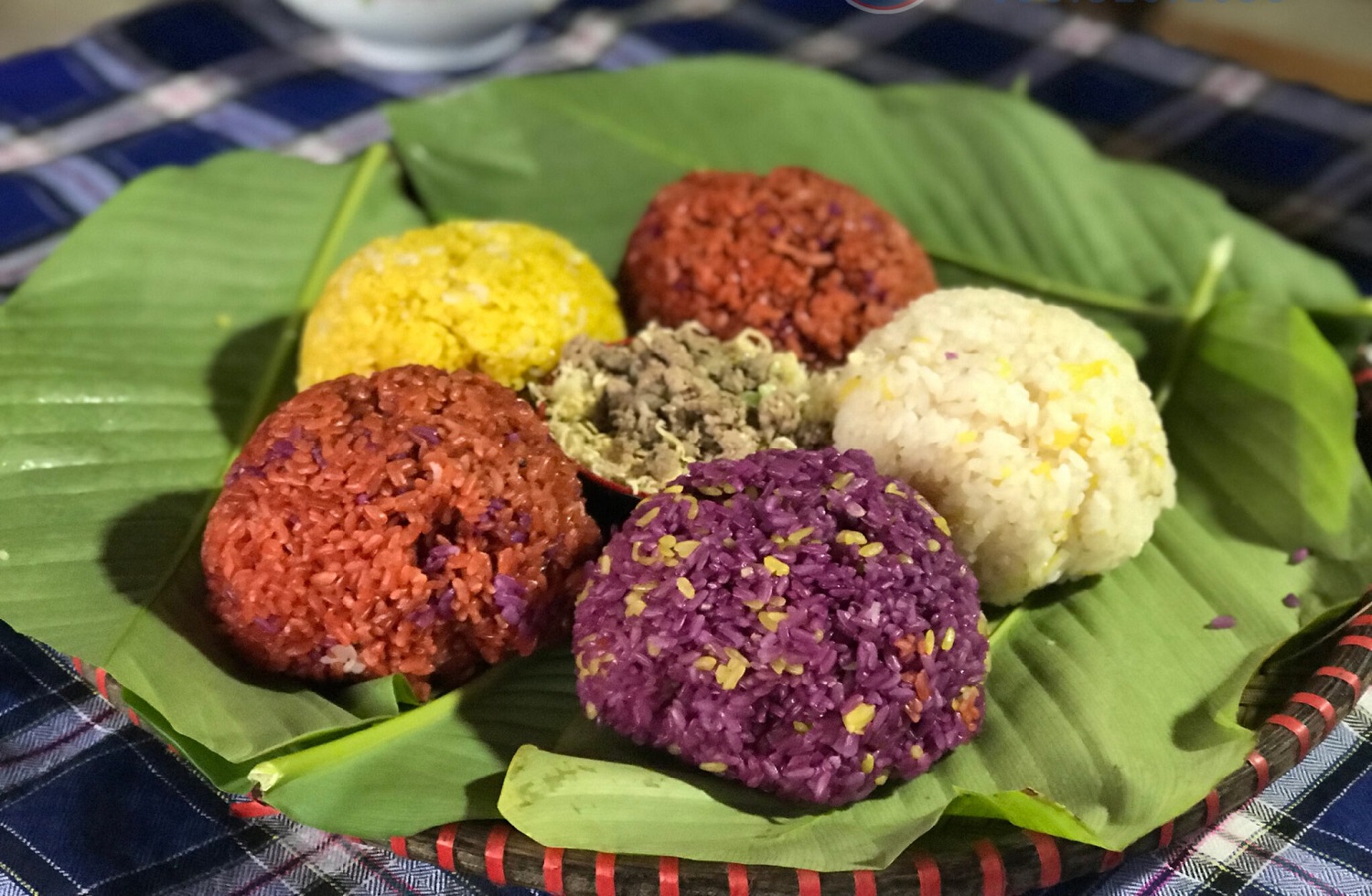
This visually stunning dish is a masterpiece of the Tay people. The five colors—white, yellow, red, purple, and green—symbolize the five elements of the universe. The dyes are 100% natural, derived from forest leaves and fruits.
- Top of Ha Giang food: It is usually served at festivals or markets and is incredibly fragrant thanks to the high-quality upland glutinous rice.
Banh Tam Giac Mach (Buckwheat Cake)
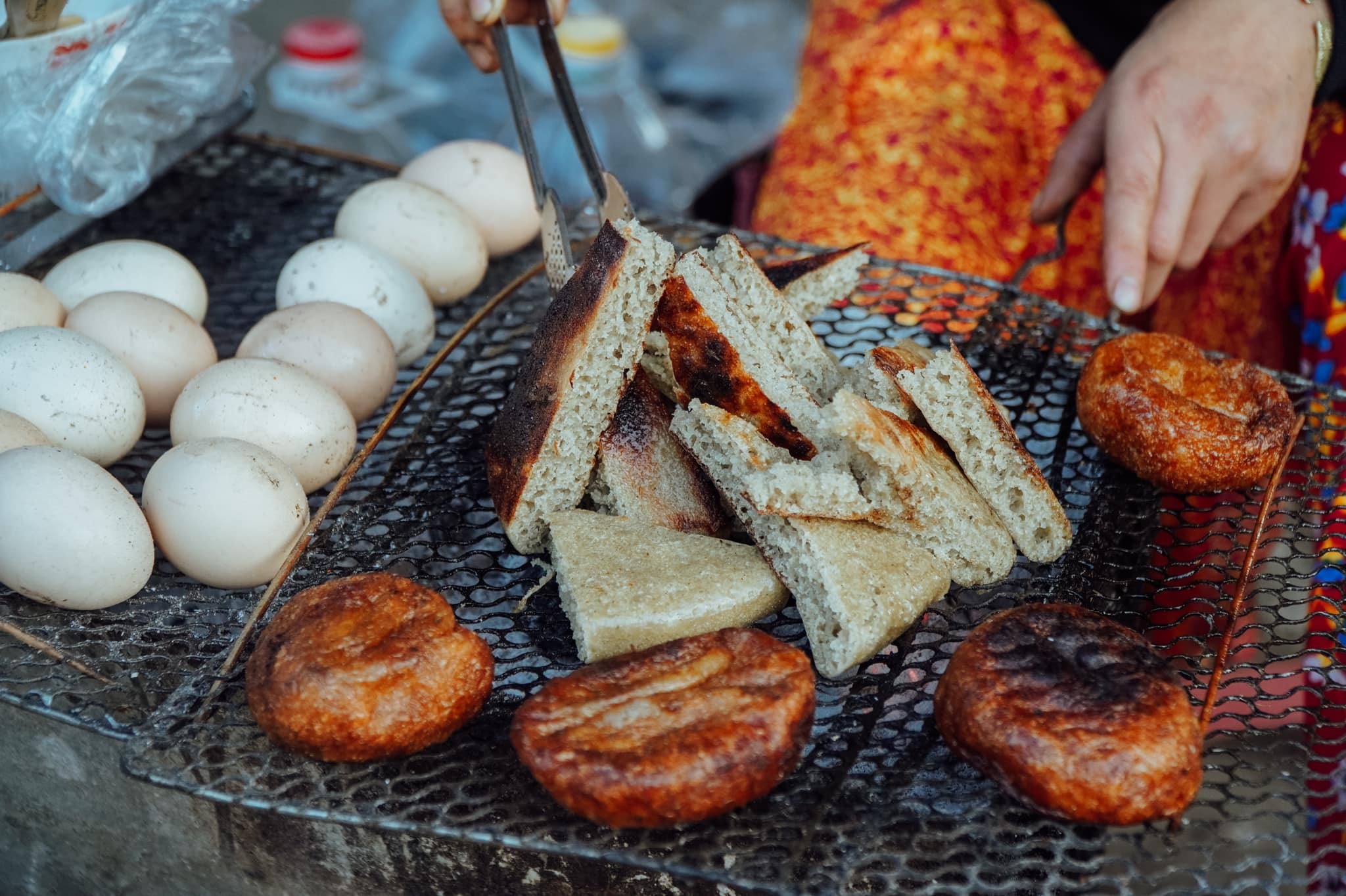
Buckwheat is the symbol of Ha Giang. After the flowers fade, the seeds are harvested to make Banh Tam Giac Mach. These purple-brown cakes are steamed and then grilled over charcoal.
- The Taste: Nutty, earthy, and slightly bready. You can find them at almost every roadside stall during the buckwheat season (October–December).
Pho Chua (Sour Pho)
Forget the hot soup you know. Pho Chua is a refreshing cold noodle dish. It features fresh pho noodles topped with char siu pork, fried sweet potatoes, peanuts, and a signature sweet-and-sour sauce made from vinegar and sugar.
- Where to find it: It is highly popular in Ha Giang City and is a great lunch option when you want something lighter than a heavy stew.
Com Lam Bac Me (Bamboo-Tube Rice)
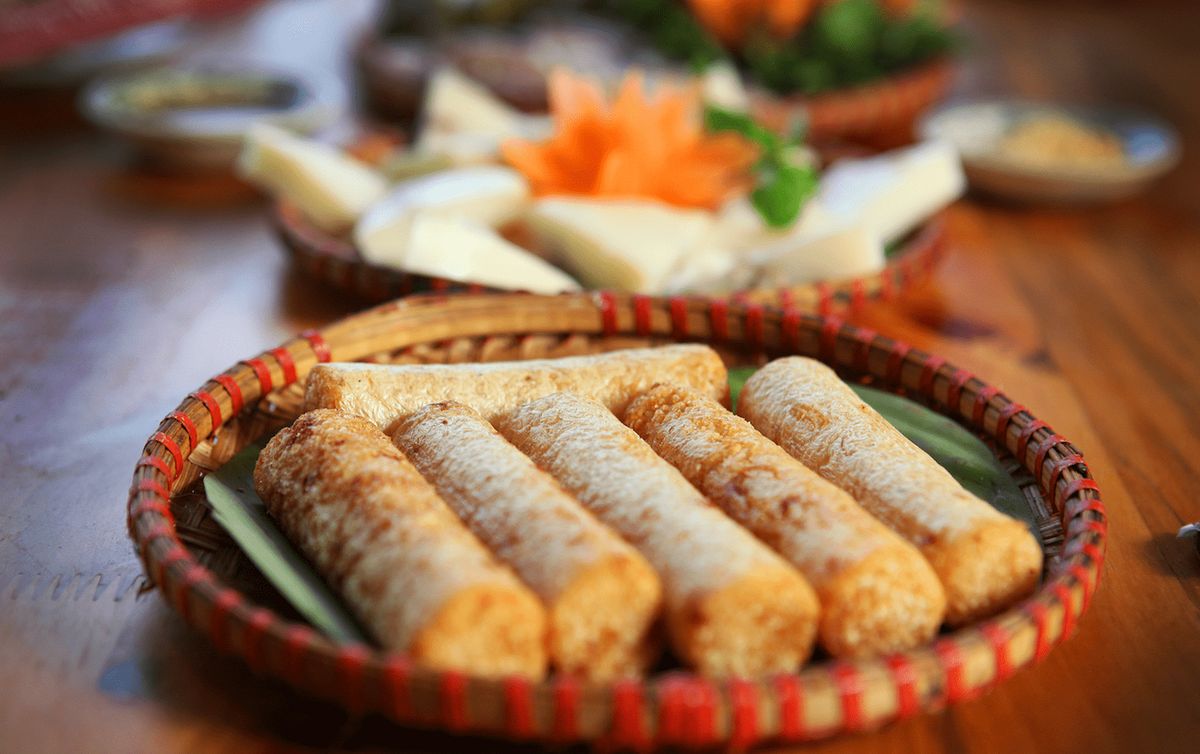
Com Lam is a delicious example of how Ha Giang food utilizes nature. Glutinous rice is packed into bamboo tubes, sealed with banana leaves, and roasted over an open fire.
- The Aroma: The rice absorbs the scent of the fresh bamboo, giving it a unique, woody fragrance. It is often served with sesame salt or grilled free-range chicken.
Lon Cap Nach (Under-arm Pig)
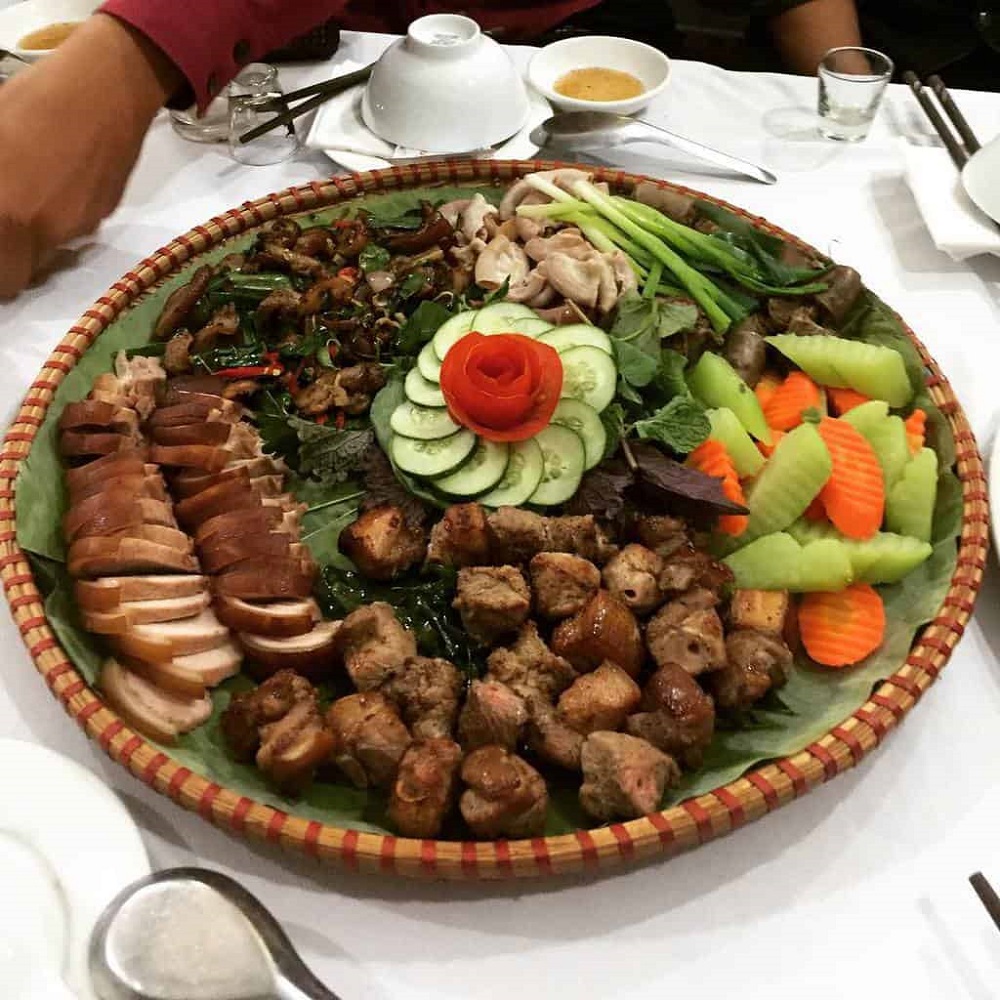
The name comes from the way locals carry these small, free-range pigs under their arms to the market. Because the pigs roam free in the mountains, their meat is lean, firm, and incredibly sweet.
- Best Style: Roasted over charcoal until the skin is golden and crispy. It is a highlight of dinner menus across the loop.
Thang Den (Sweet Rice Balls)
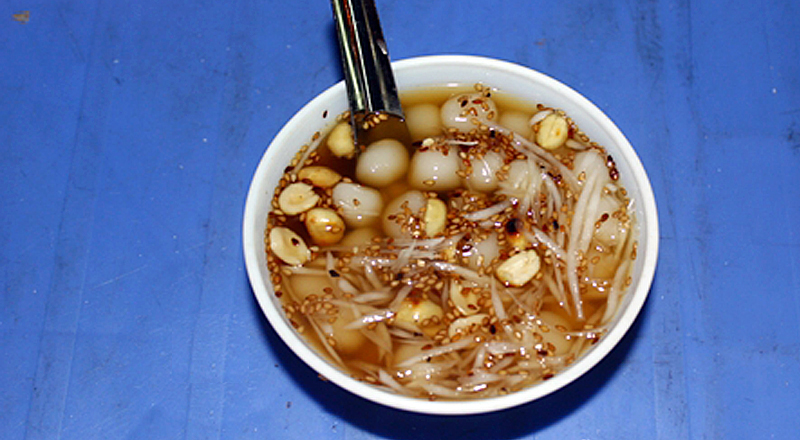
If you have a sweet tooth, Thang Den is the answer to what to eat in Ha Giang for dessert. These small, chewy glutinous rice balls are served in a warm syrup made of ginger and sugar, topped with crushed peanuts and coconut milk.
- The Feel: It is the ultimate comfort food for a chilly night in the Dong Van Old Quarter.
Ga Den (Black Chicken Hotpot)
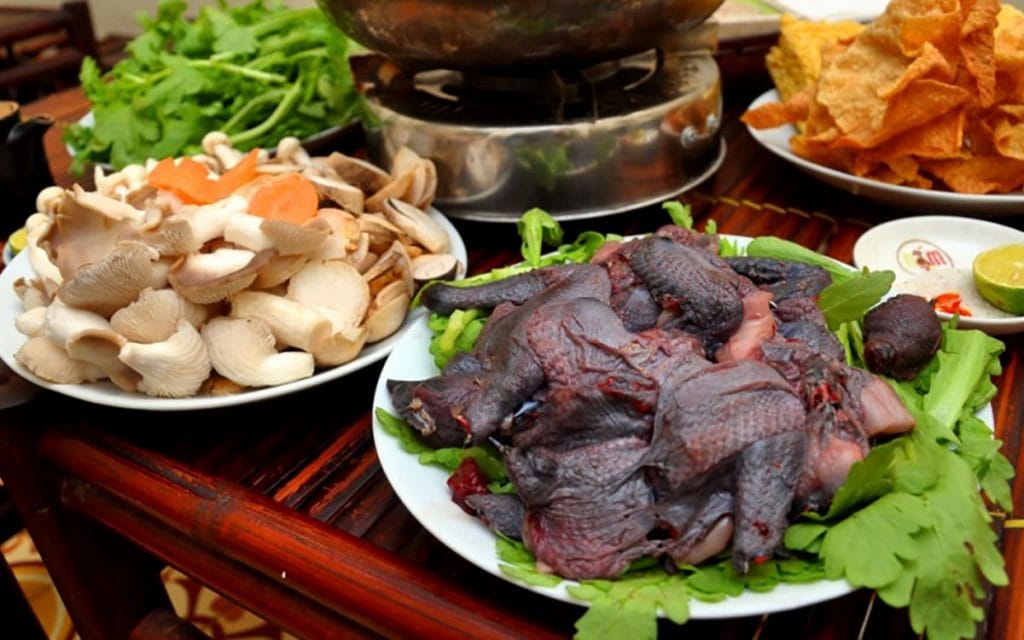
The Hmong black chicken is a rare breed with black skin, meat, and bones. It is highly prized for its nutritional value. In Ha Giang, it is often served as a hotpot with mountain herbs and buckwheat greens.
- The Benefit: It is incredibly restorative after a long day of riding the Ma Pi Leng Pass.
2. Where to Find the Best Ha Giang Food
To truly experience the top of Ha Giang food, you should look beyond the tourist restaurants:
- Sunday Markets: Dong Van and Meo Vac markets are the “food courts” of the mountains.
- Ethnic Homestays: Staying in villages like Nam Dam or Lo Lo Chai allows you to enjoy home-cooked family meals.
- Ha Giang City Night Market: Perfect for finding Au Tau Porridge and grilled snacks.
FAQs
Is Ha Giang food safe for vegetarians?
It can be tricky as many traditional stews use meat bases. However, most homestays can prepare delicious vegetarian options like “Dau Phu Sot Ca Chua” (Tofu in tomato sauce), stir-fried mountain greens, and “Xoi Ngu Sac.”
What is “Happy Water”?
This is the local nickname for corn wine (Ruou Ngo). It is very potent and an essential part of the social Ha Giang cuisine. Always drink responsibly!
How much does a typical meal cost?
Street food like Banh Cuon or Pho costs between 30,000 – 50,000 VND. A full communal dinner at a homestay usually costs around 100,000 – 150,000 VND per person.
Conclusion
Exploring what to eat in Ha Giang is an adventure in its own right. From the adventurous flavors of Thang Co to the comforting sweetness of Thang Den, every bite tells the story of the people who call these mountains home. As you navigate the Ha Giang Loop, make sure to pull over, sit on a tiny plastic stool, and let the local flavors surprise you.