Best camping sites in Vietnam have transformed from a niche hobby into a mainstream travel movement. With its sprawling 3,000km coastline, misty northern highlands, and lush tropical national parks, the country offers some of the most diverse outdoor experiences in Southeast Asia. Whether you are looking for a rugged survivalist adventure or a “chill” lakeside weekend, this guide covers the best camping sites in Vietnam for 2026.
Why should you experience the best camping sites in Vietnam?
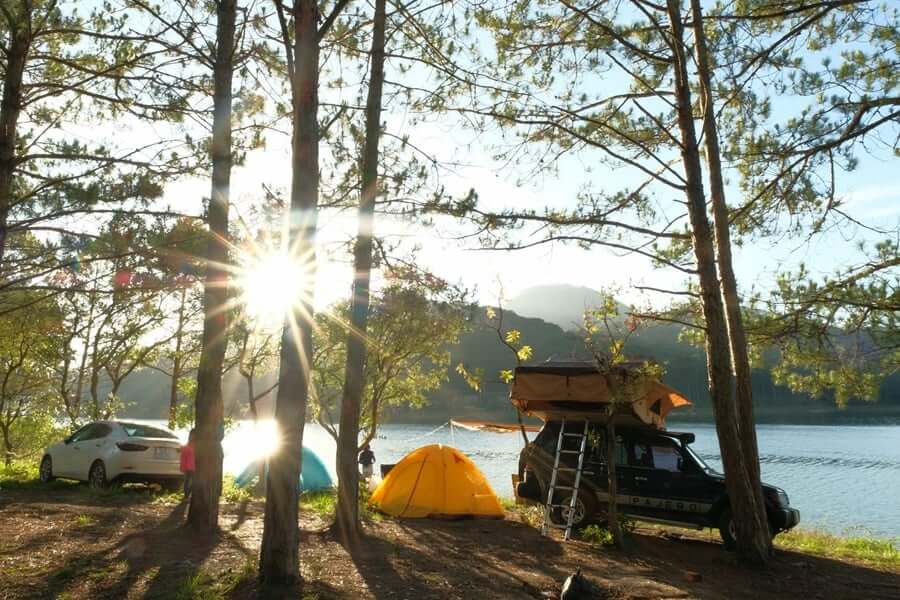
Beyond the standard hotel stay, camping in Vietnam offers a visceral connection to the land that you simply can’t find elsewhere.
- Diverse Ecosystems: Within a single week, you can transition from “cloud hunting” on a 2,000-meter peak in the North to BBQing on a white-sand beach in the South.
- Affordability: Most camping places in Vietnam are incredibly budget-friendly. Entrance fees to national parks usually range from 40,000 to 60,000 VND ($1.60 – $2.50 USD), making it accessible for everyone.
- Cultural Immersion: Many of the best camping sites in Vietnam are located near ethnic minority villages. Camping allows you to wake up to the rhythms of local life, far away from the commercialized tourist traps.
- Wellness & Digital Detox: In a fast-paced world, the “healing” nature of the Central Highlands or the quietude of a lake in Tay Ninh provides the perfect environment to unplug.
Where are the ideal destinations for camping in Vietnam?
Vietnam’s geography is divided into distinct zones, each offering a unique campsite in Vietnam experience.
National parks for wild camping in Vietnam
For those seeking true wilderness, the national parks are the gold standard.
Ba Vi National Park (Ha Noi)
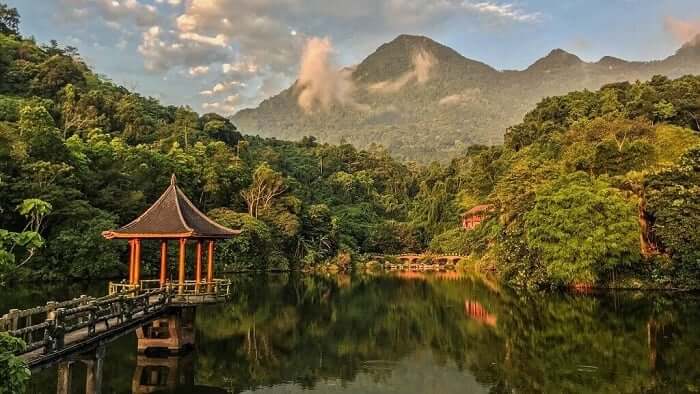
Located just 60km from Hanoi, Ba Vi is the “green lung” of the capital. The pine forest near the Ancient French Church is a legendary spot for photos. It offers a cooler climate than the city. You can hike to King Peak or visit the Cactus Greenhouse before setting up camp. Professional camping services here offer tent rentals starting from 150,000 VND.
Cuc Phuong National Park (Ninh Binh)
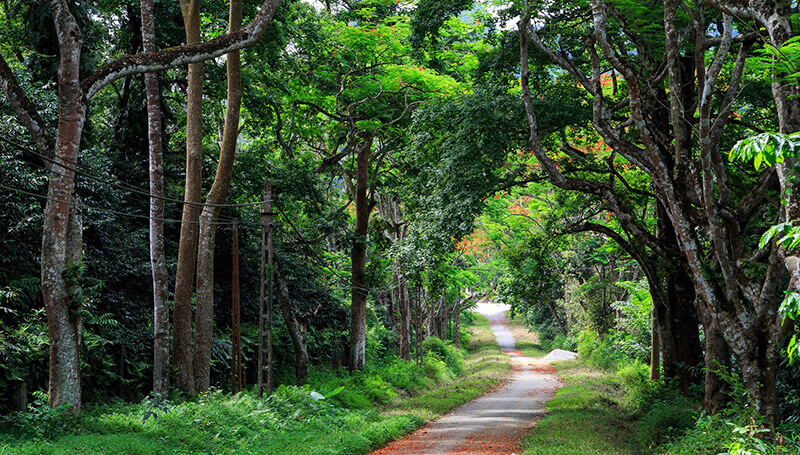
As Vietnam’s first national park, Cuc Phuong is a masterclass in biodiversity. Visit during Butterfly Season (April to May) to be surrounded by millions of white butterflies. The park has designated “cemented” areas for safe overnight camping near the headquarters or deeper in the Mac Lake area. It is perfect for families wanting a safe introduction to nature. Instead of Cuc Phuong, you can visit to other famous place in Ninh Binh and enjoy Ninh Binh food.
Cat Tien National Park (Dong Nai)
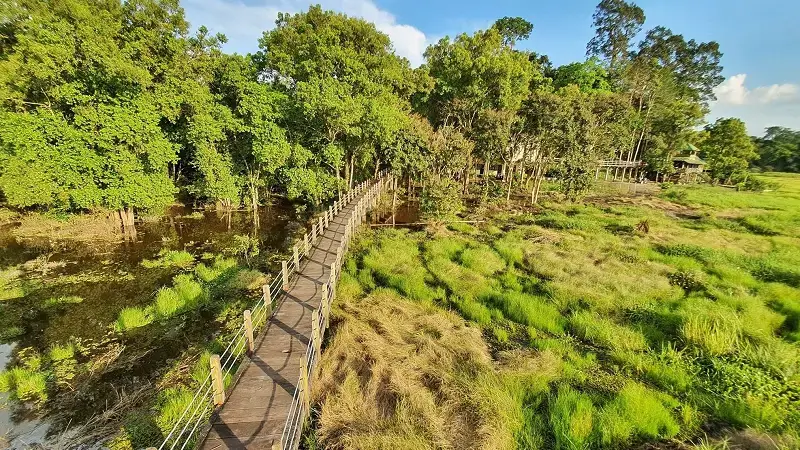
A UNESCO Biosphere Reserve located halfway between Ho Chi Minh City and Da Lat. Night Wildlife Spotting. You can take a jeep tour to see deer, civets, and wild boars in their natural habitat. Wake up to the haunting calls of the Golden-cheeked Gibbon. The Ta Lai area offers a mix of wild camping and organized cultural longhouses.
Mountainous areas and hills
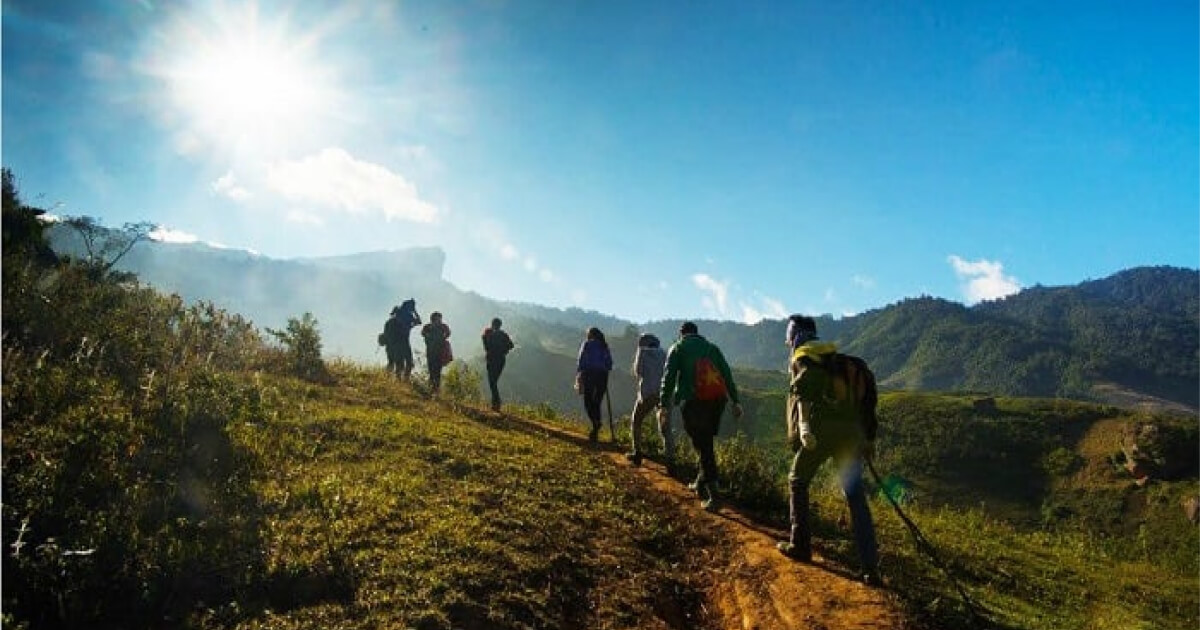
The North is the kingdom of “cloud hunting,” where the camping sites in Vietnam reach literal new heights. Beside the North of Vietnam, you also could reference The itinerary from North to South of Vietnam.
Mu Cang Chai (Yen Bai)
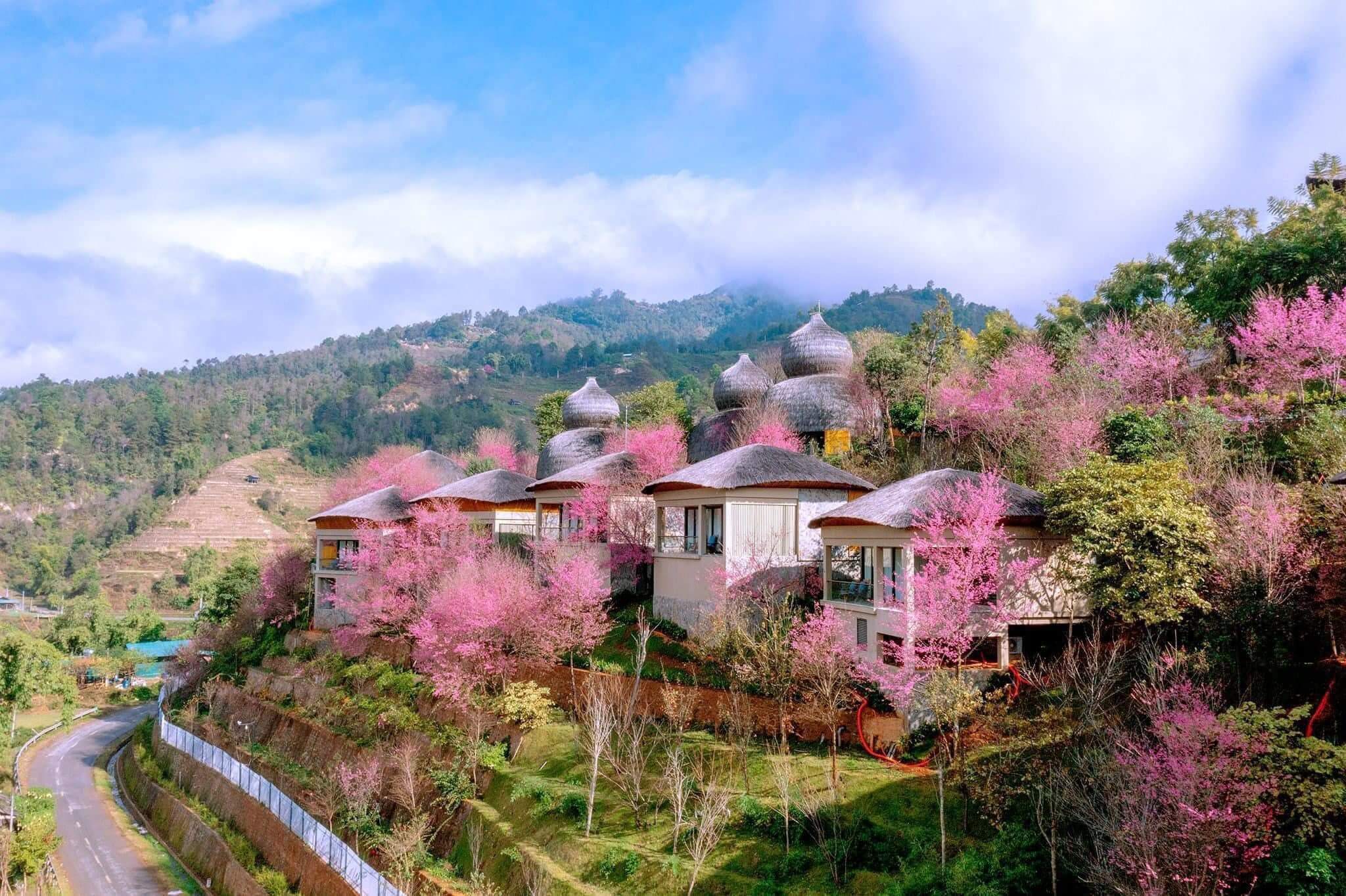
Home to the world’s most spectacular terraced rice fields. The “Golden Season” (late September to early October) when the terraces turn bright yellow. Camping on the ridges of Mam Xoi Hill or Lao Chai offers a panoramic view of the cascading heritage fields.
Ta Xua (Son La)
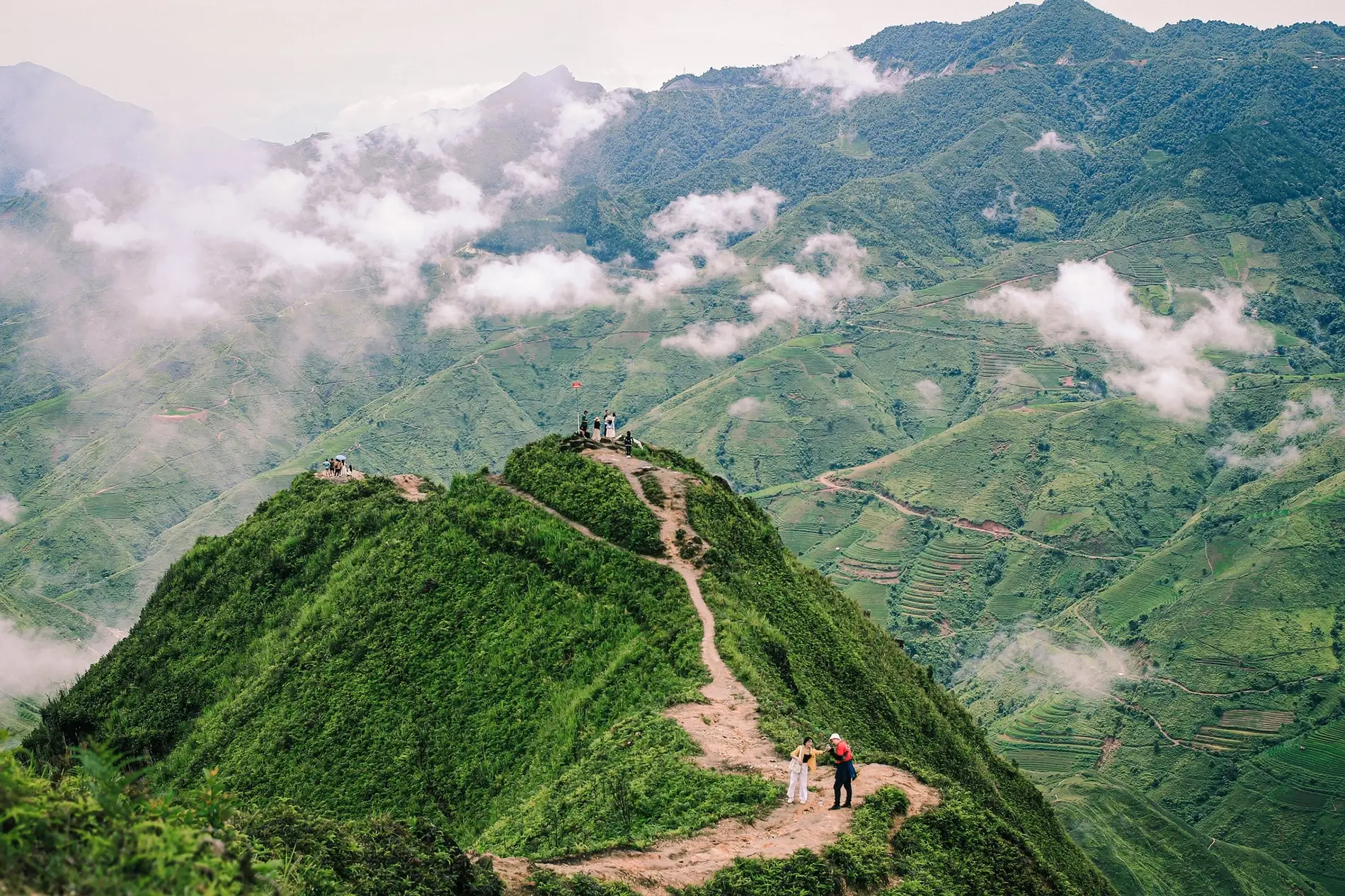
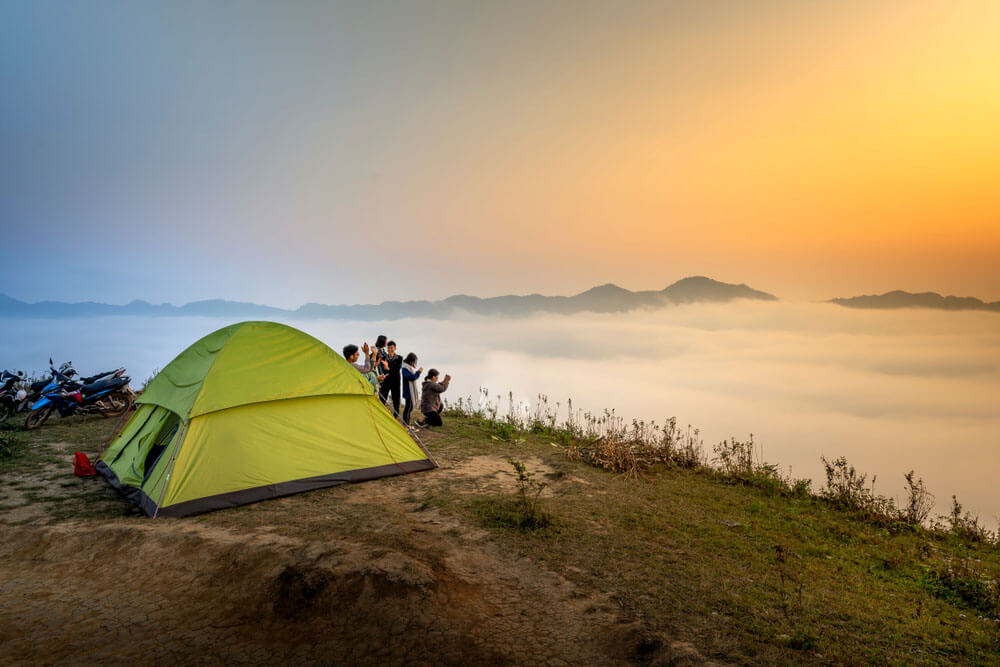
The ultimate destination for “cloud hunters.” The Dinosaur Spine (Sống Lưng Khủng Long). Setting up a tent at the edge of the ridge allows you to watch the “sea of clouds” roll into the valley at dawn. It is rugged, windy, and unforgettable.
Da Phu Hill (Lam Dong)
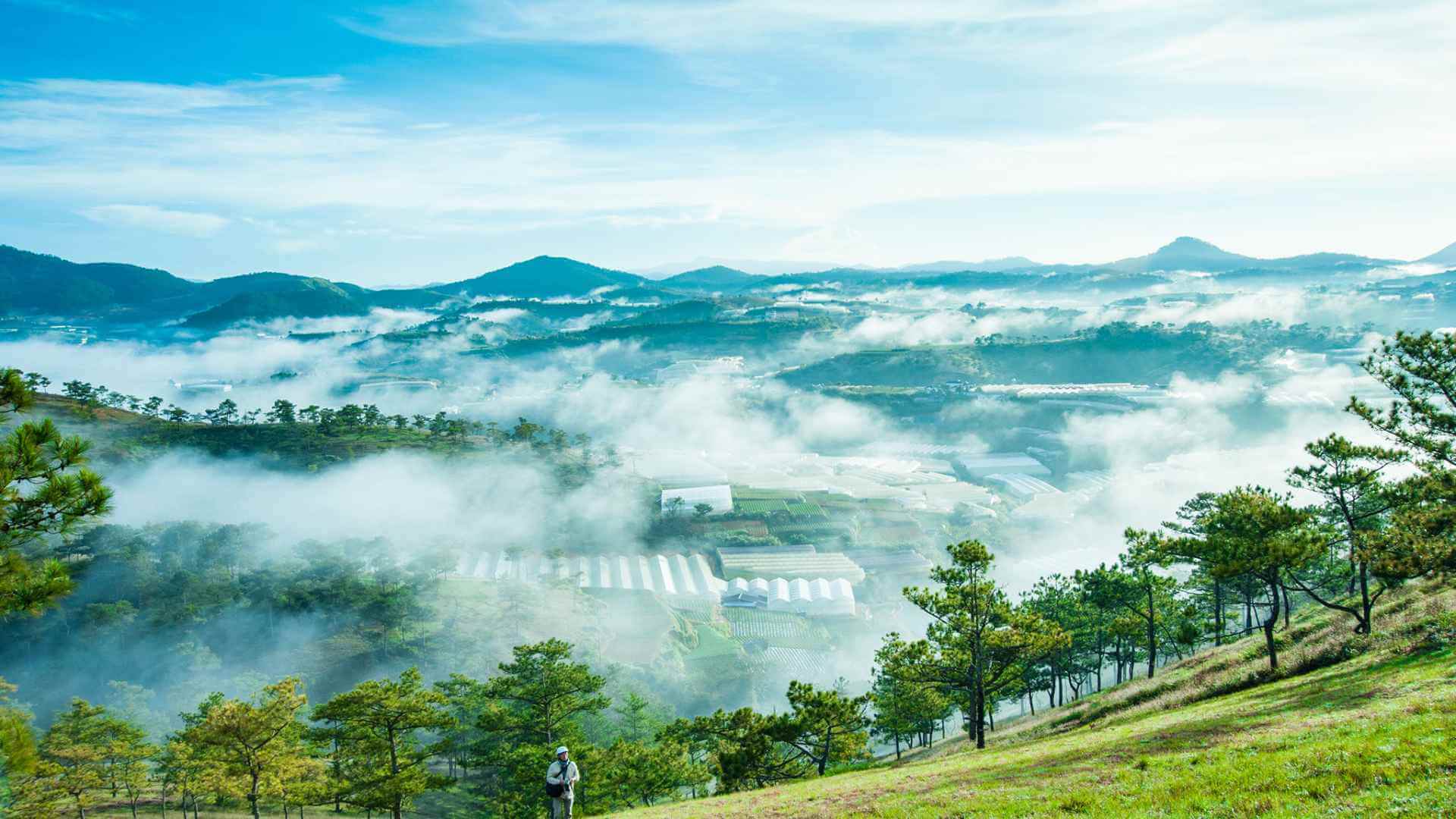
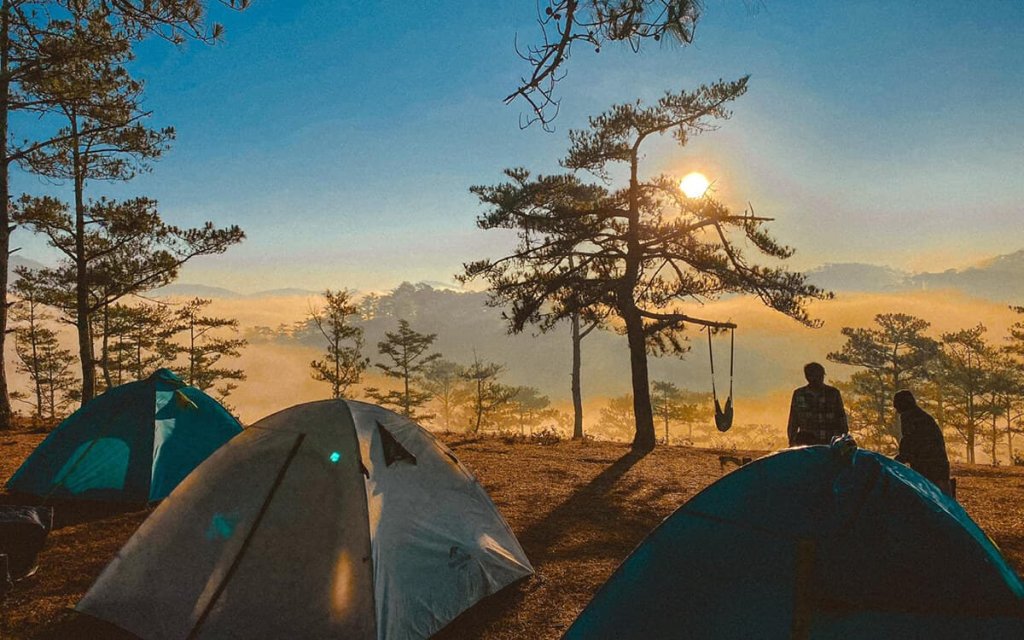
Just a short drive from Da Lat city center, this is a favorite for those who want a “boho” camping vibe. No fees, no management—just pure nature. It is famous for its misty pine forests and the twinkling lights of Da Lat’s flower greenhouses at night.
Lakes for overnight camping in Vietnam
Lake camping is the trendiest choice for groups of friends looking for “chill” vibes and water sports.
Dau Tieng Lake (Tay Ninh)
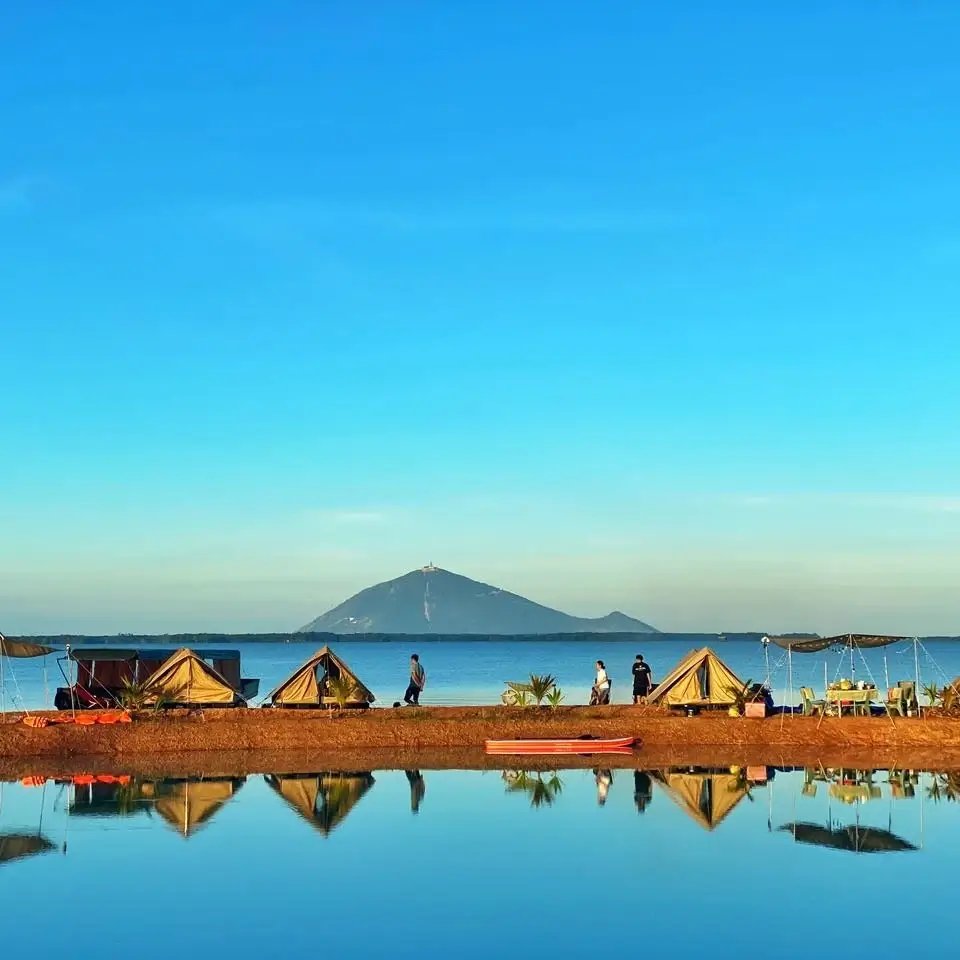
The largest artificial reservoir in Vietnam and the top choice for HCMC residents. Vast grasslands and a “lonely tree” that serves as the perfect backdrop for Instagram. There are a lot of activities such as SUP paddling, fishing, and sunset BBQ.
Tri An Lake (Dong Nai)
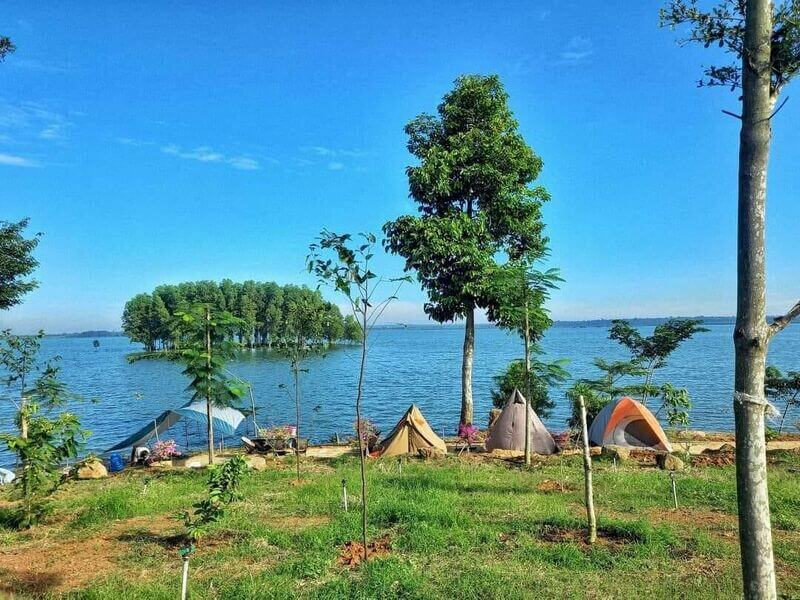
Known for its “Wolf Archipelago,” this lake offers a mix of forest and water. You can camp on the islands or under the shade of the Ma Da forest. It’s an easy 2-hour drive from the city, making it the most accessible campsite in Vietnam for a quick escape.
Ta Dung Lake (Dak Nong)
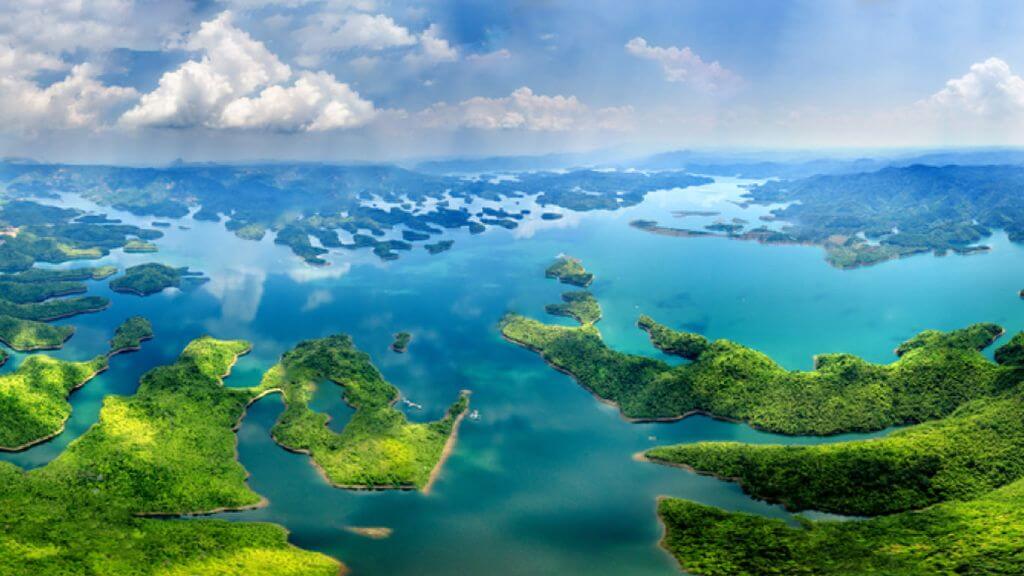
Often called the “Ha Long Bay of the Central Highlands.” This place has over 40 islands emerging from the emerald water. Several glamping sites have popped up here, offering infinity pools and pre-pitched tents overlooking the stunning “islands” below.
Coastal regions with camping facilities
Beach camping in Vietnam ranges from luxury glamping to sleeping under the stars on a secluded cove.
Coco Beach Camp (Binh Thuan)
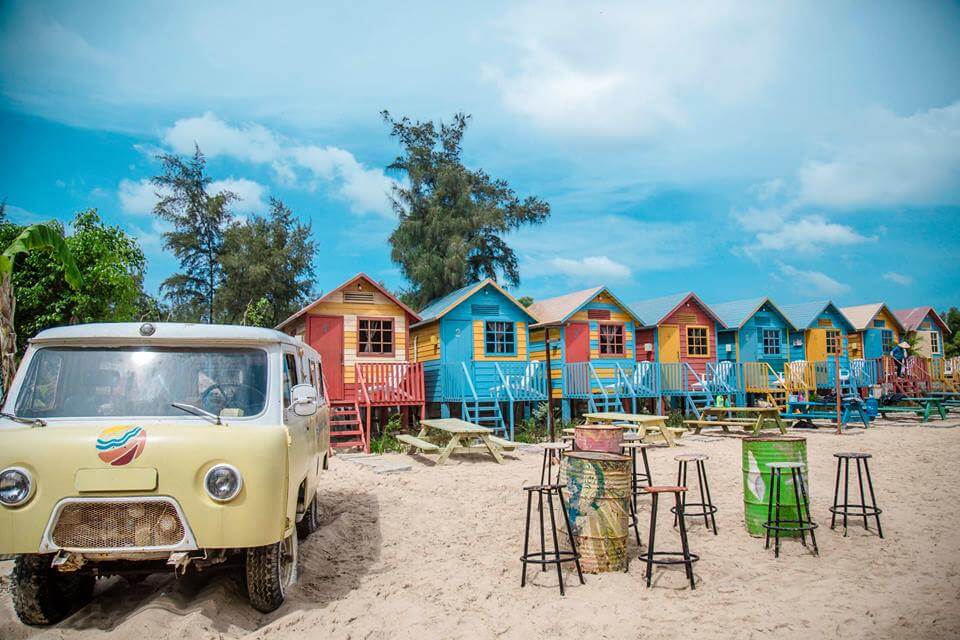
The pioneer of beach glamping in Vietnam.
- Style: Very colorful, energetic, and young.
- Experience: Beach parties, seafood BBQs, and neatly arranged luxury tents right on the sand in Lagi.
Trung Luong Camping Site (Binh Dinh)
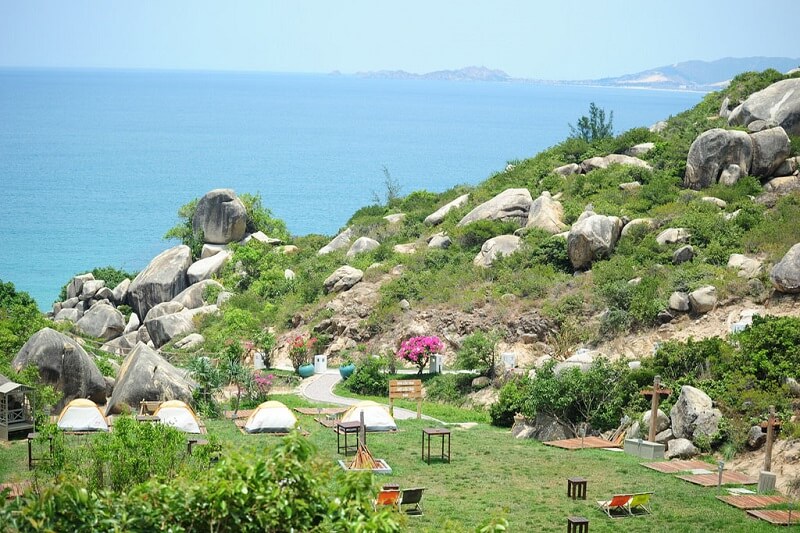
Located in a small valley between rocky mountains and the sea near Quy Nhon.
- Vibe: Reminiscent of Jeju Island or the Mediterranean.
- Price: Entrance is around 45,000 VND. It has great facilities, including a restaurant and clean showers.
Dai Lanh Camping Site (Khanh Hoa)
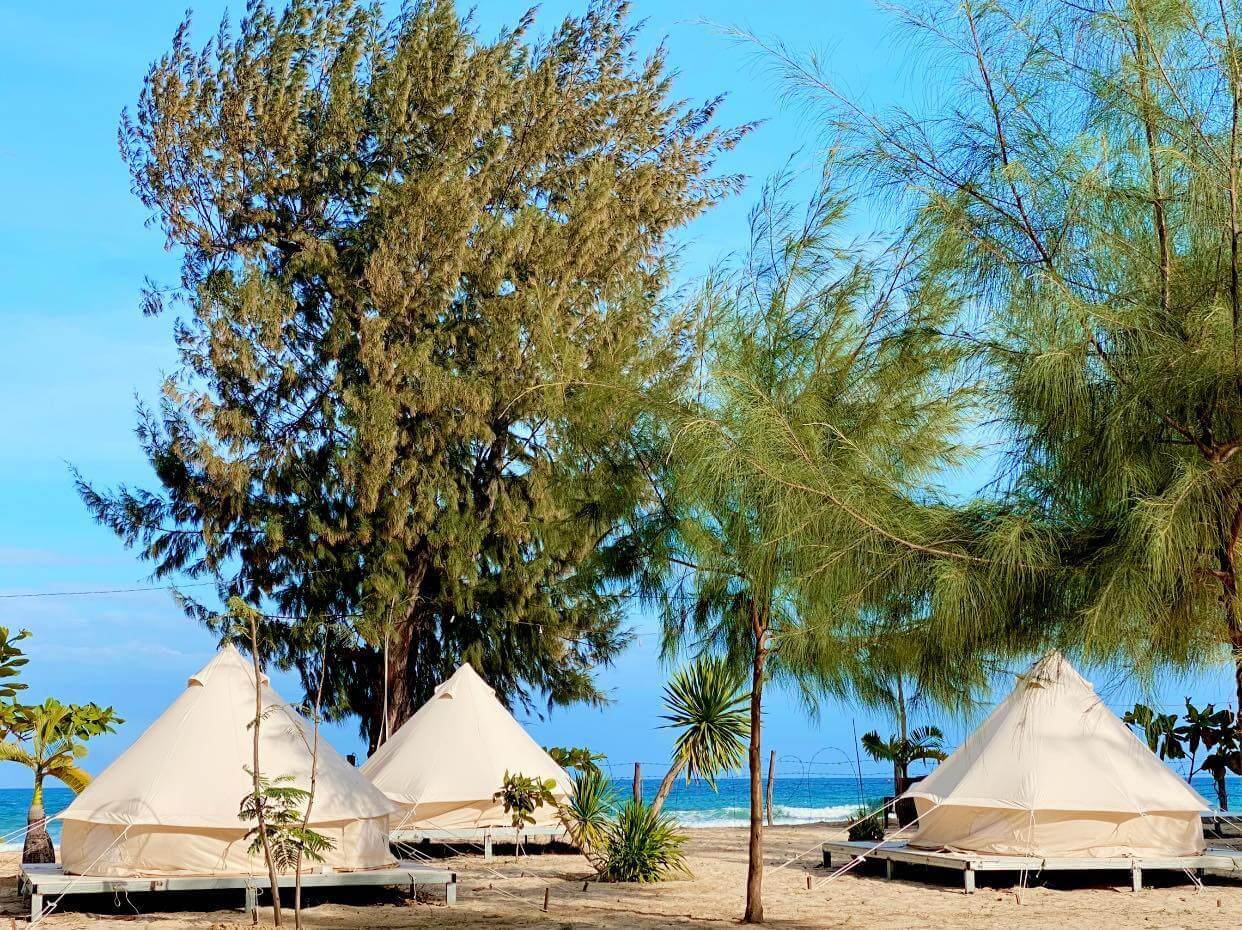
Known as one of the most beautiful bays in the world, located at the foot of Ca Pass.
- Highlight: Waking up to the very first sunrise on the Vietnamese mainland.
- Experience: The campsite offers colorful wooden “beach huts” and plenty of space for traditional tents under the poplar trees.
Tips to have the optimal experience with camping in Vietnam
To ensure your trip to the best camping sites in Vietnam goes smoothly, keep these logistics in mind.
The best time for camping in Vietnam
Vietnam’s weather is divided by region:
- North: October to April is the dry season. Waking up in a tent at 10°C in Ta Xua is a dream, but avoid the rainy summer (June–August).
- Central: February to August. Avoid the “storm season” from October to December.
- South: November to May (Dry season). This is the golden time for lake camping near HCMC.
Preparation for camping in Vietnam
- Gear: If you are a tourist, you can easily rent gear in major cities like Hanoi or HCMC. A basic combo (tent, mat, light) costs about 200,000 VND/day.
- Connectivity: 4G/5G coverage in Vietnam is excellent, but download offline maps if you are heading deep into Cat Tien or the Northern highlands.
- Supplies: Stock up on local marinated meats (pork belly/chicken) and fresh vegetables from local markets on your way to the site.
Important notes for your camping in Vietnam
- Leave No Trace: Vietnam’s nature is beautiful but fragile. Always pack out your trash.
- Safety: In tropical forests, be wary of leeches (especially in the rainy season) and mosquitoes. Bring DEET-based repellent.
- Permissions: While “wild camping” is generally tolerated, always check if a site requires a permit from the local forest ranger (Kiểm lâm).
Conclusion
From the “sea of clouds” in the North to the turquoise waters of the South, the best camping sites in Vietnam offer a soul-stirring alternative to traditional tourism. Whether you are a solo backpacker or a family looking for a weekend retreat, there is a camping in Vietnam experience waiting for you.
FAQs
1. Is wild camping legal in Vietnam?
Wild camping in Vietnam exists in a “grey area.” While it is not strictly illegal in many rural areas, Vietnamese law requires all travelers (especially foreigners) to be registered with local authorities for overnight stays.
- Designated Sites: It is always safest and most respectful to use designated camping sites in Vietnam or national park grounds.
- Wild Spots: If you choose to camp in the wild (like Ta Xua or Da Phu Hill), be discreet, avoid private property, and keep a digital copy of your passport on hand in case local rangers or police perform a routine check.
2. Can I rent camping gear in Vietnam, or should I bring my own?
You can easily do both!
- Rent: In major cities like Hanoi, Da Nang, and Ho Chi Minh City, rental shops offer full kits (tent, mat, light, stove) for about 150,000 – 250,000 VND ($6–10 USD) per day. Most national parks also rent basic tents at the gate.
- Buy: If you are on a long-term trip, shops like FanFan or Decathlon in Vietnam offer high-quality gear at affordable prices.
3. What are the biggest safety concerns when camping?
Vietnam is generally very safe, but nature has its own rules:
- Insects: Leeches (in jungles during the rainy season) and mosquitoes are common. Bring high-DEET repellent and wear long socks/pants.
- Weather: Flash floods can occur in mountainous regions during the rainy season (June–August). Always check the forecast and avoid camping near narrow stream beds.
- Wildlife: While there are no large predators like grizzly bears, snakes and scorpions exist. Always keep your tent zipped shut.
4. Do I need to book camping sites in advance?
- National Parks: Generally, you don’t need a reservation for a tent spot, but you should arrive before 5:00 PM as park offices close early.
- Glamping Sites: Popular spots like Coco Beach Camp or Ta Dung Lake glamping pods book up weeks in advance for weekends and public holidays (like Tet or April 30th).
5. Is there mobile signal at these campsites?
Surprisingly, yes! Vietnam has one of the best 4G/5G coverages in Southeast Asia.
- Viettel is the most reliable provider for remote mountainous areas.
- Note: In deep valleys or dense jungles (like parts of Cat Tien), signal may drop, so always download offline Google Maps before you go.
6. Can I have a campfire?
- National Parks: Usually restricted to designated fire pits to prevent forest fires.
- Pine Forests (Da Lat): Extremely dangerous during the dry season; many areas strictly forbid fires.
- Beaches & Lakes: Generally allowed, but always use a “Leave No Trace” approach—bury the ashes or use a portable fire pit to avoid scorching the grass.
7. How much does it cost to camp?
Camping is the most budget-friendly way to see the country:
- Public/National Parks: 40,000 – 100,000 VND ($1.60 – $4 USD) per person.
- Private/Glamping Sites: 200,000 – 1,000,000 VND ($8 – $40 USD) depending on the level of luxury.
- Wild Sites: Often free!
Read more:
Discover The Breathtaking Cycling Tours In Vietnam For 2026