Ha Giang, Vietnam is the ultimate destination for those seeking the raw, untamed beauty of Southeast Asia. Located at the northernmost tip of the country, bordering China, this province is often described as the “final frontier.” Unlike the humid lowlands, Ha Giang is a world of jagged limestone pinnacles, deep river canyons, and a cultural tapestry woven by 22 different ethnic minority groups.
For those planning to travel in Ha Giang, Vietnam, the experience is defined by the legendary Ha Giang loop—a journey through some of the most dramatic mountain scenery on the planet. In this comprehensive Ha Giang travel guide, we will explore the top 10 attractions, the influence of Ha Giang weather, and everything you need to know for a hassle-free adventure.
About Ha Giang, Vietnam: Location and Topography
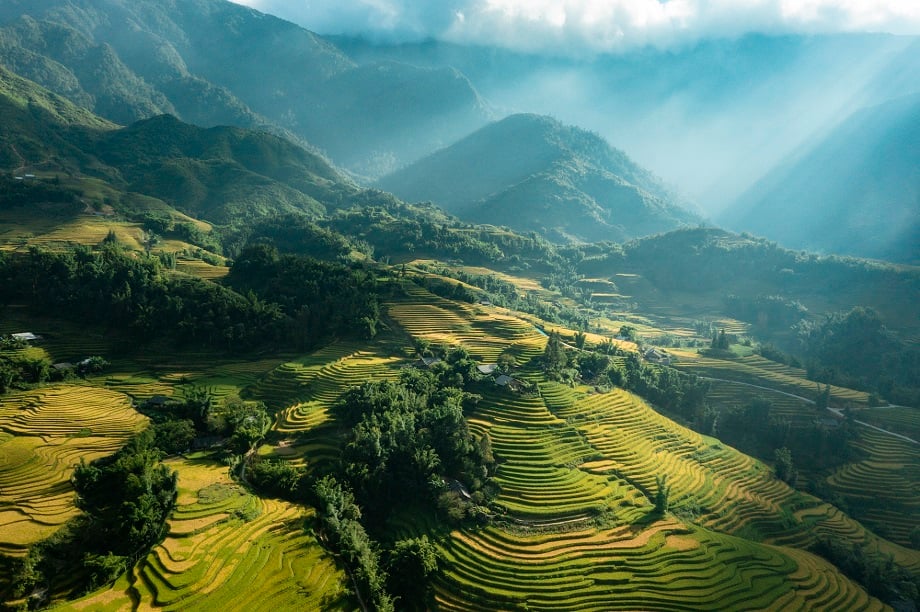
Ha Giang, Vietnam is situated approximately 300 kilometers north of Hanoi. The topography is dominated by the Dong Van Karst Plateau, a UNESCO Global Geopark. This isn’t a typical lush green mountain range; it is a “forest of stone” where thousands of limestone peaks stretch as far as the eye can see.
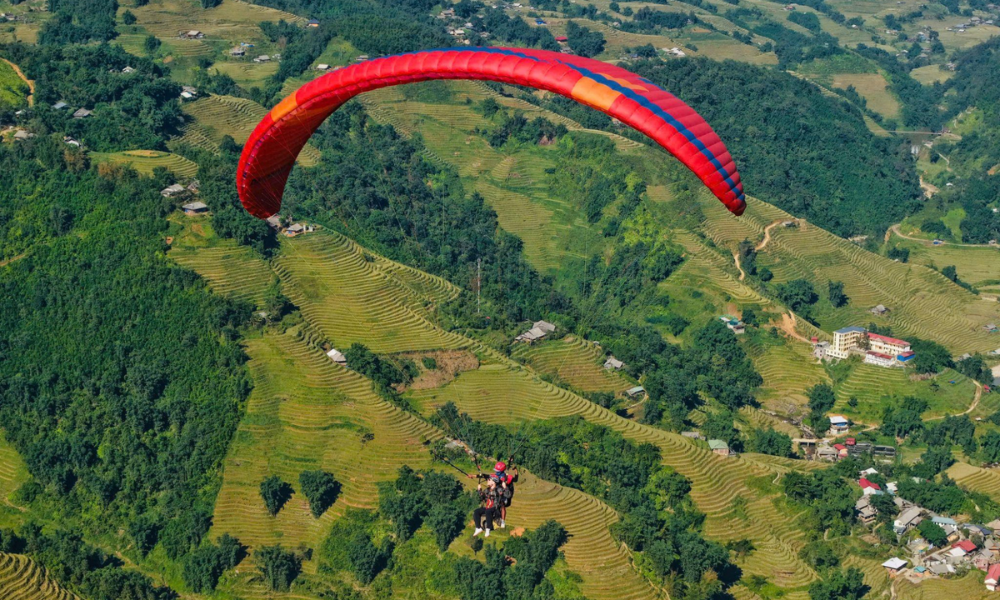
With elevations ranging from 800 to 1,600 meters, the landscape is characterized by steep cliffs, turquoise rivers, and breathtaking rice terraces. Because of its rugged terrain, Ha Giang remained isolated for centuries, allowing groups like the H’mong, Tay, and Dao to preserve their unique languages and traditions.
Ha Giang Weather: When is the Best Time to Visit?
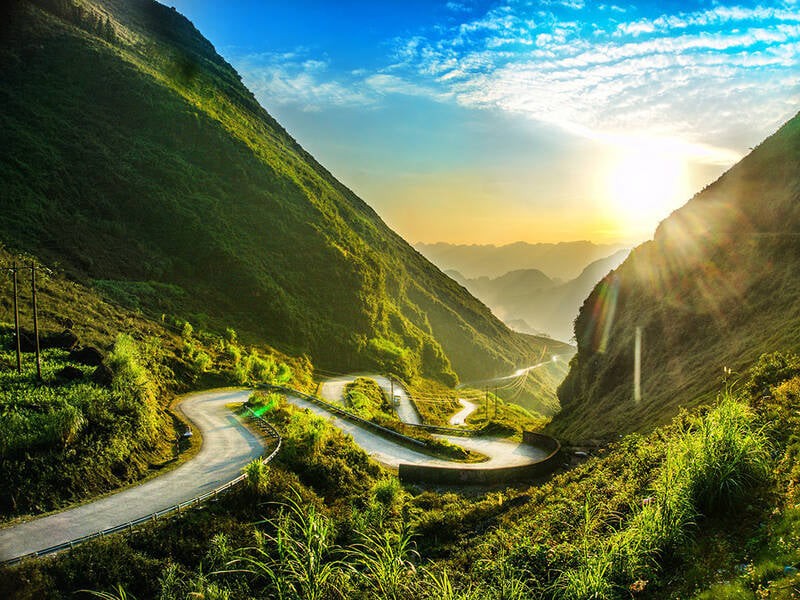
Understanding Ha Giang weather is crucial for your safety and enjoyment. The high altitude creates four distinct seasons:
- Spring (January – March): The season of blossoms. The mountains are blanketed in white plum and pink peach flowers. The weather is cool and often misty.
- Summer (May – August): The “pouring water” season. Heavy rains fill the terraces, turning them into shimmering mirrors. It’s vibrantly green but be cautious of slippery roads.
- Autumn (September – October): The best time to travel in Ha Giang, Vietnam. The rice terraces turn golden, and the air is crisp and dry.
- Winter (November – December): The season of the Buckwheat Flower. It can get very cold, but the sight of purple blooms against the gray karst is unforgettable.
Read more: Ninh Binh Weather: The Best Time to Visit Ninh Binh in 2026?
Top 10 Tourist Attractions in Ha Giang Vietnam
If you are embarking on the Ha Giang loop, these ten spots represent the very best of the province.
Ma Pi Leng Pass
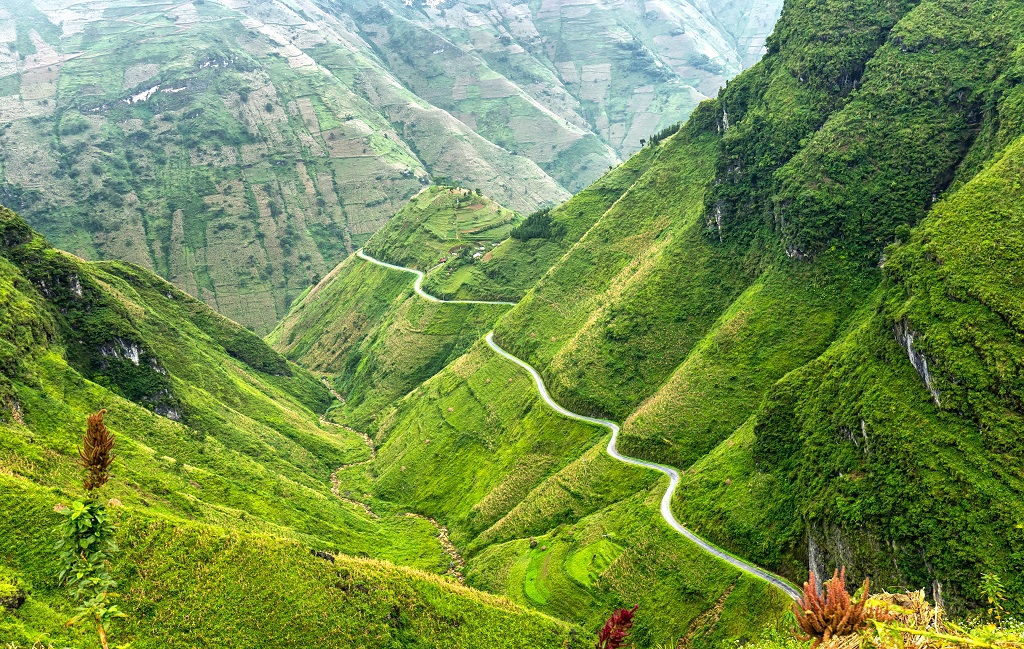
Known as the “King of Passes,” Ma Pi Leng is the crown jewel of Ha Giang, Vietnam. This 20-kilometer road is carved into the side of a mountain at an altitude of 1,200m. Riding this pass offers a heart-pounding view of the 1,000-meter drop into the valley below.
Nho Que River & Tu San Canyon
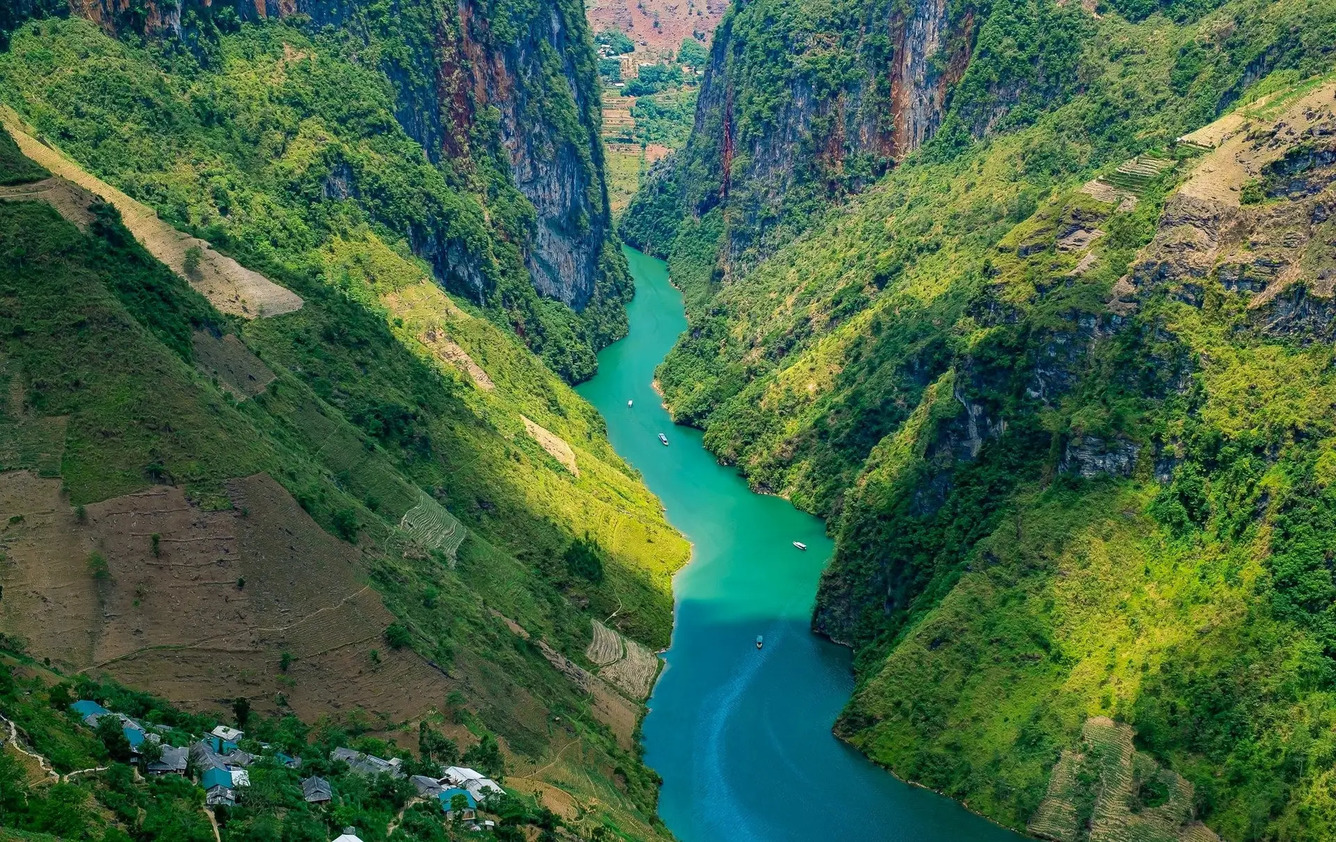
At the foot of Ma Pi Leng lies the emerald-green Nho Que River. You can take a boat through Tu San Canyon, the deepest canyon in Southeast Asia. The vertical limestone walls rising from the water create a humbling sense of scale that is essential for any Ha Giang travel guide.
Dong Van Karst Plateau Geopark
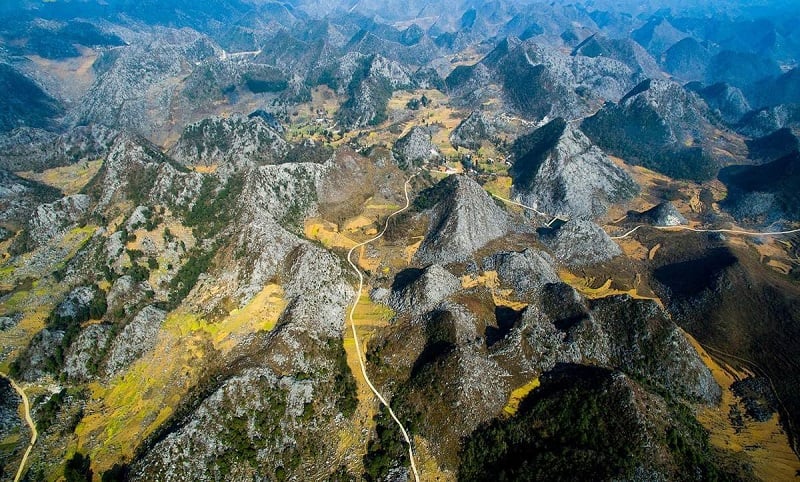
This UNESCO site covers four districts and is a geological marvel. It contains fossils dating back 500 million years. It is a place where humans and stone live in harmony, with locals building homes directly into the rocky crevices.
Lung Cu Flag Tower
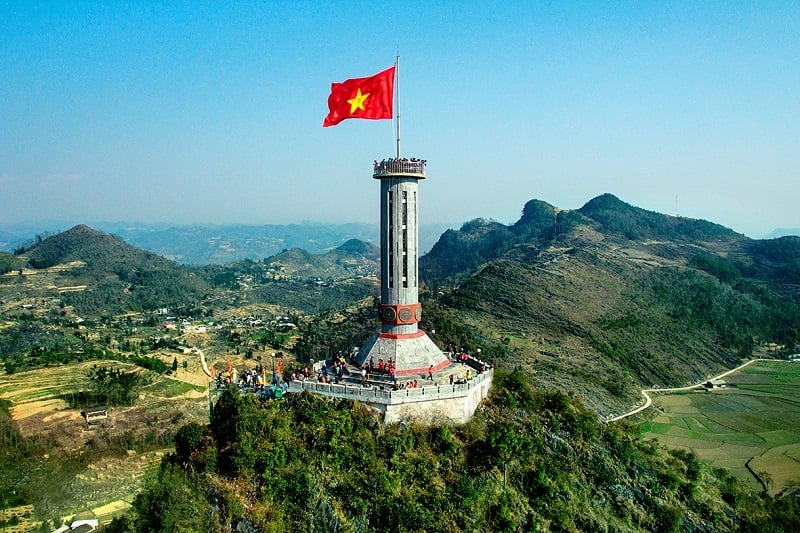
This is the symbolic northernmost point of Vietnam. Standing atop Rong (Dragon) Mountain, the flag tower overlooks the border with China. The massive 54-square-meter flag represents the unity of Vietnam’s 54 ethnic groups.
Quan Ba Heaven Gate & Twin Mountains
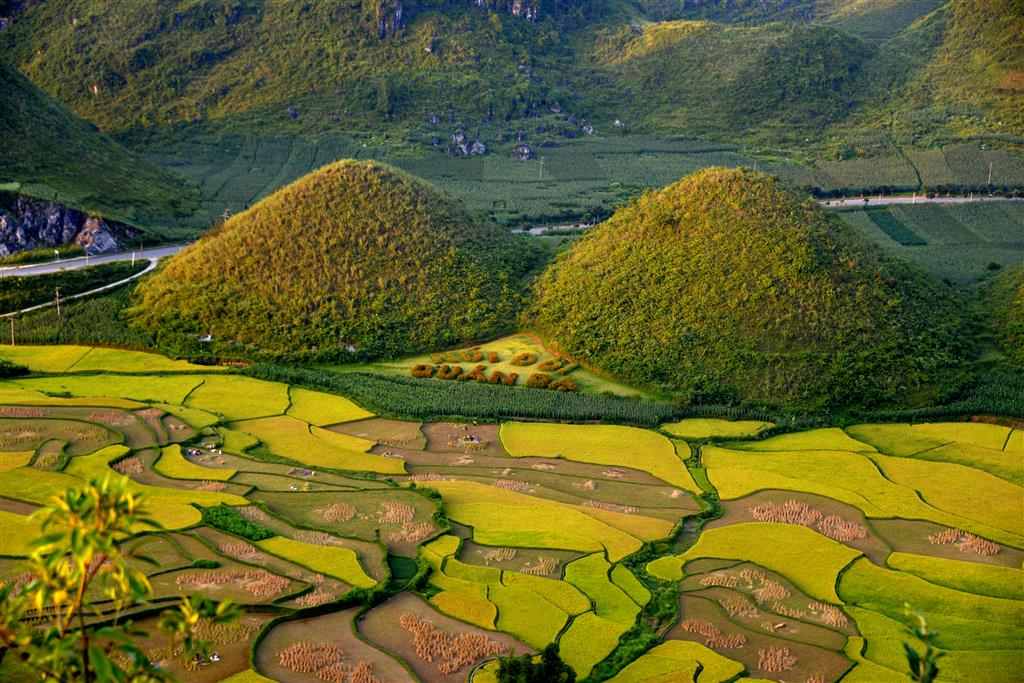
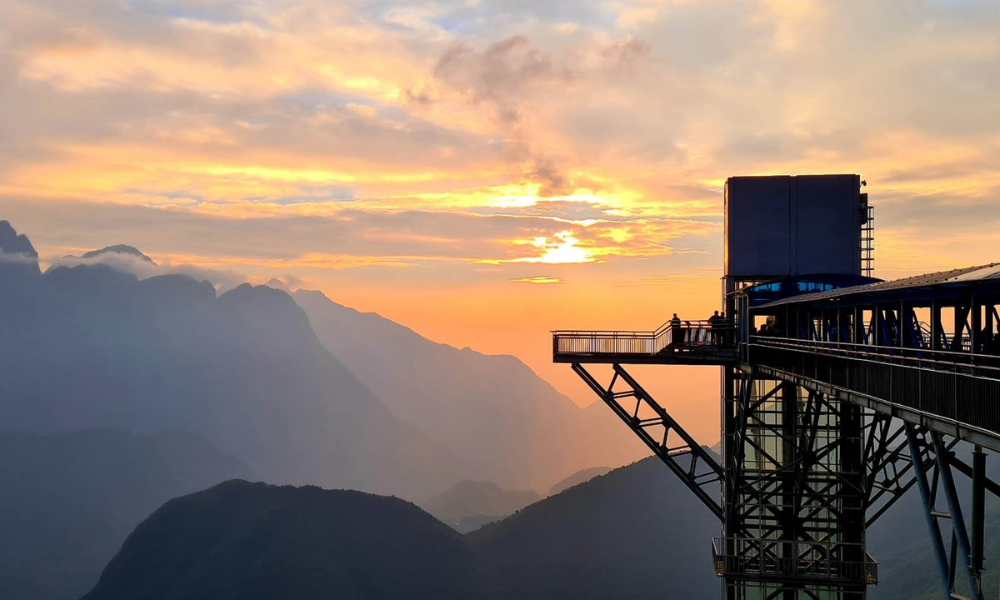
The Heaven Gate is your first true high-altitude viewpoint. From here, you can see the Co Tien (Fairy) Twin Mountains, two perfectly symmetrical hills that rise from the valley, steeped in local folklore.
The Mansion of the Vuong Family (H’mong King’s Palace)
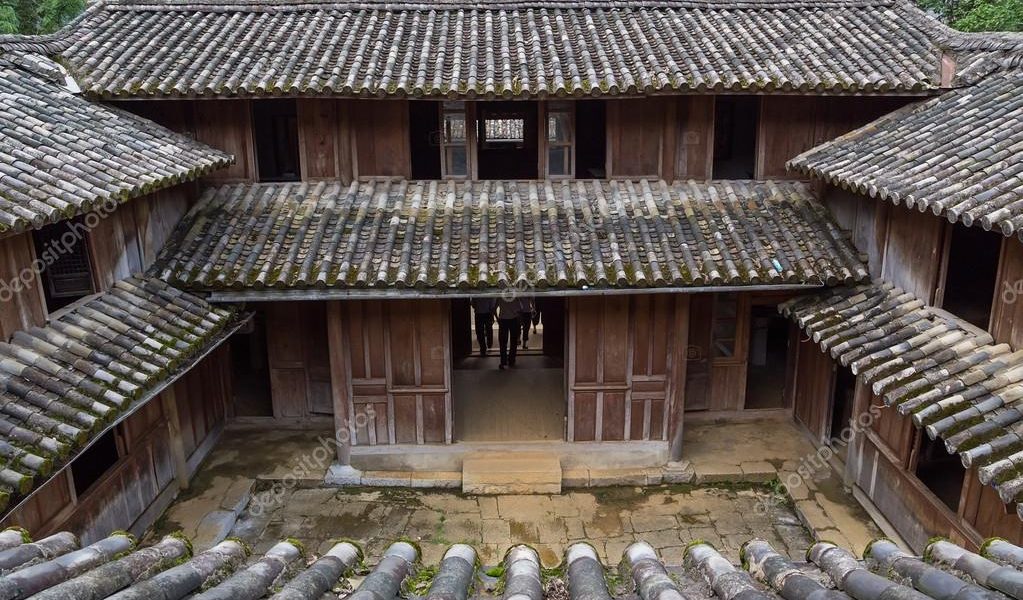
Built in the early 20th century, this palace belonged to the “King of the H’mong,” who controlled the region’s opium trade. The architecture is a fascinating blend of Chinese, H’mong, and French styles, designed for both luxury and defense.
Dong Van Ancient Town
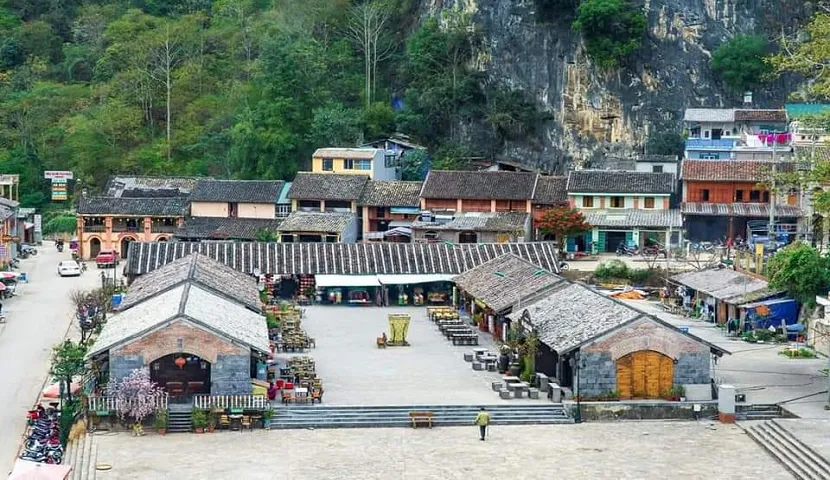
Nestled in a valley surrounded by rocks, this town features century-old houses with clay walls and yin-yang tiled roofs. On Sunday mornings, the town comes alive with a vibrant ethnic market that is a highlight of travel in Ha Giang, Vietnam.
Hoang Su Phi Rice Terraces
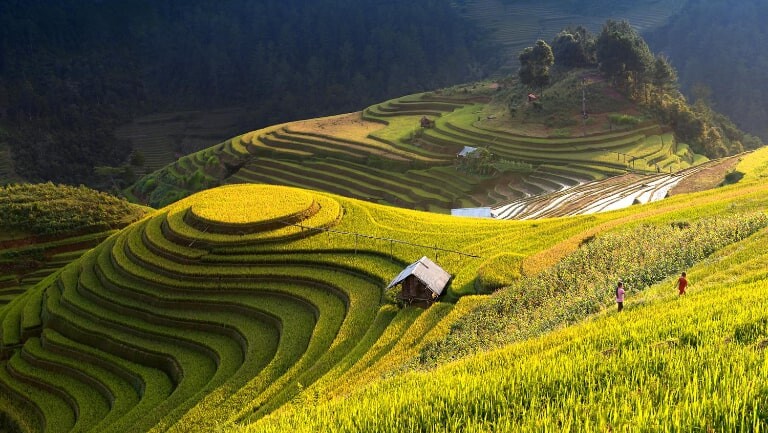
While slightly off the main Ha Giang loop, Hoang Su Phi boasts some of the most beautiful rice terraces in the world. They are recognized as a National Heritage site and are most stunning during the harvest in September.
Lung Khuy Cave
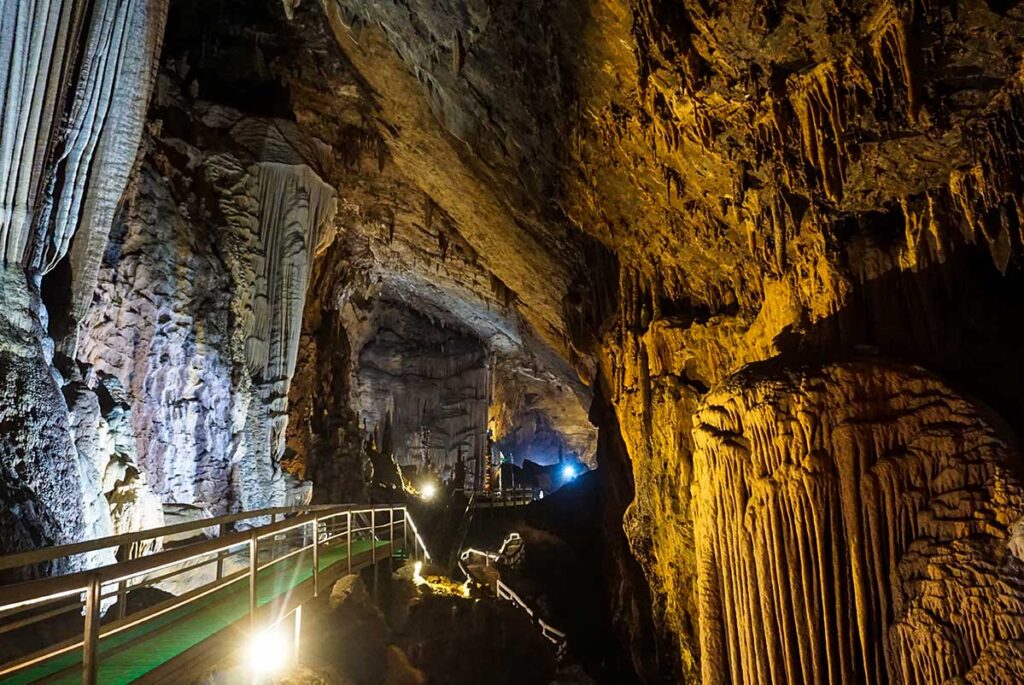
Often called the most beautiful cave in Ha Giang, Lung Khuy is filled with magnificent stalactites and stalagmites. It was only opened to the public recently and remains a pristine natural wonder.
Read more: Cave in Halong Bay Vietnam: Amazing Top 11 Majestic Caves
Du Gia Village
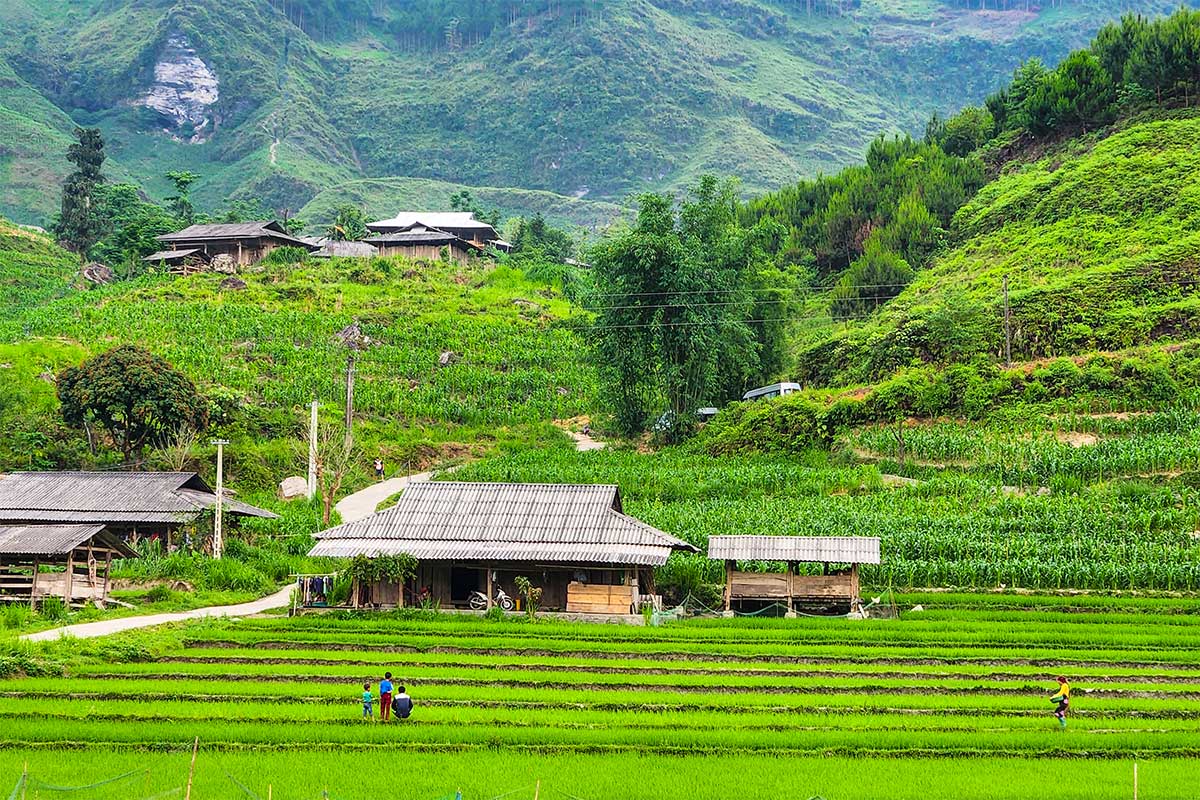
Du Gia is a peaceful commune known for its lush landscapes and waterfalls. It has become a favorite “rest stop” on the loop for travelers wanting to experience authentic Tay culture and a more relaxed pace of life.
The Ha Giang Loop: The Ultimate Journey
The Ha Giang loop is widely regarded as one of the best motorbike journeys in the world. Typically starting in Ha Giang City, the loop covers roughly 350 kilometers and takes 3 to 5 days to complete.
- The Route: Most travelers go through Quan Ba -> Yen Minh -> Dong Van -> Meo Vac -> Du Gia -> Ha Giang.
- The Challenge: The roads are narrow and winding. If you are not an experienced rider, you should hire an “Easy Rider” (a local driver) so you can safely enjoy the views.
- Ha Giang Travel Guide: Practical Tips
How to get to Ha Giang?
Most travelers take a “sleeper bus” or “limousine van” from Hanoi to Ha Giang City. The journey takes 6–7 hours. Buses usually depart at night, arriving early in the morning.
Essential Packing List
- Clothing: Layering is key due to changing Ha Giang weather. Even in summer, nights in the mountains can be chilly.
- Gear: A rain jacket, sturdy hiking shoes, and a high-quality helmet are non-negotiable.
- Permit: Foreigners require a border permit to travel in Ha Giang. You can get this easily at the Immigration Office in Ha Giang City for about $10.
What to Eat in Ha Giang?
The food here is as rugged and honest as the landscape. Must-try dishes include:
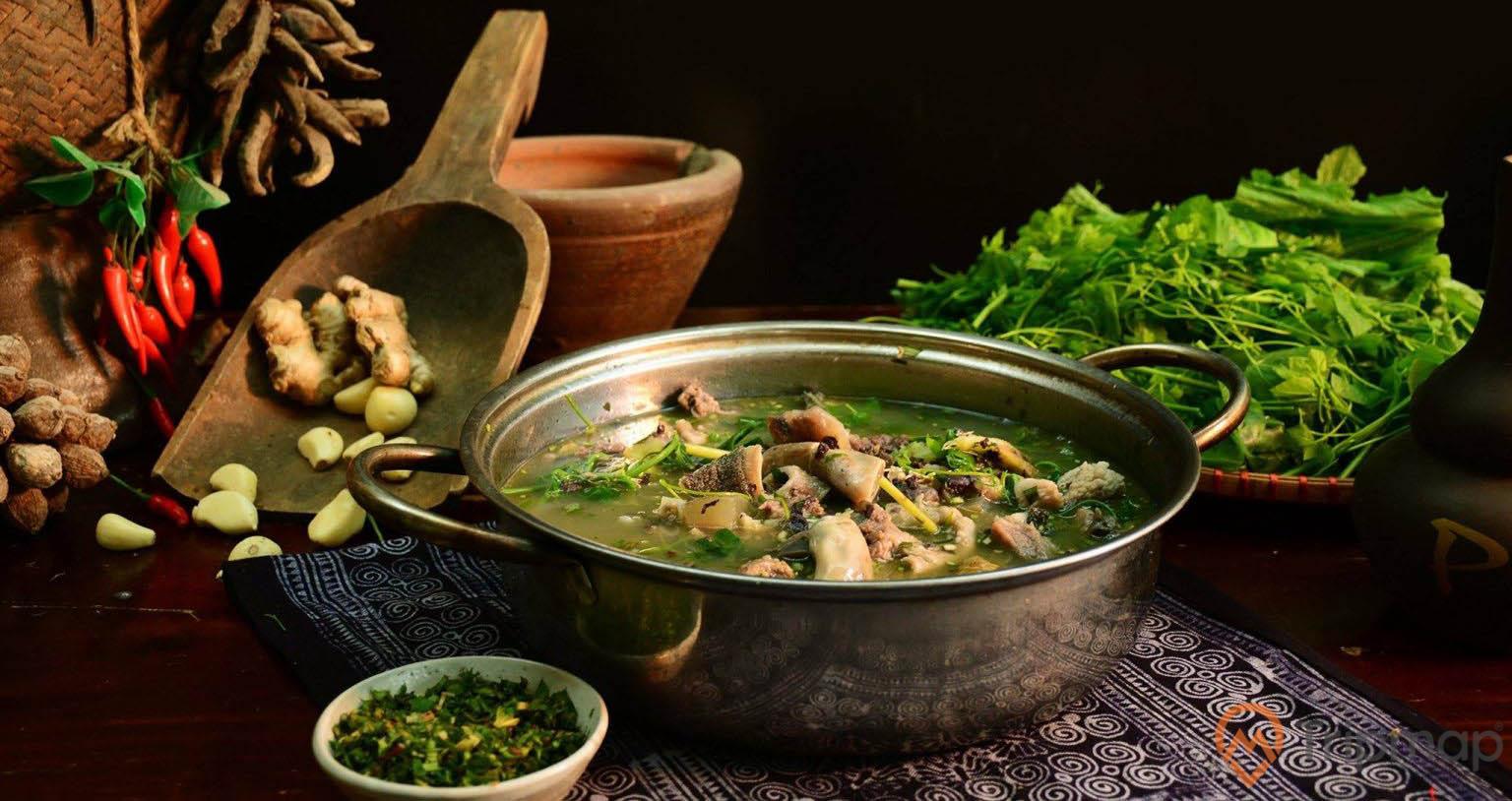
- Thang Co: A traditional H’mong stew made from horse meat and organs with local herbs.
- Au Tau Porridge: Made from a local root that is poisonous if not prepared correctly, this bitter-savory soup is said to have medicinal properties.
- Buckwheat Cakes: Soft, nutty cakes made from the seeds of the buckwheat flower.
- Five-Colored Sticky Rice: A beautiful and delicious staple of the Tay people.
Read more: The amazing Top 15 Ninh Binh foods must-try
Where to Stay?
For the best experience, stay in a homestay. Villages like Du Gia or Thon Tha offer authentic stays where you can share a meal with a local family and drink “happy water” (local corn wine). If you prefer more comfort, Dong Van and Ha Giang City have several modern hotels.
In Conclusion
Ha Giang, Vietnam is not just a destination; it is a life-changing experience. It challenges your limits and rewards you with views that feel like the edge of the world. Whether you are navigating the hair-pin turns of the Ha Giang loop or sharing a meal with a local family in a remote village, the magic of this province lies in its authenticity.
By following this Ha Giang travel guide and respecting the local customs, you will discover why this “stone plateau” is the heart and soul of Northern Vietnam. Pack your bags, check the Ha Giang weather, and get ready to conquer the most beautiful roads you will ever see.
FAQs
1. Is the Ha Giang Loop dangerous?
The Ha Giang loop is considered one of the most challenging drives in Southeast Asia due to its steep inclines, hair-pin turns, and narrow mountain passes. While the roads have improved significantly in recent years, they can still be hazardous, especially during bad Ha Giang weather.
-
If you are an experienced rider: Exercise extreme caution and go slow.
-
If you are inexperienced: We strongly recommend hiring an “Easy Rider” (a professional local driver). It allows you to focus on the scenery rather than the dangerous road.
2. Do I really need a permit to visit Ha Giang?
Yes. Because Ha Giang, Vietnam shares a border with China, it is a “restricted area.” Foreigners must obtain a Border Entry Permit.
-
Where to get it: The Immigration Office in Ha Giang City (296 Tran Phu).
-
Cost: Approximately 230,000 VND ($10 USD).
-
What you need: Your original passport and your motorbike license plate number. Most hostels in Ha Giang City can help you process this in minutes.
3. What should I do if it rains while I’m on the loop?
Ha Giang weather is notoriously unpredictable. If it rains heavily, the best advice is to wait it out. Mountain roads become extremely slippery, and visibility can drop to near zero due to fog (especially at Heaven Gate and Ma Pi Leng). Check for road closures or landslide warnings before leaving your guesthouse each morning.
4. Can I do the Ha Giang Loop in a car?
Yes, you can hire a private car with a driver. While you lose the “wind-in-your-face” feeling of a motorbike, it is a much safer and more comfortable way to travel in Ha Giang, Vietnam, especially for families or those worried about the terrain.
5. How much money should I budget per day?
Ha Giang is very affordable. A typical daily budget (excluding bike rental/Easy Rider) is around $20 – $35 USD.
-
Homestays: $7 – $12 (often includes a “family dinner”).
-
Meals: $3 – $5 per meal.
-
Fuel: $2 – $4 per day.
6. Is there ATMs on the Ha Giang Loop?
ATMs are available in the main district hubs: Ha Giang City, Yen Minh, Dong Van, and Meo Vac. However, they can sometimes run out of cash or reject certain international cards. It is highly recommended to carry enough cash (Vietnamese Dong) to last your entire trip before leaving Ha Giang City.
7. What is “Happy Water”?
In any Ha Giang travel guide, you’ll see mentions of “Happy Water.” This is the local nickname for corn wine (rượu ngô). It is a staple of ethnic minority hospitality. If you stay at a homestay, you will likely be invited to drink it with the host family. Just remember: it is much stronger than it looks!