This comprehensive Vietnam food travel guide is your ultimate resource for navigating one of the world’s most vibrant culinary landscapes. In 2026, Vietnam has solidified its reputation as a global food capital, where ancient traditions meet modern innovation on every street corner. From the sophisticated, subtle broths of the north to the spicy royal delicacies of the center and the sweet, tropical abundance of the south, Vietnamese food offers an endless journey for the senses.
Overview of Vietnamese Food travel guide
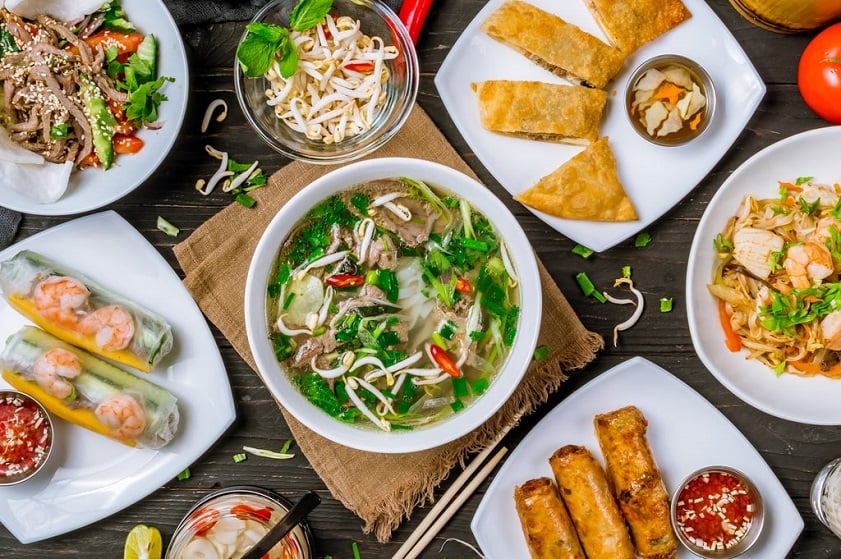
The philosophy behind Vietnamese food is rooted in the principle of “Yin and Yang” balance. Every meal aims to harmonize five fundamental tastes: spicy, sour, bitter, salty, and sweet. This balance isn’t just about flavor; it’s about health, with ingredients chosen to provide cooling or warming effects on the body.
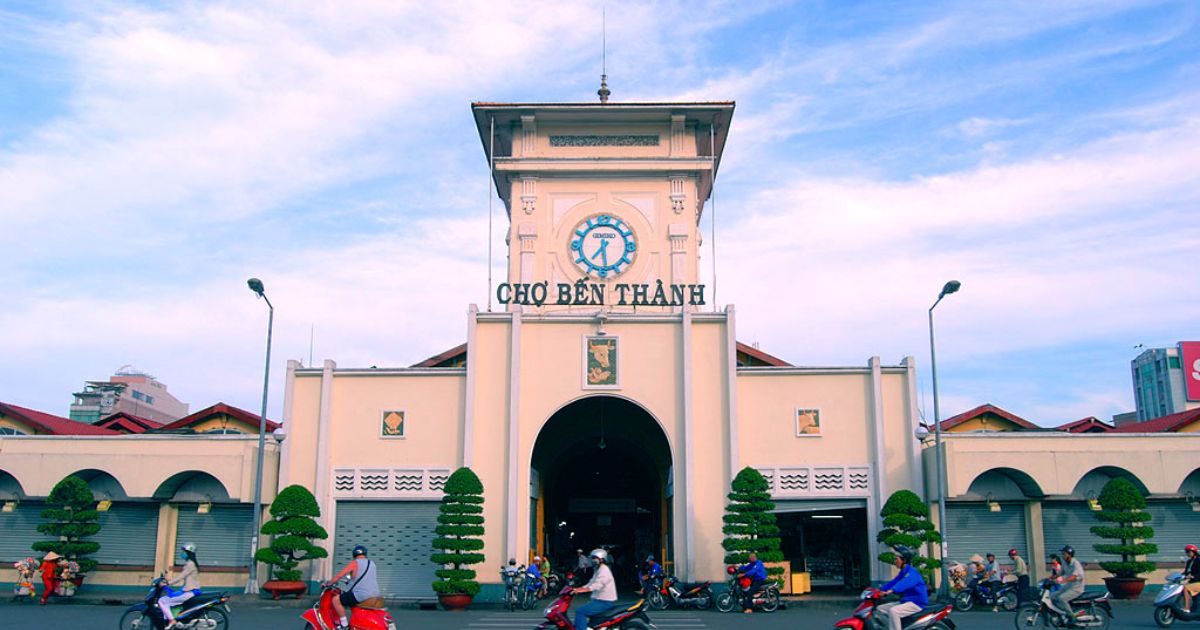
Unlike many other Asian cuisines, Vietnamese dishes rely heavily on fresh herbs, minimal oil, and the ubiquitous use of nước mắm (fermented fish sauce), which provides a deep umami base. The result is a cuisine that feels incredibly light, healthy, and fragrant. Whether you are sitting on a tiny plastic stool at a street-side stall or dining in a high-end restaurant in Ho Chi Minh City, you will find that local food in Vietnam is a communal experience—meant to be shared, customized with herbs, and enjoyed with a spirit of togetherness.
Top 7 Iconic Vietnamese Food
For a first-time visitor or a seasoned traveler, these are the famous food in Vietnam staples that define the national identity.
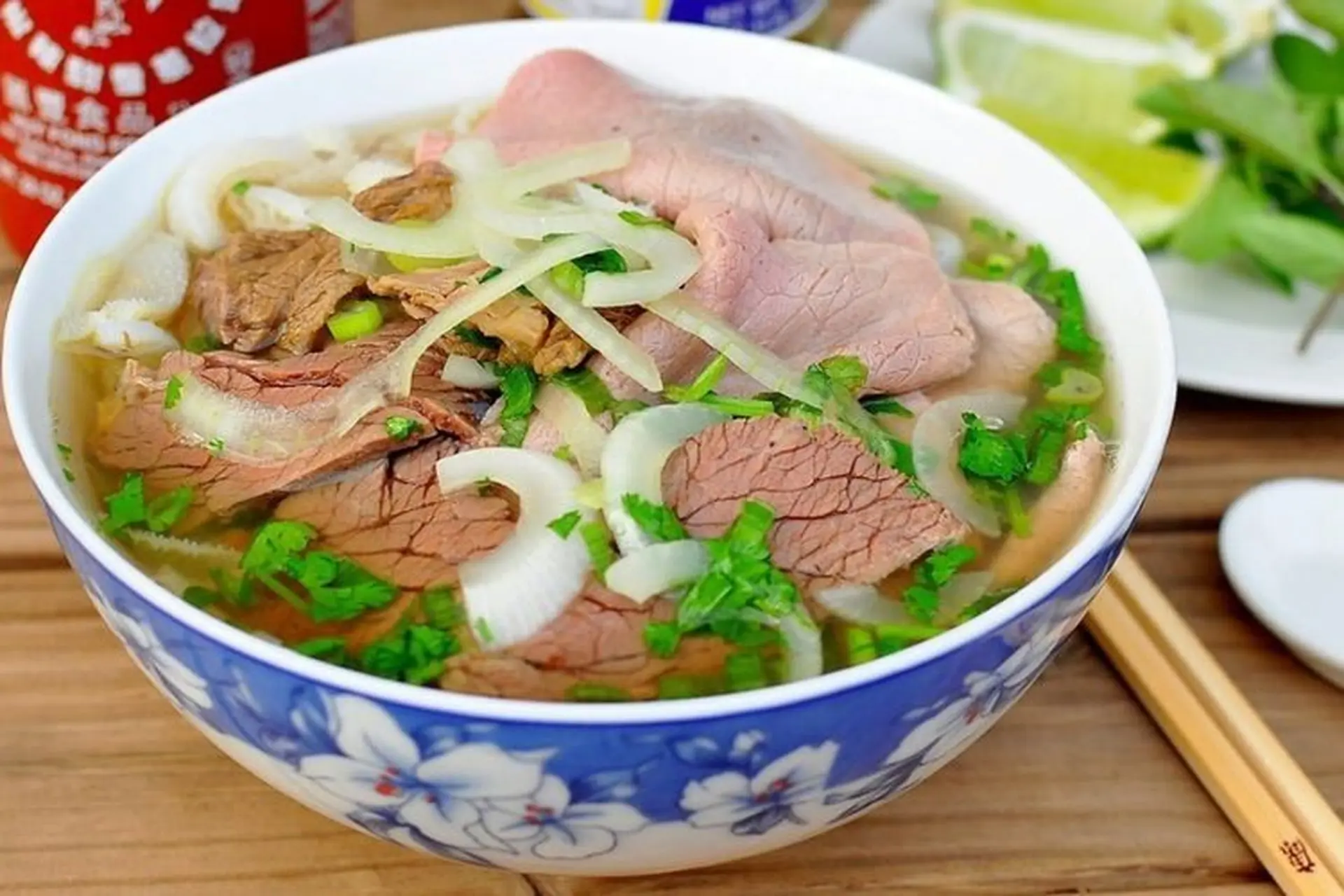
Phở (Noodle Soup)
The undisputed king of Vietnamese dishes. A slow-simmered broth (beef or chicken) poured over flat rice noodles and tender meat, garnished with green onions and served with a side of fresh herbs and lime.
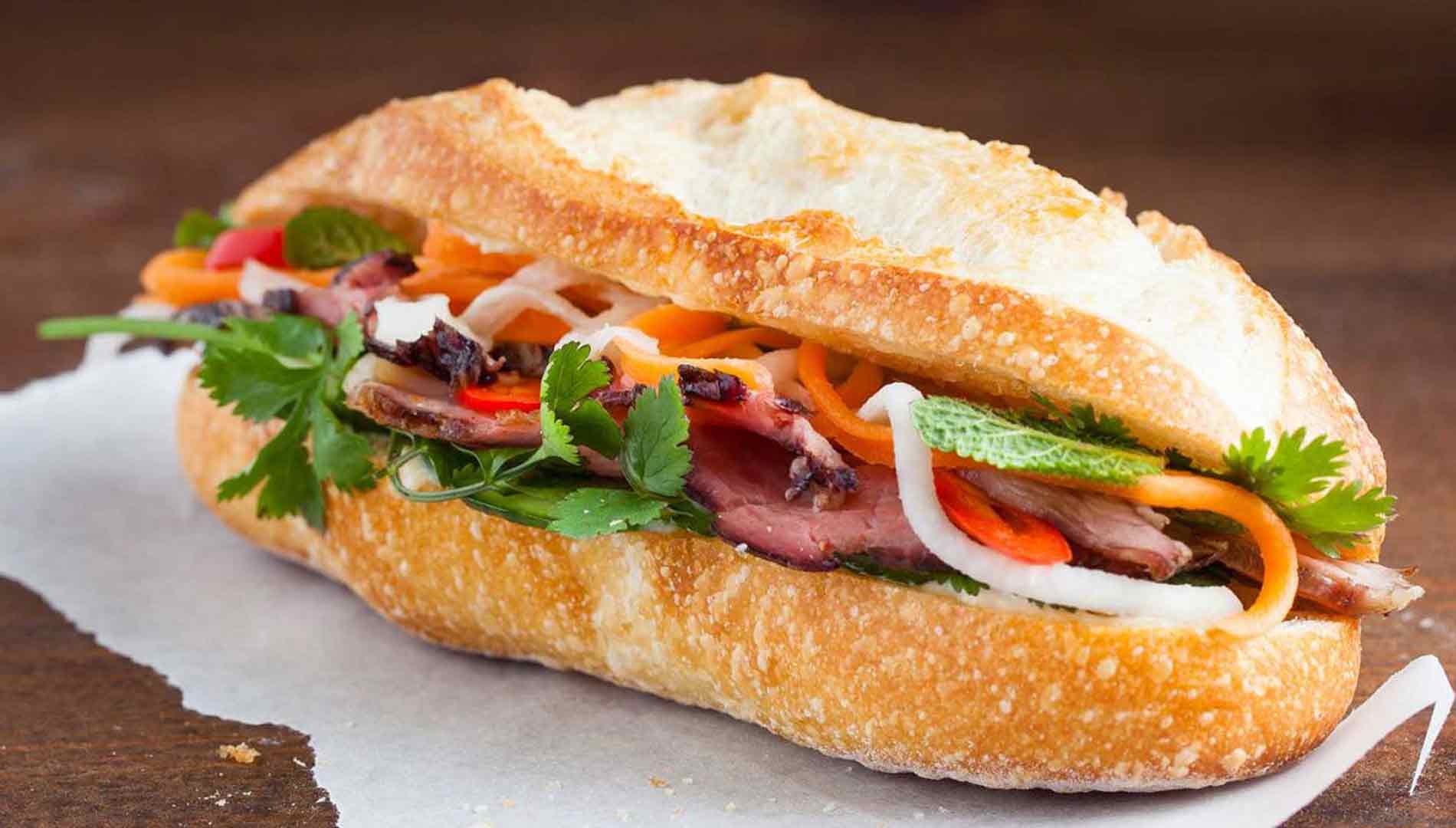
Bánh Mì (Vietnamese Baguette)
Often called the world’s best sandwich, this French-influenced crusty baguette is stuffed with pâté, various meats, pickled daikon, carrots, and cilantro.
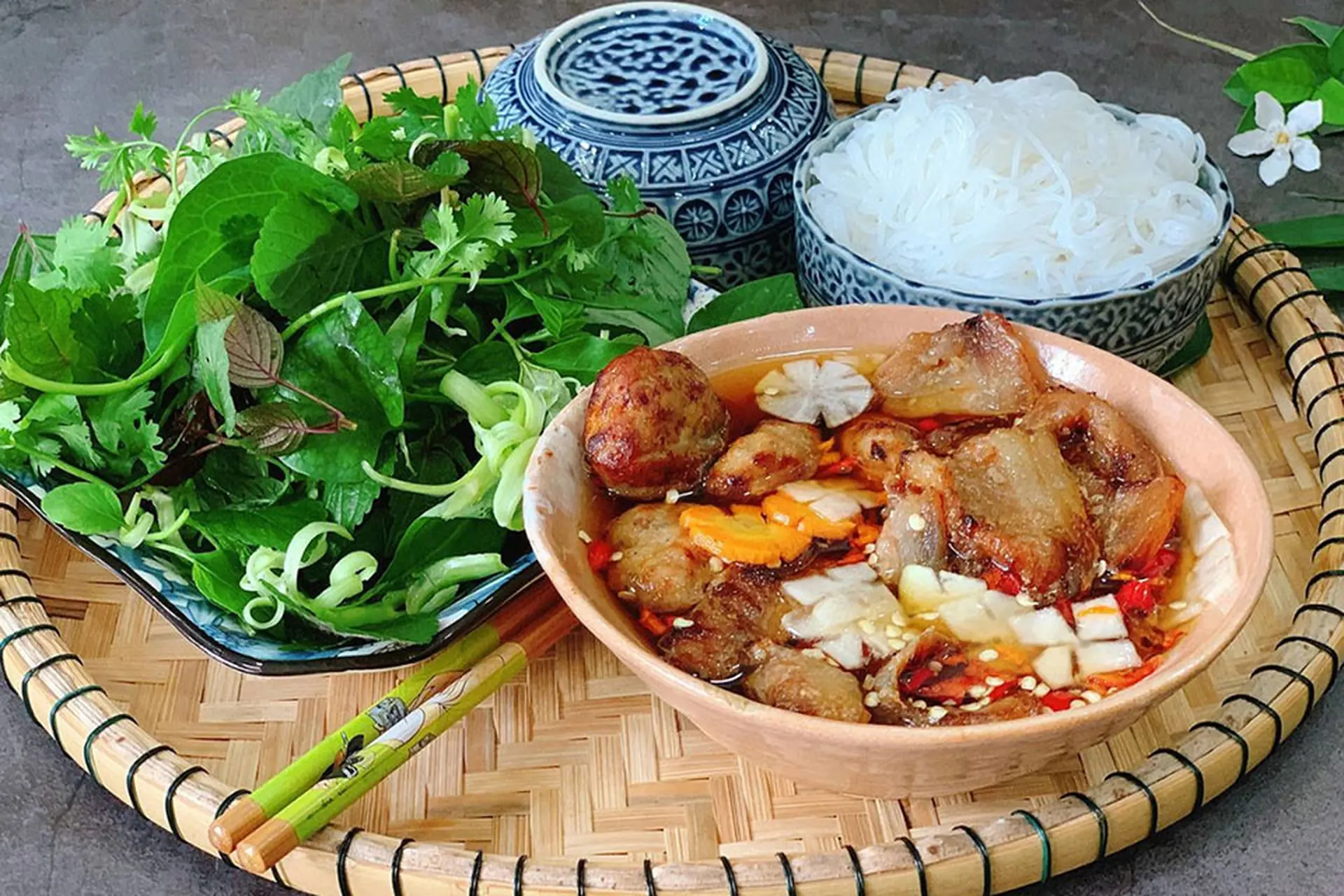
Bún Chả (Grilled Pork with Vermicelli)
A Hanoi classic consisting of charcoal-grilled pork patties and belly slices served in a warm, sweet-savory dipping sauce with rice noodles.
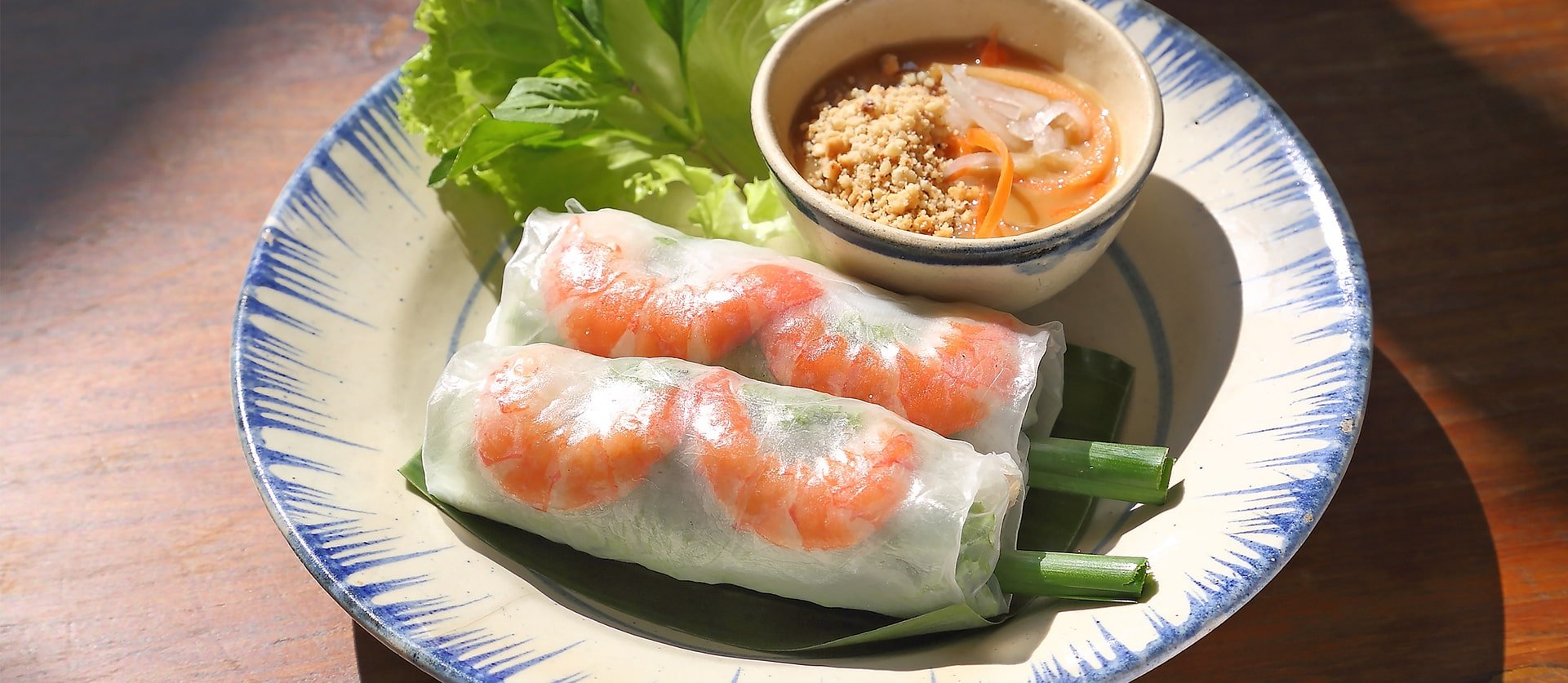
Gỏi Cuốn (Fresh Spring Rolls)
Translucent rice paper rolls filled with shrimp, pork, herbs, and vermicelli. They are the epitome of “fresh” in local food in Vietnam.
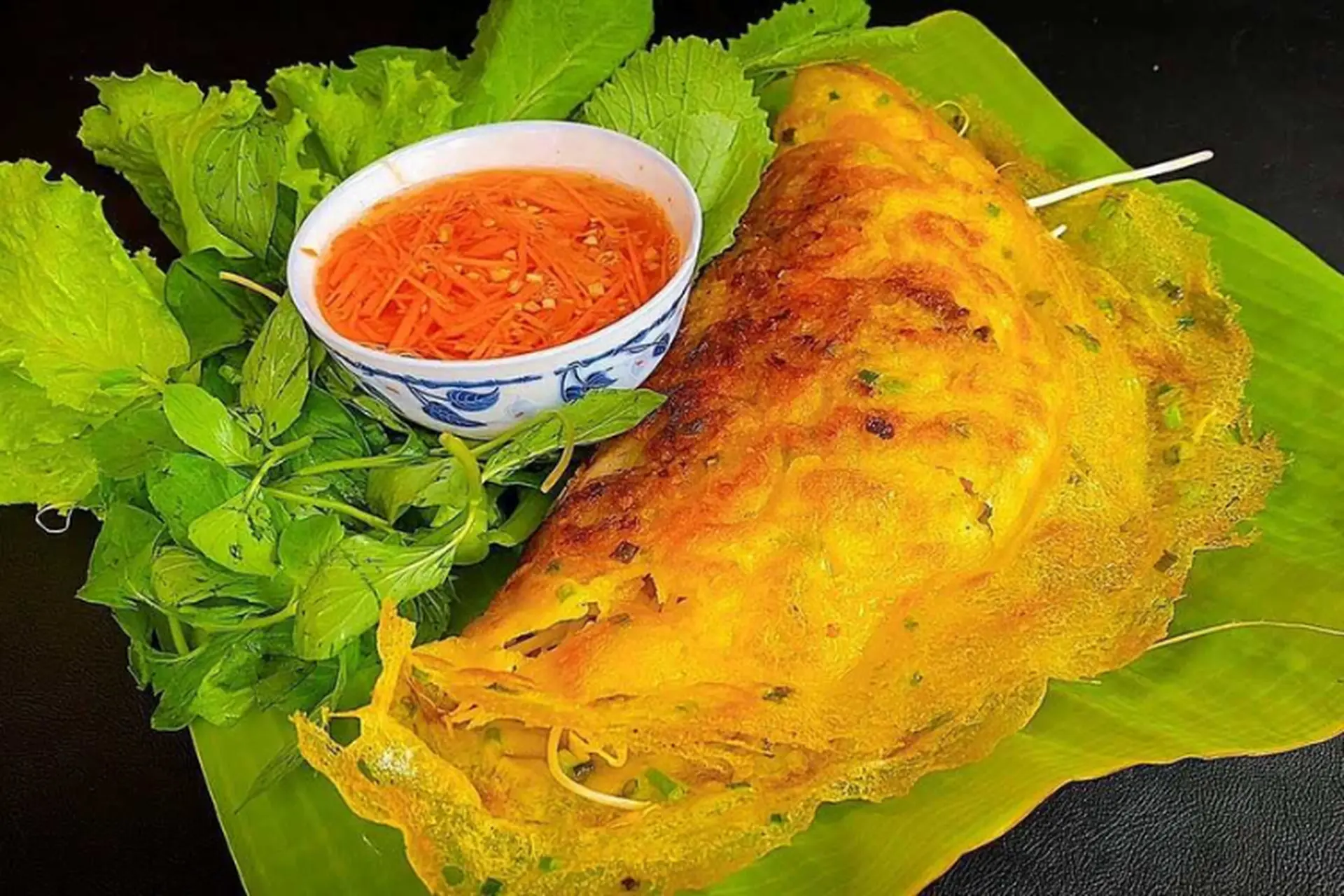
Bánh Xèo (Sizzling Pancake)
A crispy, turmeric-yellow crepe filled with pork, shrimp, and bean sprouts. You wrap pieces of it in lettuce leaves with herbs before dipping.
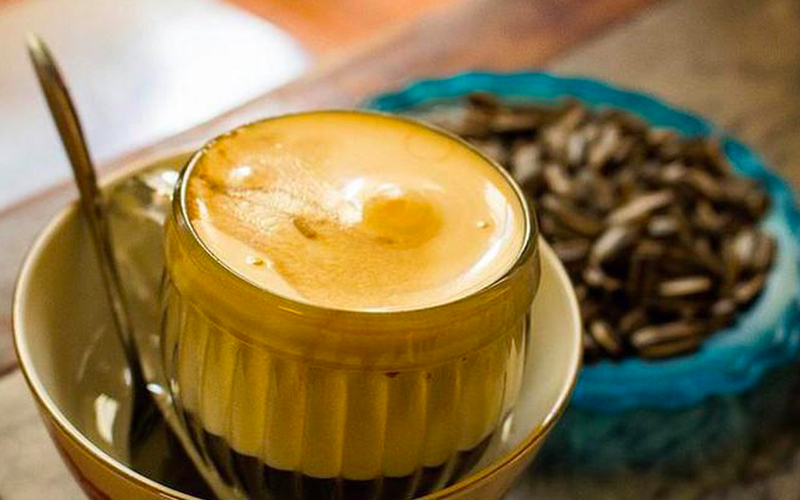
Cà Phê Trứng (Egg Coffee)
A decadent Hanoi specialty where robust coffee is topped with a thick, meringue-like foam made of whisked egg yolks and condensed milk.
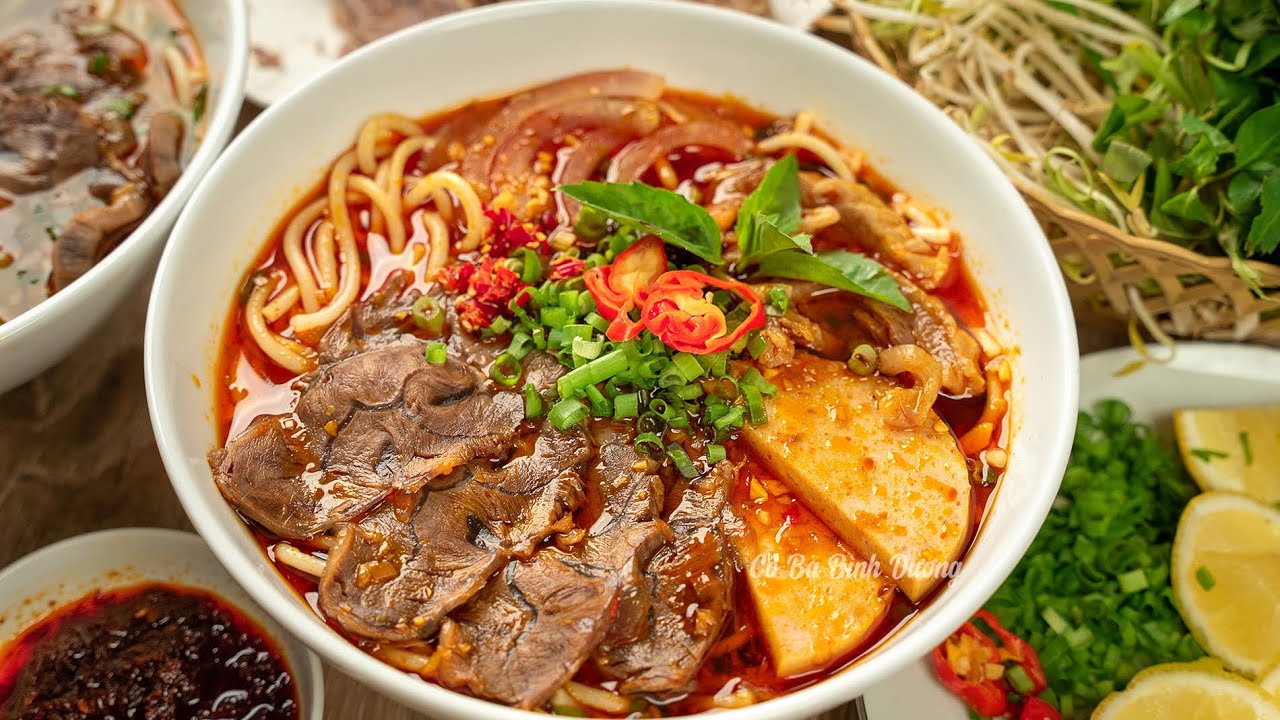
Bún Bò Huế (Spicy Beef Noodle Soup)
A bold, lemongrass-infused soup from the central region that offers a much spicier and more complex profile than Pho.
Top Vietnam Food Travel Guide According to Regions
To truly understand Vietnamese food, one must travel through its three distinct culinary regions. Geography and climate play a massive role in what ends up on your plate.
Local Food in the North of Vietnam
The North Vietnam is the cradle of Vietnamese civilization, and its food is characterized by simplicity, elegance, and a subtle refinement. Here, flavors are clean and balanced, often using black pepper for heat rather than chili.
- Pho Ha Noi (Phở Hà Nội): Unlike the southern version, Northern Pho is simpler, focusing on the clarity and depth of the broth without the distraction of many garnishes.
- Cha Ca La Vong (Chả Cá Lã Vọng): A must-try in Hanoi. This dish features firm white fish marinated in turmeric and galangal, grilled at your table with massive amounts of fresh dill and spring onions.
- Banh Cuon (Bánh Cuốn): Delicate, steamed rice crepes filled with minced pork and wood-ear mushrooms, topped with fried shallots. It is the perfect light breakfast.
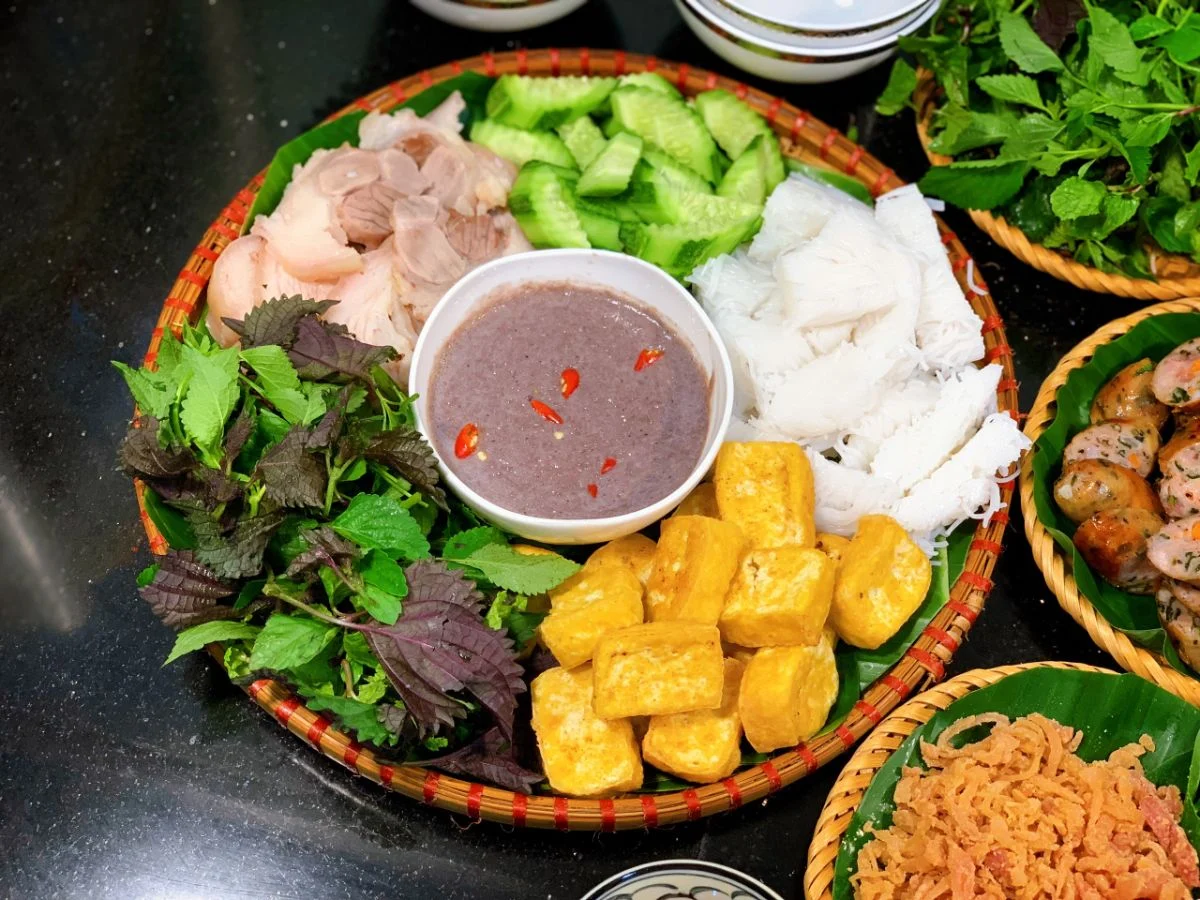
- Bun Dau Mam Tom (Bún Đậu Mắm Tôm): A rustic platter of fried tofu, rice vermicelli, and boiled pork served with a pungent fermented shrimp paste. It is a true test for adventurous eaters.
Famous Food in the Central of Vietnam
The Central Vietnam, particularly the former imperial capital of Hue, is the land of bold spices and sophisticated presentation. This region produced “Royal Cuisine,” where dishes were crafted into small, beautiful portions fit for kings. In addition, Hoi An food and Hue food are very famous for local people and also foreign visitors
- Bun Bo Hue (Bún Bò Huế): The most famous food in Vietnam from this region. It uses thicker noodles than Pho and a broth rich with shrimp paste and lemongrass.
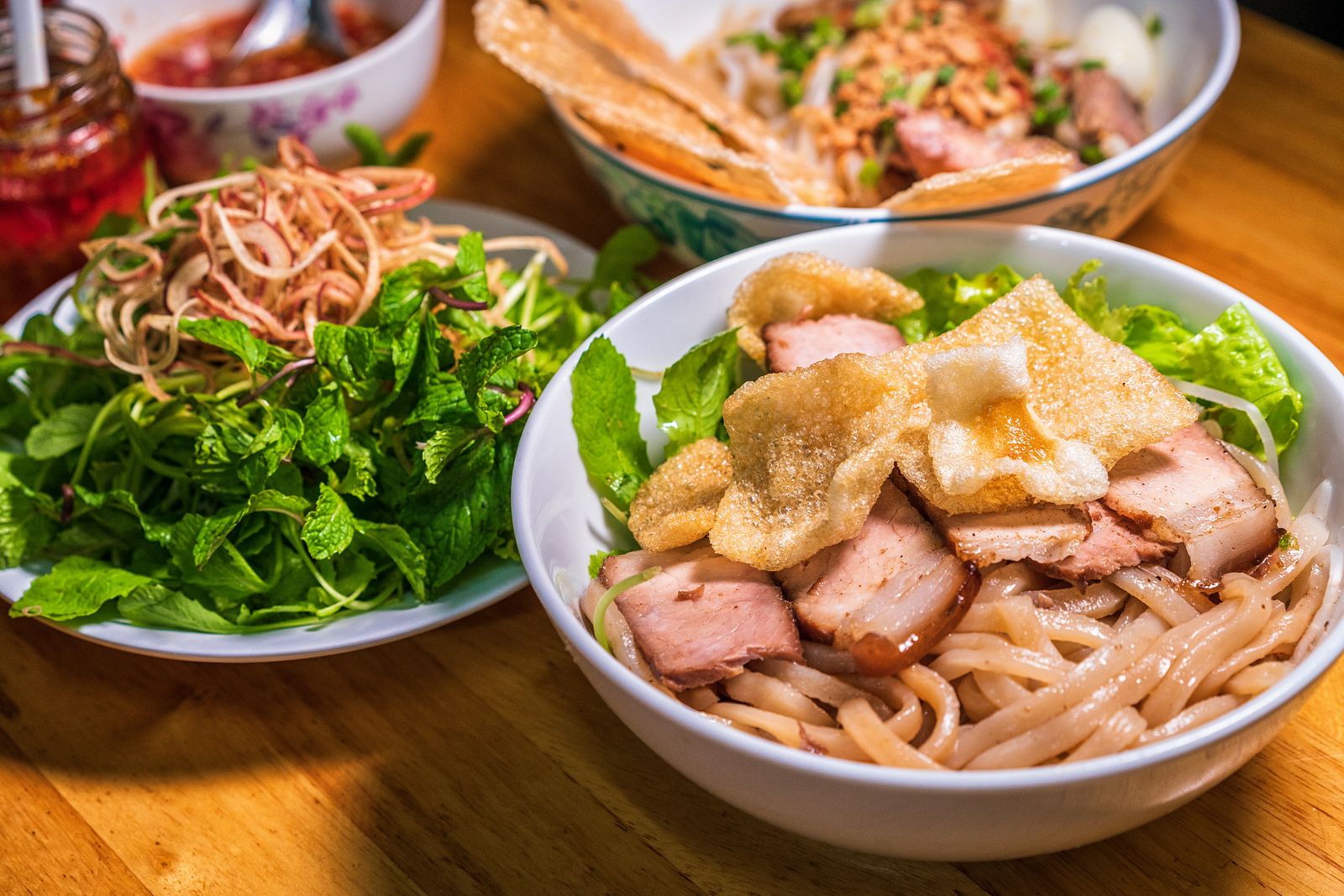
- Cao Lau (Cao Lầu): Exclusive to Hoi An. These chewy, thick noodles are served with slices of barbecued pork and crispy rice crackers. Legend says the noodles must be made with water from an ancient local well.
- Mi Quang (Mì Quảng): A hybrid between a soup and a salad. Wide yellow noodles are tossed in a tiny amount of intense broth with shrimp, pork, quail eggs, and crushed peanuts.
- Banh Beo (Bánh Bèo): Tiny steamed rice cakes served in individual saucers, topped with dried shrimp, scallions, and crispy pork skin.
Vietnamese Food Travel Guide in the South
The South Vietnam is a land of abundance, influenced by the fertile Mekong Delta and a tropical climate. Local food in Vietnam‘s southern provinces tends to be sweeter, more herbaceous, and often uses coconut milk.
- Cơm Tấm (Broken Rice): Originally a dish for poor farmers using “broken” rice grains, it is now a beloved Saigon staple. It features a smoky grilled pork chop, a steamed egg meatloaf, and a fried egg.
- Hủ Tiếu Nam Vang: A multi-ethnic noodle soup with roots in Cambodia and China. It usually contains pork, shrimp, liver, and quail eggs in a savory clear broth.
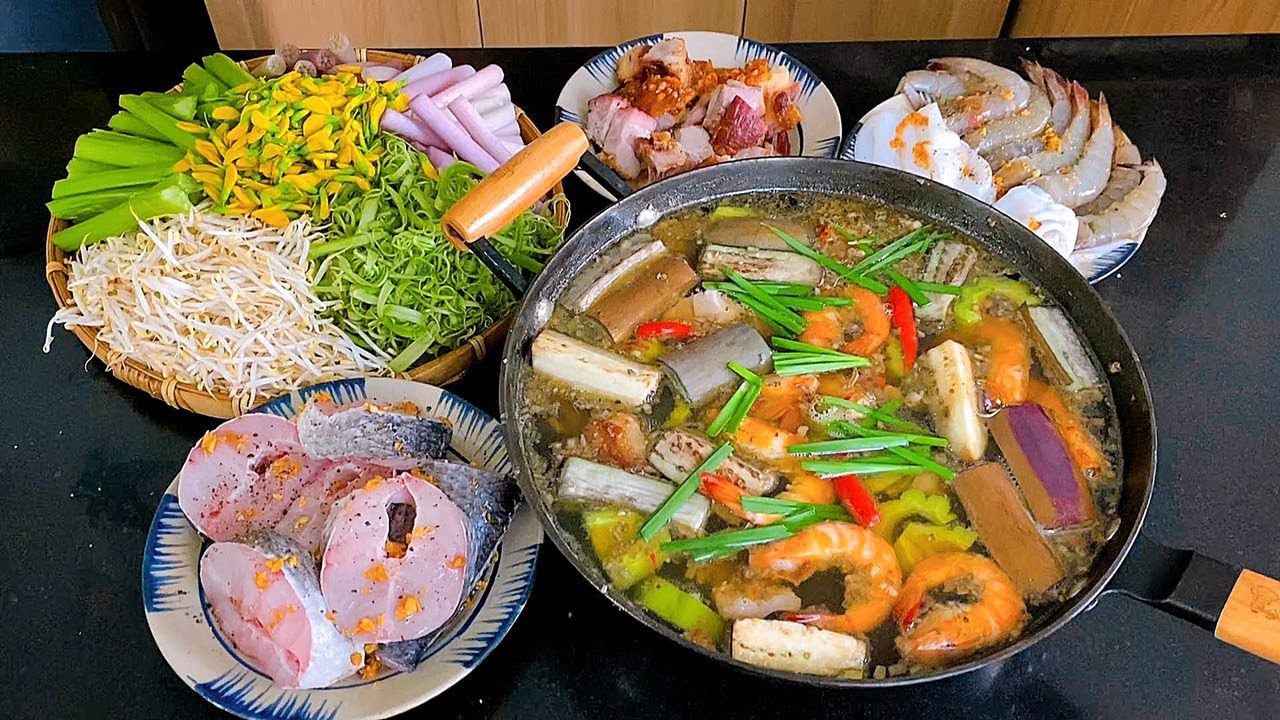
- Lẩu Mắm (Fermented Fish Hotpot): The ultimate communal dish of the Mekong Delta, utilizing a rich fermented fish base and a mountain of wild river vegetables and fresh seafood.
- Canh Chua (Sour Soup): A refreshing tamarind-based fish soup filled with pineapple, tomatoes, and bean sprouts—the perfect antidote to the southern heat.
In Conclusion
This Vietnam food travel guide only scratches the surface of what is available in this culinary wonderland. Whether you are chasing the most famous food in Vietnam or seeking out obscure local food in Vietnam villages, the key is to be curious and bold. From the first sip of a steaming Pho broth in a misty Hanoi morning to a sunset seafood feast on a Phu Quoc beach, every meal in Vietnam tells a story of culture, history, and incredible passion.
FAQs
- Is Vietnamese food spicy?
While Central Vietnam is known for its heat, most Vietnamese dishes are not inherently spicy. Instead, chilies are usually served on the side, allowing you to control the level of heat yourself.
- What is the most famous food in Vietnam for breakfast?
While Phở is iconic, many locals also enjoy Bánh Mì, Xôi (sticky rice), or Bún Mọc (pork ball noodle soup) to start their day.
- Is it safe to eat street food in Vietnam?
Generally, yes. Look for stalls with high turnover and many local customers. In 2026, food hygiene standards in major cities like Da Nang and Ho Chi Minh City have improved significantly.
- Can vegetarians find good Vietnamese food?
Absolutely. Look for signs that say “Cơm Chay” (Vegetarian Food). Because of the country’s Buddhist traditions, there is a massive variety of delicious meat-free Vietnamese dishes using tofu and mushrooms.
- Why is fish sauce so important in local food in Vietnam?
Fish sauce (nước mắm) is the soul of the cuisine. It provides the essential salt and umami that balance the fresh, sweet, and sour elements of almost every dish.