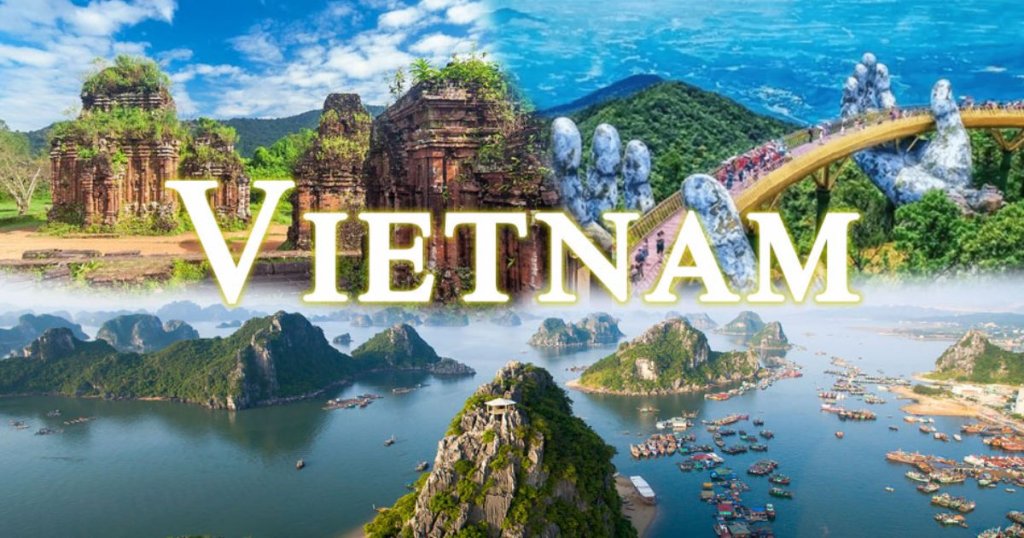
From the misty Northern peaks to the sun-drenched Southern islands, the variety of Vietnam tourist destinations offers something for every traveler. Grab your bags because incredible experiences await—let’s explore the beauty of Vietnam together. For the most seamless and personalized itineraries, trust Vietnamtour247 to guide your adventure.
Overview of Vietnam Tourism
How to get to Vietnam?
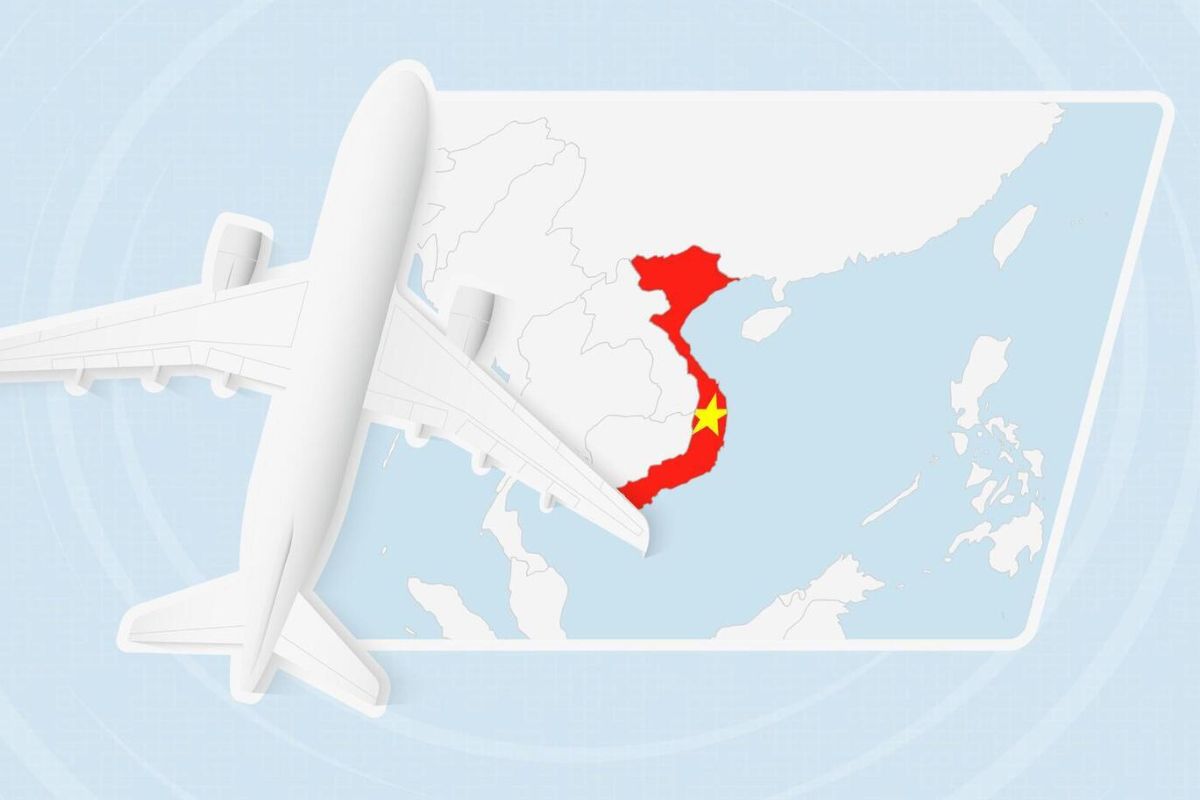
Reaching Vietnam is more convenient than ever. Most international travelers land at one of the three major gateways:
- Noi Bai International Airport (Hanoi) in the North.
- Tan Son Nhat International Airport (Ho Chi Minh City) in the South.
- Da Nang International Airport in Central Vietnam.
Major carriers like Vietnam Airlines offer direct routes from cities like London, while others like Qatar Airways, Emirates, and Thai Airways provide easy connections through global hubs. If you’re already in Southeast Asia, comfortable international buses connect Ho Chi Minh City with Phnom Penh (Cambodia), and trains or buses run from China into Northern Vietnam.
Vietnam visa
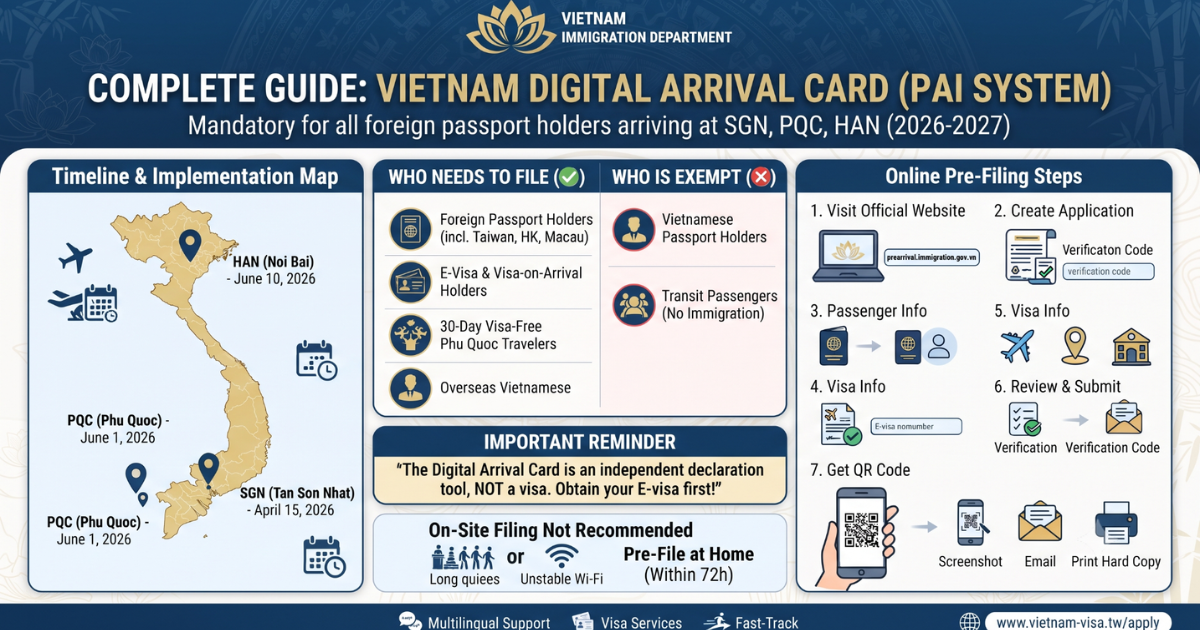
Vietnam has significantly simplified its entry requirements to boost tourism. Travelers from many European and Asian countries enjoy visa-free entry for a limited duration. For others, the e-Visa system is the most popular choice; it is available to citizens of all countries and territories, allowing for a stay of up to 90 days with multiple entries. Always ensure your passport is valid for at least six months beyond your arrival date.
How to get around Vietnam?
Vietnam offers some of the most scenic transit options in Asia:
- The Reunification Express: This legendary train line connects Hanoi and Ho Chi Minh City. It’s a nostalgic and comfortable way to see the changing landscapes.
- Sleeper Buses: For budget-conscious travelers, high-quality sleeper buses with reclining berths are a fantastic way to cover long distances overnight.
- Domestic Flights: Low-cost carriers like VietJet and Bamboo Airways make jumping between Vietnam tourist destinations fast and affordable.
- City Travel: In urban areas, use the Grab app (the Southeast Asian version of Uber) for reliable car or motorbike taxi services.
When is the best time to go to Vietnam?
Because Vietnam is long and narrow, the weather varies by region. To enjoy the whole country in one trip, aim for February to June.
- The North (Hanoi/Sapa): Expect cool, misty winters (Dec–Feb) and hot, rainy summers.
- The South (HCMC/Mekong Delta): Stays warm year-round, with a rainy season typically from May to November.
- Central Vietnam (Hoi An/Da Nang): Best visited between January and August to avoid the typhoon season in late autumn.
Currency
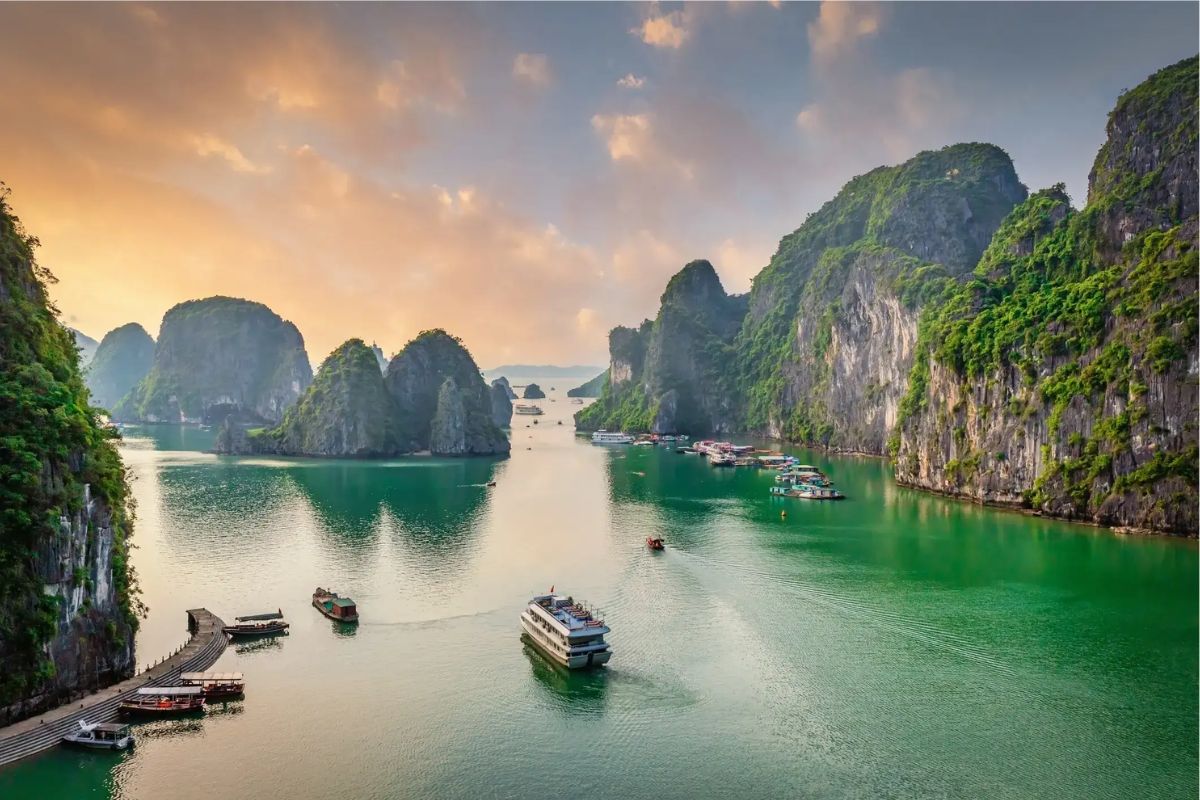
The official currency is the Vietnamese Dong (VND).
- Pro Tip: The denominations are quite large (e.g., 500,000 VND is roughly $20 USD). Always double-check your zeros when handing over cash, as the green 10,000 note and the blue 500,000 note can look similar in low light!
- ATMs: Widely available in cities, but it’s always good to carry some cash for street food and local markets.
Budget
Vietnam remains one of the world’s most budget-friendly destinations without sacrificing quality.
- Street Food: You can enjoy a world-class bowl of Pho or a Banh Mi for $1–$2 USD.
- Accommodation: Hostels start at $5, mid-range boutique hotels are around $30–$50, and world-class luxury resorts can be found for $150+.
- Daily Spend: A backpacker can easily get by on $30 a day, while a mid-range traveler can live very comfortably on $60–$80.
Natural Wonders in North Vietnam
As travelers increasingly search for authentic experiences beyond the city lights, the Vietnam tourist destinations located in the north have seen a massive surge in popularity. Whether you are looking for a luxury cruise or a rugged mountain trek, these natural wonders offer a diverse escape into the heart of Southeast Asia’s beauty.
Halong Bay
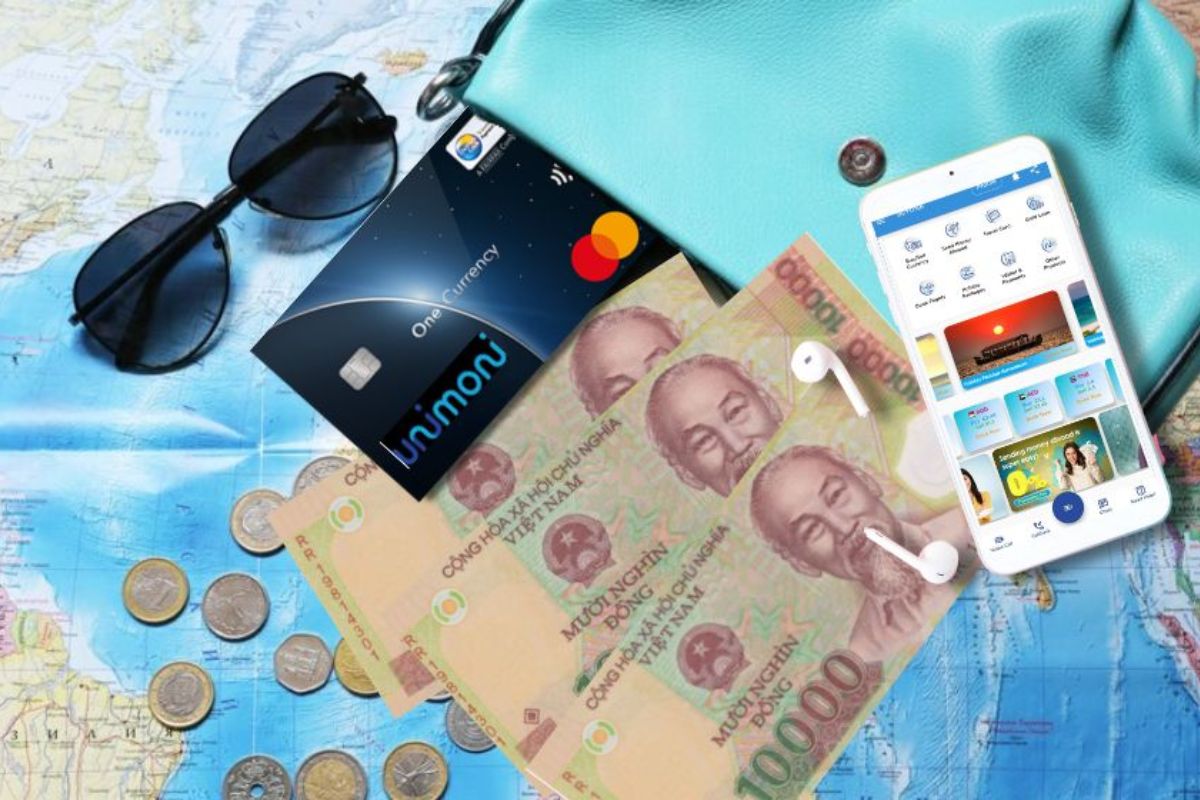
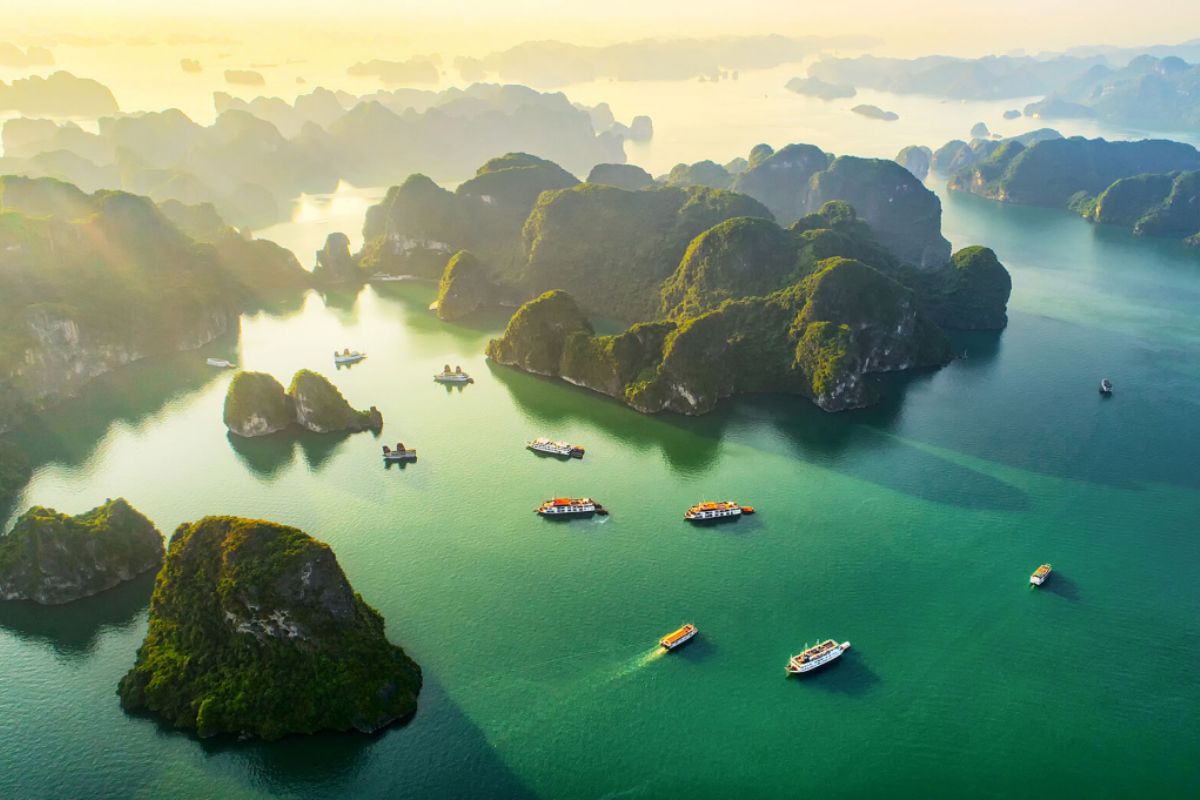
Undoubtedly the crown jewel of Vietnam’s tourism, Halong Bay is a UNESCO World Heritage site famous for its thousands of limestone karsts rising from the sea. Tourists flock here to experience overnight cruises, which range from budget-friendly junks to ultra-luxury vessels. Beyond the breathtaking views, you can explore hidden caves like Sung Sot (Surprise Cave), go kayaking in secluded lagoons, or visit floating fishing villages. It remains a top priority for anyone exploring Vietnam tourist destinations for the first time.
Bai Tu Long Bay
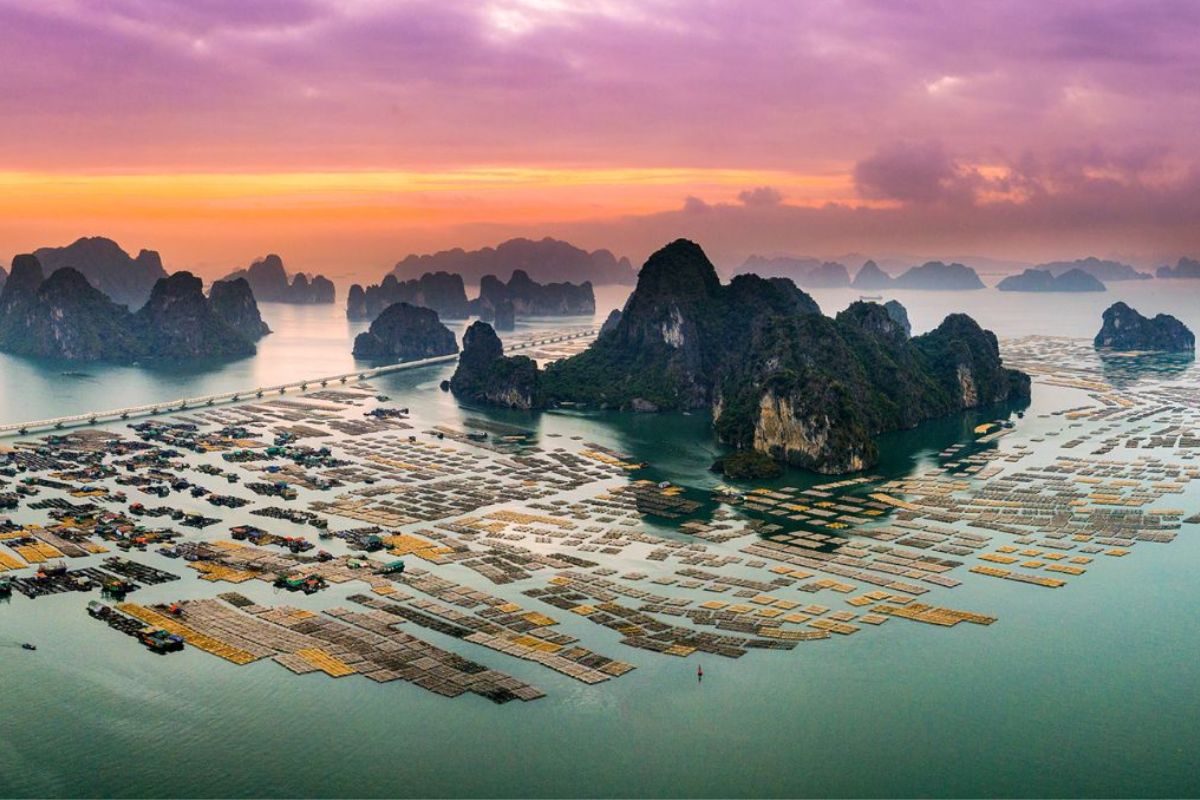
For those who find Halong Bay a bit too crowded, Bai Tu Long Bay is the perfect alternative. Located just northeast of its famous neighbor, it offers the same stunning “dragon-scale” topography but with significantly fewer tourist boats. The water is often clearer here, and the atmosphere is much more tranquil. It’s an ideal spot for travelers seeking a peaceful connection with nature, offering pristine beaches and untouched grottoes that feel like a well-kept secret.
Sapa
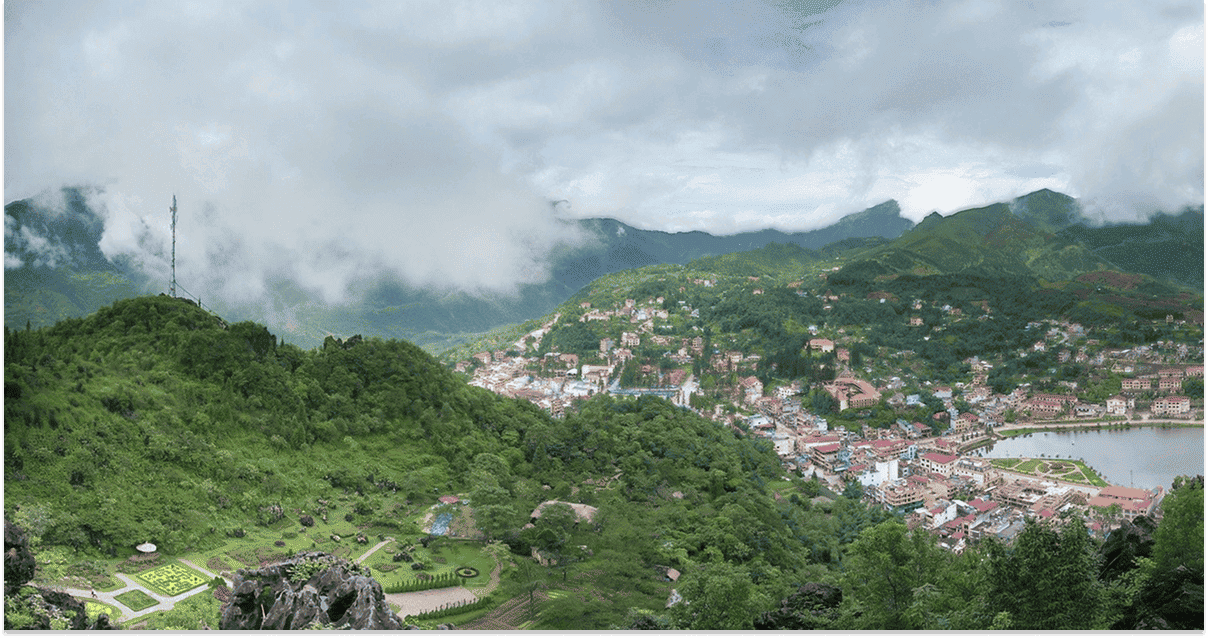
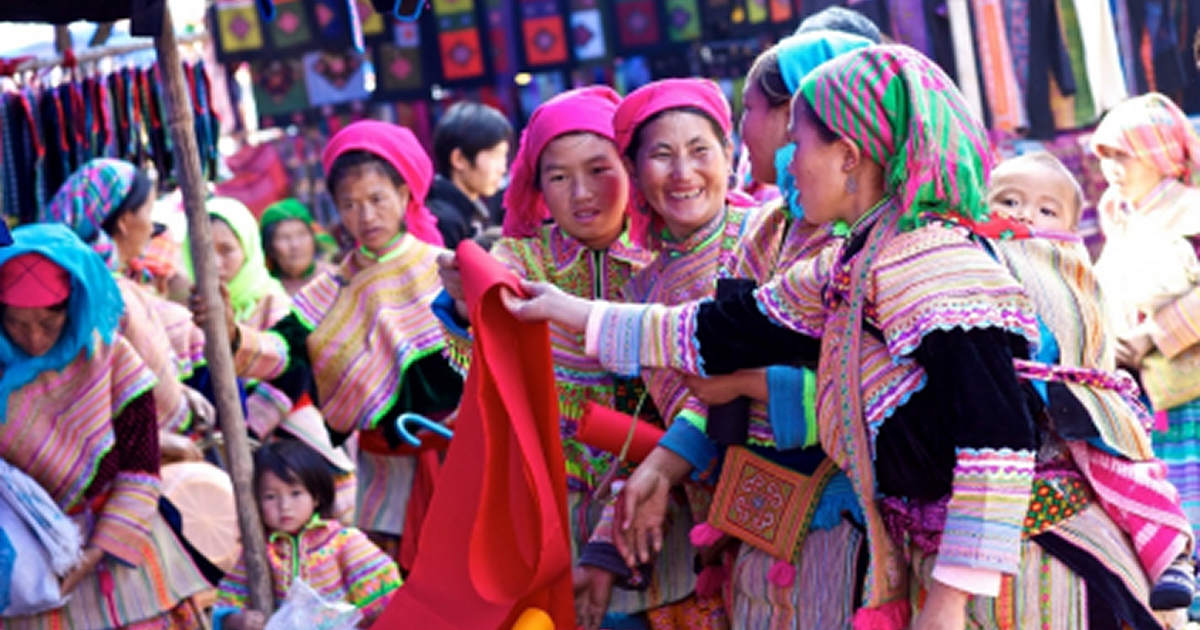
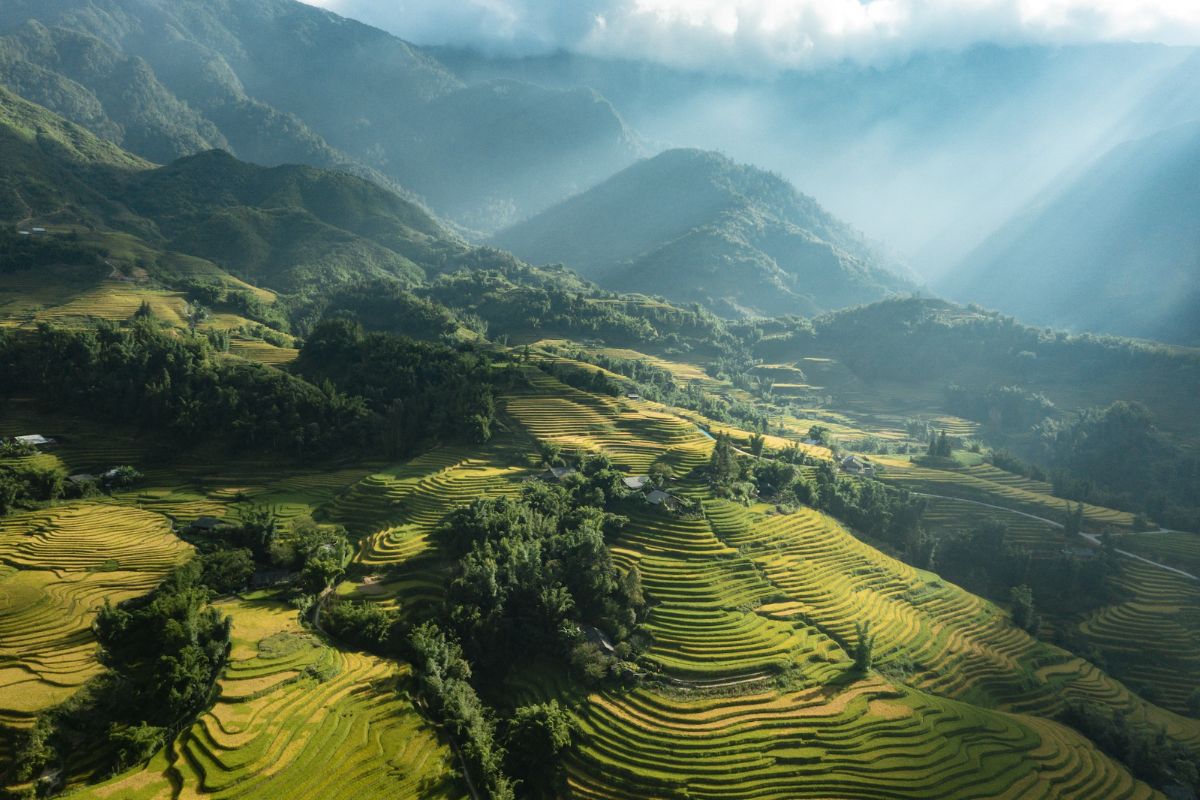
Tucked away in the Hoang Lien Son Mountains, Sapa is the gateway to outdoor adventure. It is most famous for its dramatic, sculpted rice terraces and Fanispan, the highest peak in Indochina. Travelers visit Sapa to trek through local villages and learn about the diverse cultures of ethnic minority groups like the Hmong and Dao. The best time to visit is during the harvest season (September to October) when the entire valley turns a brilliant golden yellow.
Ninh Binh
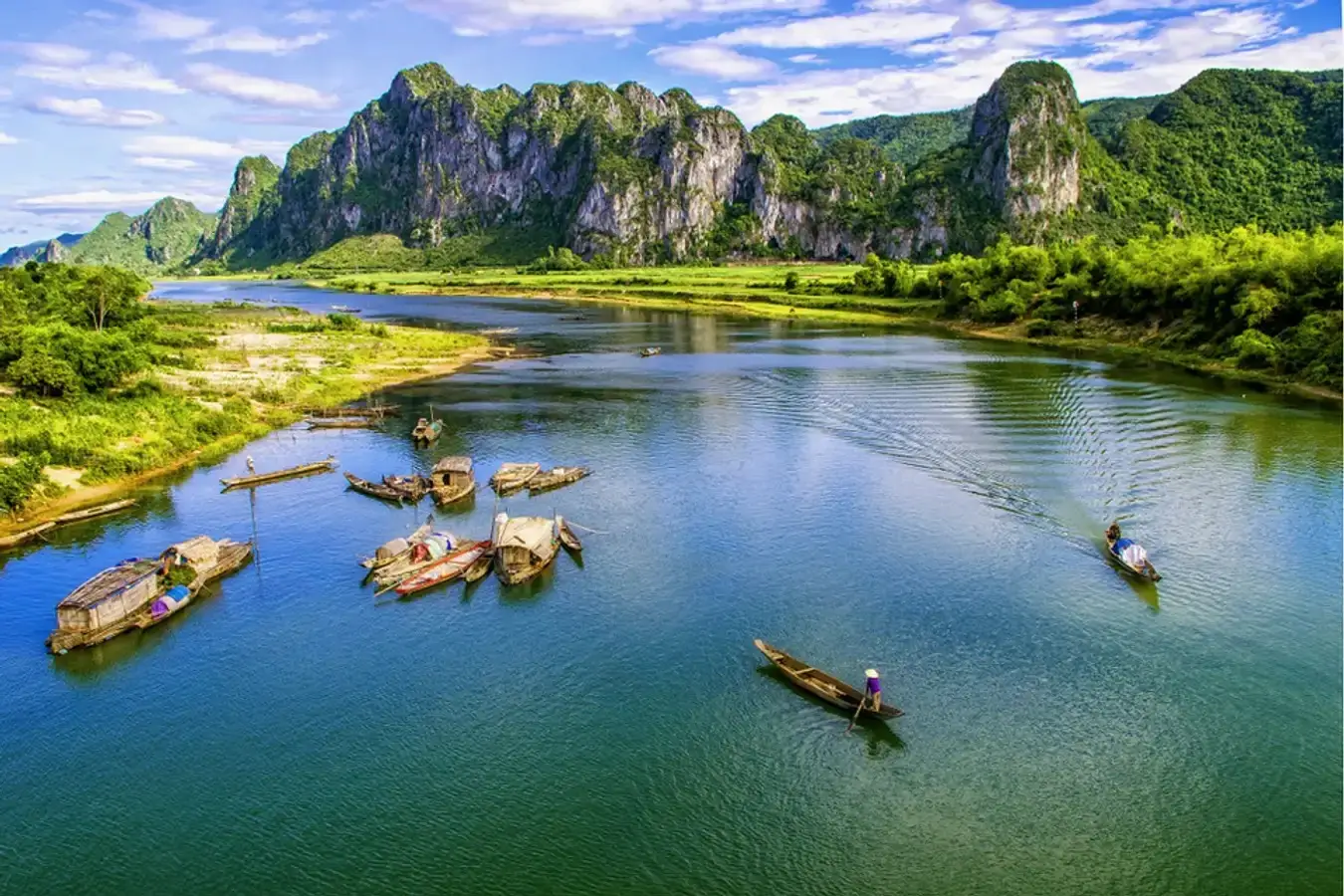
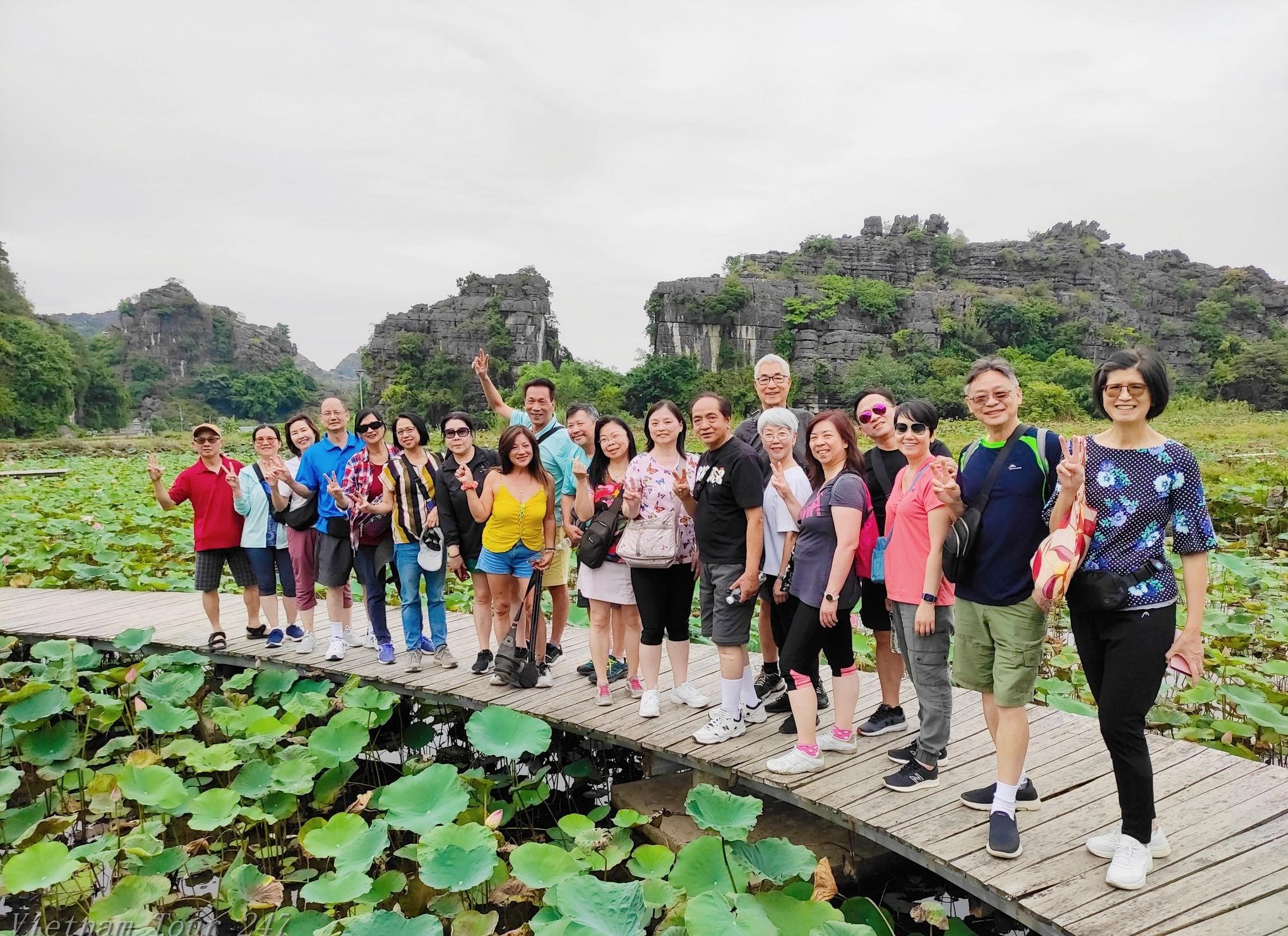
Often referred to as “Halong Bay on Land,” Ninh Binh has recently become one of the most searched spots for holiday travelers. Instead of the ocean, the limestone karsts here are surrounded by winding rivers and vibrant green rice paddies. A visit typically involves a climb up the 500 steps of Mua Cave for a panoramic view of the valley or a trip to the ancient capital of Hoa Lu. The blend of history and dramatic geology makes it a standout destination.
Trang An
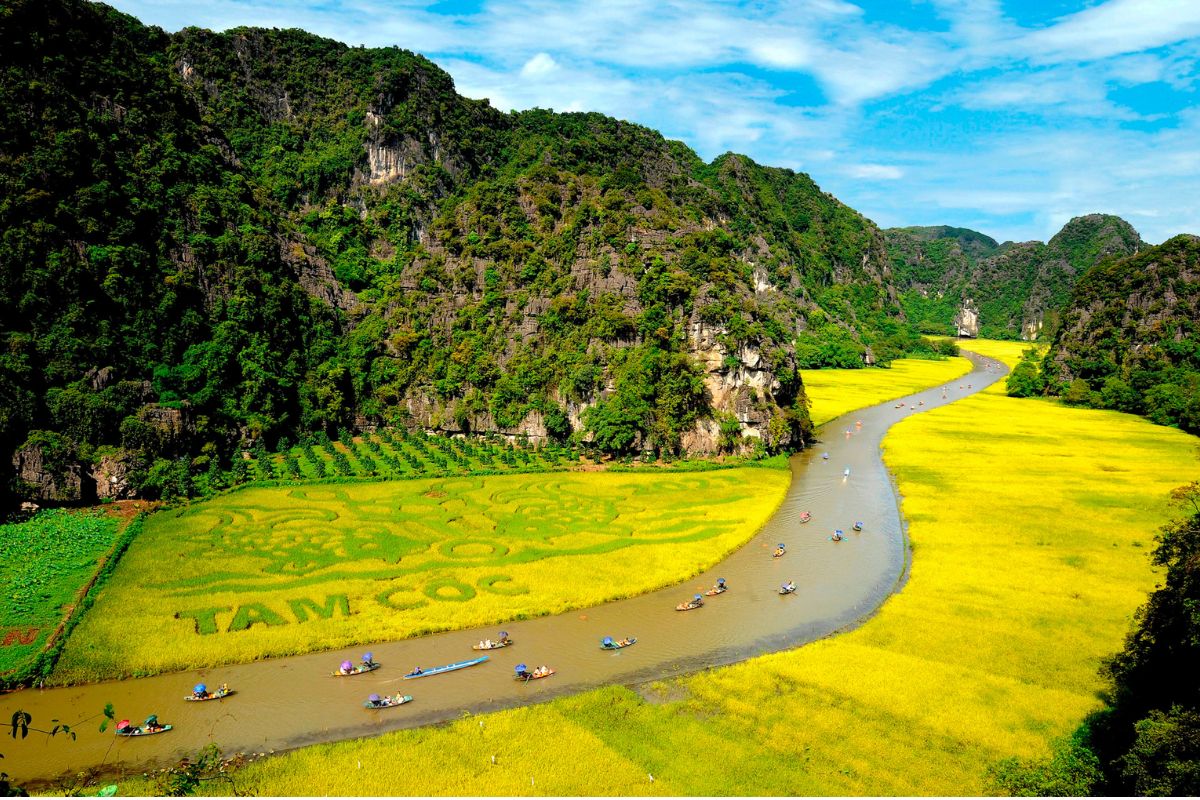
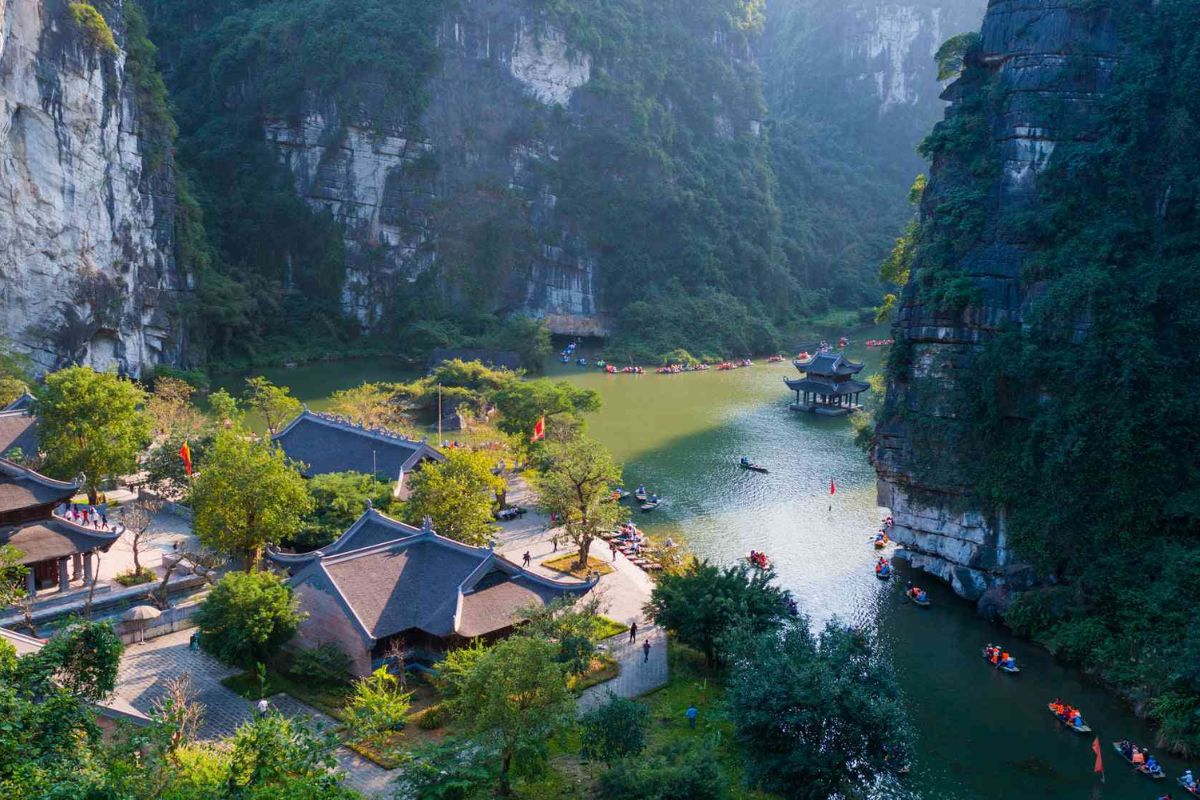
Located within the Ninh Binh province, the Trang An Landscape Complex is another UNESCO-recognized site that is best explored by water. On a traditional rowboat tour—often powered by local guides using their feet—you’ll glide through a series of mystical water caves and past ancient temples nestled at the base of cliffs. The area gained international fame as a filming location for Kong: Skull Island, and its serene, mirror-like waters offer one of the most photogenic experiences in the entire country.
Famous Spots In Central Vietnam
Central Vietnam is widely regarded as the country’s cultural heart, offering a perfect blend of imperial history, cosmopolitan beaches, and ancient ruins. Some of the most iconic Vietnam tourist destinations are clustered here; you can easily explore several world-class sites within just a few hours of travel.
Hue
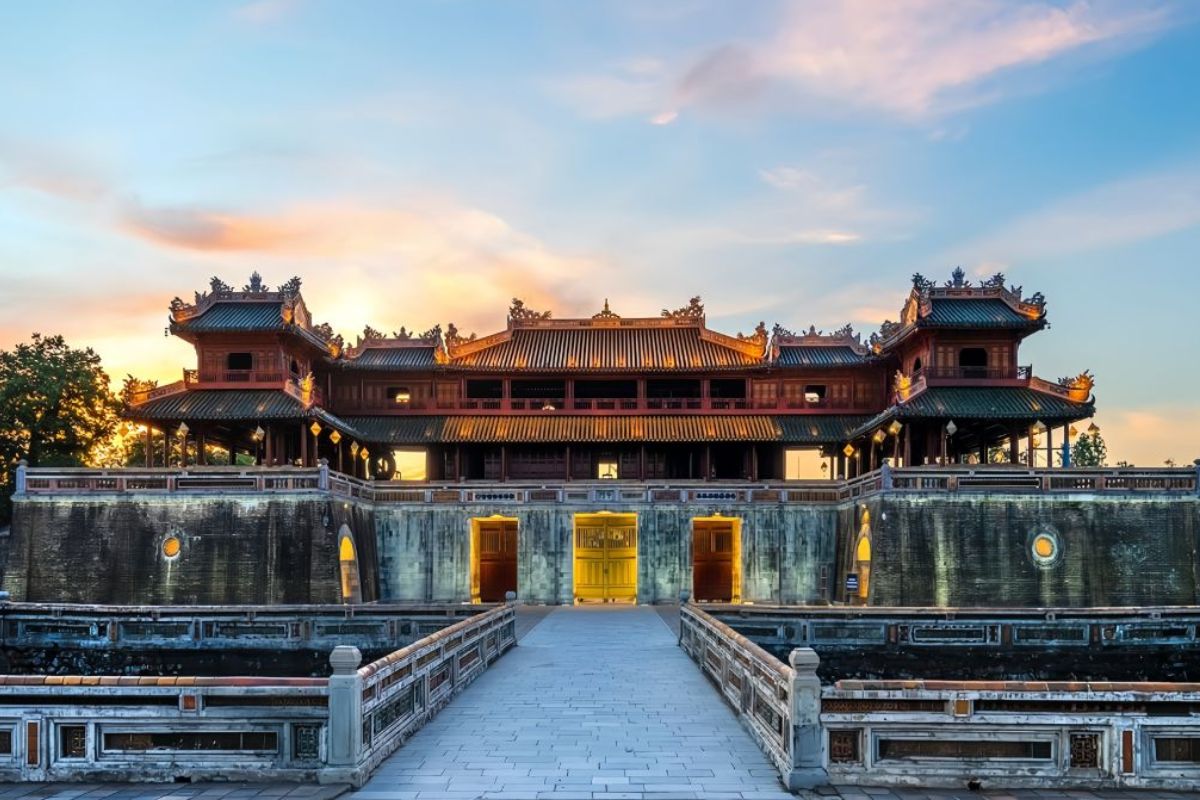
The former imperial capital, Hue, sits elegantly on the banks of the Perfume River. Travelers come here to step back into the Nguyen Dynasty era. The massive Imperial City (Citadel) is a must-see, featuring ornate palaces and temples. For a deeper look into royal history, don’t miss the elaborate tombs of Khai Dinh and Tu Duc scattered throughout the countryside. Hue is also famous for its “Royal Cuisine,” offering unique dishes like Bun Bo Hue that you won’t find quite the same anywhere else.
DMZ Tour
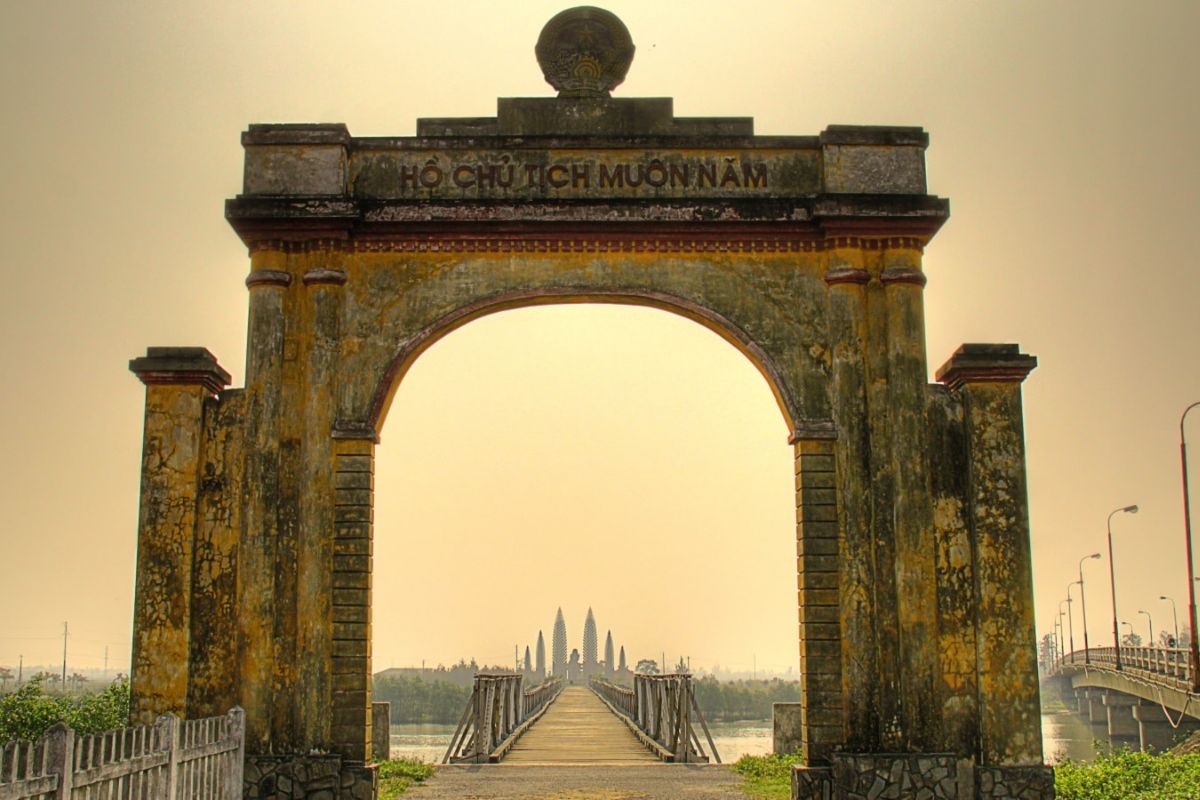
For history enthusiasts, a trip to the Demilitarized Zone (DMZ) provides a sobering and educational look at the Vietnam War. Located near the 17th parallel, these tours typically include visits to the Vinh Moc Tunnels, where entire villages lived underground to escape bombing, and the Hien Luong Bridge. It is a powerful experience that highlights the resilience of the local people and provides essential context to the nation’s modern history.
Da Nang
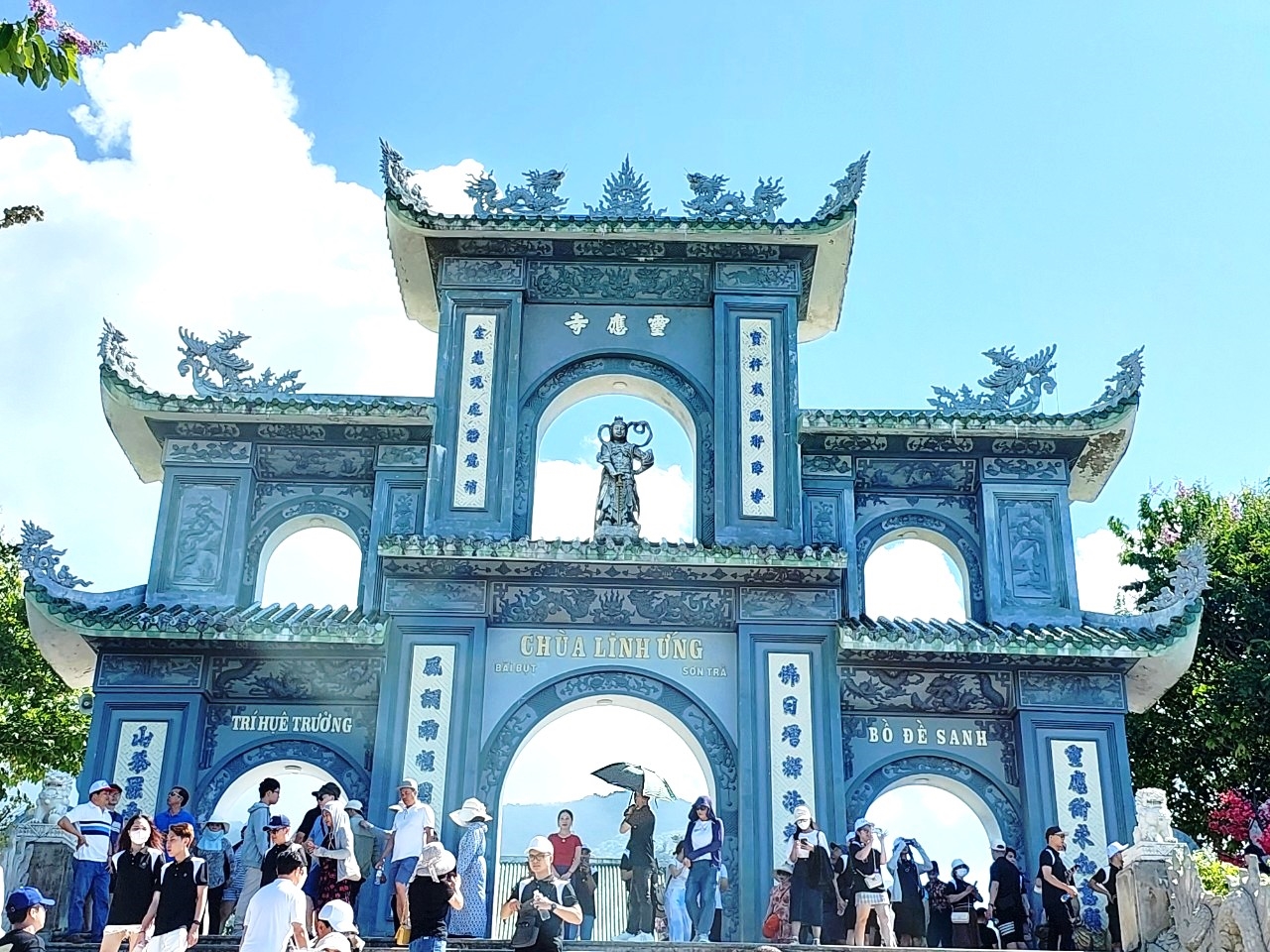
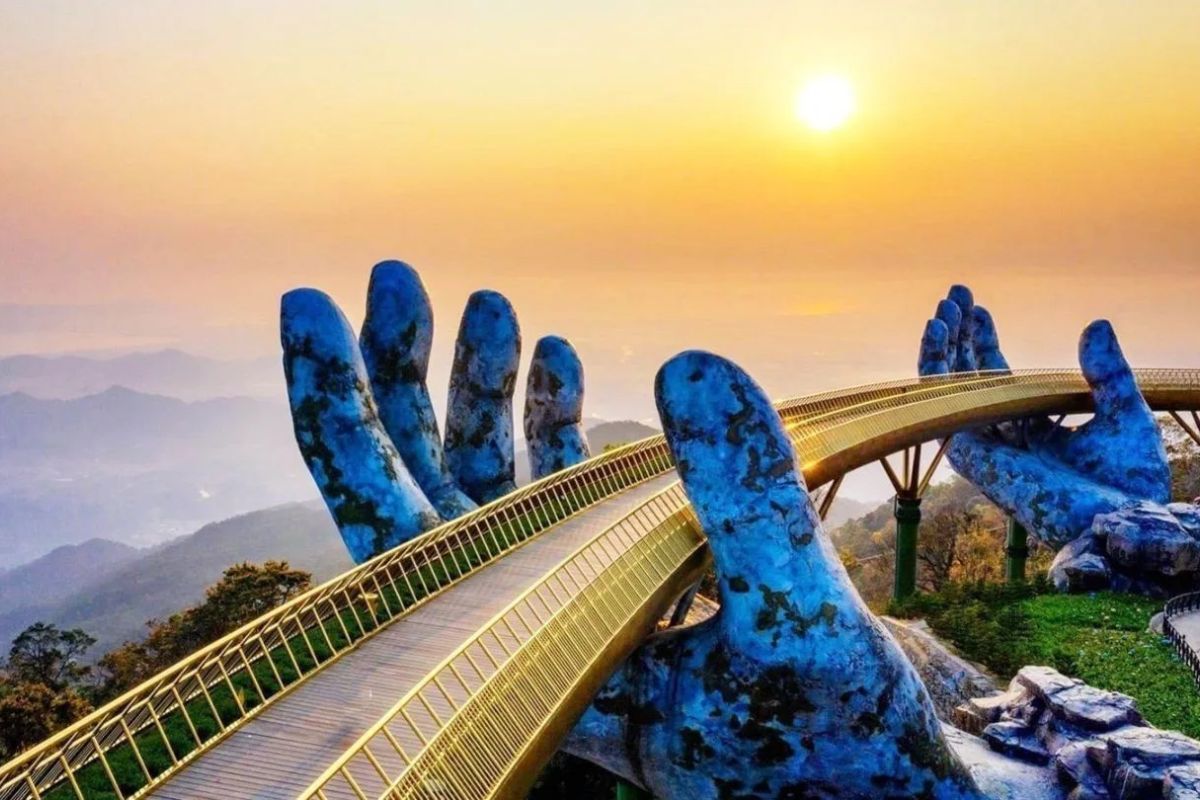
Da Nang is Vietnam’s most progressive coastal city, perfectly balancing modern urban life with natural beauty. It serves as a central hub for many Vietnamese tourist destinations. Visitors love the Marble Mountains—a cluster of five marble and limestone hills with hidden caves and pagodas—and the famous Golden Bridge at Ba Na Hills, held up by two giant stone hands. At night, the city lights up, especially the Dragon Bridge, which breathes fire and water every weekend.
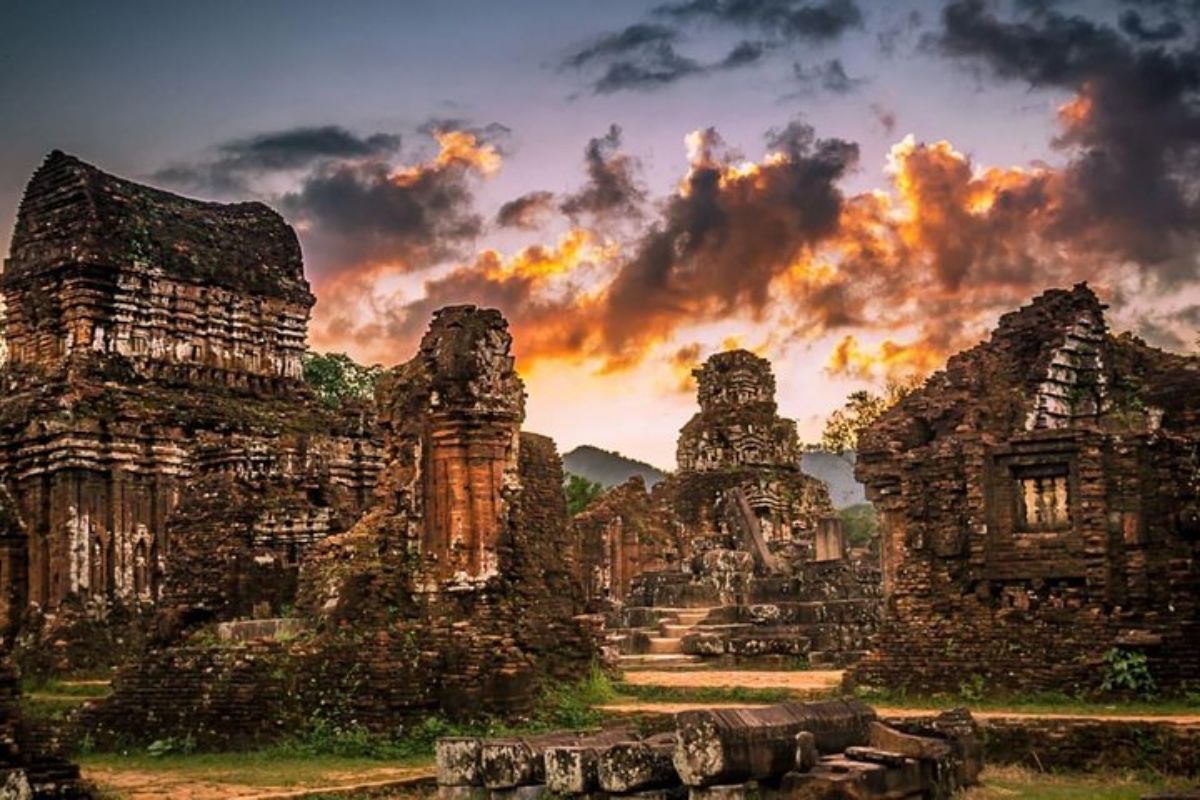
My Son Sanctuary
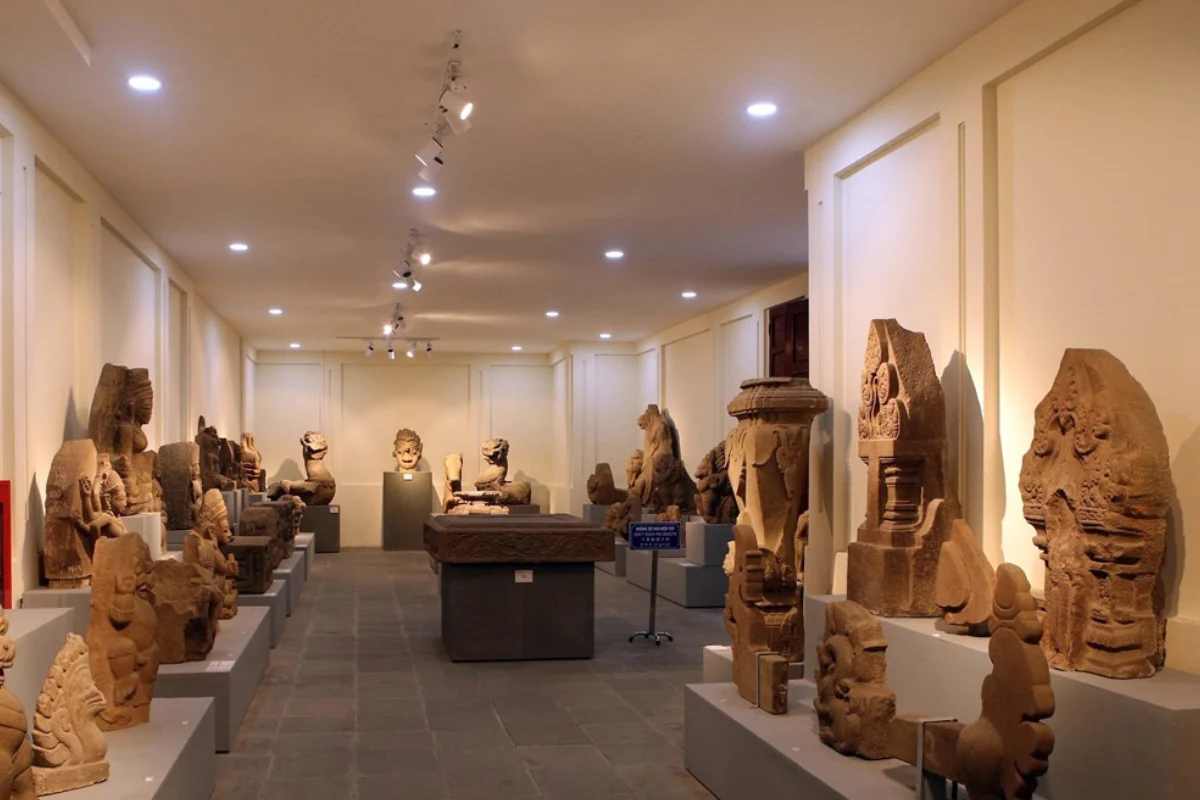
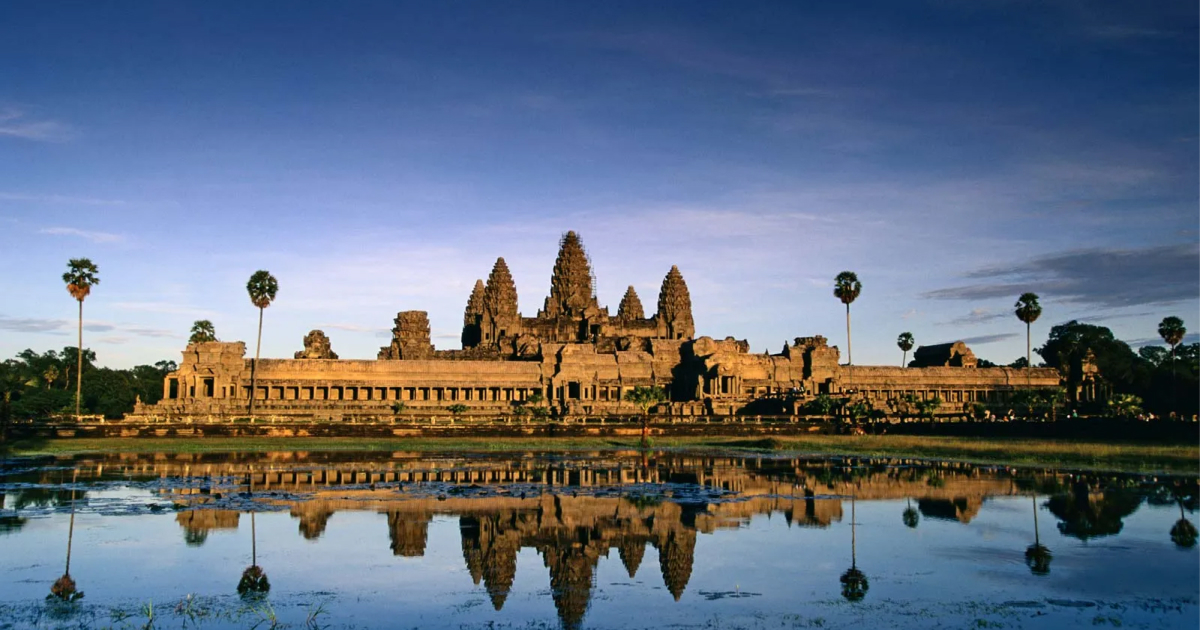
Hidden in a lush valley about an hour from Da Nang, My Son Sanctuary is a UNESCO World Heritage site consisting of ancient Hindu temples built by the Champa Kingdom. Often compared to Angkor Wat, these red-brick ruins date back as far as the 4th century. It is best visited in the early morning to avoid the heat and the crowds, allowing you to appreciate the intricate carvings and atmospheric jungle setting in peace.
Hoi An Ancient Town
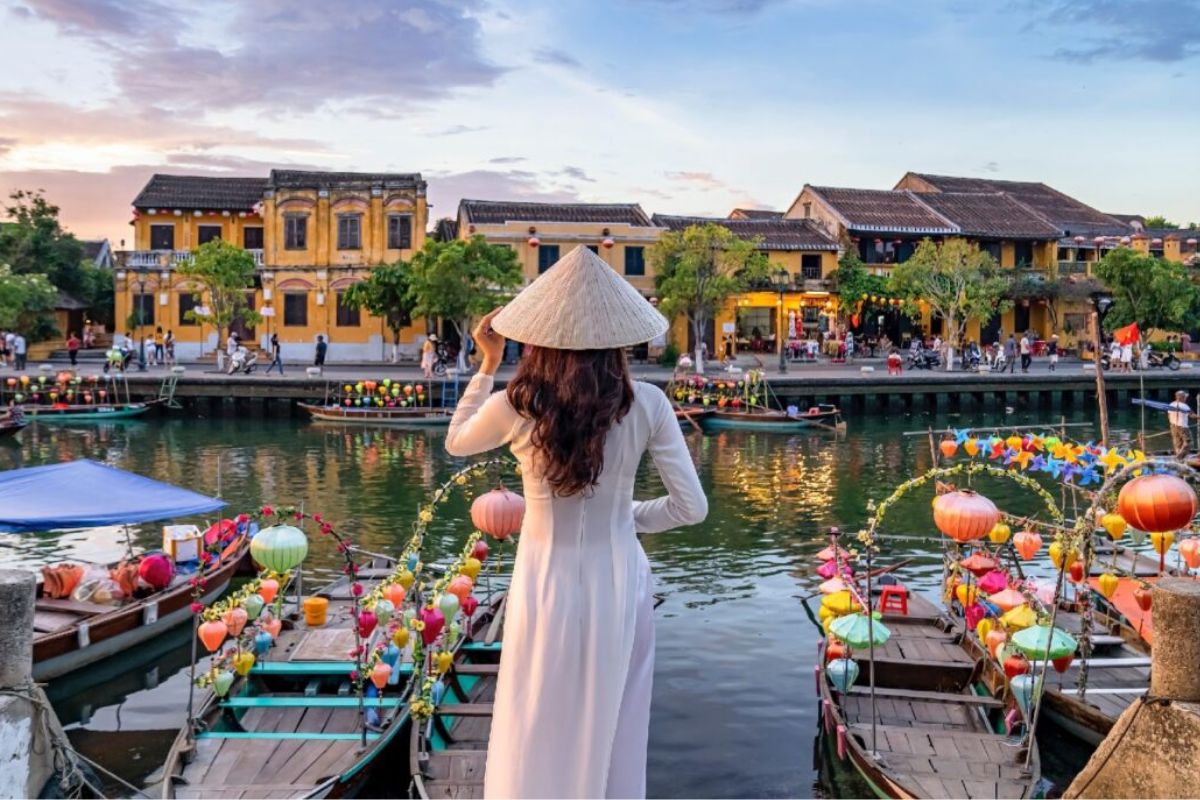
Hội An’s Ancient Town is arguably the most charming destination in Southeast Asia. This former trading port is famous for its yellow-painted buildings, Japanese Covered Bridge, and thousands of colorful silk lanterns that light up the streets at night. It is the tailoring capital of the world—where you can get a custom suit or dress made in 24 hours—and a foodie paradise known for “Cao Lau” noodles and the best Banh Mi in the country.
Rural Hoi An
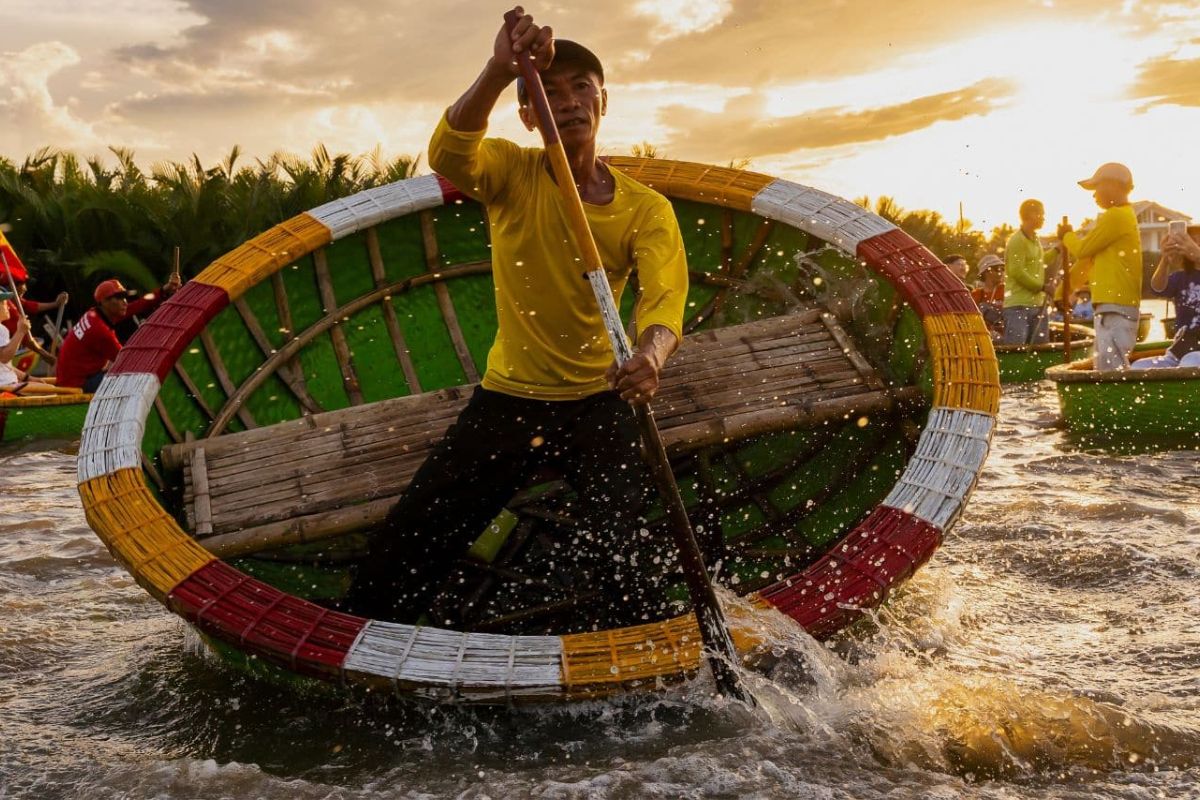
If the Ancient Town gets too crowded, the surrounding countryside offers a peaceful escape. You can hop on a bicycle to explore Cam Thanh Coconut Village, where you can ride in traditional bamboo basket boats, or visit the Tra Que Vegetable Village to see organic farming in action. These rural areas provide a glimpse into the authentic, slow-paced lifestyle of Central Vietnamese farmers and fishermen, offering a refreshing contrast to the tourist center.
South Vietnam Tourist Destinations
Southern Vietnam, one of the most diverse regions for Vietnam tourist destinations, is a land of striking contrasts, where the rapid-fire energy of a modern metropolis meets the slow, rhythmic pulse of the river life.
Ho Chi Minh City
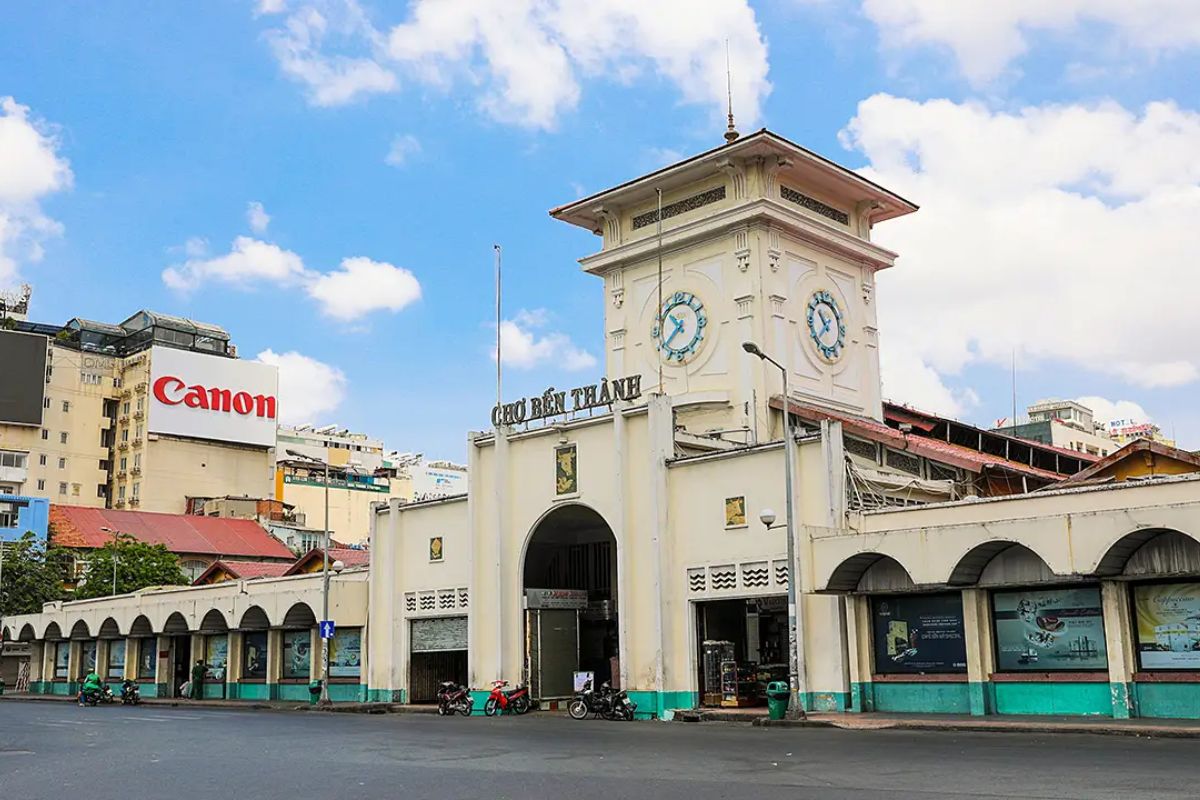
Formerly known as Saigon, Ho Chi Minh City is the country’s economic powerhouse. It’s a sensory explosion of motorbikes, street food stalls, and skyscrapers. While it’s a modern city, it retains its soul through French colonial architecture—like the Notre Dame Cathedral and the Central Post Office—and bustling traditional markets like Ben Thanh. It serves as the primary gateway for travelers exploring the many Vietnam tourist destinations in the southern loop.
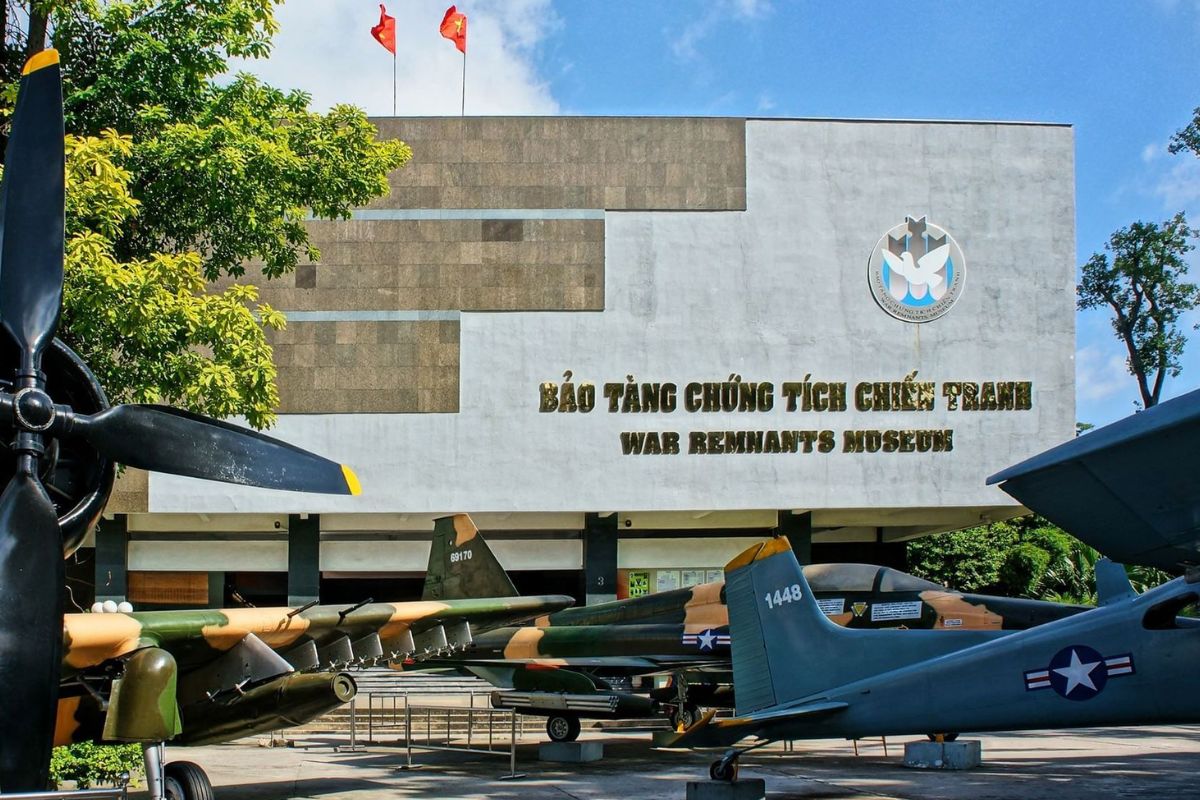
War Remnants Museum
A visit here is essential for understanding the gravity of the Vietnam War. The museum houses a vast collection of machinery, photographs, and artifacts that document the conflict from a Vietnamese perspective. While some exhibits—like the “Tiger Cages” and the effects of Agent Orange—are deeply moving and intense, they provide invaluable historical context that stays with you long after you leave.
Cu Chi Tunnels
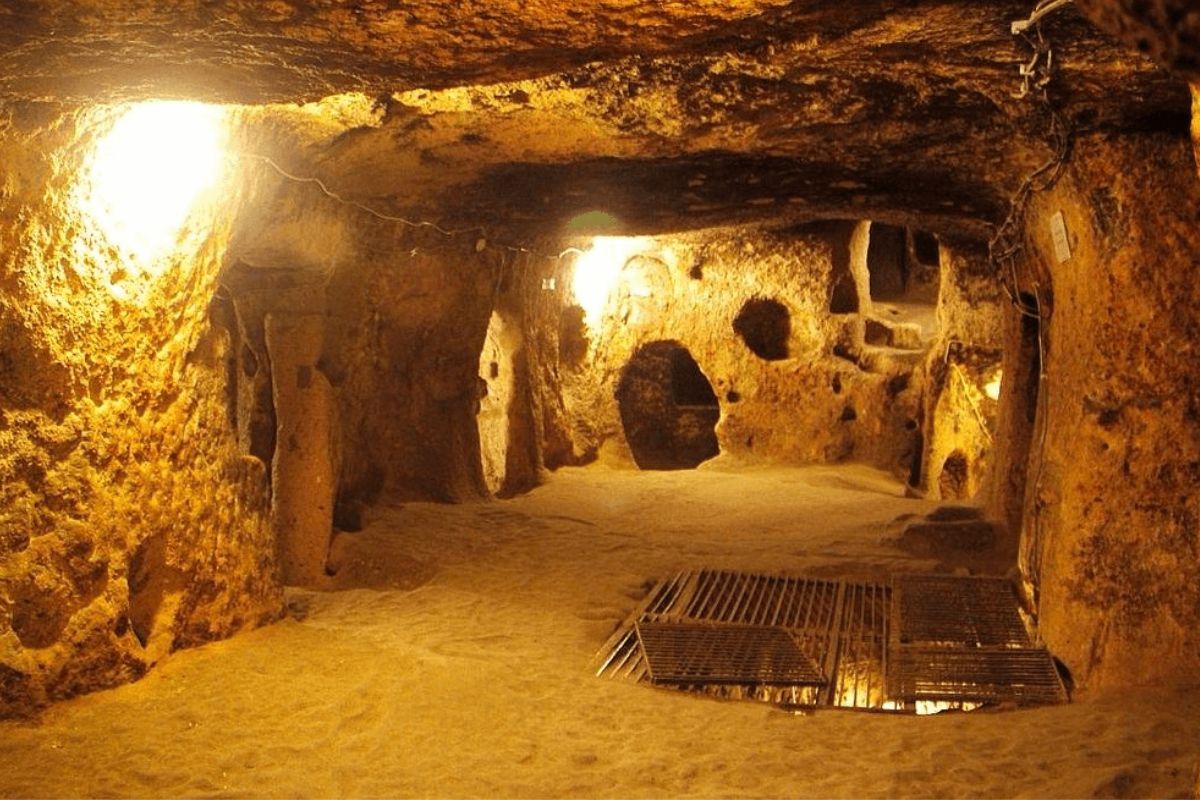
Located on the outskirts of the city, this immense underground network was used by the Viet Cong during the war. Visitors can actually crawl through sections of the tunnels (which have been widened for tourists) to experience the cramped conditions. The site also features demonstrations of booby traps and a firing range, offering a hands-on look at the ingenuity and persistence of the soldiers.
Mekong Delta
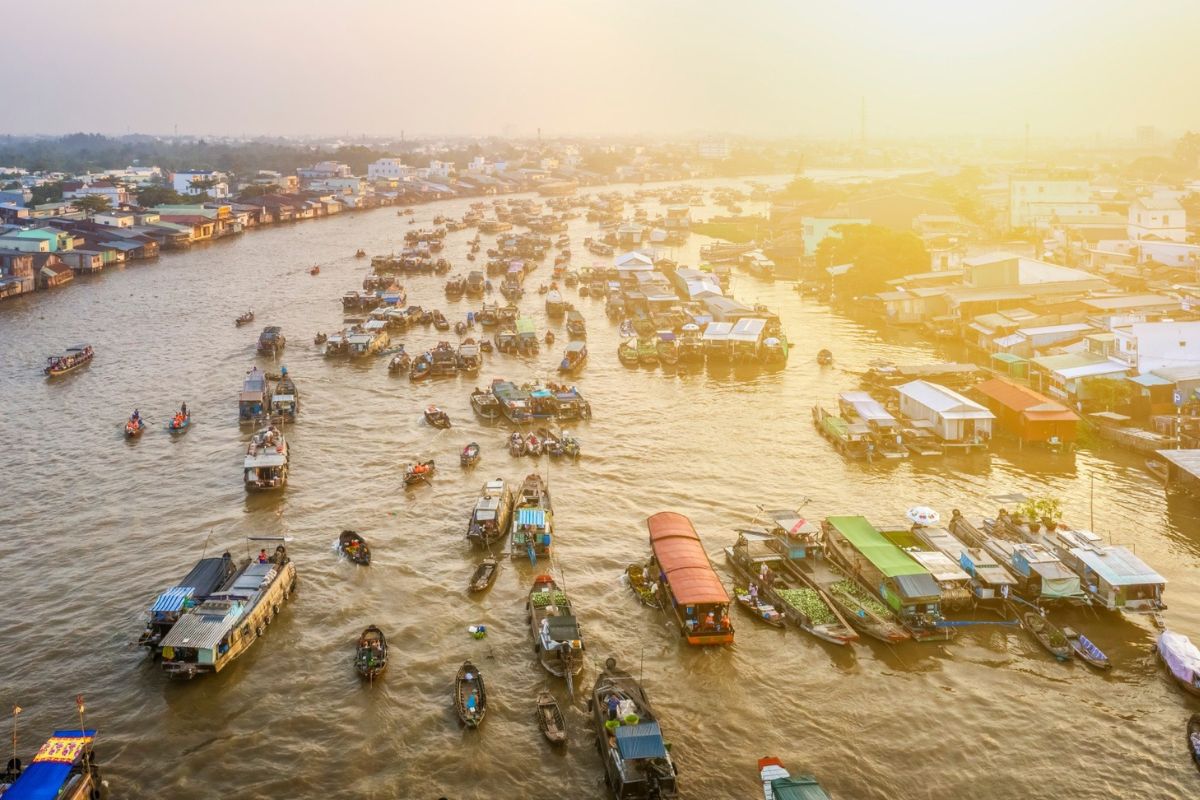
Known as the “Rice Bowl” of Vietnam, the Mekong Delta is a labyrinth of rivers, islands, and swamps. A day trip or overnight stay usually involves a boat ride through narrow canals lined with coconut palms. You can visit floating markets like Cai Rang, explore fruit orchards, and see local industries like coconut candy making. It is a peaceful, watery world that feels a million miles away from the city.
Dalat
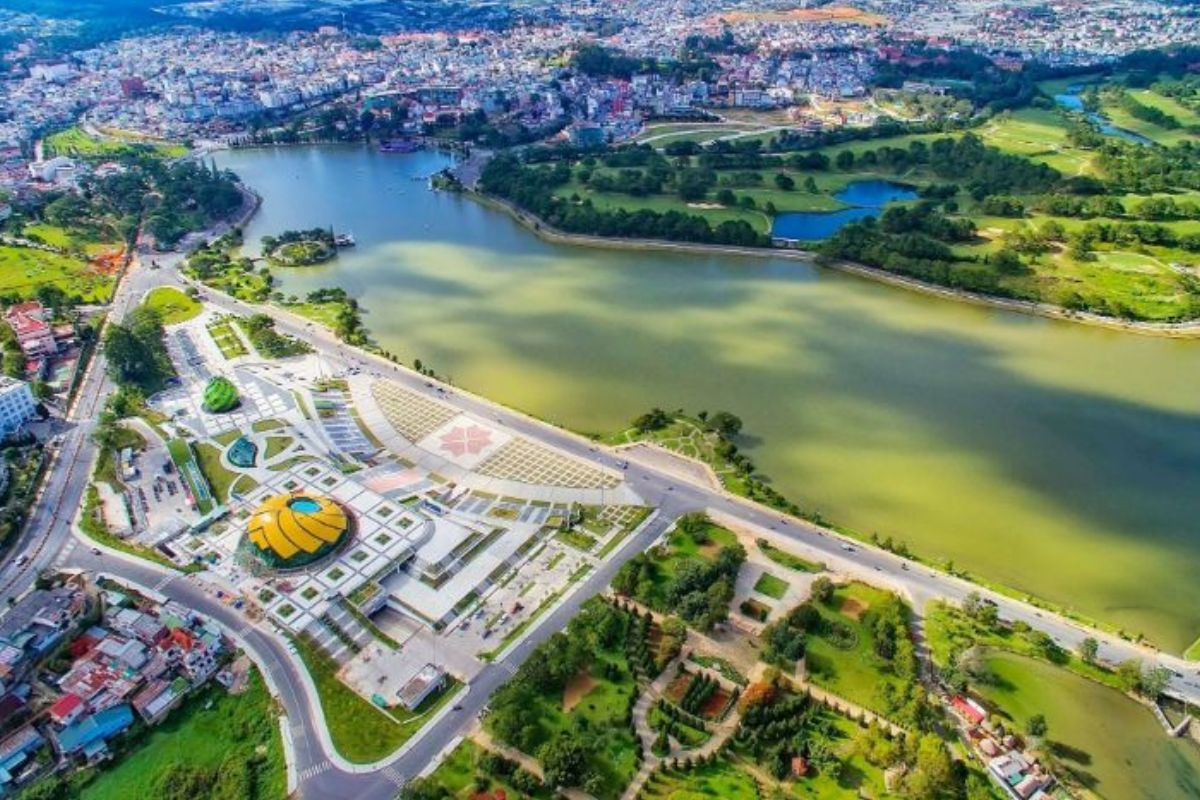
If the tropical heat gets too much, head to the “City of Eternal Spring.” Located in the Central Highlands, Dalat is famous for its cool climate, pine forests, and French-influenced architecture. It’s a haven for adventure seekers who enjoy canyoning and hiking, as well as couples looking for a romantic getaway amidst flower gardens and mist-covered lakes.
Mui Ne
Mui Ne is a unique coastal town famous for its massive red and white sand dunes, which make you feel like you’ve stepped into a desert. It’s a world-renowned destination for windsurfing and kitesurfing due to its consistent sea breezes. Don’t miss the Fairy Stream—a shallow river walk flanked by dramatic clay formations—or the early morning bustle of the local fishing village.
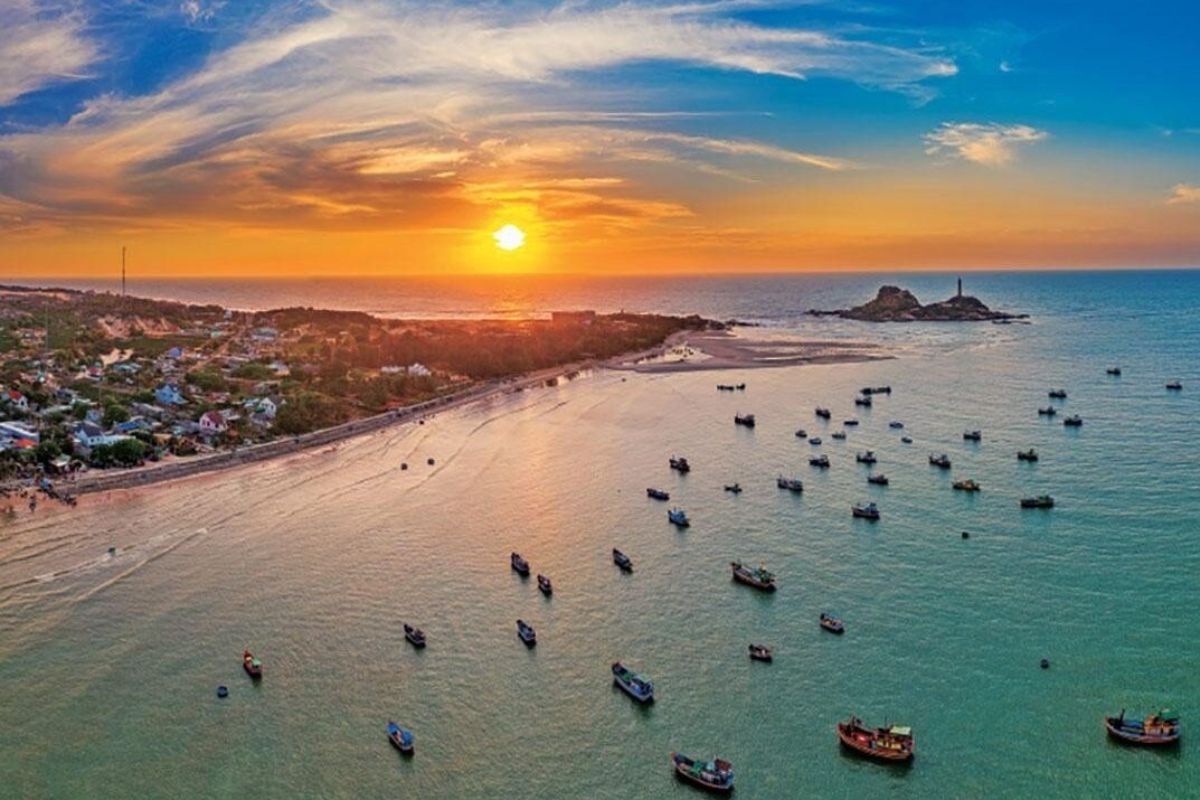
Islands in the South
For white sand beaches and turquoise seas, southern Vietnam shines among top Vietnam tourist destinations. From luxurious Phu Quoc resorts to wild Con Dao beauty, these islands promise a perfect tropical escape.
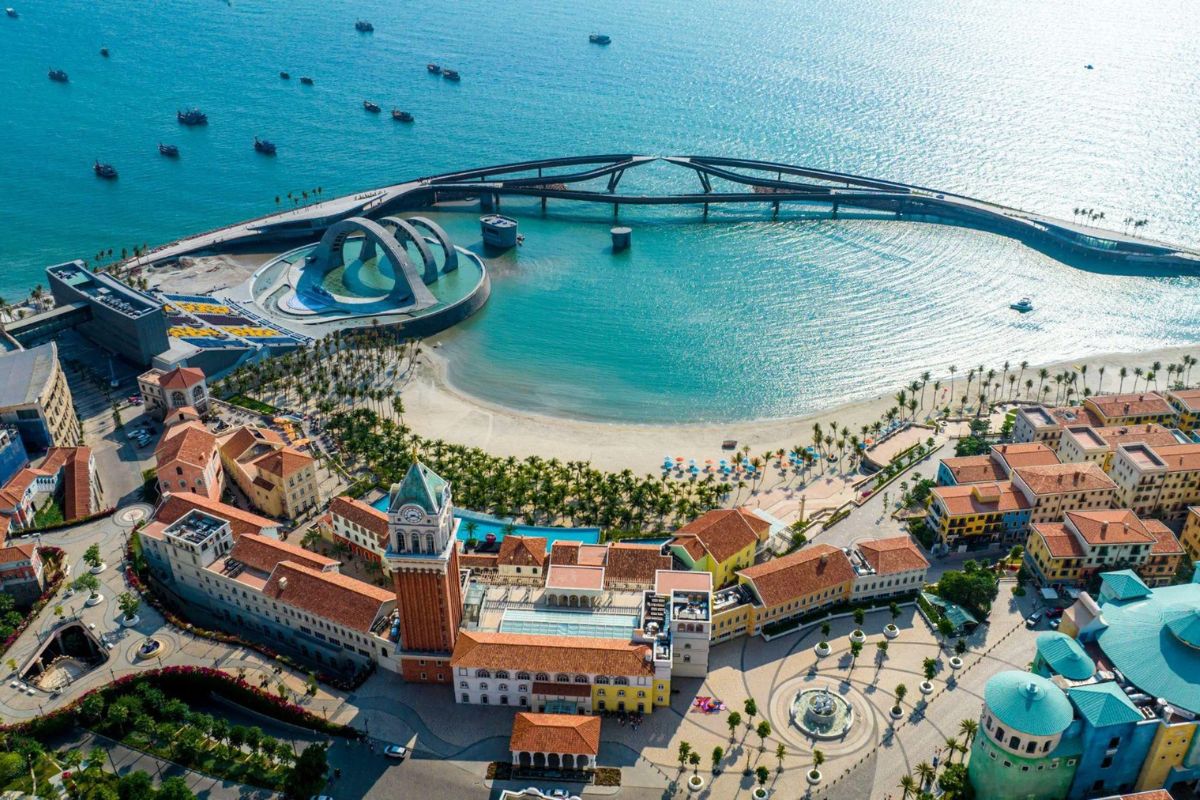
Phu Quoc
Often called the “Pearl Island,” Phu Quoc is the largest island in the country and a true heavy hitter among Vietnam tourist destinations. It’s the perfect blend of modern convenience and natural beauty.
- The Highlights: Visitors shouldn’t miss the world’s longest over-water cable car ride to Hon Thom Island, offering spectacular views of the emerald sea. The island is also famous for its high-quality fish sauce and aromatic pepper plantations.
- Beaches & Adventure: For relaxation, head to Bai Dai or Khem Beach. If you’re feeling active, the Phu Quoc National Park offers incredible hiking trails through lush jungles.
- Visa Perk: One of the biggest draws for international tourists is the special visa policy—travelers can visit Phu Quoc visa-free for up to 30 days if they fly directly into the island’s international airport.
Con Dao
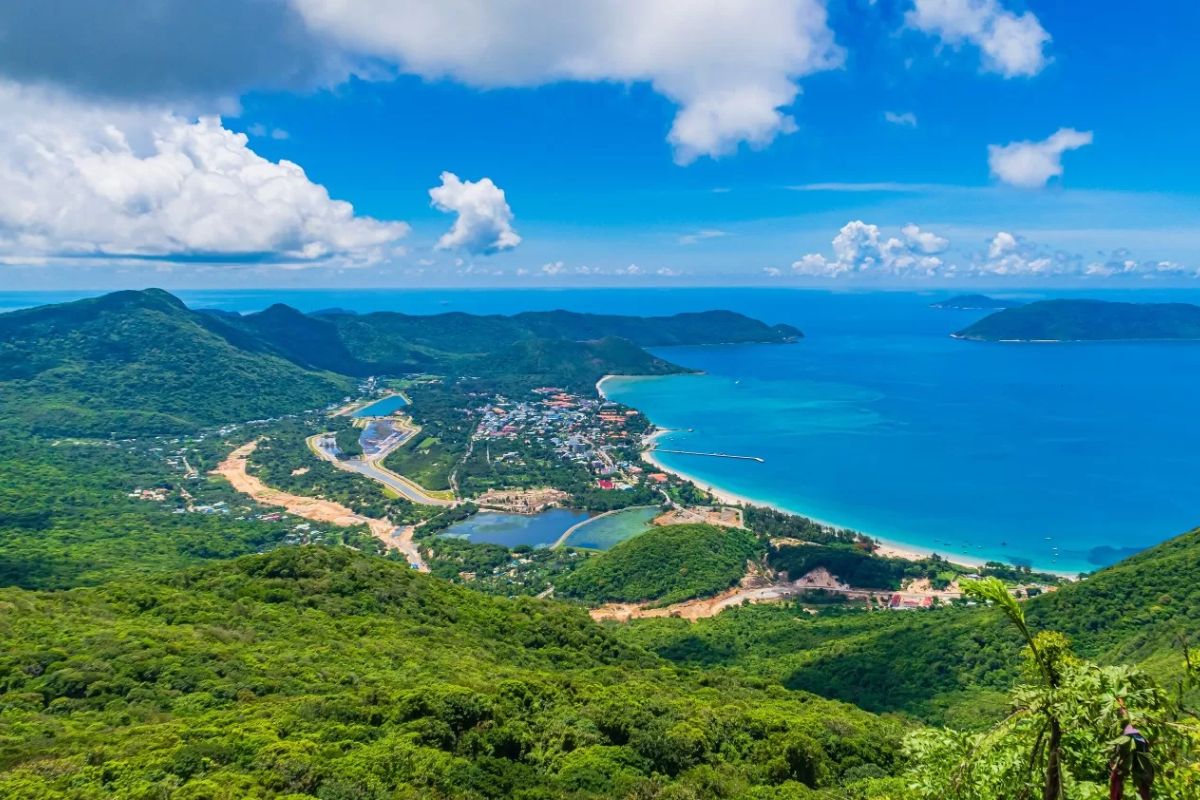
For those who want to get truly off the beaten path, the Con Dao archipelago is an untouched gem. Once a site of historical significance, the 16-island chain is now a peaceful sanctuary known for its pristine environment.
- Eco-Tourism & Nature: Con Son is the main island where you’ll find most accommodations. It is celebrated for having some of the cleanest beaches in Vietnam and a much slower pace of life than the mainland. It is a premier spot for diving and witnessing sea turtle nesting (seasonally).
- Luxury & History: The island is home to some of the country’s most exclusive eco-resorts, like the Six Senses. Beyond the luxury, travelers often visit the local historical sites to pay respects and learn about the island’s complex past.
- Getting There: While more remote, it is easily accessible via a short flight from Ho Chi Minh City or by high-speed ferry from Vung Tau, making it a popular “searched-for” spot for holiday getaways.
Frequently Asked Questions
What is the best month to visit Vietnam?
February to June offers the best balance of warm, sunny weather across both the North and South regions.
How many days do I need to explore Vietnam?
Plan for 10 to 21 days to comfortably explore the highlights from Hanoi down to Ho Chi Minh.
Do I need a visa for Vietnam?
Most need an e-visa, though UK and some European citizens enjoy 45 days visa-free entry.
What food must I try in Vietnam?
You must taste authentic Pho, Banh Mi, Bun Cha, and the iconic Egg Coffee.
Can I use credit cards, or do I need cash?
Cash is king. While high-end hotels, malls, and modern restaurants in big cities accept cards, you will need Vietnamese Dong (VND) for street food, local markets, and small boutiques. Gold shops and banks usually offer the best exchange rates for USD or EUR.
Conclusion
Vietnam is a land of profound beauty and striking contrasts that rewards curiosity with unforgettable memories. Whether you are trekking through the golden rice terraces of Sapa, wandering the lantern-lit streets of Hoi An, or diving into the turquoise waters of Con Dao, the diverse array of Vietnam tourist destinations ensures a rich experience. By balancing budget-friendly street food with world-class luxury, and ancient history with modern energy, this country remains a top-tier choice for any global traveler.
Ready to turn these dreams into reality? Vietnamtour247 is your dedicated partner in crafting the perfect Vietnamese getaway. Let us handle the logistics while you focus on making memories; contact us today to start your journey!
Contact us via our Fanpage Vietnamtour 247 for personalized advice and assistance.
Contact Vietnam Tour 247 for booking tours to visit Sapa.
- Website: Vietnamtours247
- Hotline: (+84) 979133907
- WhatsApp: (+84) 916289247
- Email: sales@vietnamtour247.com
- Vietnam: 128 Ngoc Tri St, Long Bien District, Hanoi
See more:
- Hanoi Itinerary 2 Days Tour – A Fascinating Capital Journey
- Sapa To Ninh Binh: Scenic Travel Guide For Visitors
- Is Halong Bay in Northern or Southern Vietnam? Discover Halong Bay area in Vietnam 2026