Overview of Hoa Lu Ancient Capital – A Historic Heart of Vietnam
Hoa Lu Ancient Capital is one of the most important historical sites in Vietnam. It once served as the political and cultural center of the country during the late 10th and early 11th centuries. Today, this destination attracts millions of visitors every year and is considered a must-visit stop when travelers search for things to do in Ninh Binh.
If you are planning a trip to Ninh Binh and wondering whether to visit Bai Dinh Pagoda or Hoa Lu Ancient Capital, learning more about Hoa Lu’s location and historical significance can help you better plan your itinerary. Located in Truong Yen Commune, Hoa Lu District, about 18 km from Ninh Binh City center, Hoa Lu Ancient Capital is part of the famous Trang An Landscape Complex, a UNESCO-recognized heritage area celebrated for its limestone mountains, winding rivers, and rich cultural history.
Unlike the grand modern architecture of Bai Dinh Pagoda, Hoa Lu Ancient Capital offers travelers a chance to step back into Vietnam’s past. As the first capital of Dai Co Viet in the 10th century, the site preserves ancient temples, traditional architecture, and important historical relics linked to the Dinh and Le dynasties. Because of its deep cultural value and beautiful natural surroundings, many visitors choose to compare or combine Bai Dinh Pagoda and Hoa Lu Ancient Capital when exploring the spiritual and historical highlights of Ninh Binh.
Brief History of Hoa Lu Ancient Capital
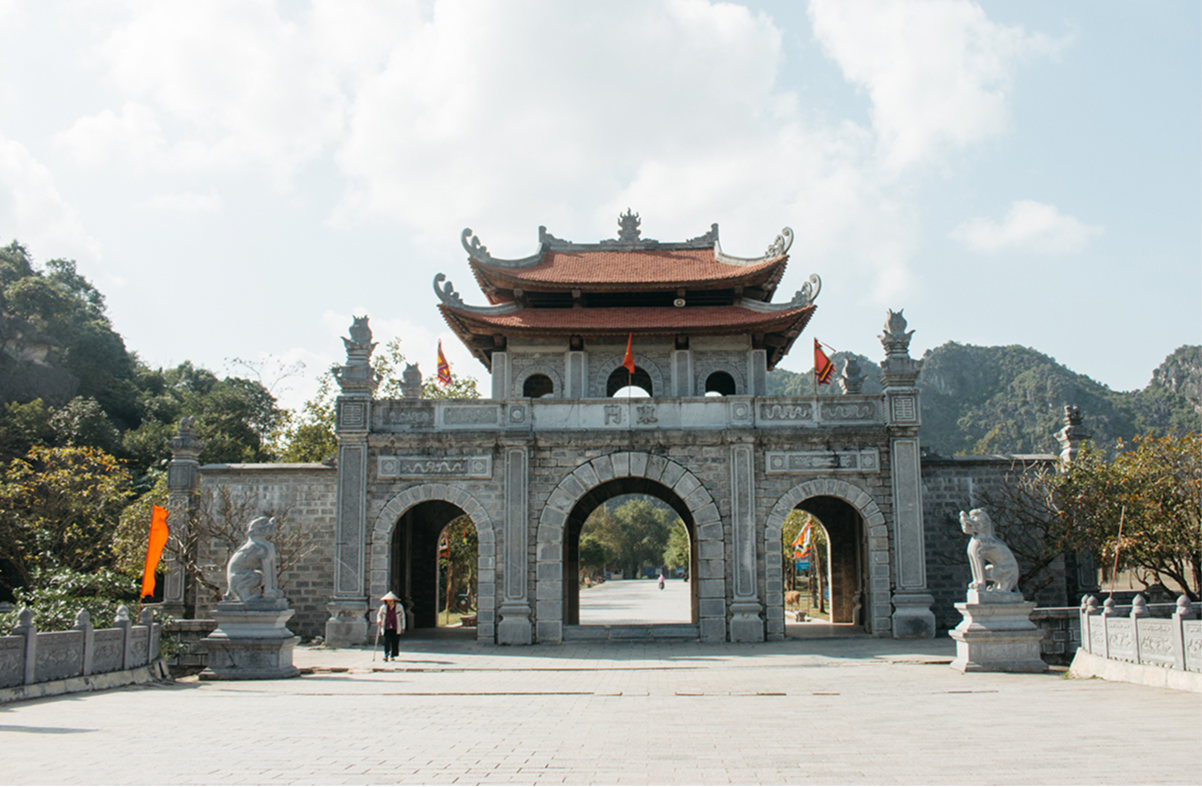
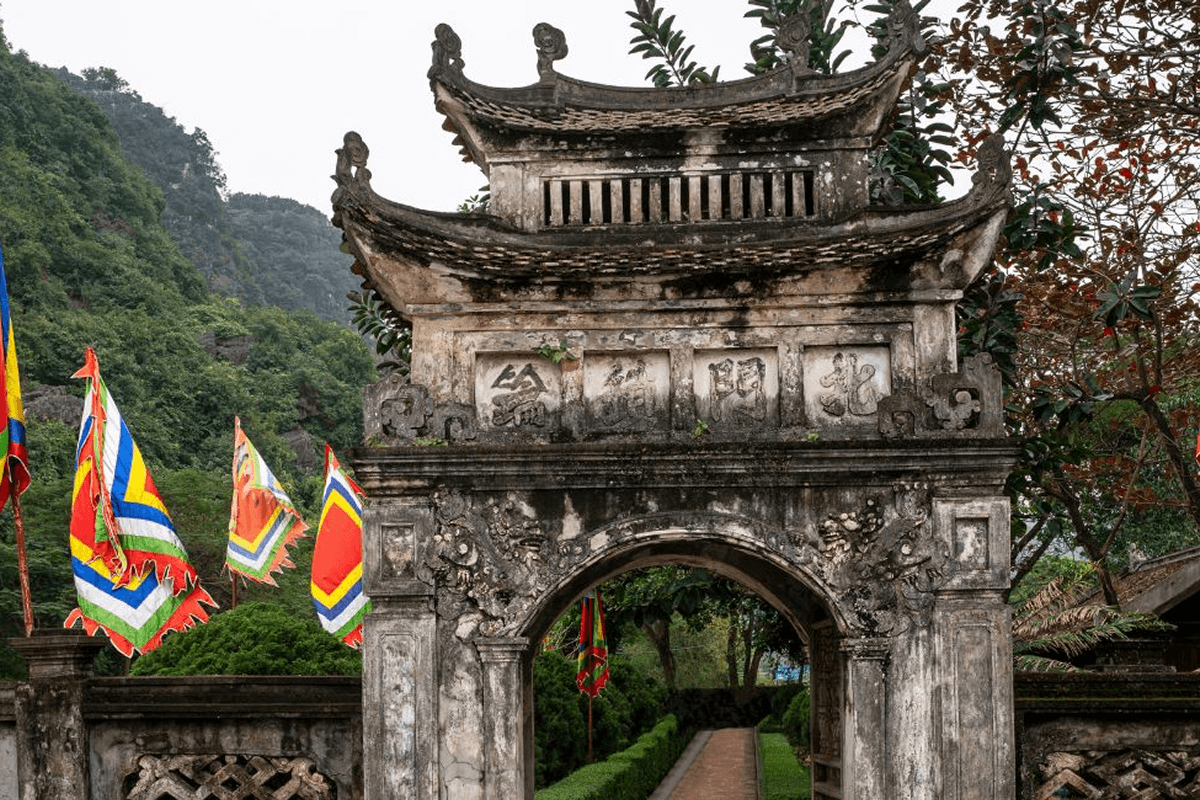
Hoa Lu Ancient Capital played a major role in the early history of Vietnam and served as the country’s political center for around 40 years. In 968, Emperor Dinh Bo Linh unified the nation after defeating the Twelve Warlords and established the first centralized state of Dai Co Viet, choosing Hoa Lu as the capital. Later, in 980, Le Hoan founded the Early Le Dynasty and continued ruling from Hoa Lu. In 1010, Ly Cong Uan relocated the capital to Thang Long, now Hanoi, marking the end of Hoa Lu’s role as the national capital. Today, Hoa Lu Ancient Capital preserves important temples, royal relics, and historic architecture, making it one of the most significant cultural destinations in Ninh Binh.
Must-Try Experiences at Hoa Lu Ancient Capital
Conquer Ma Yen Mountain for a Panoramic View

Experience the Hoa Lu Traditional Festival
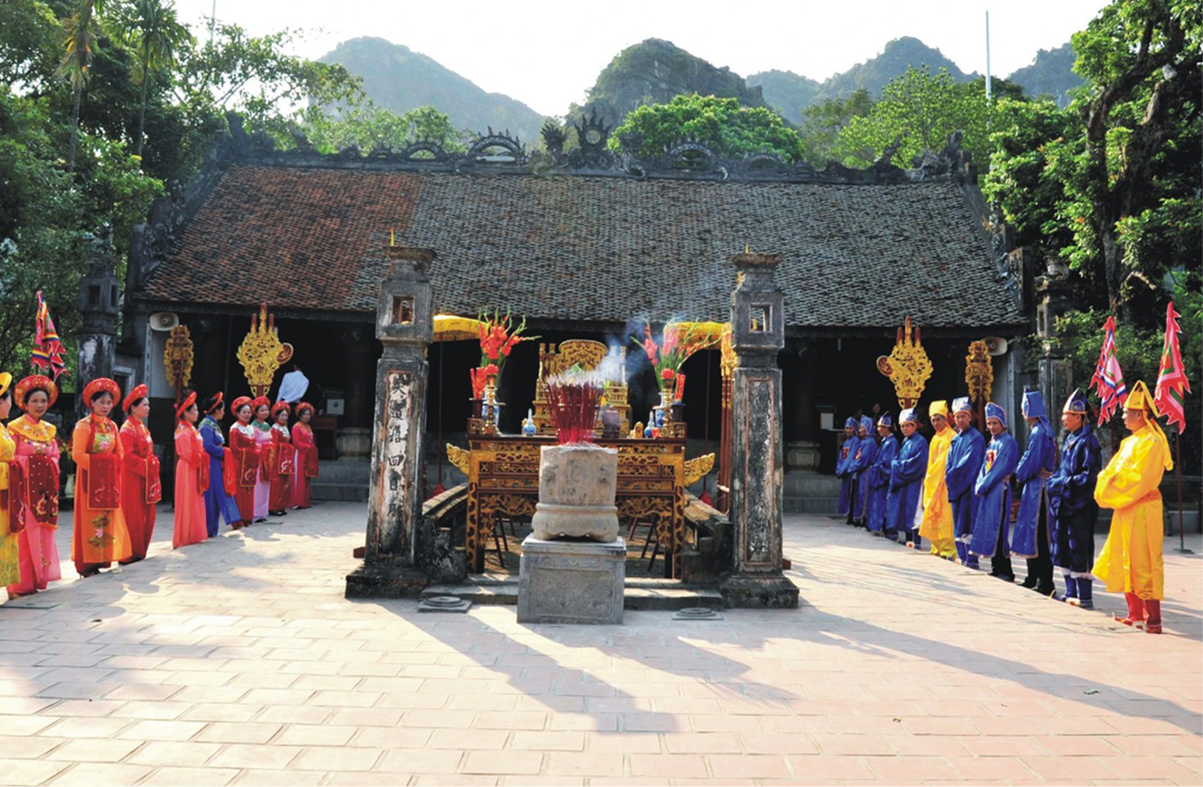
The annual Hoa Lu Festival is one of the most important cultural events in Ninh Binh, held from the 8th to the 10th day of the third Lunar month to honor the contributions of ancient Vietnamese kings and national heroes. During the festival, visitors exploring Bai Dinh Pagoda or Hoa Lu Ancient Capital can witness solemn traditional ceremonies such as the water procession, sacred fire procession, and the statue bathing rituals dedicated to King Dinh Tien Hoang and King Le Dai Hanh.
Beyond the spiritual rituals, the festival also creates a lively and festive atmosphere filled with traditional cultural activities. Travelers can enjoy folk games, wrestling competitions, lion dances, boat races, and traditional Cheo performances. One of the highlights is the reenactment of the famous Co Lau Flag Game battle, offering visitors a vivid glimpse into Vietnam’s heroic history and cultural heritage when visiting Bai Dinh Pagoda or Hoa Lu Ancient Capital.
Taste Authentic Ninh Binh Specialties
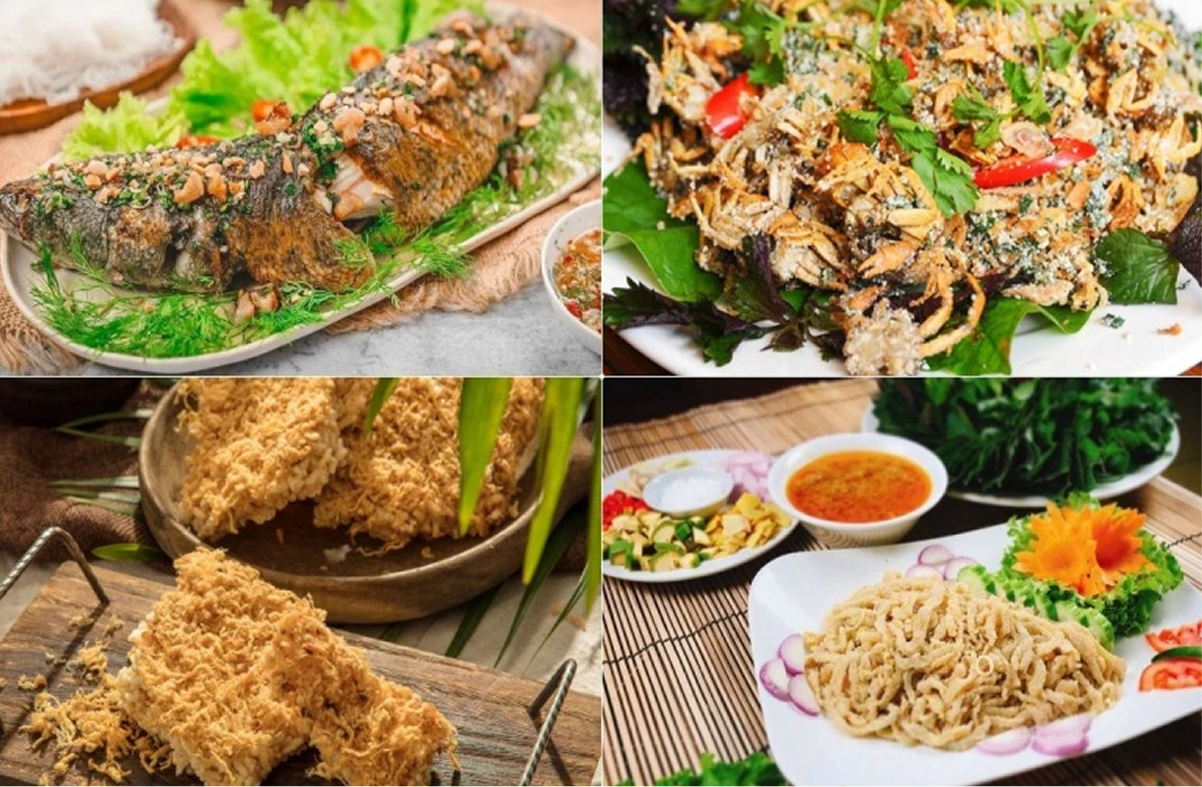
A visit to Bai Dinh Pagoda or Hoa Lu Ancient Capital in Ninh Binh is not complete without trying its famous local cuisine, which reflects the unique flavors of the region’s mountains and countryside. Around Hoa Lu Ancient Capital, visitors can easily find traditional restaurants serving popular specialties loved by both locals and tourists.
Some must-try dishes include Grilled mountain goat, known for its tender texture and rich flavor, and Com Chay, a crispy rice specialty often served with savory sauces. Travelers should also try Yen Mac fermented pork rolls and local mountain snails, which are especially popular during the rainy season. These authentic dishes add another memorable layer to the cultural experience of exploring Bai Dinh Pagoda or Hoa Lu Ancient Capital.
Traditional Costume Photography
One of the most popular experiences at Bai Dinh Pagoda or Hoa Lu Ancient Capital is taking photos while wearing traditional Vietnamese costumes. Many visitors choose elegant Ao Dai or royal-inspired Nhat Binh outfits to match the historical atmosphere of the ancient temples and limestone landscapes. The combination of traditional clothing and historic scenery creates beautiful and memorable photographs.
Costume rental services are widely available near the heritage site and in Ninh Binh, with prices typically ranging from 100,000 to 250,000 VND per outfit depending on the style and accessories. For the best lighting and fewer crowds, early morning or late afternoon is highly recommended, especially for travelers who want soft natural light and a more peaceful photography experience.

Best Time to Visit Hoa Lu Ancient Capital
The best time to visit Hoa Lu Ancient Capital is from March to May, when the weather is pleasant and the landscapes of Ninh Binh become especially beautiful. During this period, the rice fields surrounding the limestone mountains gradually turn golden, creating picturesque scenery that attracts photographers and nature lovers alike.
One of the cultural highlights is the Truong Yen Festival, held from the 8th to the 10th day of the third Lunar month to honor the kings of the Dinh and Early Le dynasties. The festival brings a lively atmosphere with traditional ceremonies and folk activities. Because Bai Dinh Pagoda is located nearby, many travelers choose to combine Bai Dinh Pagoda and Hoa Lu Ancient Capital in the same itinerary for a complete spiritual and cultural experience. Visiting Bai Dinh Pagoda or Hoa Lu Ancient Capital during this season offers the best combination of weather, scenery, and cultural activities in Ninh Binh.
Overview of Bai Dinh Pagoda
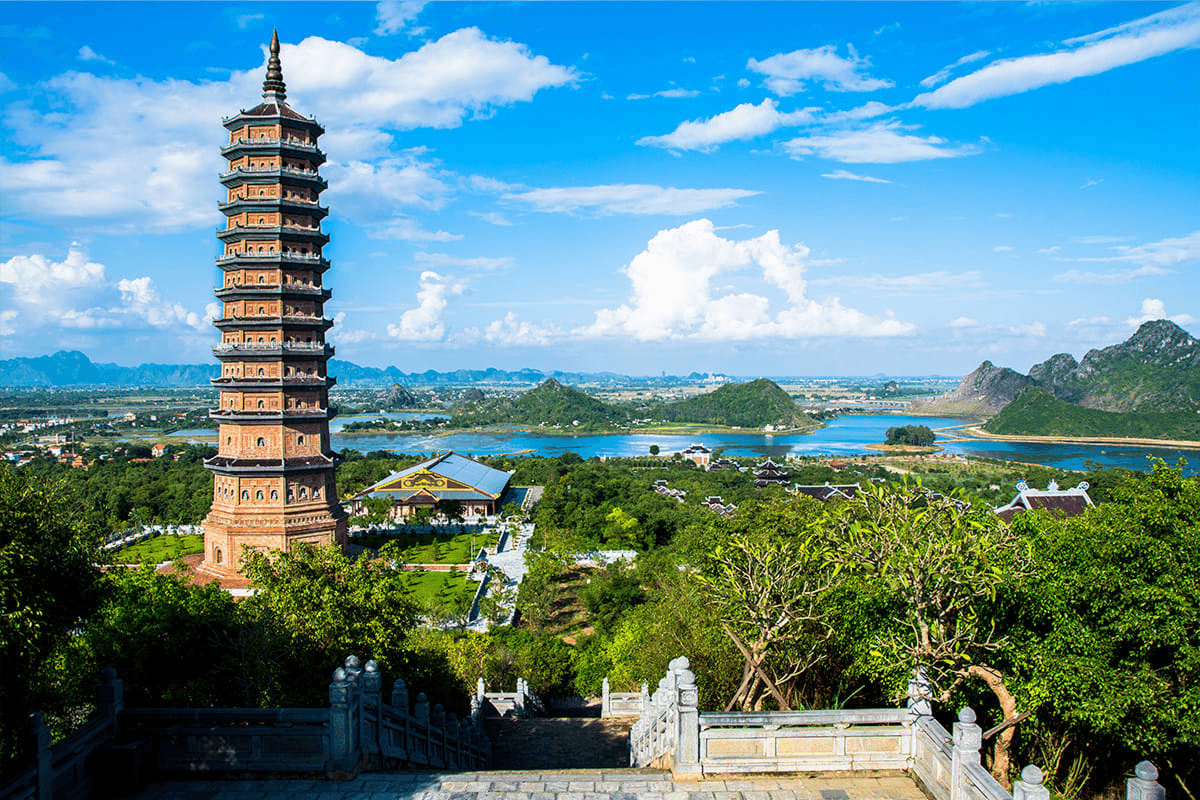
Located about 15 km from the center of Ninh Binh, Bai Dinh Pagoda is situated in Gia Sinh Commune, Gia Vien District, a historic area located near the famous Trang An Scenic Landscape Complex. From Hanoi, travelers only need around 1.5 hours to reach this remarkable destination.
Often considered the spiritual heart of Northern Vietnam, Bai Dinh Pagoda or Hoa Lu Ancient Capital is not only one of the most famous attractions in Ninh Binh but also a site of national and regional importance due to its cultural heritage, architectural scale, and spiritual value.
What makes this place truly special is not only the magnificent natural scenery but also a series of impressive records that attract visitors from around the world.
Two Main Areas of Bai Dinh Pagoda
- Ancient Bai Dinh Pagoda – Located on the mountainside and linked to the era of King Dinh, this area preserves a peaceful and traditional atmosphere with sacred caves dedicated to Buddha, saints, and Mother Goddess worship.
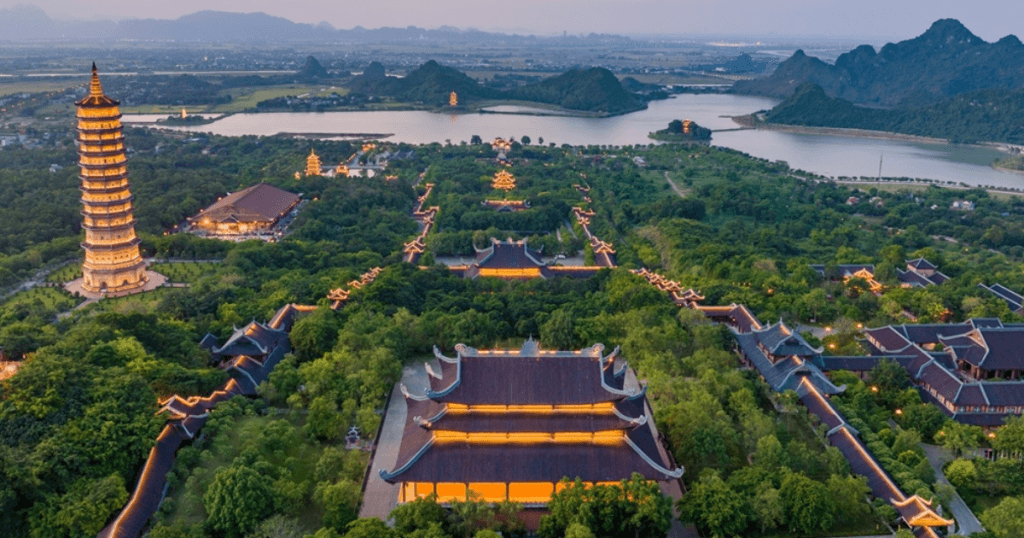
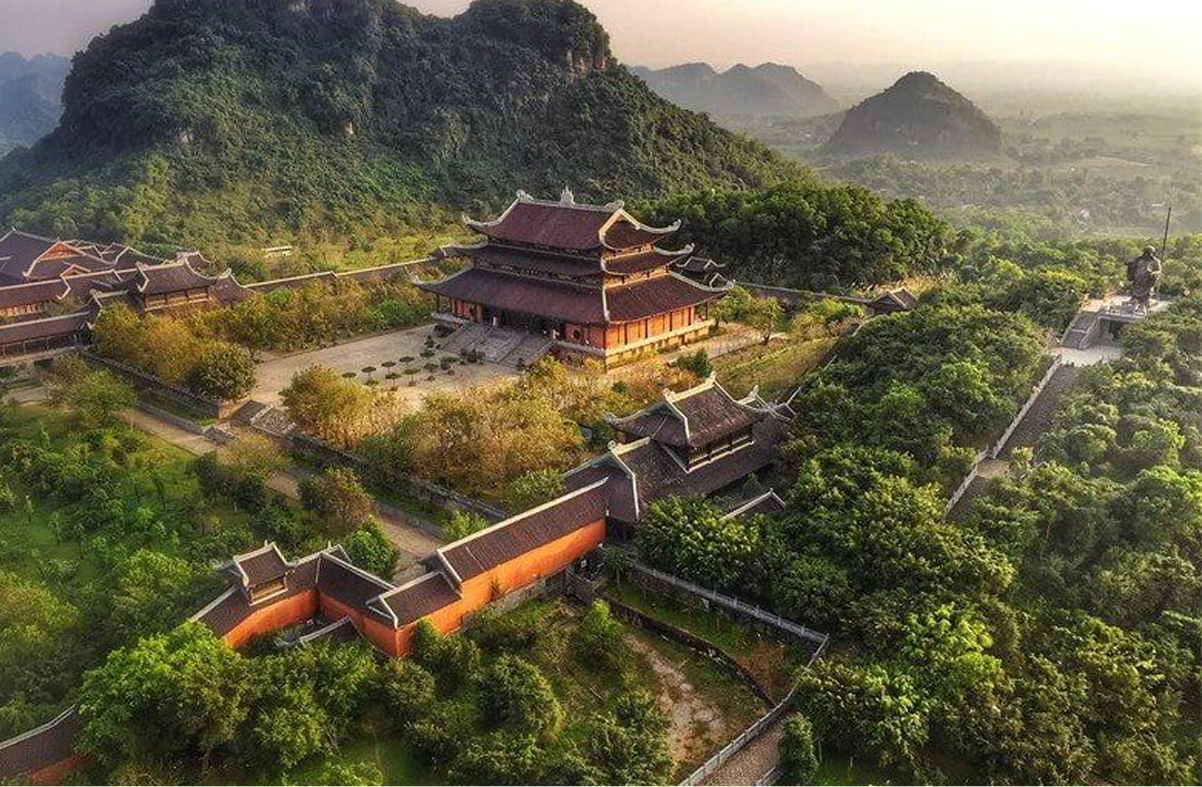
- New Bai Dinh Pagoda Complex – Built between 2003 and 2010, the massive 700-hectare complex features grand Vietnamese Buddhist architecture, curved multi-layered roofs, and open spaces harmoniously blended with the landscapes of Trang An Scenic Landscape Complex.
History and Cultural Significance of Bai Dinh Pagoda
Bai Dinh Pagoda is not only one of the largest Buddhist complexes in Southeast Asia but also an important spiritual and cultural symbol of Ninh Binh. The area has been associated with Buddhism for more than a thousand years, dating back to the Dinh and Ly dynasties when the region served as a major spiritual center and royal ceremonial site.
The original ancient pagoda was built on the mountainside, surrounded by limestone landscapes and sacred caves. In later years, a new and much larger temple complex was constructed nearby to preserve and expand this important heritage while maintaining the traditional spirit of Vietnamese Buddhist architecture. Today, one of the most fascinating aspects of visiting Bai Dinh Pagoda or Hoa Lu Ancient Capital is the unique combination of spirituality, history, monumental architecture, and breathtaking natural scenery.
Why Bai Dinh Pagoda Is So Unique
Must-See Attractions Inside Bai Dinh Pagoda
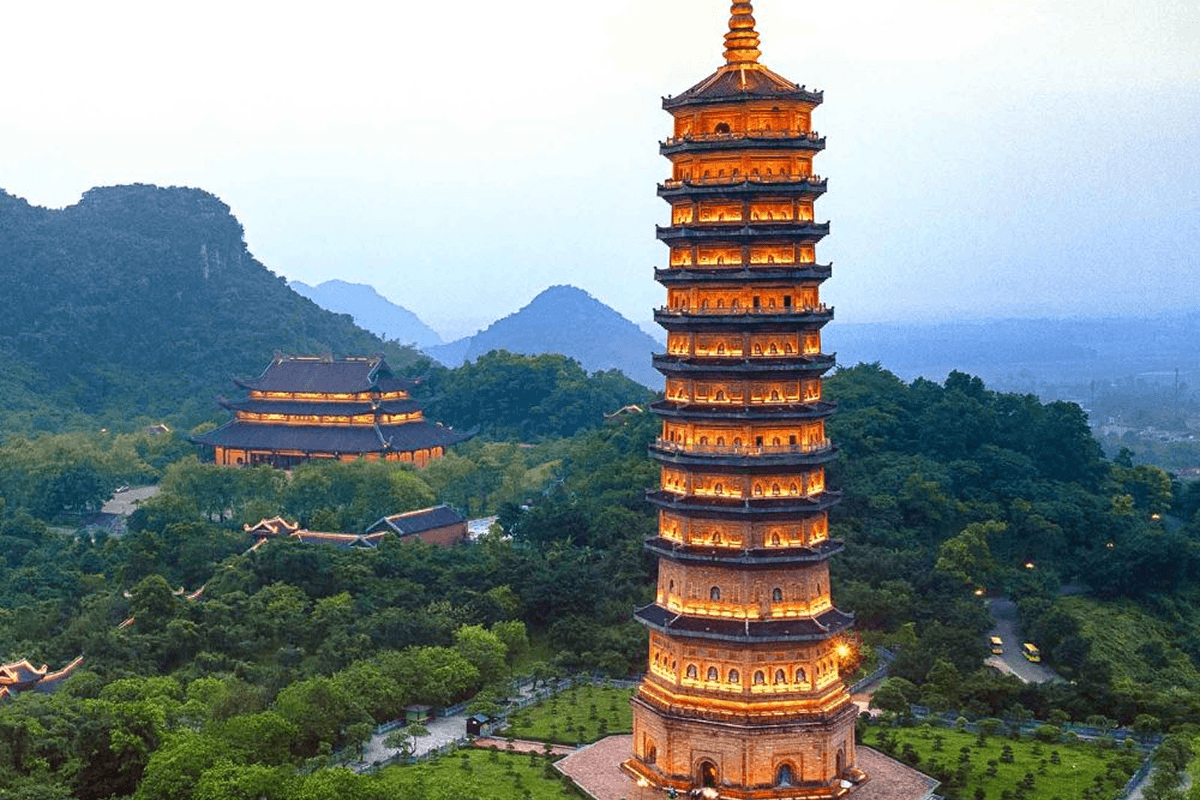
Visitors exploring Bai Dinh Pagoda or Hoa Lu Ancient Capital should not miss the remarkable attractions inside the Bai Dinh complex, where monumental Buddhist architecture blends harmoniously with the surrounding limestone mountains and peaceful spiritual landscapes.
Tam Quan Gate
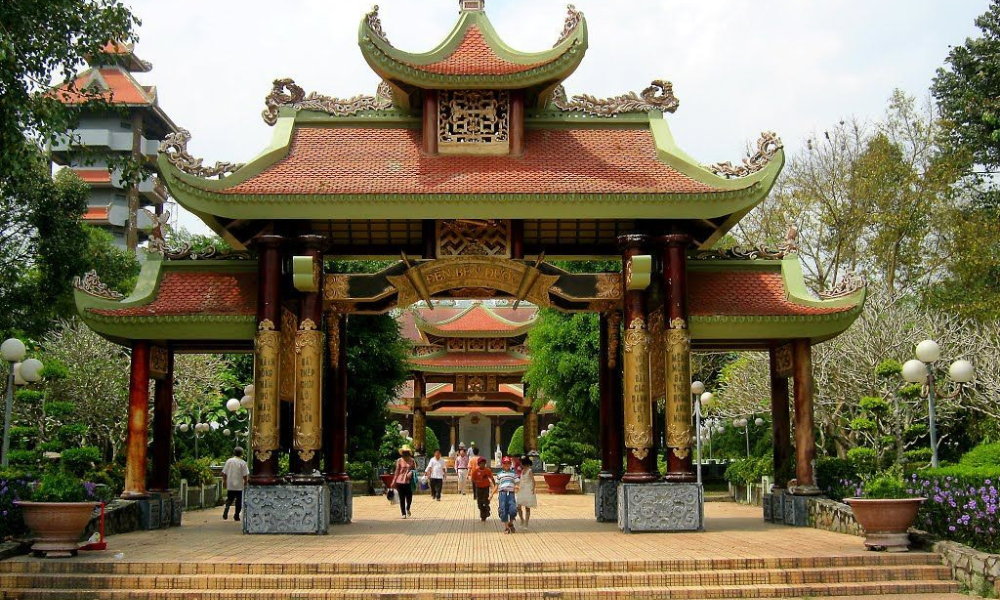
The Tam Quan Gate is one of the most iconic architectural highlights of Bai Dinh Pagoda. As the main entrance to the temple complex, the gate impresses visitors with its massive wooden pillars, multi-layered curved roofs, and traditional Vietnamese Buddhist design. Walking through Tam Quan Gate creates a grand and peaceful first impression, marking the beginning of the spiritual journey inside Bai Dinh Pagoda. The surrounding mountain scenery and spacious courtyards also make this area a popular spot for photography and sightseeing.
Arhat Corridor
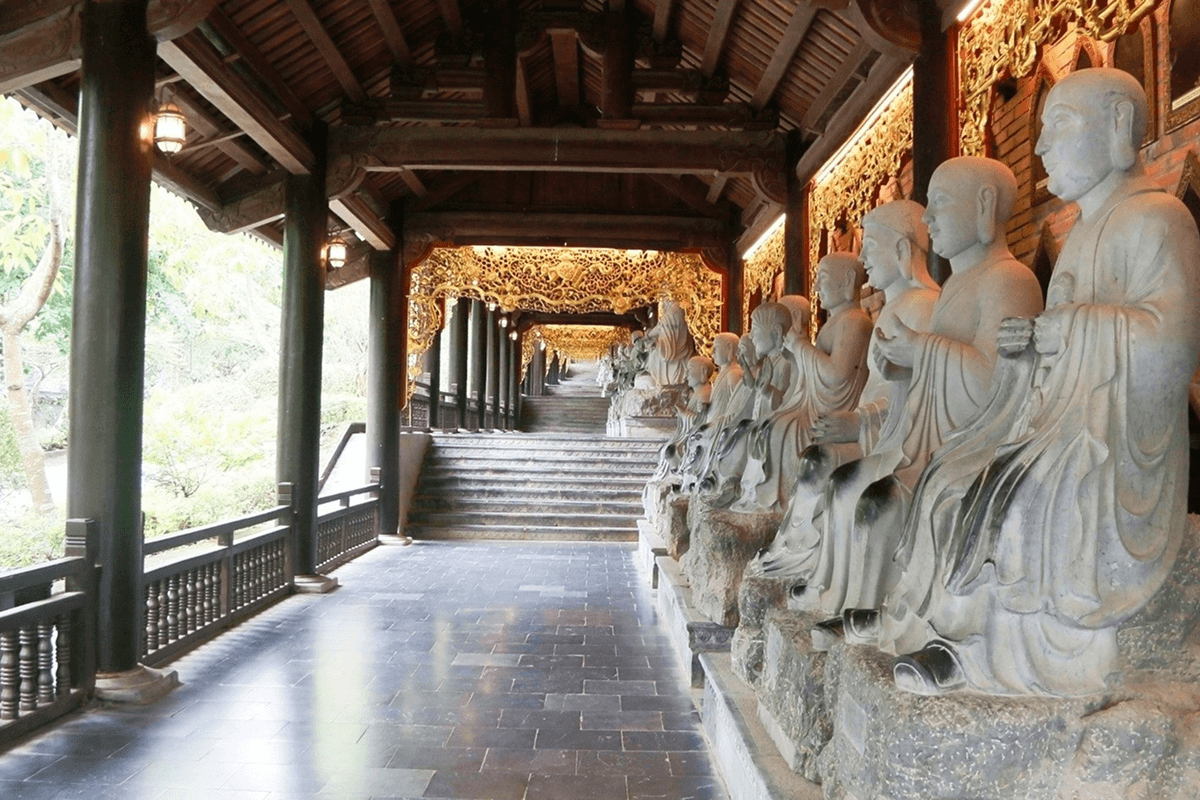
The Arhat Corridor is one of the most impressive attractions inside Bai Dinh Pagoda and is recognized as the longest corridor of Arhat statues in Vietnam. The corridor features 500 intricately carved stone statues made from green stone, each displaying unique facial expressions and poses that symbolize different human emotions and teachings in Buddhism.
Walking through the corridor offers visitors a peaceful and spiritual experience while showcasing the remarkable craftsmanship of Vietnamese artisans. The endless rows of statues, combined with the quiet atmosphere and mountain surroundings, create one of the most memorable highlights of Bai Dinh Pagoda.
Ngoc Well
Ngoc Well is one of the historic highlights within Bai Dinh Pagoda. This ancient well is known for its clear water and is traditionally believed to have been used for preparing herbal medicine and supporting healing practices in the past. Surrounded by peaceful temple scenery, Ngoc Well offers visitors a quiet place to pause and appreciate the spiritual atmosphere of the complex. Its historical significance and calm setting make it an interesting stop while exploring Bai Dinh Pagoda.
Best Time to Visit Bai Dinh Pagoda
Bai Dinh Pagoda and Hoa Lu Ancient Capital can be visited throughout the year, but certain seasons offer a more enjoyable experience thanks to pleasant weather, beautiful scenery, and cultural festivals. Choosing the right time to explore Bai Dinh Pagoda or Hoa Lu Ancient Capital allows travelers to fully appreciate the spiritual atmosphere and natural beauty of Ninh Binh.
The most popular time to visit Bai Dinh Pagoda and Hoa Lu Ancient Capital is during the Spring Festival season, from the 6th day of Lunar New Year to the end of the third lunar month. This is when the famous Bai Dinh Pagoda Festival takes place, attracting thousands of pilgrims and visitors who come to pray for peace, health, and good fortune while enjoying traditional rituals and cultural activities.
For travelers seeking cooler weather and fewer crowds, the months from October to December are highly recommended. The soft sunlight and peaceful mountain scenery create ideal conditions for sightseeing and photography. During summer, many visitors combine Bai Dinh Pagoda with nearby attractions such as Trang An Scenic Landscape Complex and Tam Coc. Visiting Bai Dinh Pagoda is not only a sightseeing journey but also a meaningful cultural and spiritual experience in northern Vietnam.
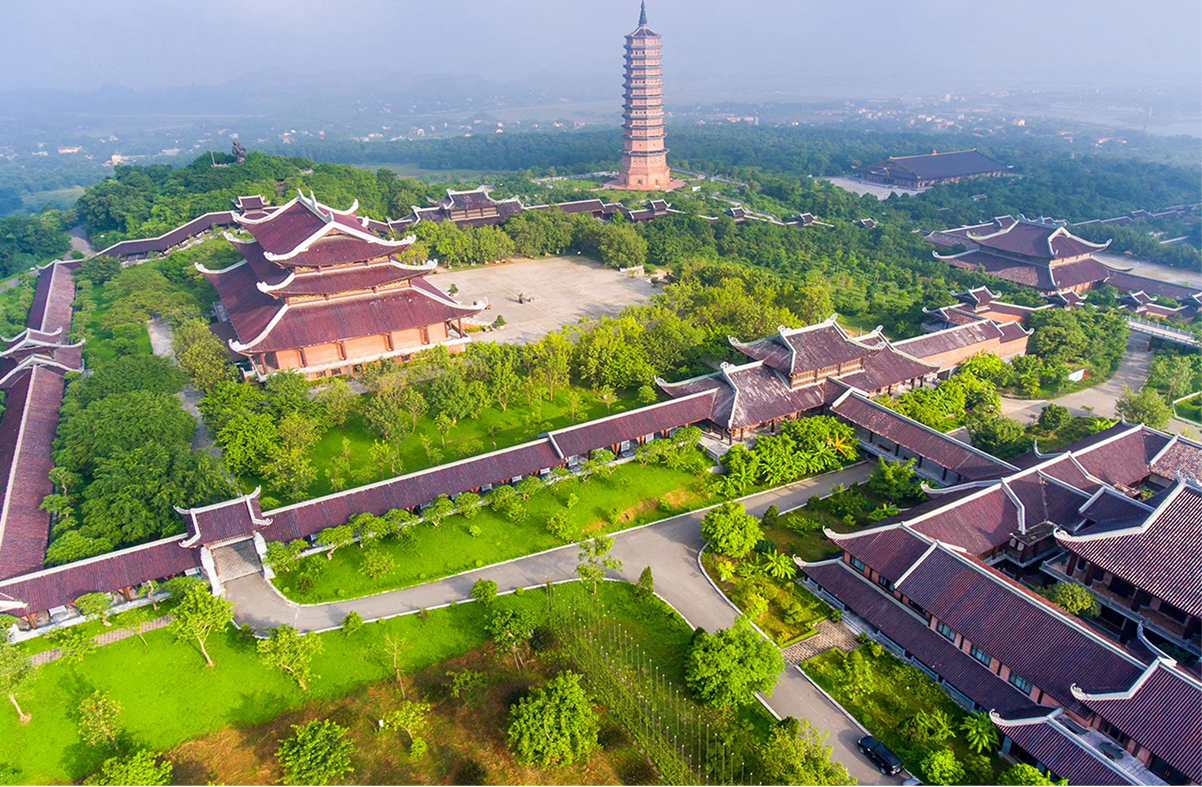
Choosing Between Bai Dinh Pagoda and Hoa Lu Ancient Capital
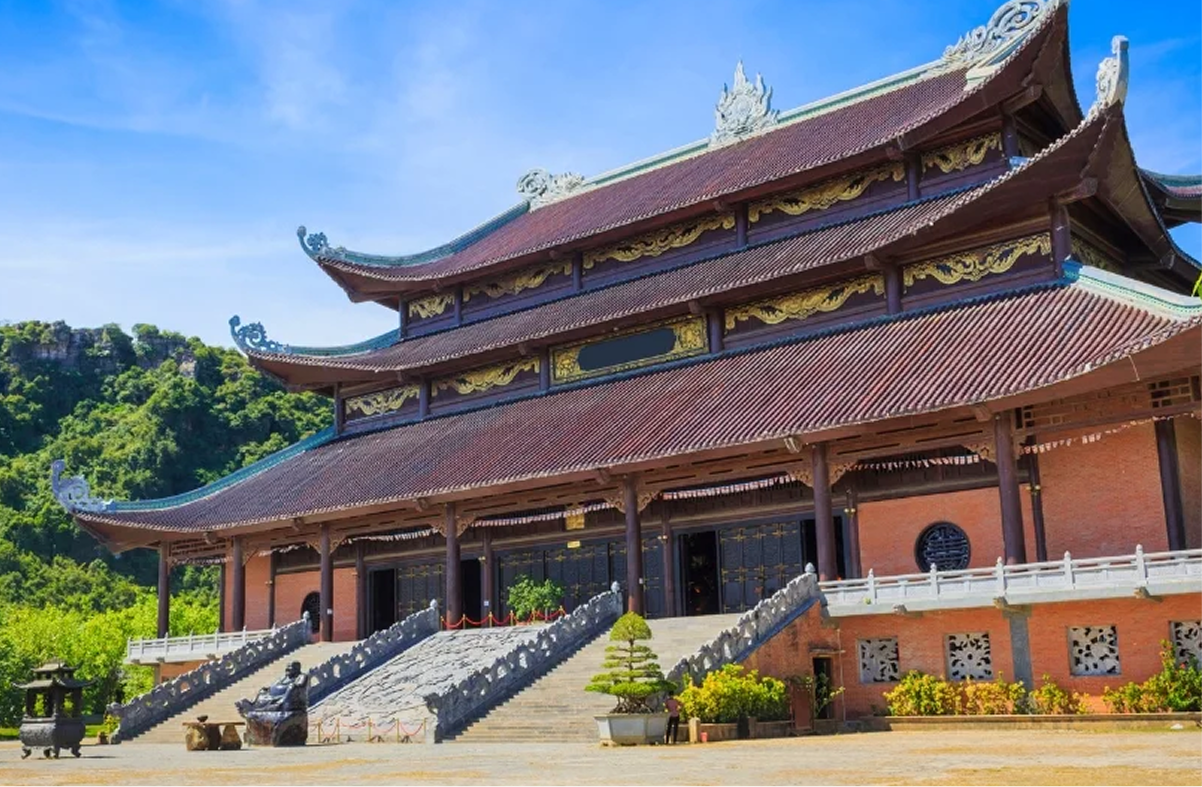
Both Bai Dinh Pagoda or Hoa Lu Ancient Capital are among the most famous attractions in Ninh Binh, but each offers a very different travel experience. Choosing between them depends on your interests, travel style, and how much time you have during your trip.
If you are looking for a peaceful spiritual atmosphere, impressive Buddhist architecture, and panoramic mountain views, Bai Dinh Pagoda is an excellent choice. The massive temple complex is ideal for travelers interested in religion, photography, and cultural sightseeing. Meanwhile, Hoa Lu Ancient Capital is better suited for visitors who want to explore Vietnam’s history and ancient heritage. Here, you can discover centuries-old temples, learn about the Dinh and Le dynasties, and experience the historical roots of Vietnam’s first capital.
| Destination | Best For | Highlights |
|---|---|---|
| Bai Dinh Pagoda | Spiritual travelers, photographers, families | Massive Buddhist complex, giant statues, peaceful scenery |
| Hoa Lu Ancient Capital | History lovers, culture enthusiasts | Ancient temples, royal history, traditional architecture |
In reality, many travelers choose to visit both destinations in the same day because they are located quite close to each other. Combining Bai Dinh Pagoda and Hoa Lu Ancient Capital allows visitors to experience both the spiritual beauty and historical significance that make Ninh Binh one of the most fascinating destinations in northern Vietnam.
FAQs about Bai Dinh Pagoda and Hoa Lu Ancient Capital
Where is Bai Dinh pagoda or Hoa Lu ancient capital located?
They are located in Ninh Binh Province in northern Vietnam. Bai Dinh Pagoda is situated in Gia Sinh Commune, Gia Vien District, while Hoa Lu Ancient Capital is located in Truong Yen Commune, Hoa Lu District. Because they are only about 15–20 km apart.
Which should I visit first?
When planning a trip to Ninh Binh, many travelers wonder whether to visit Bai Dinh pagoda or Hoa Lu first. If you enjoy historical sites and ancient temples, Hoa Lu Ancient Capital is a great starting point. If you prefer spiritual landmarks and monumental architecture, you can begin with Bai Dinh Pagoda. Most visitors explore both Bai Dinh pagoda or Hoa Lu ancient capital in one itinerary.
Why is Bai Dinh pagoda and Hoa Lu ancient capital famous?
They are famous because they represent two important aspects of Vietnamese heritage. Bai Dinh Pagoda is known for being the largest Buddhist complex in Vietnam, while Hoa Lu Ancient Capital is the first capital of the country.
What is the historical importance of Hoa Lu ancient capital?
Hoa Lu Ancient Capital is one of the most significant historical sites. It served as the capital of Dai Co Viet during the Dinh Dynasty and Early Le Dynasty in the 10th century. The site preserves temples dedicated to King Dinh Tien Hoang and King Le Dai Hanh, reflecting the early foundations of the Vietnamese nation.
Conclusion
In conclusion, the ancient capital of Hoa Lu remains one of the most remarkable historical destinations in Vietnam, where nature, culture, and history blend into a timeless landscape. As the first capital of the country, this sacred land preserves valuable relics, ancient temples, and poetic scenery that reflect the early foundations of Vietnamese civilization. Whether you are exploring the historical complex of Hoa Lu or wondering between Bai Dinh pagoda or Hoa Lu ancient capital, this region offers an unforgettable journey through Vietnam’s heritage. Hopefully, these insights from Vietnamtour 247 will help you better prepare for a meaningful trip to this legendary destination located in Hoa Lu Ward, Ninh Binh Province.
Explore exciting destinations with Vietnamtour247 now!
- Website: Vietnamtour247
- Fanpage: Vietnamtour247
- Hotline: (+84) 979133907
- WhatsApp: (+84) 916289247