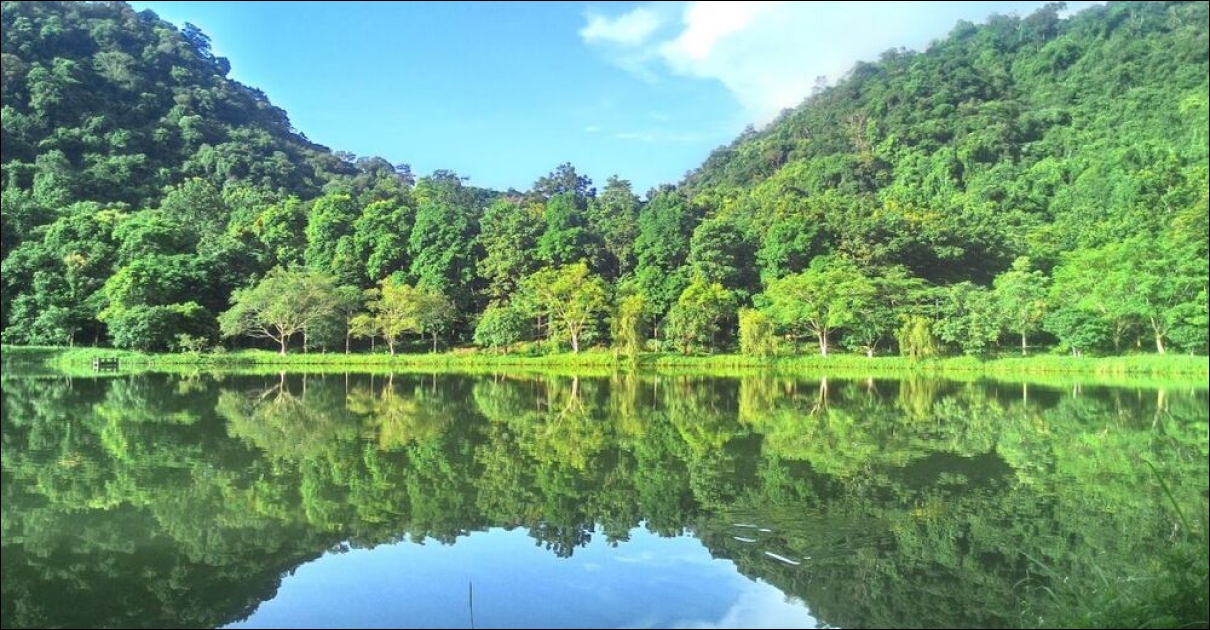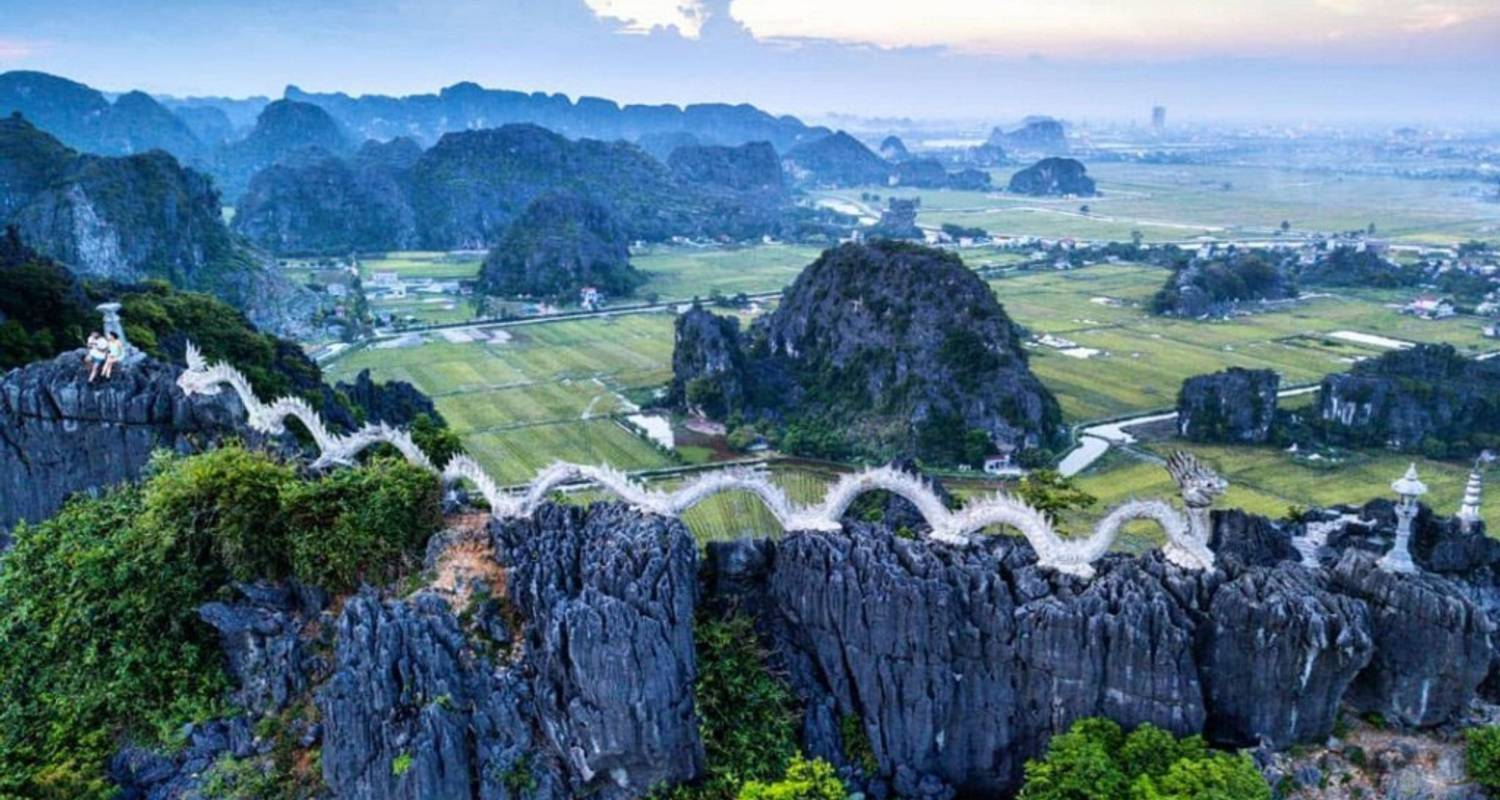
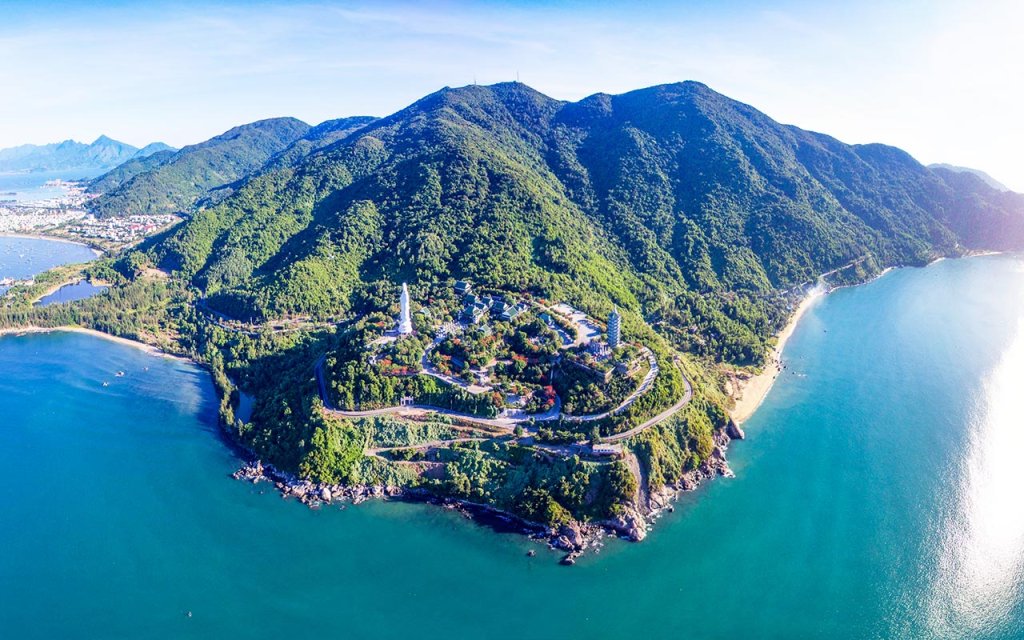
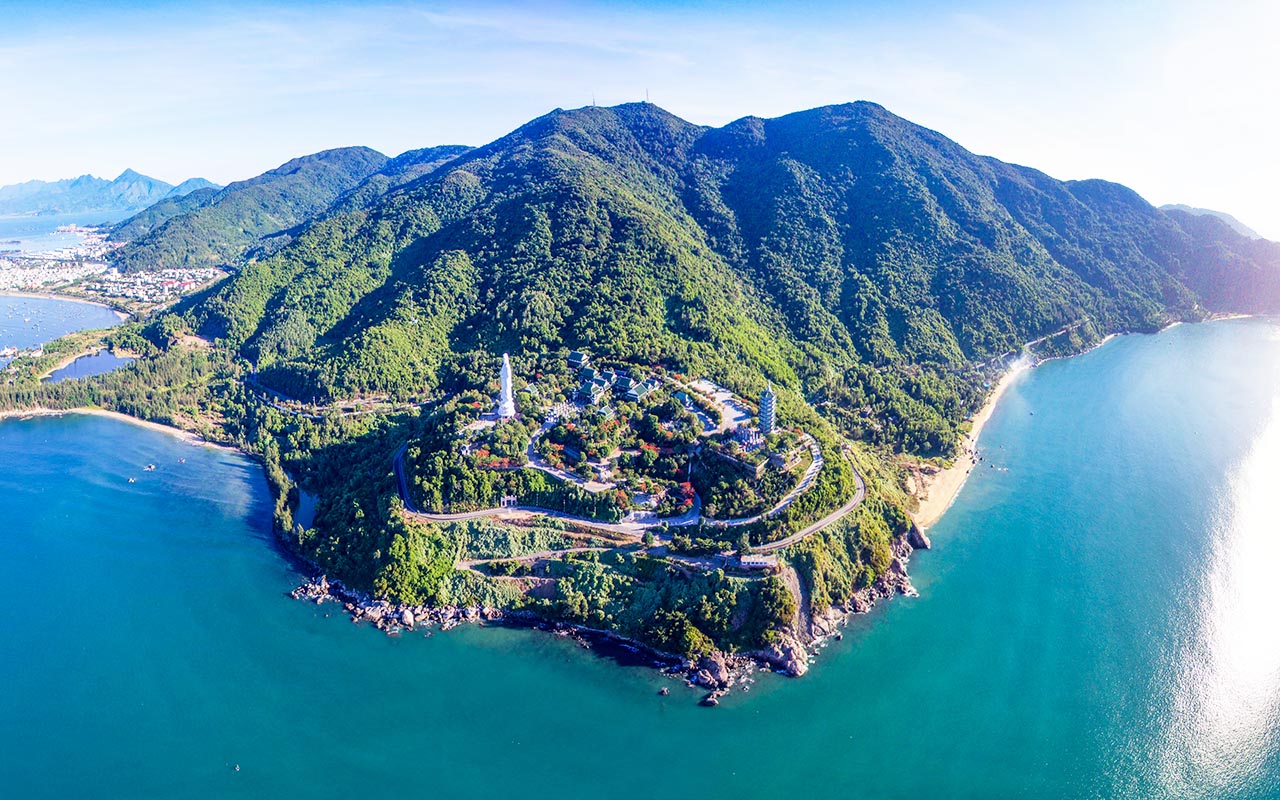
Rising majestically from the edge of the East Sea, the Son Tra Peninsula is the definitive natural crown of Da Nang, offering an escape that feels worlds away from the city’s neon-lit skyscrapers. Known to the local community as the “Green Lung” of the city, Son Tra Peninsula Da Nang is a protected nature reserve that perfectly balances spiritual tranquility, rich biodiversity, and breathtaking coastal vistas.
Whether you are seeking the serene gaze of the Lady Buddha or the thrill of spotting a rare primate in the wild, this guide explores everything you need to know about visiting Son Tra Peninsula Vietnam in 2026.
Overview of Son Tra Peninsula: The Jewel of Central Vietnam
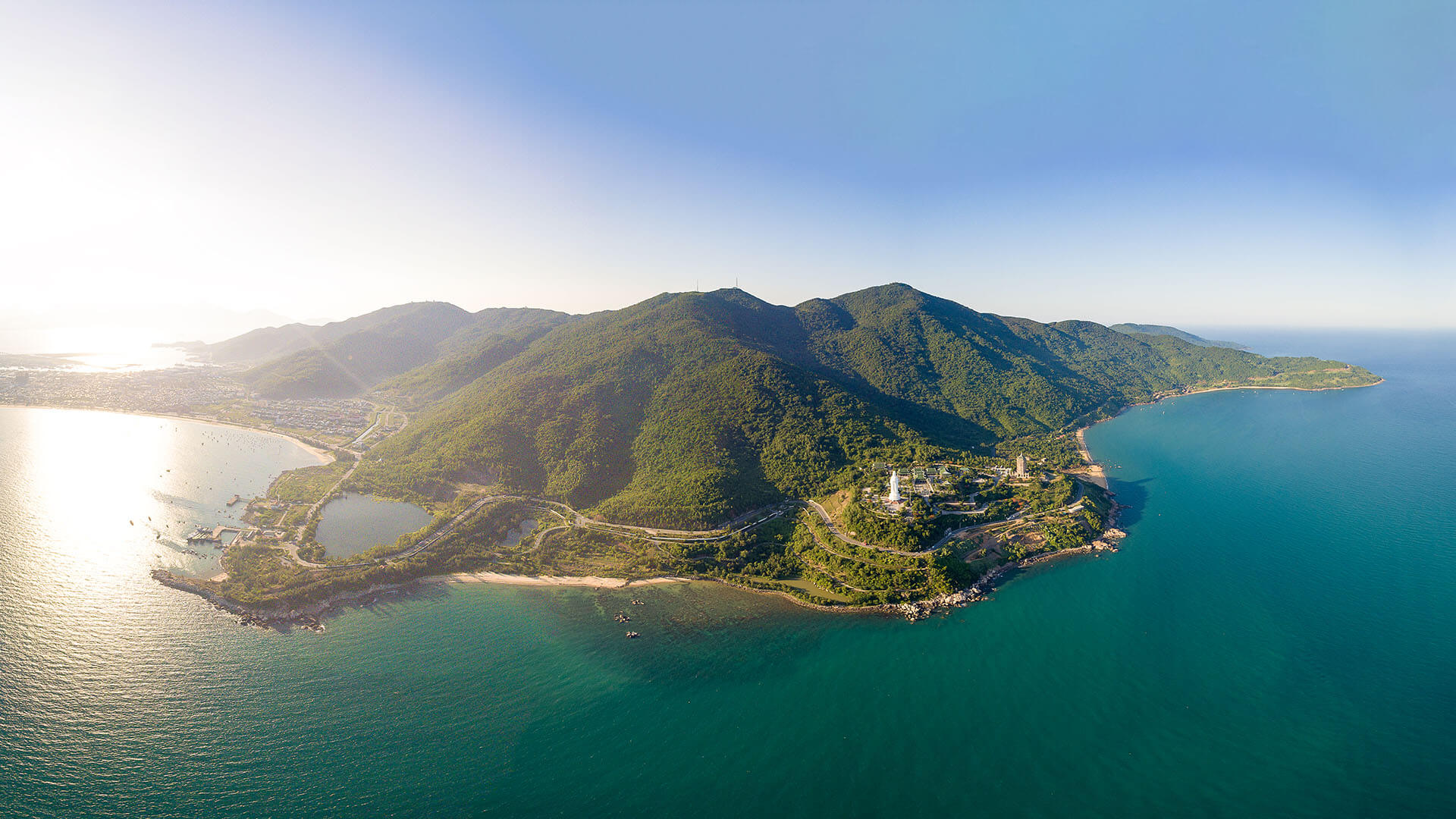
Often referred to as Son Tra Island (though technically a peninsula), this landmass covers over 4,400 hectares. For centuries, it served as a protective shield for Da Nang harbor, and during the Vietnam War, it was famously nicknamed “Monkey Mountain” by American soldiers.
Today, Son Tra Da Nang is a premier destination for ecotourism. It is one of the few places in the world where you can stand in a dense primeval forest while looking down at a modern metropolis. From its 700-meter peaks to its secluded coral reefs, it offers a diverse playground for every type of traveler.
Beside, Da Nang also has many places to visit such as Ba Na Hills, Dragon Brigde and other attractions in Da Nang.
Top Things to Do in Son Tra Peninsula in 2026
If you are planning your itinerary, ensure these iconic landmarks are at the top of your list.
Linh Ung Pagoda & The Lady Buddha Statue
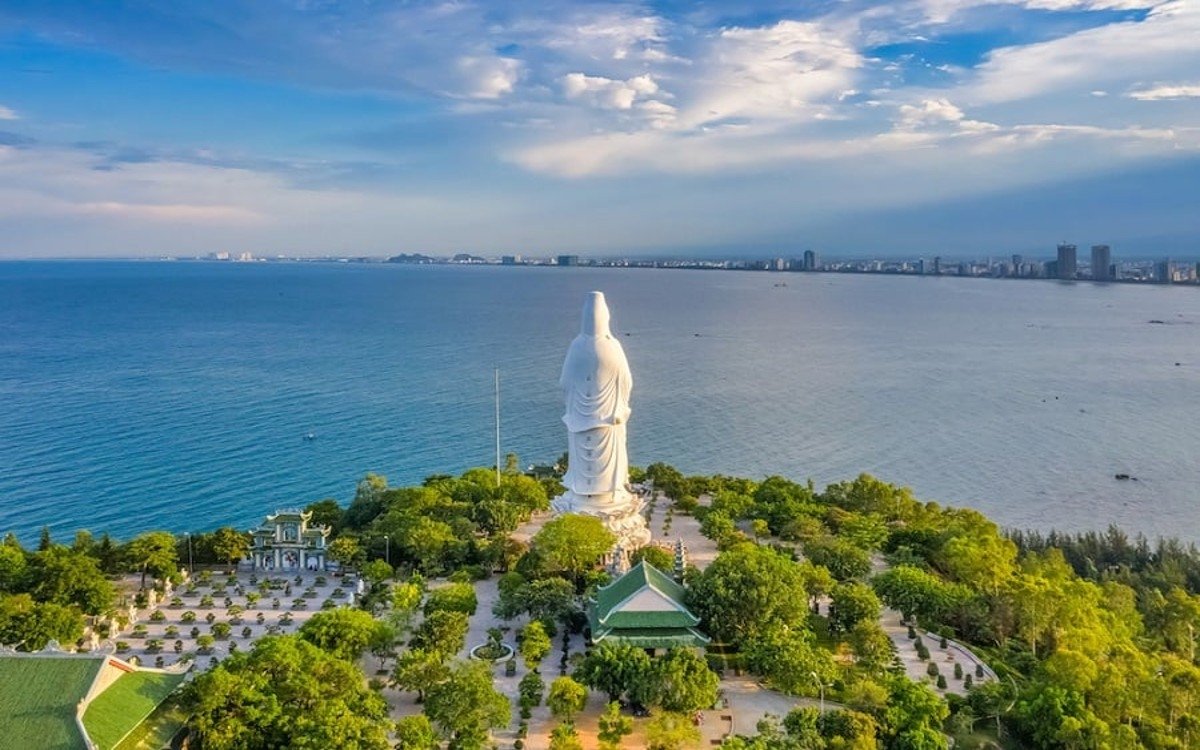
The most famous landmark on the peninsula is the Linh Ung Bai But Pagoda.
- The Highlight: Home to the 67-meter-tall Lady Buddha statue (Goddess of Mercy), which is the tallest of its kind in Vietnam.
- The View: From the pagoda courtyard, you get a panoramic view of the entire Da Nang bay and the Marble Mountains in the distance.
- Opening Hours: 7:00 AM – 9:00 PM. Entry is free (parking is usually by donation).
Ban Co Peak (Chessboard Peak)
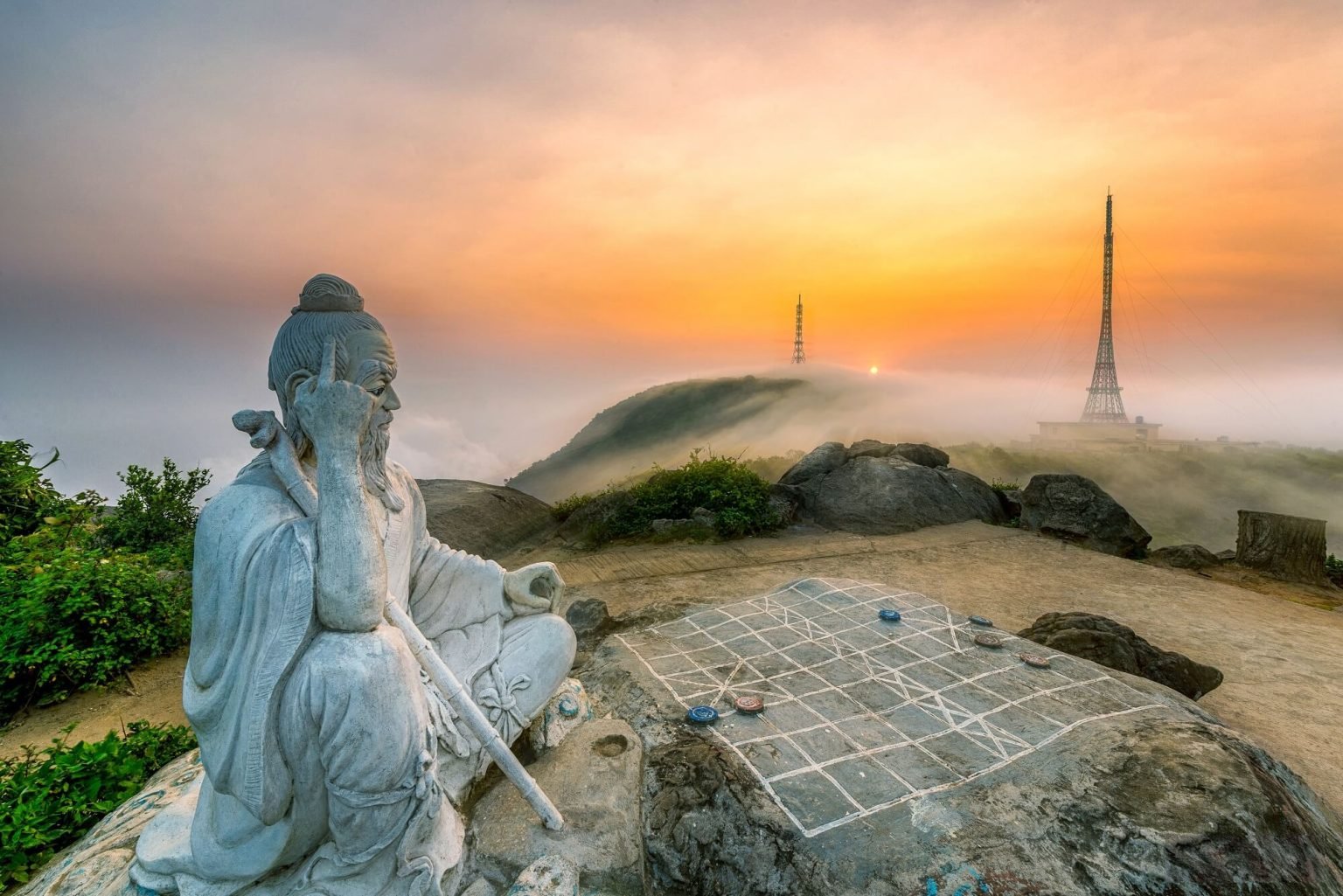
At nearly 700 meters above sea level, this is the highest point of the peninsula, affectionately called the “Roof of Da Nang.”
- The Legend: At the top sits a bronze statue of De Thich, a celestial chess master, sitting before a stone chessboard. Legend says he is still waiting for a worthy opponent to finish a match started centuries ago.
- The Experience: This is the best spot for “cloud hunting” in the early morning or watching the sunset over the Hai Van Pass.
The Thousand-Year-Old Banyan Tree
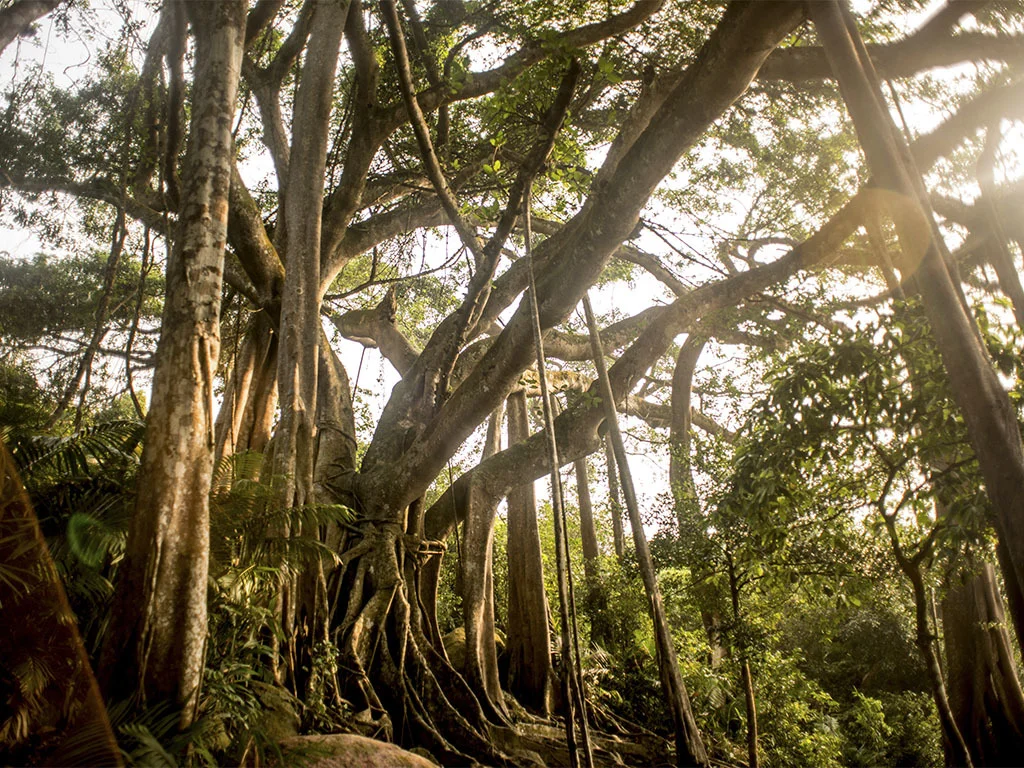
Deep in the eastern part of the forest lies a colossal banyan tree with a circumference of 10 meters. Its complex root system has created a majestic, cathedral-like canopy that has survived for over a millennium. It is a favorite spot for photographers and nature lovers.
Wildlife Watching: The Red-Shanked Douc Langur
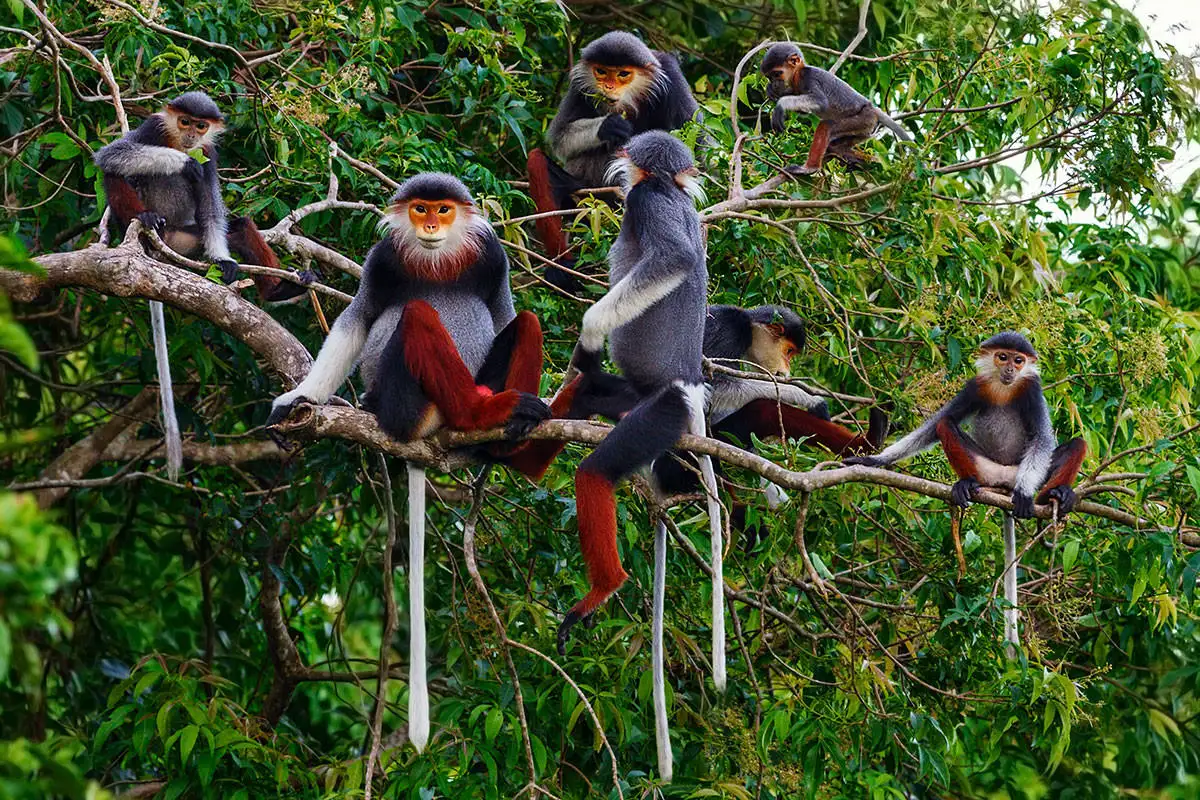
Son Tra Peninsula Vietnam is the kingdom of the Red-Shanked Douc Langur, one of the rarest primates on earth.
- Spotting Tips: Head to the forest roads between 6:00 AM – 8:00 AM or 4:00 PM – 5:30 PM. Look for rustling in the treetops; these colorful “Queens of Primates” are often seen feeding on young leaves near the road.
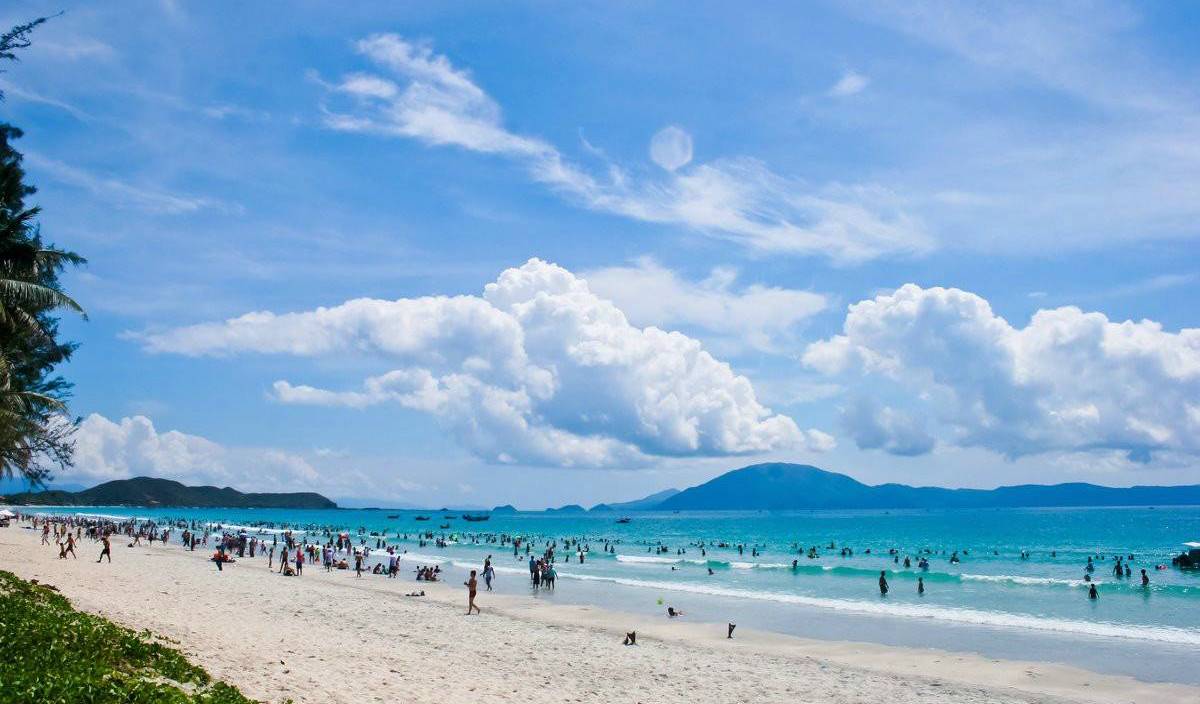
Hidden Beaches: Bai Bac and Bai But
While My Khe is for crowds, the beaches of Son Tra are for serenity.
- Bai Bac (North Beach): Home to the ultra-luxury InterContinental Resort.
- Bai But (Hidden Beach): A quiet cove perfect for snorkeling or enjoying a quiet seafood lunch in a bamboo hut.
Best Time to Visit Son Tra Peninsula
To make the most of your trip to Son Tra Da Nang, timing is essential.
- The Dry Season (March to September): This is the gold standard. The skies are clear, the roads are safe for riding, and the water is transparent for snorkeling.
- Flowering Season (April to June): The peninsula blooms with vibrant wildflowers, painting the forest in hues of purple and yellow.
- The Rainy Season (October to February): While the forest is lush and green, the mountain roads can be foggy and slippery. We recommend taking a private car during these months rather than a motorbike.
Transportation: How to Navigate Son Tra
Reaching Son Tra Peninsula Da Nang is easy, as it’s only about 10km from the city center, but navigating the steep mountain roads requires care.
By Private Car (Recommended for Safety)
For families or groups, booking a private car is the most comfortable way to see all the sites. The roads to Ban Co Peak are incredibly steep; a professional driver ensures you can enjoy the views without worrying about the hairpin turns.
By Motorbike (Important Regulations)
Riding a motorbike is a popular way to experience the “Coastal Loop.” However, as of 2026, automatic scooters (scooters where you don’t shift gears) are strictly banned from the steeper sections of the mountain (past Linh Ung Pagoda toward the peaks) due to safety risks.
- Permitted: Semi-automatic or manual transmission bikes.
- Tip: Always check your brakes before heading uphill!
By Bicycle
For fitness enthusiasts, the climb to the top is a legendary challenge in the local cycling community. It is grueling but rewards you with some of the cleanest air in Vietnam.
Essential Tips for Travelers
- Respect the Wildlife: Do not feed the macaques or langurs. Feeding them makes them aggressive and disrupts the ecosystem.
- Dress Appropriately: Linh Ung is a sacred site; ensure your shoulders and knees are covered when entering the temple area.
- Stay on the Path: The peninsula is a dense jungle. Stick to paved roads and marked trekking trails to avoid getting lost.
- Pack Light but Smart: Bring water, sunscreen, and a lightweight jacket—it can be 3–5°C cooler at the peak than in the city.
Experience the Magic of Son Tra with Vietnam Tour 247
Navigating the winding roads and hidden spots of Son Tra Peninsula can be a challenge for first-time visitors. At Vietnam Tour 247, we offer curated day trips that take you beyond the standard tourist stops.
Whether you want a professional wildlife photographer to help you find the Langurs, or a private sunset dinner overlooking the bay, we provide:
- Professional Local Guides: Who know the best “secret” viewpoints.
- Safe, High-Quality Vehicles: Perfect for the steep climbs of the peninsula.
- Custom Itineraries: Combining Son Tra with the Marble Mountains or a food tour.
Contact Vietnam Tour 247 for Booking:
Don’t miss the chance to explore the “Green Lung” of Da Nang. Contact us today to book your private tour of Son Tra Peninsula Vietnam.
- Website: Vietnamtours247
- Hotline: (+84) 979133907
- WhatsApp: (+84) 916289247
- Email: sales@vietnamtour247.com
- Vietnam: 128 Ngoc Tri St, Long Bien District, Hanoi.
FAQs about Son Tra Peninsula
Is there an entrance fee for Son Tra Peninsula?
No, entry to the peninsula itself and the Linh Ung Pagoda is completely free. You may only need to pay a small fee (5,000–10,000 VND) for parking or for access to specific private beach clubs.
Can I see the monkeys every day?
The monkeys (macaques) are very common near the pagoda. However, the rare Red-Shanked Douc Langurs are shy. You have the best chance of seeing them in the early morning (before 8 AM) with a local guide.
Can I take a Grab car to the top?
You can take a Grab to the Linh Ung Pagoda, but many Grab drivers are hesitant to go all the way to Ban Co Peak or the Banyan Tree because the roads are very steep. It is better to hire a private car for the day.
How long does it take to explore Son Tra?
A quick visit to the Lady Buddha takes 1 hour. A full loop including the peaks, the banyan tree, and a stop at a hidden beach takes about 4 to 6 hours.
Conclusion
The Son Tra Peninsula remains one of the most untouched and majestic landscapes in Central Vietnam. Whether you are standing in awe of the Lady Buddha or catching your breath at the top of Ban Co Peak, the energy of this place is undeniable. It is a must-visit for anyone who wants to see the wilder, more spiritual side of Da Nang.