Motorbike road trip routes in Vietnam offer the ultimate freedom to explore Southeast Asia’s most breathtaking landscapes. From the jagged limestone peaks of the Ha Giang Loop to the sun-drenched curves of the Hai Van Pass, riding through Vietnam connects you intimately with local culture and hidden vistas. Whether you’re a thrill-seeker or a coastal cruiser, this guide reveals the best paths, essential gear, and seasonal tips to ensure your two-wheeled odyssey is both safe and unforgettable.
Overview of Motorbike Routes in Vietnam
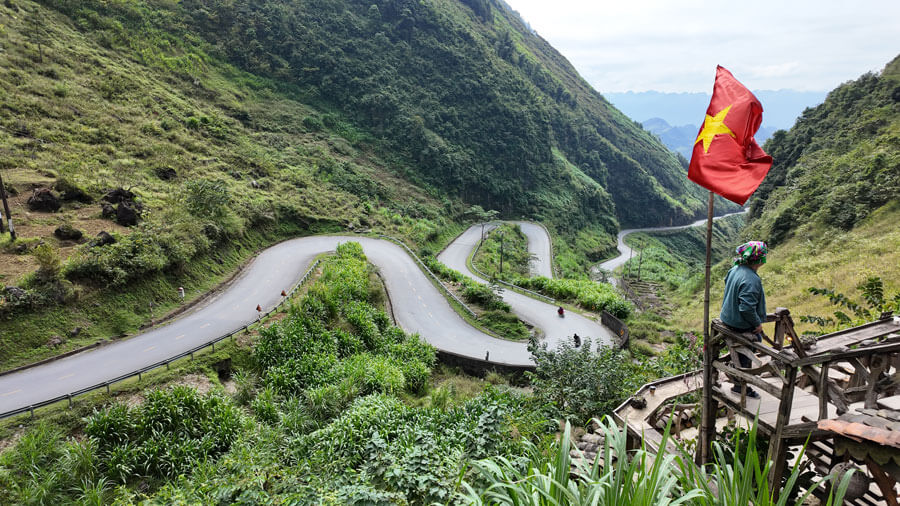
Experience the ultimate freedom of motorbike road trip routes in Vietnam, a journey that transforms travel into a raw, sensory adventure. Whether you are navigating the limestone “heaven’s gates” in the far north or cruising the sparkling coastlines of the south, a Vietnam motorbike tour offers intimacy with the landscape that a tour bus simply cannot provide.
With over 200,000 kilometers of paved roads weaving through the country, riders can explore diverse terrains:
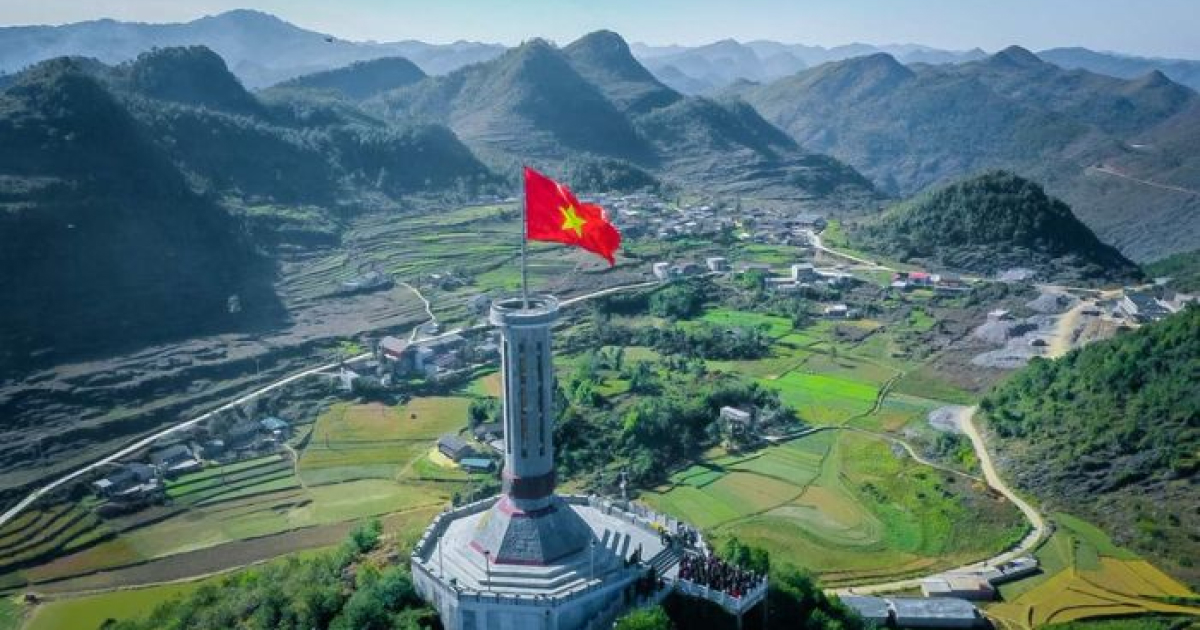
- Northern Loop: Conquer the 350km Ha Giang circuit, home to 22 ethnic groups and peaks exceeding 2,000 meters.
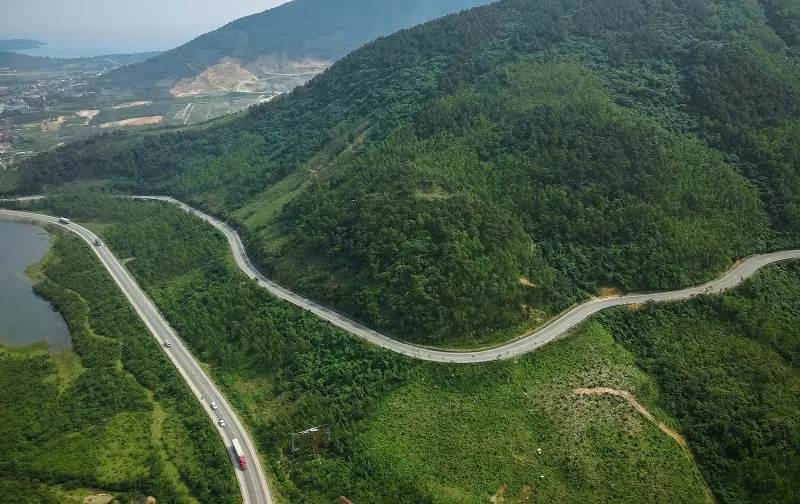
- Central Coast: Ride the iconic Hai Van Pass, a 21km ribbon of perfection rising 500 meters above the East Vietnam Sea.
- Ho Chi Minh Road: Trace over 1,000 kilometers of historic jungle paths through the lush Annamite Range.
From the remote ethnic villages of Lao Cai to the coffee-scented highlands of Da Lat, these routes invite you to discover the hidden soul of the country.
What do you need to prepare for Vietnam motorbike tour?
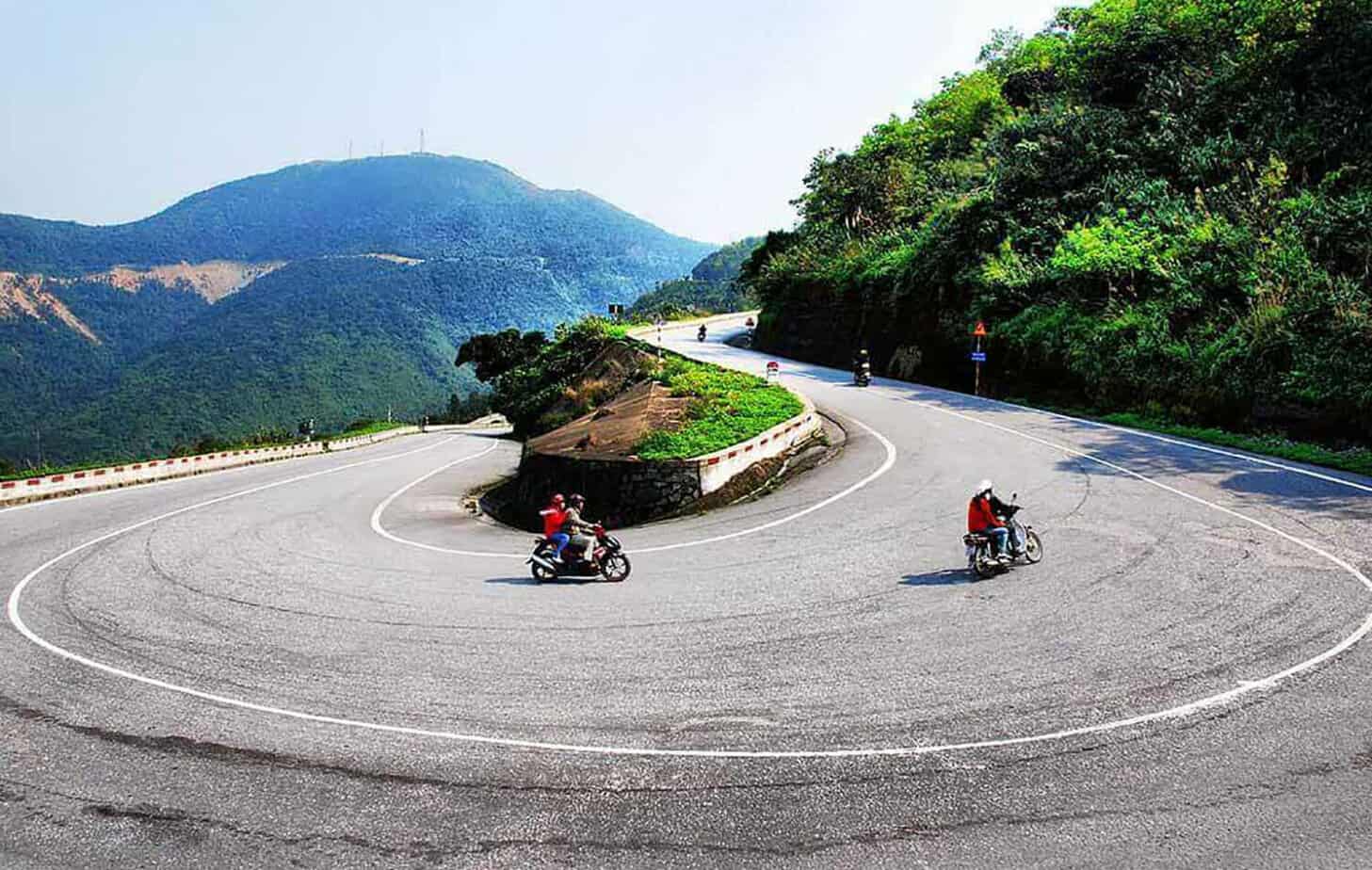
Preparing for a Vietnam motorbike tour is about balancing adventure with meticulous planning. Whether you are tackling the legendary Ha Giang Loop or navigating coastal motorbike routes in Vietnam, being well-equipped ensures your journey is memorable for the right reasons.
Here is everything you need to prepare for an epic ride:
1. Legal Requirements and Documentation
The most critical step is ensuring you are legal on the road.
- International Driving Permit (IDP): Most travelers need an IDP (specifically the 1968 Convention) alongside their home country motorcycle license.
- Blue Card: When renting or buying a bike, ensure you have the original “Blue Card” (registration document).
- Insurance: Verify that your travel insurance specifically covers riding a motorcycle of the engine capacity you’ll be using.
2. Choosing Your Machine
Your choice of bike depends on your experience and the motorbike road trip routes in Vietnam you plan to conquer.
- Semi-Automatics (110cc): The local favorite. They are reliable, easy to fix in any village, and great for mountain climbing.
- Manual Bikes (125cc – 150cc): Ideal for the rugged terrain of the North.
- Automatic Scooters: Best kept for city riding or flat coastal roads; they can struggle on steep mountain passes.
3. Safety Gear and Clothing
Don’t skimp on protection. While locals might ride in flip-flops, a Vietnam motorbike tour demands better gear.
- Helmet: Bring a high-quality 3/4 or full-face helmet. Many local rentals provide “shell” helmets that offer minimal protection.
- Armor: Lightweight, breathable mesh jackets with elbow and shoulder padding, plus knee guards.
- Gloves: Essential for grip and protecting your hands from the intense tropical sun.
- Rain Gear: A high-quality poncho or two-piece rain suit is non-negotiable, as mountain weather changes in minutes.
4. Packing Essentials
Space is limited, so pack smart.
- Bungee Cords: Use these to secure your backpack to the rear rack.
- Dry Bags: Even with a rain cover, a dry bag ensures your electronics and dry clothes stay safe during a downpour.
- Basic Tool Kit: Include a tire patch kit, a small pump, and basic wrenches, though “xe máy” (mechanic) shops are found in almost every village.
- Navigation: A local SIM card (Viettel is best for rural areas) and a sturdy phone mount are vital for following GPS.
5. Health and Cash
- Sunscreen and Hydration: The wind masks the heat; you’ll burn and dehydrate faster than you realize.
- Cash (VND): While cities use cards, fuel stations and guesthouses on remote motorbike routes in Vietnam are cash-only.
Explore about motorbike road trip routes in Vietnam
Exploring Vietnam travel by motorbike offers an unparalleled sense of discovery, taking you through landscapes that range from misty mountain peaks to sun-drenched coastal curves. To help you plan the best Vietnam motorbike tour, here is a breakdown of the most iconic routes across the country.
Northern Vietnam: The Roof of Indochina
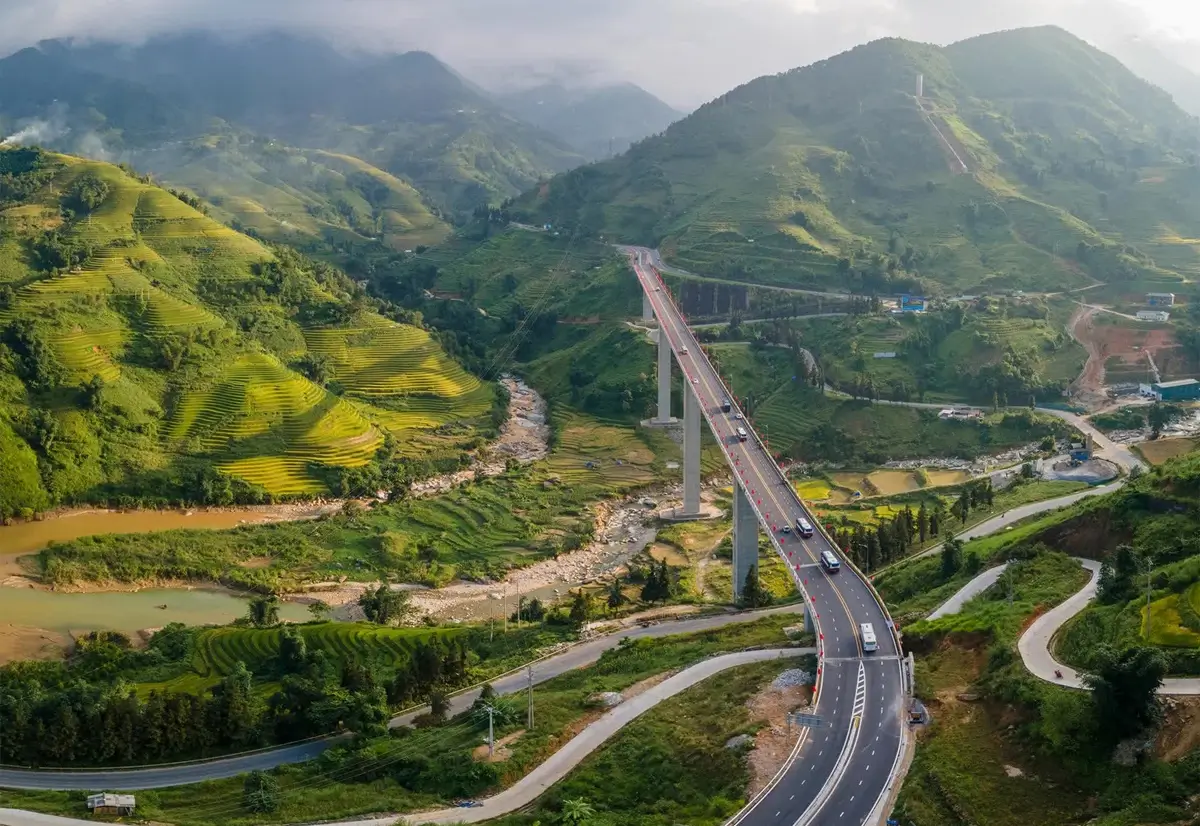
The North is the holy grail for riders, offering the most challenging and rewarding motorbike road trip routes in Vietnam.
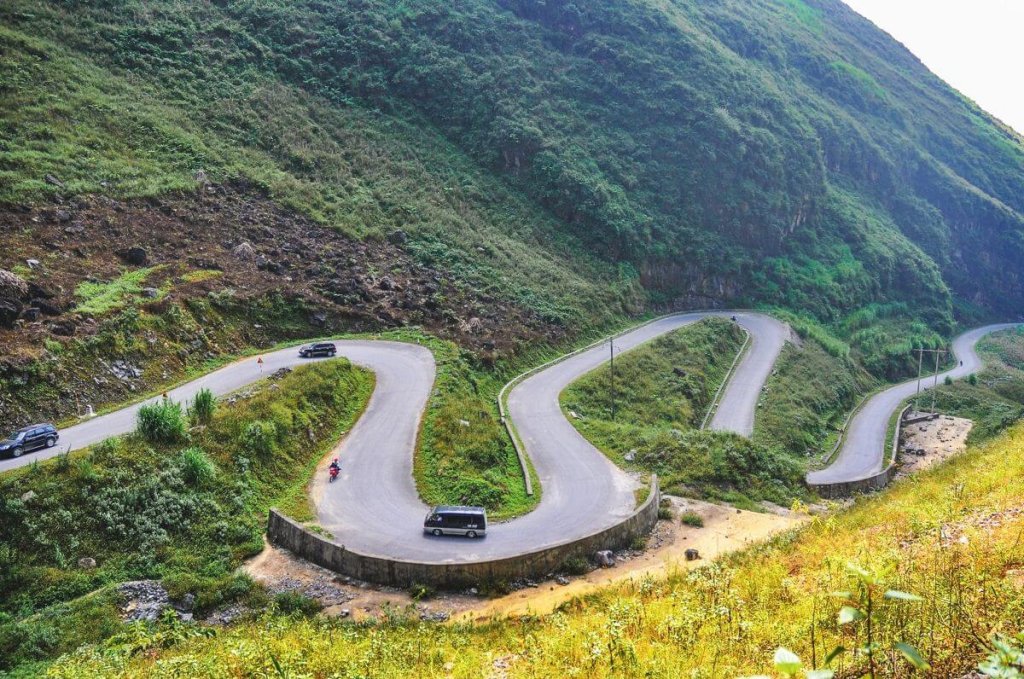
- Dong Van Karst Plateau, Ha Giang: Often cited as the ultimate ride, this loop takes you through a UNESCO Global Geopark. The “Happiness Road” and Ma Pi Leng Pass offer vertigo-inducing views of limestone pinnacles and deep canyons.
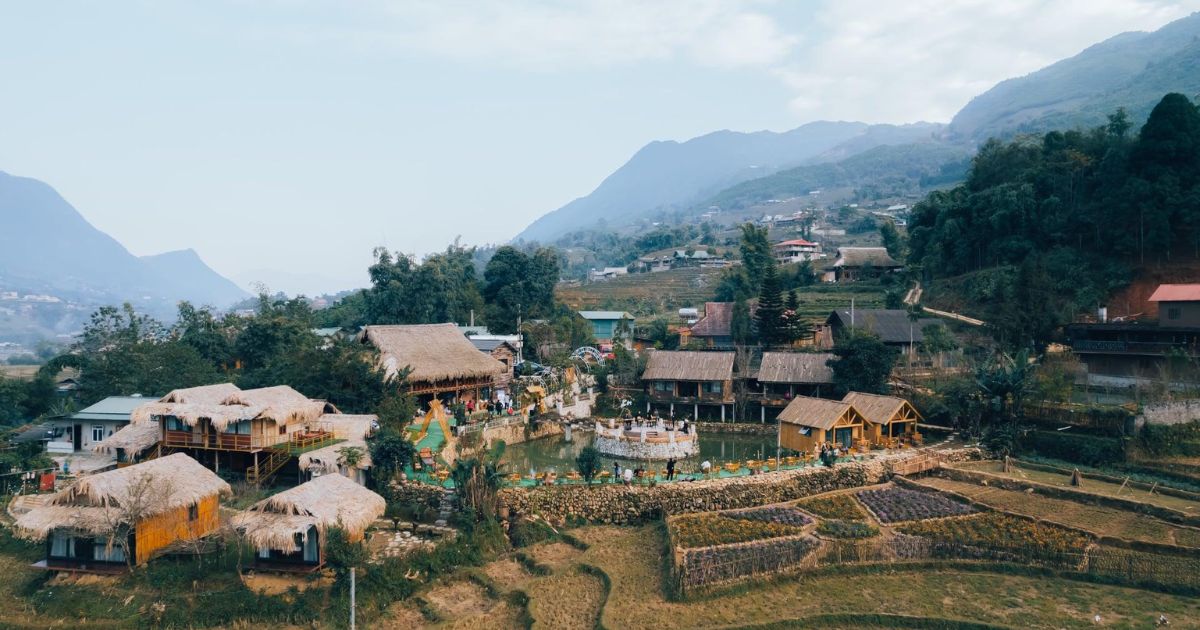
- Sapa, Lao Cai: Riding to Sapa involves climbing the O Quy Ho Pass, one of the four great passes of the North. Expect terraced rice fields, heavy mist, and vibrant ethnic culture.
- Bac Son Valley, Lang Son: A hidden gem characterized by emerald-green rice paddies surrounded by jagged karst mountains. The climb to the Nà Lay peak transmitter offers a stunning 360-degree view of the valley.
- Moc Chau, Son La: Famous for its rolling tea plantations and white plum blossoms. The roads here are vast and breezy, perfect for those who love cool highland air.
Central Vietnam: Coastal Beauty & Mountain Passes
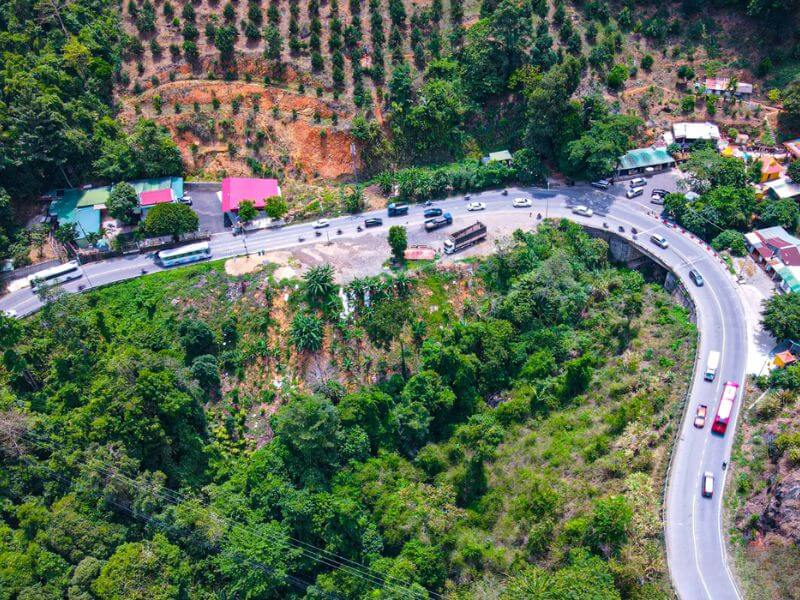
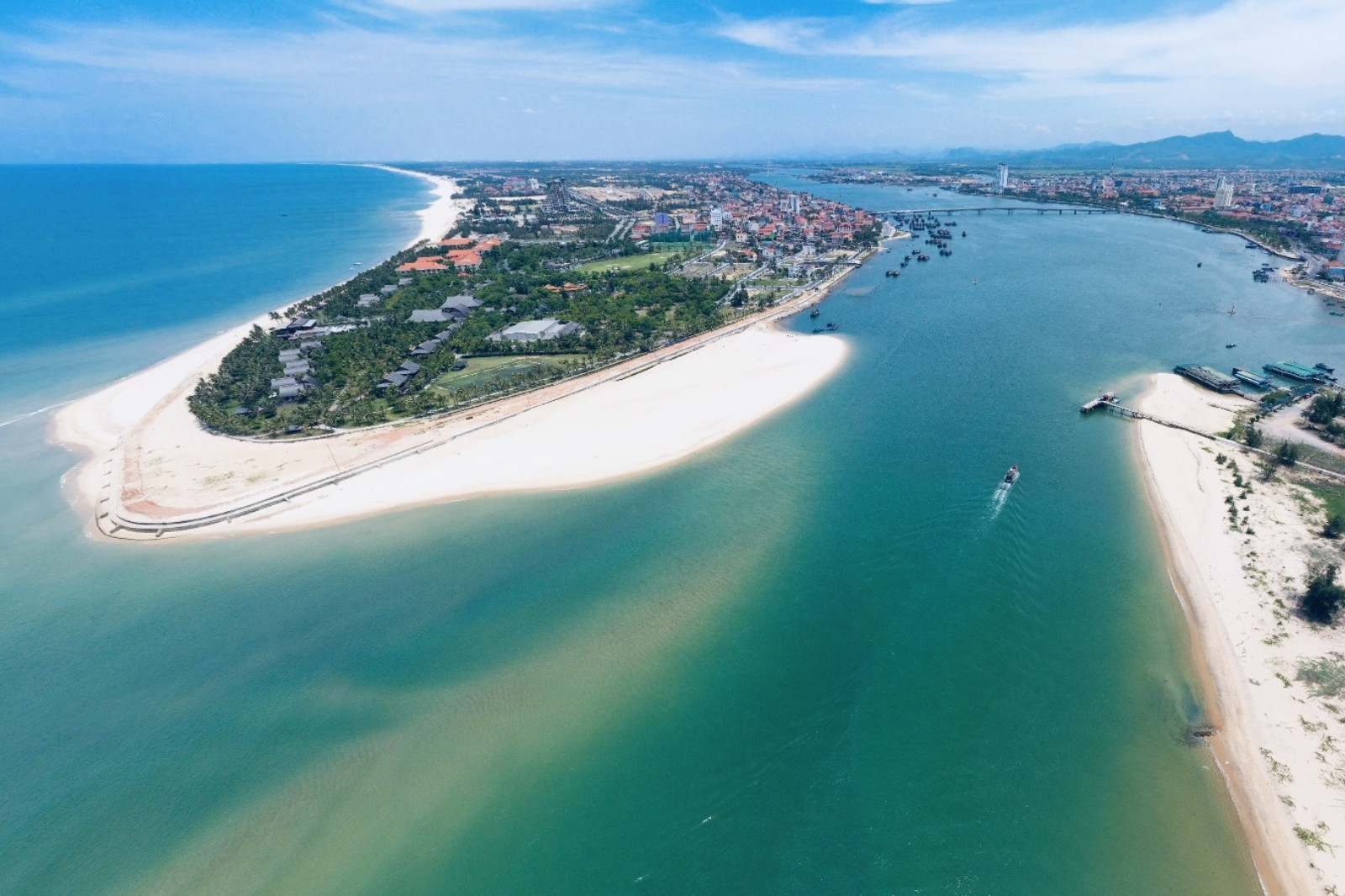
This region offers a perfect mix of historical sites and some of the world’s most beautiful coastal pavement.
- Hoi An, Quang Nam: Beyond the Ancient Town, the surrounding countryside offers flat, scenic paths through shrimp farms and coconut groves, leading toward the “Smashed Rice Paper” villages of Cẩm Nam.
- Hai Van Pass, Da Nang: Made famous by Top Gear, this “deserted ribbon of perfection” winds over the mountains with the East Vietnam Sea on one side and lush jungle on the other.
- Ca Na: This stretch of the coastal highway in Ninh Thuan features dramatic desert landscapes meeting turquoise waters—a high-speed, sun-soaked dream for any rider.
- Bao Loc Pass: A gateway to the Central Highlands, this winding pass serves as a thrilling, forest-lined ascent toward the coffee capital of Da Lat.
Southern Vietnam: The Lush Mekong & Beyond
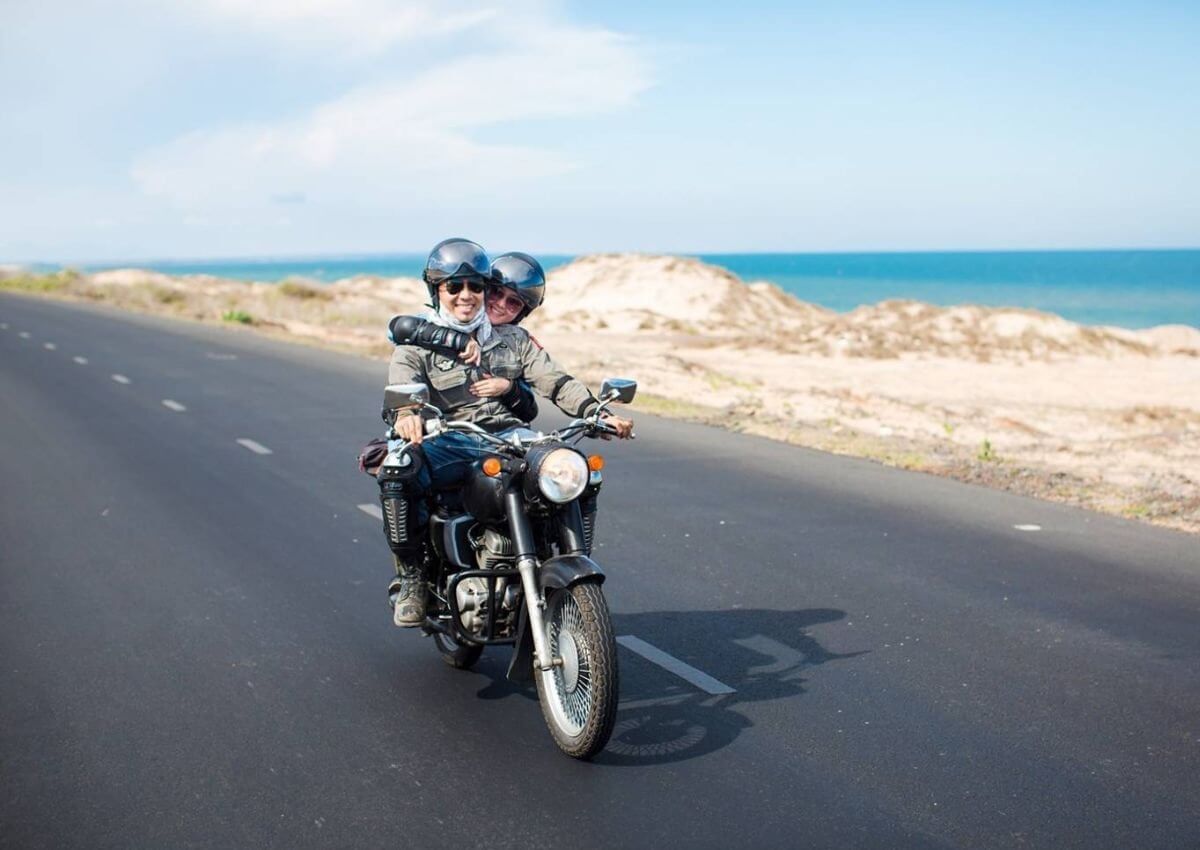
The South is characterized by flat delta plains and coconut-lined canals.
- Mekong Delta: Navigating the labyrinth of small ferries and narrow bridges in Ben Tre or Can Tho offers a unique look at river life.
- Vung Tau to Mui Ne: A classic coastal run that takes you past sand dunes and fishing villages on well-paved seaside roads.
Perfect time to visit Vietnam by motorbike?
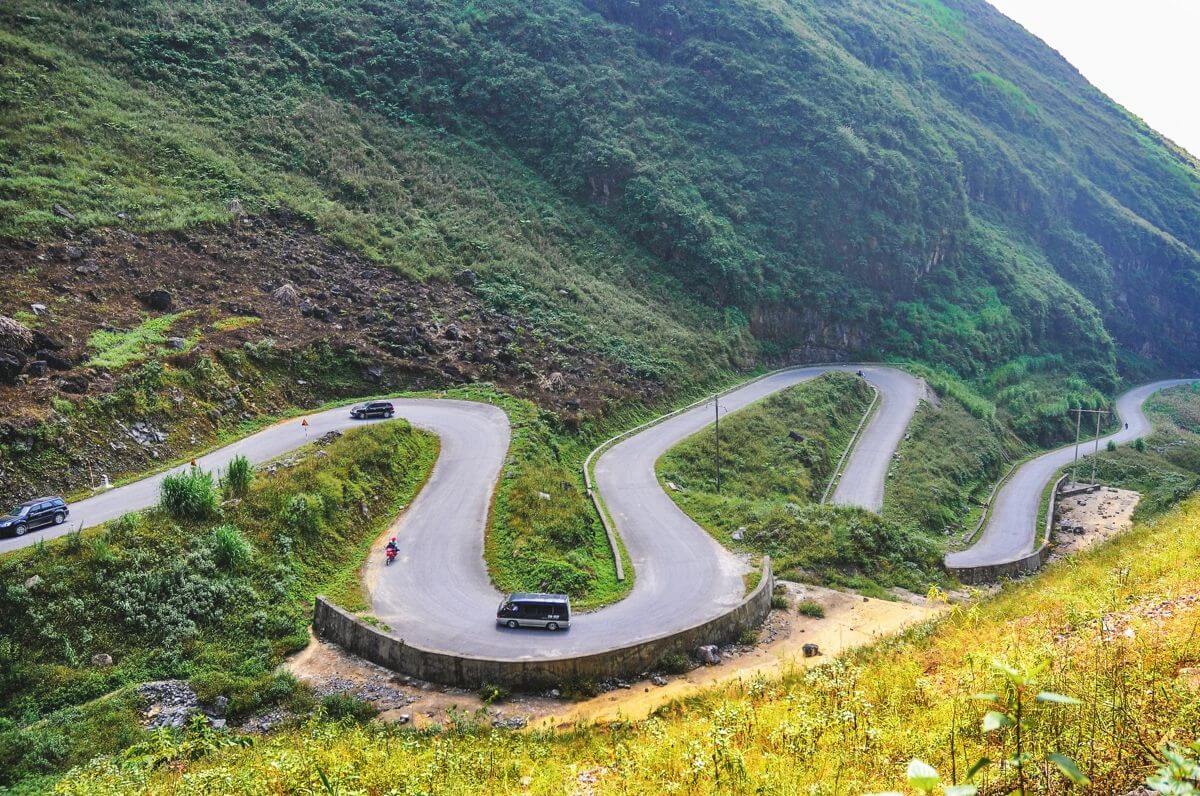
Timing your journey is crucial because Vietnam’s elongated geography creates three distinct climate zones. For a nationwide Vietnam motorbike tour, the “Golden Window” is February to March. During Vietnam Weather, the South and Central regions are basking in dry, pleasant heat, while the North transitions from its chilly winter into a lush, misty spring, ensuring you avoid both the peak monsoon rains and the blistering 40°C summer heat.
If you are focusing on specific motorbike routes in Vietnam, the best time shifts by region:
- Northern Highlands (Ha Giang, Sapa): Aim for September to November for the legendary golden rice harvests and crisp, clear skies, or March to May for blooming peach blossoms and manageable temperatures.
- Central Coast (Da Nang, Hoi An, Hue): The best riding weather is from February to August. Avoid October and November at all costs, as this is peak typhoon and flooding season, which can make mountain passes like the Hai Van Pass extremely dangerous.
- Southern Vietnam (Mekong Delta, Dalat): Stick to the dry season from November to April. Even during the rainy season (May to October), riding is possible as showers are usually brief afternoon bursts, though the humidity can be intense.
Ultimately, “shoulder seasons” like late March or early October offer the best balance of scenic beauty and road safety across multiple provinces, making them the top choice for an epic motorbike road trip route in Vietnam.
In Conclusion
In conclusion, Vietnam travel by motorbike is far more than a simple transit method; it is a deep dive into the soul of Southeast Asia. Whether you are leaning into the sharp curves of the Ha Giang Loop or cruising the coastal elegance of the Hai Van Pass, the journey offers a level of intimacy with the landscape and local culture that no bus or train can replicate.
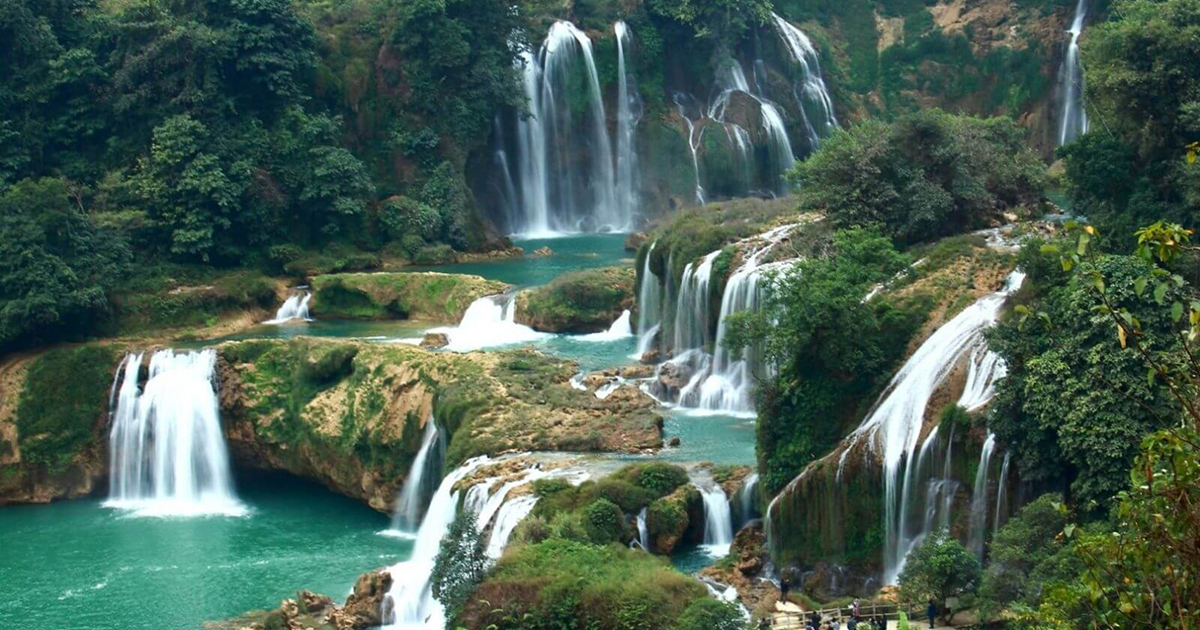
The true magic of the best Vietnam motorbike tour lies in the spontaneous moments: a roadside coffee with a smiling farmer, the scent of woodsmoke in the highlands, or the discovery of a hidden waterfall. While these motorbike road trip routes in Vietnam require careful preparation and a respect for the chaotic local traffic, the reward is a profound sense of freedom and a collection of stories that will last a lifetime. As long as you pack your sense of adventure alongside your helmet, the open road in Vietnam will never disappoint.
FAQs
Whether you’re planning to tackle the legendary motorbike road trip routes in Vietnam independently or join a guided tour, these common questions will help you navigate the journey safely and legally.
1. Is it legal to ride a motorbike in Vietnam with a foreign license?
Technically, a standard home-country license is not enough. To be fully legal, you need your home country motorcycle license plus an International Driving Permit (IDP) from the 1968 Vienna Convention.
- Note: Many travelers ride without these, but doing so often voids your travel insurance and risks police fines or bike impoundment. For the best Vietnam motorbike tour experience without the legal stress, many people hire an “Easy Rider” (a local professional driver).
2. When is the best time for a Vietnam motorbike tour?
Because Vietnam’s climate varies by region, timing is key:
- Northern Routes: October to April is ideal (dry and cool). Avoid June–August due to heavy rains and landslides.
- Central & Southern Routes: January to May offers clear skies and calm seas. The central coast can see typhoons from September to December.
3. How much should I budget per day?
Vietnam is incredibly budget-friendly for riders.
- Self-Guided: Expect to spend $20 – $40 USD per day. This covers a basic bike rental ($10–$15), fuel ($3–$5), local guesthouses ($10–$15), and street food.
- Fully Guided: Professional tours usually cost $70 – $150+ USD per day, but this includes a guide, high-quality bike, all meals, and accommodation.
4. What is the “Number One Rule” of the road in Vietnam?
“Size wins.” In the hierarchy of Vietnamese traffic, trucks and buses always have the right of way, regardless of what the signs say.
- Pro Tip: Use your horn! In Vietnam, honking isn’t aggressive; it’s a vital safety signal to let others know you are approaching a blind corner or overtaking.
5. What happens if my bike breaks down in a remote area?
Don’t panic. Vietnam has a massive motorbike culture, and you are rarely more than a few kilometers from a “Xe Máy” (mechanic shop).
- Look for signs with a picture of a motorbike or a tire. Most basic repairs like flat tires ($2–$5) or oil changes ($5) can be done in minutes by local mechanics who are incredibly resourceful.
Read more:
Amazing Northern Vietnam – 07 Days