Discover Coffee Culture in Vietnam, from street cafés to local rituals shaping daily life and social connections with Vietnamtour 247.
Vietnam is renowned for its rich and distinctive Coffee Culture in Vietnam, where coffee is far more than a daily beverage, it is an integral part of social life and spiritual connection. From the irresistible aroma drifting through bustling streets to the diverse café spaces found in every corner of the country, coffee has become a defining symbol of Vietnamese lifestyle and identity. This unique Coffee Culture in Vietnam reflects the rhythm of everyday life, moments of connection, and the creative spirit of the people, a cultural highlight proudly introduced by Vietnamtour 247.
1. The Historical Journey of Coffee in Vietnam
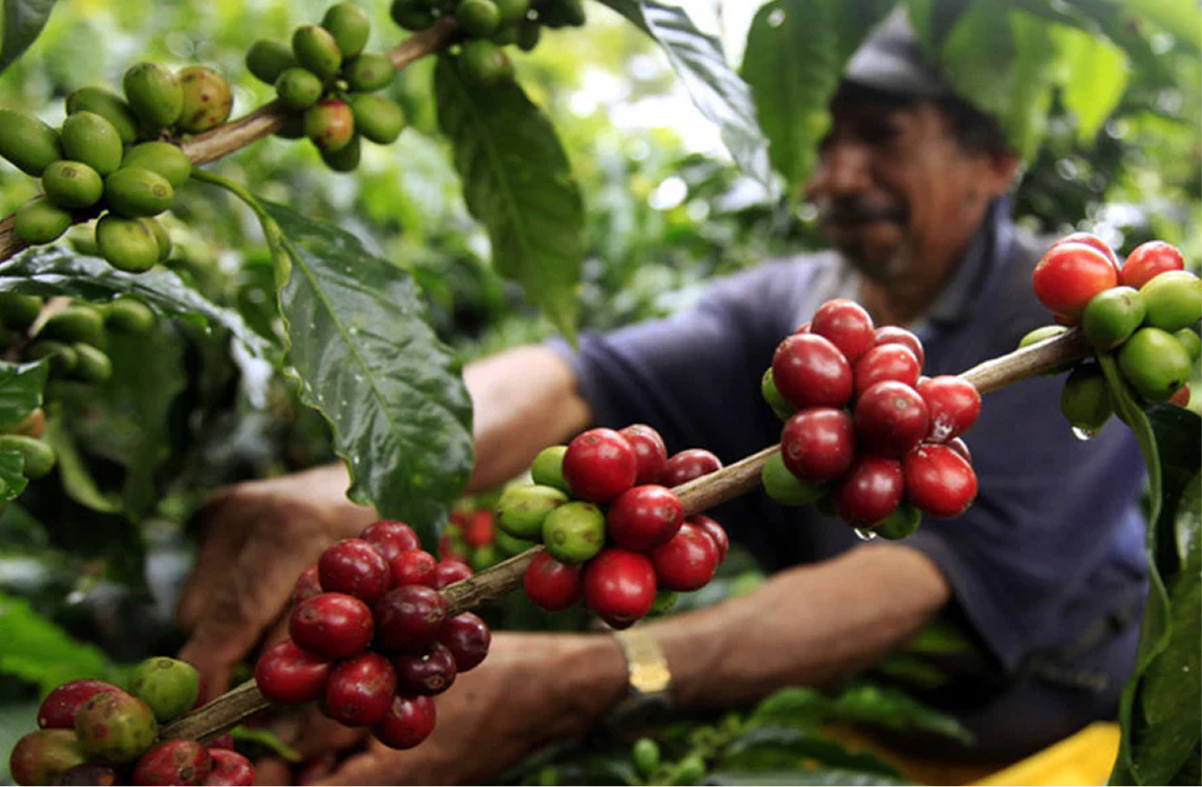
Coffee has undergone a long and fascinating journey to become a powerful cultural symbol in Vietnam today. Coffee beans were first introduced to Vietnam by the French in 1857, marking the beginning of a transformation that would shape the nation’s agricultural and cultural landscape. Initially, Arabica coffee plants were experimentally cultivated in Northern Vietnam. However, it was the Central Highlands that ultimately provided the ideal soil and climate conditions for coffee to thrive.
In the early 20th century, Vietnam’s coffee industry began to expand rapidly. The Central Highlands, with their fertile basalt red soil and favorable climate, gradually emerged as the country’s largest coffee-growing region. During this period, Robusta coffee gained popularity due to its strong flavor profile, high yield, and suitability for local growing conditions. Its bold and intense taste also aligned well with Vietnamese preferences.
As coffee production flourished, coffee culture in Vietnam naturally began to take shape. From traditional street-side coffee stalls to daily morning rituals, coffee became deeply embedded in everyday life and social interactions. Over time, this culture evolved into a distinctive identity, reflecting both local habits and global influences.
Today, Vietnam stands as one of the world’s leading coffee exporters, reinforcing the global importance of Vietnamese coffee. More than just an agricultural product, coffee has become a cultural legacy, an essential part of Vietnam’s history, economy, and way of life.
2. Traditional Ways Vietnamese People Enjoy Coffee
The way Vietnamese people enjoy coffee is incredibly diverse, reflecting creativity, lifestyle, and regional identity. Each brewing and drinking method carries its own charm, contributing to the rich and distinctive coffee culture in Vietnam, where coffee is not just a beverage but a daily ritual and a cultural expression.
- Phin Coffee – The Essence of Vietnamese Tradition
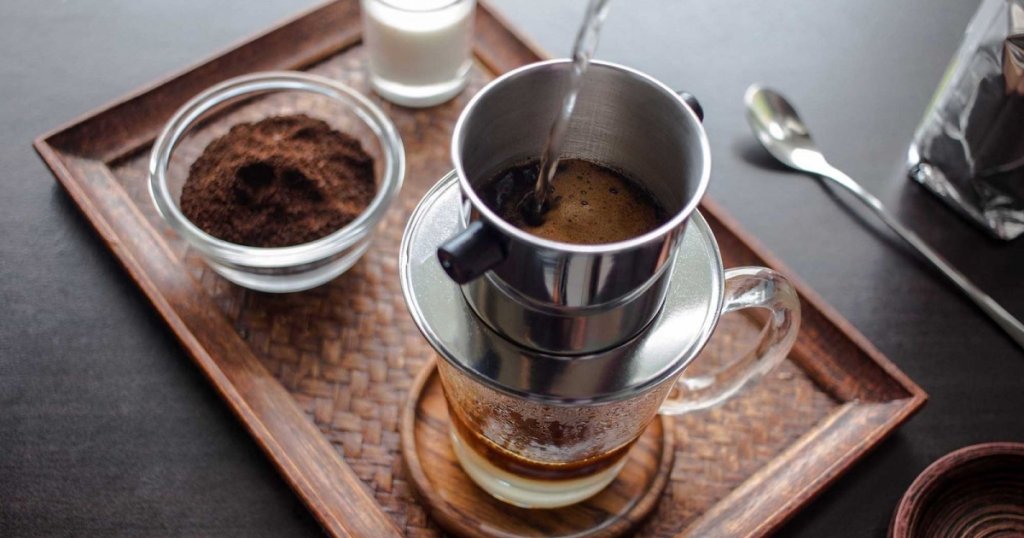
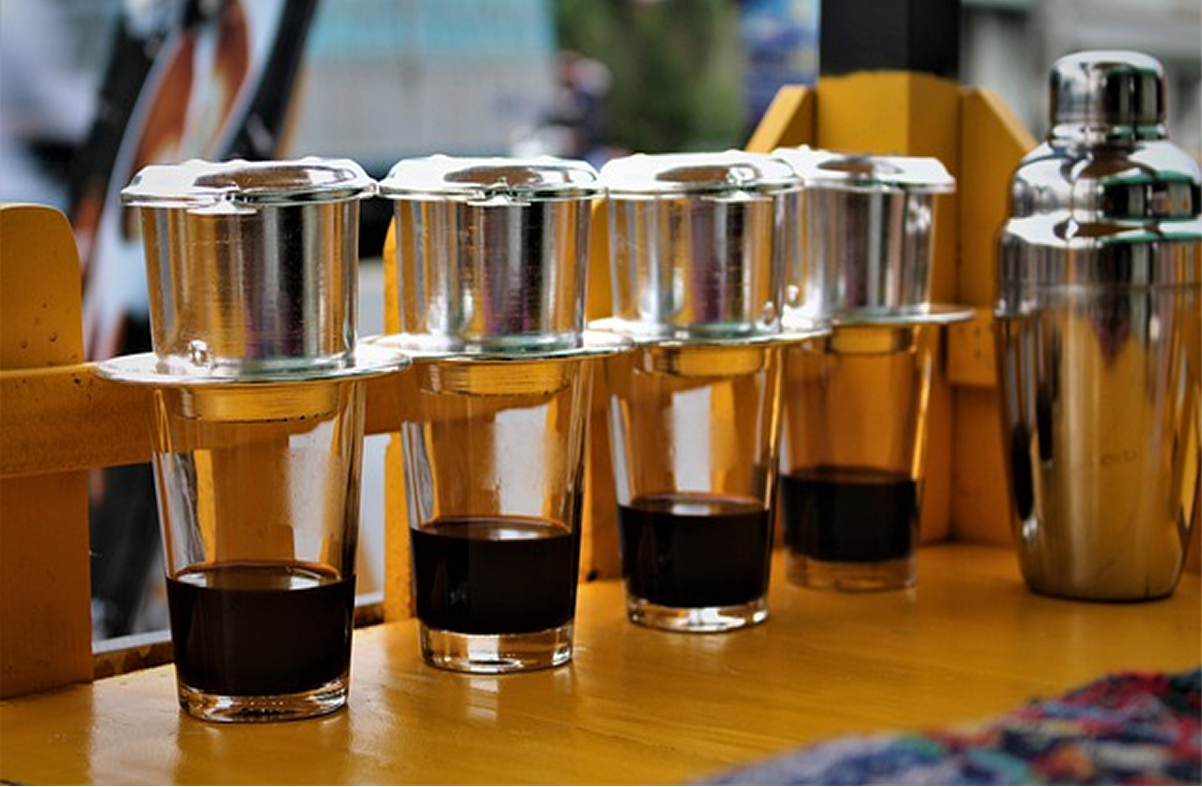
When talking about Vietnamese coffee, Phin Coffee is impossible to ignore. It is one of the most iconic symbols of the coffee culture in Vietnam. Using a small aluminum or stainless-steel phin filter, coffee slowly drips into the cup, drop by drop, creating a moment of patience and mindfulness.
Waiting for the coffee to finish dripping is part of the experience. This slow process reflects a calm, unhurried lifestyle embraced by many Vietnamese people. Each drop delivers a bold, concentrated flavor that preserves the original aroma of freshly roasted coffee beans. Coffee can be enjoyed black, with sugar, condensed milk, or ice, depending on personal preference.
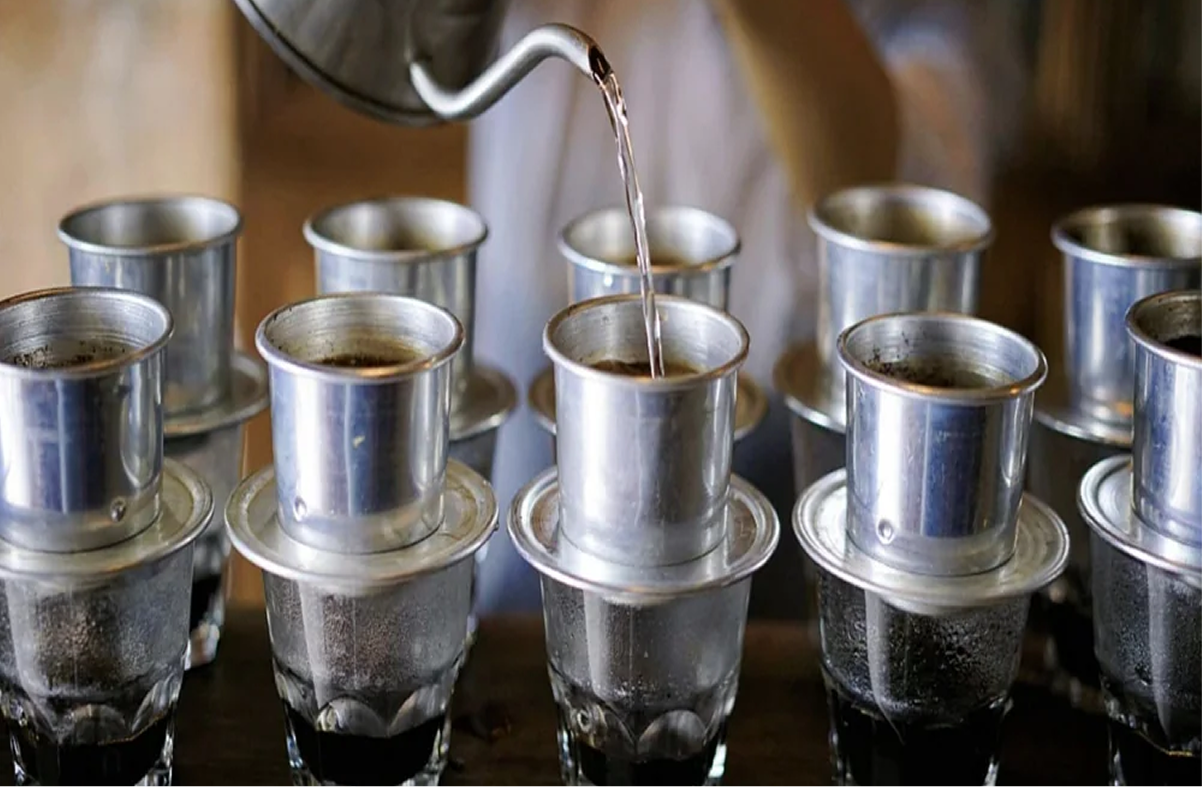
Among the most beloved variations is Vietnamese Iced Milk Coffee (Ca phe sua da), where the bitterness of coffee blends harmoniously with the creamy sweetness of condensed milk. A small glass of iced tea often served alongside is another familiar detail, helping to balance the palate. This ritual perfectly captures the simplicity and depth of the coffee culture in Vietnam.
- Sock Coffee (Vot Coffee) – A Nostalgic Brewing Method
Sock Coffee, also known as Vợt Coffee, is an old-fashioned brewing method that still survives in certain areas, especially within Chinese-Vietnamese communities. Instead of a phin filter, ground coffee is placed inside a cloth filter and immersed in a pot of boiling water.
This technique requires experience and precision to achieve the right strength. The resulting flavor is softer and more mellow than phin coffee, offering a rustic and comforting taste. Drinking sock coffee is often associated with modest street-side cafés, where people gather to chat and share stories, evoking a sense of nostalgia and community.
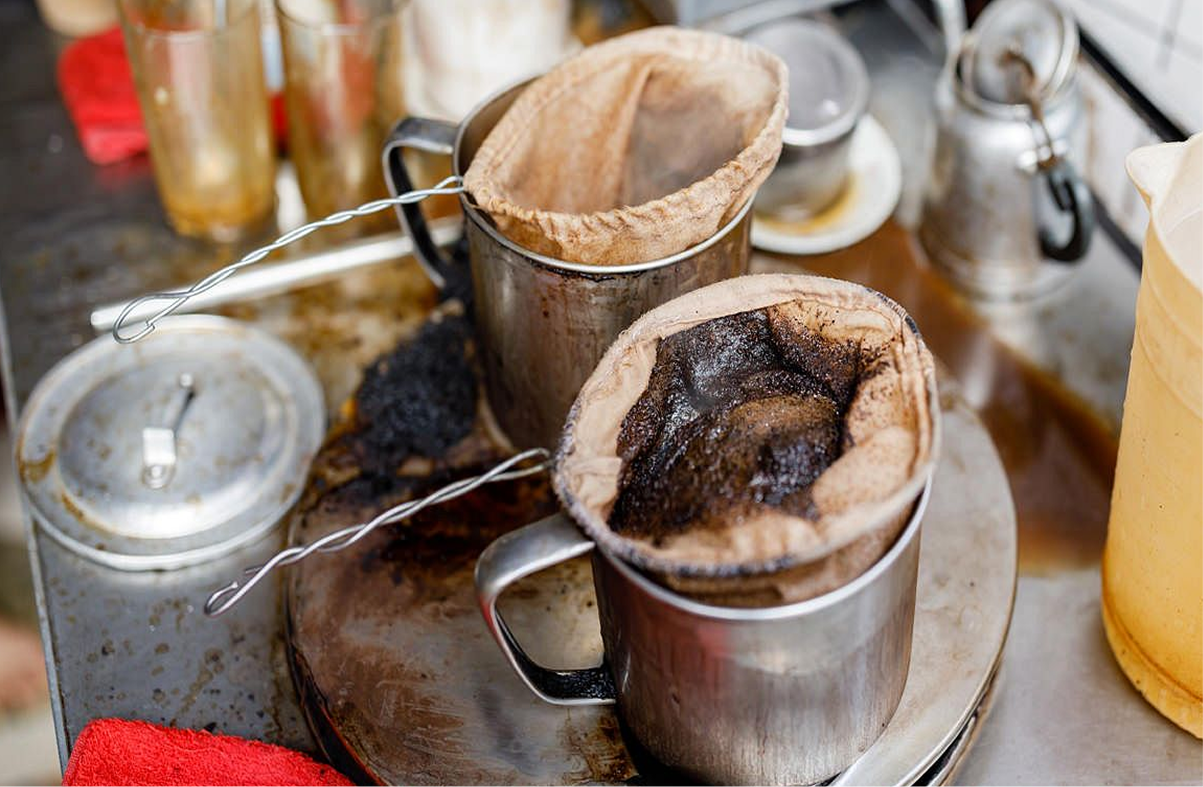
Although it is no longer as common as phin or machine-brewed coffee, sock coffee remains a unique and irreplaceable part of the evolving coffee culture in Vietnam, preserving the spirit of earlier generations.
- Sidewalk Coffee (ca phe bet) – Freedom and Urban Energy
Sidewalk Coffee, or Cà Phê Bệt, is a distinctive urban phenomenon, especially popular in cities like Ho Chi Minh City and Hanoi. Instead of tables and chairs, customers sit directly on sidewalks, parks, or low plastic stools, creating an open and casual atmosphere.
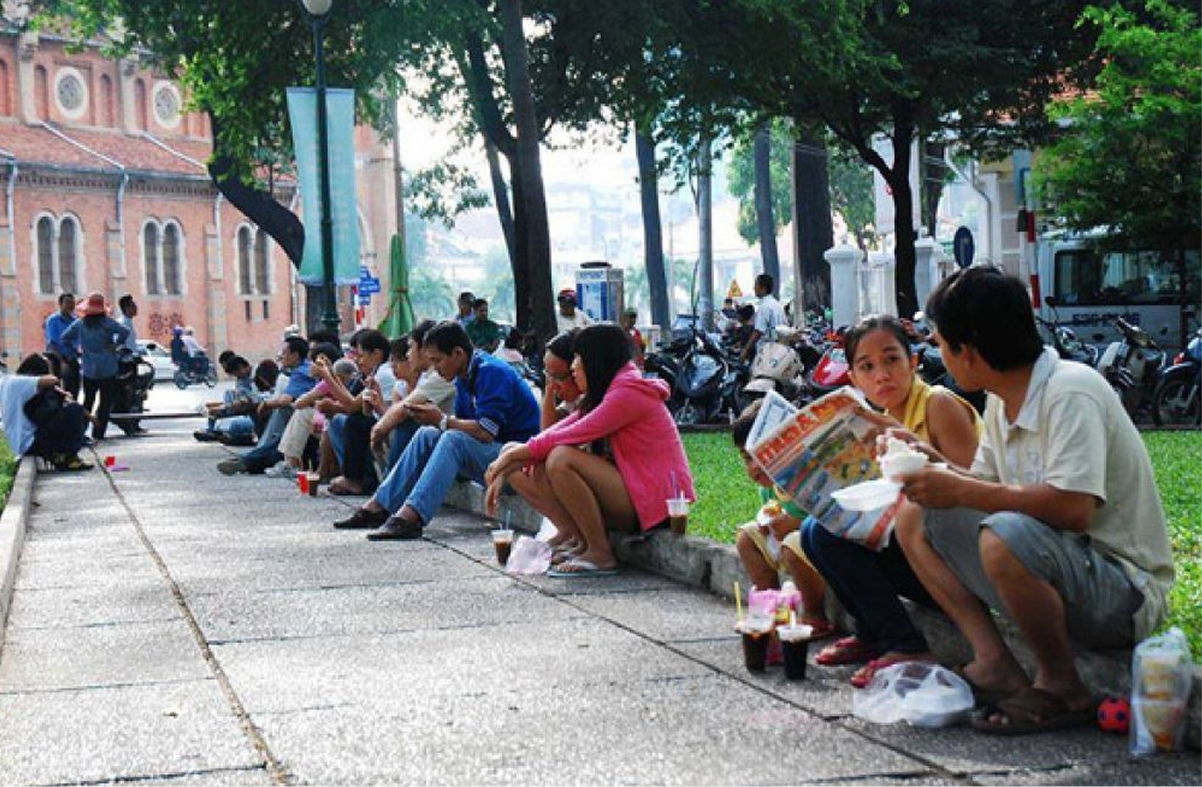
This style of coffee drinking represents freedom, simplicity, and social connection. It is a favorite spot for friends to gather, talk, observe city life, or simply enjoy the vibrant rhythm of urban Vietnam. Sidewalk coffee spots usually serve not only coffee but also a variety of drinks and simple snacks at affordable prices.
Loved by young people for its relaxed and budget-friendly nature, sidewalk coffee showcases a modern, dynamic side of the coffee culture in Vietnam, where tradition and contemporary lifestyle coexist seamlessly.
3. The Diversity of Coffee Culture Across Regions in Vietnam
One of the most fascinating aspects of coffee culture in Vietnam lies in its regional diversity. From North to South, each area has developed its own unique way of brewing and enjoying coffee, creating a rich and colorful cultural landscape that reflects local lifestyles, climate, and history.
- Northern Vietnam Coffee Culture: Bold and Reflective
In Northern Vietnam, especially in Hanoi, people tend to favor strong, pure black coffee with an intense and lingering bitterness. Traditional phin-filtered coffee is the most common brewing method, producing a concentrated cup with deep flavor and a long-lasting aftertaste.
Hanoi’s coffee culture is closely associated with quiet moments and slow enjoyment. Locals often sit for hours at sidewalk cafés or long-established coffee shops, savoring a hot cup of coffee in a calm, nostalgic atmosphere.
A signature drink of Northern Vietnam is Egg Coffee (Ca Phe Trung). Created in the 1940s, this iconic beverage features a creamy layer of whipped egg yolk and sugar atop hot black coffee. Egg coffee has become a cultural symbol of Hanoi and an unmissable experience for both locals and visitors exploring coffee culture in Vietnam.
- Southern Vietnam Coffee Culture: Sweet, Refreshing, and Lively
In contrast, Southern Vietnam—particularly Ho Chi Minh City—embraces a sweeter and more refreshing coffee style. Iced Milk Coffee (ca phe sua da) is considered the “national drink” of the South. The combination of strong coffee, sweet condensed milk, and ice creates a smooth, easy-to-drink beverage perfectly suited to the region’s hot and humid climate.
Another popular choice is Bac Xiu, which contains significantly more milk than coffee, offering a lighter coffee aroma and a creamy, mildly sweet taste.
Southern coffee culture in Vietnam is energetic and open-minded, reflected in the wide range of coffee spaces—from casual street cafés and coffee-on-the-go to modern, stylish coffee chains. Coffee is not only a drink but also a social connector in the fast-paced urban lifestyle of the South.
- Central Vietnam: A Harmonious Blend of Coffee Styles
Central Vietnam represents a cultural bridge between the North and the South, and this balance is clearly expressed in its coffee habits. People in this region enjoy both strong black coffee and iced milk coffee, with flavors that are neither overly bitter nor excessively sweet.
Coffee shops in Central Vietnam range from traditional phin-style cafés to contemporary spaces offering creative beverages. The region’s harsh and changeable climate also influences coffee consumption—hot coffee is preferred during cooler days, while iced coffee becomes popular during hotter periods.
This flexibility and balance create a distinct identity within coffee culture in Vietnam, making Central Vietnam an intriguing destination for coffee lovers seeking both tradition and innovation.
4. The Social Role of Coffee in Vietnam
More than a beverage, coffee plays a vital social role in Vietnam. The phrase “Di ca phe nhe!” reflects the essence of the coffee culture in Vietnam, where coffee represents connection, conversation, and shared moments. Cafés serve as open social spaces for meetings, creativity, and daily interactions, welcoming people from all backgrounds.
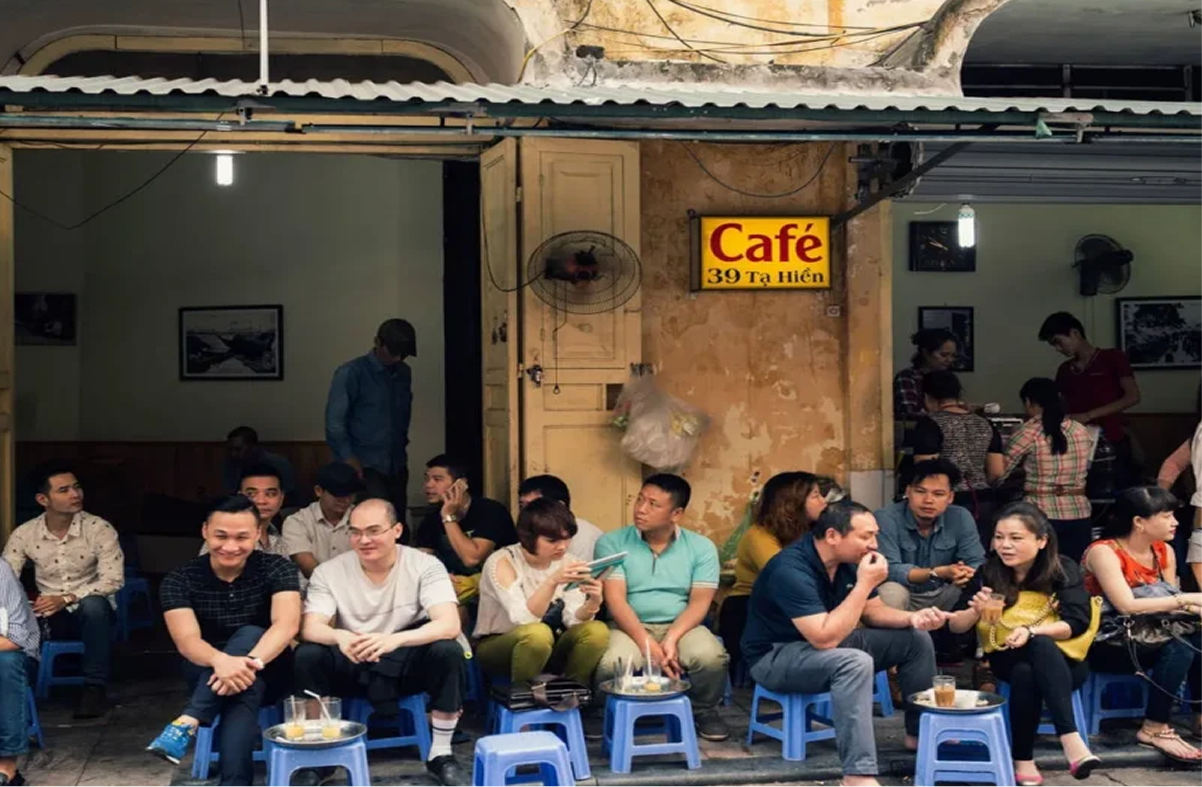
Beyond consumption, coffee shapes urban identity and inspires artists and intellectuals, turning cafés into cultural and creative hubs. Ultimately, the coffee culture in Vietnam demonstrates how a simple drink can connect communities and reflect the Vietnamese way of life.
Conclusion
In summary, coffee culture in Vietnam is a vivid and ever-evolving tapestry, shaped by distinctive brewing methods, unique ways of enjoying coffee, atmospheric spaces, and deep social meanings. The bold, intense flavors of Vietnamese coffee blend seamlessly with the rhythm of daily life, creating a cultural identity that is truly unmistakable and unlike anywhere else in the world.
If you are eager to continue exploring the beauty of Asian coffee traditions and the stories behind every cup, follow Vietnamtour 247 today to uncover more inspiring journeys, cultural insights, and authentic travel experiences across Vietnam and beyond.
FAQ – Understanding Coffee Culture in Vietnam
1. What Makes Coffee in Vietnam Unique?
Coffee in Vietnam stands out for its bold, intense flavor, largely due to the widespread use of Robusta beans, which contain a higher caffeine content than Arabica. The traditional Phin filter brewing method produces a rich, aromatic cup with a thick body.
Beyond the coffee itself, coffee culture in Vietnam is defined by its diverse ways of enjoyment, from Vietnamese iced milk coffee to Egg Coffee, as well as the wide range of coffee spaces—from street-side stalls to modern cafés—creating a deeply rooted and distinctive coffee experience.
2. Which Coffee Bean Is Most Popular in Vietnam?
Robusta coffee beans are the most commonly used in Vietnam, accounting for the majority of the country’s coffee production. Robusta is known for its strong bitterness, earthy notes, and high caffeine levels.
In recent years, Arabica coffee has also gained popularity, especially in regions such as Da Lat, appealing to coffee lovers who prefer a lighter, more aromatic profile. This diversity reflects the evolving coffee culture in Vietnam, where tradition and modern taste coexist.
3. Why Is Vietnamese Iced Milk Coffee So Famous?
Vietnamese Iced Milk Coffee is famous for its perfectly balanced taste—combining the bold bitterness of coffee with the creamy sweetness of condensed milk. Served over ice, it is especially refreshing in Vietnam’s hot and humid climate, particularly in the South.
This iconic drink is more than just a beverage; it has become a symbol of coffee culture in Vietnam, enjoyed daily by locals and beloved by international visitors.
Read more: