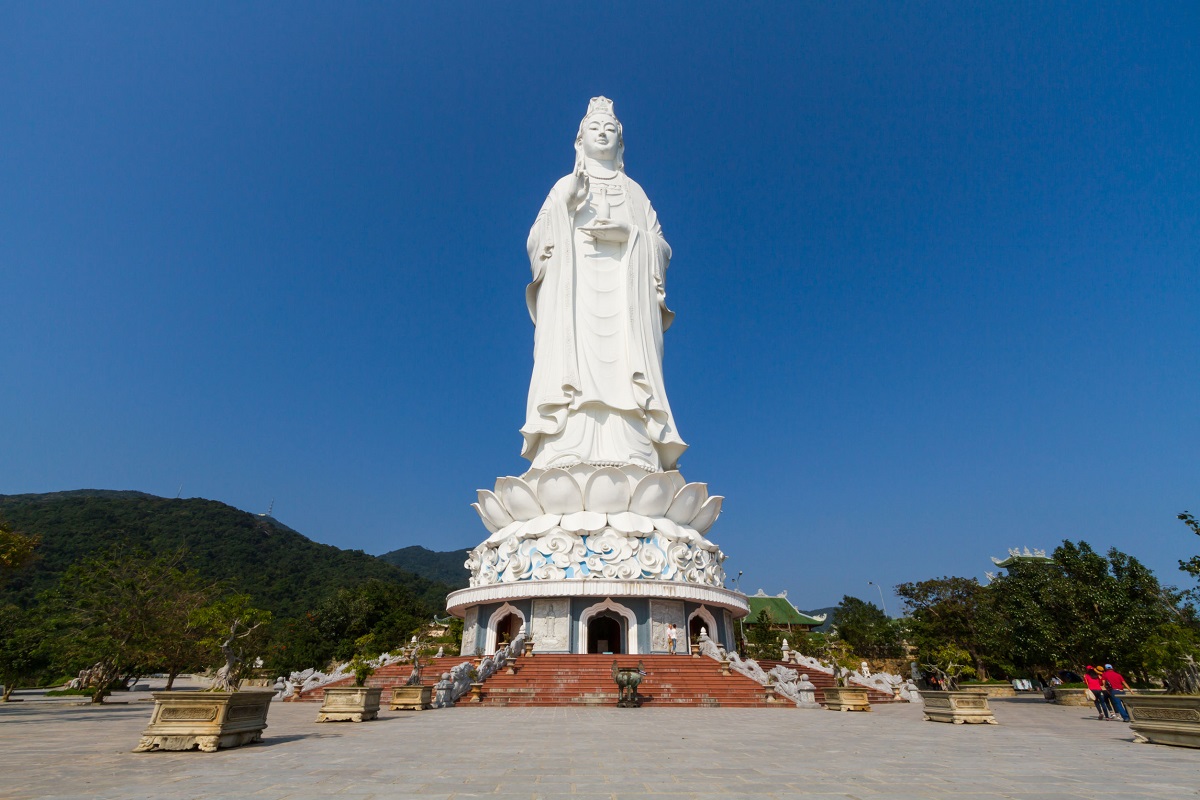
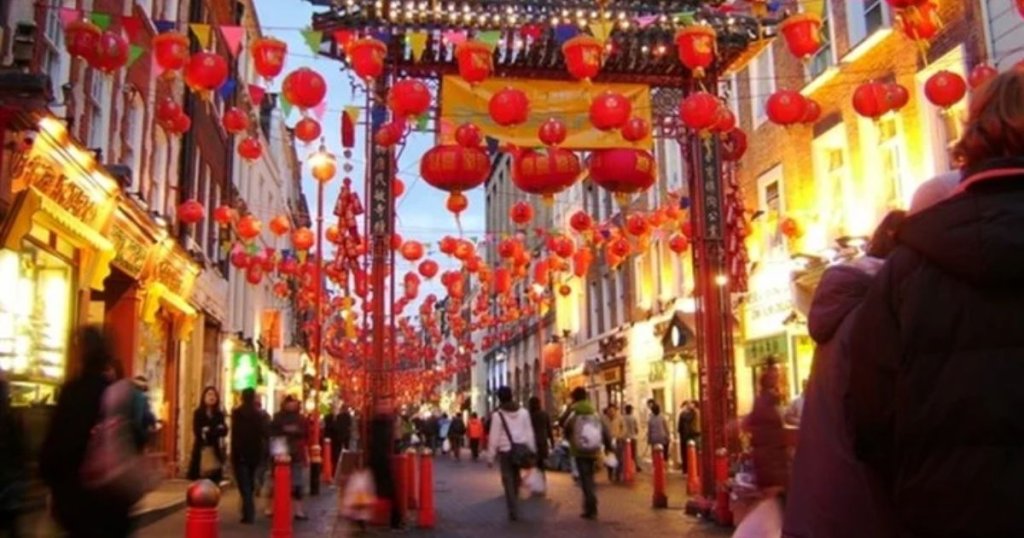
Stepping into Chinatown Saigon Vietnam reveals a world of ancient temples and vibrant commerce. Grab your bags because so many great things are waiting for you—let’s explore with us! For an expertly curated local experience, let Vietnamtour247 lead the way.
Overview of Chinatown Saigon Vietnam
For any traveler looking to experience the soul of the city, a visit to Chinatown Saigon Vietnam is an essential chapter in their journey.
History of Chinatown
The roots of Cho Lon trace back to the late 17th and 18th centuries. It was founded by Chinese Ming loyalists and refugees who sought sanctuary in Southern Vietnam. Originally established as a separate settlement a few kilometers away from the main city, it quickly flourished into a powerful commercial hub.
By the 1930s, the thriving “Big Market” officially merged with Saigon to form a single metropolitan area. During the war, it became famous as a bustling center for trade and hidden activity. Today, it remains the heart of the Hoa people (Chinese-Vietnamese), preserving centuries-old assembly halls, family-run dumpling shops, and traditional customs that have survived for generations.
Location & Ways to Get There
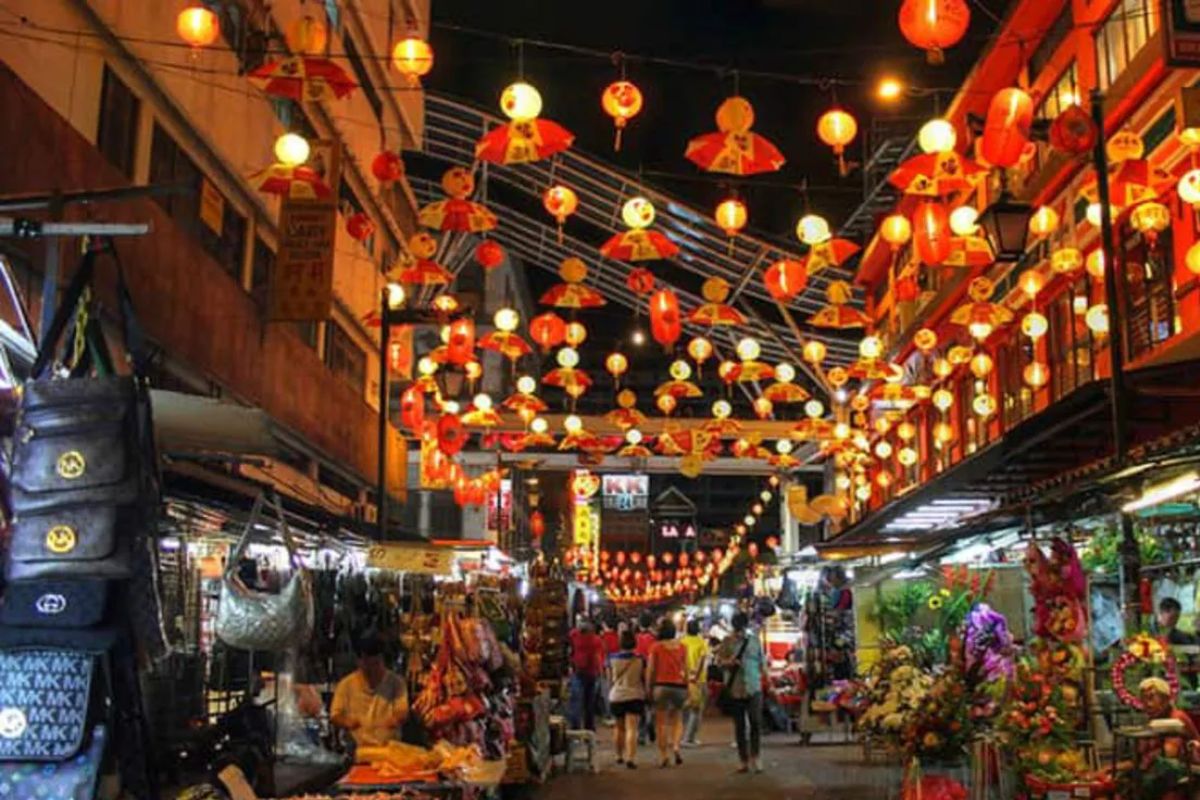
Cho Lon is primarily centered in District 5, though its cultural influence spills over into parts of Districts 6, 10, and 11. It is located about 5–6 kilometers west of the District 1 tourist center.
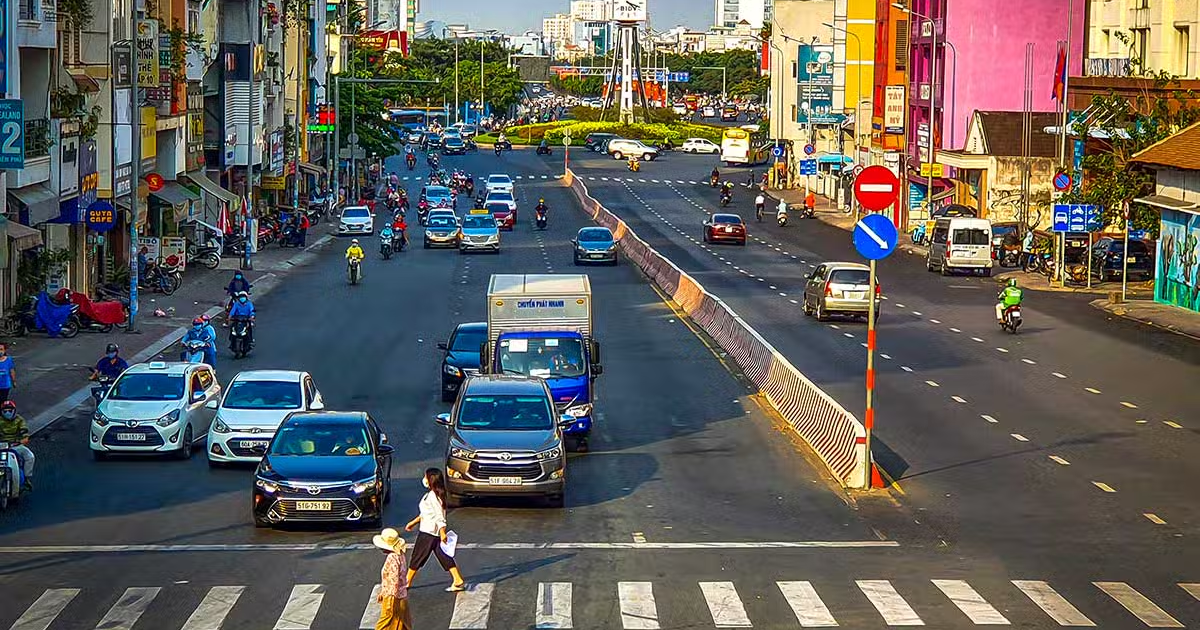
- By Ride-Hailing App: Using Grab or Gojek is the most convenient method. A car or motorbike taxi from Ben Thanh Market typically takes 15–20 minutes and costs between 50,000 and 120,000 VND, depending on the vehicle and traffic.
- By Public Bus: For a budget-friendly local experience, take Bus No. 1 from the Ben Thanh bus station. It heads directly to the Cho Lon bus terminal, located right next to Binh Tay Market.
- By Motorbike: If you are comfortable with Saigon’s traffic, riding down Tran Hung Dao Boulevard—the main artery connecting District 1 and District 5—is a straight and scenic route.
Best Time to Visit
To see Chinatown at its most atmospheric, timing is everything:
- Daily Routine: The best time to arrive is early morning (between 8:00 AM and 10:30 AM). This is when the markets are at their peak energy, and the weather is still relatively cool for walking between pagodas.
- Photographer’s Hour: Late afternoon (around 4:00 PM) offers soft lighting that is perfect for capturing the vibrant red lanterns of Luong Nhu Hoc Street or the sunbeams filtering through temple courtyards.
- Seasonal Festivals: For a truly unforgettable experience, visit during the Lunar New Year (Tet) or the Mid-Autumn Festival. During these times, the streets are transformed into a sea of red and gold decorations, and you can witness traditional dragon and lion dances performed for local businesses.
7 Things To Do In Chinatown Saigon
Whether you are a photography enthusiast or a devoted foodie, spending a day in Chinatown Saigon Vietnam will reward you with some of the most memorable stories from your trip.
Visit Binh Tay Market
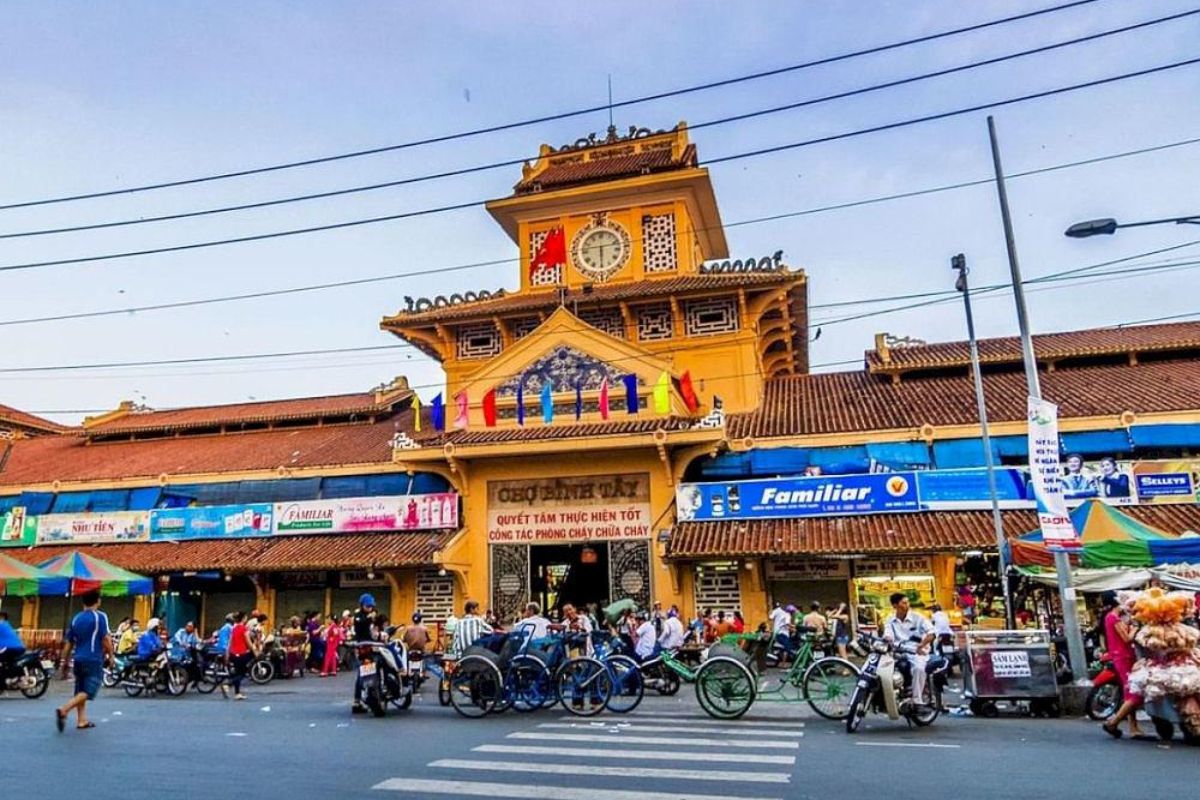
As the commercial centerpiece of Cho Lon, this market is famous for its striking ochre-colored French-Chinese architecture. Unlike the tourist-heavy Ben Thanh, this is a bustling wholesale hub where you can find everything from textiles to dried seafood. Don’t miss the central courtyard, which offers a peaceful escape with its beautiful statue of the market’s founder, Quach Dam.
Explore Thien Hau Temple in Chinatown Saigon Vietnam
Dedicated to Mazu, the Goddess of the Sea, this 18th-century sanctuary is a masterpiece of Cantonese craftsmanship. The air is thick with incense from giant coils hanging overhead, creating a mystical atmosphere. Tourists love the intricate porcelain dioramas decorating the roofline, which depict scenes from Chinese legends, making it a top photography spot for those visiting Chinatown Saigon Vietnam.
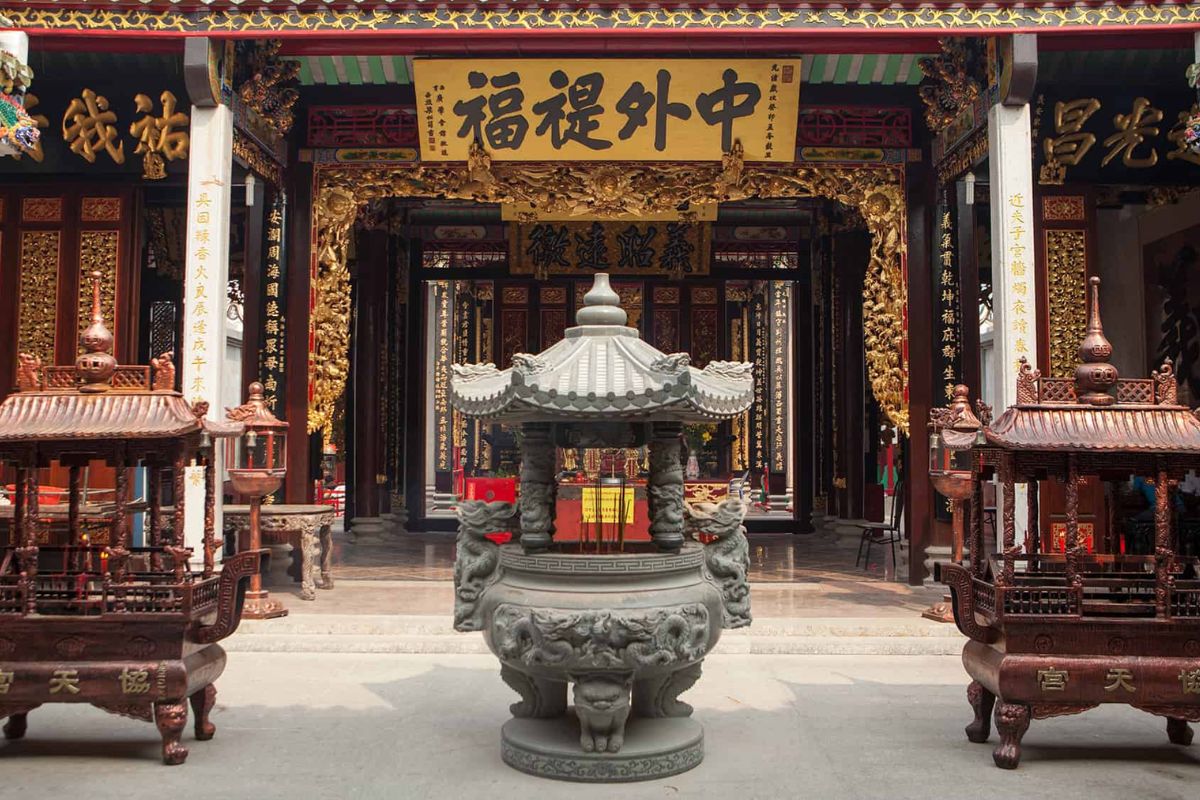
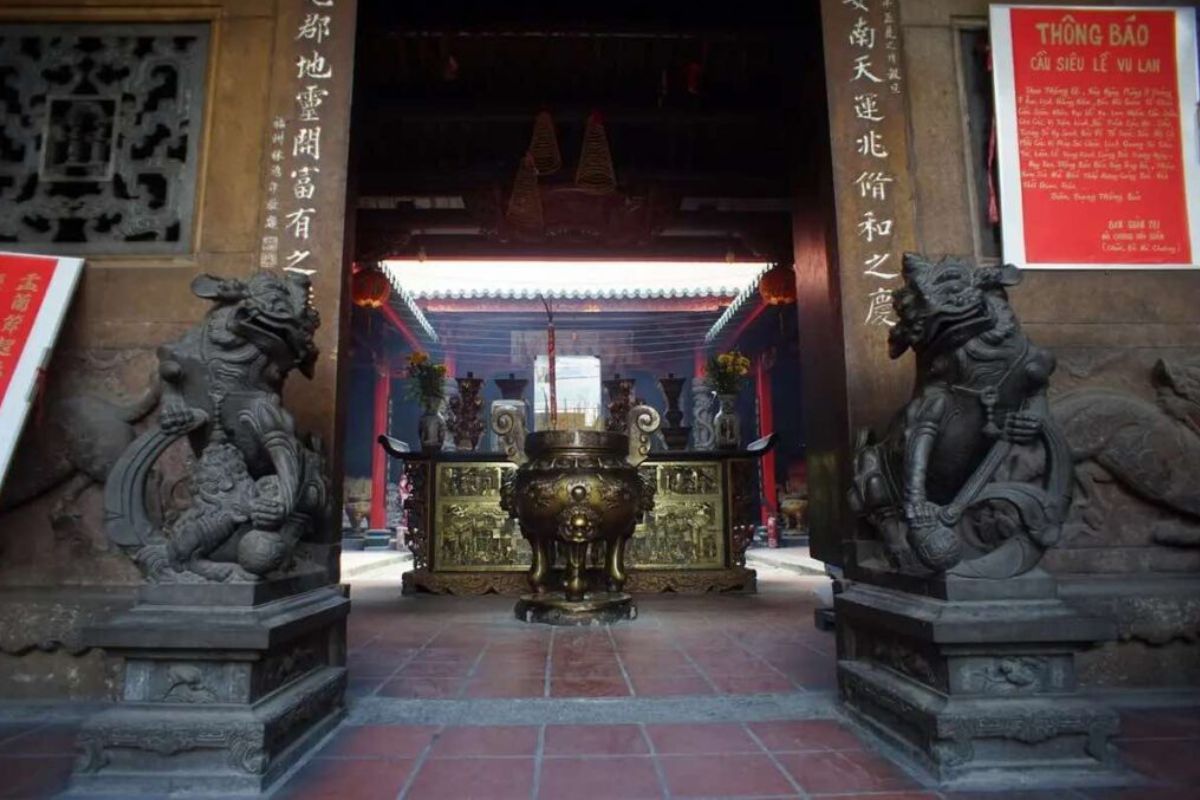
Visit Ha Chuong Assembly Hall
This Hokkien-style temple is a hidden gem featuring spectacular curved rooflines and dragon-wrapped pillars. Its colorful facade and ornate interior woodcarvings represent the artistic traditions of the Fujian community. It is significantly quieter than other temples, providing a tranquil space to appreciate the spiritual devotion and historical architecture that define the local cultural landscape.
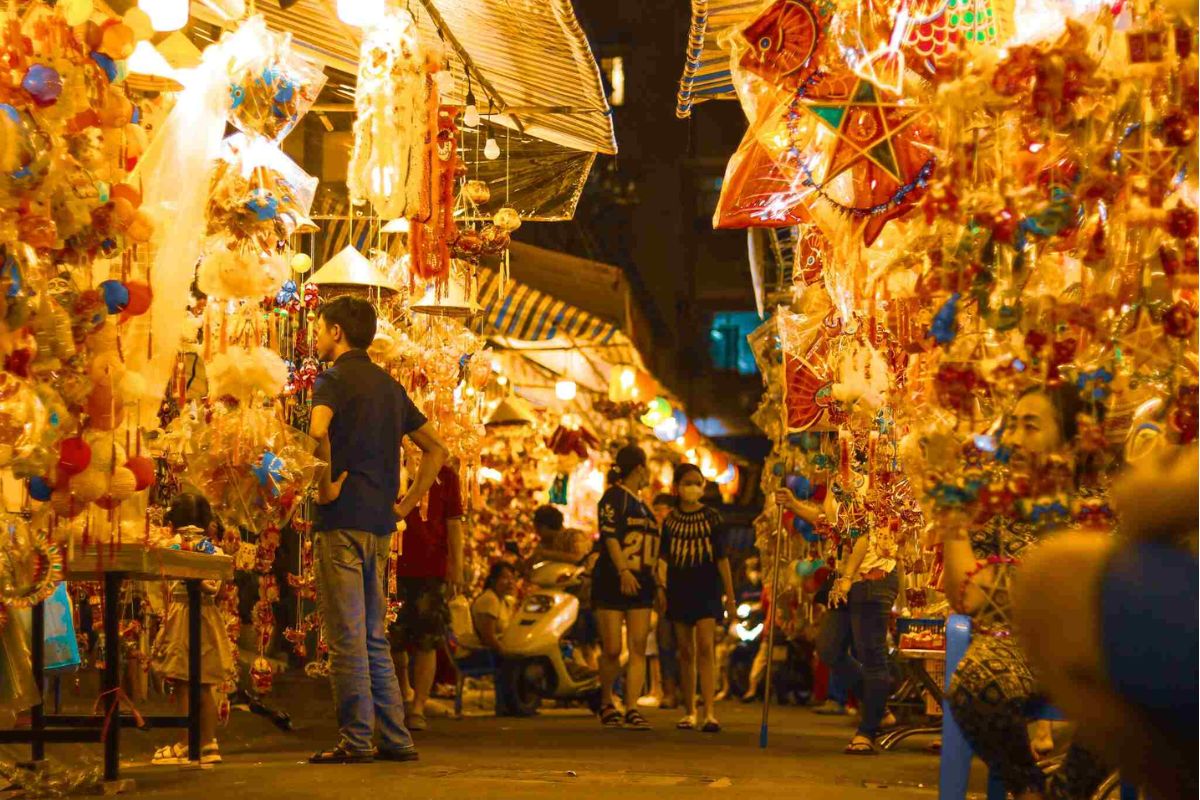
Wander through Luong Nhu Hoc Lantern Street in Chinatown Saigon Vietnam
This area transforms into a glowing wonderland during the Mid-Autumn Festival, though it remains vibrant year-round. Shops here specialize in traditional silk and paper lanterns of every shape and color imaginable. Walking through this radiant corridor is a highlight of any trip to Chinatown Saigon Vietnam, offering a festive glimpse into the community’s joyful celebrations.
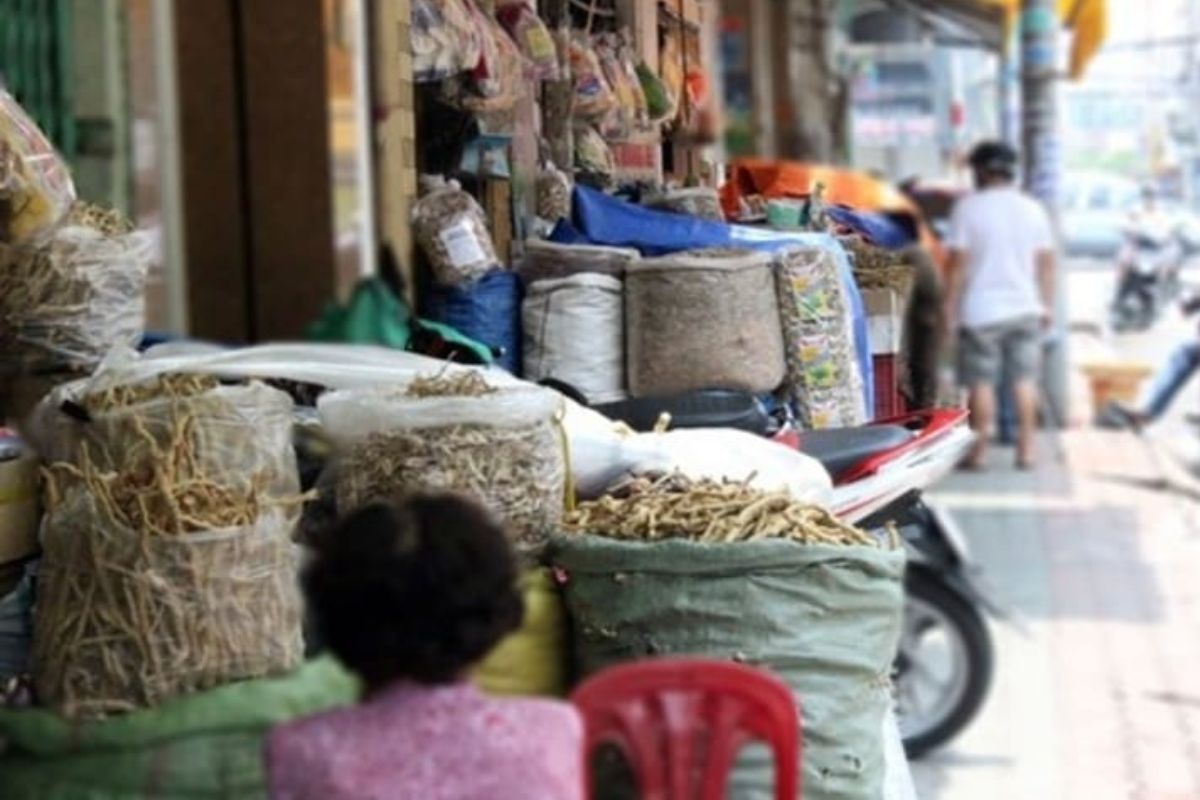
Discover the oriental medicine streets (Hai Thuong Lan Ong Street, Trieu Quang Phuc Street, Luong Nhu Hoc Street)
Many in Vietnam favor traditional herbal remedies, viewing them as a powerful means of purifying the body and managing health conditions naturally. Walking down Hai Thuong Lan Ong Street, you will be greeted by the deep, earthy aroma of traditional remedies.
These “herb streets” are lined with shops selling dried roots, barks, and exotic ingredients. It’s a fascinating place to witness ancient healing traditions as shopkeepers expertly weigh and package medicinal blends for locals, just as they have for decades.
Try Chinese-Style Milk Tea in Chinatown Saigon Vietnam
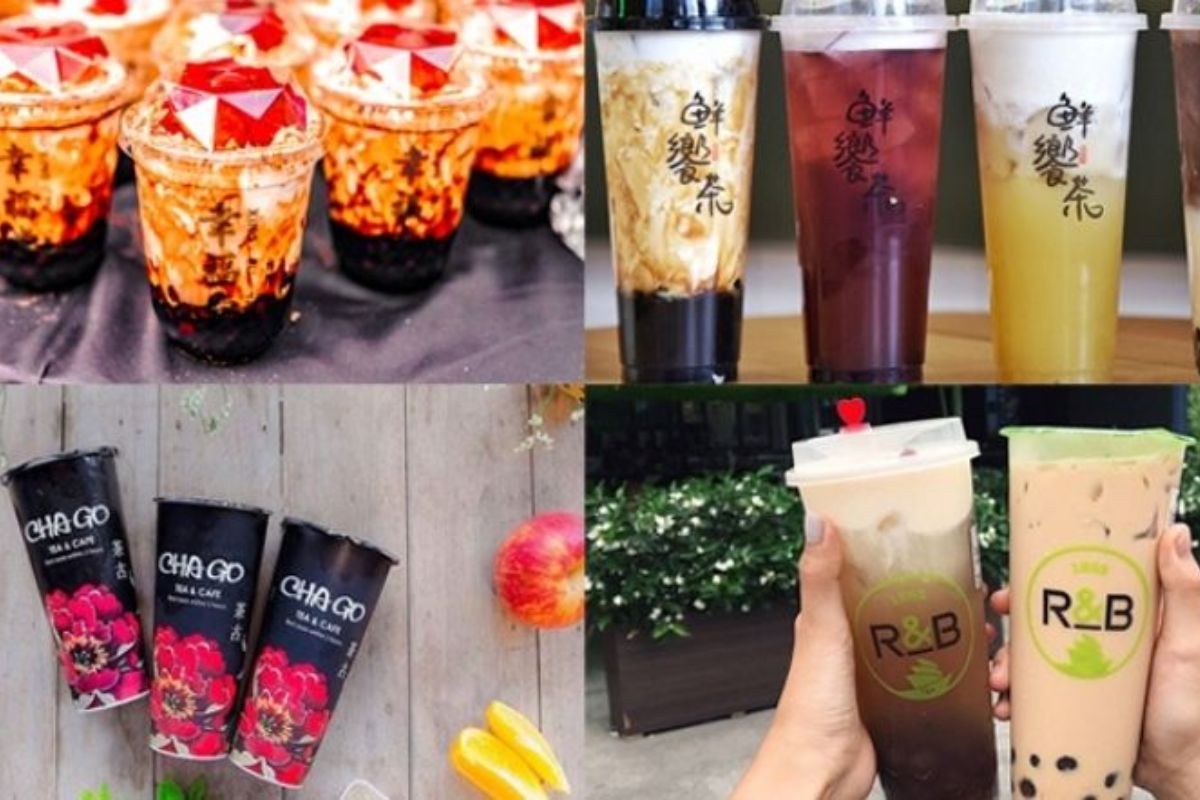
District 5 is a paradise for tea lovers, offering a unique twist on the popular drink. Chinese-style milk tea here often features richer, bolder tea bases paired with unique toppings like herbal jelly or traditional pearls. Sipping a cold glass at a local shop is a refreshing way to cool down while exploring the vibrant culture of Chinatown Saigon Vietnam.
Discover Local Foods
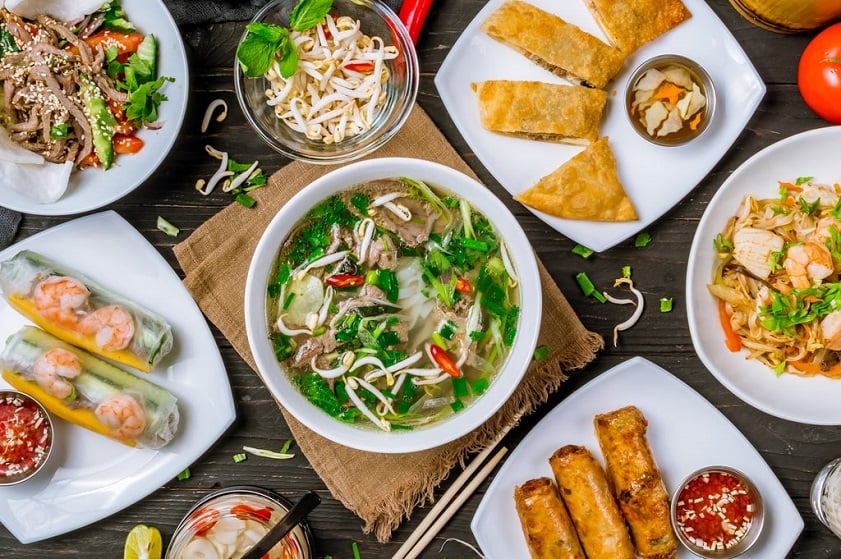
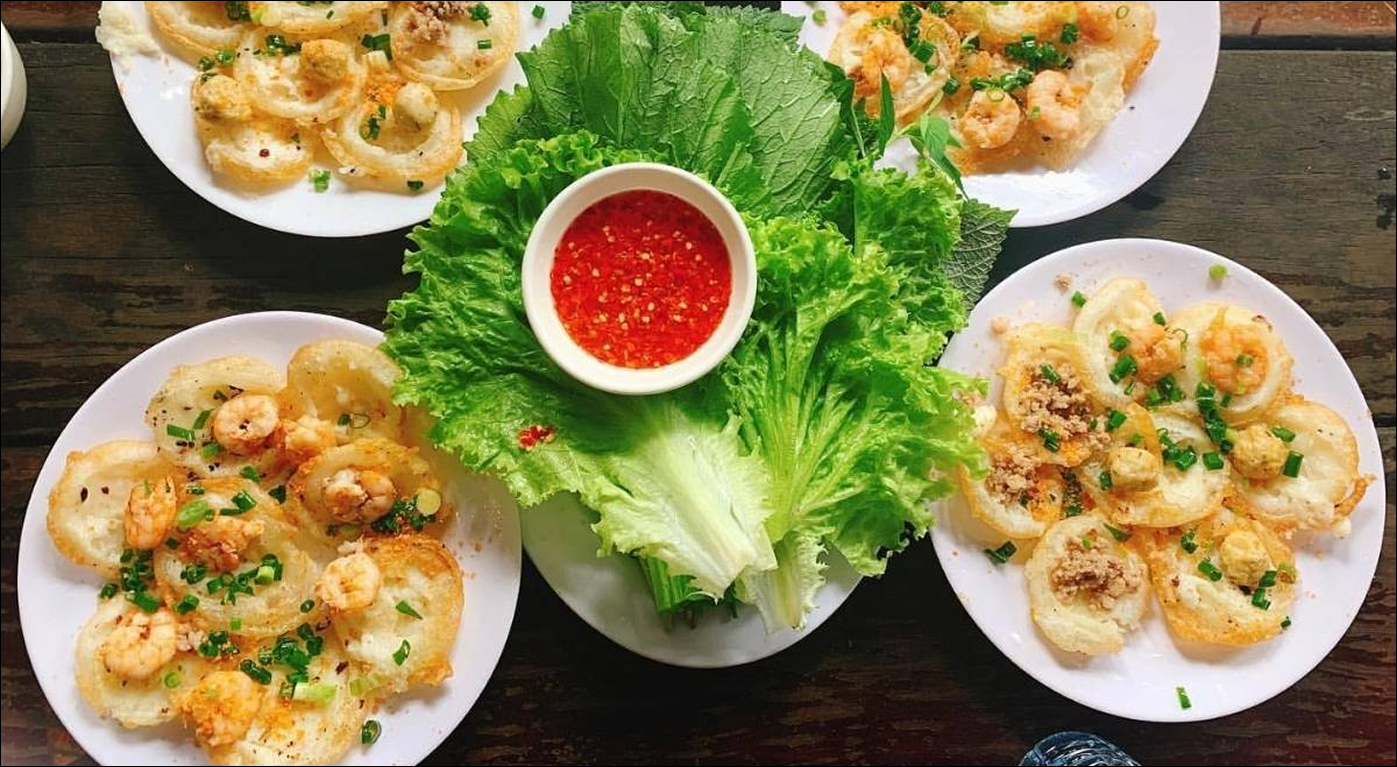
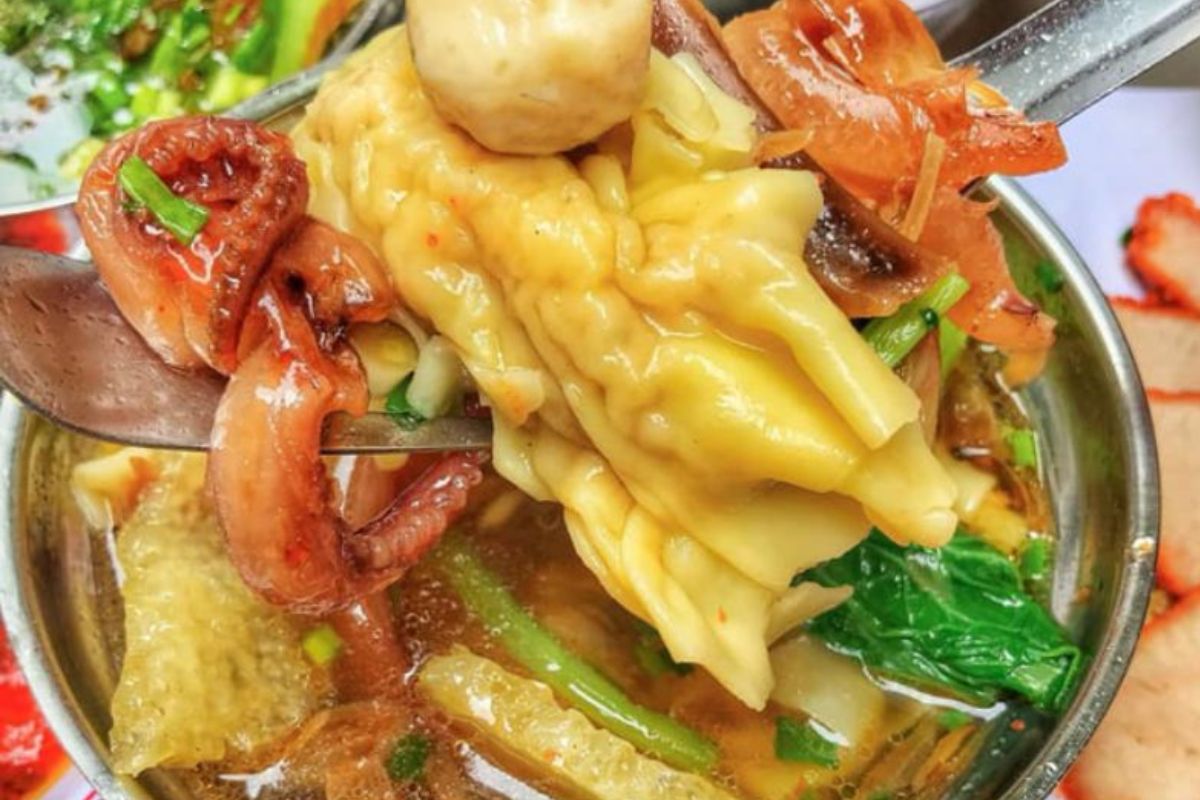
No trip is complete without a culinary tour of the area’s iconic eateries. You must try “He” (Cantonese-style noodles), savory dumplings, or roasted duck. For dessert, seek out traditional sweet soups (Che) made with ingredients like gingko nuts or black sesame. These flavors represent a perfect marriage of Chinese recipes and Vietnamese ingredients, creating a truly unique dining experience.
If the suggested menu cannot fully fill your hunger, you should also seek out Mi Vit Tiem (braised herbal duck noodles), Hu Tieu Sa Te (spicy satay noodle soup), and Sủi Cảo (freshly made shrimp dumplings) on Ha Ton Quyen Street. Each bite is a testament to the rich culinary fusion of this historic district.
Master the Big Market: Essential Tips for Visiting Chinatown Saigon
To truly enjoy the vibrant energy of Chinatown Saigon Vietnam, follow these practical insider tips will help you navigate the busy alleys and cultural sites of Chinatown Saigon Vietnam like a seasoned explorer.
Stay Comfortable and Prepared
- Opt for Light, Breathable Fabrics: The humidity in District 5 can be high, and you will likely be doing a lot of walking. Wear loose, light clothing and comfortable shoes to stay cool while navigating the bustling markets and narrow sidewalks.
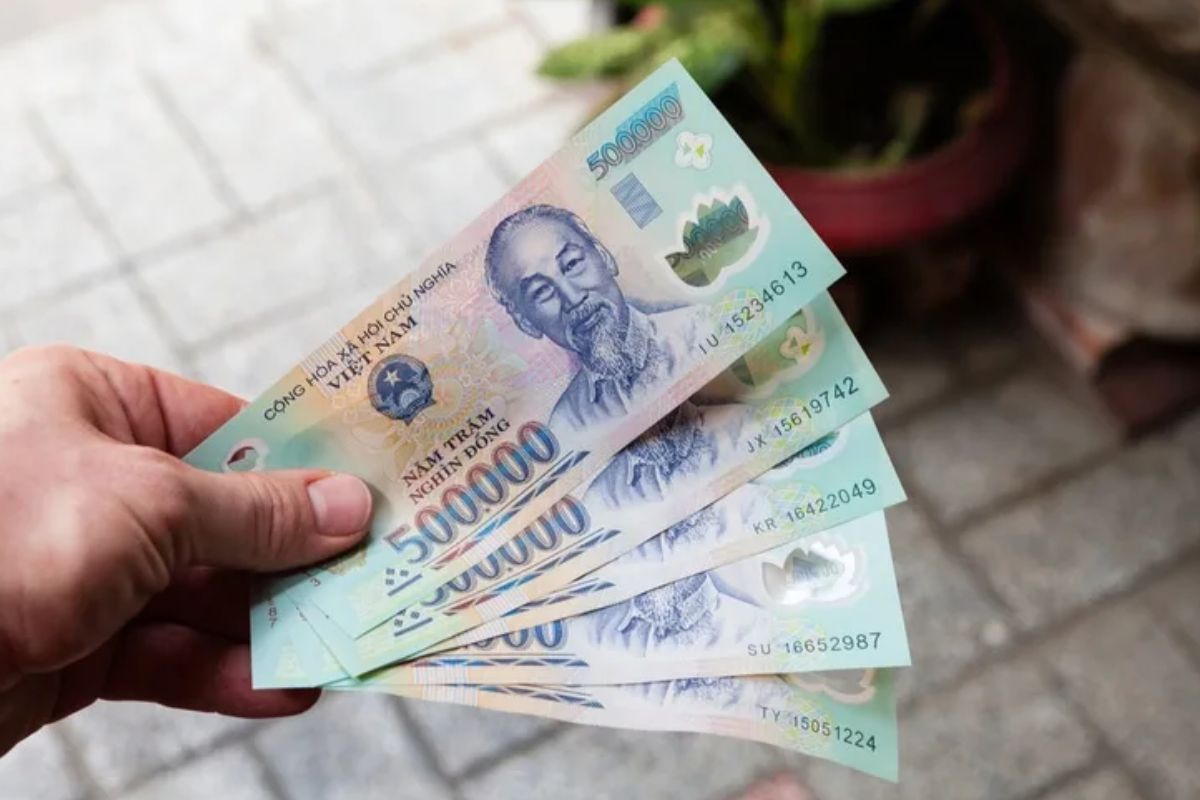
- Cash is Essential: While major malls in District 1 accept cards, the family-run shops, herbalists, and street food stalls of Cho Lon rely almost exclusively on cash. Keep a supply of small Vietnamese Dong notes to make transactions smooth and bargaining easier.
- Visit During the Week: If you want to avoid the heaviest foot traffic, try to plan your visit for a weekday morning. The area is a hub for wholesale trade, and the streets can become incredibly crowded on weekends and during major lunar holidays.
Cultural Etiquette and Respect
- Adhere to Temple Dress Codes: When visiting spiritual sites like the Thien Hau Temple, remember to dress modestly. Ensure your shoulders and knees are covered. This simple gesture shows respect for the local worshippers and the sacred nature of the sanctuaries.
- Practice Mindful Photography: Chinatown is an incredibly photogenic area, but always remember that it is a living neighborhood. It is polite to ask for permission before taking close-up portraits of shopkeepers or locals, especially within private family-run businesses or during prayer in temples.
Frequently Asked Questions
Why is Chinatown Saigon famous?
Chinatown Saigon is famous for its historic temples, traditional markets, lantern streets, Chinese-Vietnamese culture, herbal medicine shops, and amazing local food.
Is Chinatown Saigon safe for tourists?
Yes, it is generally safe for tourists. Like any busy city area, keep an eye on your belongings and stay careful when crossing roads.
What should I wear when visiting the temples?
While HCMC is modern, these are active places of worship. You should wear clothing that covers your shoulders and knees. Removing your hat is expected, and while shoes are often allowed inside the main courtyard, pay attention to specific signs near the inner altars.
Are there any special festivals celebrated here?
Cho Lon is spectacular during Tet (Lunar New Year) and the Mid-Autumn Festival. During the Mid-Autumn Festival, Luong Nhu Hoc Street turns into “Lantern Street,” filled with thousands of glowing traditional silk and cellophane lanterns.
Can I find vegetarian food in Chinatown?
Yes! Many temples have vegetarian stalls nearby. Look for signs saying “Cơm Chay”.
Conclusion
As a cornerstone of the city’s heritage, Chinatown Saigon Vietnam offers a sensory journey through centuries of cultural fusion. Whether you are wandering under the glow of Luong Nhu Hoc’s lanterns, admiring the intricate porcelain dioramas of ancient assembly halls, or indulging in a steaming bowl of braised herbal duck noodles, this district provides an authentic depth that modern skyscrapers cannot replicate. It is a place where tradition is not just preserved in museums but lived daily on every street corner and in every family-run shop.
Ready to immerse yourself in the authentic side of the city? Vietnamtour247 is your premier partner for exploring the most captivating corners of Vietnam. Contact us today to start planning your personalized Vietnamese exploration!
Contact us via our Fanpage Vietnamtour 247 for personalized advice and assistance.
Contact Vietnam Tour 247 for booking tours to visit Sapa.
- Website: Vietnamtours247
- Hotline: (+84) 979133907
- WhatsApp: (+84) 916289247
- Email: sales@vietnamtour247.com
- Vietnam: 128 Ngoc Tri St, Long Bien District, Hanoi
See more:
- Hanoi Itinerary 2 Days Tour – A Fascinating Capital Journey
- Sapa To Ninh Binh: Scenic Travel Guide For Visitors
- Is Halong Bay in Northern or Southern Vietnam? Discover Halong Bay area in Vietnam 2026