When is the best time to visit Ha Giang Vietnam? Unlike the tropical beaches of the south or the temperate humidity of Hanoi, Ha Giang is a land of extremes. Its weather is dictated by high altitudes and seasonal monsoons, creating a landscape that transforms dramatically every few months.
Whether you want to witness the golden rice terraces, ride through the pink buckwheat flower fields, or simply avoid the treacherous mountain rains, understanding the Ha Giang weather is crucial for a safe and breathtaking journey.
Understanding the Ha Giang Weather
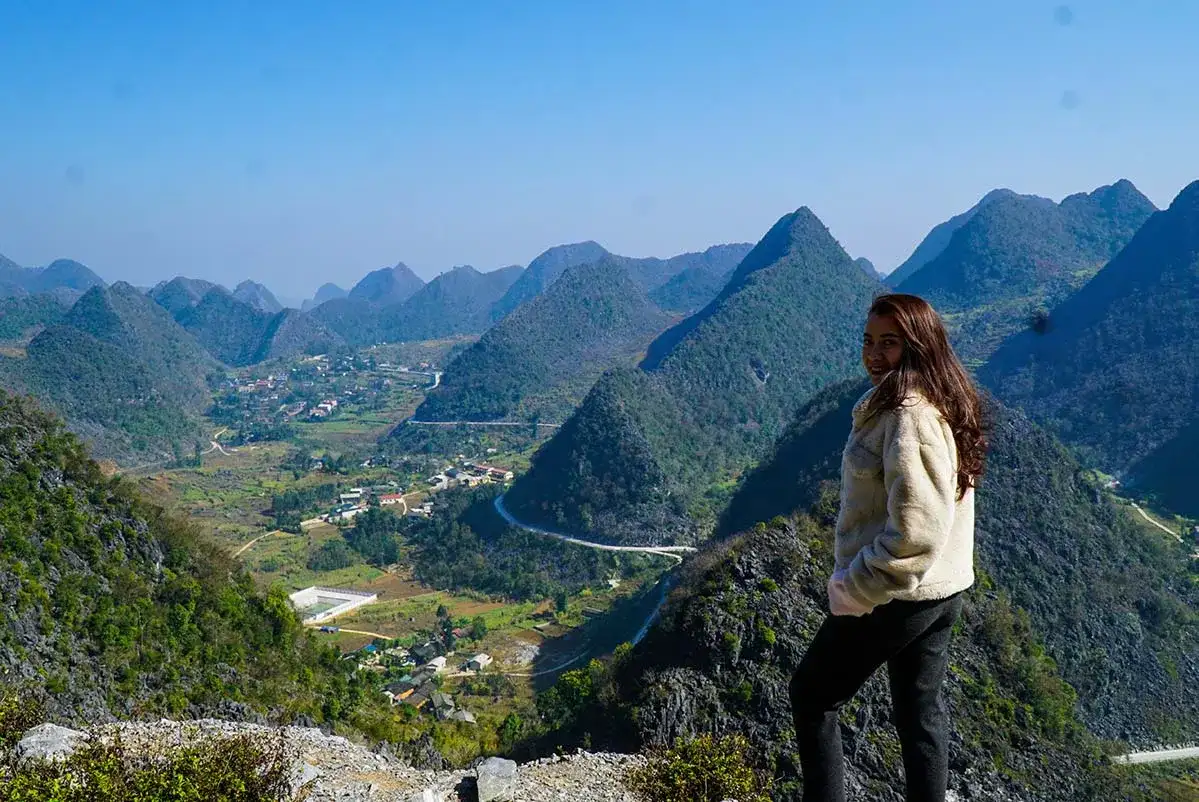
Ha Giang‘s geography is dominated by the Dong Van Karst Plateau. Because the elevation varies significantly, you might experience “four seasons in one day.” Generally, the Ha Giang weather forecast is divided into two main seasons: the dry season (October to April) and the rainy season (May to September).
However, to truly find the best time to visit Ha Giang Vietnam, we need to look closer at the monthly transitions and what each season offers to the traveler.
Ha Giang Weather by Season: What to Expect
1. Spring (February to April): The Season of Blossoms
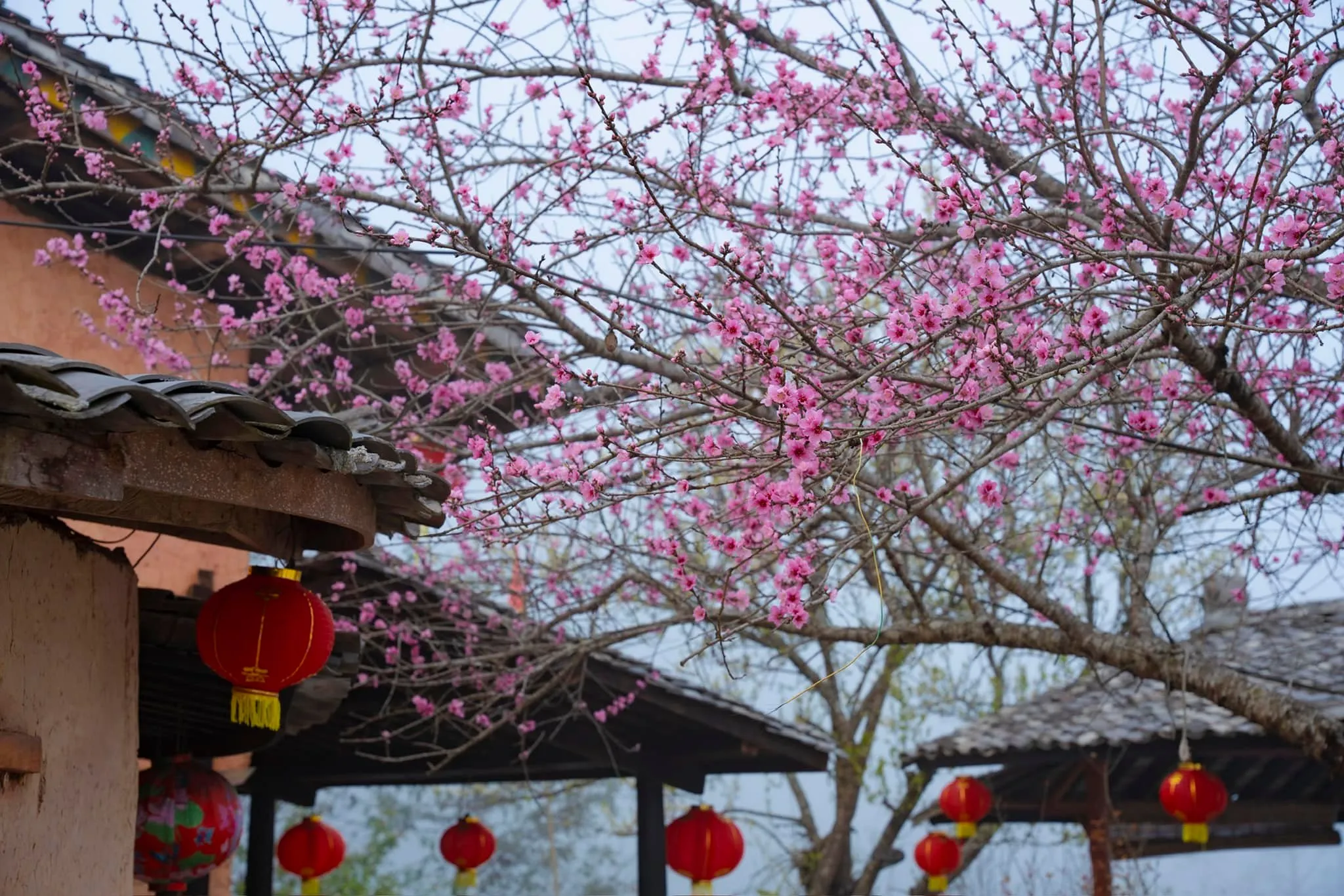
Spring is arguably the most beautiful time for culture lovers. As the Lunar New Year passes, the gray limestone rocks are suddenly covered in the pink of peach blossoms and the white of plum flowers.
- Ha Giang weather: Mild but can still be misty. Temperatures range from 15°C to 22°C.
- Why visit: This is the best time for photography and visiting ethnic minority festivals. The air is fresh, and the mountains are waking up from winter.
2. Summer (May to August): The Green Season & Waterfalls

Summer brings the heat and the rain. This is when the Ha Giang weather forecast often predicts heavy downpours, but it is also when the landscape is at its most vibrant green.
- Ha Giang weather: Hot (25°C – 30°C) with frequent heavy rain.
- Why visit: The waterfalls like Du Gia are at their most powerful. However, be warned: the Ha Giang loop Vietnam can be slippery and dangerous during this time.
3. Autumn (September to November): The Golden Harvest
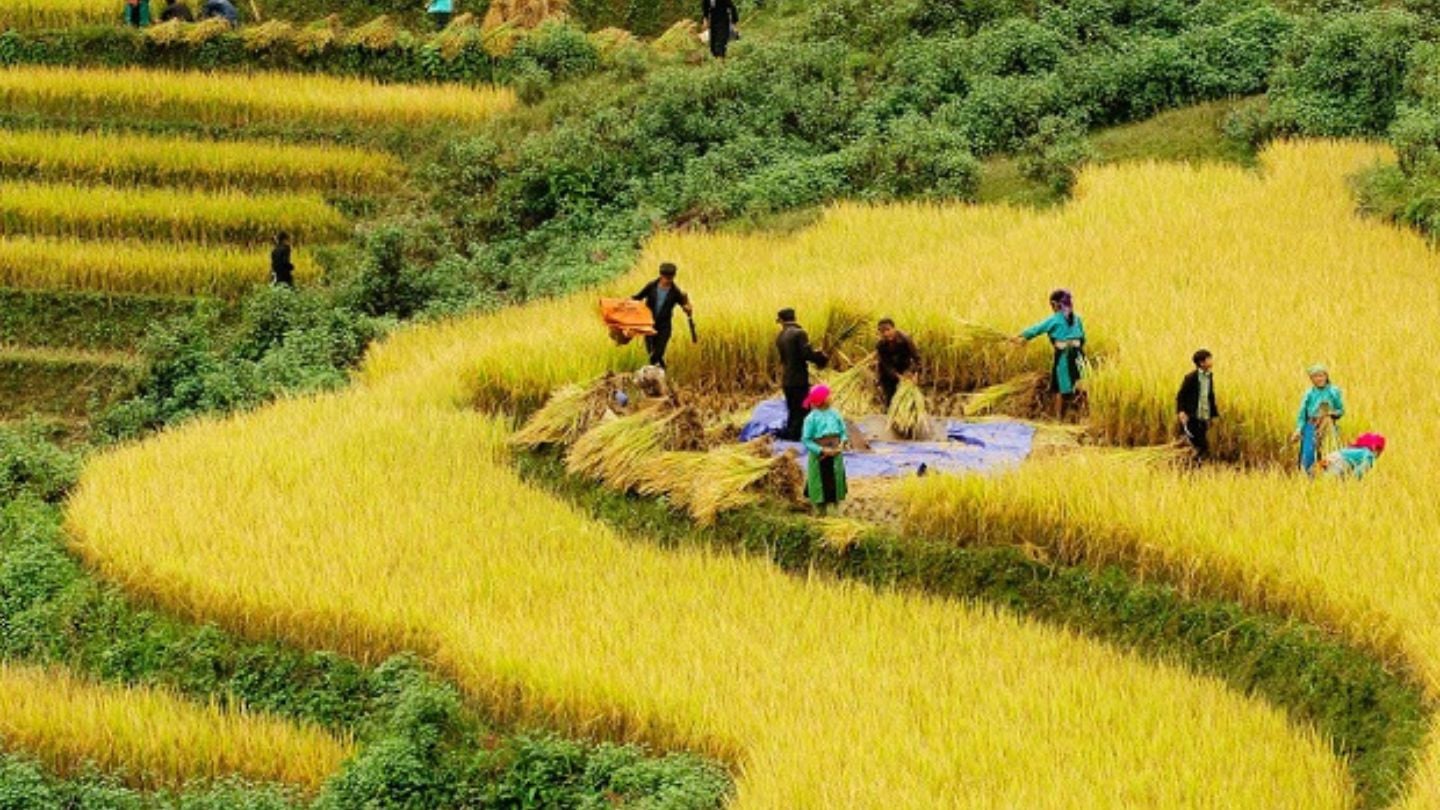
Many travelers agree that this is the best time to visit Ha Giang Vietnam. September marks the “Pouring Water” or “Golden Rice” season, while October and November introduce the famous Buckwheat flowers.
- Ha Giang weather: Perfect. Cool, dry, and clear skies.
- Why visit: The rice terraces in Hoang Su Phi turn a brilliant gold. The weather is ideal for motorcycling without the fear of rain or extreme cold.
4. Winter (December to January): The Misty Frontier
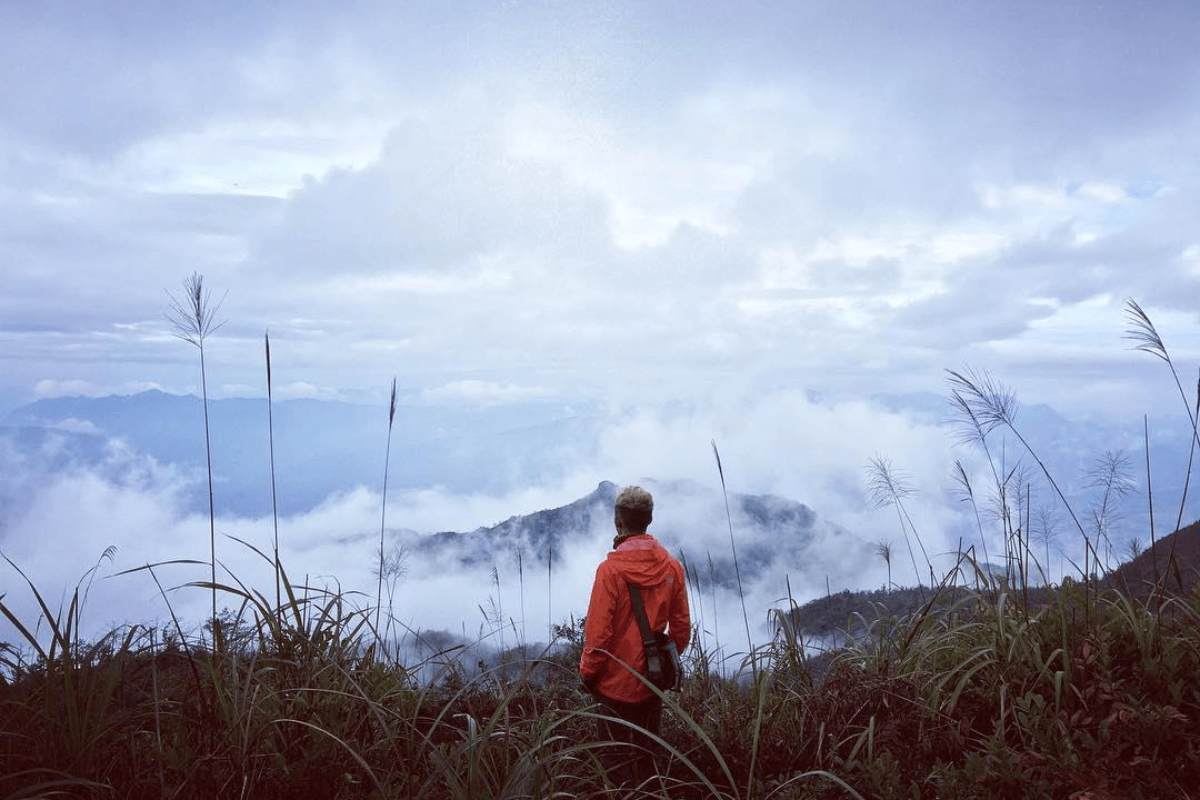
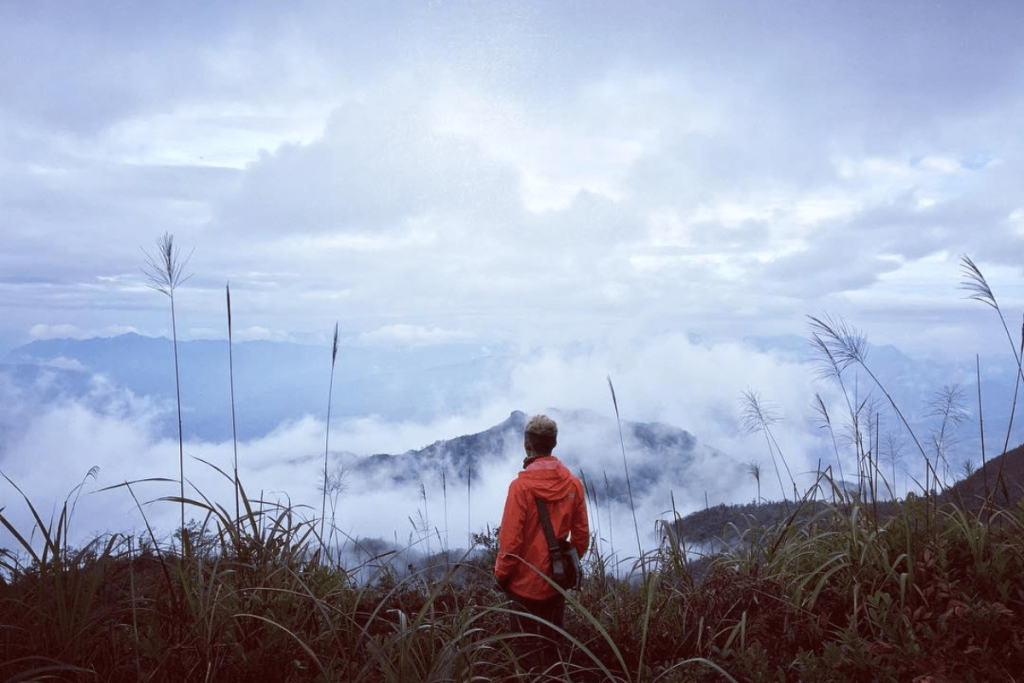
Winter in Ha Giang is not for the faint of heart. It is cold, dry, and often shrouded in a thick fog that makes the “Heaven’s Gate” feel literally in the clouds.
- Ha Giang weather: Cold (sometimes below 5°C).
- Why visit: If you like the “lonely mountain” vibe and fewer crowds, winter is for you. Just make sure to pack heavy thermal gear!
Ha Giang Weather by Month: A Detailed Breakdown
To help you plan your itinerary, here is a detailed look at the Ha Giang weather by month:
| Month | Weather Condition | Highlights |
| January | Very Cold / Dry | Cherry blossoms and Lunar New Year festivals. |
| February | Cold / Misty | Peach and Plum blossoms cover the valleys. |
| March | Mild / Pleasant | Ideal for trekking and the Khau Vai Love Market. |
| April | Warm / Dry | The end of spring, clear views of the Nho Que river. |
| May | Hot / Rainy | “Water pouring” season on the terraces. |
| June | Hot / Wet | Lush green landscapes, but high risk of landslides. |
| July | Hot / Heavy Rain | Peak of the rainy season. Dramatic waterfalls. |
| August | Hot / Humid | Rain starts to decrease toward the end of the month. |
| September | Pleasant / Dry | Golden Rice Season. The most popular time. |
| October | Cool / Sunny | Buckwheat Flower Festival. Perfect riding weather. |
| November | Chilly / Clear | Purple flower fields and crisp mountain air. |
| December | Cold / Dry | Mustard flowers and “hunting” for clouds. |
Top Activities Based on the Best Time to Visit
If you visit in September – October:
Focus on Hoang Su Phi. The rice terraces here are a National Heritage site. During the best time to visit Ha Giang Vietnam, the sun hits the yellow stalks, creating a “stairway to heaven” effect that is world-renowned.
If you visit in October – November:
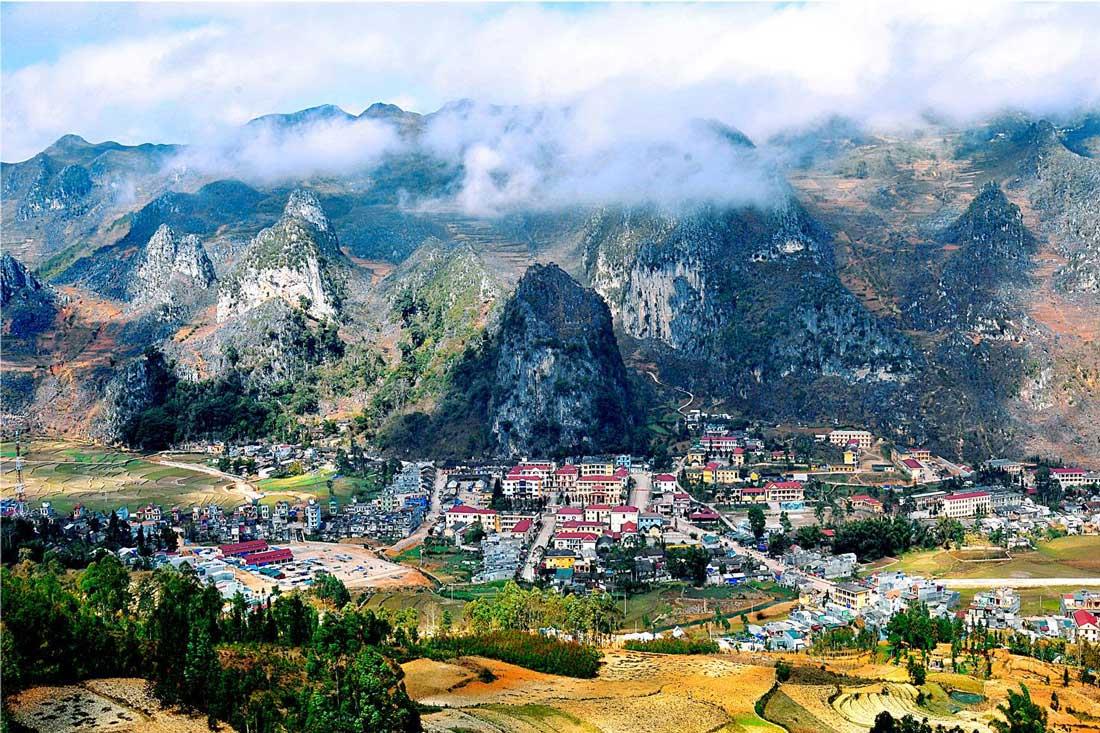
Head to Dong Van and Meo Vac. This is the peak of the Buckwheat flowers. The local Hmong people use these flowers for food and wine, and the pink-purple fields against the gray karst mountains are stunning.
If you visit in March – April:
Focus on the Nho Que River. During the dry spring months, the water is a vivid emerald green. It is the best time for kayaking through the Tu San Canyon because the water levels are stable and the sky is blue.
Safety Tips for Ha Giang Weather
Navigating the Ha Giang loop Vietnam requires respect for the elements.
- Check the Forecast: Always check the Ha Giang weather forecast 24 hours before heading out.
- Avoid Night Riding: Regardless of the season, mountain fog can roll in at 4 PM, reducing visibility to zero.
- Rain Gear: Even in the “dry” season, mountain showers happen. Always carry a high-quality raincoat.
- Footwear: Slippery rocks are common. Bring boots with excellent grip.
Why Choose Vietnam Tour 247 for Your Ha Giang Trip?
Planning around the Ha Giang weather can be stressful. Is it going to rain? Will the pass be blocked by fog? When you book with Vietnam Tour 247, we take the guesswork out of your adventure.
- Seasoned Experts: We know exactly which path to take when the Ha Giang weather by month shifts.
- Safety First: Our “Easy Riders” are trained to navigate the loop in all weather conditions, ensuring you stay safe while enjoying the view.
- Permits & Logistics: We handle all the “Border Entry Permits” and mountain homestay bookings so you can focus on the scenery.
Contact Vietnam Tour 247 for Booking
- Website: Vietnamtour247
- Hotline: (+84) 979133907
- WhatsApp: (+84) 916289247
- Email: sales@vietnamtour247.com
- Vietnam: 128 Ngoc Tri St, Long Bien District, Hanoi
Conclusion about Ha Giang weather forecast
The best time to visit Ha Giang Vietnam depends on what you want to see. For golden rice and perfect riding conditions, September and October are unbeatable. For floral beauty and cultural festivals, February and March are the winners. No matter when you choose to go, the Ha Giang weather will provide a backdrop of raw, majestic beauty that you won’t find anywhere else in the world.
FAQs about Ha Giang weather
1. Can I do the Ha Giang Loop in the rainy season (June-August)?
Yes, but it is challenging. You should have an experienced driver (Easy Rider) as the roads can be slippery and landslides are possible. However, the greenery is stunningly beautiful during this time.
2. Is Ha Giang weather too cold in the winter?
It can be. Temperatures can drop to 3°C – 5°C. If you choose to go in December or January, ensure your tour provider (like Vietnam Tour 247) provides warm gear and homestays with heating or thick blankets.
3. When is the Buckwheat Flower Festival?
It usually takes place in late October or early November. The exact dates change yearly depending on the bloom, so check the Ha Giang weather forecast and local news before booking.
4. What is the “Water Pouring Season”?
This occurs in May and June. Farmers channel water from the mountains into the terraces to prepare for planting. The fields look like giant mirrors reflecting the sky.
5. How far in advance should I book my tour?
For the peak seasons (September, October, and Lunar New Year), we recommend booking your Vietnam Tour 247 at least 1-2 months in advance as the best homestays fill up quickly!