Cambodia is a fascinating destination known for its ancient temples, rich culture, and unique cuisine. This Cambodia travel guide is perfect whether you are planning your first trip or looking for new travel inspiration. Explore the following guide with Vietnamtour 247 to find out how to get there, what not to miss, suggested itineraries, and nearby attractions for a fuller travel experience.
Cambodia Travel Guide Overview
Located in Southeast Asia, Cambodia sits between Thailand, Vietnam, and Laos, making it an easy add-on destination for regional travel. The country is best known for its ancient temples, rich Khmer heritage, and a slower, more authentic travel experience compared to its neighbors.
At the heart of Cambodia’s identity is its deep-rooted Khmer culture, influenced by centuries of history, religion, and tradition. From ornate temple architecture to traditional dance performances and warm local hospitality, Cambodia offers a cultural experience that feels both timeless and immersive—something often highlighted in any Cambodia travel guide.
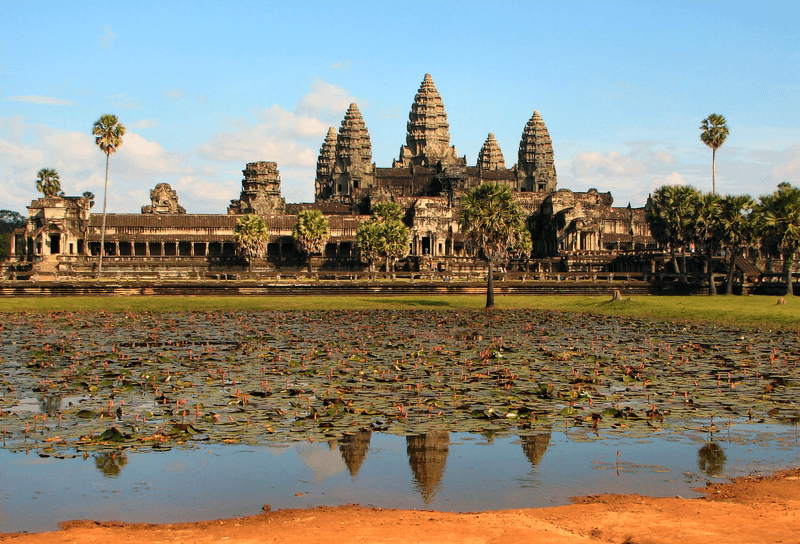
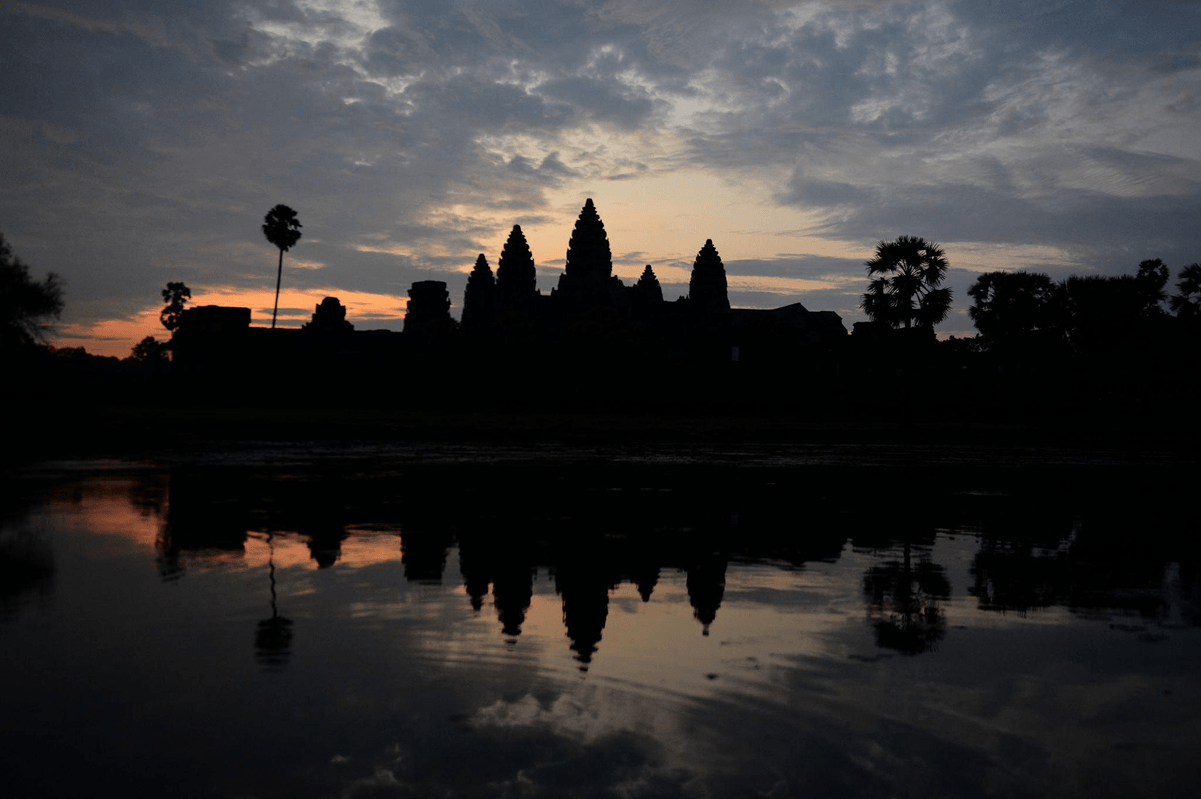
No Cambodia travel guide would be complete without mentioning Angkor Wat—the largest religious monument in the world and a UNESCO-listed masterpiece. Located in Siem Reap, this iconic temple complex draws travelers from around the globe with its breathtaking sunrise views and intricate carvings that date back to the Khmer Empire.
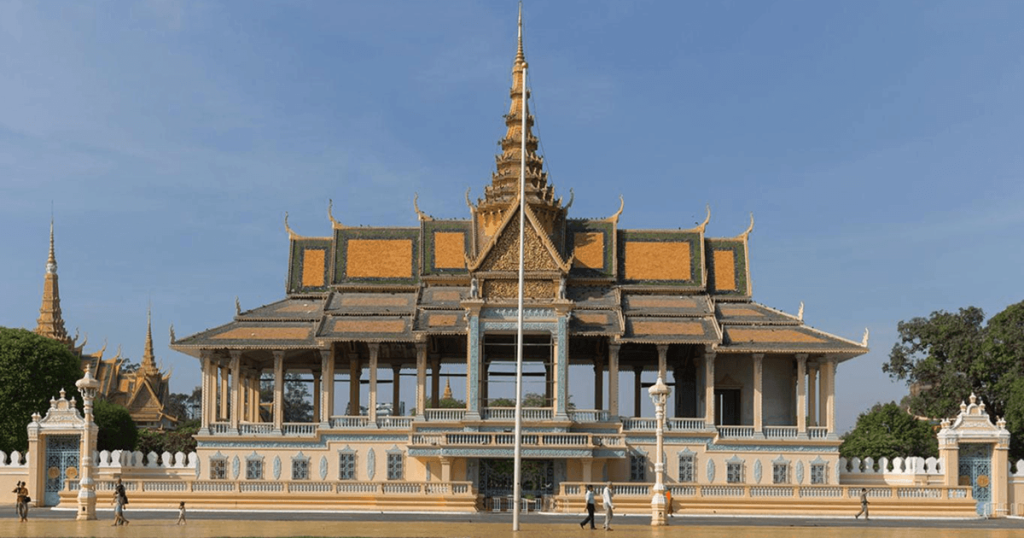
Beyond Siem Reap, the capital city Phnom Penh offers a different perspective. Here, you can explore royal landmarks like the Royal Palace, learn about the country’s history, and experience Cambodia’s growing urban energy.
For those seeking relaxation, Cambodia also features beautiful coastal destinations and islands, while its countryside showcases peaceful rice fields and traditional village life-perfect for travelers who want to slow down and connect with nature.
Overall, Cambodia is a destination that blends history, culture, and natural beauty, making it ideal for first-time visitors, culture lovers, and anyone looking to explore Southeast Asia beyond the usual routes.
How to Travel from Vietnam to Cambodia
Traveling from Ho Chi Minh City to Cambodia is relatively easy, with several convenient options depending on your budget and travel style. Below is a breakdown to help you plan efficiently, especially if you’re following a detailed Cambodia travel guide.
By Bus (Ho Chi Minh City – Phnom Penh / Siem Reap)
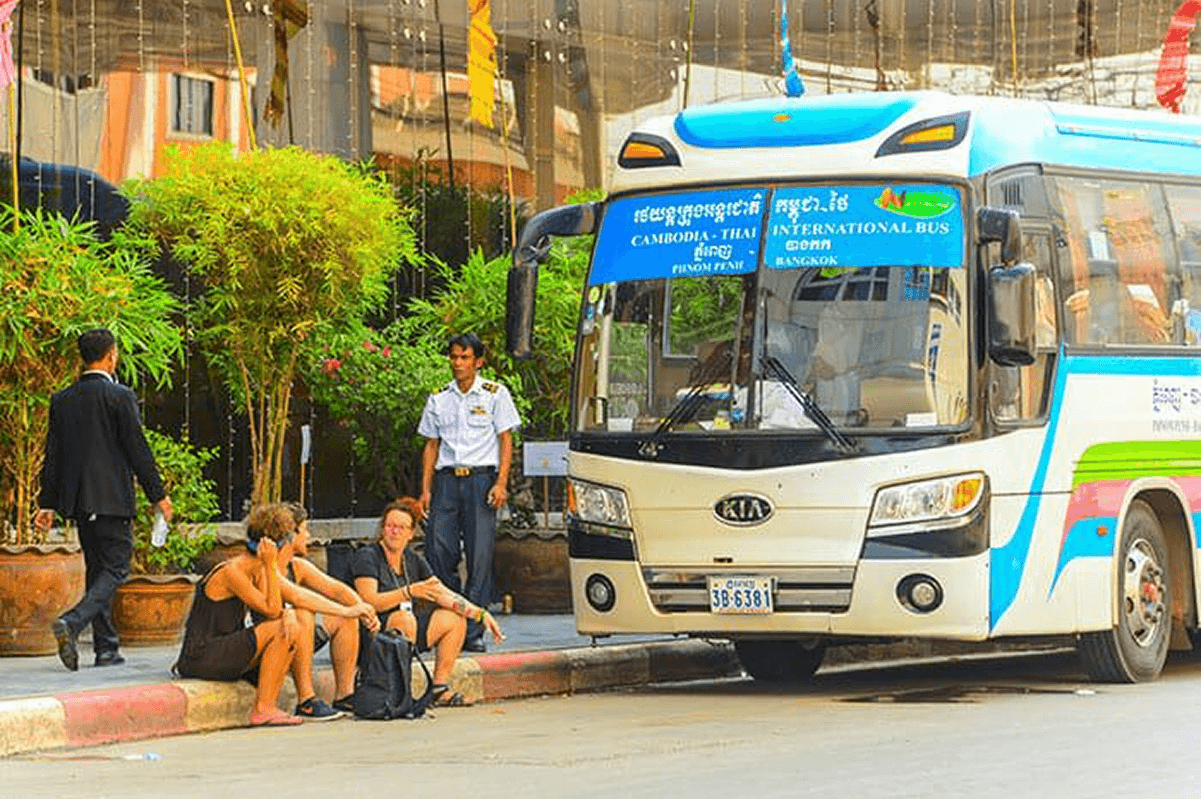
This is the most popular and budget-friendly way to travel. It’s especially suitable for travelers who want a simple, direct route without spending too much, while still enjoying a bit of the overland journey between Ho Chi Minh City and Cambodia. Many buses are comfortable, with air-conditioning and reclining or sleeper seats for longer trips.
- Routes:
- Ho Chi Minh City → Phnom Penh
- Ho Chi Minh City → Siem Reap
- Duration:
- To Phnom Penh: ~6–7 hours
- To Siem Reap: ~10–12 hours
- Cost: ~15–30 USD
- Notes:
- Most buses pass through Moc Bai Border Gate and Bavet Border Gate
- Sleeper buses are available for longer routes
- Some companies assist with visa procedures at the border
Best for: budget travelers and those who want a straightforward, no-fuss journey
By Flight
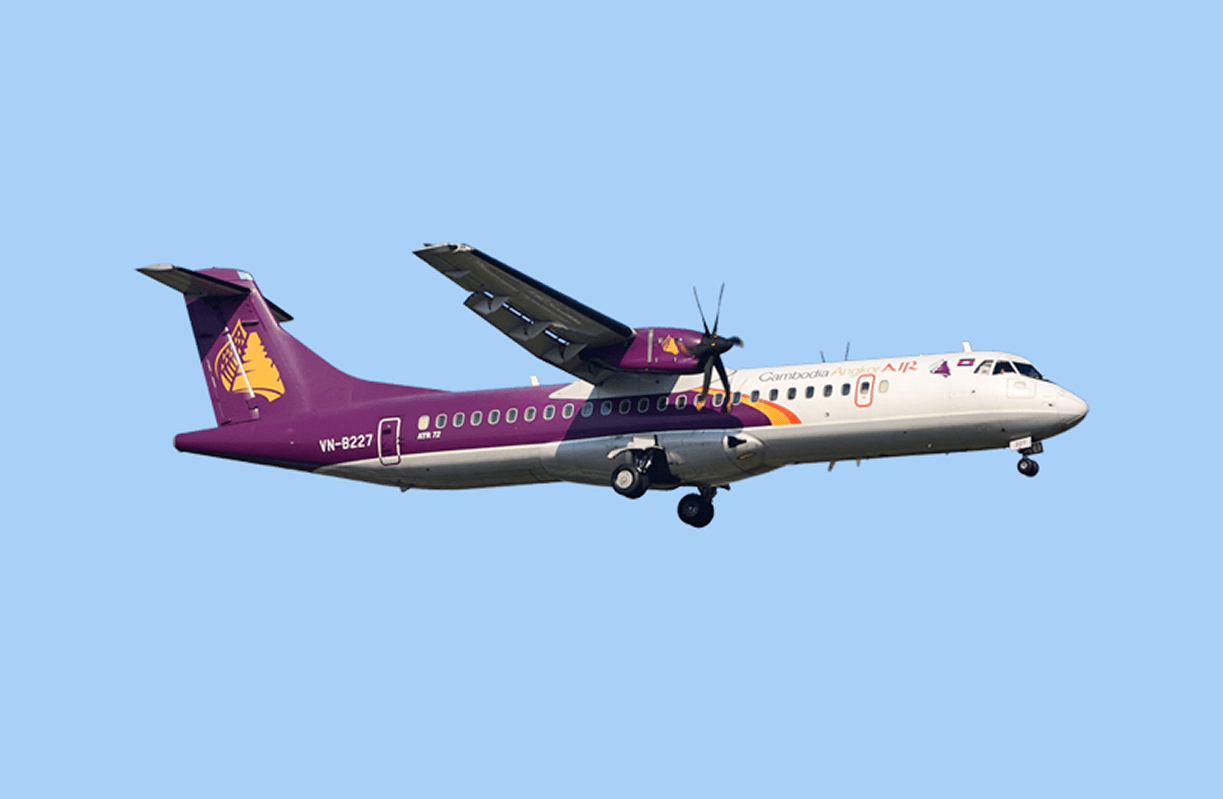
Flying is the fastest and most comfortable option. As recommended in this Cambodia travel guide, it’s ideal if you want to save time and avoid long travel hours, especially if you’re on a tight schedule or combining multiple destinations in your itinerary. With frequent connections between major cities, flying makes cross-border travel much more convenient.
- Main routes:
- Ho Chi Minh City → Phnom Penh
- Ho Chi Minh City → Siem Reap
- Duration: ~1 hour
- Cost: ~80–200 USD (depending on season and booking time)
- Airlines: Vietnam Airlines, Cambodia Angkor Air, and low-cost carriers
Best for: travelers with limited time or those prioritizing comfort
By Land Border Crossing
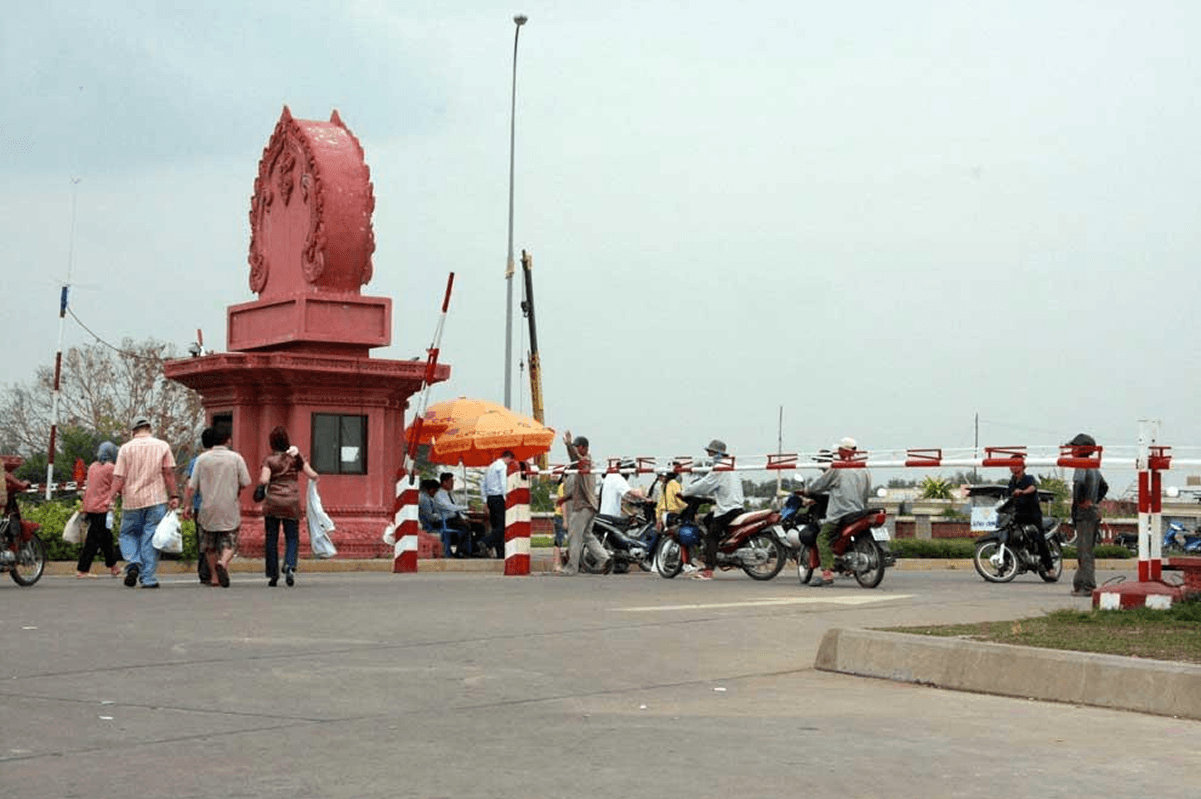
If you prefer flexibility or are traveling independently, crossing the border by land is a practical option. As suggested in this Cambodia travel guide, it gives you more control over your schedule and allows you to feel a bit more adventurous compared to flying or taking a direct bus.
The most commonly used route is via Moc Bai Border Gate in Tây Ninh on the Vietnam side, connected to Bavet Border Gate. This is the main gateway between southern Vietnam and Cambodia, especially for travelers heading to Phnom Penh.
The process is relatively straightforward. You can take a bus or motorbike to the border, go through exit procedures on the Vietnam side, then complete entry formalities on the Cambodia side. After that, you continue your journey using local transport such as taxis, tuk-tuks, or buses.
It’s important to come prepared. Many nationalities can get a visa on arrival, but you should bring USD cash and passport photos to make the process quicker and smoother.
Overall, this option is best suited for backpackers or experienced travelers who enjoy flexibility and don’t mind handling the logistics themselves.
Travel Time & Estimated Costs
| Transport Method | Duration | Cost (USD) |
| Bus | 6–12 hrs | 15–30 |
| Flight | ~1 hr | 80–200 |
| Land Crossing | Flexible | 20–50 |
Choosing the right option depends on your travel style: bus for budget, flight for speed, or land crossing for flexibility and adventure.
Best Time to Visit Cambodia
Planning your trip at the right time can make a big difference in your overall experience in Cambodia. With its tropical climate, the country stays warm throughout the year, but the landscape, crowd levels, and travel conditions change significantly between seasons. Whether you’re visiting ancient temples, exploring cities like Phnom Penh, or relaxing in Siem Reap, understanding the seasonal patterns will help you choose the best time for your travel style.
In this Cambodia travel guide, here’s a breakdown of when to visit based on weather, budget, and travel goals.
Dry Season (November – April): Best Overall Time
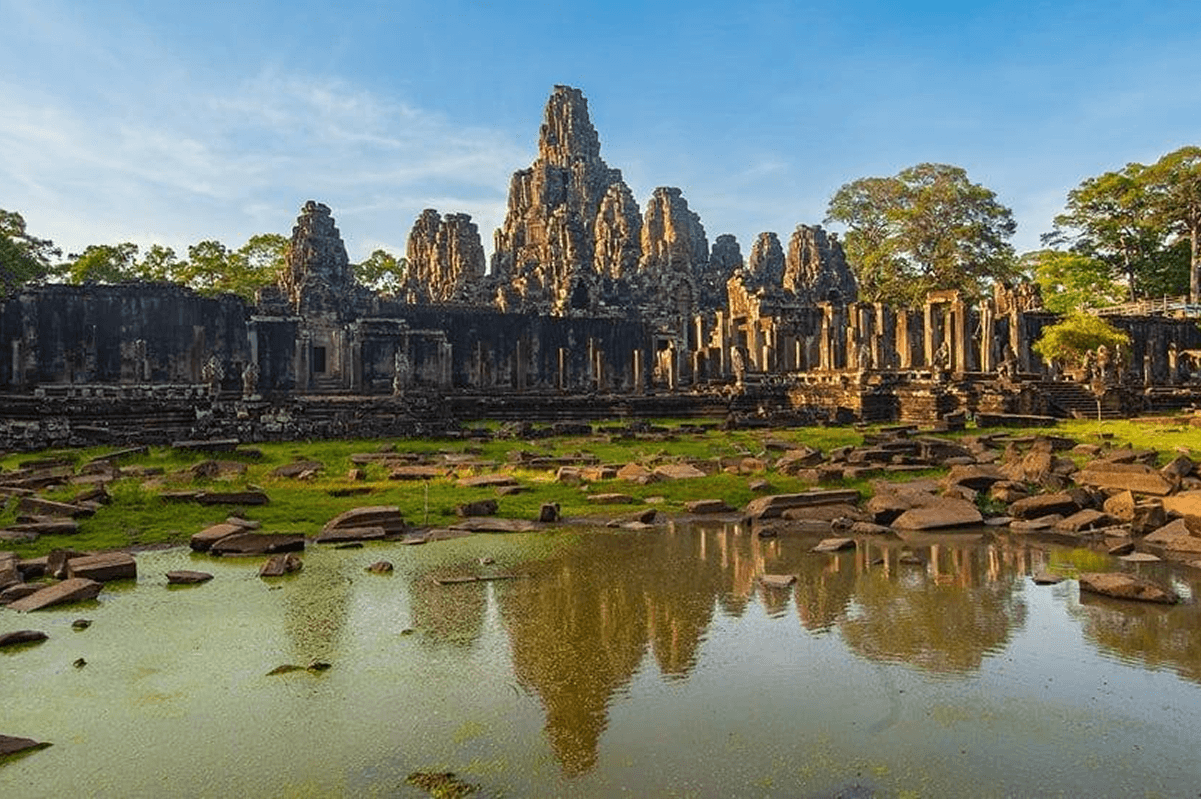
The dry season is widely considered the best time to visit Cambodia, especially if it’s your first trip.
- Weather: Sunny, low rainfall, more comfortable humidity
- Temperature: ~25–32°C (cooler from Nov–Feb, hotter toward April)
- Best for: sightseeing, temple hopping, outdoor exploration
This is the perfect time to explore iconic sites like Angkor Wat, where clear skies make sunrise and sunset views especially stunning. Roads are also easier to travel, and most tours run smoothly without weather disruptions.
Keep in mind: this is peak tourist season, so expect higher prices and more crowds, particularly from December to February.
Rainy Season (May – October): Fewer Crowds, Lush Beauty
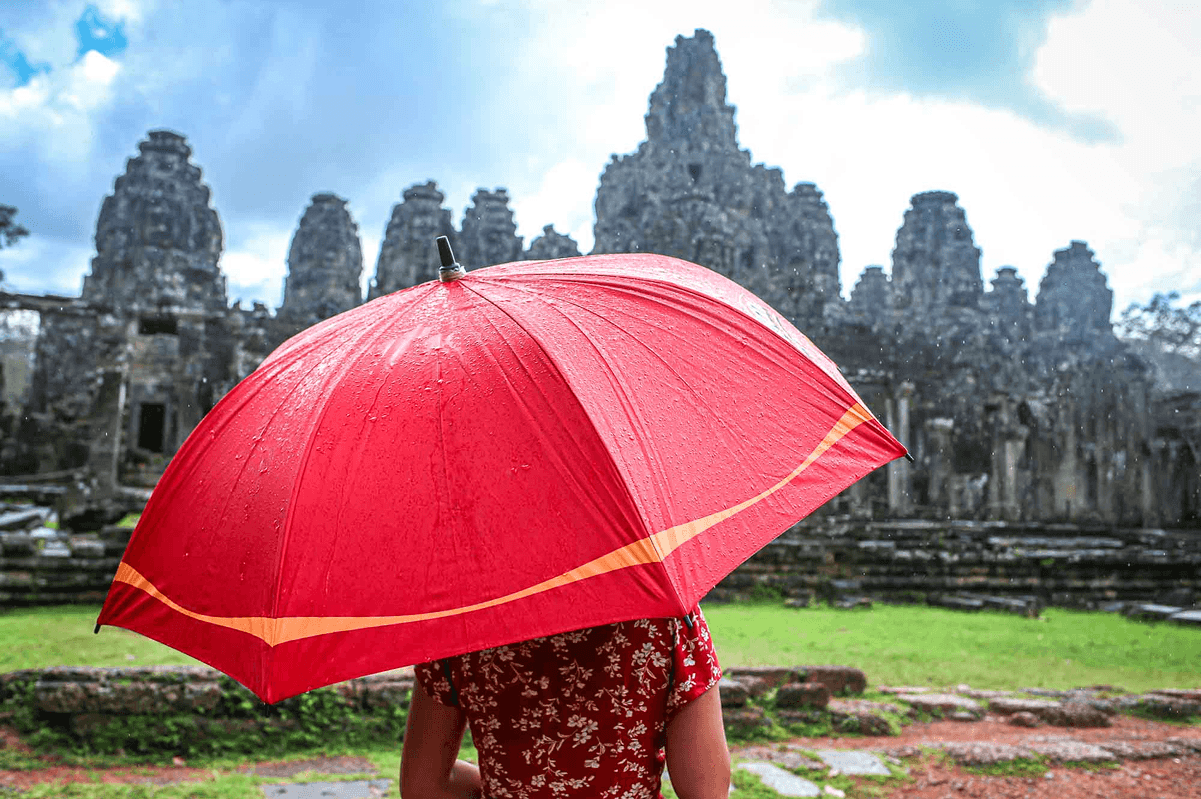
The rainy season offers a completely different but equally rewarding experience.
- Weather: Tropical showers (usually short and predictable)
- Landscape: Lush, green, and full of life
- Best for: photography, relaxed travel, budget trips
Temples like Angkor Wat become quieter and more atmospheric, often surrounded by reflective pools after rain—ideal for unique photos. The countryside is also at its most beautiful, with rice fields turning vibrant green.
Downsides include higher humidity, occasional flooding, and slightly less convenient transportation in rural areas.
Best Time Based on Your Travel Goals
- First-time visitors: November – February (cooler weather, easiest conditions)
- Photography lovers: May – June or early rainy season (dramatic skies & reflections)
- Beach and island trips: December – April (calm seas, sunny days)
- Budget travelers: May – October (lower prices, fewer tourists)
- Avoid intense heat: March – April can be extremely hot, especially midday
Overall, there’s no single “perfect” time for everyone. The best choice depends on whether you prioritize ideal weather and convenience or fewer crowds and scenic landscapes. Either way, Cambodia offers a memorable experience year-round—as highlighted in any Cambodia travel guide, it’s just about choosing the version of the country you want to see.
Top Destinations in Cambodia
Siem Reap & Angkor Wat
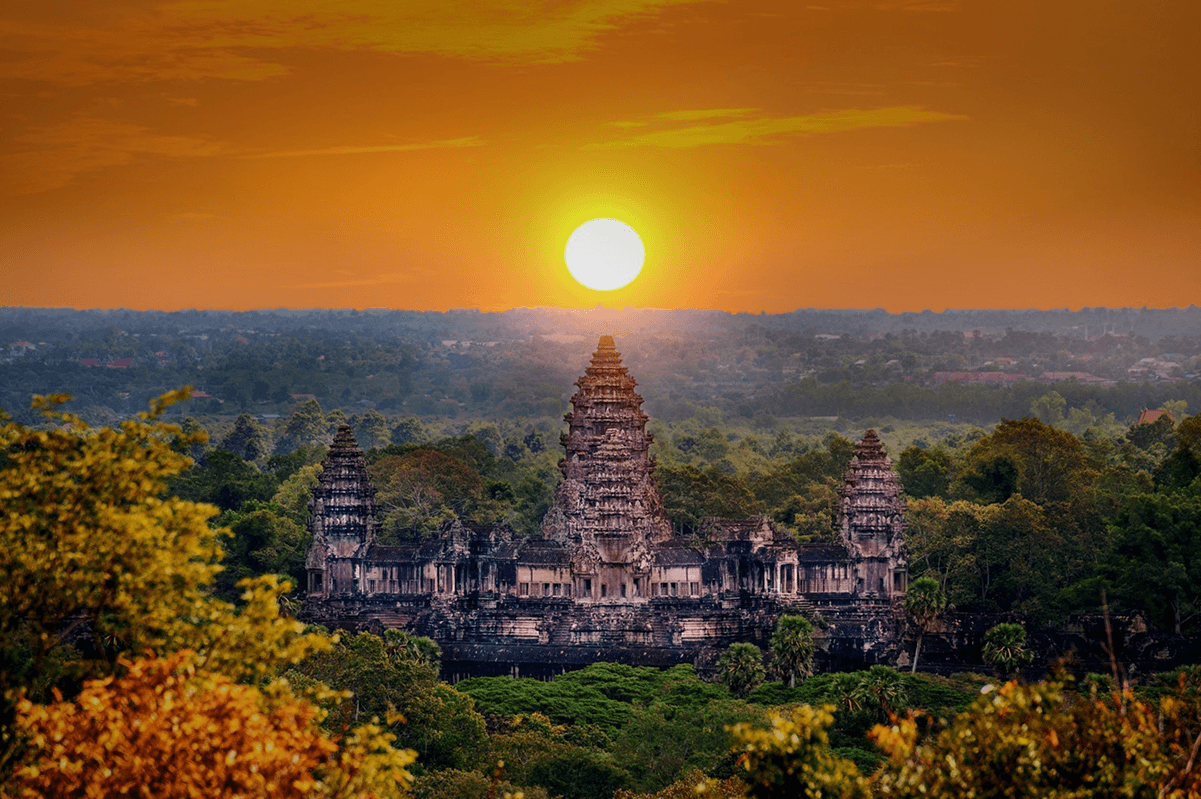
Siem Reap is the gateway to the legendary Angkor Wat—the highlight of any Cambodia trip. As featured in this Cambodia travel guide, start your day early to catch the iconic sunrise over Angkor Wat, then continue exploring nearby temples like Bayon Temple and Ta Prohm, famous for its giant tree roots.
Beyond temples, Siem Reap offers plenty of experiences. You can visit floating villages on Tonlé Sap Lake, enjoy a traditional Apsara dance show, or simply unwind at the lively Pub Street at night. It’s a perfect mix of history, culture, and nightlife in one destination.
Phnom Penh
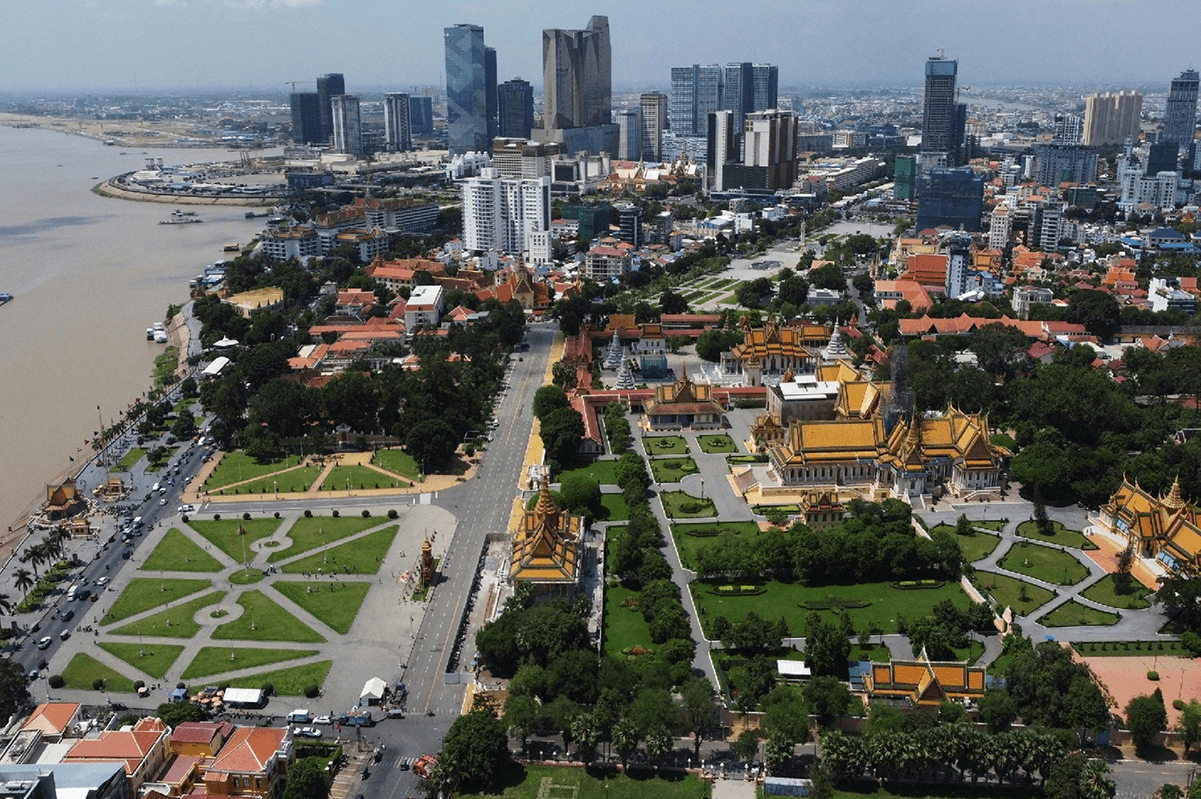
Phnom Penh is Cambodia’s vibrant capital, where modern life meets deep history. Start with a visit to the Royal Palace and Silver Pagoda to admire traditional Khmer architecture, then explore historical sites like the Tuol Sleng Genocide Museum to understand Cambodia’s past.
In the evening, head to the riverside area along the Mekong River, where you’ll find cafes, restaurants, and local markets. Phnom Penh is ideal for travelers who want to dive deeper into the country’s culture, history, and urban energy.
Sihanoukville & Islands (Koh Rong, Koh Rong Samloem)
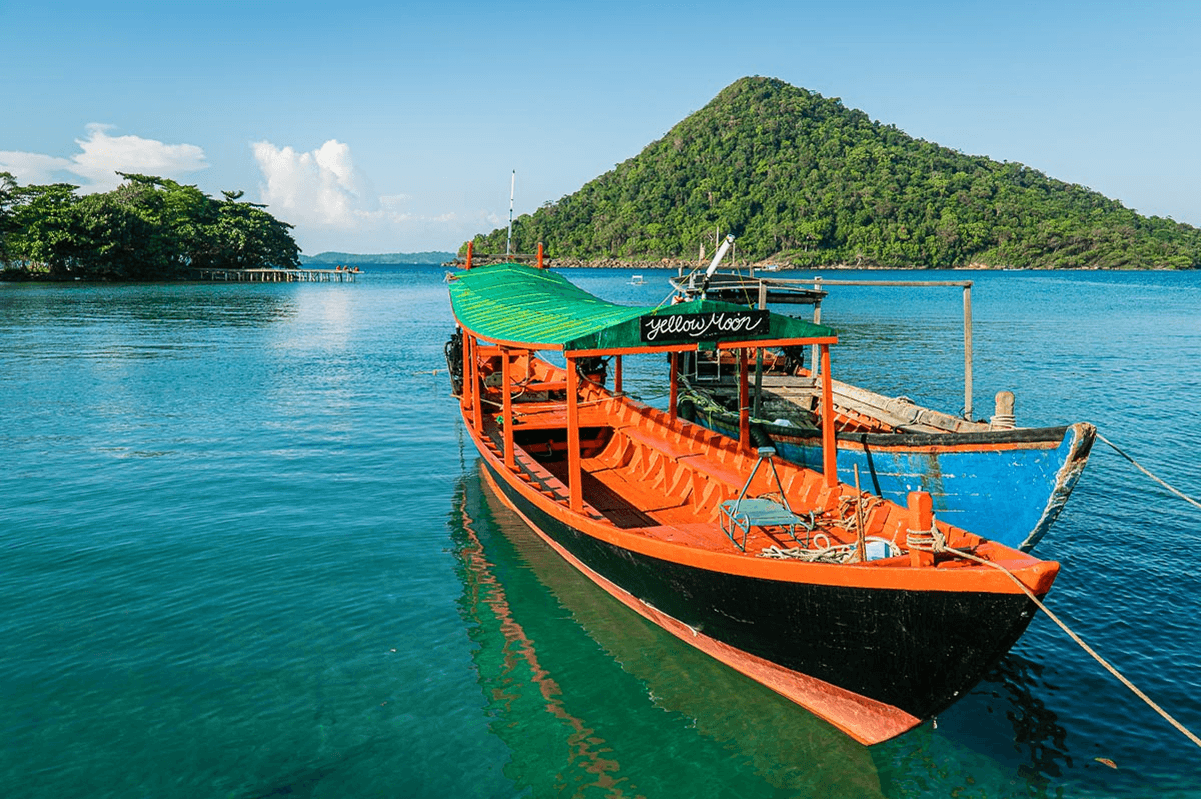
If you’re looking for beaches, Sihanoukville is the main gateway to Cambodia’s islands. As highlighted in this Cambodia travel guide, from here, take a boat to Koh Rong or Koh Rong Samloem for crystal-clear water, white sand beaches, and a laid-back vibe.
Popular activities include snorkeling, kayaking, beach hopping, and watching glowing bioluminescent plankton at night—one of the most unique experiences in Cambodia. Whether you want lively beach parties or quiet relaxation, these islands offer both.
Battambang
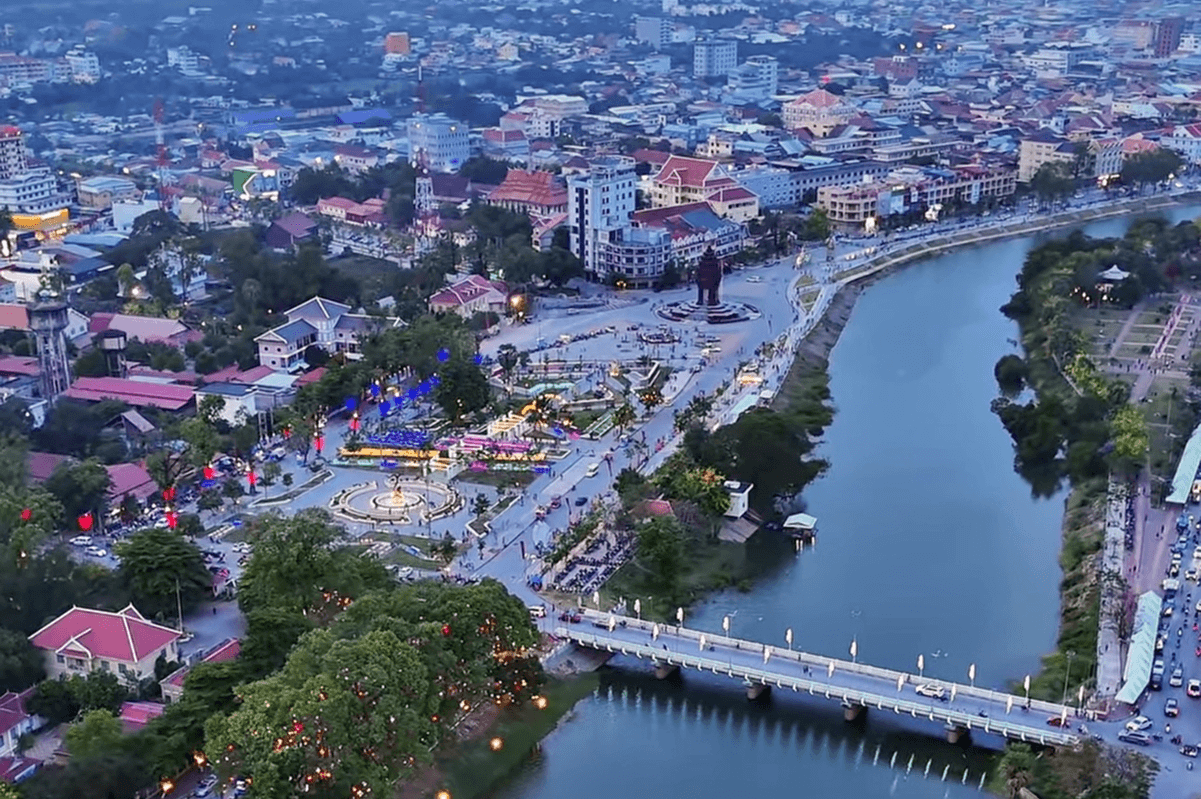
Battambang is a charming and less touristy destination known for its countryside and local life. One of the must-try experiences is the famous bamboo train (Norry), where you ride a simple platform through scenic rural landscapes.
You can also explore nearby attractions like Phnom Sampeau, visit traditional villages, or cycle through rice fields to see authentic Cambodian life. Battambang is perfect for travelers who prefer a slower pace and a more local, off-the-beaten-path experience.
Cambodia Food Guide – What to Eat
Cambodian cuisine may look simple at first glance, but once you try it, you’ll notice a very distinct character. Unlike Thai food (spicy) or Vietnamese food (fresh and light), Khmer cuisine is often mild, slightly sweet, a bit creamy, and very aromatic thanks to ingredients like lemongrass, kaffir lime, turmeric, and coconut milk. Flavors are usually balanced rather than intense, making it easy for most travelers to enjoy. In this Cambodia travel guide, here are the must-try dishes and what they actually taste like.
Amok – Creamy, Fragrant, and Delicate
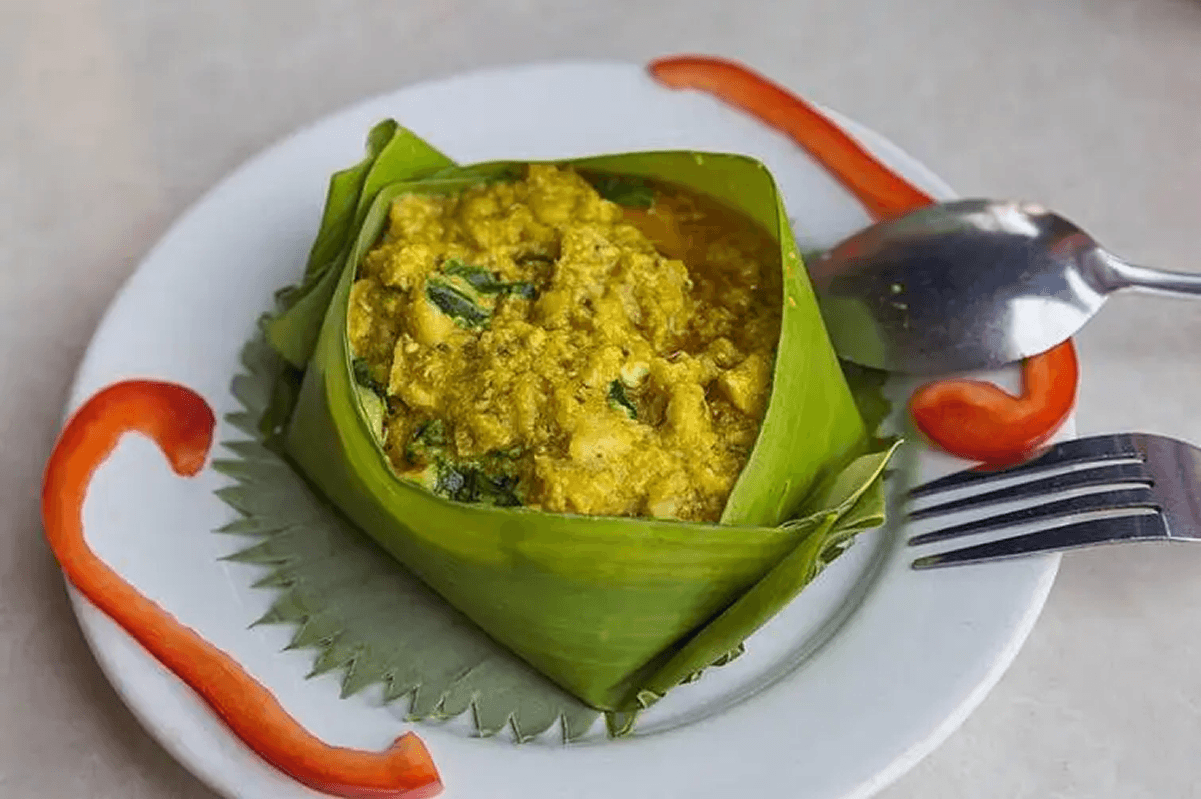
Fish Amok is often described as the “national dish” of Cambodia, and it’s a great introduction to Khmer flavors. As featured in this Cambodia travel guide, the texture is soft and creamy—almost like a savory custard—because it’s steamed rather than fried. The taste is rich but not heavy, with coconut milk bringing a gentle sweetness, while lemongrass and spices add a light herbal aroma.
It’s not spicy at all, which surprises many first-time visitors. Instead, it leans toward a smooth, comforting flavor profile that feels refined rather than bold.
Where to eat: You’ll find Amok in most restaurants, but for the best experience, try it in Siem Reap near the Angkor area, where many places serve it in traditional banana leaf bowls. Mid-range Khmer restaurants often have the best balance between authenticity and hygiene.
Lok Lak – Savory, Peppery, and Slightly Tangy
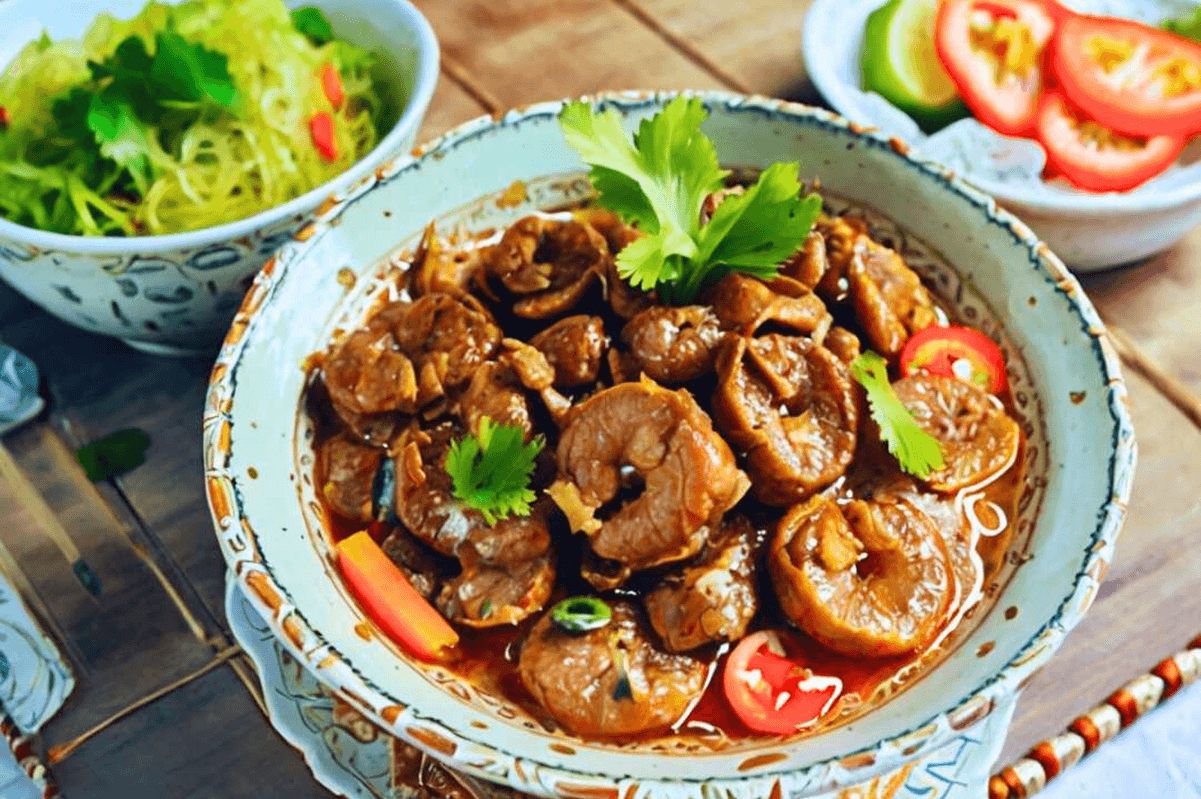
Lok Lak is one of the most popular everyday dishes, especially if you prefer something more familiar. The beef is tender and juicy, cooked in a savory sauce that’s slightly sweet and garlicky. What really defines the dish is the dipping sauce made from lime juice, salt, and Kampot pepper—it adds a fresh, citrusy kick with a subtle heat.
The combination of warm beef, fresh vegetables, and that tangy dip creates a very balanced flavor—rich but not overwhelming.
Where to eat: Lok Lak is widely available across Phnom Penh and Siem Reap, from street-side eateries to modern restaurants. If you want a slightly elevated version, riverside restaurants in Phnom Penh often serve it with better-quality beef.
Khmer Curry – Mild, Coconutty, and Comforting
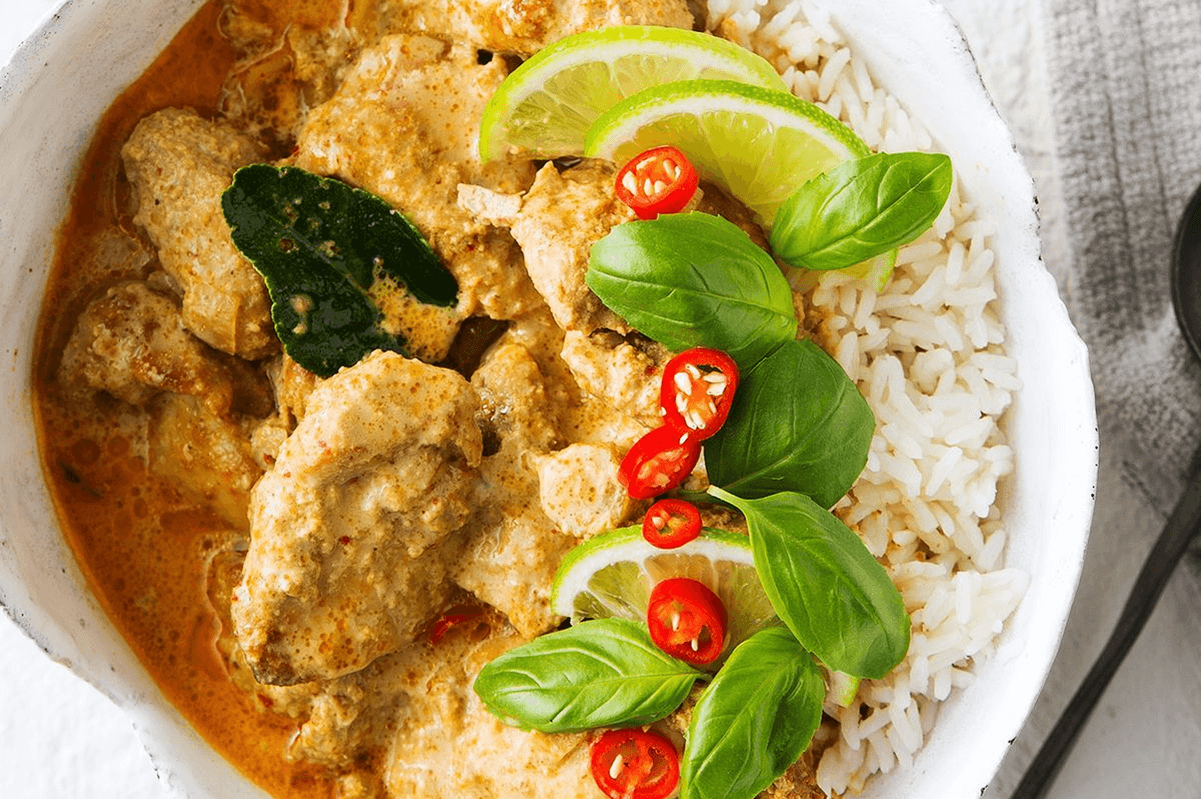
Khmer curry is quite different from other Asian curries. As mentioned in this Cambodia travel guide, it’s much milder, with almost no spiciness. The flavor is creamy, slightly sweet, and gently spiced, with coconut milk as the base. Ingredients like potatoes, carrots, and chicken make it feel hearty and comforting—almost like a stew.
Compared to Thai curry, it’s less intense and more subtle, making it ideal if you don’t like spicy food.
Where to eat: You can find Khmer curry in local restaurants and family-run eateries. It’s also common at traditional meals and festivals. Look for small, local spots rather than tourist-heavy restaurants for a more authentic taste.
Street Food – Bold, Fun, and Local
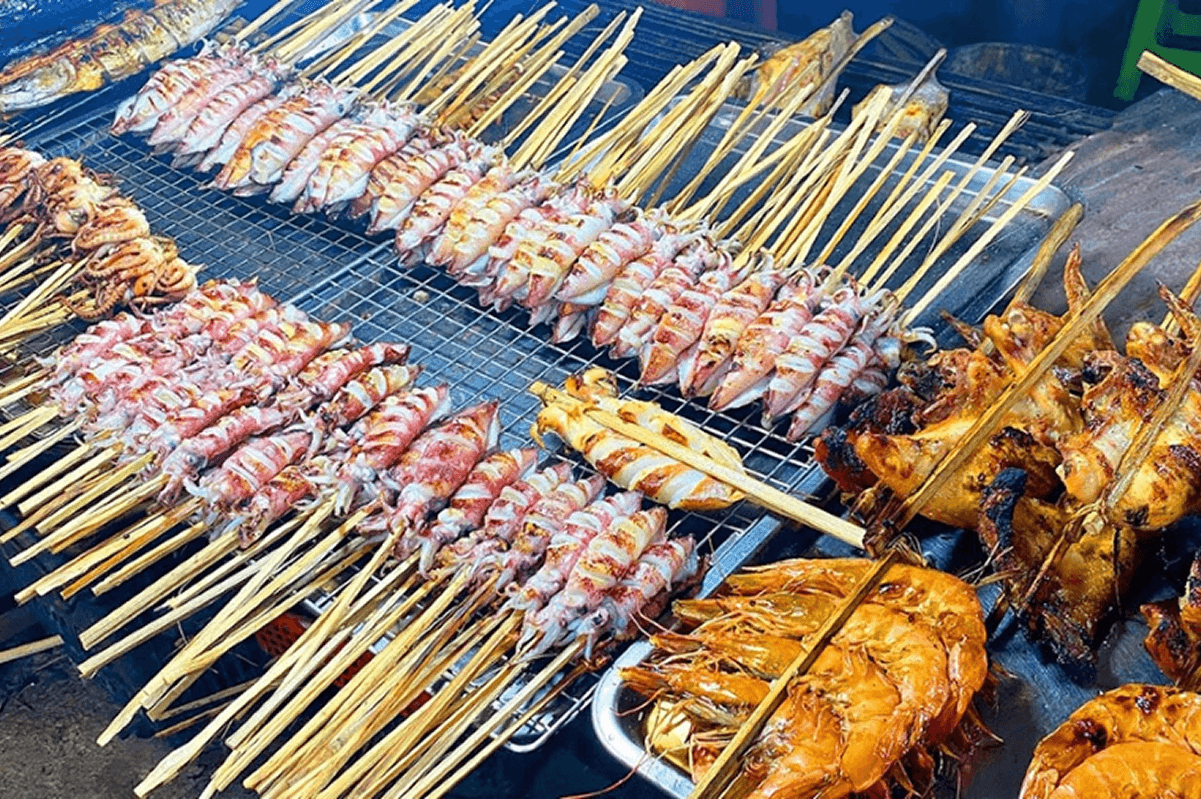
Street food in Cambodia is where flavors become more bold, smoky, and diverse. You’ll find grilled meats on skewers, fried noodles, crispy snacks, and fresh tropical fruits. The taste is often more intense than restaurant dishes—saltier, smokier, sometimes slightly sweet or charred from open grills.
Night markets are the best place to explore, especially if you like trying a variety of dishes in one go.
Where to eat: Head to night markets and street stalls in Phnom Penh or Siem Reap. Busy stalls with lots of locals are usually the safest and tastiest choice.
Tips for Eating in Cambodia
- Expect mild flavors: most dishes are not spicy unless you add chili
- Use local condiments: lime, pepper, and fish sauce enhance flavor
- Choose busy places: high turnover = fresher food
- Carry small cash: especially for street food
- Stay hydrated: the weather is hot, and meals can feel rich
Overall, Cambodian food is less about strong flavors and more about balance, aroma, and comfort. It may not hit you instantly, but the more you eat, the more you’ll appreciate its subtle depth.
Travel Tips for Cambodia
Before traveling to Cambodia, it’s helpful to understand a few practical tips to make your trip smoother. From visa procedures to daily expenses and cultural etiquette, these small details can make a big difference in your overall experience.
Visa & Documents
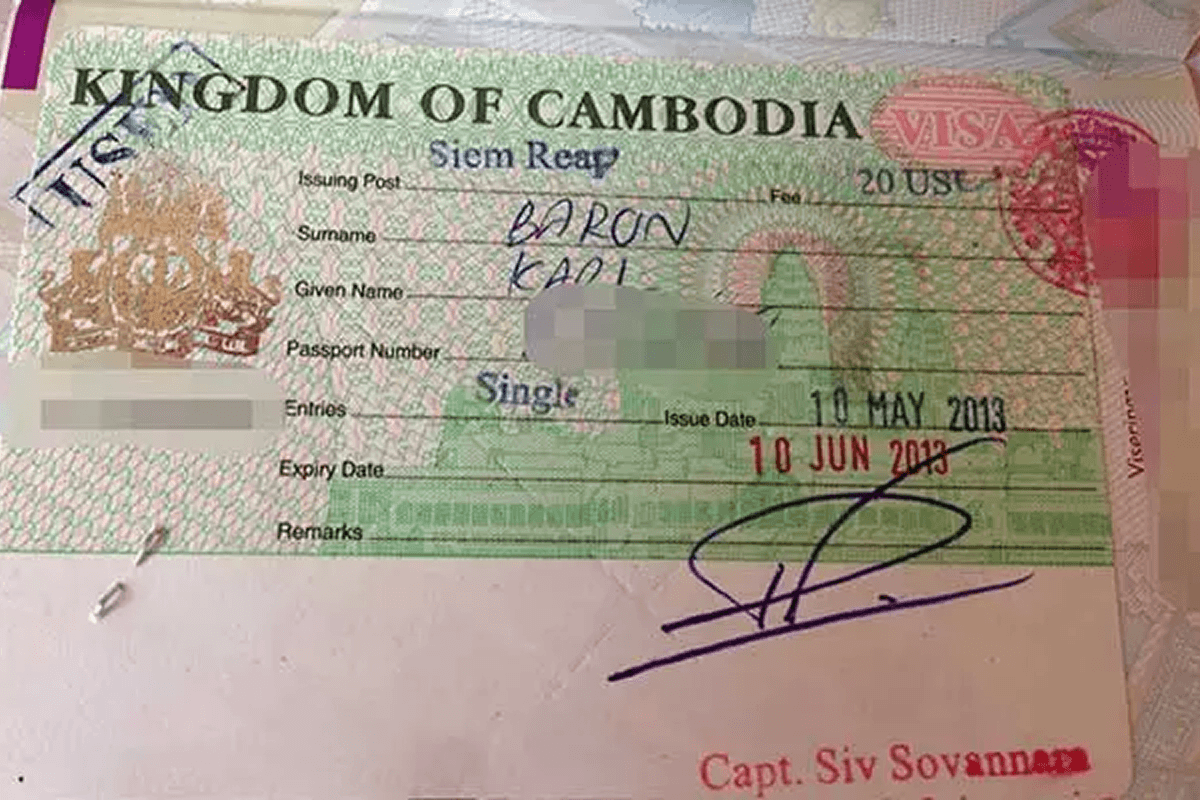
Most travelers can easily enter Cambodia with either a visa on arrival or an e-visa. As noted in this Cambodia travel guide, the visa on arrival is available at international airports and major land borders, and you’ll typically need a passport photo along with USD cash for the fee. If you prefer convenience, applying for an e-visa online before your trip is a straightforward option. Make sure your passport has at least six months of validity remaining. If you’re traveling from Vietnam, border crossings are generally simple and well-organized, especially via routes like Moc Bai Border Gate – Bavet Border Gate.
Currency (USD & Riel)
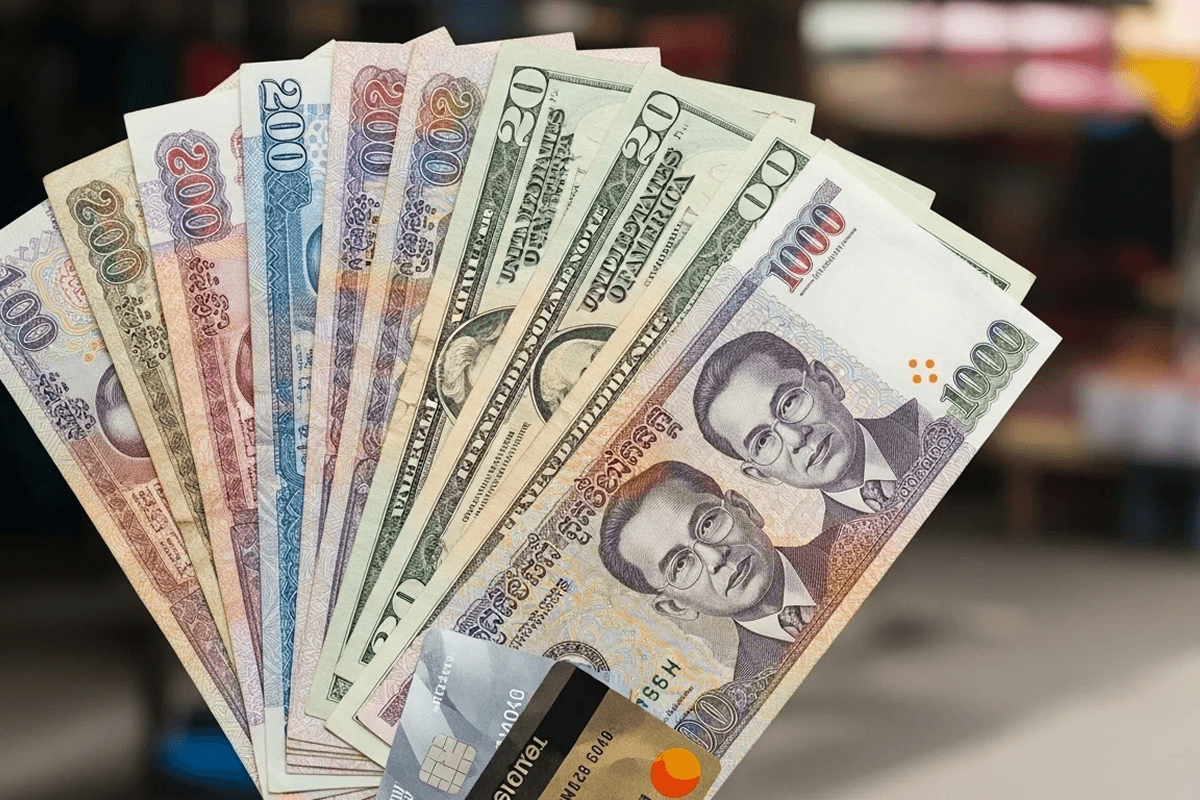
Cambodia uses both US Dollars (USD) and the local currency, Cambodian Riel, in everyday transactions. USD is commonly used for most payments, while Riel is often given as change, especially for small amounts. It’s a good idea to carry small USD notes like $1, $5, or $10 for convenience, and always check your change carefully since you may receive a mix of both currencies. ATMs in cities such as Phnom Penh and Siem Reap usually dispense USD, making it easy to access cash during your trip.
Culture & Etiquette
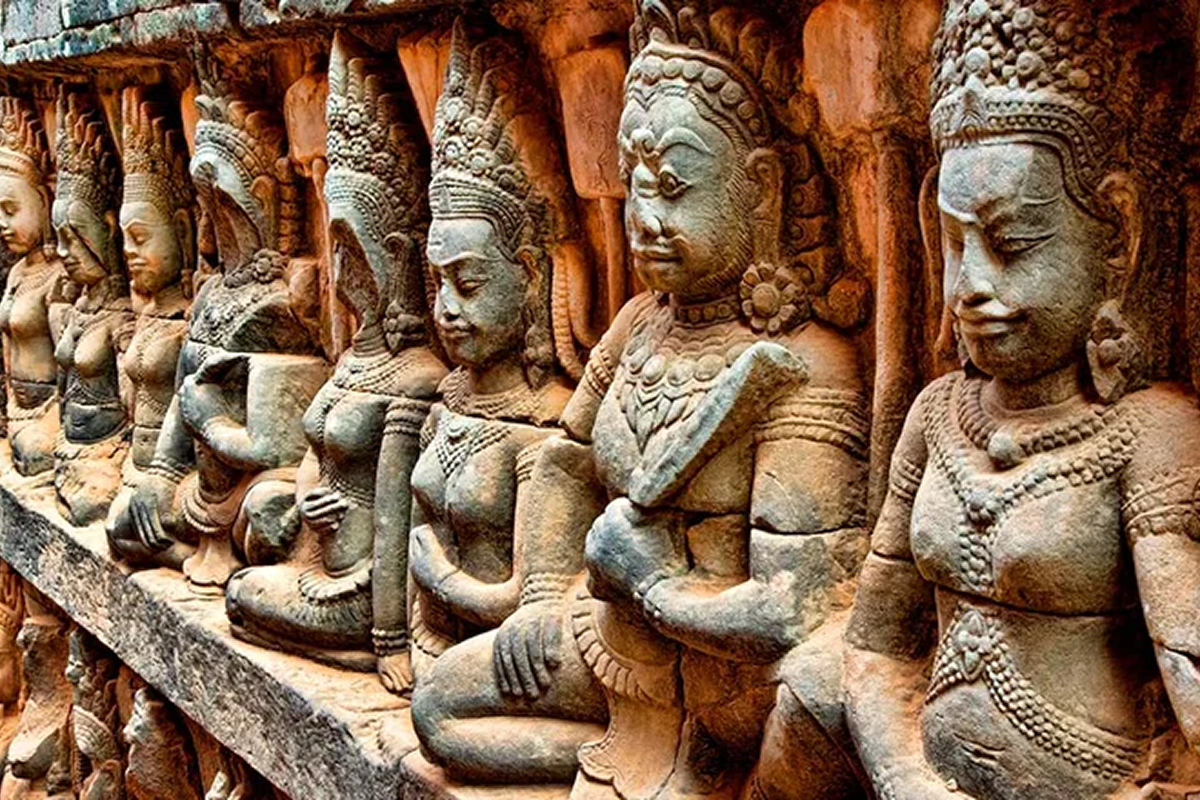
Cambodian culture is strongly influenced by Buddhism, so respectful behavior is highly valued. As emphasized in this Cambodia travel guide, when visiting temples, it’s important to dress modestly by covering your shoulders and knees, and in some places, you’ll need to remove your shoes before entering. Avoid touching people’s heads, as this is considered disrespectful, and try to maintain a calm and polite tone when speaking. These cultural norms are especially important at sacred sites like Angkor Wat, where appropriate dress and behavior are expected.
Safety Tips
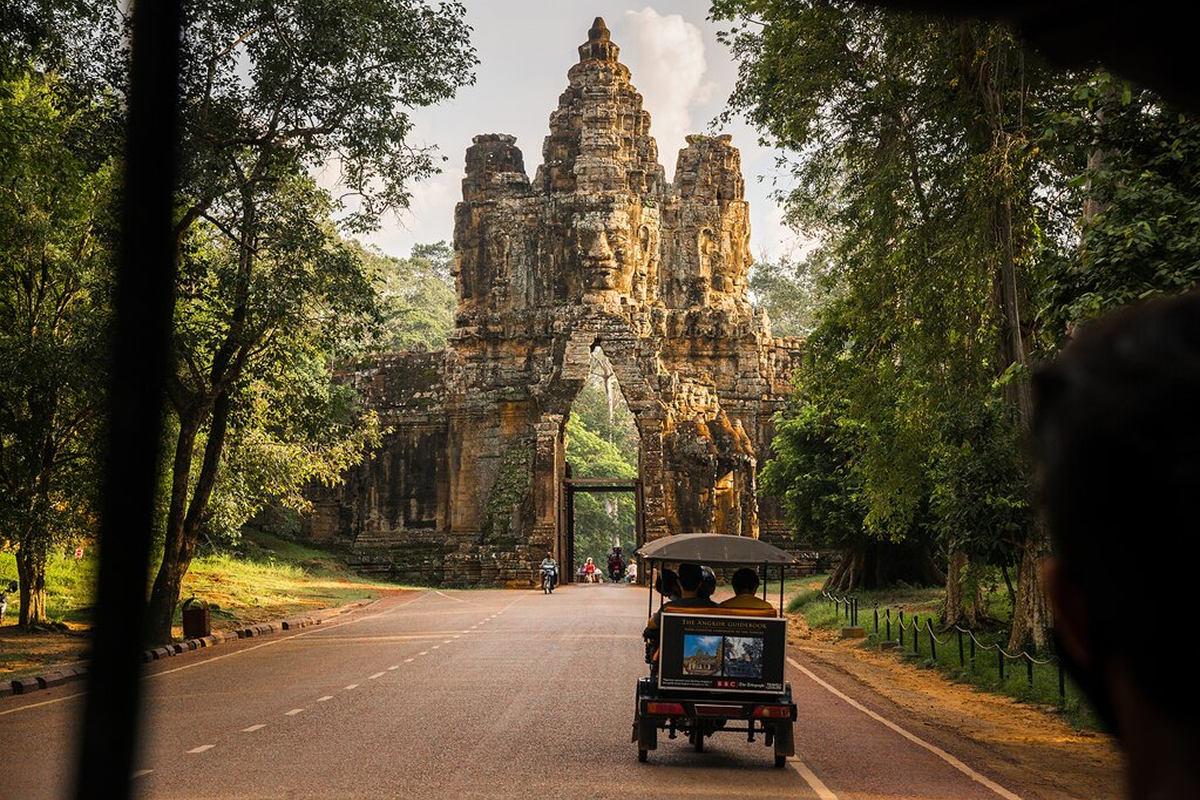
Cambodia is generally a safe destination for travelers, but it’s still important to stay aware of your surroundings. In crowded areas such as markets or nightlife spots, keep an eye on your belongings to avoid pickpocketing. It’s also best to avoid walking alone late at night in quiet or unfamiliar streets. Keep valuables secure, preferably in a hotel safe, and be cautious if you plan to rent a motorbike, especially if you’re not experienced. With basic precautions, you can travel comfortably and safely throughout the country.
SIM Card & Internet
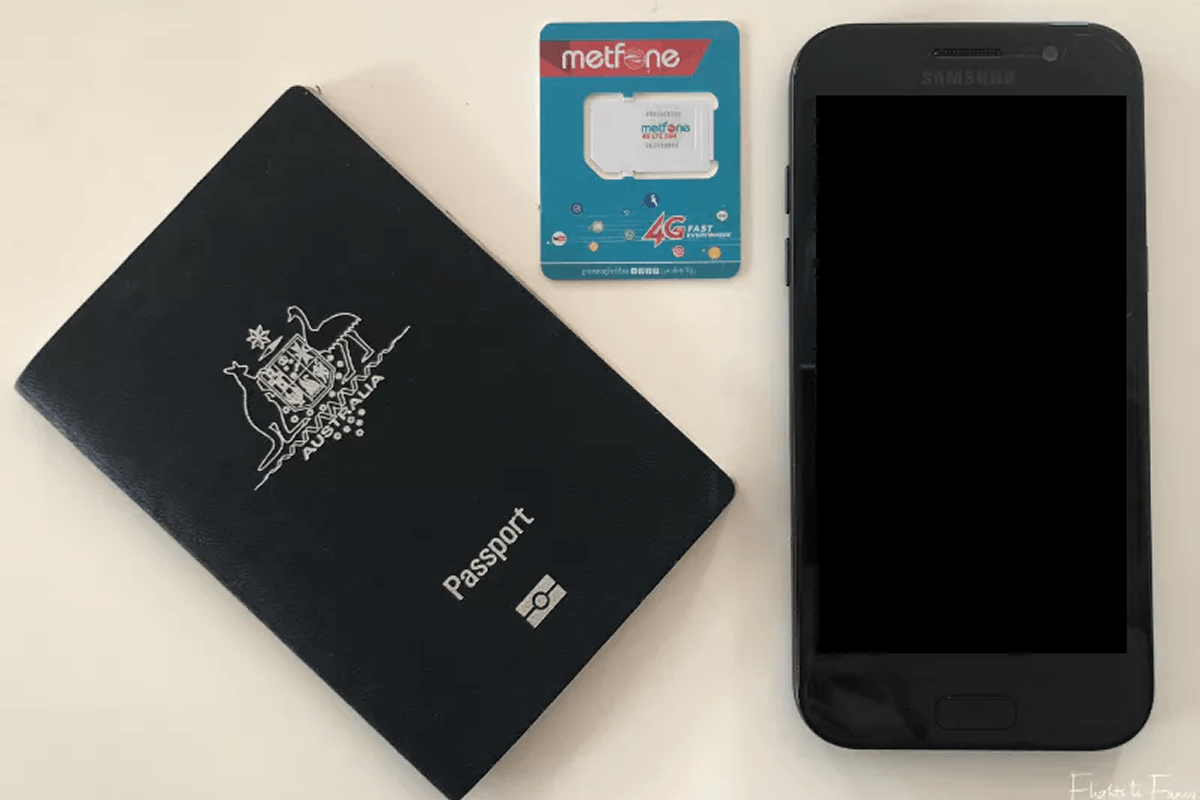
Staying connected in Cambodia is easy and affordable, with SIM cards widely available at airports, convenience stores, and local shops. Popular providers like Smart, Cellcard, and Metfone offer reliable coverage and reasonably priced data packages. For convenience, many travelers choose to buy a SIM card upon arrival in Phnom Penh or Siem Reap, though eSIM options are also a great choice if your device supports them.
Overall, with just a bit of preparation, Cambodia proves to be a very traveler-friendly destination where you can enjoy a smooth, safe, and culturally respectful trip.
Vietnam – Cambodia Tours by Vietnamtour 247
If you’re looking for a complete Southeast Asia experience without spending too many weeks planning, the The Great Signature Vietnam Cambodia 12 Days Tour by Vietnamtour247 is designed exactly for that. This is a 12-day private tour that takes you through Vietnam and Cambodia’s most iconic destinations, combining culture, nature, food, and history into one seamless journey.
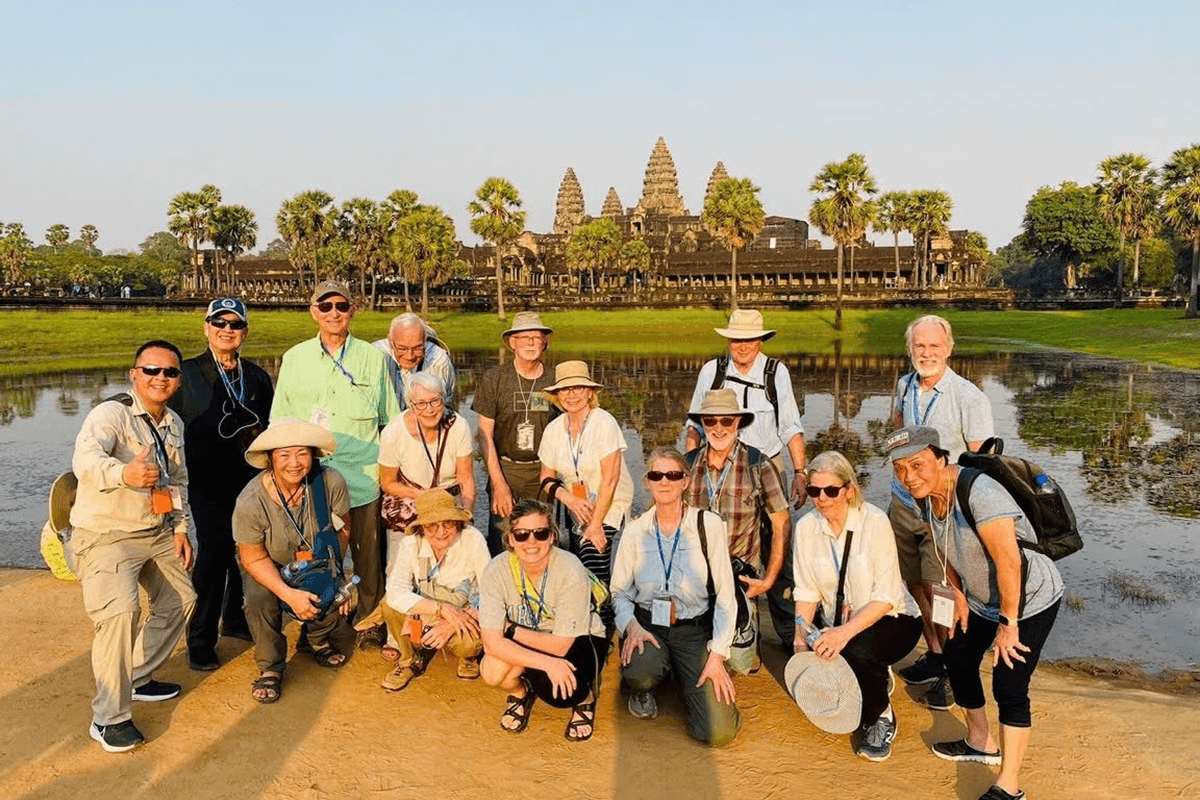
What You’ll Experience on This 12-Day Journey
This tour takes you across multiple destinations, giving you a “best of” experience in both countries:
- Start in Hanoi, where you’ll explore the Old Quarter and enjoy authentic Vietnamese street food
- Cruise through the breathtaking limestone landscapes of Halong Bay
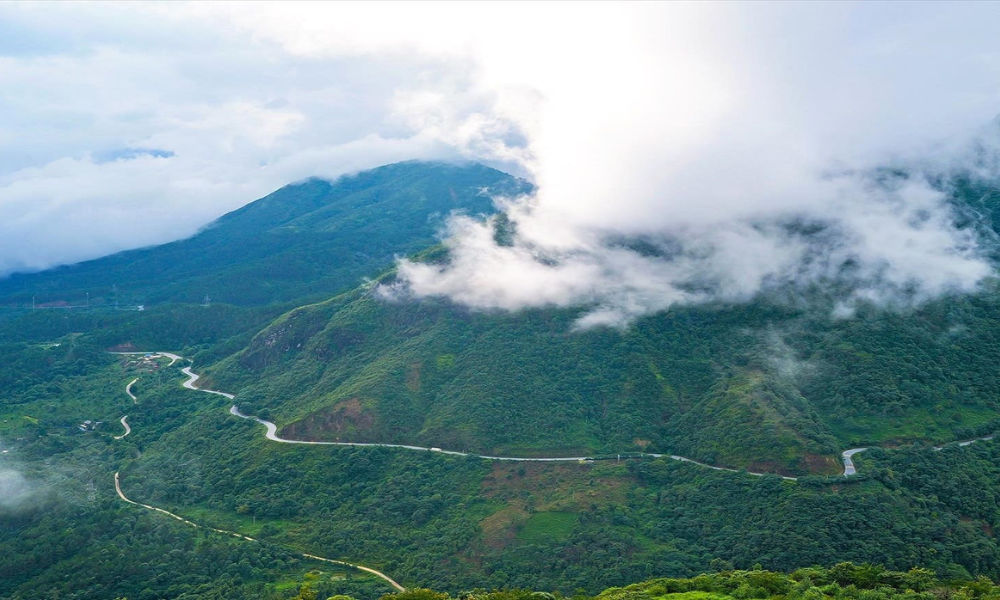
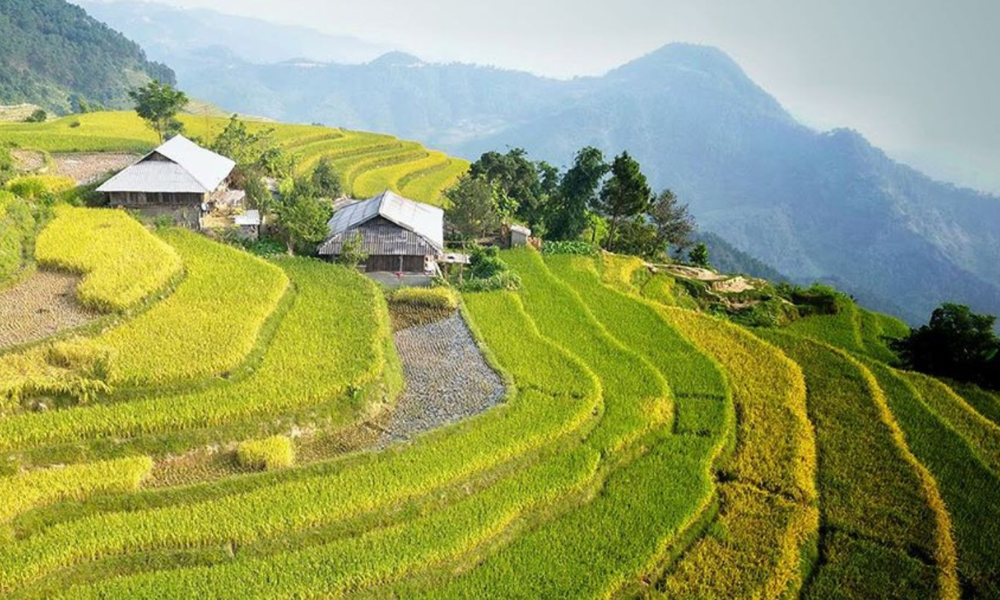
- Trek in Sapa, walking through rice terraces and meeting ethnic minority communities
- Discover the charm of Hoi An with its lantern-lit streets and relaxed vibe
- Experience the energy of Ho Chi Minh City and explore the waterways of the Mekong Delta
- Continue to Cambodia and visit Siem Reap, home to the legendary Angkor Wat
- Cruise on Tonle Sap Lake and experience floating village life
It’s a journey that blends UNESCO sites, local culture, and everyday life experiences—not just sightseeing.
What’s Included in the Tour
When booking this Vietnam Cambodia 12 Days Tour, you’re getting a fully arranged travel experience, including:
- Accommodation: Comfortable hotels throughout the trip
- Flights: Domestic flights to save travel time between regions
- Expert local guides: Knowledgeable, English-speaking guides in each destination
- Meals: Selected local meals and food experiences (especially in Hanoi & Mekong Delta)
- Transport: All transfers, including unique experiences like boat trips and cruises
- Entrance fees: Access to major attractions and sites
- Visa support: Full assistance for both Vietnam and Cambodia
Everything is designed so you don’t have to worry about logistics at all.
Highlights That Make This Tour Stand Out
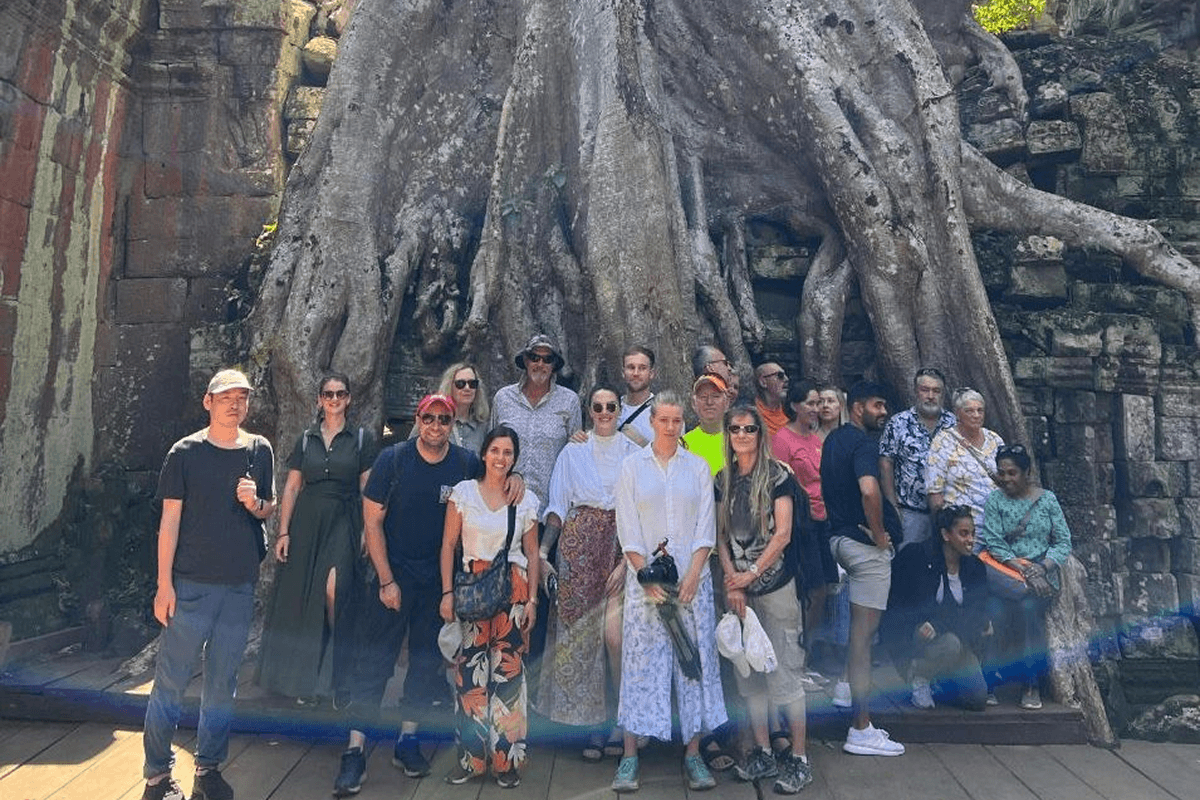
This tour brings together some of the most unforgettable experiences in Southeast Asia in a way that feels both diverse and well-balanced. You’ll cruise through the dramatic limestone landscapes of Halong Bay, then shift to a completely different pace while trekking through the valleys of Sapa, where you can connect with local ethnic communities and see daily life up close.
The journey continues with a deeper cultural touch in Hanoi, where you’ll get to experience authentic Vietnamese cuisine, before heading south to explore the waterways of the Mekong Delta by boat—an experience that offers a glimpse into a slower, more traditional way of living. Crossing into Cambodia, the highlight is witnessing the sunrise at Angkor Wat, a moment that truly lives up to its global reputation, followed by a visit to the floating villages on Tonle Sap Lake.
Rather than feeling like a rushed checklist, the tour is thoughtfully designed to combine active experiences, cultural immersion, and iconic landmarks, giving you a journey that feels both meaningful and memorable. If you’re ready to experience the very best of both countries in one seamless journey, The Great Signature Vietnam Cambodia 12 Days Tour is the perfect choice to start planning your trip today.
Conclusion
Cambodia is more than just a destination—it’s a journey through history, culture, and everyday life. From the awe-inspiring temples of Angkor Wat to the vibrant streets of Phnom Penh and the laid-back charm of Siem Reap, every part of the country offers a different perspective and experience.
What makes Cambodia truly special is its balance—rich history alongside modern growth, peaceful countryside next to lively cities, and simple food that leaves a lasting impression. Whether you’re exploring ancient ruins, relaxing on tropical islands, or tasting local dishes, Cambodia has a way of staying with you long after your trip ends.
With the right planning and insights from this Cambodia travel guide, you’ll be ready to make the most of your journey—whether it’s your first time in Southeast Asia or your next adventure in the region.
FAQs About Cambodia Travel
Do I need a visa to visit Cambodia?
Most travelers need a visa, but the process is simple. You can get a visa on arrival at airports and major land borders, or apply for an e-visa online before your trip. Make sure your passport is valid for at least 6 months and bring a passport photo.
How many days are enough for Cambodia?
Ideally, you should spend 4–7 days exploring the highlights. This gives you enough time to visit Siem Reap (Angkor Wat temples) and Phnom Penh. If you want to include islands like Koh Rong, consider extending your trip to 7–10 days.
Is Cambodia safe for tourists?
Yes, Cambodia is generally safe and welcoming. However, like any destination, you should take basic precautions such as watching your belongings, avoiding isolated areas at night, and using trusted transport services—especially in busy cities.
What is the best way to travel around Cambodia?
For long distances, buses and domestic flights are the most common options. Within cities, you can use tuk-tuks, taxis, or ride-hailing apps. Tuk-tuks are affordable and convenient for short trips, especially in Siem Reap and Phnom Penh.
What currency should I use in Cambodia?
Cambodia mainly uses US Dollars (USD) for most transactions, while Cambodian Riel is used for small change. It’s best to carry small USD bills, as they are widely accepted in hotels, restaurants, and shops.