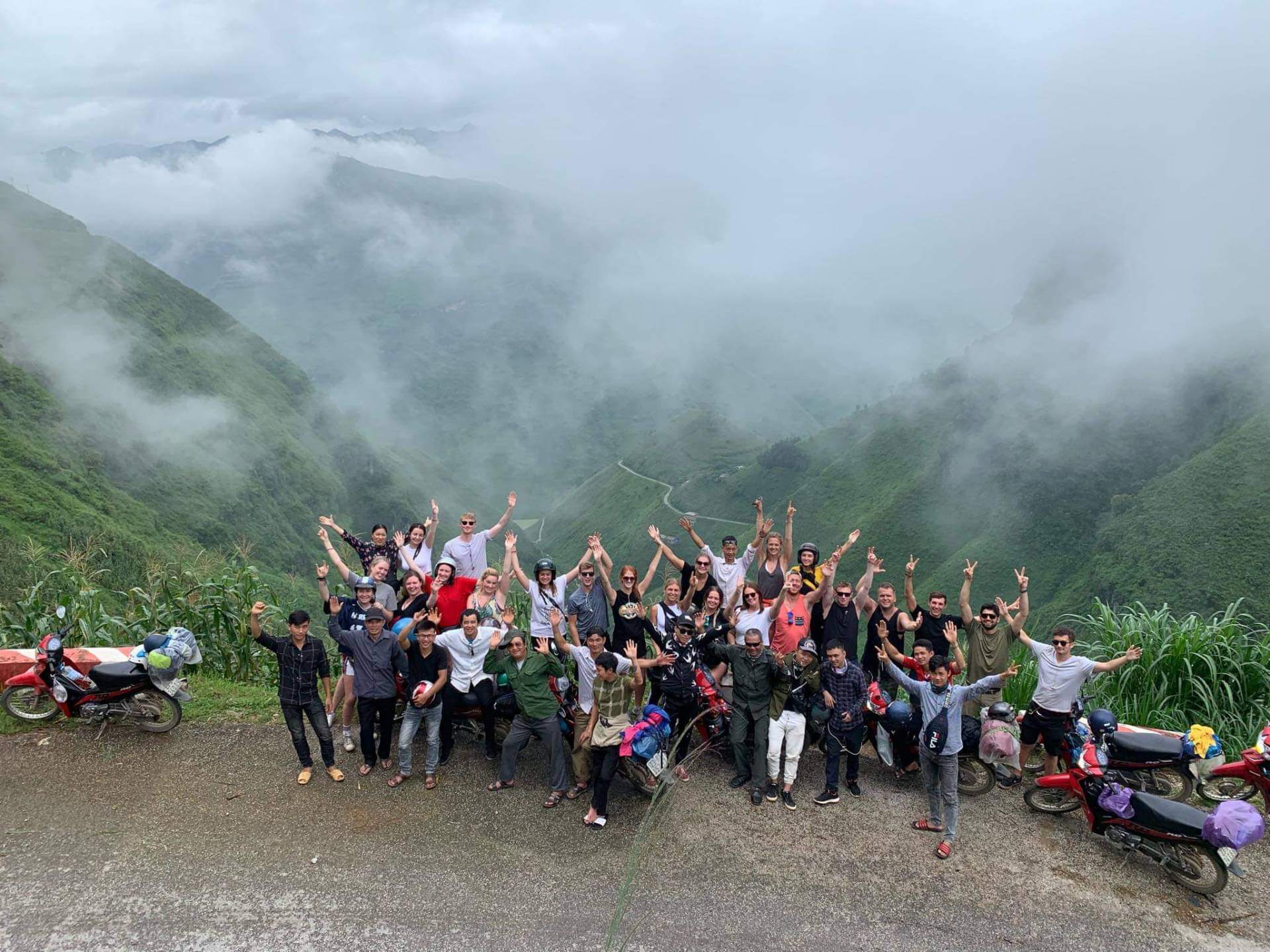
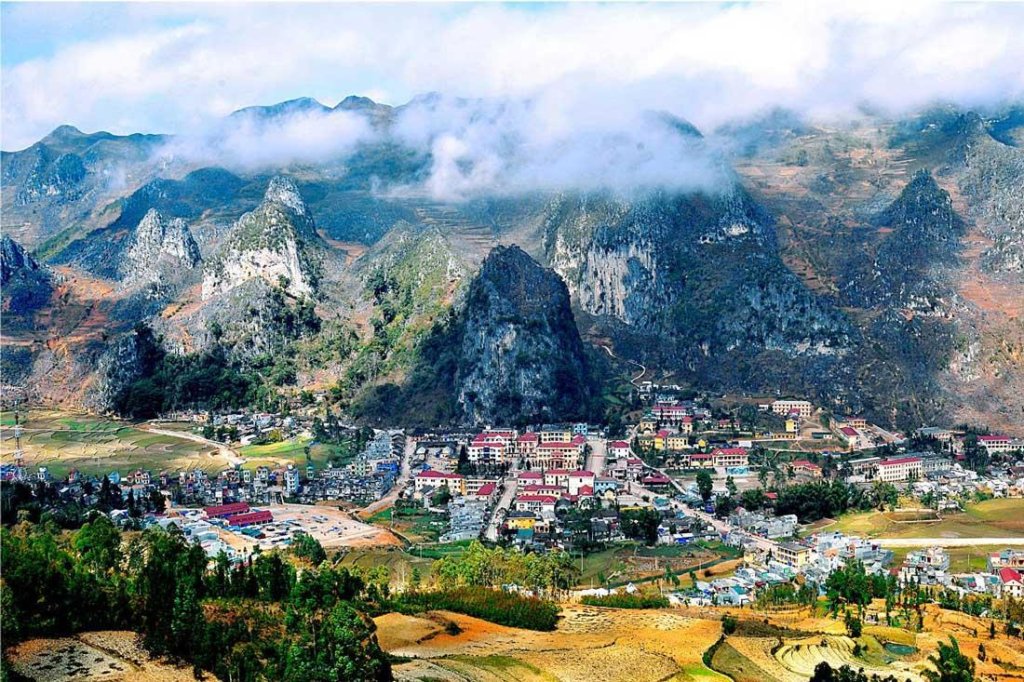
Nestled in the northernmost reaches of Vietnam, Dong Van Ha Giang is a land where time seems to stand still. Known for its surreal lunar-like landscapes, vibrant ethnic cultures, and the legendary Dong Van Ha Giang loop, this region has become a pilgrimage site for adventurers and soul-searchers alike.
As we move into 2026, Dong Van Ha Giang travel has evolved, offering a perfect blend of raw, off-the-beaten-path discovery and improved infrastructure that makes the “final frontier” of Vietnam more accessible than ever. Whether you are navigating the hair-raising bends of a mountain pass or sipping corn wine with a local H’Mong family, Dong Van promises an experience that defies description.
Overview of Dong Van Ha Giang
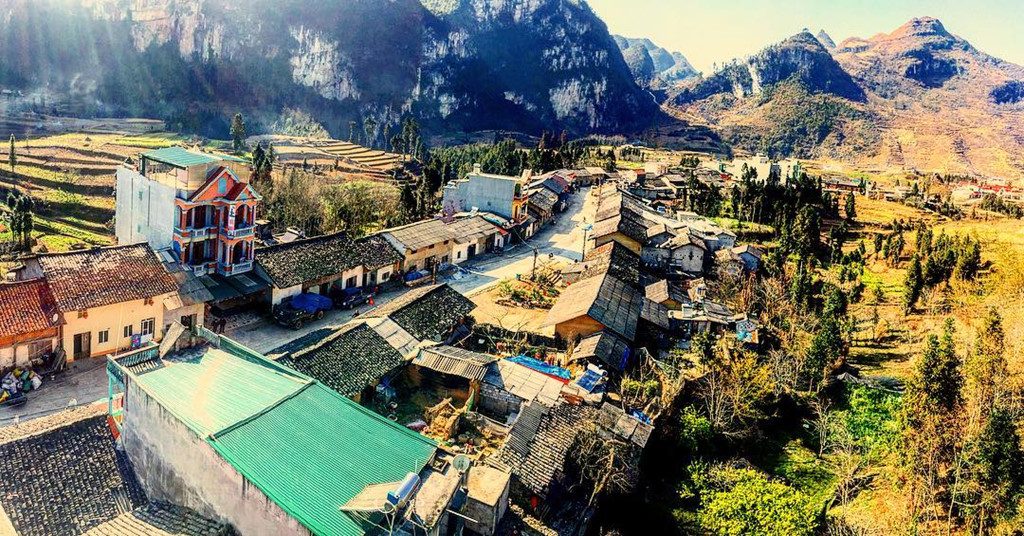
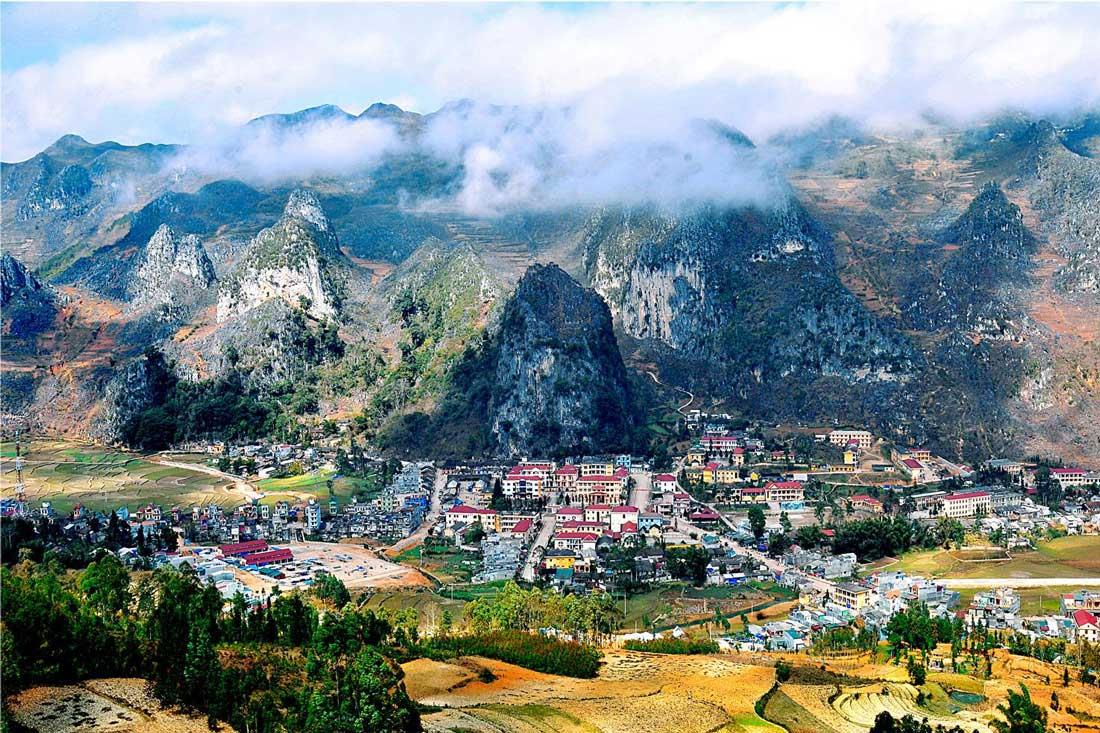
Dong Van Ha Giang is the heart of the Dong Van Karst Plateau UNESCO Global Geopark. Covering four districts, the plateau is a geological marvel featuring limestone formations that date back over 400 million years.
But Dong Van is more than just rocks. It is home to 17 different ethnic minority groups, including the H’Mong, Lo Lo, Tay, and Dao. Their colorful traditions, stilted houses, and terraced fields carved into the mountainsides create a living tapestry of human resilience. For most travelers, Dong Van serves as the central hub of the Ha Giang province, acting as the midway point and the most scenic highlight of the famous northern loop.
How to Travel to Dong Van Ha Giang
Getting to Dong Van Ha Giang is an adventure in itself. Most journeys begin in Hanoi, the capital city.
From Hanoi to Ha Giang City
- Sleeper Bus: The most popular option. Buses depart from My Dinh or Gia Lam stations. In 2026, “Cabin” buses (with private beds and curtains) are the standard for comfort, costing around 350,000 – 450,000 VND.
- Limousine Van: Faster and more direct, these 9-seater vans offer door-to-door service from the Hanoi Old Quarter.
Conquering the Dong Van Ha Giang Loop
Once you arrive in Ha Giang City, you have three main ways to reach Dong Van:
- Self-Riding Motorbike: For the experienced. You can rent a semi-automatic or manual bike for approximately 150,000 – 250,000 VND/day.
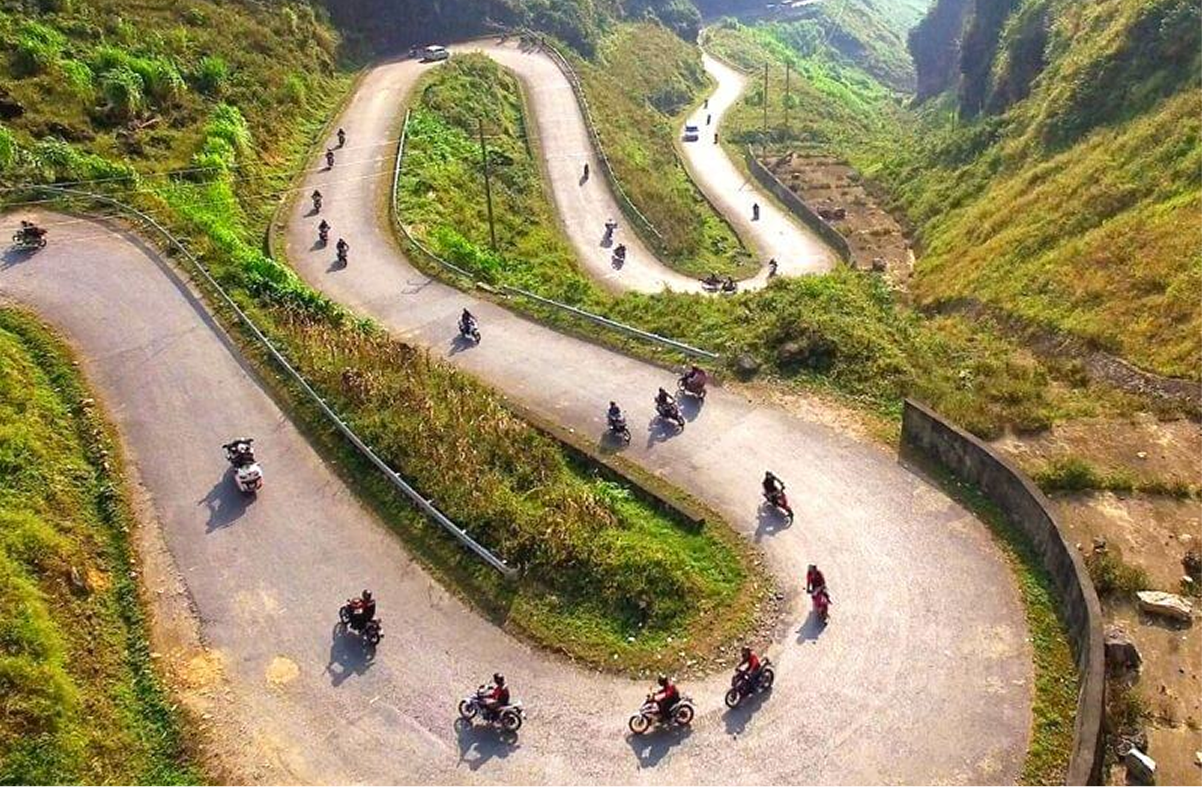
- Easy Rider: The most recommended way for Dong Van Ha Giang travel. You sit on the back of a bike driven by a local professional. It’s safer and allows you to look at the scenery instead of the road.
- Private Car/Tour: Ideal for families or those who prefer protection from the Dong Van Ha Giang weather.
In addition, Vietnam has other amazing motorbike road trip routes for you to explore.
Dong Van Ha Giang Weather
Understanding the Dong Van Ha Giang weather is crucial for planning your trip. Because of its high altitude, the climate here is significantly cooler than in Hanoi.
| Season | Months | What to Expect |
| Spring | Jan – Mar | Peach and plum blossoms; foggy mornings; temperatures between 12°C – 18°C. |
| Summer | May – Aug | Lush green landscapes; occasional heavy rain; temperatures 22°C – 30°C. |
| Autumn | Sep – Oct | Best time to visit. Golden rice terraces; clear blue skies; cool air. |
| Winter | Nov – Dec | Buckwheat flower season; very cold (can drop to 3°C); dry but misty. |
What to See in Dong Van Ha Giang
If you’re wondering what to see in Dong Van, the list is exhaustive. Here are the “must-visit” landmarks:
Ma Pi Leng Pass
Often called the “King of Passes” in Vietnam, this 20km stretch of road clings to the side of a cliff. Looking down, you’ll see the emerald Nho Que River winding through the Tu San Canyon—the deepest canyon in Southeast Asia.
Lung Cu Flag Tower
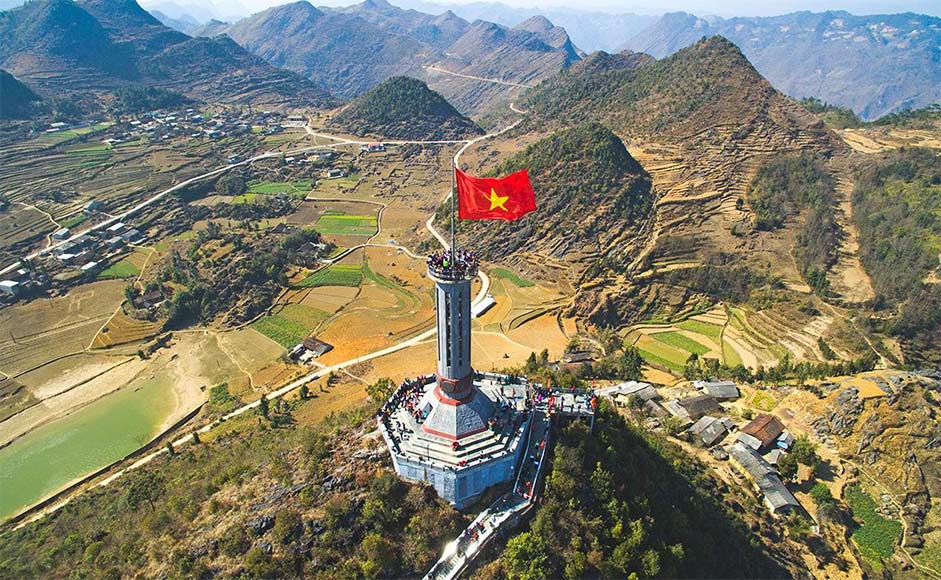
The northernmost point of Vietnam. Climbing the steps to the giant Vietnamese flag offers a 360-degree view of the border with China. It is a symbol of national pride and a breathtaking vantage point.
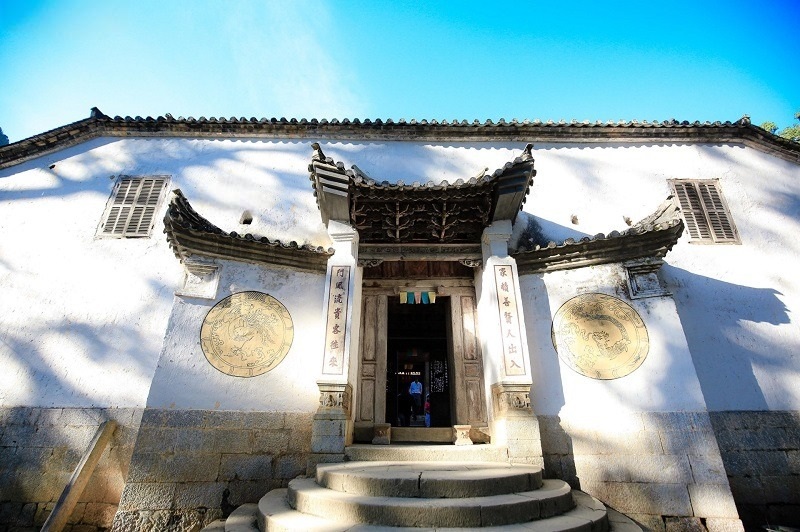
The H’Mong King’s Palace (Dinh Vua Meo)
Located in Sa Phin valley, this century-old mansion belonged to the Vuong family, who once ruled the region’s opium trade. Its architecture is a unique blend of Chinese, H’Mong, and French styles.
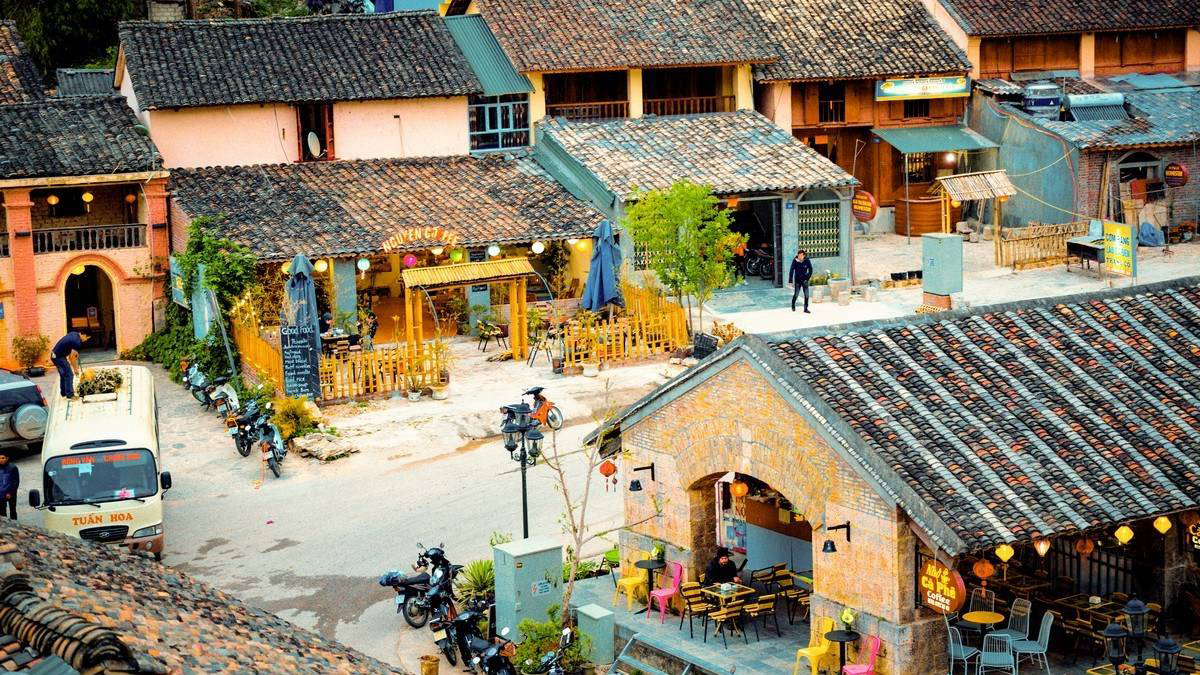
Dong Van Old Quarter
A charming cluster of ancient houses with “yin-yang” tiled roofs. At night, the quarter lights up with lanterns, and the central square becomes a hub for travelers to share stories over a hot pot.
What to Do in Dong Van Ha Giang
The Dong Van Ha Giang loop isn’t just about sightseeing; it’s about immersion.
- Trek the Sky Path: For those who find the road too crowded, a trek along the “White Cliff” or Sky Path provides a perspective of Ma Pi Leng that most miss.
- Boat Trip on Nho Que River: Take a motorboat or kayak through the Tu San Canyon. Seeing the limestone walls tower hundreds of meters above you from the water level is humbling.
- Visit the Sunday Market: If your schedule allows, be in Dong Van on a Sunday. Ethnic people from all over the highlands trek for miles to trade livestock, colorful textiles, and local produce.
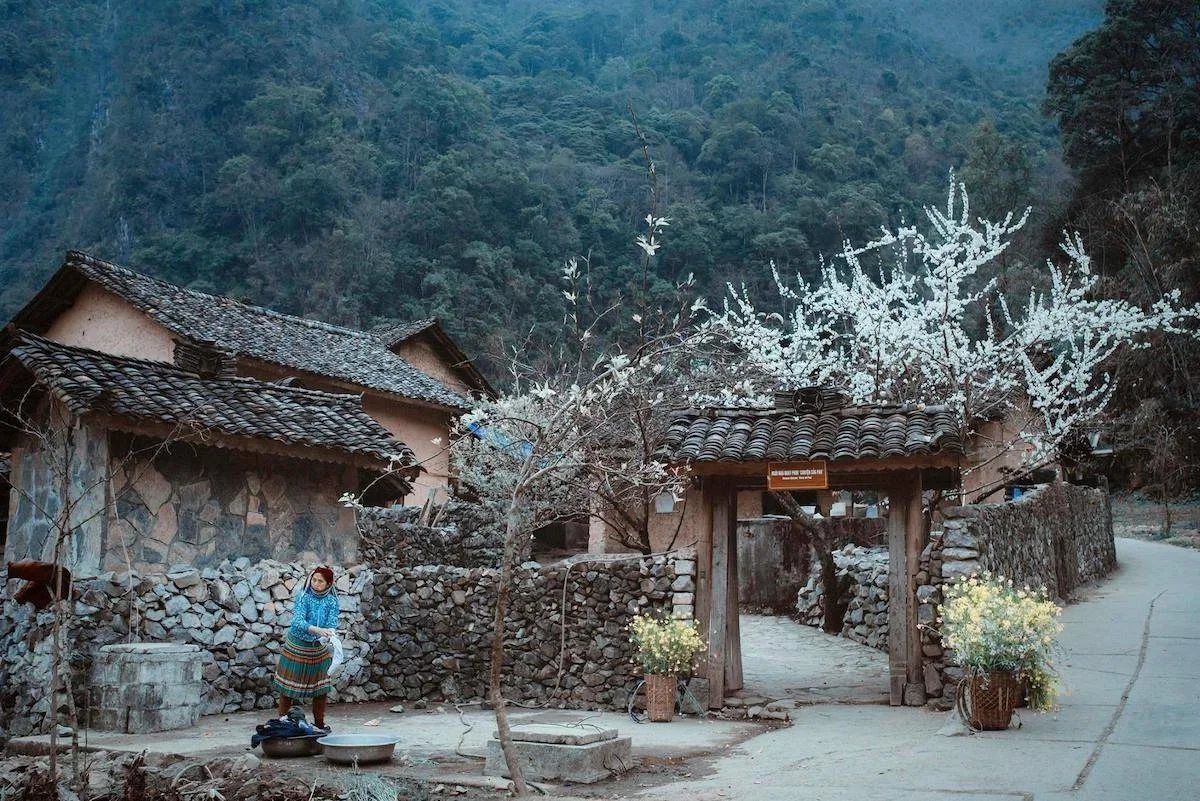
- Explore Lo Lo Chai Village: A fairytale-like village at the foot of Lung Cu. The Lo Lo people have preserved their earthen-walled houses and traditional dress, making it a peaceful spot for a homestay.
Dong Van Ha Giang Cuisine
Your Dong Van Ha Giang travel experience isn’t complete without tasting the rugged, earthy flavors of the mountains.
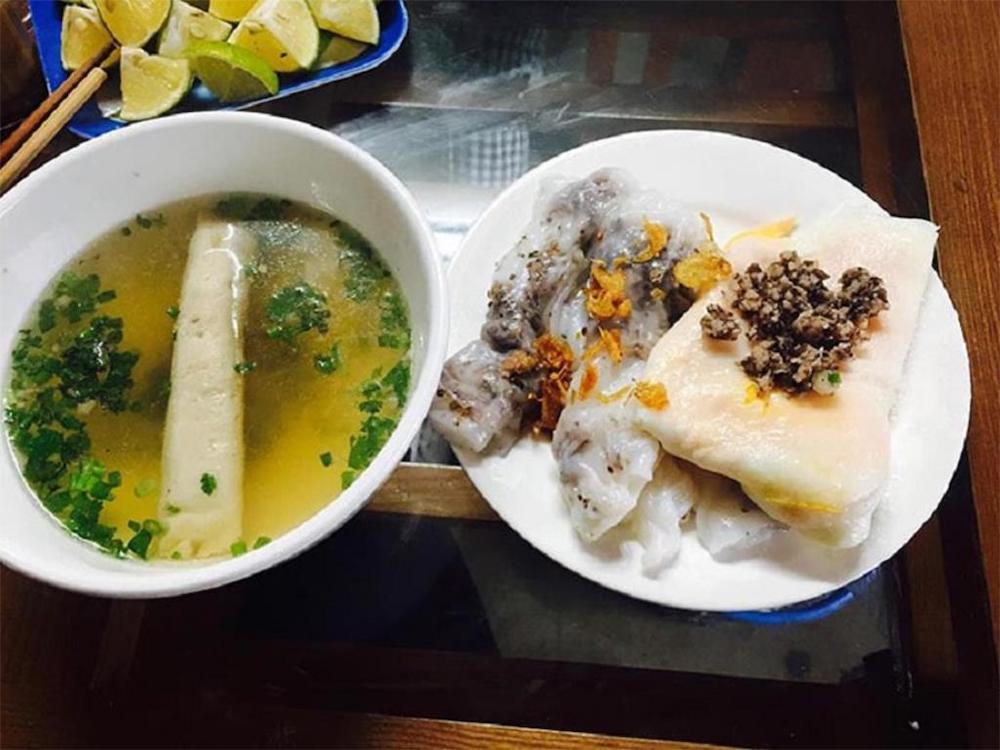
- Banh Cuon Trung (Egg Rice Rolls): Unlike the Hanoi version, Dong Van’s rice rolls are dipped in a hot bowl of bone broth seasoned with local herbs and sausage.
- Thang Co: A traditional H’Mong soup made from horse meat and organs. It has a strong, pungent aroma that is an acquired taste but a must-try for the brave.
- Au Tau Porridge: Made from a local root that is toxic if not prepared correctly, this bitter porridge is believed to have medicinal properties, especially for sleep and joint pain.
- Corn Wine (Ruou Ngo): The “social lubricant” of the highlands. It is strong, fragrant, and will likely be offered to you at every homestay dinner.
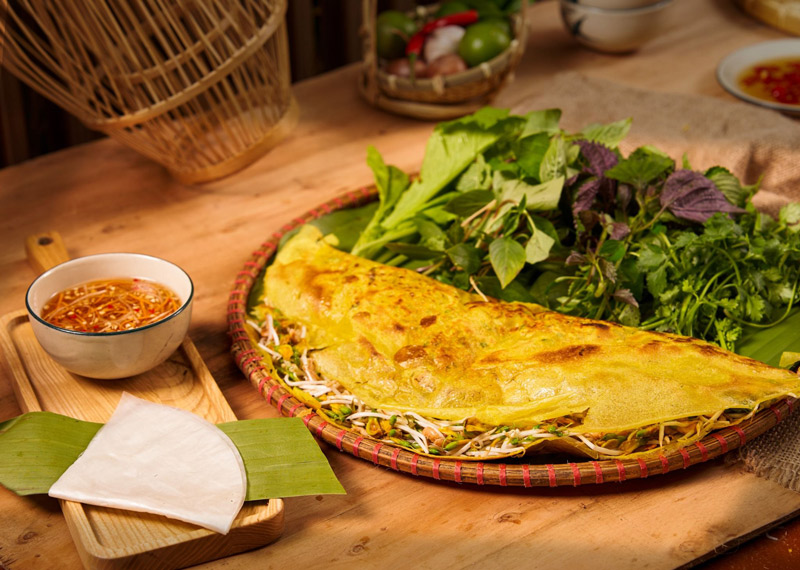
In Vietnam, each locations has it own specialities. Besides, Dong Van foods, you could try Hoi An foods, Ninh Binh foods,..
In Conclusion
Dong Van Ha Giang remains one of the few places on earth where the landscape is as dramatic as the history. As we look toward travel in 2026, the region continues to balance its growing popularity with its ancient soul. Whether you come for the adrenaline of the Dong Van Ha Giang loop or the quiet beauty of the Dong Van Ha Giang weather in spring, you will leave with a piece of the mountains in your heart.
Plan your journey, respect the local customs, and prepare for the ride of a lifetime.
FAQs about Dong Van Ha Giang
1. Is the Ha Giang Loop dangerous?
It can be. The roads are narrow, steep, and full of blind curves. If you are not a confident rider, hire an Easy Rider.
2. Do I need a permit for Dong Van Ha Giang?
Yes. Foreigners require a “Border Entry Permit” to travel in Ha Giang. These are easily obtained at the Ha Giang Immigration Office or through your hostel/hotel for about 230,000 VND ($10).
3. How many days should I spend on the loop?
While a 3-day trip is possible, a 4-day or 5-day itinerary is much better. It allows you to see more of what to see in Dong Van without feeling rushed.
4. Can I find ATMs in Dong Van?
Yes, Dong Van town has several ATMs, but they can occasionally run out of cash or reject international cards. It is always wise to carry enough VND cash from Ha Giang City or Hanoi.