Muong Hoa Valley – a green gem in the heart of Sapa – always captivates visitors with its majestic terraced rice fields and rich local culture. If you are wondering what to do in Muong Hoa Valley, this destination promises countless memorable experiences, from trekking through nature, exploring ethnic villages to immersing yourself in the peaceful rhythm of mountain life. Let Vietnamtour 247 guide you through the article below!
Where is Muong Hoa Valley and what makes it special?
Location: Ta Van Commune, Lao Cai Province
Entrance fee: Free
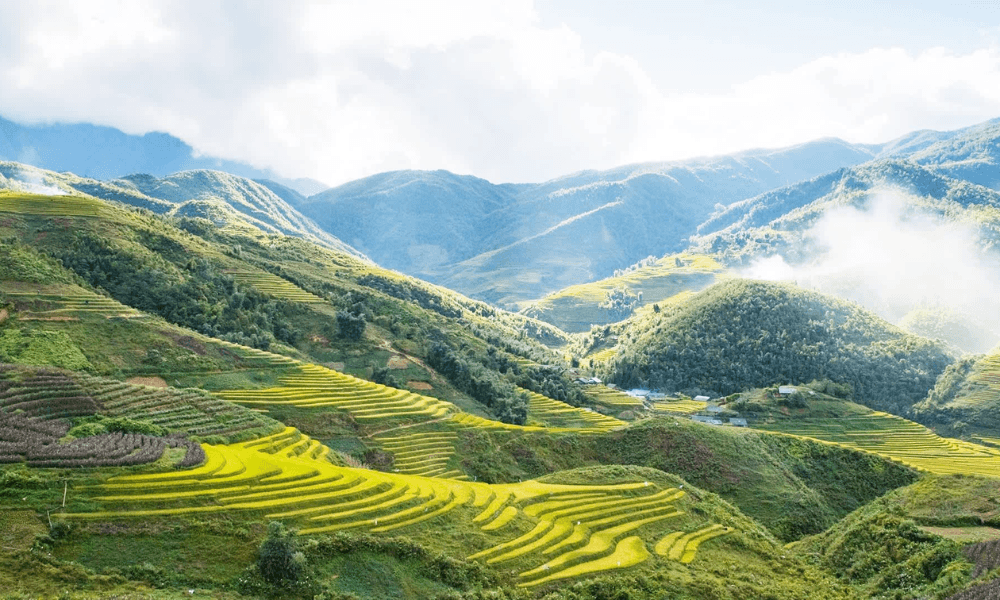
When exploring what to do in Muong Hoa Valley, the first thing you need to know is its location and what makes it so attractive. Muong Hoa Valley Sapa is located about 8–10 km southeast of Sapa town, within Lao Chai, Ta Van, and Hau Thao communes. The valley stretches about 15 km from Sapa to Ban Ho village, including five main villages: Y Linh Ho, Lao Chai, Ta Van, Giang Ta Chai, and Ban Ho. This is one of the most prominent destinations in Sapa tourism, famous for its magnificent natural scenery and unique local culture.
The special charm of Muong Hoa Valley lies in its terraced rice fields that curve gracefully along the mountainsides, creating a spectacular natural landscape, especially during the water season and harvest season. In addition, it is home to various ethnic minorities such as H’Mong, Giay, and Red Dao, offering visitors the opportunity to explore traditional lifestyles, customs, and cultural practices.
Moreover, Muong Hoa Valley is also well known for its ancient rock field with hundreds of carved stones bearing mysterious symbols, considered a valuable archaeological heritage. The combination of stunning landscapes, cultural values, and local experiences makes it a must-visit destination when discovering what to do in Muong Hoa Valley.
What to do in Muong Hoa Valley you shouldn’t miss
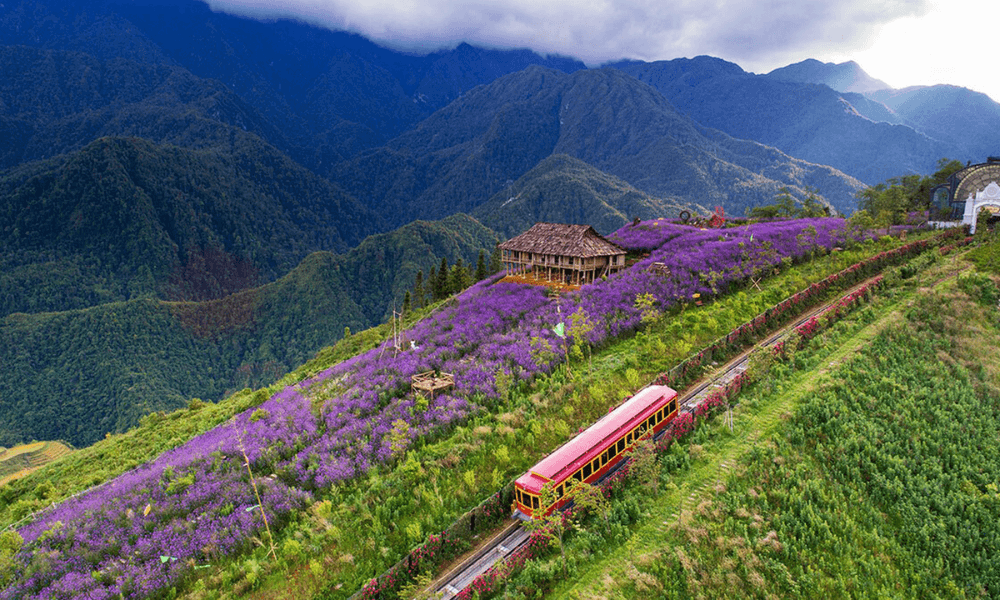
When discovering what to do in Muong Hoa Valley, you will realize that this place is not only beautiful but also rich in experiences.
Check-in terraced rice fields
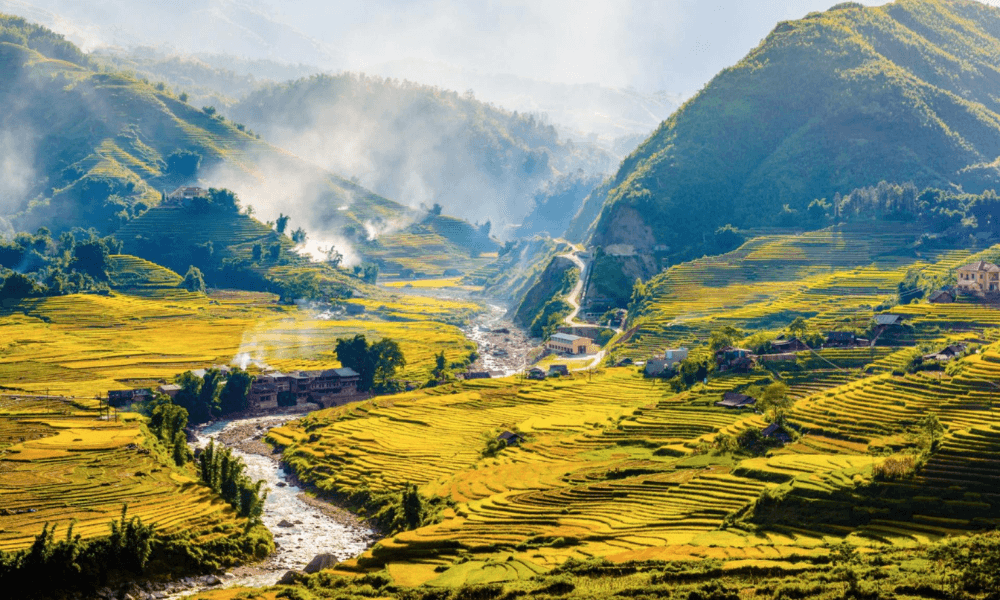
Muong Hoa Valley Sapa is famous for having some of the most beautiful terraced rice fields in Vietnam. These fields represent the pinnacle of agricultural artistry, recognized as a national heritage and ranked among the top 10 most beautiful terraced landscapes in the world. Their appearance changes with each season:
- Water season (May – June): The fields turn into silver mirrors reflecting the sky, with young rice shoots forming emerald-green layers across the mountains.
- Growing season (July – August): Lush green rice sways gently in the mountain breeze, creating waves of green across the hills.
- Harvest season (September – October): The valley transforms into a “golden sea” as ripe rice fields stretch endlessly, spreading the sweet scent of harvest.
Explore the ancient rock field of Muong Hoa
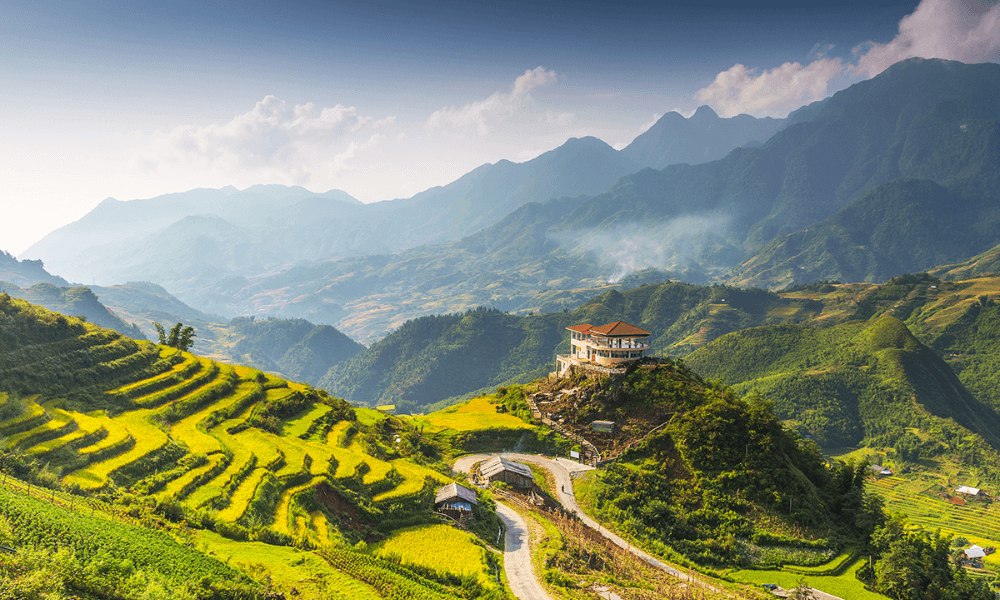
The ancient rock field is one of the most unique attractions in Muong Hoa Valley, featuring hundreds of stones engraved with mysterious symbols and patterns. It is considered a valuable archaeological heritage that has not been fully decoded. This site attracts not only history enthusiasts but also visitors looking for impressive photo spots.
Experience local life
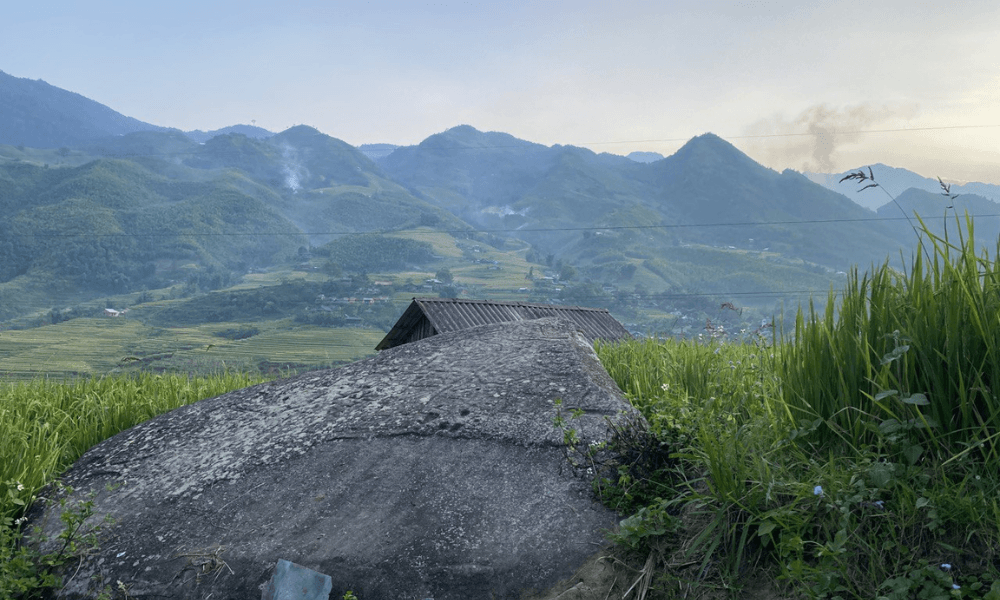
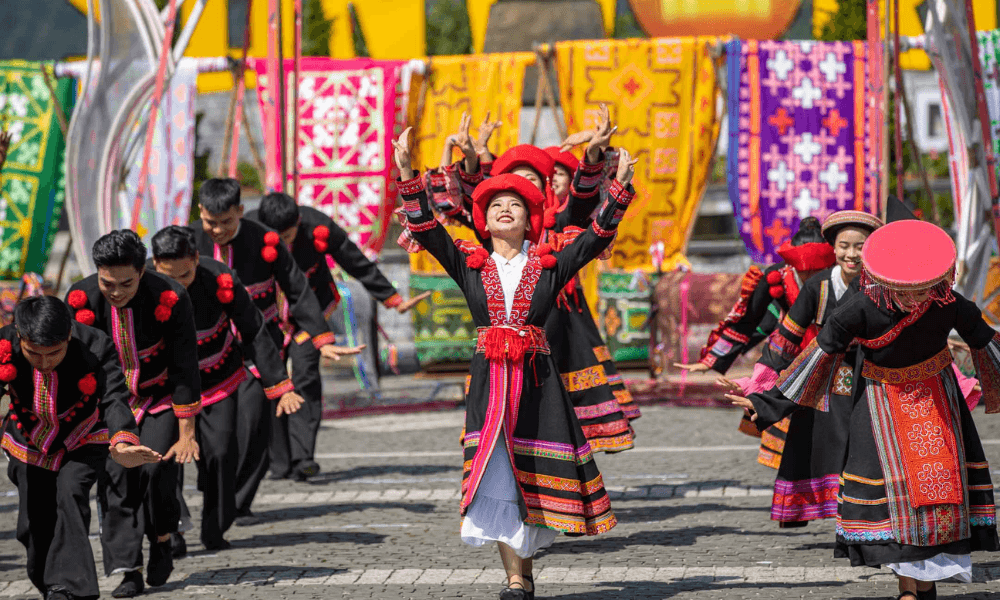
Experiencing local life is one of the most meaningful activities when exploring what to do in Muong Hoa Valley if you want to better understand the culture and lifestyle of highland communities. It allows you to immerse yourself in daily life and appreciate the simplicity and authenticity of the region.
When visiting Muong Hoa Sapa, you can join local people in cooking traditional meals, from preparing ingredients to cooking. This helps you learn more about local ingredients such as forest vegetables, stream fish, and free-range pork, as well as traditional cooking methods.
You can also enjoy hearty local meals where people gather, share stories, and exchange cultural experiences. The warm and friendly atmosphere reflects the hospitality of the local community.
Additionally, visitors can participate in daily activities such as:
- Farming and harvesting rice
- Learning traditional weaving and indigo dyeing
- Visiting local markets and exploring trading customs
Enjoy local specialties
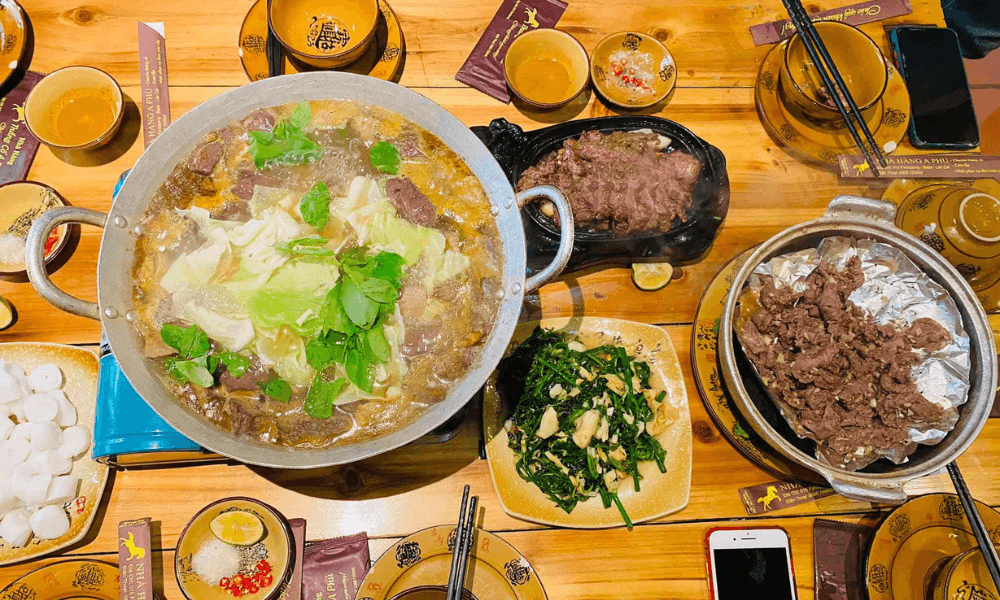
Cuisine is an essential part of discovering what to do in Muong Hoa Valley. The dishes here are rich in mountain flavors, using natural ingredients and traditional cooking methods.
- Thang Co: A traditional H’Mong dish made from horse or beef meat and organs, combined with spices such as cardamom, cinnamon, and lemongrass. It has a unique flavor and is often served hot at markets or gatherings.
- Corn wine: A traditional homemade wine made from fermented corn, with a strong yet smooth taste, representing local culture.
- Salmon and sturgeon hotpot: Due to the cool climate of Sapa, a hotpot is a perfect choice. Fresh local ingredients create an authentic culinary experience.
Explore Muong Hoa stream
Exploring the poetic Muong Hoa stream is another highlight when visiting Muong Hoa Valley. The stream stretches about 15 km, flowing through villages such as Lao Chai and Ta Van, creating a peaceful yet majestic landscape.
The clear, cool water winds through terraced fields and natural rock formations. Along the stream, you can find scattered stones, many of which belong to the ancient rock field.
Visitors can:
- Rest after trekking
- Relax by soaking their feet in the cool water
- Take photos with the pristine natural scenery
If you’re still looking for more experiences, check out: Best Things To Do In Sapa Vietnam 2026
Important notes when visiting Muong Hoa Valley
Best time to visit Muong Hoa Valley
When visiting Muong Hoa Sapa, the best time is May–June (water season) and September–October (harvest season). Each season offers unique beauty, from sparkling reflections to golden landscapes.
How to get to Muong Hoa Valley
To reach Muong Hoa Valley, you can travel from Sapa town (8–10 km away) by trekking through Lao Chai – Ta Van villages, motorbike, or taxi/tour depending on your preference.
If you are not in Hanoi yet, check this guide: How to Get To Sapa Vietnam: Mountains, Markets & More!
Entrance fee
From March 2024, visitors entering central areas of Muong Hoa Valley, including villages and scenic stream areas, are required to pay an entrance fee at the checkpoint on Provincial Road 152.
- Adults: 150,000 VND/person
- Children (6–12): 100,000 VND/person
- Under 6: Free
Conclusion
With its majestic natural beauty and rich cultural heritage, the list of what to do in Muong Hoa Valley offers unforgettable travel experiences. From trekking through terraced fields and visiting villages to enjoying local cuisine and experiencing daily life, every activity contributes to a vibrant picture of Northwest Vietnam.
If you have the chance to visit Sapa, don’t miss Muong Hoa Valley Sapa – a destination that perfectly combines nature and culture.
And if you want a comfortable journey with many great deals, don’t forget to contact us via Fanpage or Website – Vietnam Tour 247.
FAQs
Do I need permission to take photos of local people?
Yes, you should ask for permission to respect their privacy and culture.
Can I visit during rainy days?
Yes, but it’s not recommended due to slippery trekking paths and limited visibility.
Are there any rules when visiting villages?
You should dress modestly, avoid littering, and respect local customs.
Should I book services in advance?
During peak seasons, it’s advisable to book transportation and guides in advance to avoid unavailability.