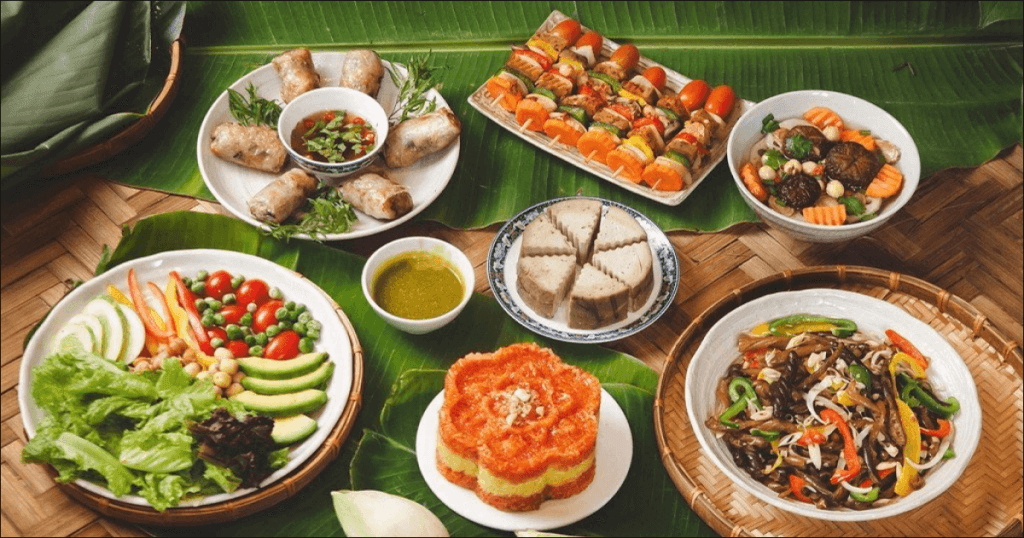
Discover authentic flavors with our Vietnamese vegetarian food guide by Vietnam Tour 247. Explore traditional dishes, street food, and plant-based travel tips across Vietnam.
Vietnam is a paradise for plant-based travelers seeking fresh ingredients and bold flavors. In this comprehensive guide, Vietnam Tour 247 introduces traditional meat-free dishes, vibrant street food, and regional specialties that define the country’s rich culinary heritage. Whether you follow a vegetarian lifestyle or simply want to explore healthier local cuisine, Vietnam offers an unforgettable food journey.
Introduction to Vegetarian Culture in Vietnam
Vegetarian cuisine in Vietnam is deeply connected to religion, tradition, and modern lifestyle trends. As this Vietnamese vegetarian food guide highlights, plant-based eating in Vietnam is not just a diet but a long-standing cultural practice. From temple meals to everyday home cooking, traditional Vietnamese vegetarian food plays an important role in daily life.
- The Role of Buddhism in Vegetarian Cuisine
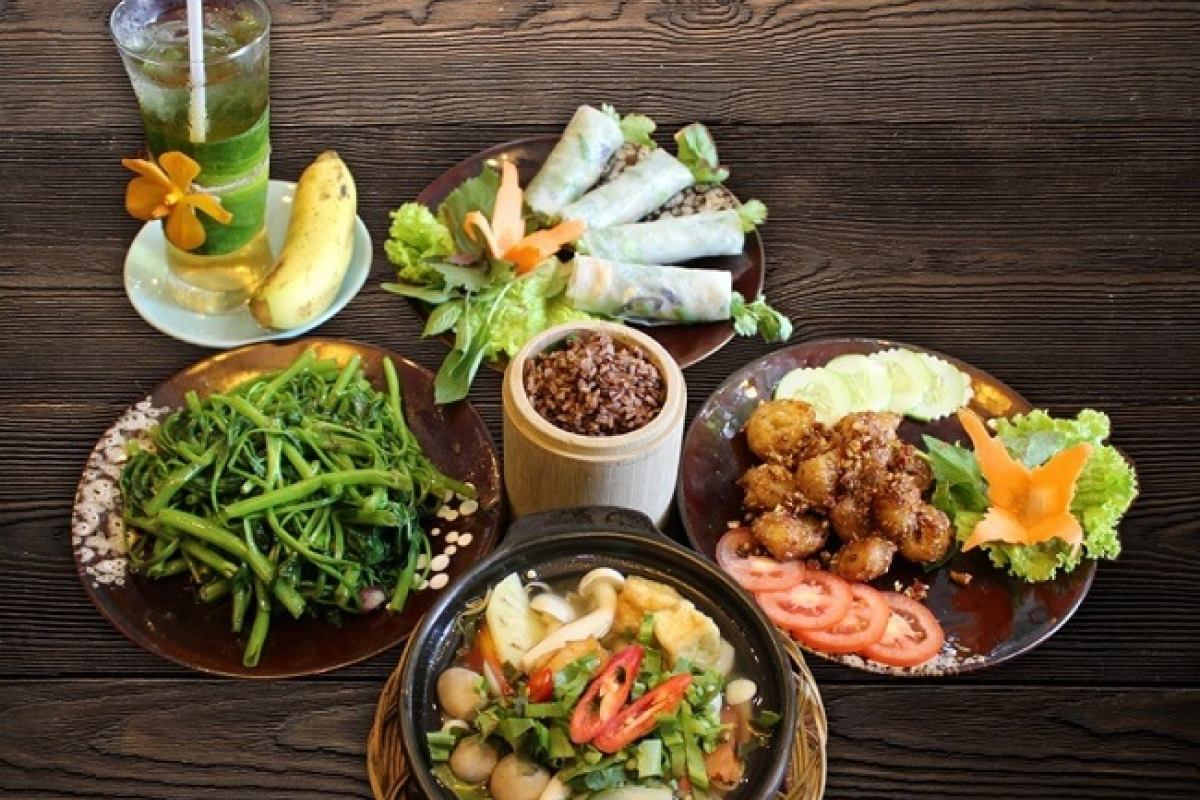
Buddhism strongly influences plant-based dining habits. Many people choose meat-free meals on specific days to practice compassion and mindfulness. Temple kitchens have inspired some of the best vegetarian dishes in Vietnam, using tofu, mushrooms, vegetables, and aromatic broths to create simple yet flavorful meals.
- Traditional Vegetarian Days (First and Full Moon Lunar Days)
It is common for families to eat vegetarian food on the first and full moon days of the lunar month. On these occasions, vegetarian restaurants are busier, and markets offer more plant-based options. This tradition has helped preserve authentic meat-free cuisine and makes it easier for travelers to find vegetarian street food in Vietnam.
- The Growth of Modern Vegetarian and Vegan Trends
Beyond religious practice, vegetarian and vegan lifestyles are expanding rapidly in major cities. Modern plant-based cafés are now popular in Ho Chi Minh City and Hanoi, attracting both locals and international visitors. This shift has strengthened Vietnam’s reputation in the growing scene of vegan food travel.
Why Vietnam Is a Paradise for Vegetarian Travelers
Vietnam has earned a strong reputation among plant-based travelers thanks to its fresh ingredients, balanced flavors, and deep-rooted culinary traditions. As this Vietnamese vegetarian food guide explains, the country naturally supports a meat-free lifestyle through its agricultural abundance and diverse cuisine. Whether you are exploring local markets or joining food-focused tours, discovering Vietnamese vegetarian food is both easy and rewarding.
- Fresh Vegetables All Year Round
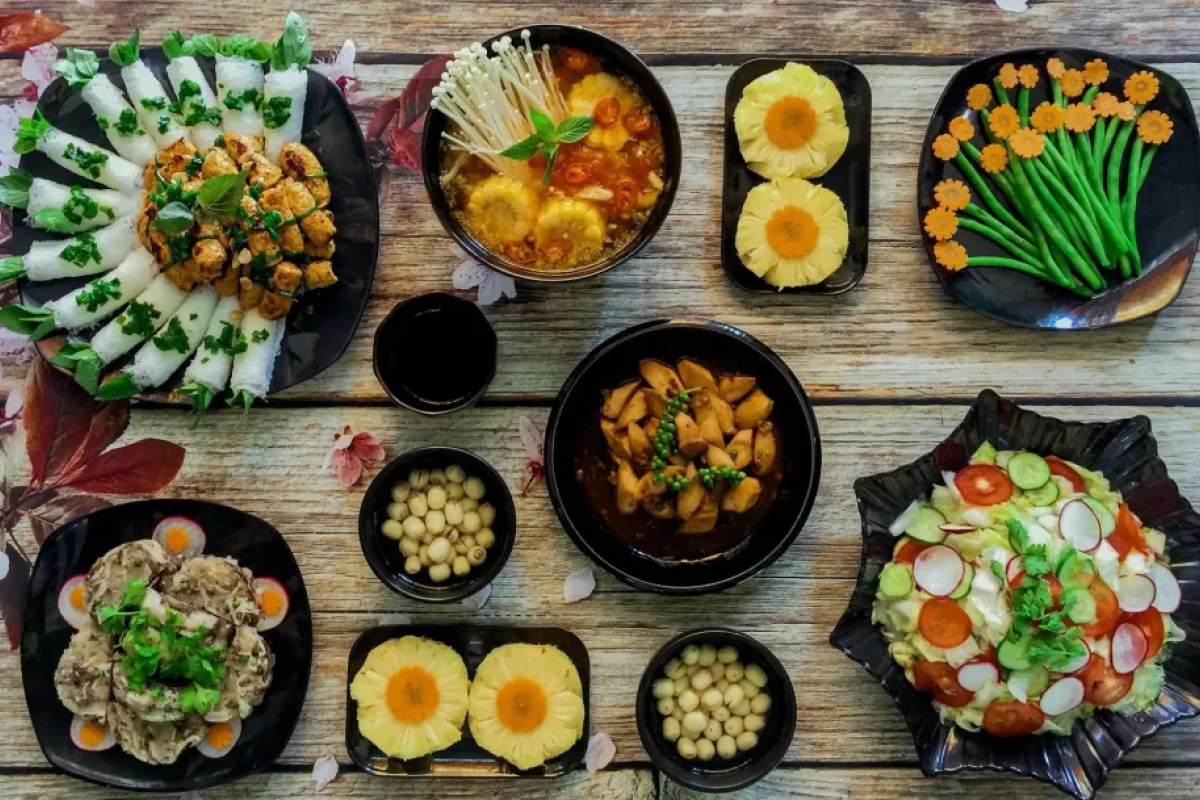
Thanks to its tropical climate, Vietnam produces herbs and vegetables throughout the year. These fresh ingredients form the foundation of many traditional meat-free recipes, giving them vibrant flavor and natural balance.
- Natural Flavors and Simple Cooking Methods
Vietnamese cuisine focuses on fresh herbs, light broths, and minimal processing. Even without meat, dishes remain rich in flavor. This simplicity keeps plant-based meals authentic and nourishing.
- Many Dishes Are Naturally Vegetarian
Many Vietnamese meals are already vegetarian or easily adapted. Fresh spring rolls, noodle soups, and rice dishes can be prepared entirely plant-based, making dining convenient for international visitors.
- Affordable and Accessible
Vegetarian meals are often cheaper than meat-based dishes. Street stalls and family-run eateries offer quality food at reasonable prices, making plant-based travel budget-friendly.
Best Vegetarian Dishes in Vietnam
Vietnam offers an impressive variety of meat-free meals that reflect both tradition and creativity. Visitors can easily discover plant-based specialties across different regions.
Pho Chay (Vegetarian Pho)
Pho Chay is the meat-free version of Vietnam’s most famous noodle soup. It is a staple in traditional Vietnamese vegetarian food and widely available in major cities as well as local neighborhoods.
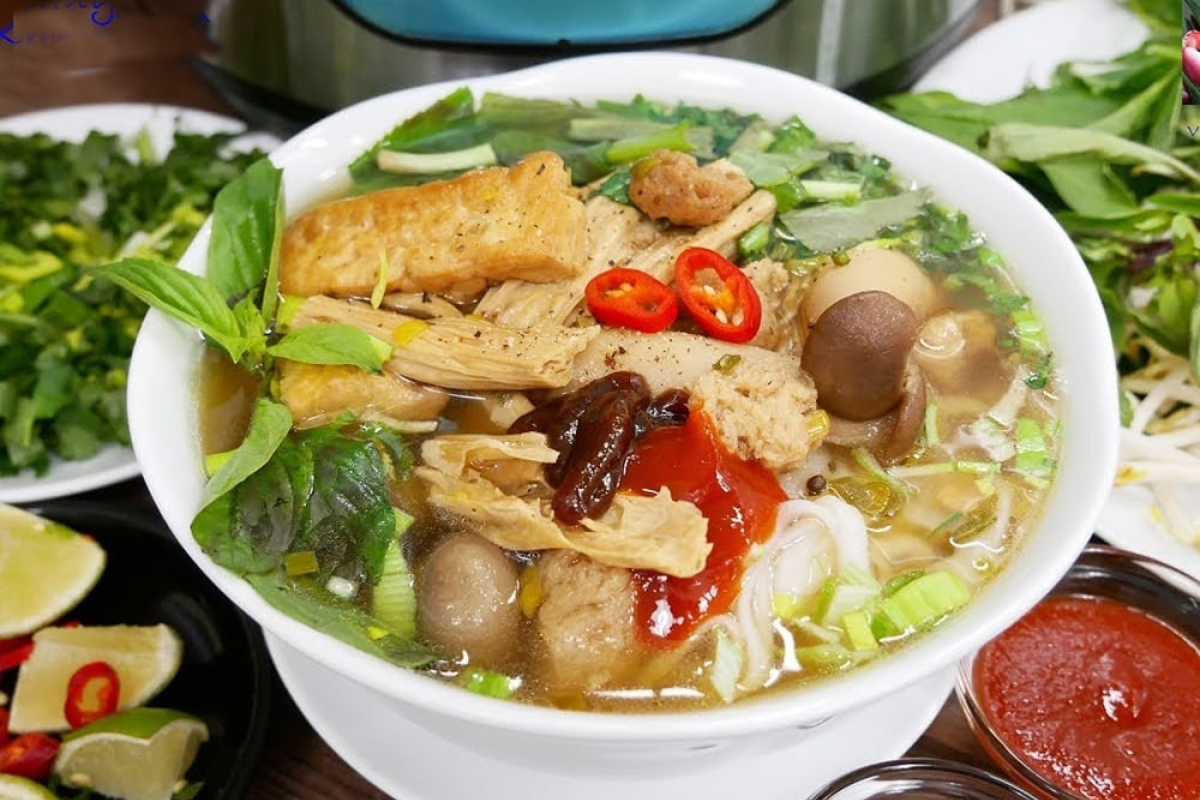
- A Meat-Free Version of a National Icon: Instead of beef or chicken, this version uses tofu, mushrooms, and seasonal vegetables.
- Vegetable-Based Broth.: The broth is simmered from carrots, radish, onions, and aromatic spices such as star anise and cinnamon, creating a rich yet light flavor.
Banh Mi Chay (Vegetarian Banh Mi)
Banh Mi Chay is a popular highlight in any Vietnamese vegetarian food, offering a plant-based version of Vietnam’s iconic sandwich and ranking among the best vegetarian dishes in Vietnam.
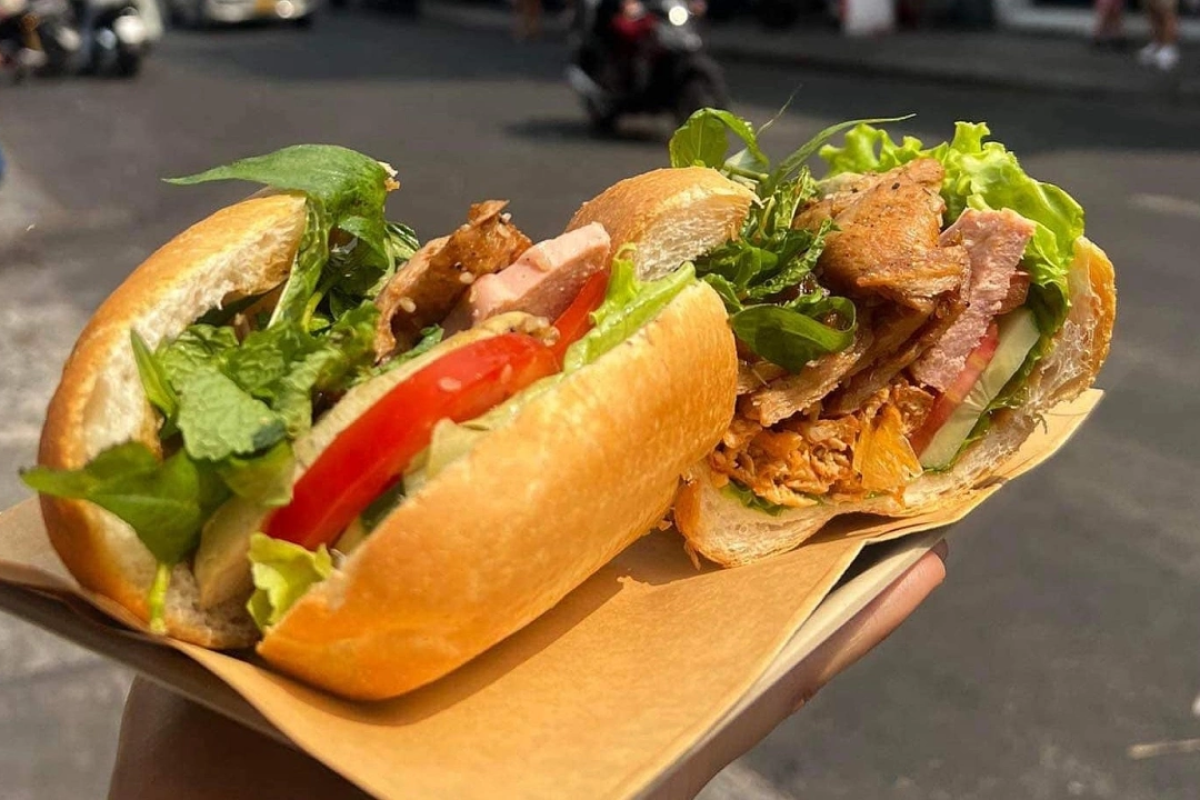
- Tofu, mushrooms, and vegetables: The filling includes seasoned tofu, sautéed mushrooms, pickled carrots, cucumber, and fresh herbs.
- Popular in major cities.: It is easy to find in Ho Chi Minh City, Hanoi, and Da Nang.
Bun Chay (Vegetarian Vermicelli)
Bun Chay is a refreshing noodle dish frequently mentioned in any well-structured Vietnamese vegetarian food, and it remains one of the best vegetarian dishes in Vietnam for travelers seeking something light yet flavorful.
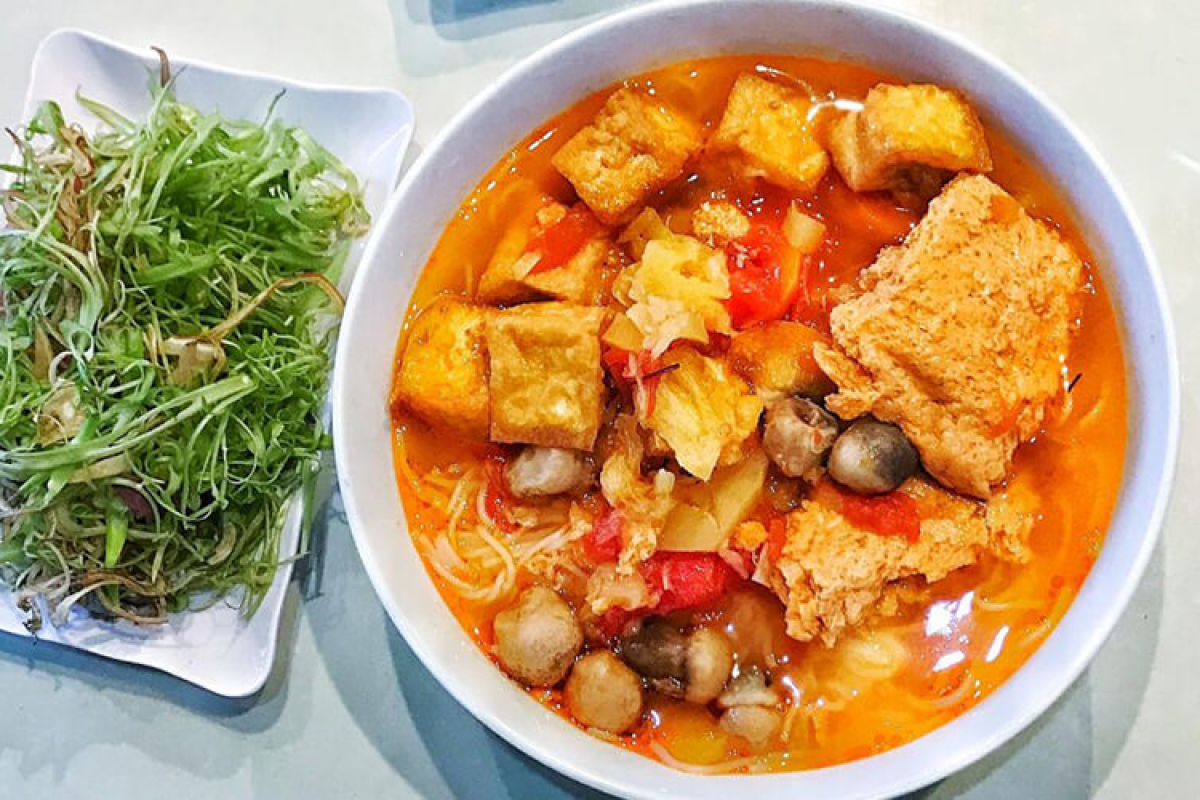
- A Meat-Free Noodle Favorite: Served with tofu, mushrooms, and fresh herbs over rice vermicelli.
- Light and Balanced: Often accompanied by a clear vegetable broth or delicate sauce.
Goi Cuon Chay (Fresh Vegetarian Spring Rolls)
Goi Cuon Chay is a light and healthy dish commonly featured in any trusted Vietnamese vegetarian food guide. It is often listed among the best vegetarian dishes in Vietnam, especially for travelers looking for fresh and easy-to-enjoy meals.
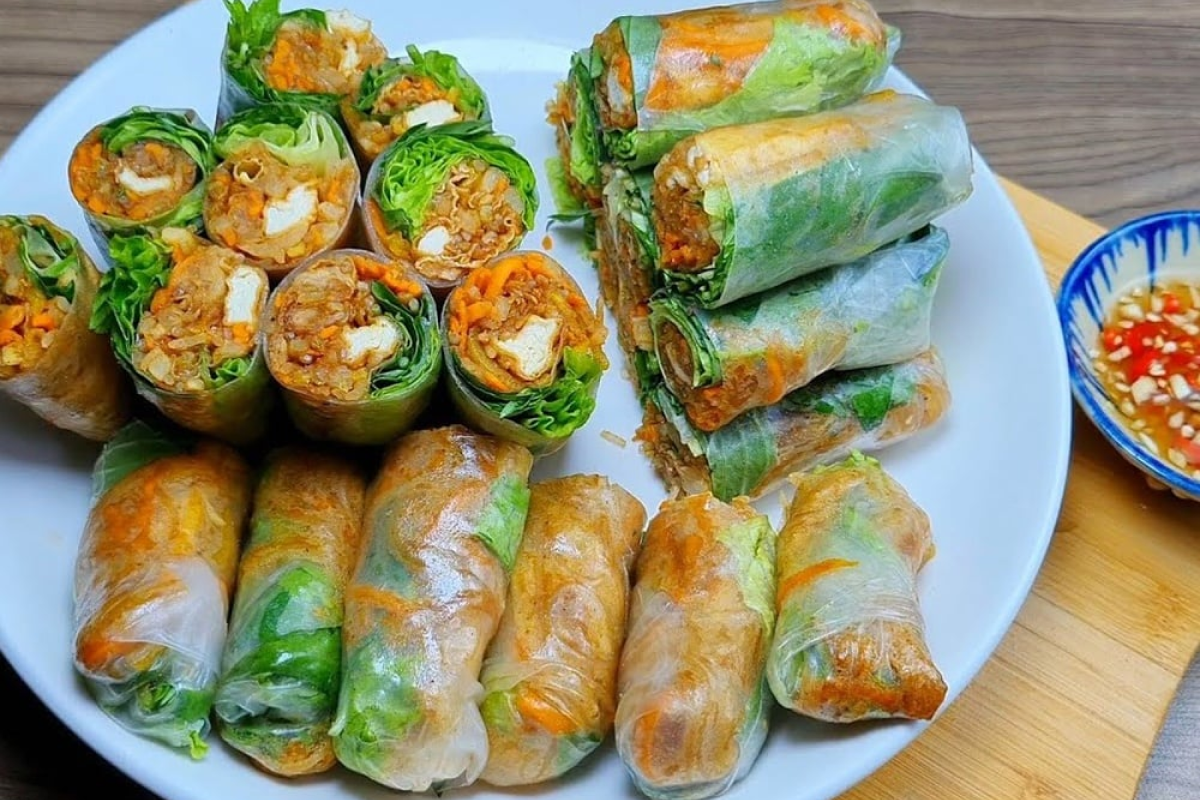
- Tofu and fresh herbs: Rice paper rolls filled with tofu, noodles, lettuce, and mint.
- Suitable for international travelers: Light flavors and familiar ingredients make it popular among visitors.
Vegetarian Street Food in Vietnam
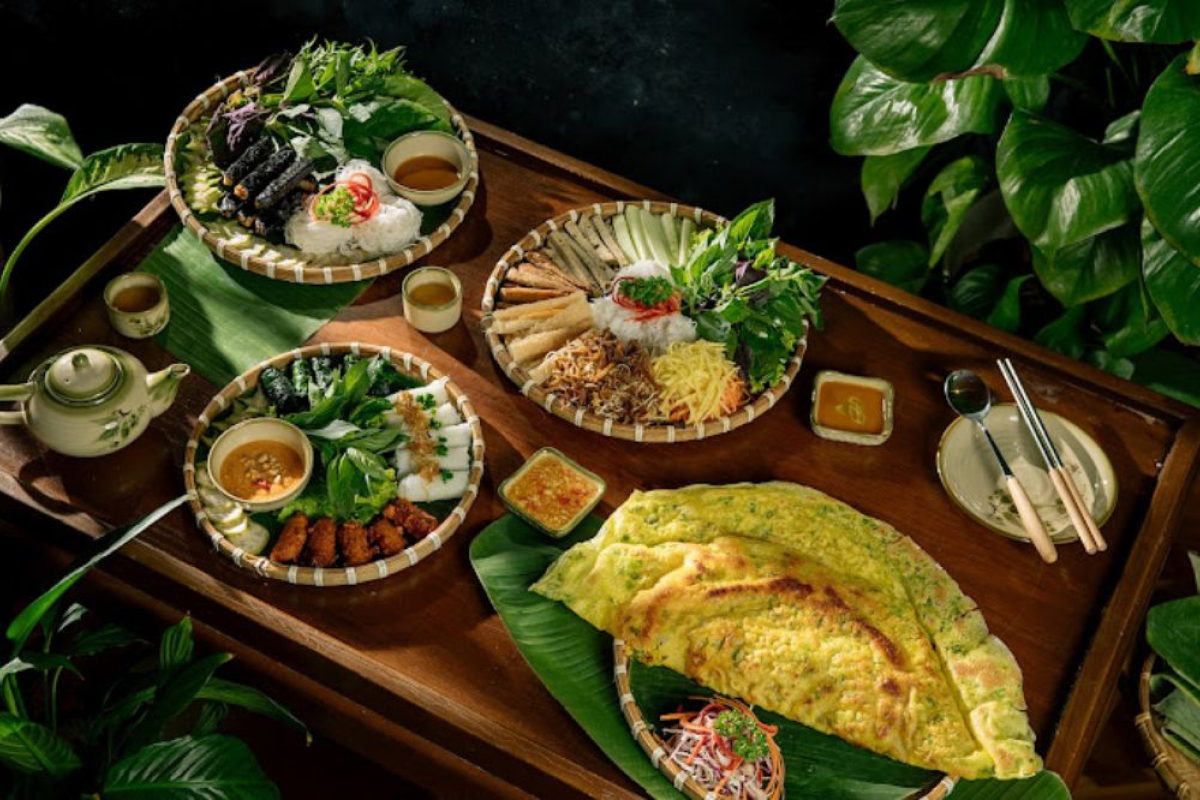
Street food plays a central role in daily life across the country, and plant-based options are easier to find than many travelers expect. From busy sidewalks to traditional markets, vegetarian dishes are both accessible and flavorful, making Vietnam an ideal destination for casual meat-free dining.
- Affordable Vegetarian Eateries.
Small local “quan chay” serve simple rice plates, noodle soups, tofu dishes, and seasonal vegetables at reasonable prices. These casual spots reflect the everyday charm of vegetarian street food in Vietnam and are popular among both locals and visitors.
- Local Market Specialties.
Wet markets and street vendors often offer sticky rice, fresh spring rolls, and vegetarian noodles prepared on the spot. These authentic dishes provide a glimpse into traditional plant-based cooking found throughout the country.
- Budget-Friendly and Easy to Access.
One of the biggest advantages of vegetarian street food in Vietnam is affordability. Meals are inexpensive, widely available, and convenient, allowing travelers to enjoy diverse flavors without planning far in advance.
Regional Differences in Vietnamese Vegetarian Food
Vietnam’s culinary diversity is reflected not only in meat-based cuisine but also in plant-based dishes. Traditional Vietnamese vegetarian food varies significantly from north to south, influenced by climate, local ingredients, and historical traditions. Understanding these regional differences helps travelers appreciate the depth of vegetarian dining across the country.
Northern Vietnam
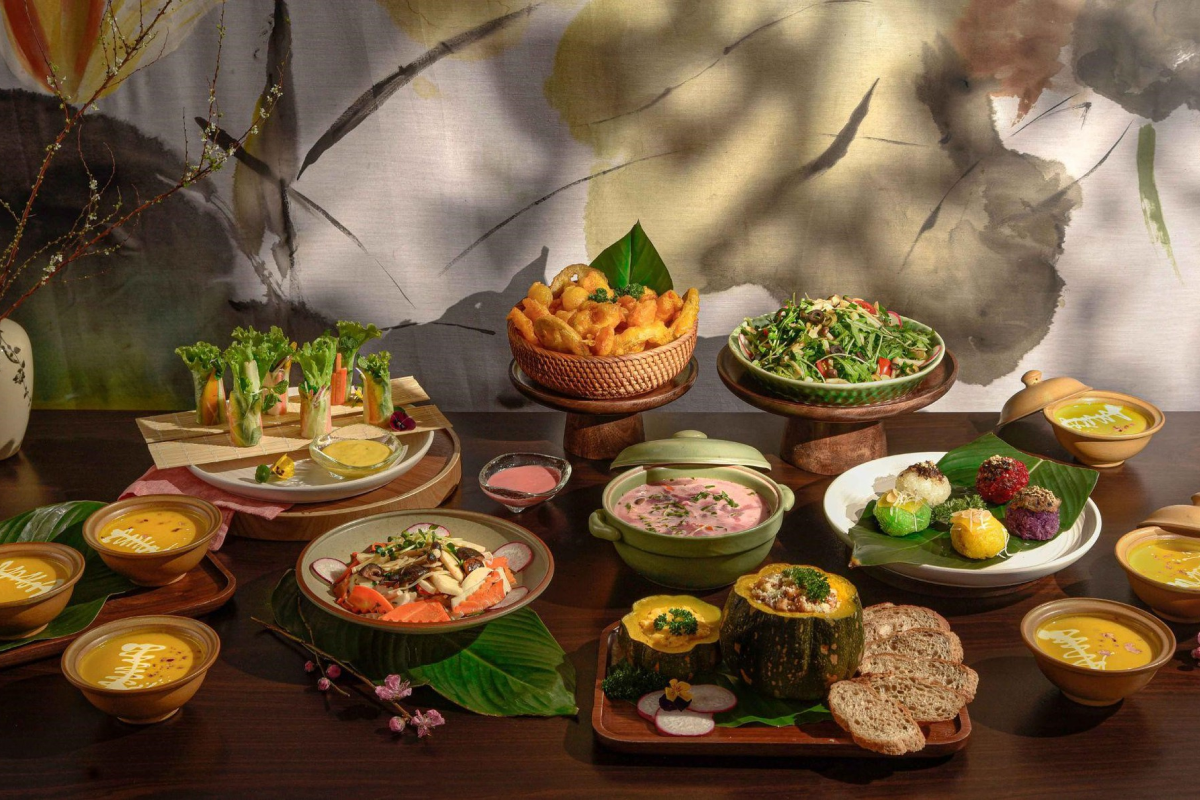
Northern vegetarian cuisine is known for its light, balanced flavors. Dishes are typically less sweet and focus on natural taste rather than strong seasoning. Herbs, tofu, mushrooms, and clear vegetable broths are commonly used, reflecting the subtle style of traditional Vietnamese vegetarian food in this region.
Central Vietnam
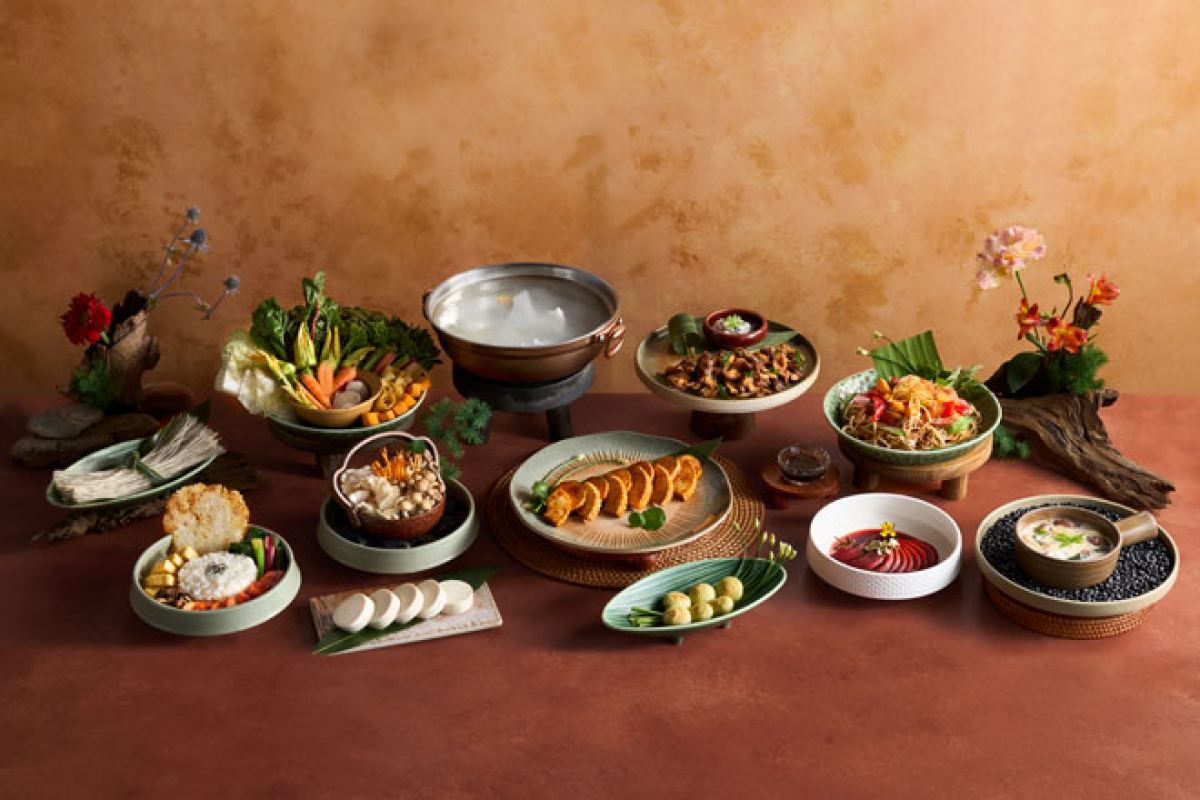
Central Vietnam offers bolder and more complex flavors. The city of Hue, once the imperial capital, has a strong tradition of refined vegetarian cuisine inspired by royal court cooking. Many temple-style dishes here are carefully prepared and beautifully presented, representing a sophisticated expression of traditional Vietnamese vegetarian food.
Southern Vietnam
In the south, vegetarian dishes tend to have a slightly sweeter profile and include a wider variety of fresh vegetables and herbs. The warmer climate supports abundant produce, contributing to vibrant and colorful plant-based meals. This regional style adds another dimension to Vietnam’s diverse vegetarian culinary landscape.
Tips for Vegetarian Travelers in Vietnam
Traveling as a vegetarian in Vietnam is generally easy, but knowing a few practical tips will make your experience smoother. With the growing popularity of Vietnam vegan food travel, more restaurants now understand plant-based preferences, yet clear communication remains important.
- How to Say “I Am Vegetarian” in Vietnamese.
You can say “Toi an chay” (pronounced: toy an chai) to let restaurant staff know you follow a vegetarian diet. If you avoid all animal products, you may clarify by saying “Toi an chay, khong trung, khong sua” (I am vegetarian, no eggs, no dairy). This simple phrase is extremely helpful when ordering local dishes.
- Understanding the Difference Between Vegetarian and Vegan.
In Vietnam, “an chay” traditionally means no meat or fish, but some dishes may still include egg or dairy. Travelers following a strict vegan diet should double-check ingredients such as fish sauce or shrimp paste. Being aware of this distinction helps ensure a smoother Vietnam vegan food travel experience.
- Apps and Tools to Find Vegetarian Restaurants.
Food apps and map services such as Google Maps and HappyCow are useful for locating vegetarian eateries in major cities. Searching for “quan chay” will often lead you to reliable plant-based restaurants. These tools make exploring vegetarian options across Vietnam convenient and stress-free.
Frequently Asked Questions
Here are five common questions vegetarian travelers often ask when planning their food journey in Vietnam.
Is Vietnam vegetarian-friendly?
Yes. Vegetarian options are widely available, especially in major cities and near Buddhist temples. With the rise of plant-based dining and Vietnam vegan food travel, finding meat-free meals has become increasingly convenient.
Can I easily find vegetarian street food?
Yes. Many local stalls and small eateries offer tofu dishes, noodle soups, and fresh spring rolls. Asking for “ăn chay” usually helps when ordering vegetarian street food in Vietnam.
Is fish sauce used in vegetarian dishes?
Traditional vegetarian meals do not include fish sauce. However, it is always best to confirm, especially at non-vegetarian restaurants, to ensure the dish is fully meat-free.
What is the difference between vegetarian and vegan in Vietnam?
“Ăn chay” typically means no meat or seafood, but some dishes may contain egg or dairy. Vegan travelers should clarify their dietary restrictions when ordering.
Are vegetarian meals expensive in Vietnam?
No. Vegetarian food is often affordable and sometimes cheaper than meat-based dishes, making plant-based dining accessible for most travelers.
Conclusion
Vietnam offers a rich and diverse plant-based culinary scene shaped by tradition, culture, and fresh local ingredients. From temple-inspired dishes to vibrant street food, vegetarian dining here is both authentic and accessible. Whether you are exploring traditional meat-free recipes or modern plant-based cafés, Vietnam is an exciting destination for food lovers seeking meaningful and flavorful experiences.
If you are planning your journey, let Vietnam Tour 247 help you discover the best local cuisine, cultural insights, and unforgettable food adventures. Vietnam Tour 247 help you discover the best local cuisine, cultural insights, and unforgettable food adventures.
Explore our travel experiences and customize your trip here:
- Discover Majestic Vietnam Laos Cambodia 15 Days Tour
- Experience Wonderful Vietnam Signature In 12 Days
- Discovery Wonderful Northern Vietnam 8 Days Tour
- 15 Day Majestic Vietnam Tour (Vietnam Tour – 15 Days from North to South)
Follow Fanpage Vietnam Tour 247 us for more travel inspiration and food discoveries:
Start your vegetarian food journey in Vietnam today with Vietnam Tour 247