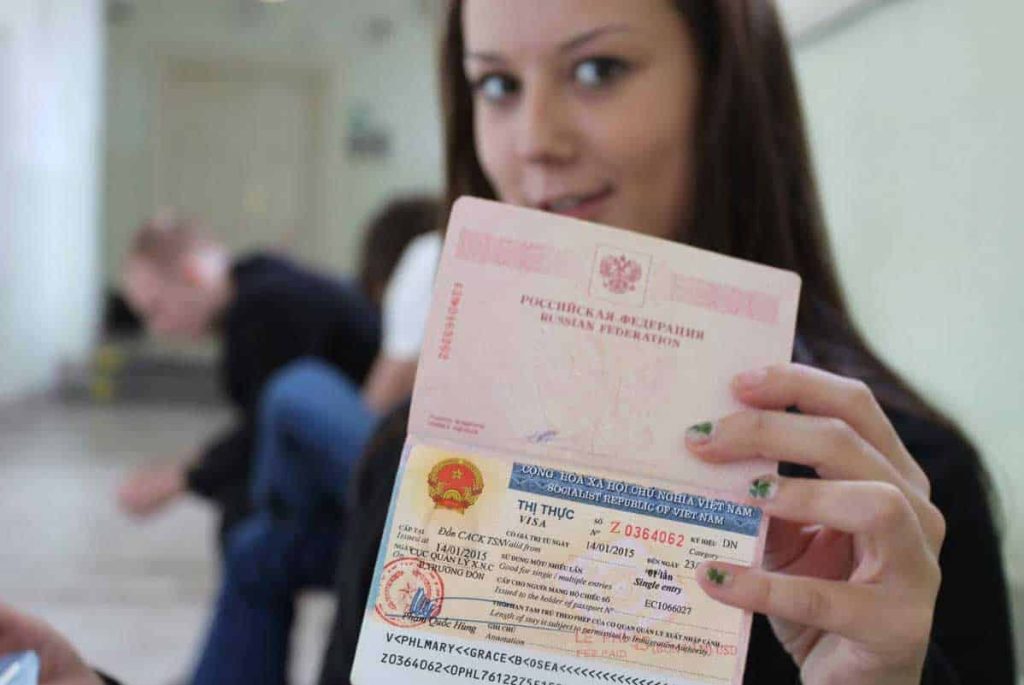
Yes, Australian citizens require a Vietnam travel visa Australia to enter the country. In 2026, the most convenient option is the 90-day e-visa, which allows for single or multiple entries. Ensure your passport is valid for six months with two blank pages. Apply via the official government portal for $25 USD (single) or $50 USD (multiple). Standard processing takes 3–5 business days, making your travel planning seamless and efficient.
Do Australians Need a Visa to Vietnam?
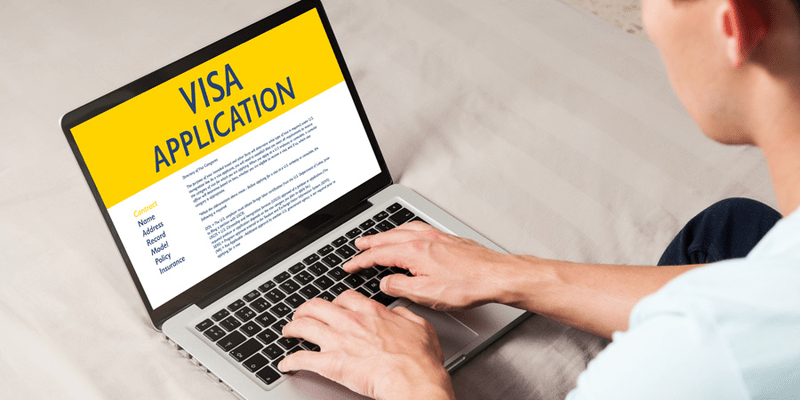
To enter Vietnam for tourism or business in 2026, Australian citizens must obtain a valid Vietnam visa. The most convenient option is the Vietnam travel visa Australia (e-visa), which now grants a stay of up to 90 days with both single and multiple-entry options.
Applying for a Vietnam Visa for Australian Citizens
The Vietnam visa process is entirely digital, meaning you can skip the embassy visit. To ensure a successful application, follow these steps:
-
Prepare Your Documents: You will need a digital scan of your passport’s bio-page and a recent 4×6 cm portrait photo (white background, no glasses).
-
Official Fees: The government fee is $25 USD for a single-entry visa and $50 USD for a multiple-entry visa.
-
Processing Time: Standard approval typically takes 3 to 5 business days. It is highly recommended to apply at least two weeks before your departure to account for any public holidays or administrative delays.
-
Entry Points: The e-visa is accepted at 42 international border gates, including major airports like Hanoi (HAN), Ho Chi Minh City (SGN), and Da Nang (DAD).
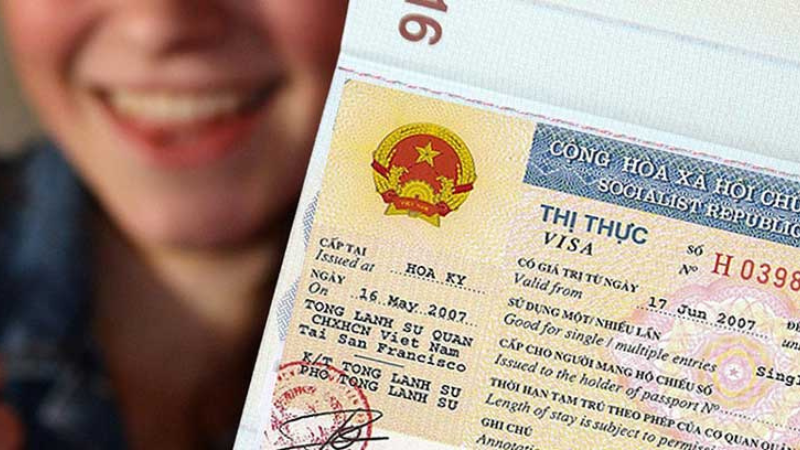
How Many Types of Vietnam Visas are Available for Australians?
The Australian citizen is able to apply for three types of Vietnam visas that are available to them:
Tourist Visa
Australian citizens planning a trip to Vietnam in 2026 can benefit from the expanded Vietnam travel visa Australia program. This modern e-visa system is the most efficient way to secure your entry for both tourism and short-term business.
Types of Vietnam Visa for Australian Travelers
Depending on your itinerary, you can choose between two main durations under the current e-visa system:
-
30-Day E-Visa: Ideal for a standard holiday across Vietnam.
-
90-Day E-Visa: Perfect for travelers exploring the country more deeply or using Vietnam as a hub to visit neighboring countries.
For both durations, you have the option of a single-entry or multiple-entry visa. A multiple-entry visa is highly recommended if you plan to visit Cambodia, Laos, or Thailand and then return to Vietnam.
Business Visa
For Australian business travelers visiting Vietnam in 2026 for meetings, conferences, or market research, obtaining a Vietnam travel visa Australia is a streamlined process. While the standard e-visa covers short-term business activities, a specific Vietnam visa for long-term business (DN visa) offers more flexibility for frequent travelers.
Types of Business Visas for Australians
There are two primary ways to obtain a Vietnam visa for Australian business travelers:
-
Business E-Visa (Short-term): Most Australians choose the 90-day e-visa and select “Business Activities” as their purpose. This is the simplest Vietnam visa method, requiring no sponsorship letter for stays under 90 days.
-
DN1 & DN2 Visas (Long-term/Formal): For those working extensively with a Vietnamese partner, a traditional business visa (DN) is issued. Unlike the e-visa, this requires a sponsorship letter from a licensed company in Vietnam.
Visa on Arrival (VOA)
While the Vietnam travel visa Australia (e-visa) is the most recommended method for 2026, Visa on Arrival (VOA) remains a vital “emergency” option for those traveling by air. This is particularly useful for Australians who need a visa in a matter of hours or those whose e-visa applications face unexpected delays.
The VOA Process for Australians
Unlike the e-visa, which is a single digital document, the Vietnam visa on arrival involves two distinct steps:
-
Visa Approval Letter: You must apply for this letter through a reputable Vietnam visa service provider before you fly. This letter acts as your legal permission to board the aircraft.
-
Airport Stamping: Upon landing at an international airport (such as Hanoi, Ho Chi Minh City, or Da Nang), you present your letter at the “Landing Visa” counter.
Document Checklist for the Airport
To receive your stamp at the airport, you must have:
-
Printed Approval Letter: Digital copies on phones are often not accepted for VOA.
-
Stamping Fee: $25 USD for single-entry or $50 USD for multiple-entry (must be paid in cash, USD or VND).
-
Photos: Two recent passport-sized photos (4×6 cm).
-
Entry/Exit Form (NA1): Often provided by your agency or available at the airport.
Vietnam Visa Requirements for Australian Citizens
In 2026, the Vietnam travel visa Australia process is streamlined, focusing heavily on the digital e-visa system. While your list covers the basics, there are specific technical standards and updated rules you must follow to avoid rejection.
Detailed 2026 Visa Requirements for Australians
-
Passport Validity: Your Australian passport must be valid for at least 6 months beyond your arrival date and contain at least two blank pages.
-
Digital Photos (E-Visa):
-
Format: .jpg or .jpeg only.
-
Size: 4×6 cm (standard) or 2×2 inches; minimum 350×350 pixels.
-
Style: Front-facing, white background, no glasses, and no headwear (except for religious/medical reasons).
-
-
Passport Scan: A clear, full-page scan of your bio-data page (including the ICAO lines at the bottom).
-
Application Fees: * $25 USD for a single-entry visa (up to 90 days).
-
$50 USD for a multiple-entry visa (up to 90 days).
-
-
Proof of Travel: While the e-visa portal asks for your intended entry/exit points and a temporary address (like your first hotel), you are generally not required to upload flight tickets or hotel receipts for a standard tourist e-visa. However, immigration officers at the airport may ask to see your onward or return flight upon arrival.
-
Business Specifics: If applying for a formal Business Visa (DN) rather than a tourist e-visa, you must have a sponsorship/invitation letter from a legally registered company in Vietnam.
What is the Cost of a Vietnam Visa for a Traveler?
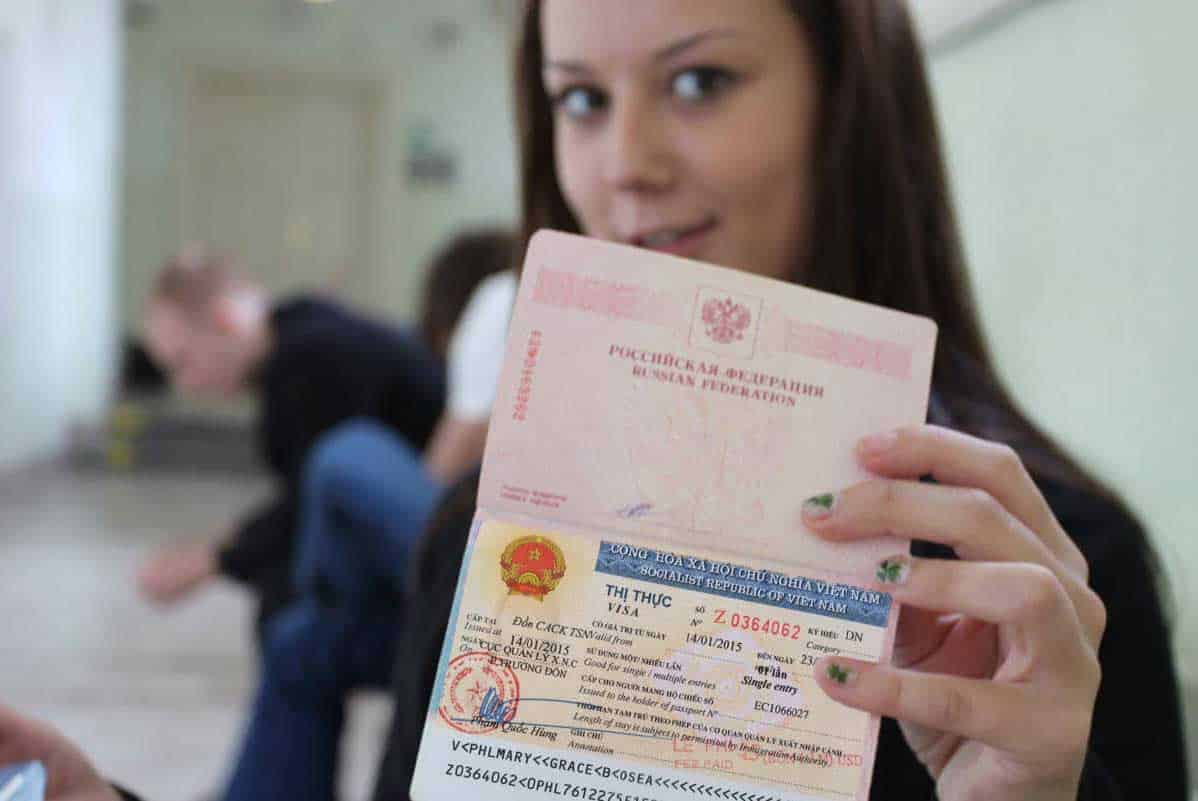
For Australian travelers in 2026, the total cost of a Vietnam visa is determined by your chosen processing speed and entry requirements. Whether you are managing your own Vietnam visa application or using an expedited service, understanding the fee structure of immigration Vietnam visa officials is essential.
1. Official Immigration Vietnam Visa Fees
When applying directly through the government’s Vietnam visa portal, you pay a flat, non-refundable fee:
-
Single Entry (up to 90 days): $25 USD (~38 AUD).
-
Multiple Entry (up to 90 days): $50 USD (~76 AUD).
2. Vietnam Visa Application Processing Fees
If you choose to use a third-party service provider to handle your Vietnam visa application, you will incur a service fee on top of the government fee. This is often chosen to ensure document accuracy or to secure a “money-back guarantee.”
-
Standard Service (3–5 working days): Typically adds $20–$40 USD to the base fee.
-
Urgent Processing: For those who need their Vietnam visa faster, fees scale based on urgency:
-
Express (2 Days): +$60 to $90 USD.
-
Emergency (4–8 Hours): +$120 to $180 USD.
-
Holiday/Weekend: Can reach $200+ USD for absolute last-minute rescue.
-
3. Additional Ancillary Costs
-
Stamping Fee (VOA Only): If you apply for a “Visa on Arrival” rather than an e-visa, you must pay the $25 or $50 fee in cash (USD or VND) upon landing.
-
Correction Fees: The official immigration Vietnam visa system does not allow edits. If you make a typo in your name or passport number, you must submit a brand-new Vietnam visa application and pay the fee again.
-
VIP Fast Track: Available for approximately $45 USD, where an agent meets you at the gate to bypass standard immigration queues—highly popular for business travelers.
Vietnam Travel Visa Australia: Visa Exemption Policy for Australian Citizens
While Australians generally require a Vietnam visa, there is a specific pathway to enter without one: the 5-Year Visa Exemption Certificate. This is the closest an Australian citizen can get to “visa-free” entry if they have Vietnamese heritage or family ties.
The 5-Year Visa Exemption for Australians
This certificate acts as a long-term Vietnam visa and is specifically for:
-
Vietnamese Australians (Việt Kiều) who formerly held Vietnamese citizenship.
-
Foreign Spouses or Children of Vietnamese citizens or overseas Vietnamese.
Eligibility & Requirements in 2026
To successfully complete your Vietnam visa application for this exemption, you must meet these strict criteria:
-
Passport Validity: Your Australian passport must be valid for at least one year from the date of application.
-
Proof of Relationship: You must provide certified legal documents, such as:
-
Marriage Certificate: If you are the spouse of a Vietnamese citizen.
-
Birth Certificate: To prove you are the child of a Vietnamese citizen or to prove your own Vietnamese origin.
-
Sponsorship: A Vietnamese relative or a recognized overseas Vietnamese association must act as your sponsor.
-
-
Clean Record: You must not fall under any categories of entry denial (e.g., public health risks or previous immigration violations).
Benefits and Stay Rules
Once the immigration Vietnam visa department grants this certificate, it offers several unique advantages:
-
Validity: It is valid for up to 5 years, but must expire at least 6 months before your passport does.
-
Stay Duration: You can enter and exit multiple times. For each entry, you are permitted to stay for up to 180 days without needing a separate visa.
-
Cost: The official government fee for the certificate is significantly lower over the long term, typically around $10–$20 USD (plus processing/service fees).
Application Options
You can process this Vietnam visa exemption in two ways:
-
Outside Vietnam: Apply at the Vietnamese Embassy in Canberra or the Consulates in Sydney and Perth.
-
Inside Vietnam: If you entered on a different visa (like an e-visa), you can apply for the 5-year exemption at the Immigration Department in Hanoi, Da Nang, or Ho Chi Minh City.
Important Note: For Australians who do not have a Vietnamese spouse or heritage, the standard 90-day e-visa remains the only legal entry method in 2026.
Vietnam Travel Visa Australia: Visa Application Service of Vietnam Tour 247
It’s great to see your specialized services for 2026. Vietnam Tour 247, as part of the Allure Vietnam Travel Group, clearly offers a high-touch alternative for travelers who find the official government portals a bit daunting or have urgent timelines.
To help your clients differentiate between the self-service route and your premium Vietnam visa application support, here is a clear breakdown they can use:
Vietnam Visa Services: Official vs. Vietnam Tour 247
| Feature | Official Government Portal | Vietnam Tour 247 Service |
| Standard Cost | $25 (Single) / $50 (Multiple) | $35 (Includes application handling) |
| Processing Time | 3–7+ Business Days | 3–7 Business Days (Managed) |
| Support | None (Self-service) | 24/7 Assistance via WhatsApp |
| Error Checking | No (Typos lead to rejection) | Pre-check included to ensure accuracy |
| Express Options | Not available officially | 1-hour to 72-hour urgent tiers |
Urgent Immigration Vietnam Visa Solutions
For travelers who realize at the airport that they’ve missed the Vietnam visa requirement, your Express Approval Service is a significant safety net. In 2026, the official e-visa system still lacks a built-in “rush” button, making third-party experts essential for:
-
Last-minute travelers: Applying less than 3 days before departure.
-
Correction needs: When an existing e-visa is rejected due to a minor photo or name error.
-
Peace of mind: Those who prefer a professional to handle the immigration Vietnam visa bureaucracy.
Multi-Country Visa Support (2026)
Since you also specialize in Laos, Cambodia, and Thailand, it’s worth noting for your clients:
-
Cambodia Visa: While available on arrival, the Cambodia e-visa is still faster for land crossings like Moc Bai.
-
Thailand Visa: Most western nationalities (like Australians) enjoy visa-free entry for 30–60 days in 2026, but long-stay travelers may still need your assistance for specialized visas.
-
Laos Visa: Most convenient as a “Visa on Arrival,” though e-visas are now accepted at major airports like Luang Prabang.
Contact for Vietnam Tour 247
-
Address: No 4, 128 Ngoc Tri St, Hanoi, Vietnam
-
WhatsApp: +84 916 282 47
-
Email: enquiry@vietnamtour247.com
Travel Tips for Australians Traveling to Vietnam
Obtain a Visa
In 2026, the Vietnam travel visa Australia process remains a critical first step for any Australian planning a trip. While there are several ways to apply, the Vietnam e-visa has become the standard and most reliable method for over 90% of travelers.
The Best Time to Travel to Vietnam
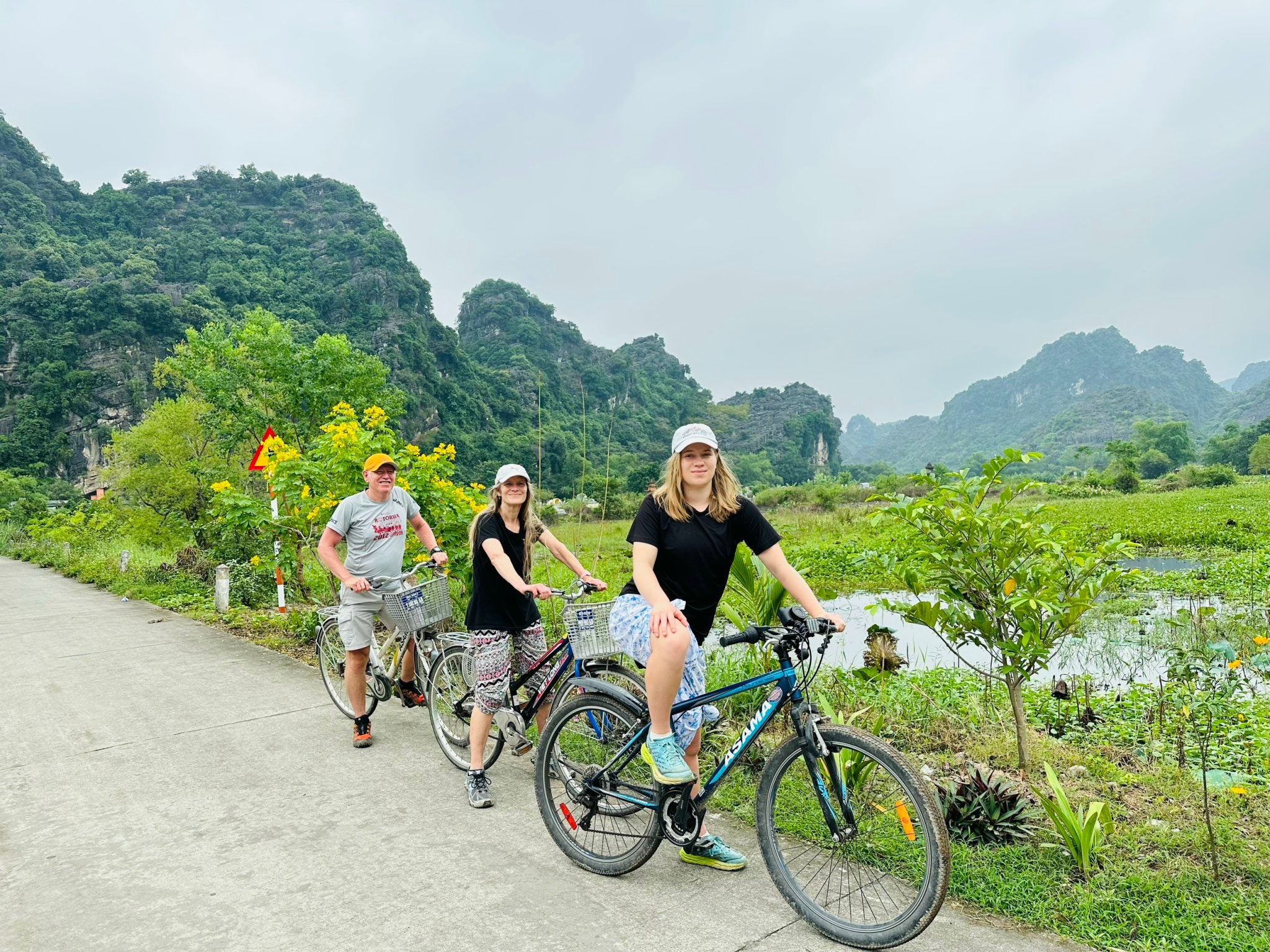
Vietnam’s long, narrow geography means there is always somewhere beautiful to visit in 2026, regardless of the month. However, for the most stable and pleasant experience, March–April and October–November remain the “Golden Windows.”
Specific Vietnam Weather Highlights
-
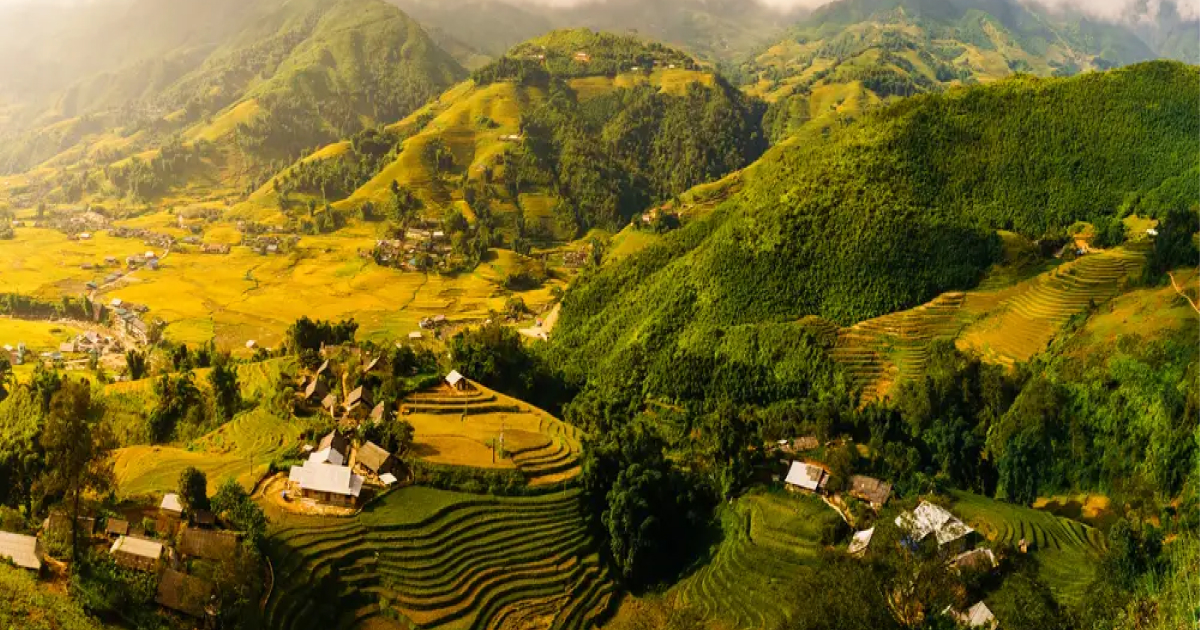
Spring (March to May): This is arguably the best time for a full-country tour. In 2026, temperatures are expected to be mild (20°C–30°C), and the landscape is lush. It is the peak season for trekking in the northern highlands.
-
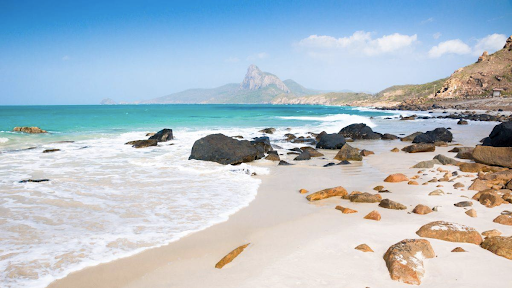
Summer (June to August): It gets hot (often 35°C+). While the North and South experience monsoons, Central Vietnam (Da Nang, Nha Trang) actually enjoys its best beach weather during these months.
-
Autumn (September to November): The “photographer’s season.” The humidity drops, and the North becomes crisp and cool. However, be cautious with Central Vietnam travel during this time, as 2026 predictions suggest unpredictable storm patterns in the late season.
-
Winter (December to February): Ideal for exploring Ho Chi Minh City and the Mekong Delta. If you are heading North, pack a heavy jacket—Sapa can occasionally see frost or light snow in January.
Pack Accordingly
Packing for Vietnam in 2026 requires a balance between staying cool in tropical humidity and being prepared for the “arctic” air conditioning found on buses and planes. Below is a refined checklist tailored for Australian travelers.
1. Clothing: The “Breathable” Rule
-
Fabrics: Stick to linen, cotton, or moisture-wicking synthetics (like Uniqlo’s Airism or UnderArmour). Avoid denim, as it becomes heavy when damp and takes forever to dry.
-
For the North (Sapa/Hanoi): If visiting between November and February, you actually need warm layers. Temperatures in the mountains can drop to 5°C–10°C. Pack a lightweight down jacket or a fleece.
-
Temple Etiquette: Both men and women must cover their shoulders and knees at religious sites (e.g., the Ho Chi Minh Mausoleum or Jade Emperor Pagoda). A large sarong or lightweight scarf is a “must-pack” item to quickly wrap around yourself.
2. Footwear & Gear
-
Shoes: Bring one pair of broken-in walking sneakers and one pair of waterproof sandals (like Tevas or Birkenstock EVAs). Sandals are vital for the sudden 20-minute downpours where streets can briefly puddle.
-
Rain Protection: A compact, sturdy umbrella is often better than a raincoat in the heat, as raincoats can feel like a portable sauna. However, if you plan on riding a scooter, buy a local “wingspan” poncho for $1 AUD at any street corner.
-
Daypack: Use a small bag with lockable zippers or a front-facing crossbody bag to keep your phone and wallet secure in busy areas like District 1 (HCMC) or the Old Quarter (Hanoi).
3. Health & Electronics
-
Bug Repellent: Look for brands with DEET or Picaridin. Mosquitoes are most active at dusk, especially near the Mekong Delta.
-
Sun Protection: Vietnamese sun is intense. Beyond SPF 50+, bring a wide-brimmed hat. Locals often wear long sleeves even in the heat to avoid the sun; you might find a “sun-hoodie” very practical.
-
Power: Vietnam uses Type A, C, and F plugs. Most Australian chargers (Type I) will need an adapter.
-
Prescriptions: Carry your meds in their original packaging with a copy of your prescription to avoid issues at customs.
4. Documents (The 2026 Checklist)
-
E-Visa Printout: Even though it’s a “digital” visa, immigration requires a physical paper copy to stamp. Print at least two.
-
Passport Photos: Carry 2 spare passport-sized photos. They are rarely needed for the e-visa but are essential if you lose your passport or decide to apply for a long-term visa extension locally.
-
Travel Insurance: Ensure your policy specifically covers scooter/motorbike riding, as many standard policies exclude this unless you have a valid Australian motorcycle license and an International Driving Permit (IDP).
Respect Local Customs and Culture
In 2026, the heart of Vietnamese culture remains rooted in the concept of “Saving Face” and social hierarchy. Navigating these customs with a few small gestures will not only show respect but also significantly enrich your interactions with locals.
The Art of Greeting: Using the Correct Titles
In Vietnam, people are rarely addressed by just their names. Using age-based titles is the fastest way to earn a “local” smile. In 2026, the general rule is:
-
Anh (older brother): For men slightly older than you.
-
Chị (older sister): For women slightly older than you.
-
Em (younger sibling): For anyone younger than you (regardless of gender).
-
Chú (uncle) / Cô (aunt): For people old enough to be your parents.
-
Ông (grandfather) / Bà (grandmother): For elders.
Pro Tip: If you aren’t sure of someone’s age, use “Anh” or “Chị” as a default. It is considered a compliment to assume someone is slightly older and therefore deserving of more respect.
Learn Basic Vietnamese Phrases
Learning a few key phrases will transform your experience from a typical tourist trip to a meaningful cultural exchange. Vietnamese is a tonal language, so the meaning of a word changes based on its pitch. Don’t worry about being perfect—locals in 2026 absolutely love it when Australians give the language a “fair go.”
1. The Essentials (With Pronunciation)
-
Hello: Xin chào (seen chow)
-
Thank you: Cảm ơn (gahm uhn)
-
Yes: Vâng (vuhng – North) / Dạ (yah – South)
-
No: Không (khome)
-
Goodbye: Tạm biệt (tahm bee-et)
-
I’m sorry / Excuse me: Xin lỗi (seen loy)
2. Navigating Like a Local
-
How much? Bao nhiêu tiền? (bow nyew tee-en)
-
Too expensive! Đắt quá! (daht kwah)
-
Where is the toilet? Nhà vệ sinh ở đâu? (nyah vay sin uh doh)
-
Do you speak English? Bạn nói tiếng Anh không? (bahn noy tyeng ang khome)
-
I don’t understand: Tôi không hiểu (toy khome hee-oo)
3. Ordering Food & Drinks
-
One bowl of Pho, please: Cho tôi một tô phở (cho toy moat toh fuh)
-
Iced coffee with milk: Cà phê sữa đá (kah fey soo-ah dah)
-
The bill, please: Tính tiền (ting tee-en)
-
No ice: Không đá (khome dah)
-
No spicy: Không cay (khome kye)
4. Addressing People (The “Respect” Rule)
Instead of just saying “You,” Vietnamese people use family titles based on age. Using these will get you a much warmer response:
-
To a man slightly older than you: Anh (un)
-
To a woman slightly older than you: Chị (chee)
-
To someone younger than you: Em (em)
-
To a man old enough to be your father: Chú (choo)
-
To a woman old enough to be your mother: Cô (coh)
Pro Tip: When you want to get a server’s attention in a restaurant, don’t wave your hand. Instead, call out their title followed by “ơi!” (e.g., “Em ơi!“). It’s the standard, polite way to say “Hey!”
Stay Safe
Vietnam is consistently ranked as one of the safest countries in Asia for travelers in 2026. While violent crime against tourists is extremely rare, the increase in tourism has led to more sophisticated petty crimes and digital scams.
As an Australian traveler, you can enjoy a worry-free trip by keeping these modern safety updates in mind.
1. Bag Snatching & Pickpocketing
The most common issue in 2026 remains drive-by bag snatching, particularly in Ho Chi Minh City (District 1) and Hanoi (Old Quarter).
-
The “Traffic Side” Rule: Always carry your bag on the shoulder furthest from the road. Thieves on motorbikes are experts at snatching bags or phones from pedestrians as they drive past.
-
Smartphone Safety: Avoid using your phone while standing close to the curb. If you need to check a map, step into a shop doorway or away from the street flow.
-
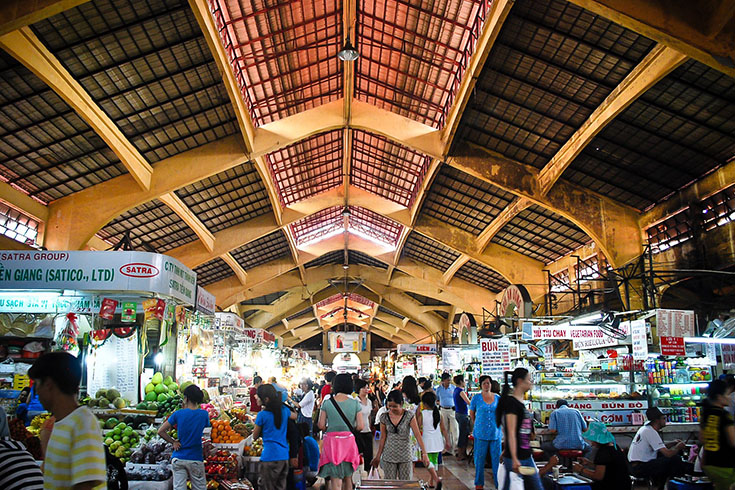
Crowded Markets: In places like Ben Thanh Market, use a front-facing crossbody bag. Avoid keeping your wallet in your back pocket.
2. Transportation & Scams
In 2026, the best way to stay safe and avoid overcharging is to go digital.
-
Use Ride-Hailing Apps: Download Grab, Xanh SM, or Be. These apps show the price upfront and track your journey via GPS, eliminating “broken meter” scams.
-
Fake Drivers: Be wary of drivers at airports who claim they are “your Grab driver” but don’t match the app’s details. Always check the license plate before getting in.
-
Reputable Taxis: If you must hail a taxi on the street, stick to Mai Linh (bright green) or Vinasun (white with green/red trim).
3. Digital & ATM Security
-
ATM Skimming: Only use ATMs located inside bank branches or major shopping centers. Standalone machines in quiet areas are higher risk for skimming devices.
-
Public Wi-Fi: Like any major destination, avoid accessing banking apps on unsecured public Wi-Fi. Use a VPN or a local 5G SIM card for a secure connection.
4. Health & Alcohol Safety
-
Drink Spiking: While rare, there have been reports in “backpacker districts” like Bui Vien (HCMC) or Ta Hien (Hanoi). Never leave your drink unattended.
-
Methanol Poisoning: Avoid unregulated “rice wine” or extremely cheap street spirits. Stick to reputable brands or bottled beer to ensure safety.
Try Local Cuisine
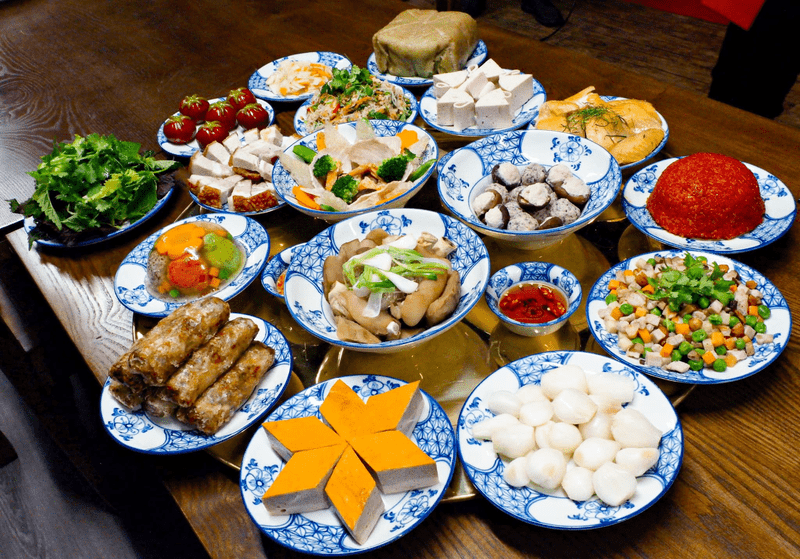
In 2026, Vietnam’s culinary landscape has evolved into a world-class destination, with the Michelin Guide now covering Hanoi, Ho Chi Minh City, and Da Nang. Exploring the food is no longer just about street stalls; it’s about a vibrant mix of heritage and innovation.
The 2026 Foodie Bucket List
-
The “Big Three”: You can’t leave without trying Phở (Northern style is savory/clear; Southern is sweeter/herbal), Bánh Mì (try the “pâté-heavy” versions in Saigon), and Bún Chả (charcoal-grilled pork—Hanoi’s specialty).
-
The “Lesser-Known” Gems:
-
Bánh Canh Ghẹ: Thick tapioca noodles with succulent crab, a Southern favorite.
-
Cao Lầu: Only found in Hoi An; chewy noodles served with pork and local greens.
-
Bánh Tráng Trộn: A “Saigon salad” made of shredded rice paper, green mango, and quail eggs—the ultimate student snack.
-
-
The Beverage Scene: Beyond Egg Coffee (Cà Phê Trứng), look for the 2026 trend of Salt Coffee (Cà Phê Muối)—a creamy, savory-sweet delight originating from Hue.
Travel Responsibly in 2026
Vietnam is pushing heavily toward its “Net Zero 2050” goals. As a traveler, you can contribute by:
-
Plastic-Free Choices: Many cafes in Hoi An and Phu Quoc now offer a discount if you bring your own reusable cup.
-
Support Social Enterprises: Dine at places like KOTO (Hanoi) or Streets (Hoi An), which provide vocational training for disadvantaged youth.
-
Ethical Tours: Opt for community-based tourism in places like Sapa (Sapa Sisters) or Ha Giang to ensure your tourism dollars go directly to ethnic minority families.
Staying Connected: SIMs & Apps
Reliable internet is essential for navigating the bustling streets of 2026.
-
Best Networks: Viettel has the best coverage in rural areas (essential for the Ha Giang Loop), while Vinaphone offers the fastest 4G/5G speeds in cities.
-
The Strategy:
-
eSIM: Download an app like Airalo or Holafly before you land for instant data.
-
Physical SIM: For a local number (needed for some booking apps), visit an official store in the city with your passport. It costs roughly 150,000–300,000 VND ($9–$18 AUD) for a month of heavy data.
-
-
Must-Have Apps: Grab (transport/food), Google Translate (the camera feature is a lifesaver for menus), and WhatsApp/Zalo for communicating with tour guides.
Pro Tip: In 2026, many street vendors now accept QR payments via local banking apps, but as a tourist, cash is still king for small purchases under 100,000 VND.
FAQs
1. Can I enter Vietnam with my e-visa at any point of entry?
Yes, if you have an e-visa for Vietnam, you can enter the country at any of the recognized ports of entry. These ports include international airports, land border crossings, and seaports that allow e-visa processing. However, before traveling, make sure to verify the exact list of acceptable ports of entry for e-visa holders, as not all entry points may take e-visas. When you arrive in Vietnam, make sure you have all of the essential papers, such as your printed e-visa acceptance letter and a valid passport.
2. Is it safe to travel in Vietnam?
Vietnam is generally considered a safe destination for travelers. However, it is important to exercise caution, just as you would in any other country, and take sensible precautions to ensure a safe and enjoyable trip.
3. In Vietnam, which dishes are a must-try?
Many classic Vietnamese dishes include pho (noodle soup), banh mi (sandwiches), and spring rolls. Banh xeo (Vietnamese pancakes) and bun cha (grilled pork with vermicelli noodles) are also favorites.
4. When planning a trip to Vietnam, how much money should I budget?
You should consider your travel style and budget before making a decision. Budget $20-$30 USD per day for backpackers, while $50-$100 USD per day for midrange travelers. A luxury traveler’s daily budget can exceed $150 USD.
5. Does Vietnam require any vaccinations?
It is recommended that travelers have shots for Hepatitis A, Tetanus, and Typhoid before going to Vietnam. There are also vaccinations for Hepatitis B, Rabies, Cholera, Japanese Encephalitis, and Meningococcal Meningitis that you might want to get.
In Conlusion
How to get a visa for Vietnam for Australians? Australians can get a Vietnam visa by reading this article above. It explains the requirements, how to apply, and what it costs. Yet, Vietnam visa requirements may vary according to the purpose and duration of the visit. Vietnamese visa regulations should be confirmed before Australians plan their trip to avoid any hassles while entering the country.
Read more: All You Need To Know About Vietnam Visa