Prioritizing safety in Thailand is essential for a worry-free experience. Before your trip, ensure you have comprehensive travel insurance and stay updated on local health advisories. By following basic precautions—like choosing reputable transport and staying hydrated—you can focus on enjoying the vibrant landscapes and unique traditions that make this nation a truly spectacular destination.
Socio-political situation in Thailand
Although it has gone through many periods of political instability, in recent years, Thailand has made positive political and social changes to ensure the health & safety of tourists visiting this country.
Stable political system
As of 2026, Thailand continues to be a top global destination, with the government making tourist safety in Thailand a primary focus. While the political landscape has seen recent shifts—with Prime Minister Anutin Charnvirakul leading the government following the 2025 transition—the commitment to protecting international visitors remains a national priority.
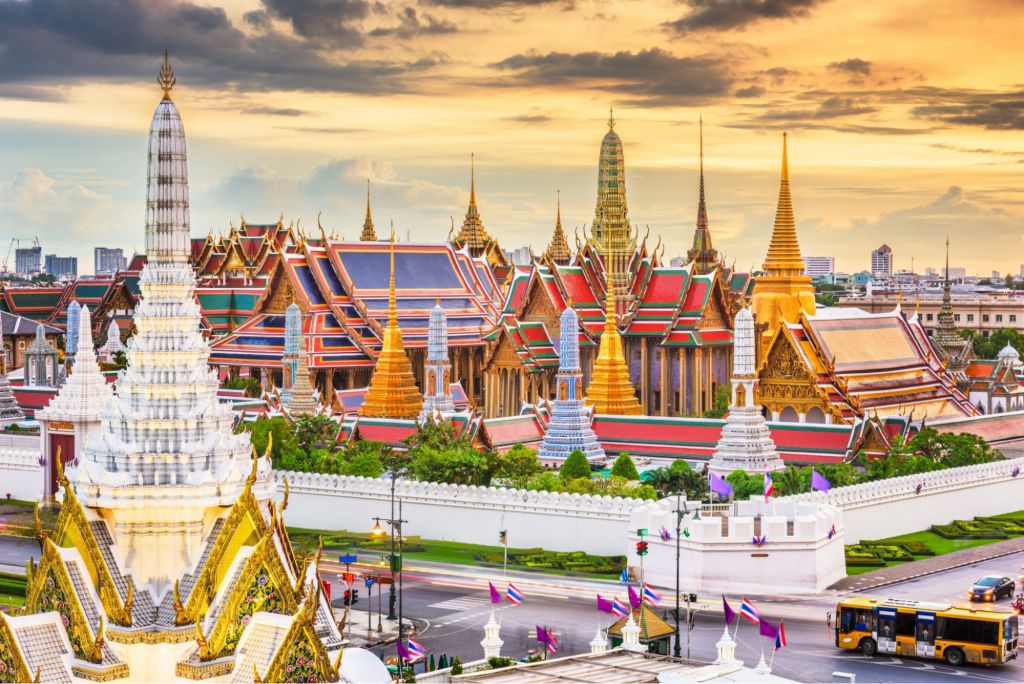
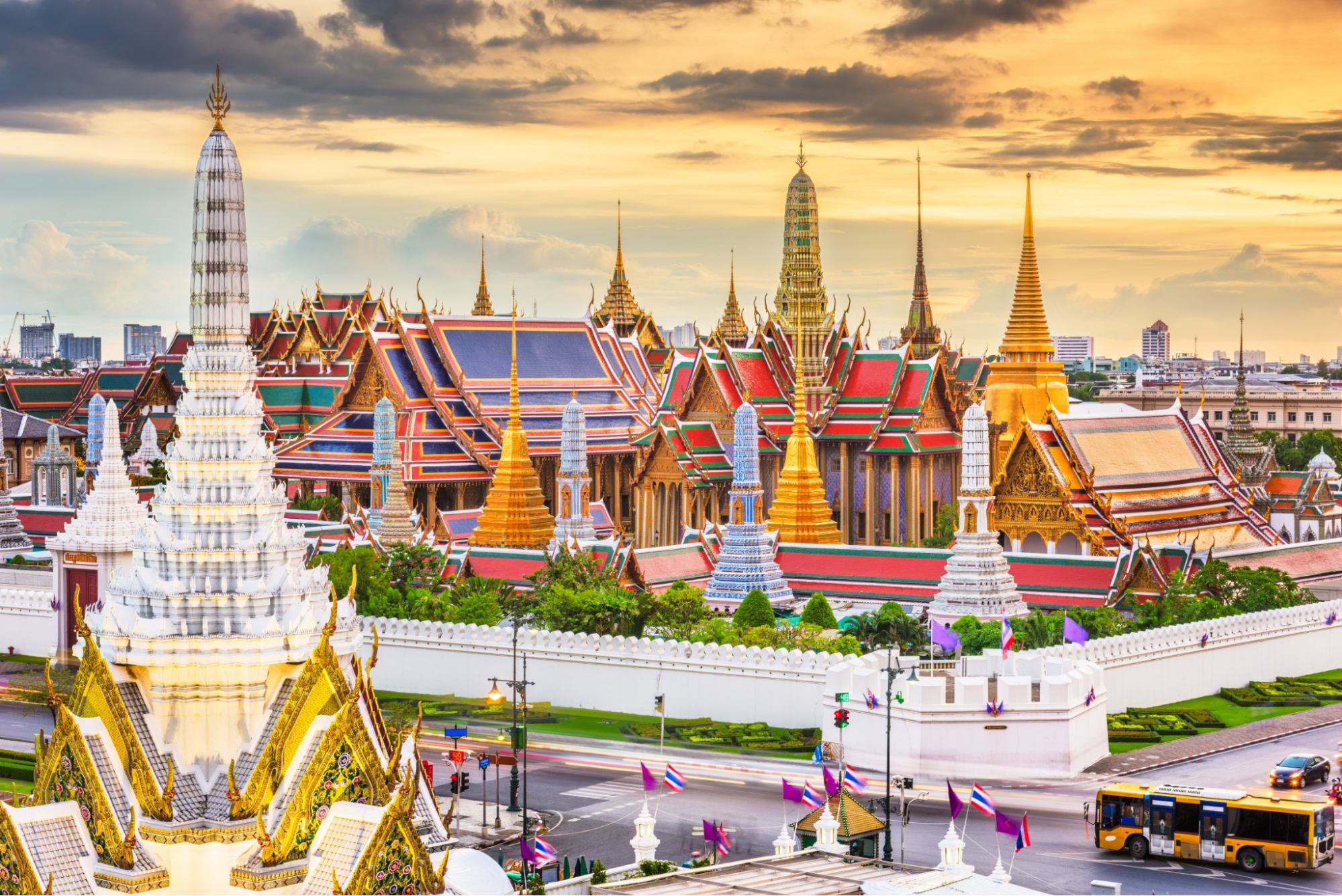
To ensure your health and safety in Thailand, the government has increased patrols in popular hubs like Bangkok’s Grand Palace and Chiang Mai’s Old City. Travelers are encouraged to use the “Tourist Police” (dial 1155) for English-language assistance. While safety in Thailand is generally high, officials advise staying informed about local news, particularly regarding the 2026 New Year festivities and the ongoing formal mourning period for HM Queen Sirikit, which involves respectful behavior and modest dress in public.
By utilizing official apps like Grab for secure transport and following updated digital arrival protocols (TDAC), international travelers can enjoy a secure and fulfilling vacation.
Developed economy
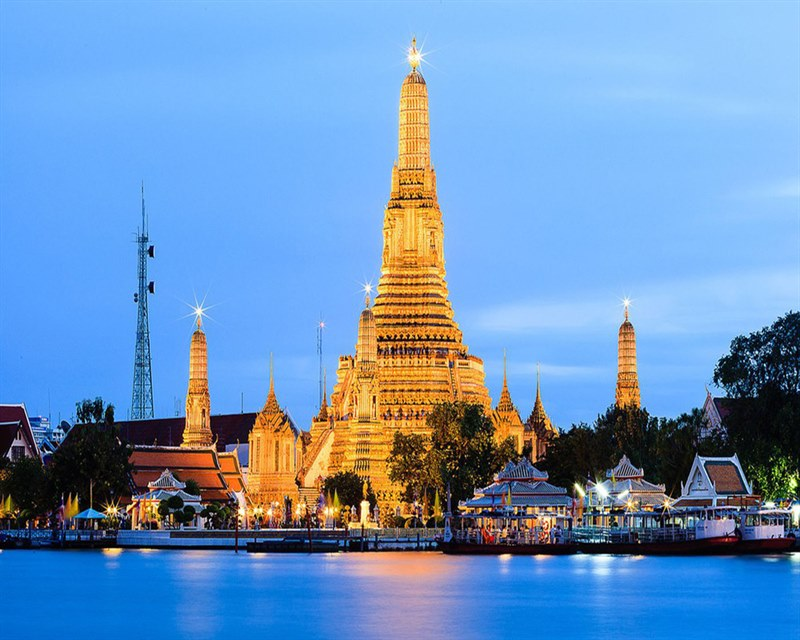
In 2026, Thailand’s economy has fully revitalized, with tourism serving as a powerful engine for growth. This prosperity has led to significant investments in tourist safety in Thailand, ensuring that the nation’s world-class infrastructure remains top-tier. From the bustling hubs of Suvarnabhumi and Don Mueang to the sleek high-speed rail links now connecting major cities, traveling across the country is more efficient than ever.
To maintain high standards of health and safety in Thailand, the government has integrated modern digital health monitoring and enhanced security at major landmarks. Whether you are staying in a boutique hostel or a five-star resort, these measures provide peace of mind.
Overall, the focus on safety in Thailand—combined with an endless array of historic temples and pristine beaches—makes it a secure and vibrant destination for global explorers seeking a seamless holiday.
Diverse and inclusive society
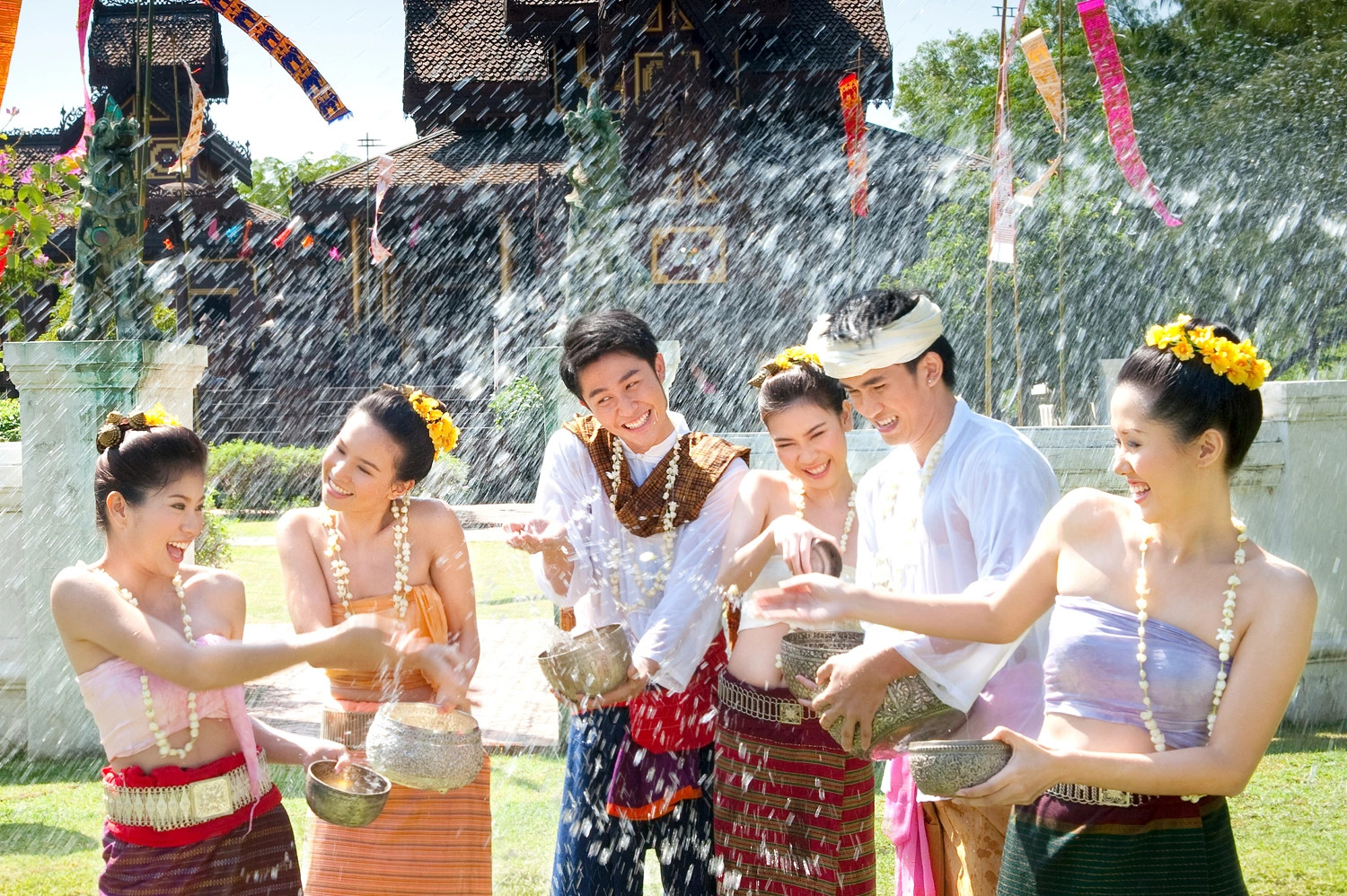
Thailand is a vibrant, multi-ethnic nation of over 71.8 million people in 2026. While the Thai majority makes up approximately 86% of the population, the country’s rich tapestry includes significant ethnic groups such as the Thai-Chinese (10-14%), as well as Malay, Khmer, and various hill tribes. This diversity is a cornerstone of tourist safety in Thailand, as the government promotes cultural harmony to ensure a welcoming environment for all.
When exploring the “Land of the Golden Temple,” visitors can experience this diversity through unique festivals and traditional music. To ensure your health and safety in Thailand, many cultural sites now offer multilingual guides to help visitors navigate local customs respectfully.
Whether you are chatting with locals at a neighborhood market or tasting regional cuisines, the focus on safety in Thailand allows you to immerse yourself fully in these indigenous cultures with total peace of mind.
Things to keep in mind when traveling Thailand
In Thailand travel, you should pay attention to the following things to ensure health & safety in Thailand, and also lot of things to do in Thailand.
Costume
When traveling through the “Land of Smiles,” dressing appropriately is both a sign of respect and a practical necessity. Because Thailand is a traditional Eastern society, maintaining tourist safety in Thailand often begins with cultural sensitivity.
To ensure your health and safety in Thailand, keep these wardrobe tips in mind:
-
Temple Etiquette: When visiting spiritual sites, both men and women must cover their shoulders and knees. Carrying a light sarong or scarf is a smart way to stay prepared.
-
Climate Comfort: Thailand’s tropical weather is consistently hot and humid. Opt for breathable, natural fabrics like linen or cotton to stay cool and prevent heat-related issues.
-
Footwear: Choose comfortable walking shoes, but remember that you must remove them before entering homes and many shops. Slip-on shoes are the most convenient choice.
By dressing discreetly and politely, you show respect for local customs, which enhances overall safety in Thailand by fostering positive interactions with the welcoming local community.
Currency exchange
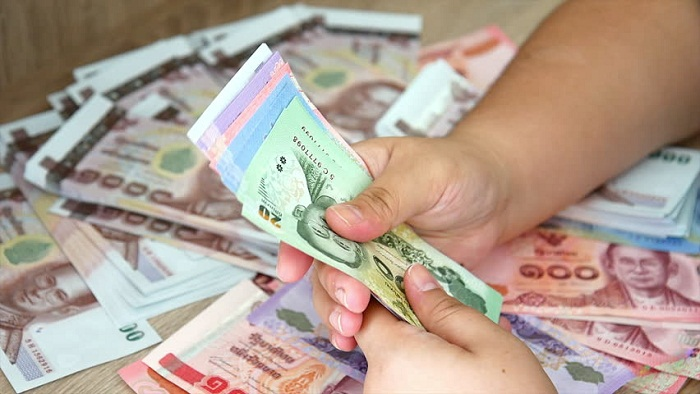
When managing your finances in 2026, a mix of digital and cash strategies is best. For travelers arriving from Vietnam, the current exchange rate is approximately 1 VND to 0.0012 THB, or 1,000 VND to 1.2 THB.
To ensure tourist safety in Thailand, follow these updated financial tips:
Smart Currency Exchange
-
Reputable Chains: Look for established booths like SuperRich Thailand, Vasu Exchange, or Value Plus in central areas (Siam, Sukhumvit). They consistently offer better rates than traditional banks.
-
Airport Strategy: Exchange only a small amount at Suvarnabhumi or Don Mueang for your initial taxi or SIM card. Airport rates remain less favorable than city center options.
-
Requirement: You must present your passport for any cash exchange in Thailand.
Payment Cards & ATMs
-
International Cards: Visa and Mastercard are widely accepted in hotels, malls, and restaurants. For health and safety in Thailand, using tap-to-pay (contactless) is now standard and helps you avoid credit card skimming.
-
Avoid DCC: When a terminal asks to charge you in your “Home Currency” or “Thai Baht,” always choose Thai Baht. This ensures your own bank handles the conversion at a fairer rate.
-
ATM Use: Most Thai ATMs charge a flat fee of 220 THB per withdrawal. To minimize costs, withdraw larger amounts less frequently and use machines located inside bank branches for higher security.
Transportation
In 2026, navigating transport is a key part of ensuring tourist safety in Thailand. While iconic, tuk-tuks and street-hailed taxis often require firm negotiation to avoid “tourist pricing.” To enhance your health and safety in Thailand, the most reliable method is using ride-hailing apps like Grab or Bolt. These provide transparent, fixed fares and GPS tracking, significantly reducing the risk of scams.
For a fast and secure way to bypass Bangkok’s traffic, use the BTS Skytrain or MRT Subway. These modern systems are highly safe and cost-effective. If you plan to drive, be aware that Thailand drives on the left side of the road, and an International Driving Permit (IDP) is strictly required. Prioritizing these transport choices ensures a smooth, secure journey throughout your Thailand Cambodia Vietnam itinerary 10 days.
Culture and costum
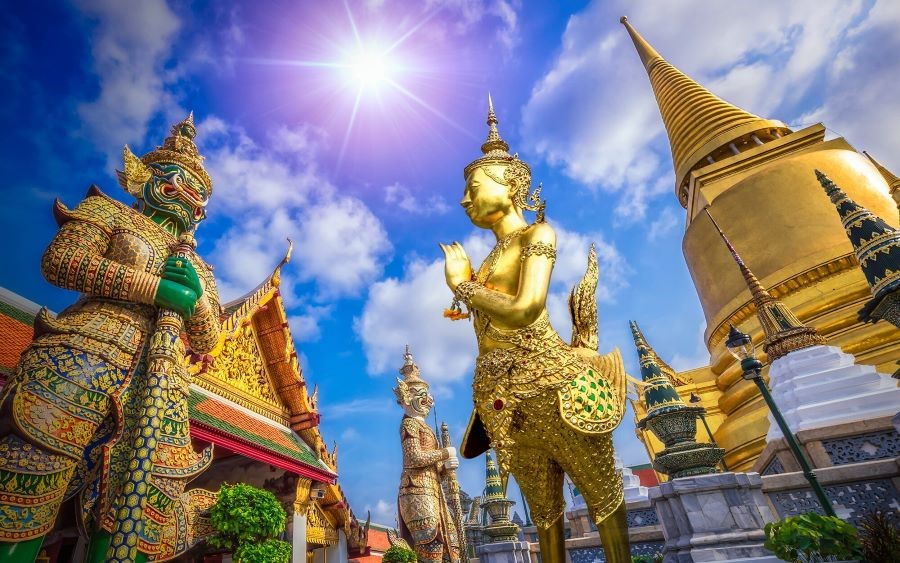
In 2026, understanding the subtle nuances of Thai etiquette remains a cornerstone of tourist safety in Thailand. The “Land of Smiles” values harmony, and following these simple social norms ensures a warm welcome throughout your Thailand Cambodia Vietnam itinerary 10 days.
Social Etiquette & Respect
-
The Power of a Smile: Greeting locals with a smile and a polite “Wai” (placing your palms together) goes a long way.
-
Keep Your Cool: To maintain health and safety in Thailand, avoid raising your voice or showing anger in public. Thais value “saving face,” and staying calm will help you resolve any situation more effectively.
-
The “Head and Feet” Rule: Never touch a Thai person’s head, as it is considered the most sacred part of the body. Conversely, do not point your feet at people or religious icons, as feet are seen as the lowest part of the body.
Cultural Customs
-
Footwear: Always remove your shoes before entering a home, temple, or even some small boutique shops. This simple act of cleanliness is highly respected.
-
Public Decorum: Avoid loud or disruptive behavior in public spaces. This respectful approach is key to safety in Thailand, as it fosters positive interactions with the local community.
By keeping these cultural tips in mind, you ensure your journey is not only safe but deeply enriching.
Advice on ensuring health & safety in for Thailand travel
To ensure your Thailand Cambodia Vietnam itinerary 10 days remains stress-free, keeping these refined security measures in mind is essential. Achieving total tourist safety in Thailand starts with staying alert and informed throughout your journey.
Top Security Tips for Travelers
-
Traffic Vigilance: Thailand’s traffic is fast and dense. For your health and safety in Thailand, always use pedestrian crossings and stay alert for motorbikes that may weave through lanes.
-
Secure Your Assets: Carry your passport and major currency in a secure, hidden pouch or use the hotel safe. When in crowded markets, keep your bag in front of you to prevent pickpocketing.
-
Vetting Services: Avoid “too good to be true” offers from street touts. Stick to guided tours of Thailand Cambodia and Vietnam from reputable operators to avoid common ticket or financial scams.
-
Stay Informed: Regularly check local news for any specific area advisories. For an added layer of safety in Thailand, familiarize yourself with the location of your embassy or consulate.
-
Emergency Contact: Keep the number for the Thai Tourist Police (1155) saved in your phone; they are trained specifically to assist international visitors with English-language support.
Essential Health Tips for Thailand travel
-
Hydration is Key: The heat can be intense. Drink bottled or filtered water throughout the day to prevent exhaustion. This is vital for tourist safety in Thailand, as heatstroke can happen quickly.
-
Smart Dining: To ensure your health and safety in Thailand, choose busy stalls where food is cooked fresh at high temperatures. Avoid tap water, unpeeled fruit, and ice from unregulated street vendors to prevent digestive issues.
-
Sun & Skin Protection: Use high-SPF sunscreen and polarized sunglasses to guard against the strong equatorial sun. Additionally, use insect repellent to protect against mosquito-borne illnesses like Dengue.
-
Medical Readiness: Before starting your guided tours of Thailand Cambodia and Vietnam, consult your doctor about vaccinations or a basic travel kit containing rehydration salts and digestive medicine.
Recommend famous safety places to visit in Thailand
Based on current 2026 travel data and safety rankings, here are the most famous “safety-first” places to visit:
1. Chiang Mai (Northern Thailand)
Widely ranked as the safest city in Southeast Asia, Chiang Mai is famous for its “big city feel with a small-town heart.”
-
Why it’s safe: Low crime rates, a highly respectful local culture, and a large, helpful expat community.
-
Safety Highlights: The Old City is highly walkable even at night, and the local Night Markets are well-regulated.
-
Health Tip: Excellent medical facilities are available at hospitals like Chiang Mai Ram.
2. Koh Samui (Gulf of Thailand)
Often described as the most family-friendly and “upscale” island, Koh Samui offers a more controlled environment than the more hectic party islands.
-
Why it’s safe: The island has its own airport and a very high standard of resort-driven safety.
-
Safety Highlights: Fisherman’s Village in Bophut is a safe, well-lit pedestrian area perfect for evening strolls.
-
Health Tip: The island has several high-quality private international hospitals catering specifically to tourists.
3. Hua Hin (Gulf Coast)
As a favorite weekend retreat for Thai royalty and locals, Hua Hin maintains a high level of security and order.
-
Why it’s safe: It lacks the aggressive “touting” found in other beach towns and has a significant police presence due to its royal connections.
-
Safety Highlights: The Hua Hin Night Market is famous for its organized, clean, and friendly atmosphere.
4. Krabi (Andaman Coast)
For those seeking nature without the “sensory overload” of larger cities, Krabi (specifically Ao Nang and Railay Beach) is considered very secure.
-
Why it’s safe: The community is tight-knit, and the pace of life is slower. Most transport is via regulated long-tail boats or official taxis.
-
Safety Highlights: Railay Beach is accessible only by boat, creating a secluded, car-free environment that is exceptionally safe for families.
5. Sukhothai (Lower North)
If you are interested in history, the Sukhothai Historical Park (a UNESCO World Heritage site) is much safer and quieter than the ruins in more crowded areas.
-
Why it’s safe: It is a dedicated park zone with few traffic hazards. Most visitors explore by bicycle on well-maintained paths.
6. Bangkok (Specific Safe Zones)
While a massive metropolis, Bangkok is generally safe if you stay in established districts like Sukhumvit, Ari, or Riverside.
-
Why it’s safe: These areas feature modern BTS (Skytrain) and MRT (Subway) systems that allow you to avoid traffic and taxi scams.
-
Safety Tip: Stick to major malls and well-lit areas. For health and safety, Bangkok boasts the best medical facilities in the country (e.g., Bumrungrad International).
Places to Exercise Caution
To maintain your health and safety in Thailand, official travel advisories in 2026 continue to recommend avoiding:
-
The Deep South: The provinces of Yala, Pattani, and Narathiwat due to ongoing civil unrest.
-
Remote Border Areas: Certain sections of the Thailand-Cambodia or Thailand-Myanmar borders can have unpredictable security.
Vietnam Tour 247: Reputable supplier of adventures between Thailand and Vietnam
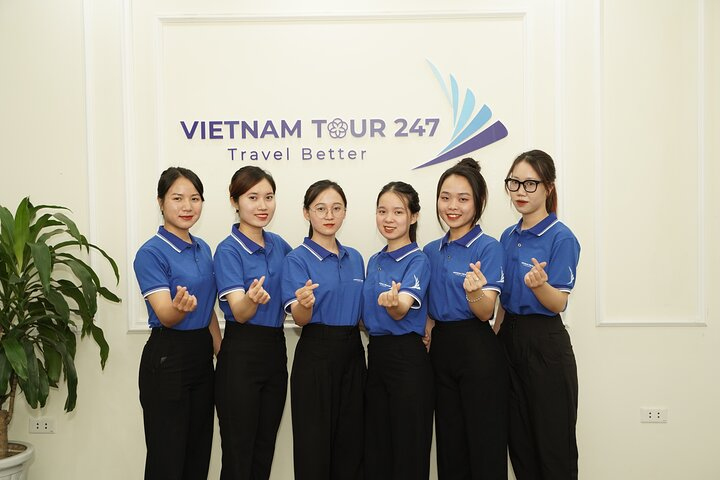
Reputable travel agency Vietnam Tour 247 specializes in offering a range of Thai tours to meet the demands of its clients, including individual and package tours as well as trips to Thailand. From low-cost to luxury tours. The trips offered by Vietnam Tour 247 are always carefully planned to give guests the greatest experiences possible in Thailand.
If you are wondering whether to choose Vietnam Tour 247 to become the bridge that brings you to the beautiful country of Thailand, helps you have a health & safety in Thailand, the following reasons are the answer for you:
- Professional staff: Vietnam Tour 247 has a team of experienced staff members with years of expertise in the Thai travel business. As a result, they are constantly prepared to counsel clients on the best trips and provide thorough, committed answers to any inquiries.
- Competitive prices: Vietnam Tour 247 is committed to providing Thailand tours with the most competitive prices in the market. Tour prices are always listed publicly and transparently, ensuring there are no unexpected costs. The company regularly launches attractive promotions, helping tourists save maximum costs on their travel.
- Excellent quality of service: Vietnam Tour 247 offers a wide range of services, such as airline tickets, hotels, visas, tour guides, and tickets for sightseeing. Furthermore, Vietnam Tour 247 always selects upscale accommodations and contemporary, secure modes of transportation to guarantee guests have the most enjoyable trip possible.
- Ensure your reputation with clients at all times: Many travelers choose and trust Vietnam Tour 247 as a reliable travel agency. The business is well-known in the travel sector for providing excellent customer service and has won numerous important accolades.
In Conclusion
In summary, prioritizing health and safety in Thailand is the foundation of a successful Southeast Asian adventure. By planning ahead, adhering to local laws, and taking proactive steps to protect your belongings, you ensure that your Thailand Cambodia and Vietnam in 10 days remains stress-free and enjoyable.
Maintaining a calm demeanor and showing genuine respect for local customs are just as vital for tourist safety in Thailand as any logistical preparation. These cultural bridges often turn a standard vacation into a truly meaningful journey. Whether you are joining Thailand Cambodia and Vietnam tours for the first time or returning to explore further, the knowledge of how to navigate the region safely will empower you to embrace every moment.
We hope these insights help you enjoy a rewarding, secure, and vibrant experience on your Thailand Cambodia Vietnam itinerary 10 days.
FAQs
1. Do I need multiple visas for these three countries?
Yes, most travelers need separate visas. In 2026, the process is largely digital:
-
Thailand: Many nationalities get a 60-day visa exemption. If not, you must apply for an E-Visa.
-
Cambodia: You can get a Visa on Arrival ($30) or an E-Visa. You must also submit the Cambodia e-Arrival (CeA) card 7 days before entry.
-
Vietnam: Most visitors require an E-Visa, which should be applied for at least one week in advance.
2. When is the best time to book thailand cambodia and vietnam tours?
The “Sweet Spot” is from November to February. During these months, the weather is dry and relatively cool across all three countries, making it the best time for thailand cambodia and vietnam in 10 days. If you visit in April, be prepared for intense heat (up to 40°C) and the lively Songkran water festival in Thailand.
3. Is it safe to drink the tap water?
No. To maintain your health and safety in Thailand, Cambodia, and Vietnam, always stick to bottled, boiled, or filtered water. Most hotels provide free bottled water daily. Avoid ice from small street stalls unless you see it comes in “tube” form from a factory, which is generally safer.
4. What is the most efficient way to travel between these countries?
For a 10-day trip, flying is the only practical option to maximize your time.
-
Bangkok to Siem Reap: A quick 1-hour flight.
-
Siem Reap to Hanoi: Approximately 1 hour and 45 minutes. Using regional carriers like AirAsia, Bangkok Airways, or Vietnam Airlines keeps thailand cambodia and vietnam tours efficient and comfortable.
5. How much cash should I carry for daily expenses?
While credit cards are common in cities, “Cash is King” for markets and street food.
-
Thailand: Use Thai Baht (THB).
-
Cambodia: US Dollars (USD) are widely used alongside Cambodian Riel (KHR). Ensure your USD bills are crisp and clean; torn bills are often rejected.
-
Vietnam: Use Vietnamese Dong (VND). A daily budget of $40–$60 USD per person (excluding hotels/flights) covers excellent food, transport, and entrance fees.
Read more:
Discovery Amazing Thailand Cambodia And Vietnam 16 Days