

To maximize your experience, understanding how to travel in Vietnam efficiently is essential. From quick domestic flights connecting major cities to scenic train rides and leisurely river boats, each mode offers a unique perspective. Use this guide to navigate the country’s vibrant regions and transportation networks, ensuring your journey across this stunning nation is both smooth and memorable.
Overview about Vietnam
Vietnam is a captivating blend of ancient tradition and rapid modern development. From the mist-shrouded rice terraces of Sapa to the buzzing motorbikes of Ho Chi Minh City, the country offers endless variety. When you visit Vietnam, you can explore UNESCO World Heritage sites like Ha Long Bay, relax on the pristine beaches of Phu Quoc, or dive into the world-class street food scene in Hanoi.
Knowing how to travel to Vietnam is the first step; most international visitors apply for an e-visa, which now allows for stays of up to 90 days. Major gateways include Noi Bai (Hanoi) and Tan Son Nhat (HCMC) airports.
Once you arrive, understanding how to travel in Vietnam is easy. For long distances, domestic flights are affordable and fast. Alternatively, the Reunification Express train offers scenic coastal views, while sleeper buses are a budget-friendly way to move between regions. Within cities, ride-hailing apps like Grab are the most convenient way to navigate the vibrant, chaotic streets.
How to travel in Vietnam by air?
When looking for the most efficient way to visit Vietnam, air travel is the top choice for travelers with limited time. While a train from Hanoi to Ho Chi Minh City takes 30 hours, a flight takes only two, granting you more time to explore. Domestic tickets are surprisingly budget-friendly, with frequent daily connections.
The first step is knowing how to travel to Vietnam; once you land at a major international hub, you can easily connect to regional gems like Nha Trang, Hue, or Da Nang. Renowned carriers like Vietnam Airlines, VietJet, and Bamboo Airways make navigating the skies seamless.

For those researching how to travel in Vietnam, flying is the ultimate life-hack to bridge the distance between the north and south. With numerous airports scattered across the country, you can quickly transition from the limestone karsts of the north to the tropical energy of the south, ensuring a swift and efficient adventure across Vietnam’s diverse landscapes.
How to travel in Vietnam by land?
By train
For those planning to visit Vietnam, traveling by train offers a relaxed, authentic way to witness the country’s hidden beauty. The 2,600-kilometer railway serves as a vital link from the northern border down to the southern elegance of Ho Chi Minh City.
Knowing how to travel to Vietnam by train is just the start; once you arrive, the Reunification Express is a highlight. You can choose between four classes: hard seats, soft seats, and two types of sleeper berths. Tickets are easily purchased online or at stations, with great discounts for children

If you are wondering how to travel in Vietnam by train while soaking in the scenery, the coastal route between Hanoi and Ho Chi Minh City is unmatched. Popular short trips include the journey from Hanoi to the “Halong Bay on land” in Ninh Binh or the coastal run from Ho Chi Minh City to Nha Trang. This immersive rail experience provides a unique perspective on the nation’s diverse and stunning landscapes.
By bus
If you’re looking for the best way to visit Vietnam on a budget, buses are the ultimate answer. As one of the most popular modes of transport, they offer incredible flexibility for travelers looking to save money while exploring both bustling cities and the rural countryside.
When you first learn how to travel to Vietnam, you’ll likely arrive at a major hub. From there, city buses are astonishingly economical, with fares starting at just 7,000 VND ($0.30). For intercity trips, such as traveling from Hanoi to Ha Long Bay or Hoi An to Hue, high-quality sleeper buses and “limousine” vans provide a comfortable, cost-effective alternative to flights or trains.
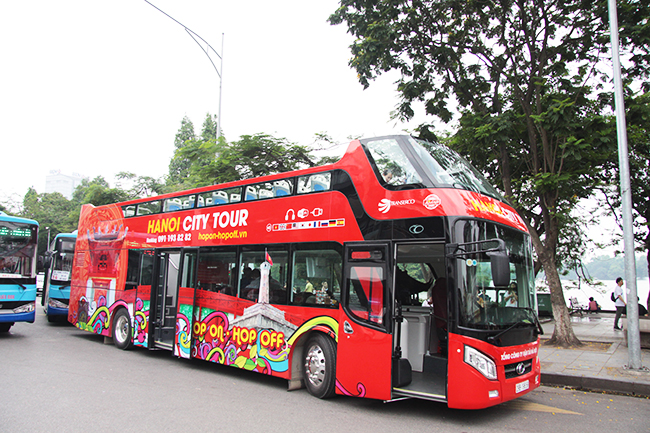
For anyone researching how to travel in Vietnam, the bus system provides an immersive and efficient way to see the country’s varied landscapes. Whether you are navigating the chaotic streets of Ho Chi Minh City or traversing mountain passes, the extensive bus network ensures you can reach almost any cultural site without breaking the bank.
By car
Renting a car is an excellent choice for those wanting to visit Vietnam with maximum independence. This mode of transport offers unparalleled flexibility, allowing you to adjust your itinerary for hidden gems or changing weather.
Knowing how to travel to Vietnam is your first step; once you arrive, you can choose between self-driving or hiring a car with a driver. For self-driving, you must have a 1968 Convention International Driving Permit (IDP) alongside your home license. However, many travelers prefer hiring a local driver—often costing $60 to $150 per day—to navigate the unique “flow” of Vietnamese traffic.
For those exploring how to travel in Vietnam by road, consider the terrain: a 2WD is perfect for the coastal plains, while a 4WD is essential for the northern mountains. Whether you are cruising the Hai Van Pass or visiting remote villages, a private car ensures a personalized journey through Vietnam’s vibrant culture and diverse landscapes.
By motorbike
For those planning to visit Vietnam, riding a motorcycle is the ultimate way to experience the country’s pulse. Whether you’re navigating the legendary Ha Giang Loop or cruising the coastal Hai Van Pass, two wheels offer an intimate connection to the landscape that no other transport can match.
The first step is knowing how to travel to Vietnam; most adventurers fly into Hanoi or Ho Chi Minh City to begin their journey. To ride legally in 2026, ensure you have a valid motorcycle license from your home country and a 1968 Convention International Driving Permit (IDP). If you aren’t an experienced rider, “Easy Rider” tours—where you ride pillion behind a local professional—are a popular and safe alternative.

When researching how to travel in Vietnam, you’ll find rental shops in every major city. Standard scooters cost around $6–$15 per day, while specialized touring bikes range from $20–$40. Always wear a high-quality helmet, avoid riding at night, and remember that traffic in Vietnam flows like a river—steady, predictable movement is your best safety asset.
By taxi
For those planning to visit Vietnam, taxis and ride-hailing apps provide a secure and flexible alternative to public transport. Taxis offer greater control over your schedule and safety, allowing you to enjoy scenic views from a comfortable, air-conditioned seat while a professional driver navigates the local traffic.
The first step is knowing how to travel to Vietnam; after landing at an international airport, you will find dedicated taxi stands immediately outside the arrivals hall. To ensure the best way to travel Vietnam within cities, stick to reputable companies like Mai Linh or Vinasun, or use popular apps like Grab to see fixed fares upfront.
Before starting your ride, it is wise to research average fares for your route and snap a photo of the license plate for your records. For travelers exploring how to travel in Vietnam, utilizing these services is the most convenient way to navigate bustling urban centers like Hanoi or Da Nang, ensuring a stress-free journey between your favorite cultural landmarks.
By cyclo
If you want to truly visit Vietnam and step back in time, the cyclo is an iconic choice. First introduced in 1939, these three-wheeled bicycle rickshaws were once a luxury for the elite in cities like Saigon, Hanoi, and Hue. Today, they remain a beloved cultural symbol, offering a tranquil alternative to the fast-paced flow of modern traffic.
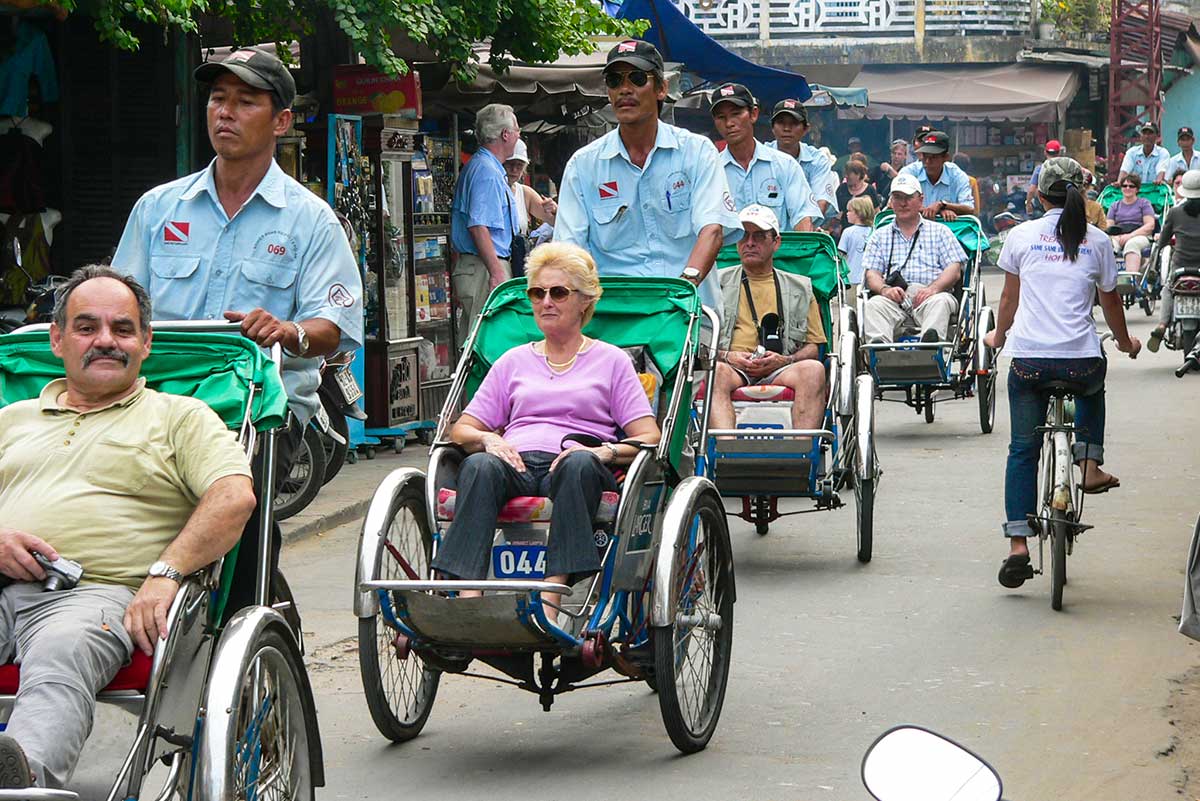
Understanding how to travel to Vietnam is your gateway to these traditional experiences. Unlike the speed of a taxi, a cyclo provides a slow, swaying journey that allows you to fully absorb the sights, sounds, and smells of the vibrant streets. It is the perfect way to enjoy a “slow travel” moment, often leaving passengers feeling relaxed and enchanted by the passing scenery.
For travelers looking for the best way to travel Vietnam’s historic quarters, a cyclo tour is a must. While not for long distances, it is an essential part of exploring how to travel in Vietnam for sightseeing. A 30-minute ride through Hanoi’s Old Quarter or along the Perfume River in Hue offers a unique, leisurely perspective on Vietnamese life.
By bicycle
Cycling is a fantastic way to visit Vietnam, especially if you want to swap the noise of highways for the charm of tranquil rural roads. With its mostly flat coastal terrain and warm local hospitality, the country is a cyclist’s paradise.
When planning how to travel to Vietnam for a cycling trip, you can easily fly into major cities like Hanoi or Ho Chi Minh City. In early 2026, both cities have expanded their green transport options, including public e-bike networks and the newly opened HCMC Metro (Line 1), which now allows passengers to bring folding bicycles on board.
For many, the best way to travel Vietnam by bike is through a guided tour with companies like Vietnam Cycling or Grasshopper Adventures. These tours provide support vehicles to carry your luggage, allowing you to focus on the scenery. If you prefer independent travel, you can even take your bike on most regional trains and some buses to bridge long distances. Whether you are exploring the limestone karsts of Ninh Binh or the flat paths of the Mekong Delta, understanding how to travel in Vietnam on two wheels ensures an immersive, eco-friendly, and unforgettable adventure.
How to travel in Vietnam by water?
By cruise
For those planning to visit Vietnam, maritime travel is the ultimate way to blend relaxation with exploration. From the iconic limestone karsts of Ha Long Bay to the winding lifeblood of the Mekong Delta, the water offers a serene perspective on the country’s natural masterpieces.
Knowing how to travel to Vietnam by sea is becoming more popular in 2026, with major international cruise lines like Celebrity and Ponant docking at modern terminals in Phu My (near Ho Chi Minh City) and Ha Long International Port. These hubs provide seamless transitions for global travelers arriving from Singapore or Hong Kong.

When researching the best way to travel Vietnam’s coast, you’ll find diverse packages ranging from budget-friendly day trips to ultra-luxury overnight stays. For a quieter experience, many travelers now choose Lan Ha Bay or Bai Tu Long Bay to avoid the crowds. Popular activities include:
-
Kayaking through hidden lagoons and sea caves.
-
Tai Chi sessions on the sundeck at sunrise.
-
Cooking classes to learn the secrets of Vietnamese spring rolls.
Whether you are island-hopping in Phu Quoc or drifting past floating markets in the south, understanding how to travel in Vietnam via its waterways ensures an immersive and unforgettable journey.
By boat
When you visit Vietnam, the water is more than just scenery—it is a lifeline and a gateway to the country’s most spectacular landscapes. From the limestone giants of Ha Long Bay to the intricate “Nine Dragon” branches of the Mekong Delta, maritime travel offers a tranquil escape from the bustling city streets.

The first step is knowing how to travel to Vietnam by sea. In 2026, modern cruise terminals in Ha Long and Phu My (near Saigon) have made the country a premier stop for international luxury liners. For a more intimate experience, travelers often take river cruises from Cambodia into the heart of the Mekong.
If you are looking for the best way to travel Vietnam‘s islands, fast ferries are your best friend. Modern hydrofoils connect the mainland to tropical retreats like Phu Quoc, the rugged Con Dao archipelago, and the serene Cham Islands.
However, understanding how to travel in Vietnam safely means keeping an eye on the sky. The storm season typically runs from May to December, peaking in August and September. During this time, it is wise to book flexible tickets and use weather-tracking apps like Windy.com to stay ahead of potential schedule changes.
Top Recommend places to visit in Vietnam
Vietnam is a land of incredible diversity, stretching from the misty mountains of the north to the tropical waterways of the south. To visit Vietnam is to experience a rich tapestry of history, world-class cuisine, and breathtaking nature.
Here are the top 10 places you shouldn’t miss:
-
Ha Long Bay: Famous for its thousands of towering limestone karsts and emerald waters. An overnight cruise is the best way to travel Vietnam’s most iconic wonder.
-
Hanoi: The thousand-year-old capital. Explore the chaotic charm of the Old Quarter and savor authentic Pho at a street-side stall.
-
Hoi An Ancient Town: A UNESCO World Heritage site known for its yellow-walled merchant houses and thousands of colorful lanterns at night.
-
Ho Chi Minh City: A high-energy metropolis where colonial history meets modern skyscrapers. Don’t miss the War Remnants Museum or the nearby Cu Chi Tunnels.
-
Sapa: Home to cascading rice terraces and ethnic hill tribes. It is a premier destination for trekking in the northern highlands.
-
Ninh Binh: Known as “Ha Long Bay on land,” this region offers stunning river boat tours through limestone caves in Trang An or Tam Coc.
-
Hue: The former imperial capital. Visit the vast Citadel and the ornate tombs of past emperors along the Perfume River.
-
Da Nang: A modern coastal city boasting the famous Golden Bridge (Hands Bridge) and pristine beaches like My Khe.
-
Phu Quoc Island: A tropical paradise in the south, perfect for beach lovers looking for white sands and turquoise waters.
-
Mekong Delta: A lush maze of rivers and floating markets where life is shaped by the water.

Travel Tips for 2026
How to travel to Vietnam: Most travelers arrive via international flights into Hanoi or Ho Chi Minh City. In 2026, the e-visa is the most convenient option, now allowing stays of up to 90 days for almost all nationalities.
Best way to travel Vietnam: For long distances, domestic flights are the fastest. However, for a truly immersive experience, the Reunification Express train offers a scenic journey along the coastline.
How to travel in Vietnam: Within cities, ride-hailing apps like Grab or Xanh SM (electric taxis) are the safest and most reliable ways to get around without worrying about fare negotiations.
In Conclusion
When you decide to visit Vietnam, partnering with a local expert like Vietnam Tour 247 can transform your trip into a seamless adventure. They specialize in tailored itineraries that range from the high-energy streets of Ho Chi Minh City to the peaceful limestone peaks of Ha Long Bay, ensuring your journey reflects your personal style.

Knowing how to travel to Vietnam is simple in 2026, with the e-visa system now offering 90-day stays for most travelers. Once you arrive, the best way to travel Vietnam is often a curated mix of transport. Vietnam Tour 247 excels here, coordinating everything from domestic flights and private cars to authentic overnight train experiences. Their English-speaking guides provide deep cultural insights that go far beyond the standard tourist path.
Ultimately, the best way to travel Vietnam is with a plan that balances efficiency and immersion. Whether you prefer the speed of an airplane or the scenic tranquility of a cruise, understanding how to travel in Vietnam allows you to navigate the country with confidence. With 24/7 support and local expertise, you can enjoy a stress-free exploration of one of Southeast Asia’s most enchanting destinations.
FAQs
1. Do I need a visa to visit Vietnam in 2026?
Most international travelers require a visa. The most convenient option is the e-visa, which has been upgraded to allow stays of up to 90 days with single or multiple entries. You can apply easily through the official government portal.
2. What is the best way to travel Vietnam on a tight schedule?
If you have less than two weeks, domestic flights are the best way to travel Vietnam. A flight between Hanoi and Ho Chi Minh City takes just 2 hours, whereas the train or bus can take over 30 hours. Low-cost carriers like VietJet and Bamboo Airways make this very affordable.
3. When is the best time to visit Vietnam?
Because Vietnam is long, the weather varies. Generally, November to April is the best time to visit as it is the dry season for most of the country. However, if you want to see the golden rice terraces in the north (Sapa), aim for September or October.
4. Is it safe to use ride-hailing apps in Vietnamese cities?
Yes, apps like Grab and Xanh SM (electric taxis) are widely considered the safest way to travel in Vietnam’s cities. They provide fixed pricing upfront, which helps you avoid “tourist prices” or taxi scams.
5. Can I drive a motorcycle in Vietnam with my home license?
To ride legally, you need a 1968 Convention International Driving Permit (IDP) along with your home motorcycle license. For those without experience, the best way to travel Vietnam on two wheels is by hiring an “Easy Rider”—a local professional driver who takes you on the back of their bike.
Read more:
All You Need To Know About Vietnam Visa