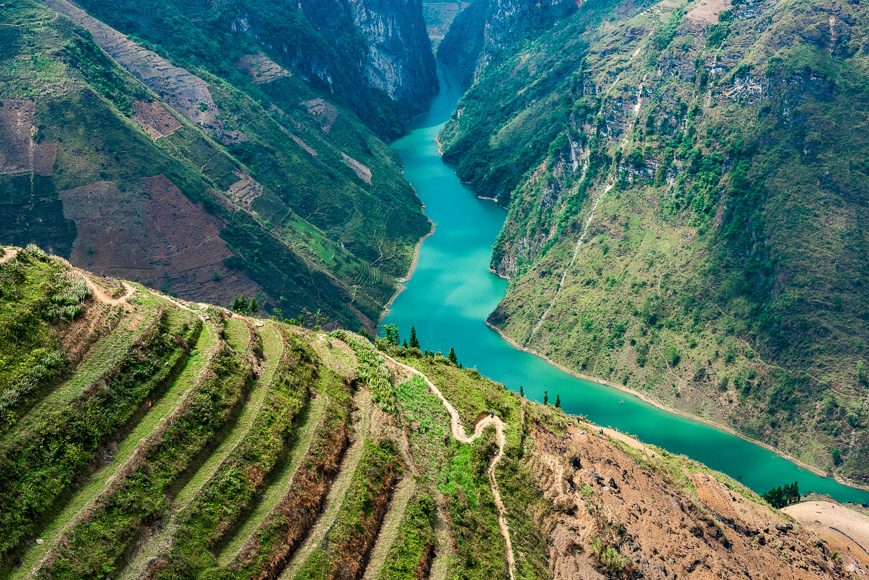
If you’re planning a trip to the northern highlands, learning how to get to Nho Que River is the essential first step toward discovering one of Vietnam’s most breathtaking masterpieces of nature. Tucked away in the far north, the river flows like a shimmering jade silk ribbon through the rugged limestone peaks of Ha Giang, offering a landscape so surreal it feels like a scene from a fantasy movie. Whether you are an adrenaline seeker tackling the Ha Giang Loop or a nature lover looking for the soul of the mountains, this guide will ensure you reach your destination smoothly.
In this comprehensive guide, we will break down everything you need to know about reaching this emerald gem, including routes from major hubs, the famous Nho Que River boat ride, and essential travel tips to make your journey seamless.
Where is Nho Que River Located?
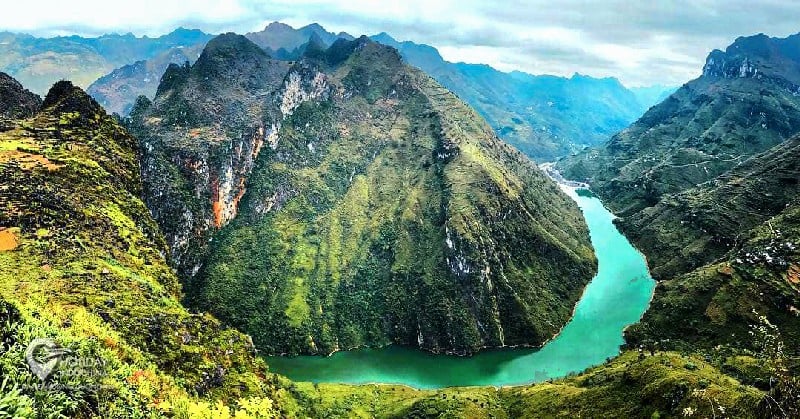
The Nho Que River originates in the mountains of Yunnan, China, before entering Vietnam at the Lung Cu area of Ha Giang province. It flows through the deep Tu San Canyon—the deepest canyon in Southeast Asia—at the foot of the legendary Ma Pi Leng Pass.
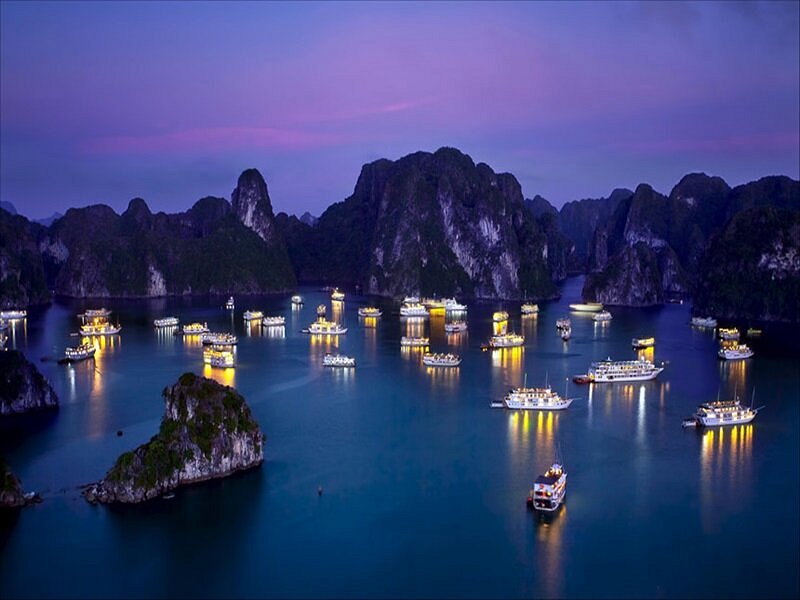
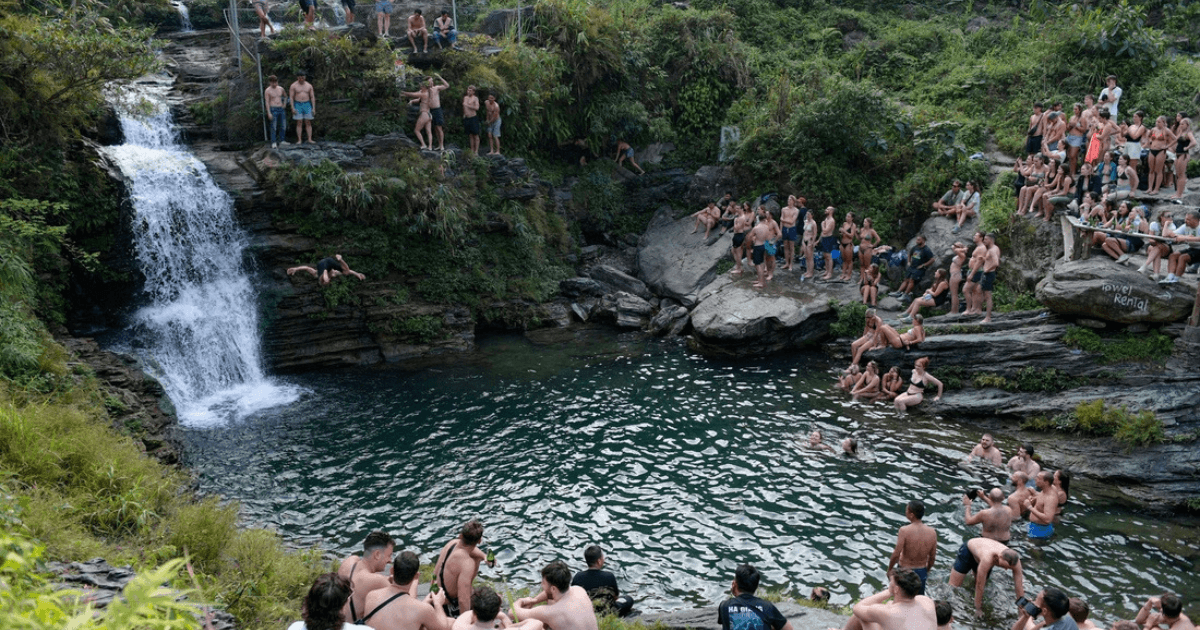
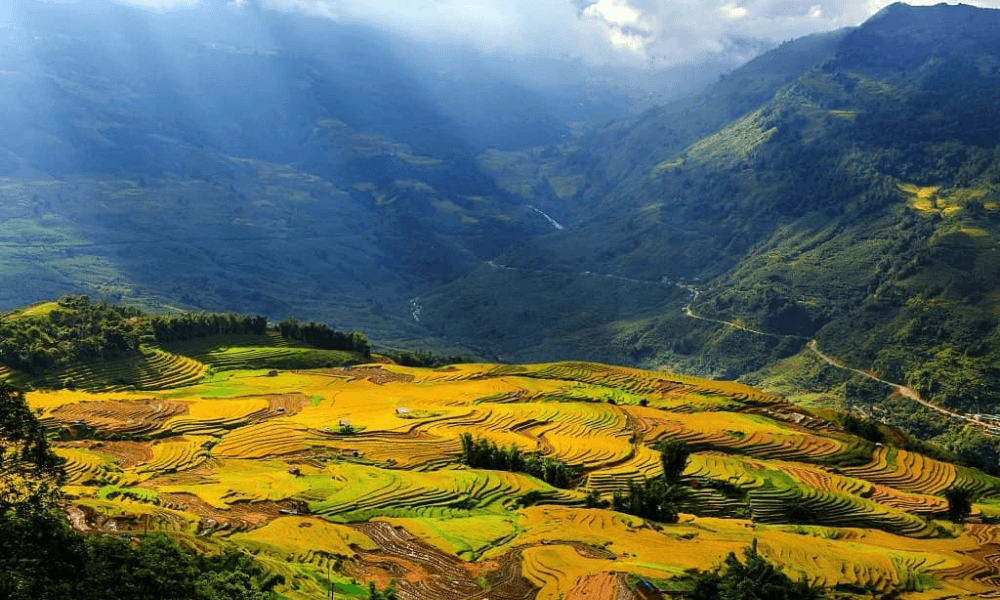
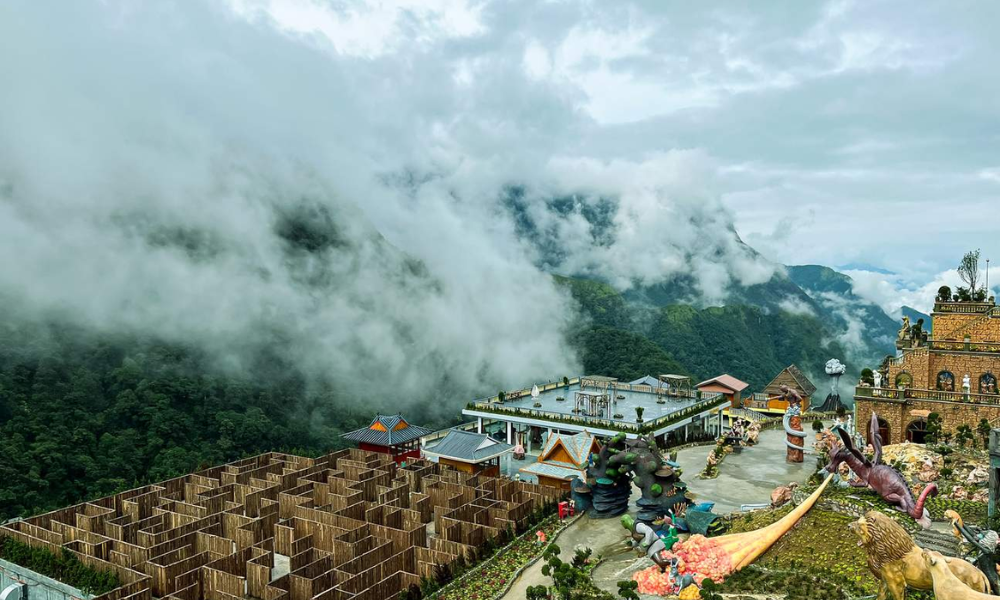
Most travelers visit the section of the river located between Dong Van and Meo Vac districts. This is where you will find the iconic turquoise waters and the dramatic vertical cliffs that have made Nho Que a viral sensation on social media. In addition, Vietnam has may wonderful nature places to visit such as Ninh Binh, Sapa, Halong Bay,…
How to Get to Nho Que River from Hanoi
For most international travelers, your journey begins in the capital. Nho Que River from Hanoi is a journey of approximately 400 kilometers. Since there are no airports or train stations in Ha Giang, you have three primary options:
Option 1: Sleeper Bus or Limousine (Recommended)
This is the most popular and cost-effective way.
- Route: Depart from My Dinh, Giap Bat, or Gia Lam bus stations in Hanoi.
- Travel Time: 6 to 8 hours to reach Ha Giang City.
- Cost: 200,000 – 350,000 VND ($8 – $15 USD).
- Tip: Take an overnight sleeper bus. You will arrive in Ha Giang City around 4:00 AM or 5:00 AM, giving you a full day to start the loop toward the river.
Option 2: Private Car
If you are traveling in a group or prefer comfort, a private car offers the most flexibility. You can stop whenever you want for photos along the way.
- Travel Time: 5 to 6 hours.
- Cost: 2,500,000 – 4,000,000 VND depending on the vehicle size.
Option 3: Motorbike (For the Bold)
Riding a motorbike all the way from Hanoi is possible but exhausting. The highway is busy and heavily trafficked by trucks. Most experienced riders prefer taking the bus to Ha Giang City and renting a bike there to save their energy for the mountains.
How to Get to Nho Que River from Sapa
Many travelers combine the terraced fields of Sapa with the rocky plateaus of Ha Giang. If you are looking for the best way to reach Nho Que River from Sapa, here is your plan:
- Distance: Approximately 240km to Ha Giang City.
- By Bus: There are daily “bus-to-bus” connections or direct minibuses from Sapa to Ha Giang. The road (National Highway 279) is quite winding and can be rough in sections.
- Travel Time: 6 to 7 hours.
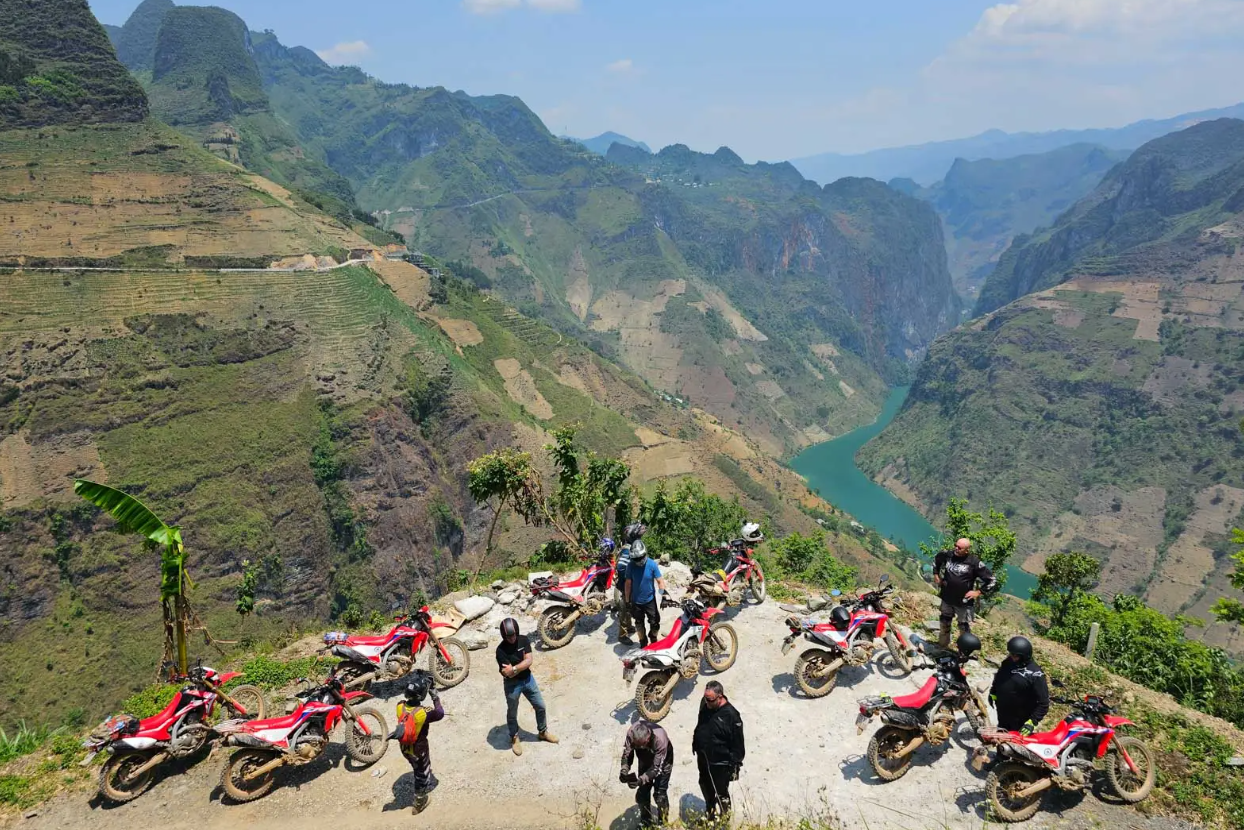
- By Motorbike: This is a stunning but challenging cross-country ride through Lao Cai and Ha Giang. It takes a full day and requires excellent driving skills.
Once you reach Ha Giang City from Sapa, you will still need to travel another 150km through the “Happiness Road” to reach the Nho Que River.
How to Get to Nho Que River from Ho Chi Minh City
If you are coming from the south, the journey to Nho Que River from Ho Chi Minh City requires a bit more planning.
- Fly to Hanoi: Book a flight from Tan Son Nhat (SGN) to Noi Bai (HAN). This takes about 2 hours.
- Airport Transfer: You can catch a “Hanoi – Ha Giang” bus directly from Noi Bai Airport without entering the city center. Many bus companies offer pick-ups at the airport’s domestic terminal.
- The Journey North: Follow the Hanoi-to-Ha Giang instructions mentioned above.
Alternatively, you can fly into Van Don (Quang Ninh) or Hai Phong, but Hanoi remains the most convenient gateway for northern mountain expeditions.
Reaching the River: From Ha Giang City to the Water
Knowing how to get to Nho Que River doesn’t end when you reach Ha Giang City. The river is located deep in the Dong Van Karst Plateau Geopark.
Step 1: Ha Giang City to Dong Van/Meo Vac
From Ha Giang City, you must navigate the “Ha Giang Loop.” It takes about 5-6 hours of driving to reach the Ma Pi Leng Pass. You can do this by:
- Self-driving Motorbike: Rent a bike (150k-200k VND/day). Ensure you have an International Driving Permit (IDP).
- Easy Rider: Hire a local driver to take you on the back of their bike. This is the safest way to enjoy the views without worrying about the dangerous hairpins.
- Local Van: Small 16-seater vans run between Ha Giang and Dong Van daily.
Step 2: Getting Down to the Boat Pier
The Nho Que River is far below the main road. To enjoy a Nho Que River boat ride, you must reach the boat piers. There are two main piers:
- Ta Lang Pier (Most Popular): Located near the end of the Ma Pi Leng Pass (closer to Dong Van). The road down is incredibly steep with sharp U-turns. Many tourists park their bikes at the top and hire a “xe om” (motorbike taxi) for about 100,000 – 150,000 VND round trip to take them down to the water.
- Xin Cai Pier: Located on the Meo Vac side. This road is slightly less steep but farther from the main tourist stops of the pass.

The Nho Que River Boat Ride Experience
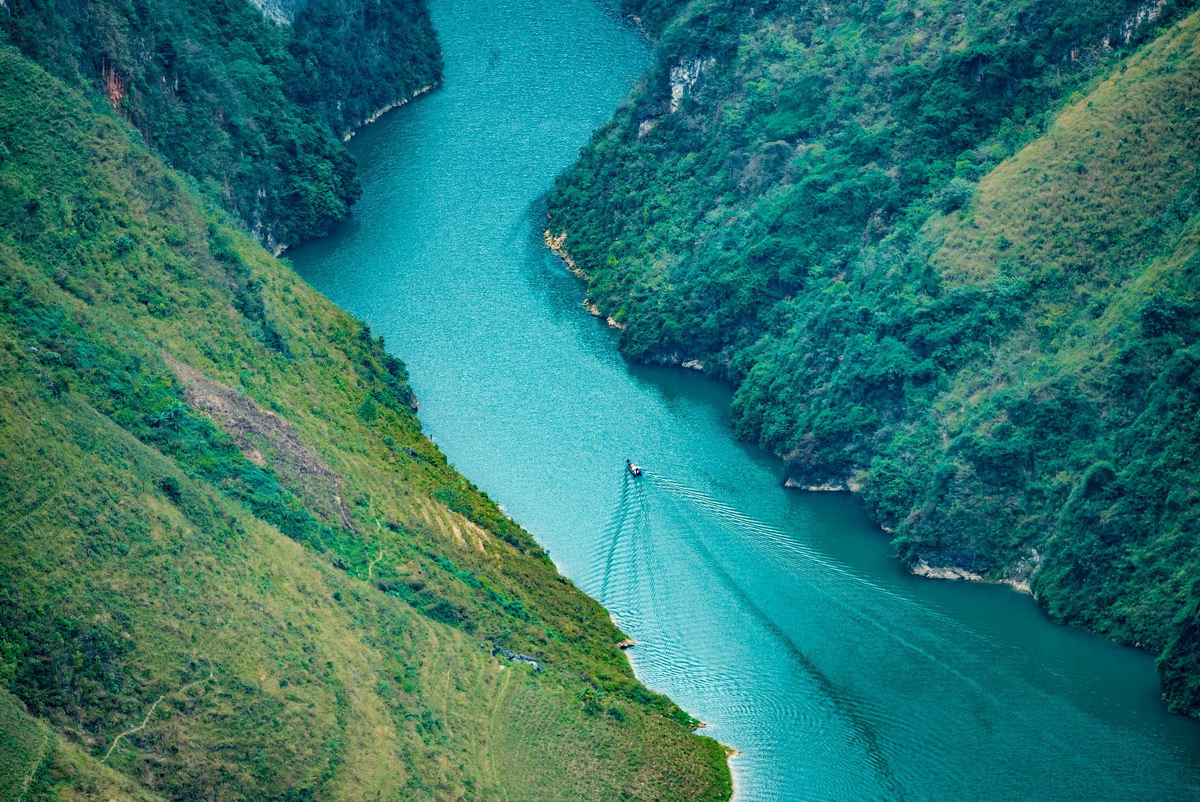
The highlight of any trip to Ha Giang is the Nho Que River boat ride. Once you reach the pier, you will board a small motorboat or a kayak.
- Cost: Approximately 100,000 – 150,000 VND ($4 – $6 USD) per person.
- Duration: 30 to 60 minutes.
- The Route: The boat will take you through the heart of Tu San Canyon. Looking up from the emerald water, the 800-meter-high cliffs feel like they are touching the sky.
- Kayaking: For those who want more adventure, you can rent a kayak for about 50,000 VND and paddle at your own pace. This is the best way to get those iconic photos without other tourists in the background.
Best Time to Visit Nho Que River
Timing is everything when planning how to get to Nho Que River.
- October to November (Best): This is buckwheat flower season. The weather is cool, dry, and the river is at its most vibrant turquoise.
- February to March: Spring brings blooming peach and plum blossoms across the plateau. The river remains calm and green.
- June to August (Avoid): The rainy season can turn the river brown due to silt. Furthermore, the steep roads down to the pier become slippery and dangerous.
Essential Travel Tips for Nho Que River
To ensure your trip is perfect, keep these tips in mind:
- Book in Advance: If you are taking a sleeper bus from Hanoi, book your ticket 1-2 days ahead, especially on weekends.
- Bring a Jacket: Even in summer, the wind on Ma Pi Leng Pass can be chilly. In winter, temperatures can drop near freezing.
- Check the Brakes: If you are self-driving to the pier, check your brakes twice. The 10% – 15% incline is no joke.
- Fuel Up: Gas stations are sparse between Dong Van and Meo Vac. Always fill your tank before leaving the town.
- Respect the Locals: You will encounter many Hmong and Giay ethnic children. Avoid giving them money (which encourages begging); instead, bring small snacks or stationery if you wish to help.
Day Itinerary to Nho Que River
If you are short on time, follow this “Quick Nho Que Express” itinerary:
- Day 0: 9:00 PM – Take an overnight sleeper bus from Hanoi to Ha Giang City.
- Day 1: 5:00 AM – Arrive in Ha Giang, rent a motorbike. Drive through Quan Ba Heaven’s Gate and Yen Minh. Sleep in Dong Van Ancient Town.
- Day 2: 8:00 AM – Explore Dong Van Market. 10:00 AM – Drive to Ma Pi Leng Pass. 1:00 PM – Take the Nho Que River boat ride. 4:00 PM – Drive to Meo Vac and stay overnight.
- Day 3: Drive back to Ha Giang City via the “M” Road (Mau Due). 8:00 PM – Take the bus back to Hanoi.
Conclusion
The journey to the Nho Que River is more than just a destination; it is a rite of passage for anyone traveling through Vietnam. Whether you choose to reach the Nho Que River from Hanoi, Sapa, or the south, the effort is rewarded the moment you see that emerald water peeking through the clouds of Ma Pi Leng.
Now that you know how to get to Nho Que River, what are you waiting for? Pack your bags, charge your camera, and get ready to experience the most majestic river in Southeast Asia.
FAQs about How to Get to Nho Que River
1. How much does a Nho Que River boat ride cost in 2026?
The standard price for a motorized boat tour is between 100,000 to 150,000 VND ($4 – $6 USD) per person. If you prefer a more active experience, kayak rentals typically start at 50,000 VND per person. For those who aren’t confident driving down the steep road to the pier, you can hire a local “xe om” (motorbike taxi) for about 150,000 VND round trip.
2. Is the road down to the boat pier dangerous?
Yes, the road down to the Ta Lang pier is famous for being incredibly steep with sharp, narrow hairpins. It is manageable for experienced riders, but if you are not 100% confident in your mountain driving skills, it is highly recommended to park your bike at the top and hire a local driver to take you down.
3. What is the best time of day for the boat trip?
The best time to visit is in the early morning (8:00 AM – 10:00 AM) or during the golden hour (4:00 PM – 5:00 PM). During these times, the sunlight hits the Tu San Canyon walls perfectly, and you’ll avoid the midday heat and the largest crowds.
4. What should I wear for the Nho Que River trip?
Because the weather in the mountains can change quickly, it’s best to dress in layers. Even if it’s warm at the river level, the wind at the top of the pass can be cold. Wear sturdy, non-slip shoes for the walk down to the pier, and consider bringing a bright-colored outfit if you want your photos to “pop” against the emerald water!