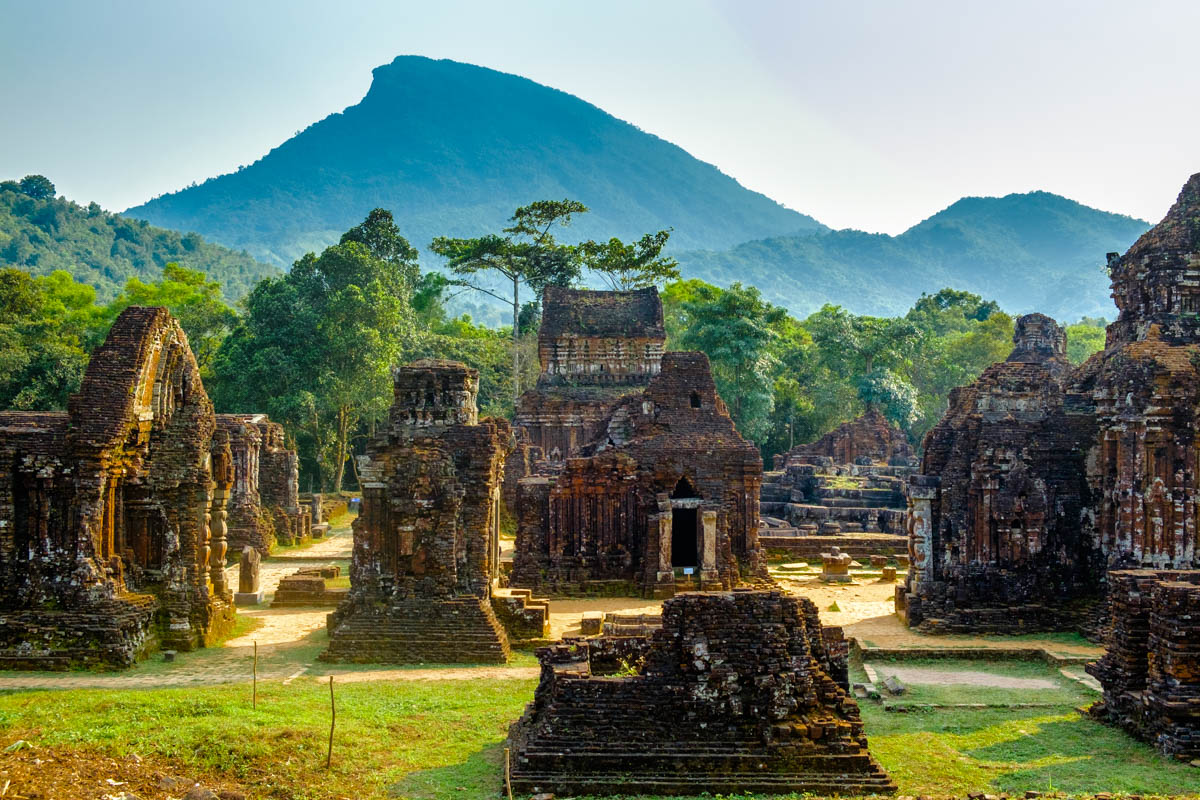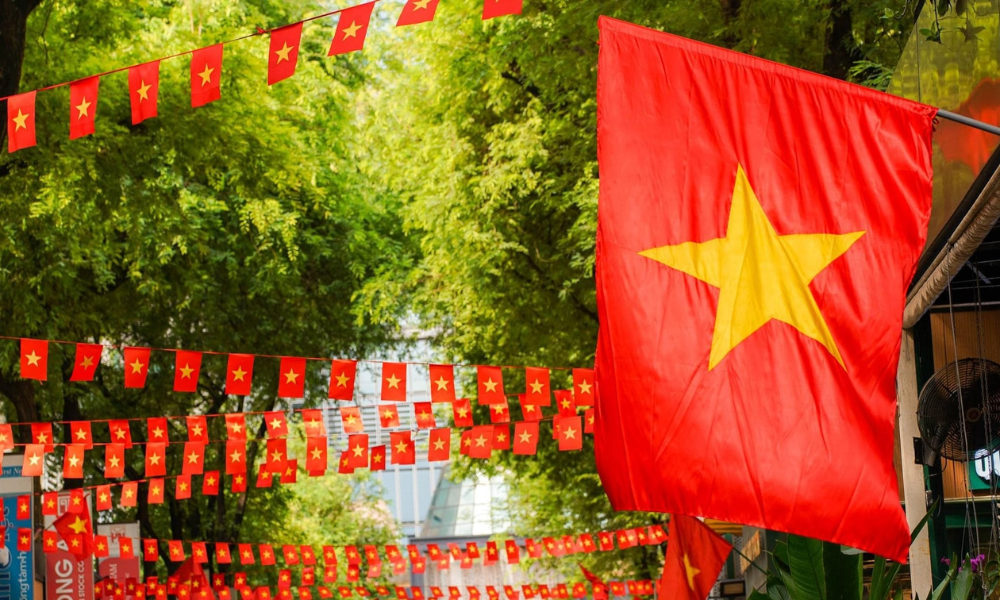
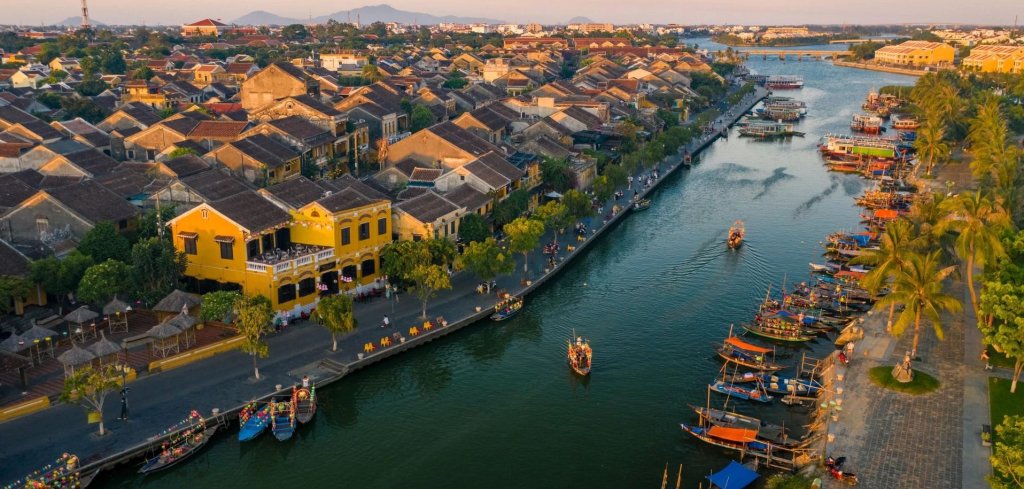
Hoi An, a UNESCO-listed gem on Vietnam’s central coast, captivates visitors with its fusion of Vietnamese, Japanese, and European architecture. For those planning a Hoi An travel itinerary, the well-preserved merchant houses and atmospheric temples are essential highlights. Beyond its storied heritage, the city offers delectable local cuisine and idyllic beaches, perfectly blending traditional charm with modern convenience for an unforgettable cultural escape.
Overviews Hoi An Vietnam
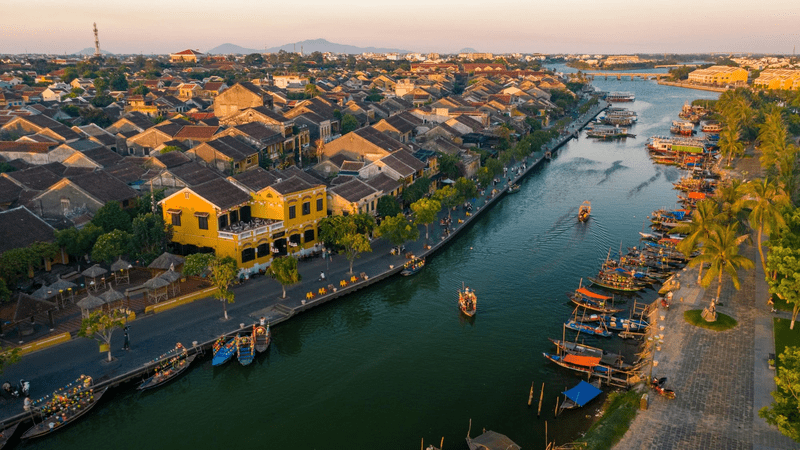
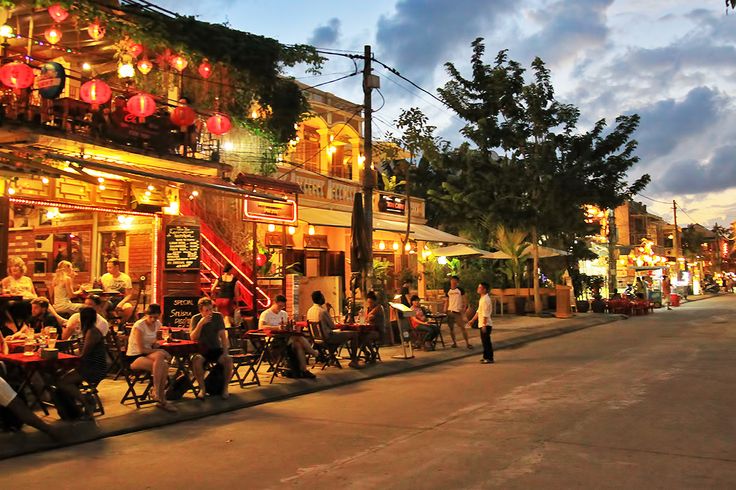
Hoi An, a UNESCO World Heritage Site on the central coast, transports visitors to a bygone era with its lantern-lit streets and centuries-old architecture. When planning your Hoi An itinerary, the iconic Japanese Covered Bridge and Quan Cong Temple are essential highlights of what to see in Hoi An.
Beyond the historic center, the city offers a diverse culinary scene and world-class custom tailoring. The romantic Thu Bon River and golden sands of An Bang Beach provide the perfect balance of adventure and relaxation. For a deeper look at local life, exploring the lush rice paddies and traditional craft villages by bicycle is a must. Whether you are admiring the glowing night sky during the Lantern Festival or discovering hidden gems in the countryside, Hoi An promises an unforgettable journey through the heart of Vietnam.
Hoi An area in Central Vietnam
Hoi An is a captivating coastal region in Central Vietnam, anchored by the UNESCO-listed Hoi An. Once a major Southeast Asian trading port between the 15th and 19th centuries, the area is a “living museum” of yellow-hued merchant houses, ornate Chinese assembly halls, and the iconic Japanese Covered Bridge.
Beyond the historic center, the area offers a diverse landscape of rural and coastal beauty:
-
Countryside & Craft: Cycle through Tra Que Vegetable Village or navigate the Bay Mau Coconut Forest in a traditional bamboo basket boat.
-
Beaches: Relax on the white sands of An Bang Beach or take a day trip to the pristine Cham Islands for snorkeling.
-
Culture: The town is world-renowned for its Hoi An travel staples, including custom tailoring, the monthly Lantern Festival, and signature dishes like Cao Lau.
Whether you are exploring the narrow, lantern-lit alleys of the Old Town or the serene rice paddies nearby, the Hoi An area perfectly blends ancient heritage with tranquil natural scenery.
Top reasons to visit Ancient Town
Hoi An, Vietnam’s Ancient Town, holds a special allure for foreign tourists due to several compelling reasons:
1. Historical Charm
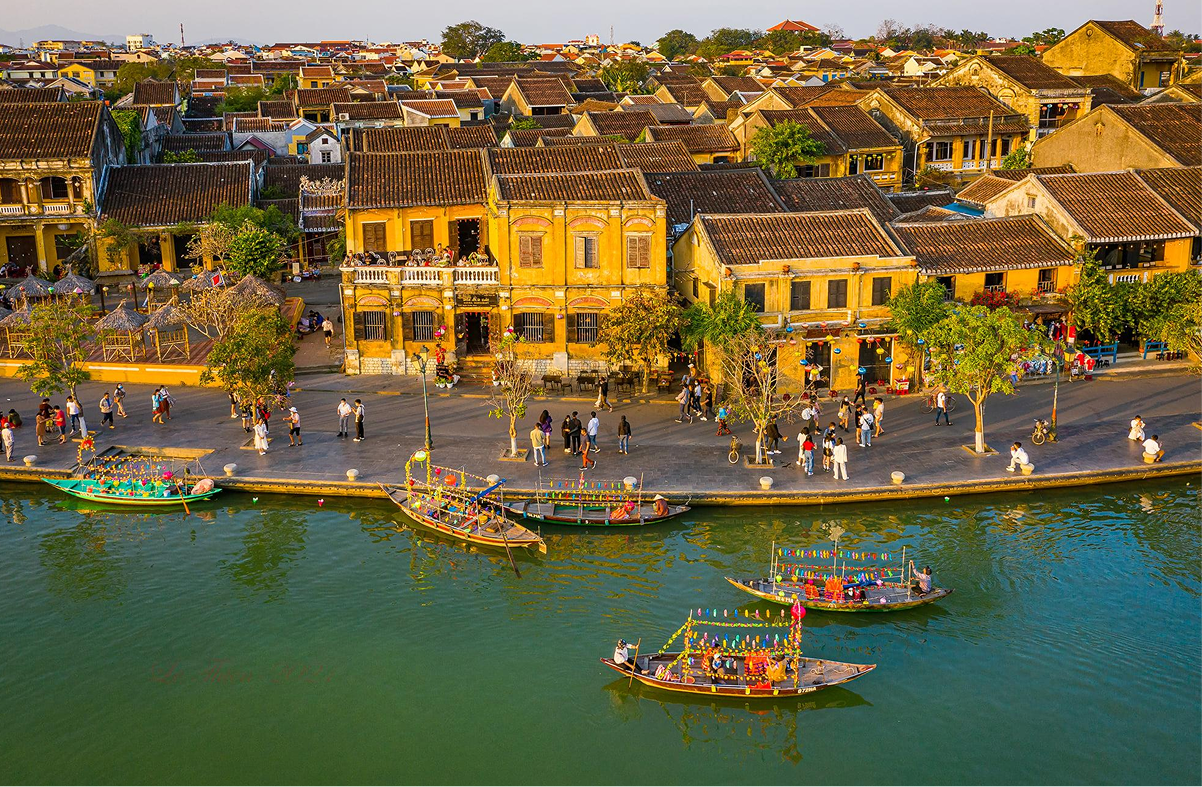
Exploring Hoi An is a journey through a beautifully maintained tapestry of history. When planning your Hoi An travel, you’ll discover a seamless blend of Chinese, Japanese, and European influences. Key highlights of beautiful views in Hoi An include the maze of centuries-old merchant houses and revered temples that line its meandering streets. This architectural harmony transports you back in time, offering a profound immersion into the diverse cultural legacy of central Vietnam.
2. Cultural Diversity
Hoi An’s legacy as a bustling Southeast Asian trading hub has created a unique multicultural identity. When planning your Hoi An itinerary you’ll notice this history reflected in the town’s eclectic architecture and tantalizing cuisine.
The most iconic area, Hoi An, serves as a living museum of this global exchange. If you are deciding what to see in Hoi An, the assembly halls and historic merchant homes offer a captivating look into the traditions of the past. It remains a premier destination for those seeking an immersive cultural discovery in the heart of Vietnam.
3. Scenic Beauty
The banks of the Thu Bon River offer some of the most breathtaking vistas in Vietnam. For anyone planning Hoi An itinerary, the riverside is the perfect place to experience the city’s romantic allure as the sun sets.
Within Hoi An , the enchanting glow of lanterns reflecting on the water creates a scene of timeless tranquility. A boat ride along the river provides a unique perspective of the verdant surroundings and historic architecture. It is a serene escape that captures the heart of every visitor.
4. Shopping and Handicrafts
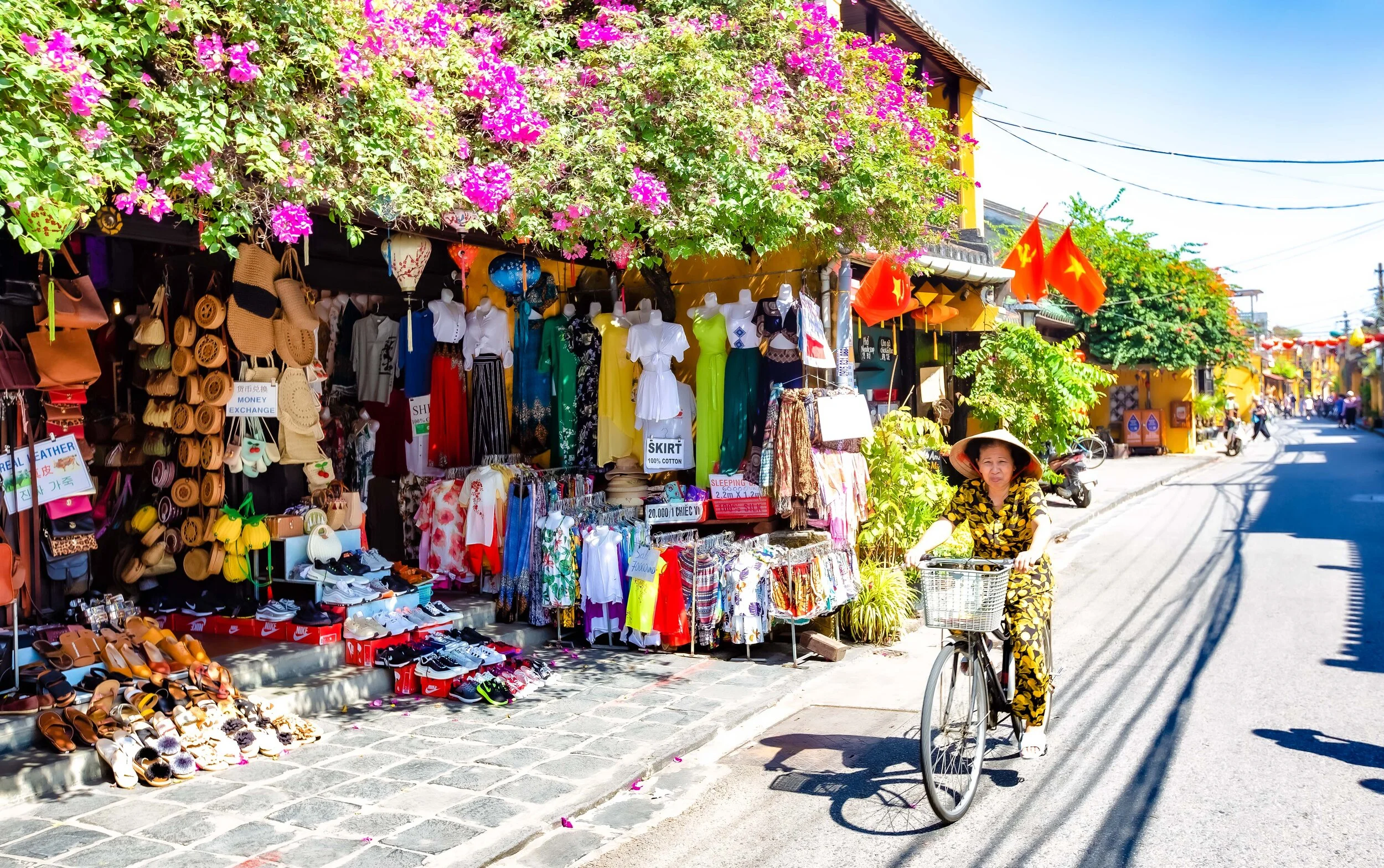
Hoi An’s vibrant markets are essential stops for anyone embarking on Hoi An itinerary. These bustling hubs allow you to immerse yourself in local culture while browsing traditional crafts and bespoke apparel.
When visiting the Hoi An market, the array of silk lanterns and handcrafted keepsakes are among the top things must see in Hoi An. Whether you are seeking a custom-tailored suit or a unique memento, these markets offer a treasure trove of authentic finds that perfectly capture the spirit of your journey.
5. Culinary Delights
Vietnamese cuisine is world-renowned for its fresh flavors, and this tradition shines brightly throughout Hoi An Vietnam travel. From bustling street food stalls to cozy local eateries, the town offers a delectable journey of discovery for every palate.
Within Hoi An, the culinary scene is a primary highlight of specials in Hoi An. Beyond tasting iconic dishes, food lovers can join interactive cooking classes to learn the secrets of traditional recipes from expert chefs. This immersive experience ensures a memorable adventure that feeds both the soul and the appetite.
6. Lantern Festival
Hoi An’s world-famous Full Moon Lantern Festival is a highlight of Hoi An trip, transforming the streets into a glowing masterpiece. During this monthly celebration, Hoi An switches off its modern lights, allowing thousands of colorful lanterns to illuminate the night sky.
If you are looking for specials in Hoi An, the traditional performances and lantern-lit river ceremonies offer a truly immersive experience. This cultural richness, combined with the city’s natural beauty and culinary delights, makes it an unforgettable destination for every traveler.
What to see in Hoi An
As one of Vietnam’s UNESCO World Heritage Sites, Hoi An Old Town is home to charming architecture, cultural landmarks, and a vibrant street life. You should make a stop at these attractions while you are here:
1. Japanese Covered Bridge (Chùa Cầu)
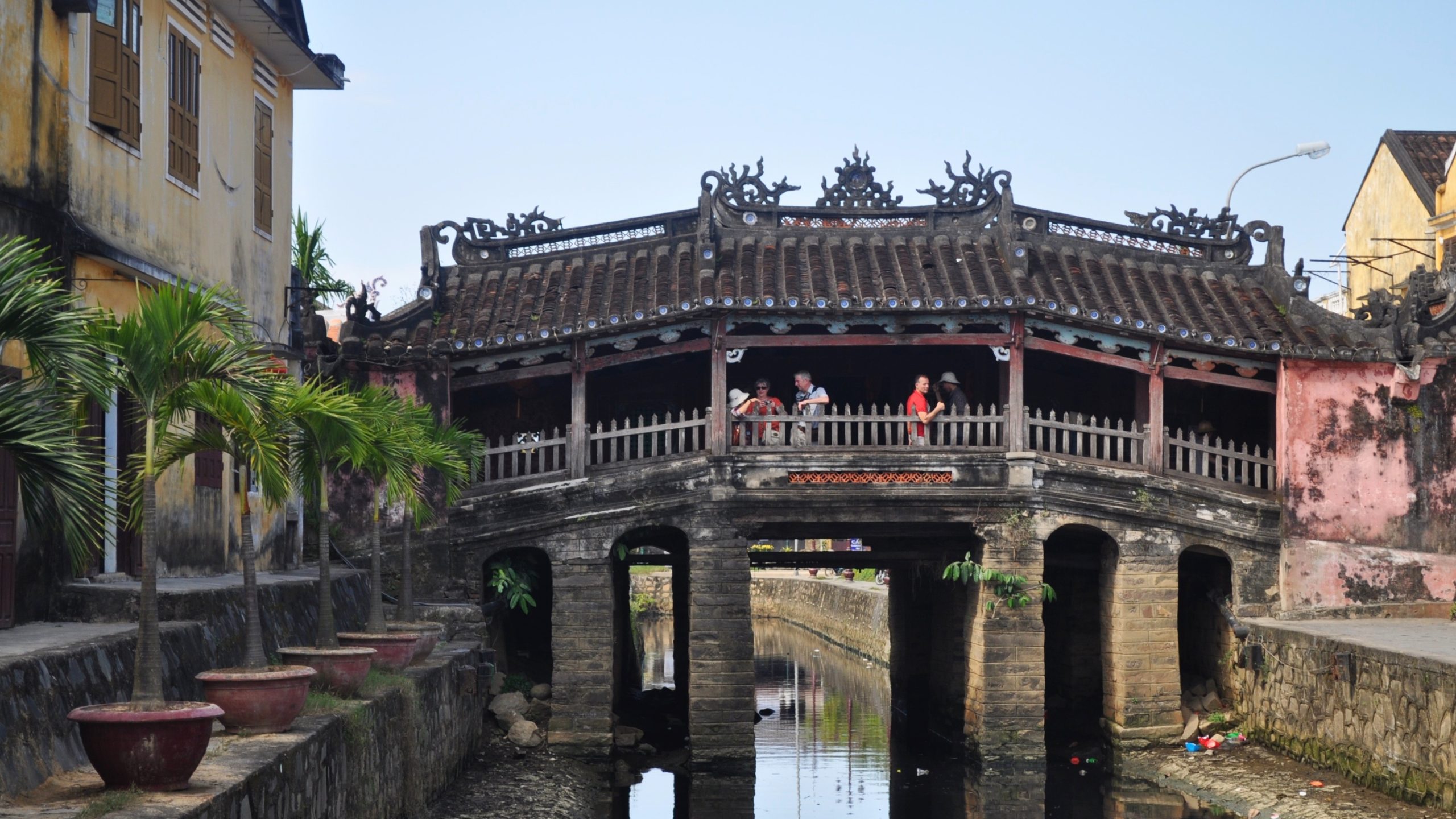
The Japanese Covered Bridge, or Chùa Cầu, is an iconic symbol of Hoi An Vietnam travel and a testament to the town’s history as a multicultural port. Dating back to the 18th century, this unique structure was built by Japanese traders to connect the Japanese and Chinese quarters of Hoi An
When deciding what to see in Hoi An, this bridge is an absolute must. Its design features a weathered roof and intricate carvings of dogs and monkeys—mythical protectors in Japanese culture. Legend suggests the bridge was constructed to bring harmony to the community and ward off restless spirits. Today, it remains a centerpiece of the UNESCO-listed district, offering a picturesque glimpse into the city’s rich past.
Admiring the bridge at night, when it is reflected in the canal’s water, is one of the most memorable experiences for any visitor.
2. Assembly Halls (Hội Quán)
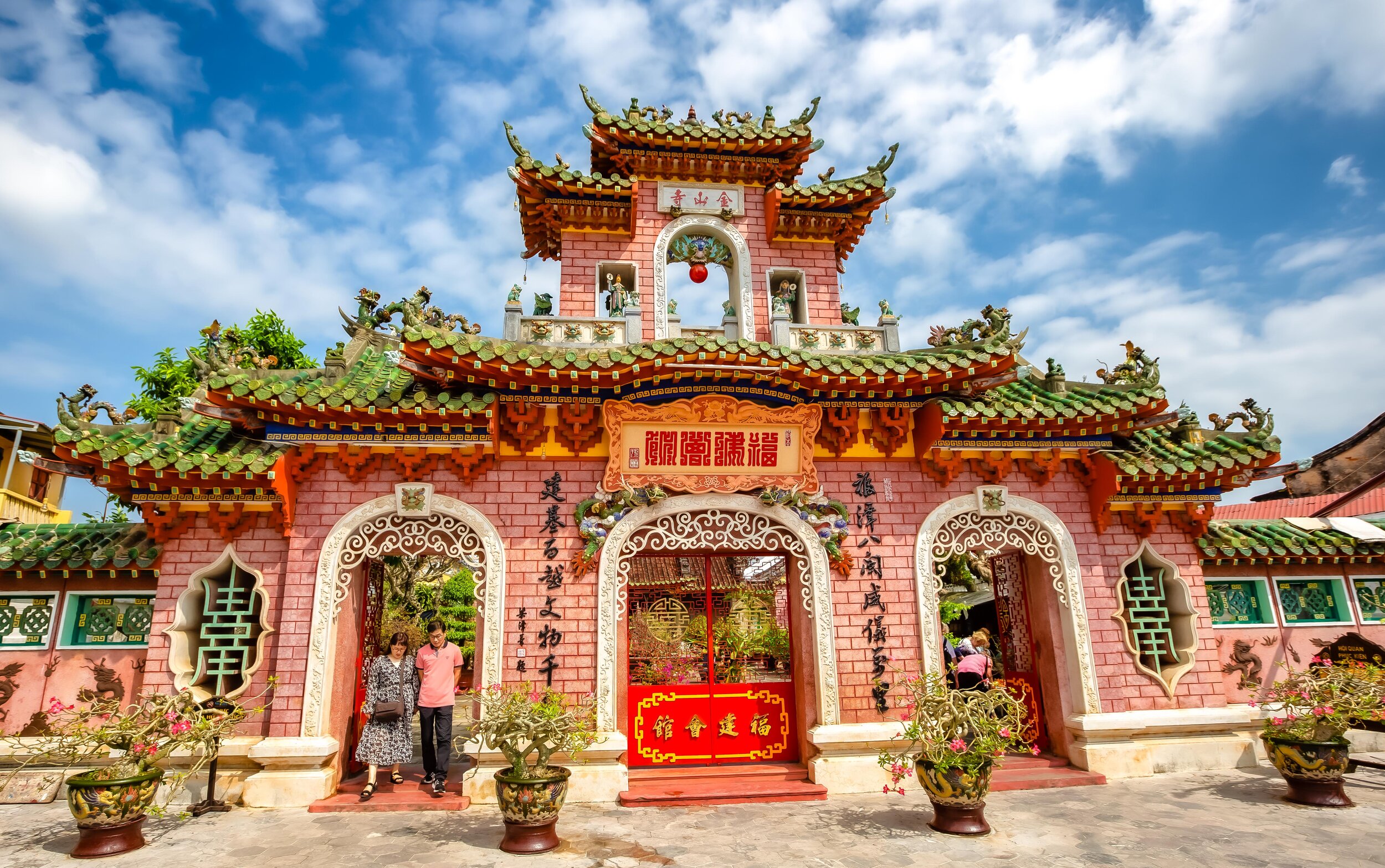
The Assembly Halls, or Hội Quán, are vital landmarks within Hoi An Ancient Town, representing the legacy of ethnic Chinese communities. Historically, these sites were more than just temples; they were centers for trade and social unity. Today, they are a primary focus for Hoi An Vietnam travel, showcasing the town’s immense prosperity during its peak.
If you are wondering what to see in Hoi An, the four major halls offer distinct architectural styles:
-
Fujian Assembly Hall: The grandest and most famous, featuring the iconic triple-gate.
-
Cantonese Assembly Hall: Known for its impressive dragon sculptures.
-
Chaozhou Assembly Hall: Notable for its intricate woodcarvings.
-
Hainan Assembly Hall: Dedicated to the memory of 108 merchants wrongly executed.
With roughly 5 major assembly halls and over 1,000 historic timber-framed buildings in the heritage zone, these sites provide a deep look into the traditions of the Chinese community, which once made up a significant portion of Hoi An’s 17th-century population.
3. Hoi An Market
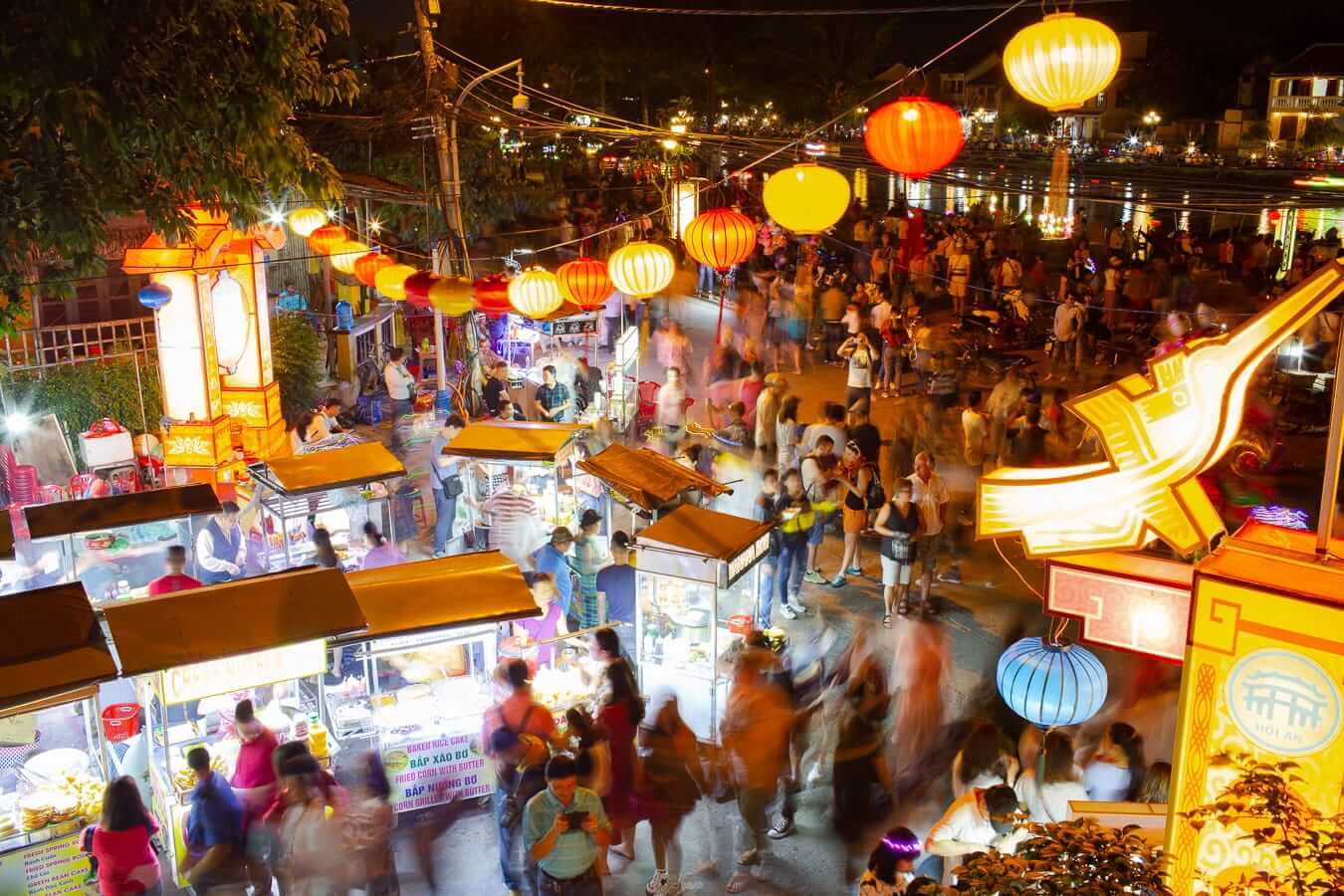
Hoi An Market is a bustling hub where visitors can truly immerse themselves in the local way of life. Located in the heart of Hoi An Ancient Town, this central market offers a kaleidoscope of sights and fragrant aromas that capture the essence of the region.
When planning your Hoi An Vietnam travel, the market is a top choice for what to see in Hoi An. You’ll find everything from exotic spices and fresh produce to handcrafted silk lanterns and tailored textiles. Beyond shopping, it is a culinary paradise; it’s the perfect place to sample authentic street food like Com Ga (chicken rice) or fresh seafood prepared on the spot. Whether you’re hunting for a unique memento or a bowl of steaming noodles, the market provides an authentic sensory journey through central Vietnam.
4. Thu Bon River
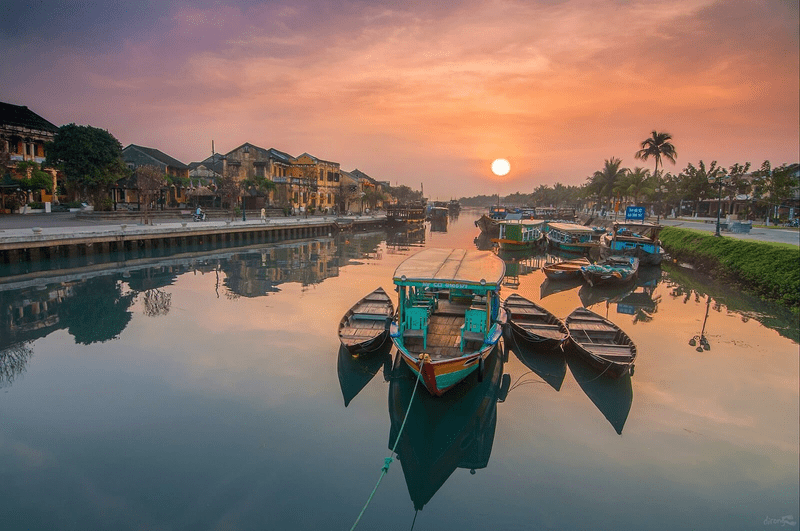
A calm boat trip along the Thu Bon River is a highlight of Hoi An Vietnam travel, offering a unique vantage point of the city’s historic charm. As you float past Hoi An Ancient Town, you will see iconic landmarks like the Japanese Covered Bridge and colorful assembly halls reflecting off the water.
If you are looking for what to see in Hoi An beyond the streets, the river journey reveals lush rice fields and traditional fishing villages. This peaceful escape is one of the most relaxing things to do in Hoi An, providing a quiet break to enjoy the natural beauty and storied history of the region.
5. Hoi An Lantern Festival
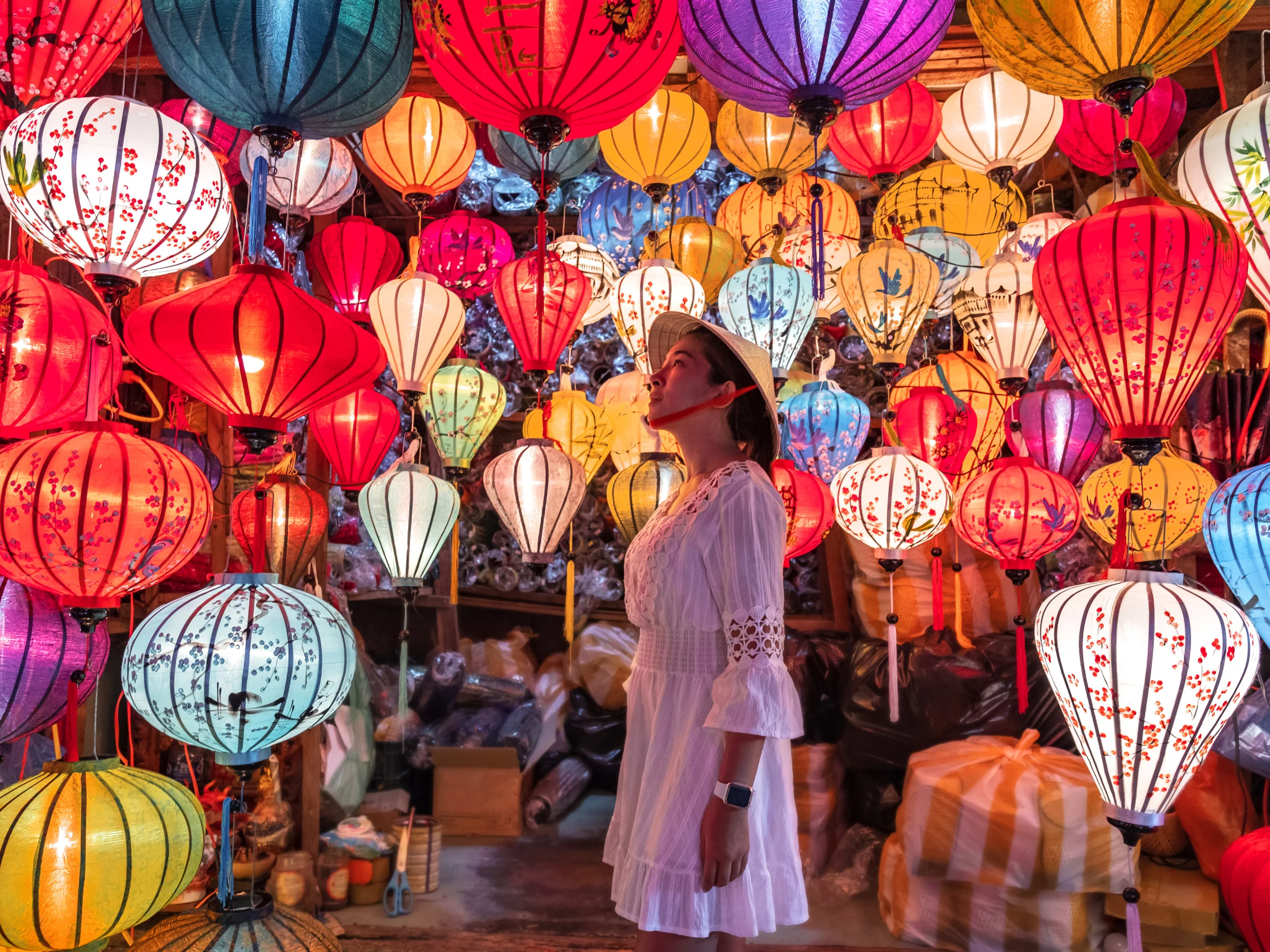
The Hoi An Lantern Festival, held on the 14th day of every lunar month, is a magical highlight of Hoi An Vietnam travel. During this time, the modern lights of Hoi An Ancient Town are dimmed, replaced by the ethereal glow of thousands of silk lanterns.
If you are looking for what to see in Hoi An, this festival offers an unforgettable cultural display. You can join locals in releasing paper lanterns onto the Thu Bon River or watch vibrant processions of musicians and dancers. It is one of the most iconic things to do in Hoi An, allowing you to participate in lantern-making workshops and experience the town’s living heritage. Whether you are making a wish on the water or admiring the parade, the festival captures the true soul of Vietnam.
6. Tailor Shops

Hoi An is world-famous for its skilled artisans, and visiting a tailor is one of the most popular things to do in Hoi An. Whether you want a sharp suit, a custom dress, or a traditional áo dài, the local experts can craft high-quality garments at a fraction of Western prices.
When planning what to do in Hoi An, allow at least two days for fittings to ensure the perfect cut. This bespoke service is a highlight of Hoi An Vietnam travel, offering a unique souvenir that fits perfectly. Between fittings, take your time wandering the narrow alleys of Hoi An Ancient Town to soak in the atmosphere of this historic gem.
Vietnam Hoi An: Full Moon Lantern Festival
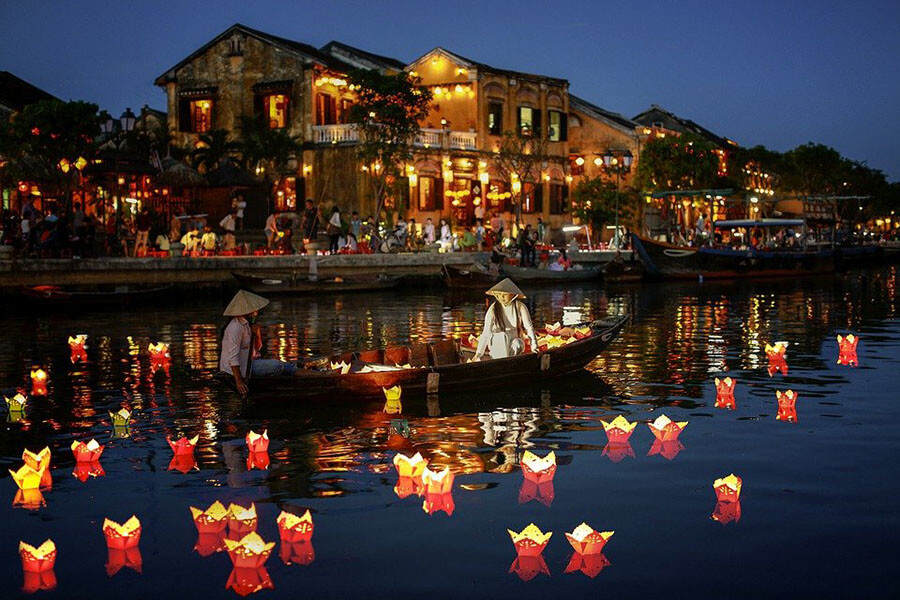
The Hoi An Lantern Festival, also known as the Full Moon Festival, is a mesmerizing event that transforms Hoi An Ancient Town into a glowing wonderland. Held on the 14th day of every lunar month, this celebration honors ancestors and marks a time of spiritual reflection. If you are deciding what to see in Hoi An, this festival is arguably the most magical experience the city has to offer.
Here are the top highlights of the Hoi An Lantern Festival:
1. Spectacular Lantern Decorations
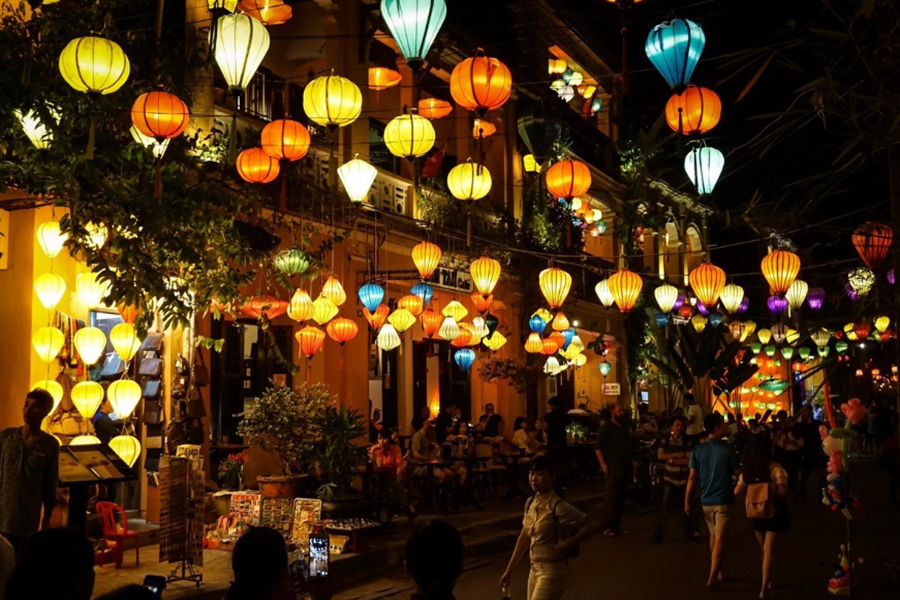
During the festival, the town switches off its modern fluorescent lights. Every street, merchant house, and bridge is instead illuminated by thousands of silk lanterns. These vibrant decorations symbolize prosperity and luck, casting a warm, nostalgic glow over the centuries-old architecture.
2. Traditional Cultural Performances
As you wander the cobblestone streets, you’ll encounter various stages featuring Vietnamese folk music, traditional dance, and “Bai Choi” (a local game combining music and bingo). These performances offer a deep dive into the cultural heritage of central Vietnam.
3. Floating Lanterns on the River
The most iconic image of the festival is the Thu Bon River filled with flickering lights. For a small fee, you can buy a paper lantern with a candle inside, make a wish, and release it onto the water. Seeing hundreds of these tiny “hopes” floating downstream is a highlight for anyone on a Hoi An Vietnam travel journey.
4. Candlelit Offerings and Rituals
The festival is a deeply spiritual time for locals. You can visit ancient pagodas and assembly halls to witness residents making offerings of incense and fruit. The atmosphere is thick with the scent of jasmine and sandalwood, providing a serene contrast to the lively streets.
5. Night Market and Festive Food
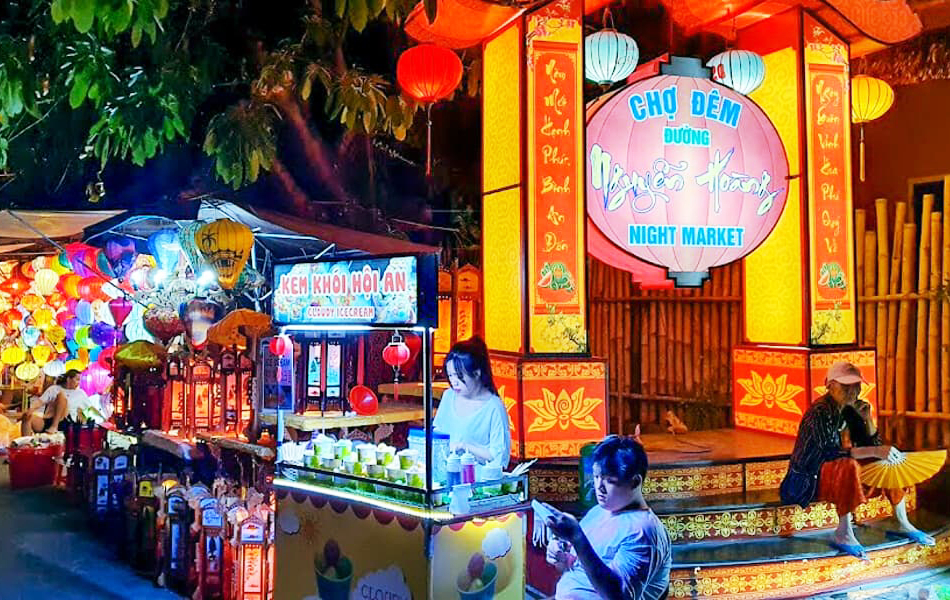
The festival atmosphere extends to the night market across the river. It’s the perfect time to explore what to eat in Hoi An, with vendors serving local favorites like Cao Lau and grilled pork skewers. You can also pick up handcrafted souvenirs and, of course, your own silk lanterns to take home.
6. Unrivaled Photography Opportunities
For photographers, the Lantern Festival is a dream. The combination of the dark river, the colorful silk lanterns, and the traditional attire of the locals creates stunning compositions that capture the soul of Vietnam.
Whether you are releasing a lantern on the river or simply soaking in the music, the Hoi An Lantern Festival is a captivating celebration of light and community that you won’t want to miss.
Top 10 delicious Hoi An food must try
Hoi An is a paradise for food lovers, where centuries of trade have blended Vietnamese, Chinese, and Japanese influences into a unique culinary identity. Here are the top 10 delicious foods you must try during your Hoi An Vietnam travel:
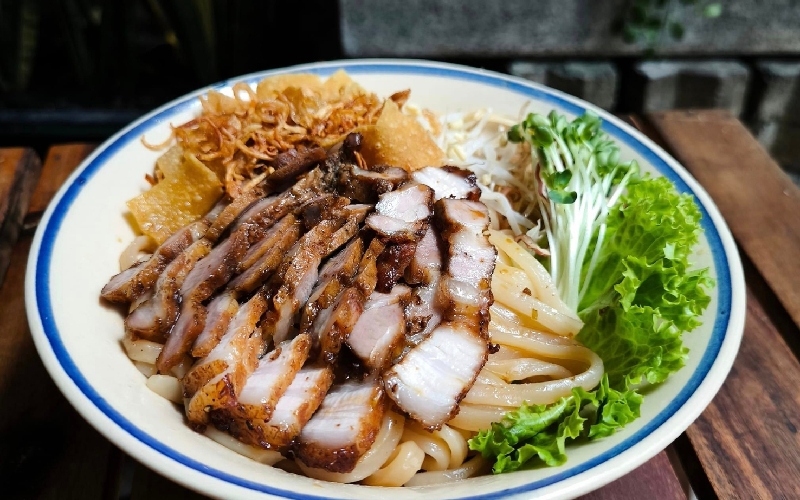
Cao Lau (Pork Rice Noodles): The crown jewel of Hoi An. These thick, chewy noodles are unique because they are traditionally made using water from the ancient Ba Le Well and ash from local Cham Islands wood.
- Hoi An Chicken Rice (Com Ga): Fragrant pilaf rice colored yellow with turmeric, topped with shredded seasoned chicken, herbs, and zesty lime.
- Banh Mi: Often called the world’s best sandwich. In Hoi An, look for Banh Mi Phuong or Madam Khanh to try baguettes filled with pâté, pork, and secret sauces.
- White Rose Dumplings (Banh Bao Banh Vac): Delicate, translucent shrimp dumplings shaped like roses. The recipe is a well-guarded secret kept by a single local family.
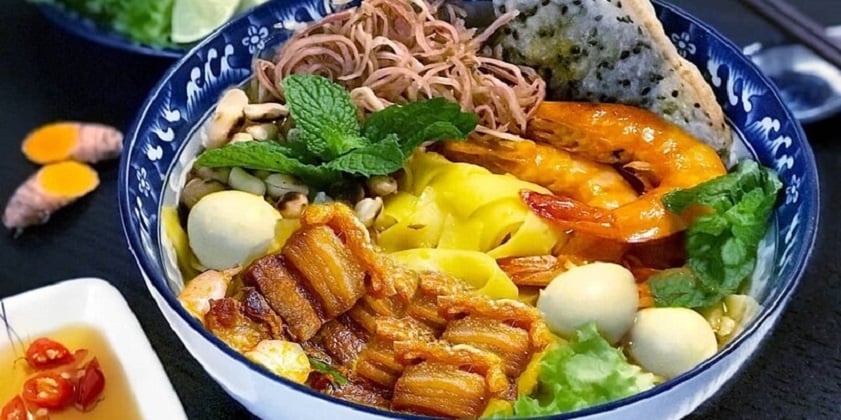
- Mi Quang (Quang-style Noodles): Wide rice noodles served with a small amount of rich broth, pork, shrimp, quail eggs, and crunchy rice crackers.
-

Must-try Mi quang – Hoi An - Banh Xeo (Sizzling Pancakes): Savory, crispy crepes filled with shrimp and sprouts. Wrap them in rice paper with fresh herbs and dip them in a peanuty hoisin sauce.
- Fried Wontons (Hoanh Thanh Chien): Crispy, golden-fried wontons topped with a tangy sautéed mix of shrimp, pork, and vegetables—almost like a Vietnamese “taco.”
- Banh Dap (Smashing Rice Paper): A fun snack where a crispy rice cracker is “smashed” onto a soft steamed rice sheet, served with stir-fried baby clams.
- Water Fern Cakes (Banh Beo): Small, savory steamed rice cakes served in tiny ceramic bowls, topped with minced shrimp and crispy pork rinds.
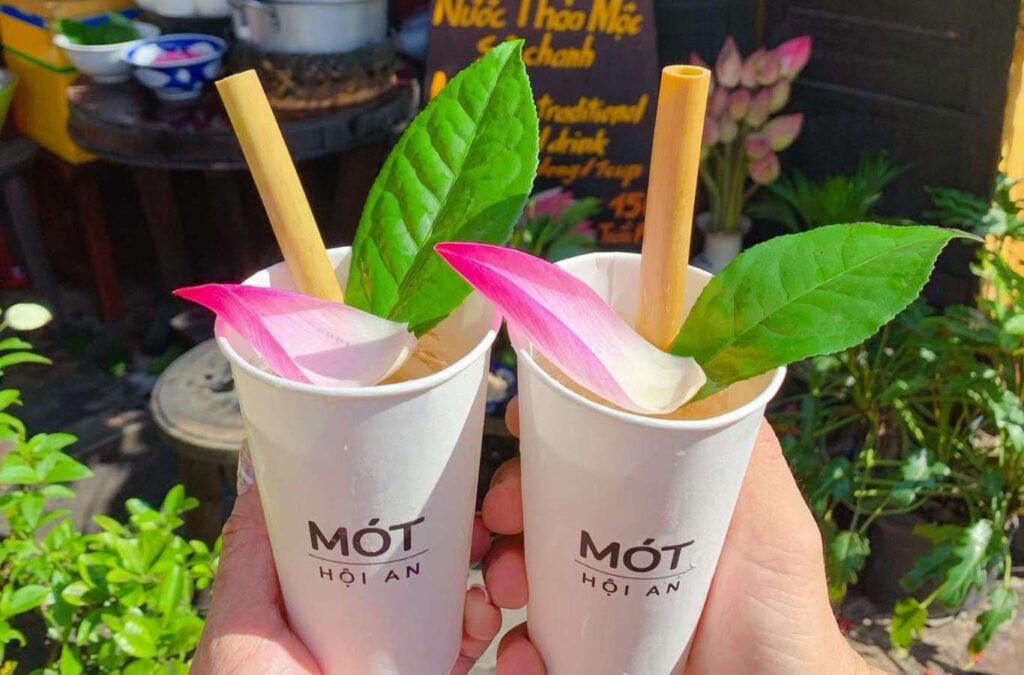
- Mot Herbal Tea: While not a food, this chilled herbal tea infused with lemongrass, ginger, and cinnamon is the iconic drink to sip while exploring Hoi An Ancient Town.
Where to find them?
Most of these specialties are concentrated in the Hoi An Central Market or along the narrow streets of the Ancient Town.
FAQs
- What is Hoi An famous for?
Hoi An is renowned for its well-preserved Ancient Town, which features centuries-old architecture, colorful lanterns, and a rich cultural heritage. It’s also known for its culinary delights, tailor shops, and beautiful nearby beaches.
- How do I get to Hoi An Ancient town?
The nearest airport to Hoi An is in Da Nang, about a 30-minute drive away. You can take a taxi, shuttle bus, or private car to Hoi An from Da Nang. Additionally, buses and trains connect Hoi An to major cities like Hanoi and Ho Chi Minh City.
- When is the best time to visit Hoi An?
The best time to visit Hoi An is during the dry season, typically from February to August. Avoid the rainy season from September to January, as heavy rainfall can affect outdoor activities and sightseeing.
- What are the must-visit attractions in Hoi An?
Some must-visit attractions in Hoi An include the Japanese Covered Bridge, Assembly Halls, Tan Ky House, Hoi An Market, and the Thu Bon River. If you’re visiting during the lunar calendar’s 14th day, don’t miss the Full Moon Lantern Festival.
- Is Hoi safe for tourists?
Yes, Hoi An is generally considered safe for tourists. However, like any tourist destination, it’s essential to remain vigilant against petty theft and scams. Keep your belongings secure and be cautious when dealing with street vendors and tour operators.
- What should I eat in Hoi An?
Hoi An is known for its delicious cuisine, including specialties like cao lau (a noodle dish), banh mi (a Vietnamese sandwich), com ga (chicken rice), and fresh seafood. Be sure also to try the local street food and visit the night market for a culinary adventure.
- Can I get clothes tailored in Hoi An?
Hoi An is famous for its tailor shops, where you can get reasonably priced custom-made clothing. You’ll find many options if you’re looking for suits, dresses, or traditional Vietnamese ao dai.
- What outdoor activities are available in Hoi An?
In addition to exploring the Ancient Town, visitors can enjoy outdoor activities such as cycling tours, boat cruises along the Thu Bon River, and relaxing on the nearby beaches of An Bang and Cua Dai.
In Conclusion
In conclusion, Hoi An Ancient Town is a captivating destination that seamlessly weaves together centuries of history, vibrant culture, and world-class cuisine. Whether you are mesmerized by the glowing Hoi An Lantern Festival, exploring the iconic Japanese Bridge, or indulging in local delicacies like Cao Lau, this UNESCO gem offers a sensory journey unlike any other. For any Hoi An Vietnam travel itinerary, the town’s blend of nostalgic charm and coastal serenity makes it a must-visit. It truly stands as a timeless heart of Vietnam that every traveler should experience.
Read more:
Top 10+ Incredibly Delicious And Crispy Banh Mi Hoi An Shops
A Comprehensive Guide To Weather In Hoi An Vietnam