If you are looking for hidden street food gems in Vietnam, you have come to the right place. While Pho and Banh Mi have conquered the globe, there is a secret world of flavors waiting for those willing to sit on a tiny plastic stool.
In the heart of Southeast Asia lies a culinary paradise that defies the boundaries of fine dining. While world-class restaurants are emerging across its skyline, the true soul of Vietnam resides on its sidewalks. From the misty mountains of Sapa to the sun-drenched deltas of the South, every alleyway tells a story through the aroma of simmering broths and sizzling grills.
Overview about Vietnamese street food
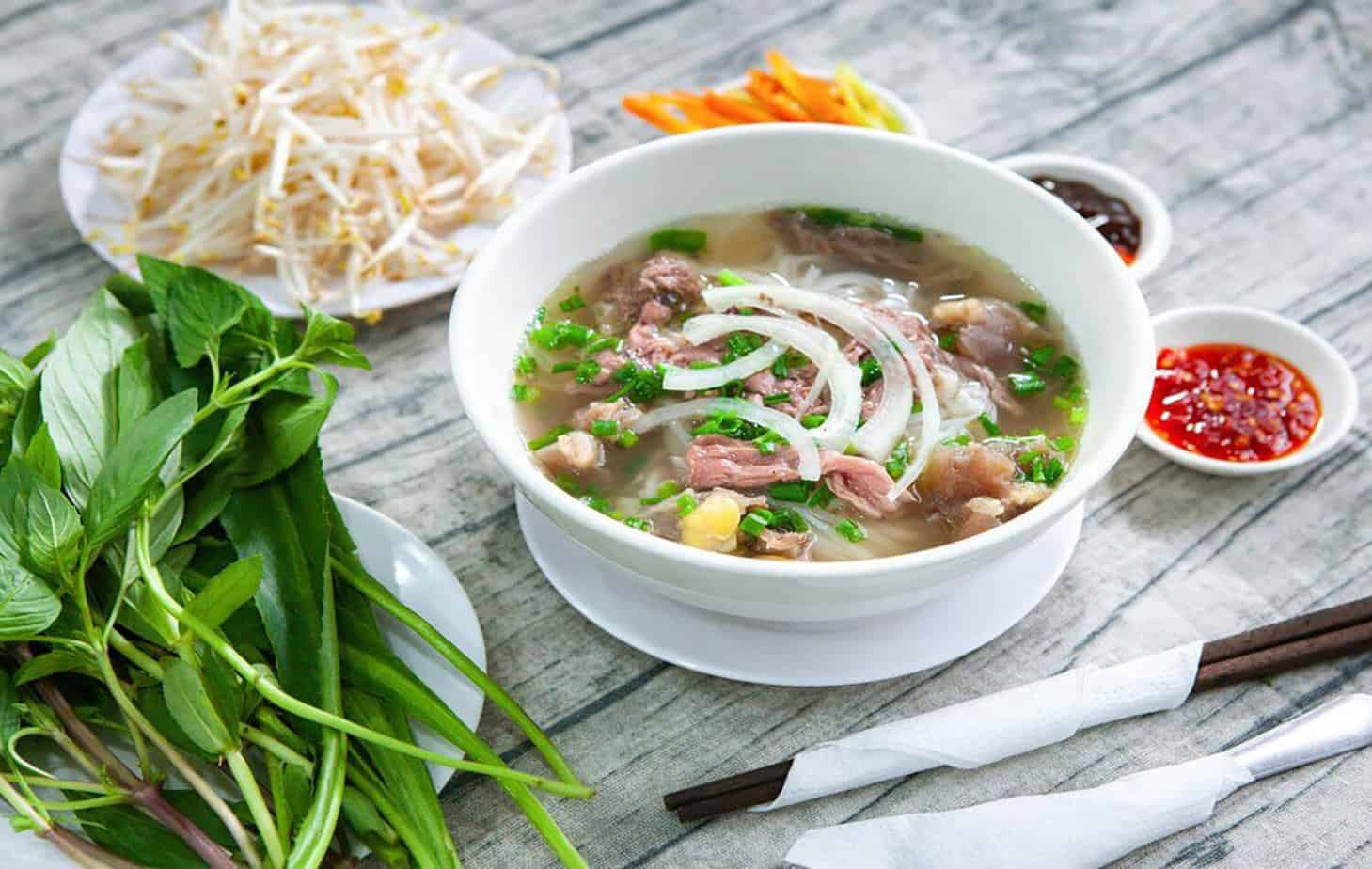
Vietnamese street food is far more than just a quick meal; it is a profound cultural institution that pulses through the veins of every city. It represents a way of life where the sidewalk serves as a communal dining room, bringing people from all walks of life together on low plastic stools.
The philosophy behind Vietnamese cuisine is the perfect harmony of five fundamental tastes: spicy, sour, bitter, salty, and sweet. This balance is achieved through the heavy use of fresh herbs, lime juice, and the iconic nuoc mam (fish sauce), ensuring that even fried dishes feel light and vibrant. From the steaming vats of Street food Vietnam staples like Pho in the chilly Hanoi mornings to the smoky grills of Com Tam in the humid Saigon nights, the variety is staggering.
What makes Vietnamese food truly unforgettable is its accessibility. You don’t need a reservation or a suit; you just need an appetite and a sense of adventure. Whether it’s a crispy Banh Mi grabbed on the go or a leisurely bowl of Bun Bo Hue tucked away in a hidden alley, the quality of street-side cooking often rivals the finest restaurants.
Top 15 Hidden Street Food Gems in Vietnam| Vietnamese cuisine must-try
Banh Trang Nuong (Vietnamese Pizza) – Da Lat & Saigon
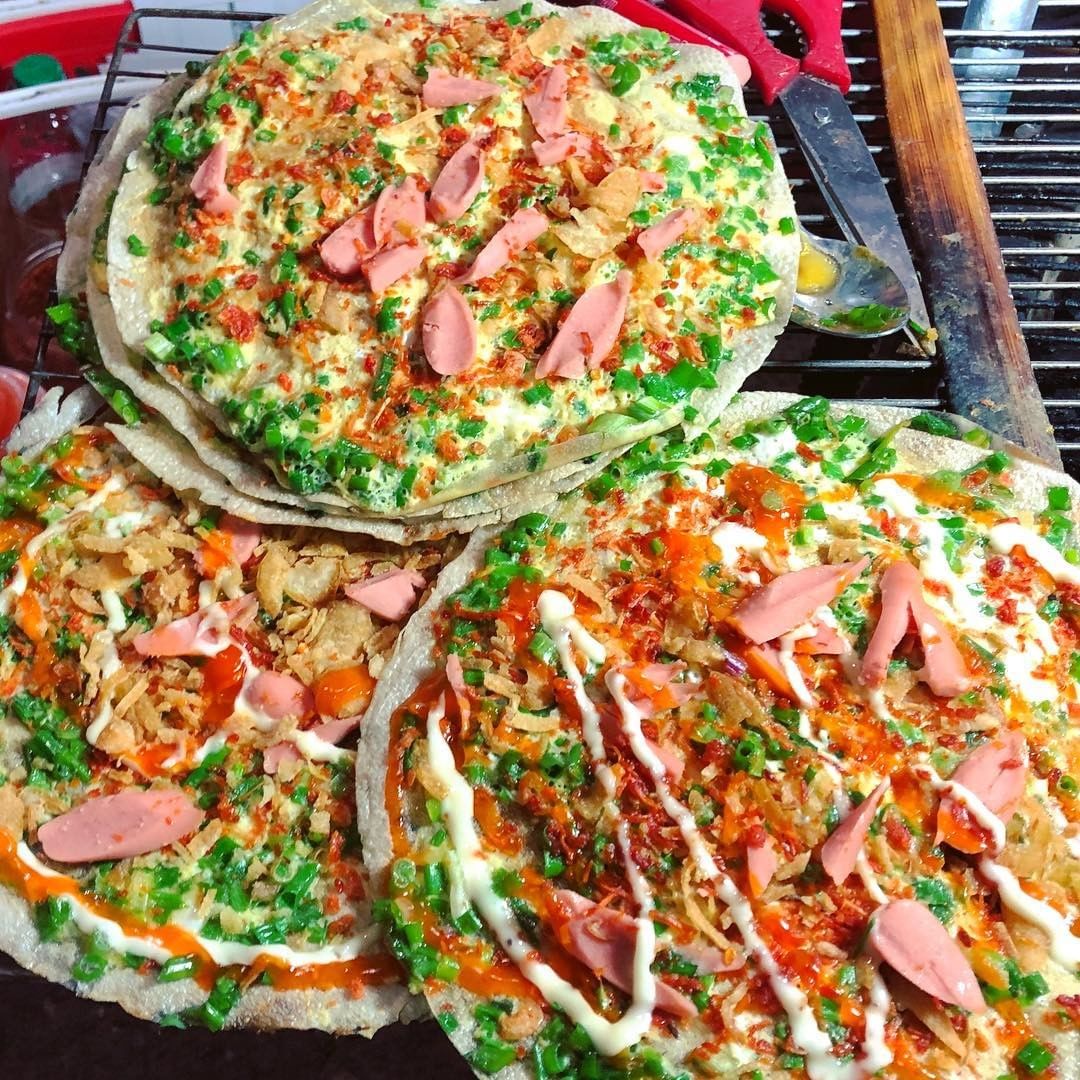
Originally from the cool highlands of Da Lat, Banh Trang Nuong is often dubbed “Vietnamese Pizza.” Unlike its Italian cousin, the base is a thin sheet of rice paper grilled over hot coals until crispy. It is topped with minced pork, spring onions, quail eggs, and dried shrimp, then drizzled with chili sauce and mayonnaise.
- Sub-key: Street food Vietnam
- Why it’s a gem: It’s the ultimate “youth” snack, best enjoyed in the chilly evening air of a hidden alley.
Bun Dau Mam Tom (Noodles with Fried Tofu & Shrimp Paste) – Hanoi
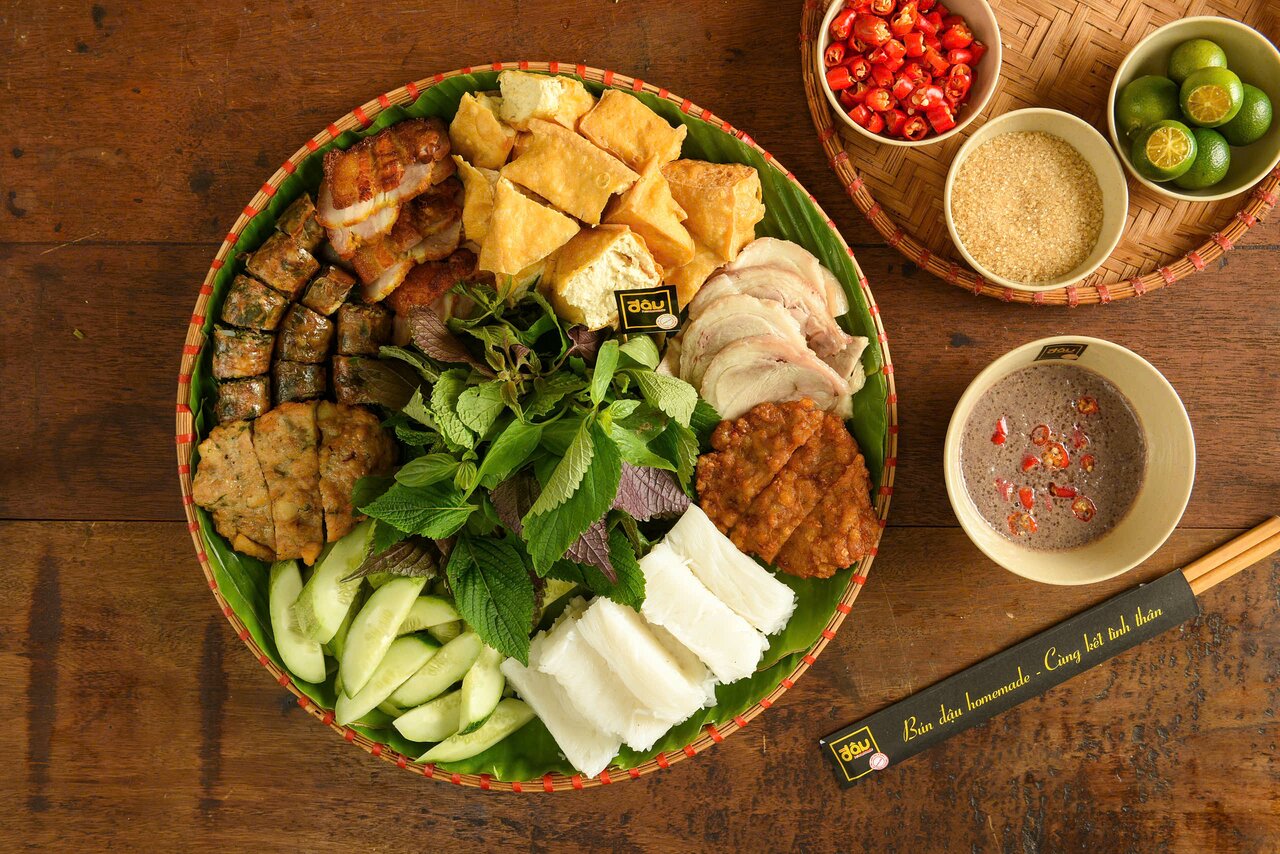
This dish is a sensory explosion. A traditional bamboo tray is filled with blocks of fresh rice vermicelli, crispy fried tofu, boiled pork belly, and fragrant herbs. The “hidden” secret lies in the Mam Tom—a fermented shrimp paste that is pungent but addictive when mixed with lime juice, sugar, and chili.
- Sub-key: Vietnamese cuisine
- Pro tip: To find the best version, look for stalls tucked deep inside Hanoi’s Old Quarter where only one dish is served.
Cao Lau (Hoi An Noodles) – Hoi An
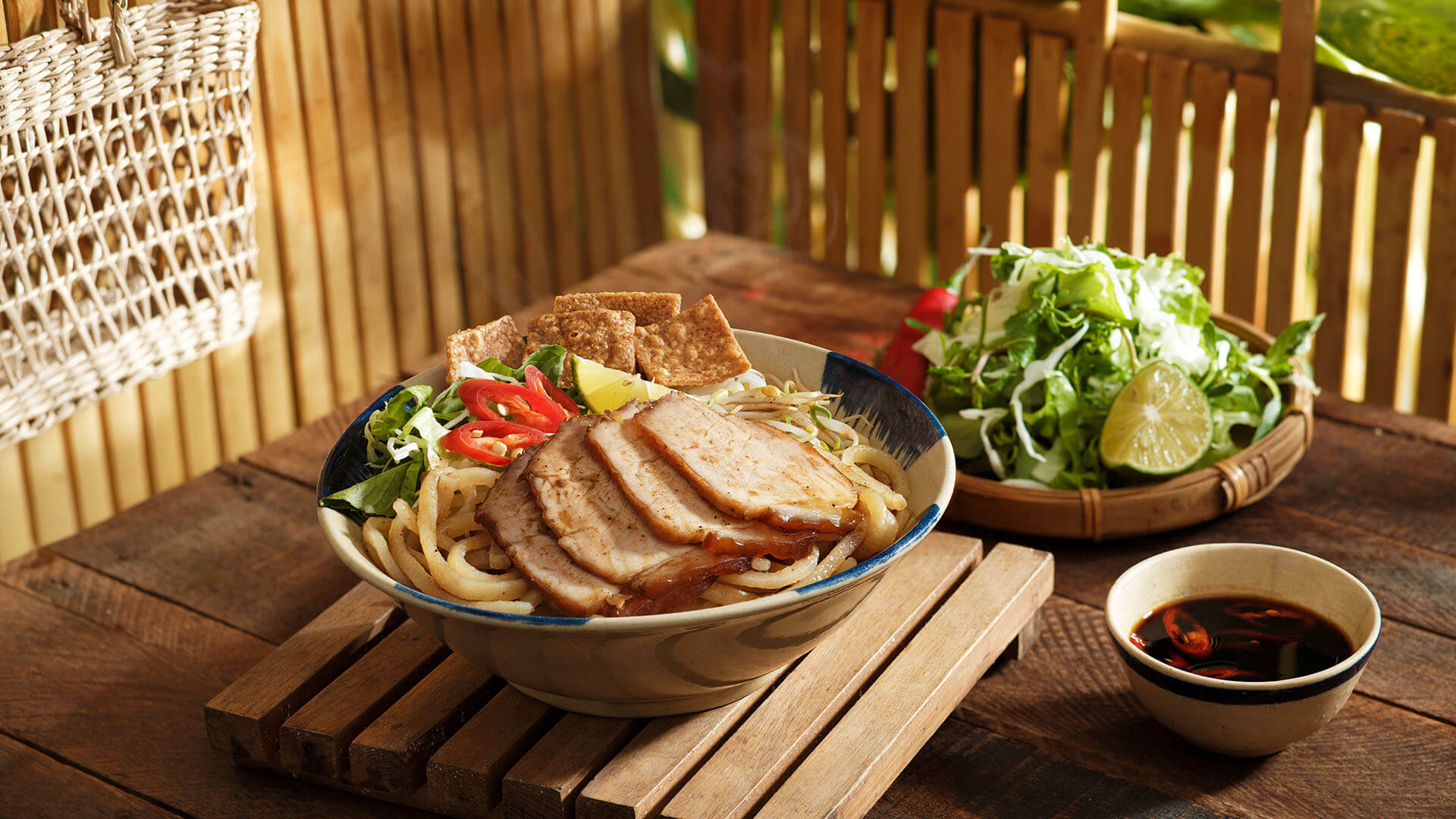
Cao Lau is perhaps the most exclusive hidden street food gem in Vietnam. Authentic Cao Lau can only be made in Hoi An because the noodles must be soaked in water from the ancient Ba Le Well. These chewy, thick noodles are served with slices of barbecued pork (xa xiu), crisp rice crackers, and fresh greens from the Tra Que herb village.
Not only Cao Lau but also has many delicious foods in Hoi An for you to try!
Banh Can (Mini Rice Pancakes) – Ninh Thuan & Nha Trang
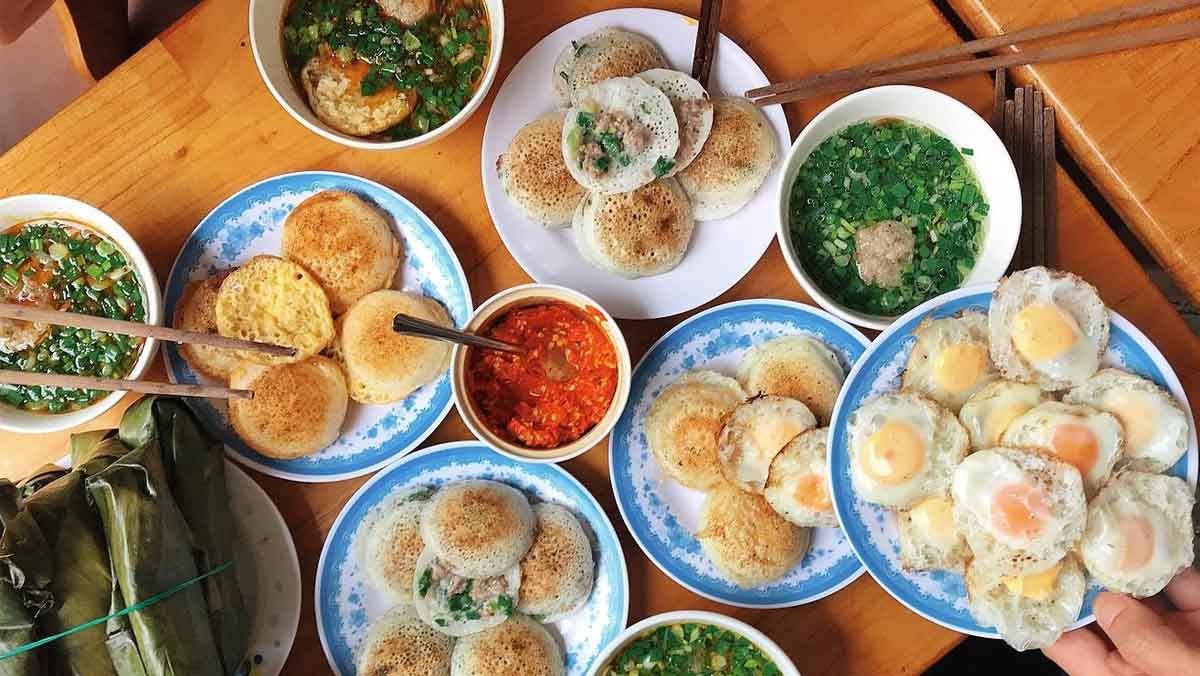
Tucked away in the coastal regions, Banh Can are small, round pancakes cooked in specialized terracotta molds. Unlike the deep-fried Banh Khot, these are “baked” dry, resulting in a light, fluffy texture. They are typically topped with quail eggs, squid, or shrimp and served with a bowl of braised green mango, meatballs, and fish sauce.
Bun Bo Hue (Spicy Hue Beef Noodle Soup) – Hue
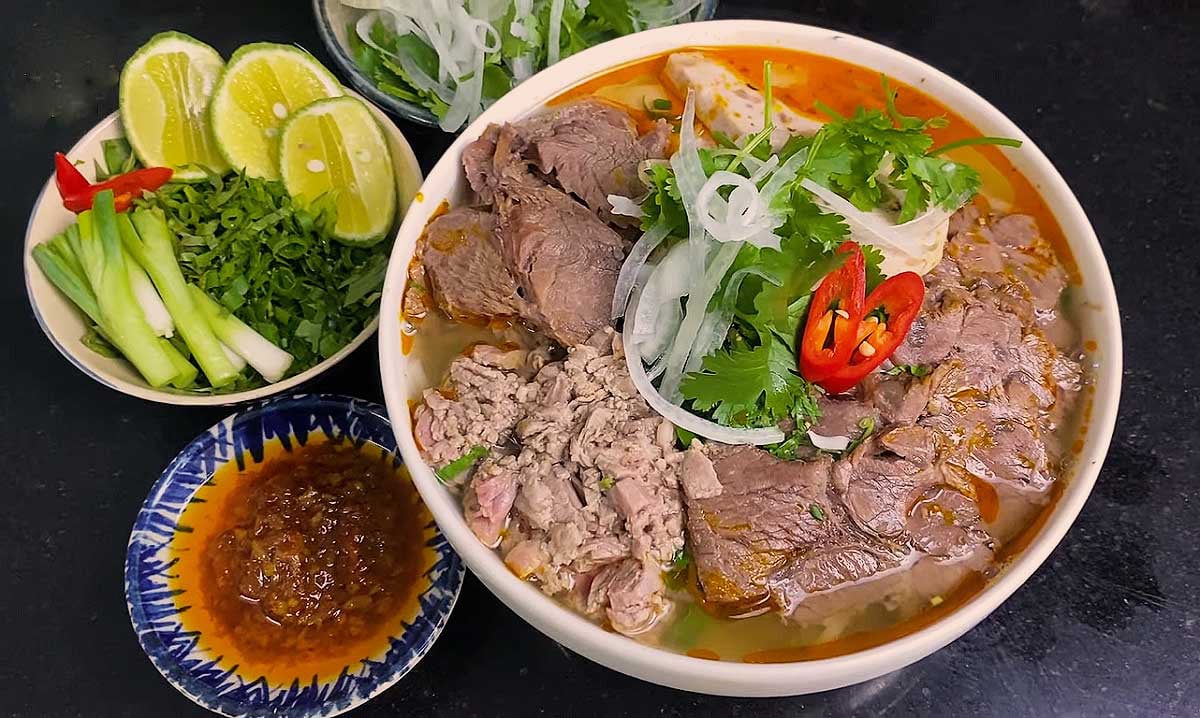
While Pho is delicate, Bun Bo Hue is bold and rebellious. This royal city’s signature dish features thick vermicelli in a spicy broth flavored with lemongrass and fermented shrimp sauce. Finding a “hidden” stall in a Hue market allows you to taste the original recipe, which often includes a cube of congealed pig’s blood and tender beef shank.
Banh Mi Chao (Bread in a Pan) – Saigon
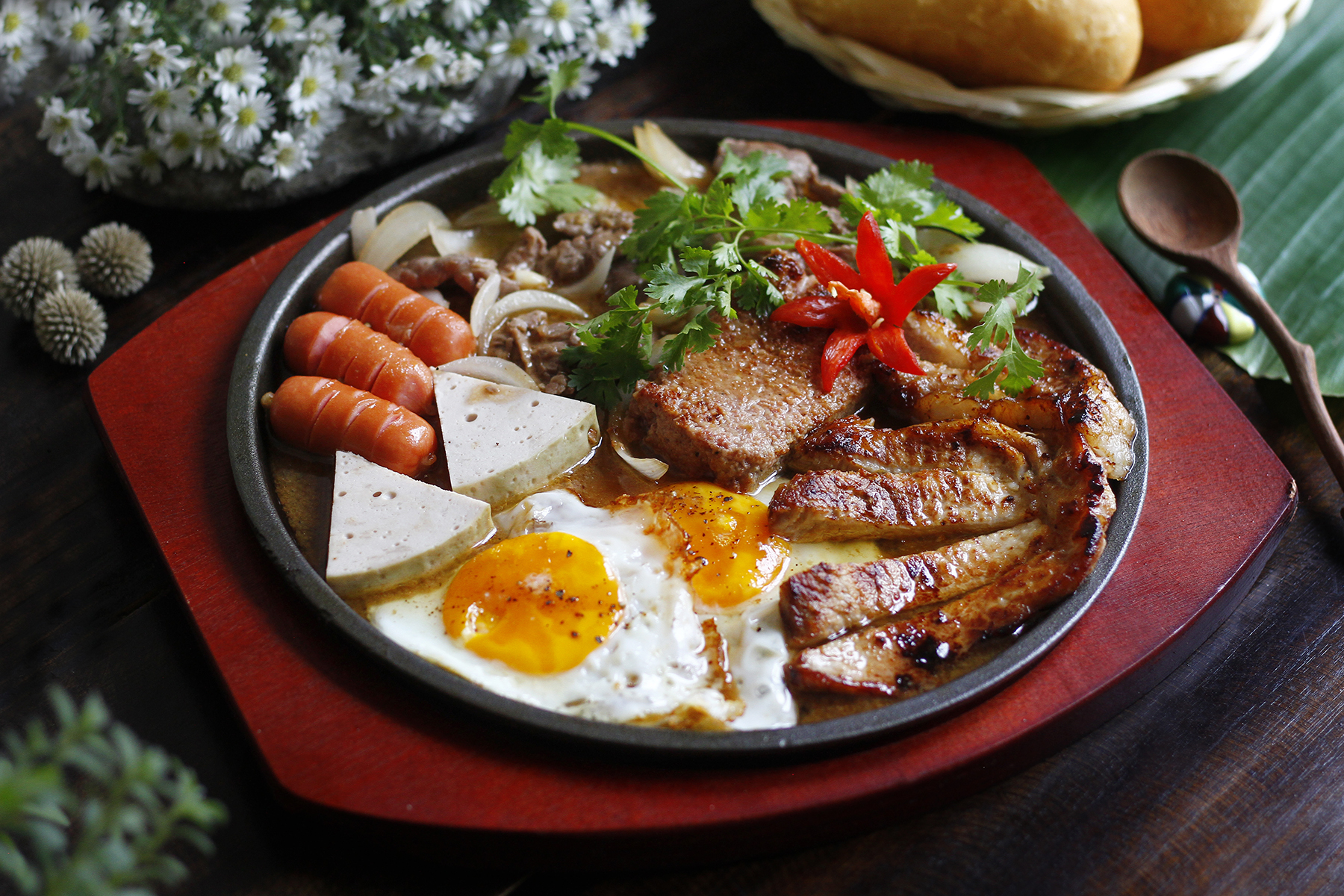
Forget the sandwich for a moment. Banh Mi Chao is a deconstructed breakfast served in a sizzling tin pan. It features a combination of fried eggs, pate, Vietnamese sausage (cha lua), and sometimes a small steak, all swimming in a rich tomato-based gravy. You use the crusty baguette to scoop up every drop of the sauce.
- Sub-key: Vietnamese food
- Best time to eat: Early morning in a residential hem (alleyway) of District 3.
Oc (Snail Dishes) – Ho Chi Minh City
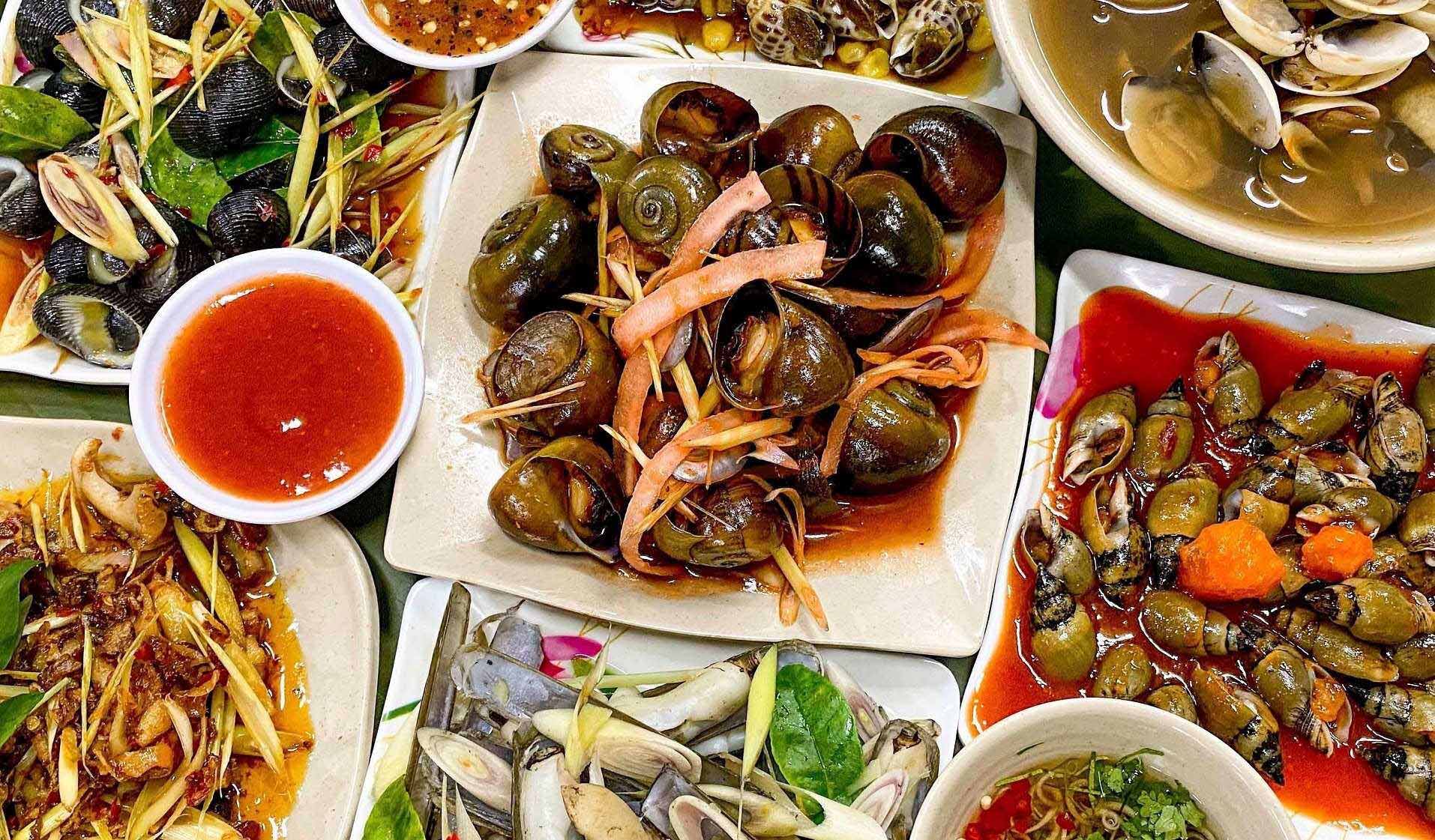
Oc culture is the pinnacle of Vietnamese street food. It’s not just one dish; it’s an entire evening experience. Locals gather at roadside stalls to feast on sea snails sautéed in coconut milk, grilled clams with scallion oil, or tamarind-glazed mud creepers.
Mi Quang (Turmeric Noodles) – Da Nang
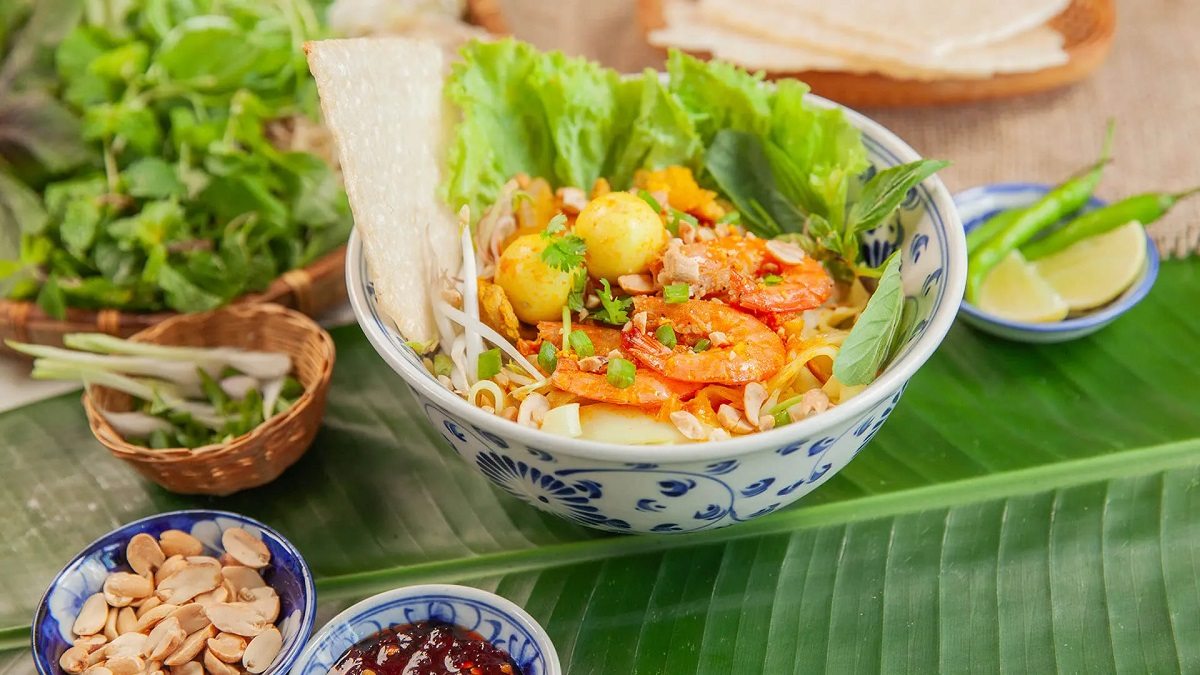
Mi Quang is the pride of Central Vietnam. These wide, yellow turmeric-infused noodles are served with a very small amount of intense, savory broth, topped with pork, shrimp, boiled quail eggs, and plenty of crushed peanuts. The “hidden” element is the rice cracker you must crumble into the bowl for that essential crunch.
Banh Cuon (Steamed Rice Rolls) – Hanoi
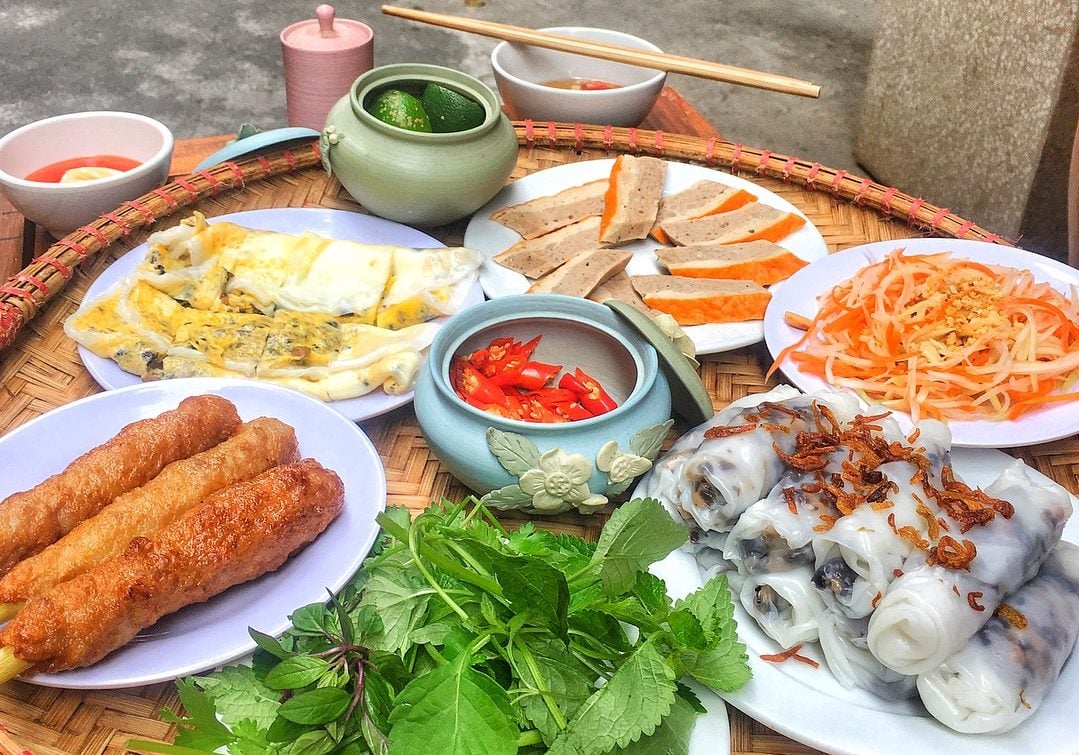
Watch a master at work as they spread thin rice batter over a cloth-covered steamer. Banh Cuon is filled with minced pork and wood ear mushrooms, then topped with crispy fried shallots. It’s light, elegant, and perfectly balanced by a dipping sauce made of fish sauce and a drop of ca cuong (giant water bug) essence for those who know to ask.
Nem Lui (Grilled Pork Skewers) – Hue
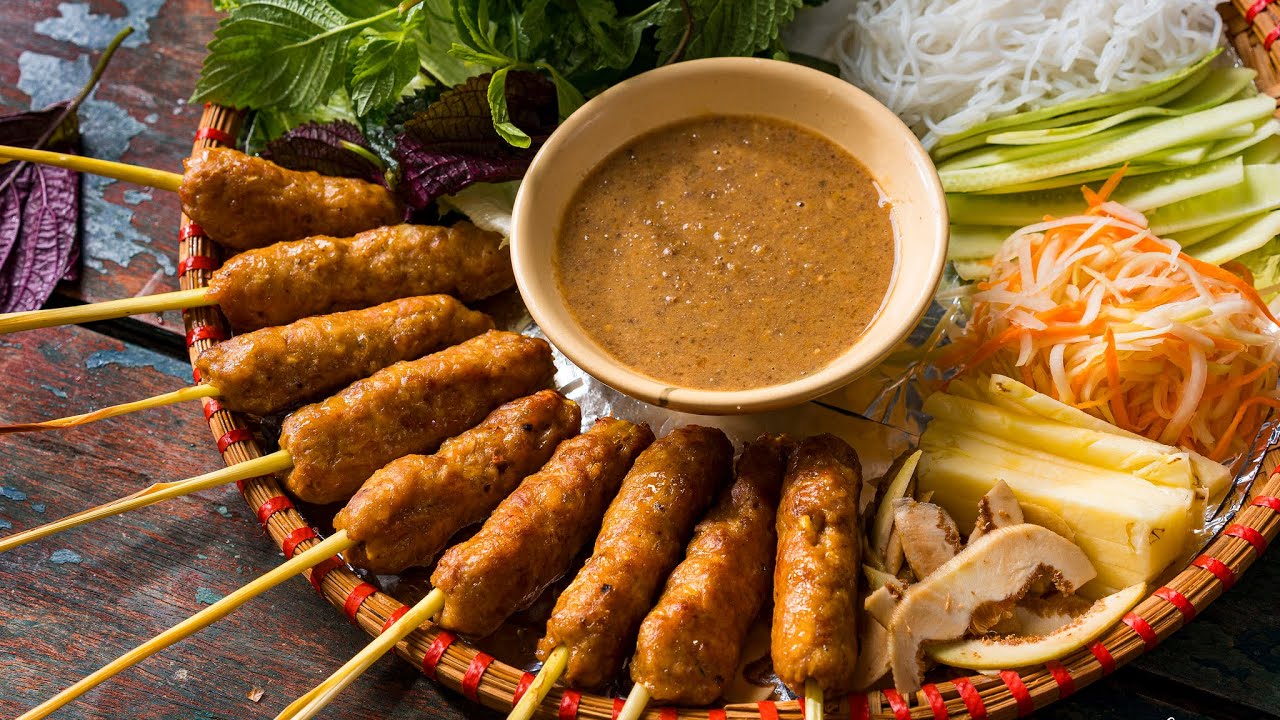
Nem Lui is a hands-on delight. Marinated pork is wrapped around lemongrass stalks and grilled over charcoal. You take a sheet of rice paper, add the pork, fresh star fruit, green banana, and herbs, then roll it up and dip it into a thick, fermented peanut sauce.
Com Tam (Broken Rice) – Saigon
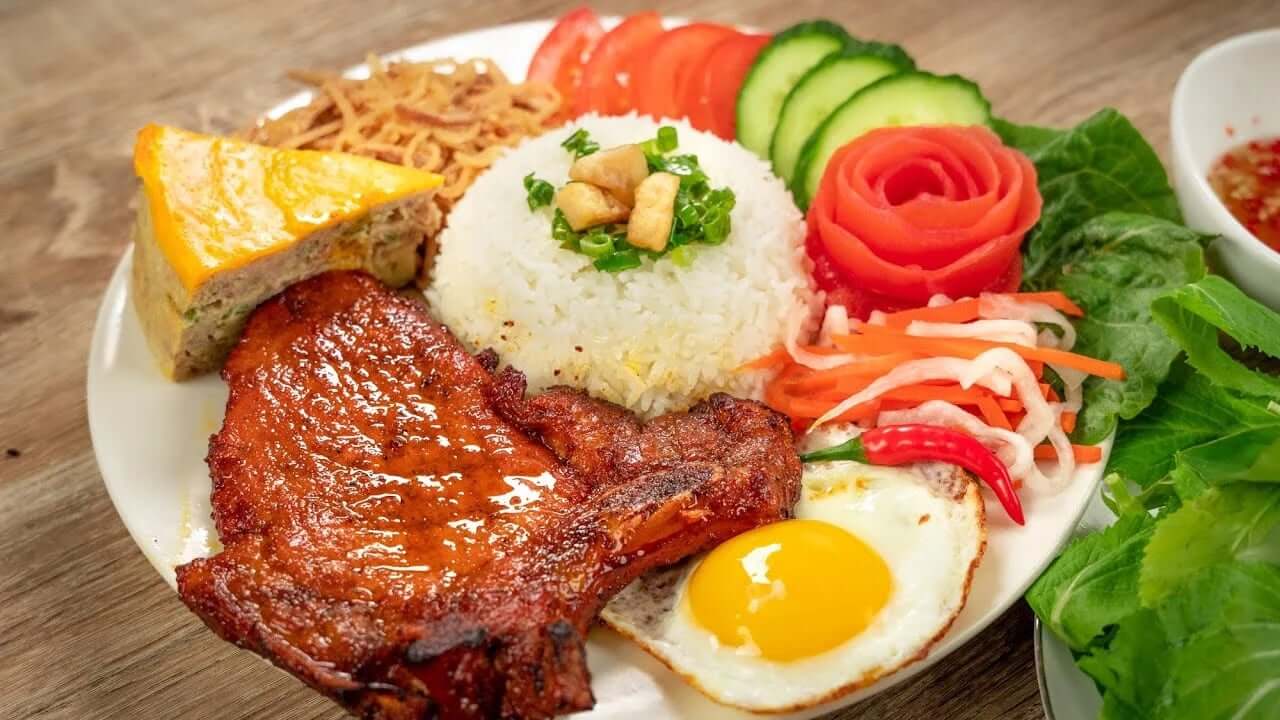
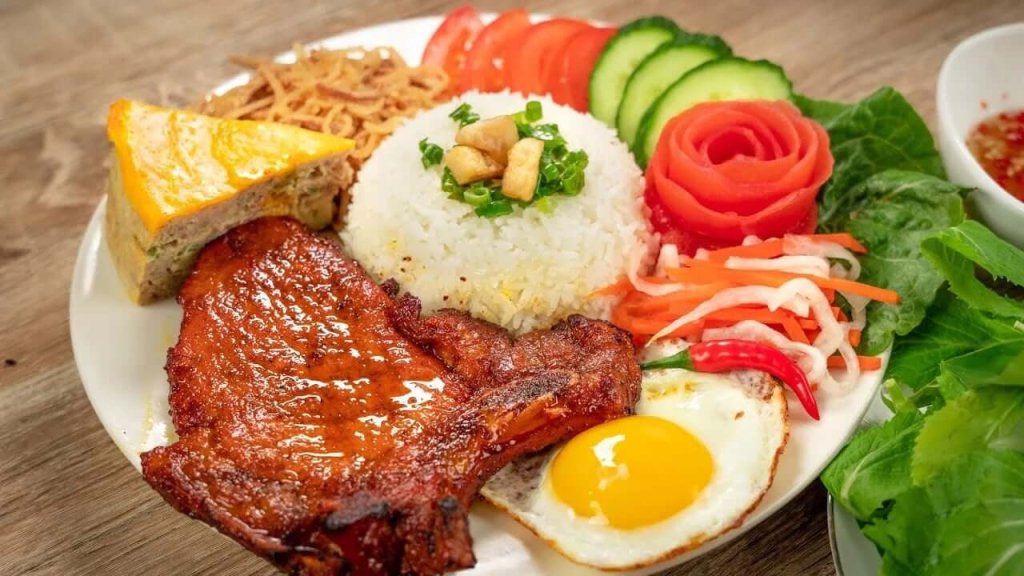
What started as a “peasant’s dish” made from fractured rice grains is now a Saigon icon. A plate of Com Tam is usually hidden behind a cloud of smoke from the street-side grill where marinated pork chops (suon) are charred to perfection.
- Sub-key: Hidden street food gems in Vietnam
- Local Secret: The best stalls are those where the grill is right on the sidewalk, drawing you in from blocks away.
Banh Xeo (Sizzling Crepe) – Mekong Delta
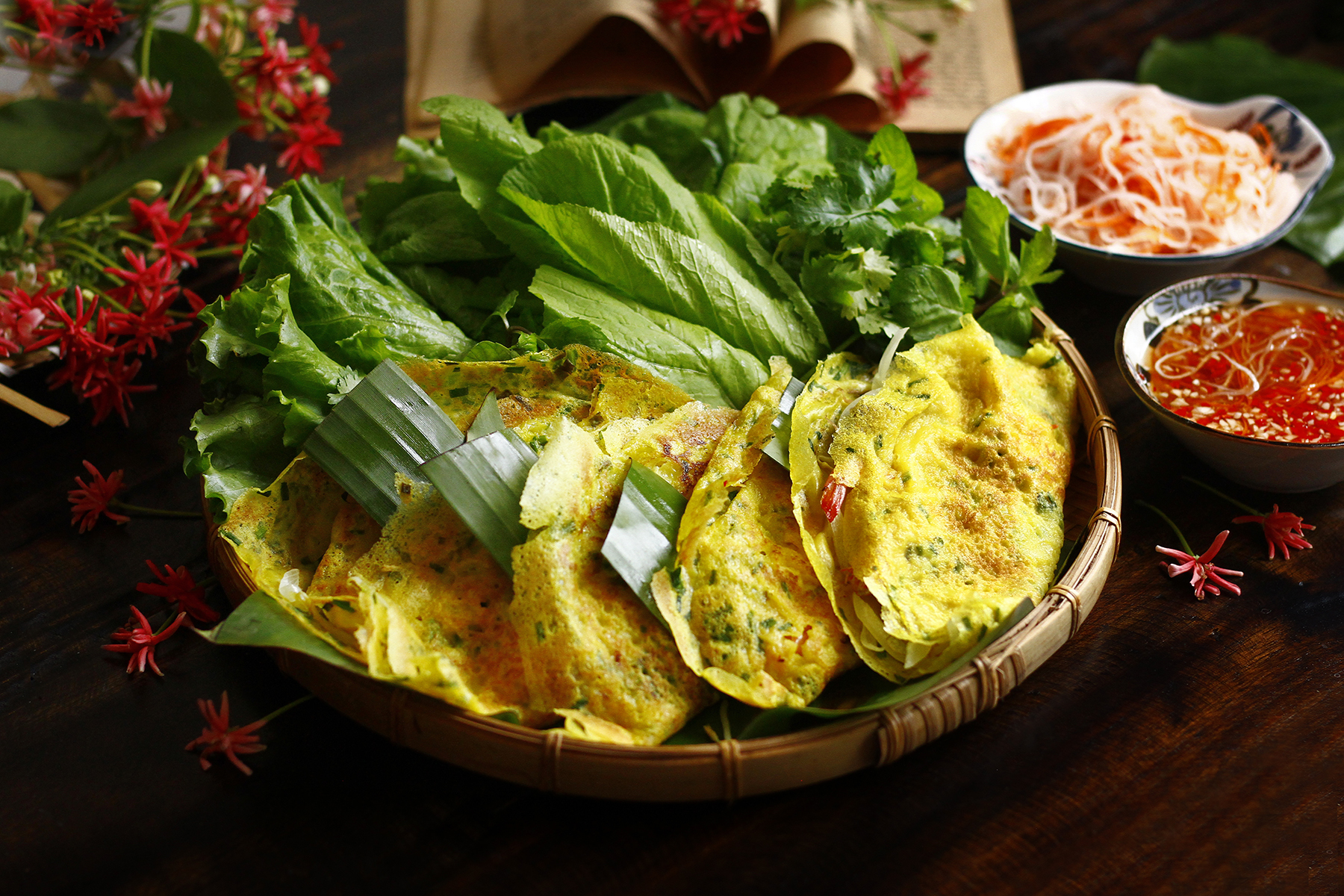
The name Banh Xeo comes from the “sizzling” sound the batter makes when it hits the hot pan. In the South, these crepes are giant and filled with bean sprouts, shrimp, and pork. The ritual of wrapping a piece of the crispy crepe in a large mustard leaf with herbs is what makes this a true Vietnamese cuisine masterpiece.
Bun Cha (Grilled Pork Noodles) – Hanoi
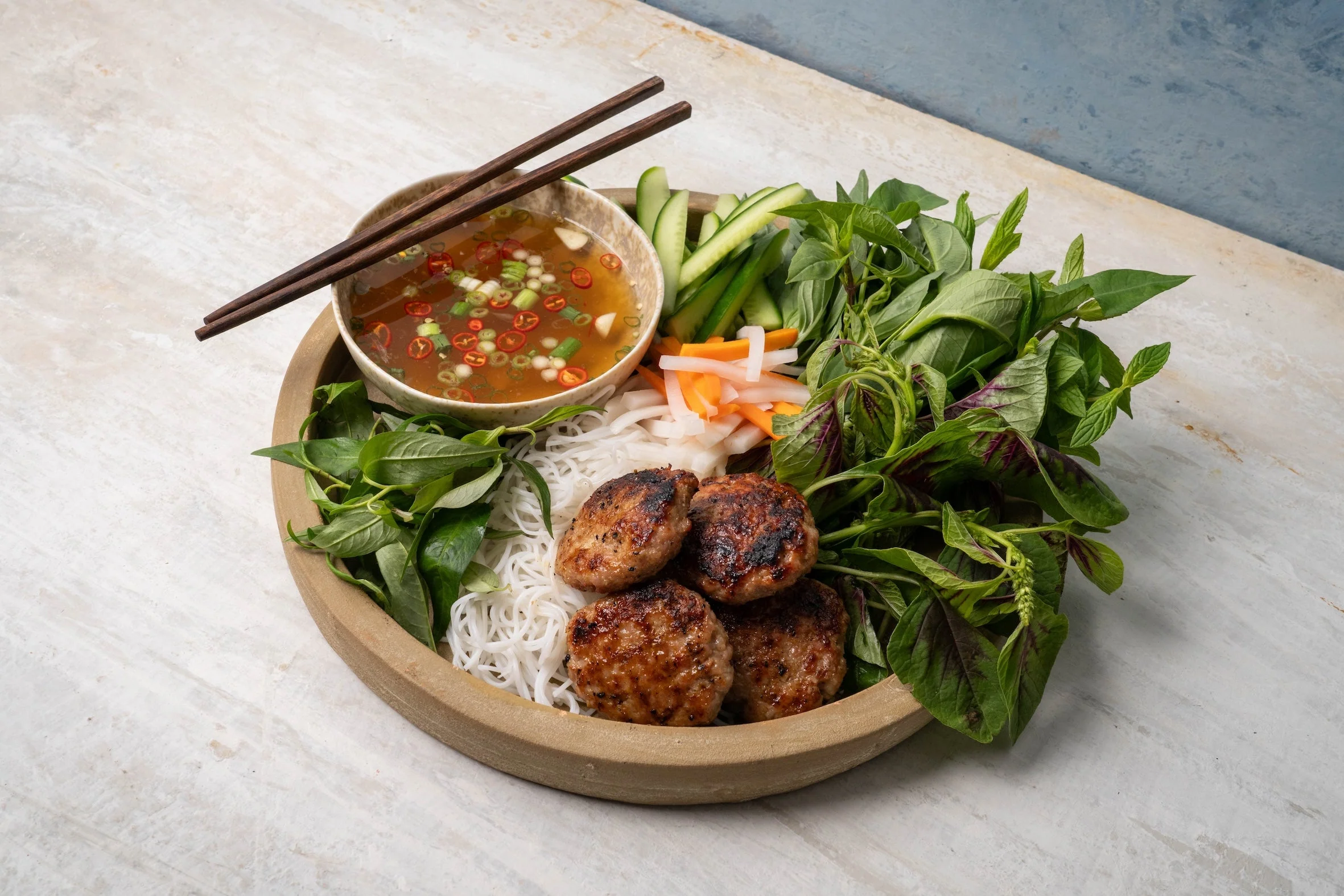
While made famous by Anthony Bourdain and President Obama, the best Bun Cha is still found in the “hidden” corners of Hanoi. Charcoal-grilled pork patties swim in a warm bowl of dipping sauce, accompanied by a mountain of rice vermicelli and fresh garlic.
Che (Sweet Soup Dessert) – Everywhere
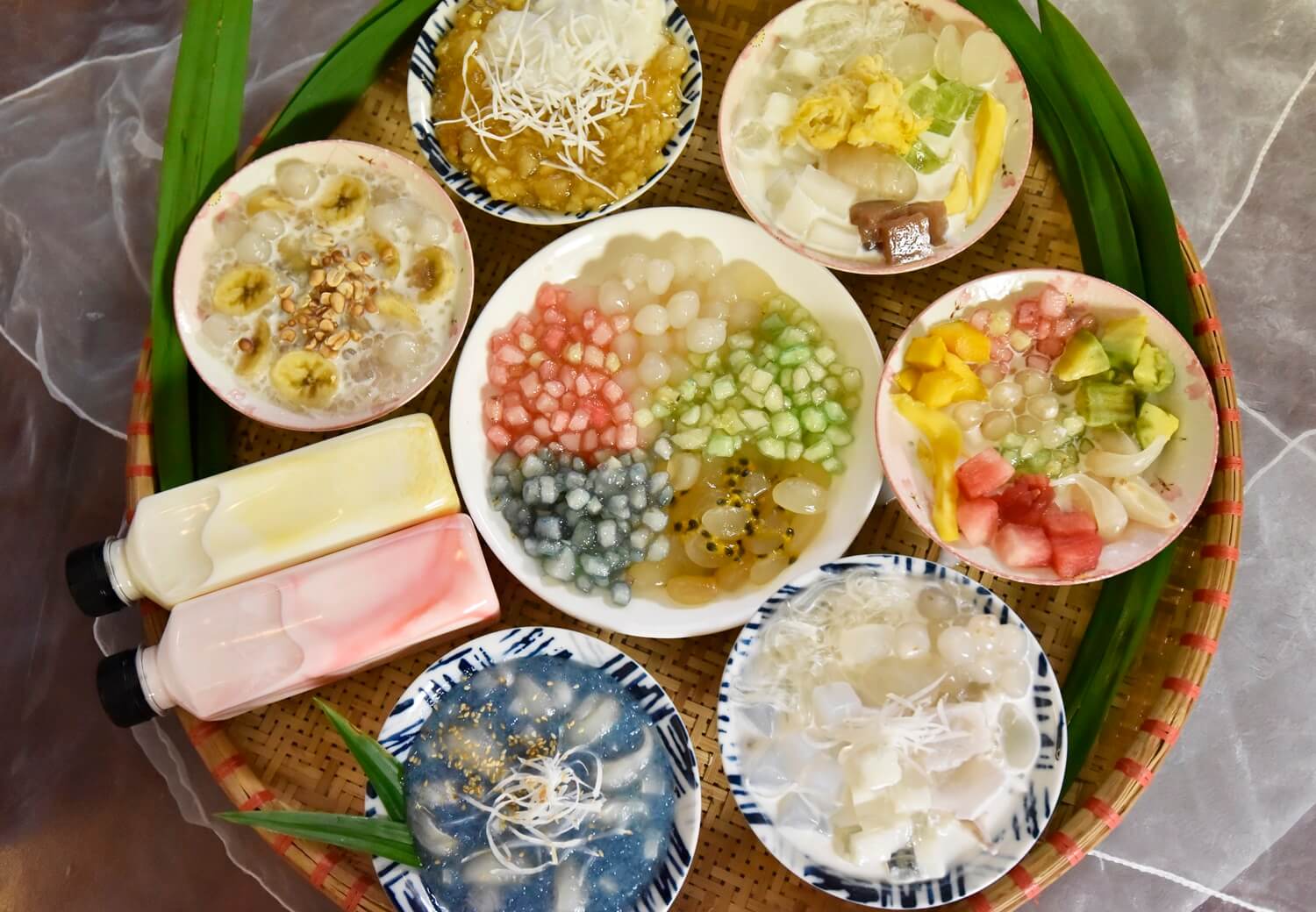
No street food tour is complete without Che. From “Hidden” alleys in Hue offering 20 different types of sweet soups to the night markets of Saigon, this dessert can be made from beans, jelly, fruit, or sticky rice, always topped with creamy coconut milk.
Egg Coffee (Ca Phe Trung) – Hanoi
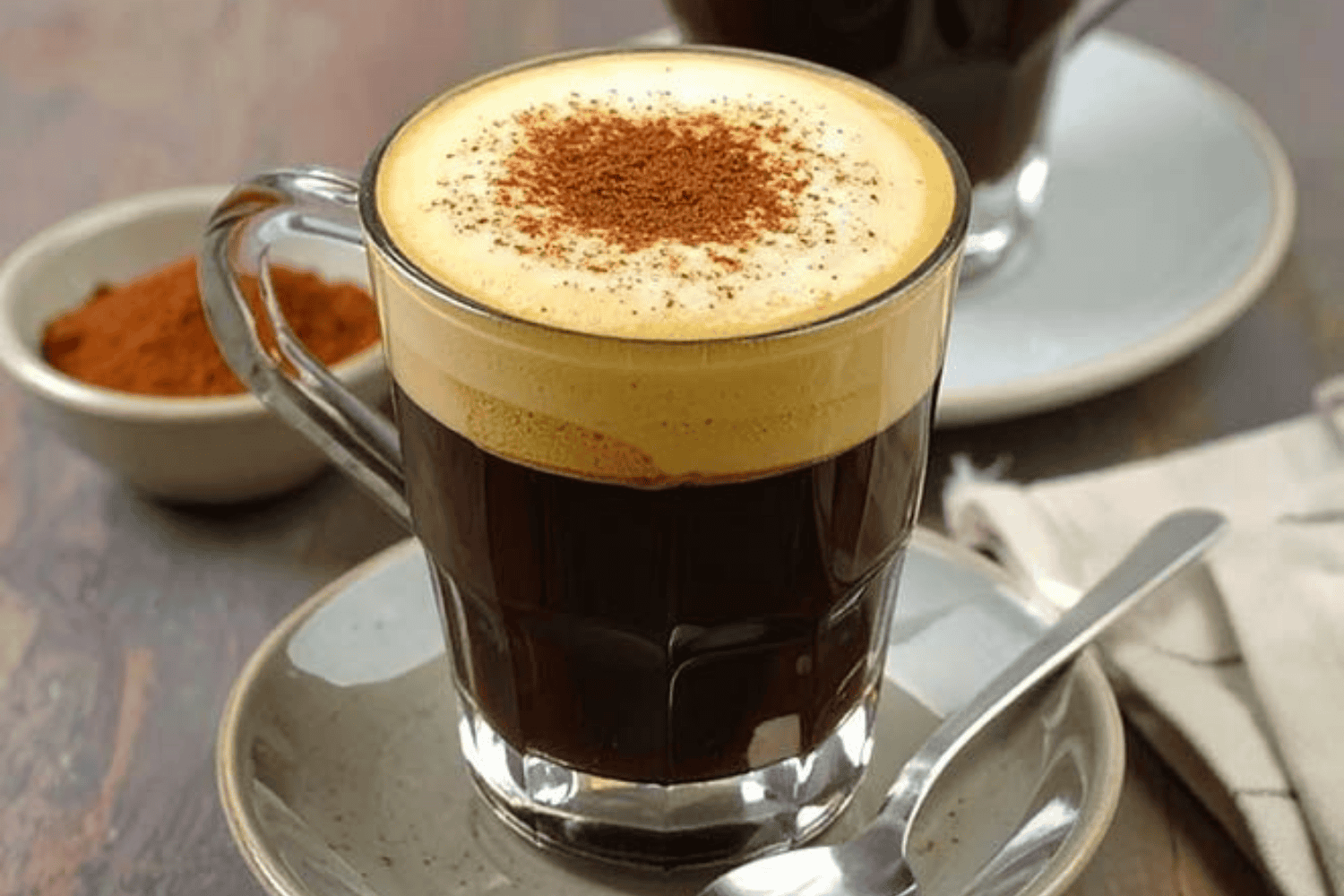
Technically a drink, but so rich it’s practically a meal. Tucked away in a hidden, narrow corridor on Nguyen Huu Huan Street lies the birthplace of egg coffee. It’s a velvety blend of whisked egg yolk, condensed milk, and strong Vietnamese Robusta coffee—tasting exactly like liquid tiramisu.
Moreover, you cloud try other amazing foods in Vietnam, especially the Mekong cuisine.
Why Choose Vietnam Tour 247 for Your Food Journey?
Navigating the “hidden” parts of Vietnam can be daunting. Language barriers and tucked-away locations mean many travelers miss out on the best flavors.
At Vietnam Tour 247, we specialize in:
- Authentic Experiences: We take you to the family-run stalls that haven’t changed their recipes in 50 years.
- Food Safety: We know which “hidden” gems are as clean as they are delicious.
- Custom Itineraries: Whether you’re a vegetarian or a seafood lover, we tailor the tour to your palate.
Contact Vietnam Tour 247 for Booking
- Website: Vietnamtour247
- Hotline: (+84) 979133907
- WhatsApp: (+84) 916289247
- Email: sales@vietnamtour247.com
- Vietnam: 128 Ngoc Tri St, Long Bien District, Hanoi
Conclusion about Hidden Street Food Gems in Vietnam
The hidden street food gems in Vietnam are more than just meals; they are the heartbeat of the country. From the smoky streets of Saigon to the refined flavors of Hanoi, every bite offers a glimpse into the history and hospitality of the Vietnamese people. To truly experience Vietnamese food, you must step off the beaten path, embrace the chaos of the sidewalk, and follow your nose.
FAQs about Vietnamese street food
Is it safe to eat street food in Vietnam?
Yes! However, it is best to eat at busy stalls with high turnover (which ensures fresh ingredients). If you’re unsure, booking a guide through Vietnam Tour 247 ensures you visit vetted, local-favorite spots.
What is the average cost of street food in Vietnam?
Most street food dishes cost between 30,000 VND to 70,000 VND ($1.25 to $3.00 USD). It is one of the most affordable ways to experience world-class Vietnamese cuisine.
I am a vegetarian. Can I still enjoy Vietnamese street food?
Absolutely! Look for signs that say “Ăn Chay” (Vegetarian). Many dishes like Banh Mi, Pho, and Banh Xeo have delicious tofu-based versions.
What is the best city for street food in Vietnam?
Hanoi is famous for its traditional, centuries-old recipes, while Ho Chi Minh City offers a more diverse, vibrant, and late-night food scene. Most foodies recommend visiting both!
Do I need to tip at street food stalls?
Tipping is not expected at street food stalls in Vietnam. However, showing your appreciation with a “Cảm ơn” (Thank you) and a smile goes a long way!