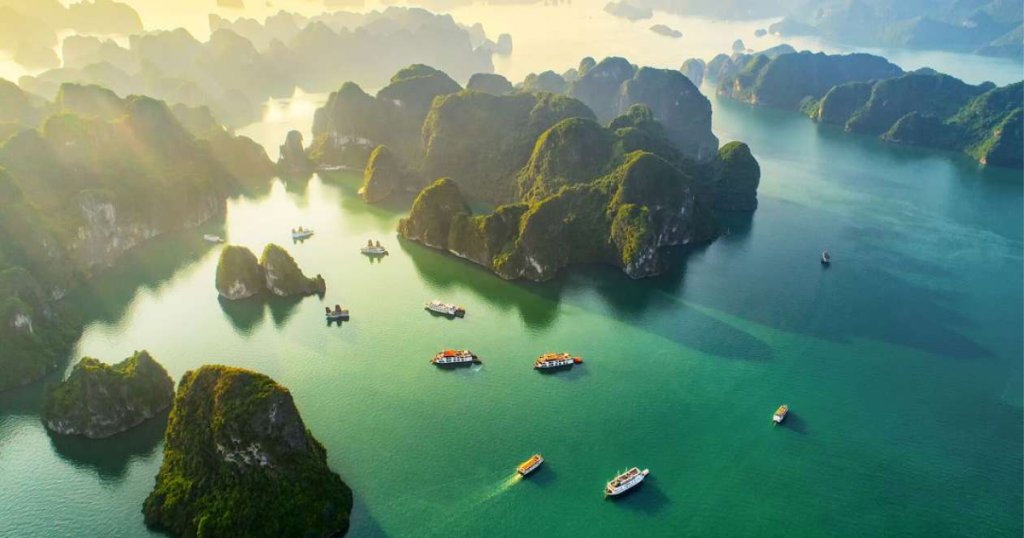
Halong Bay, Vietnam, stands among the world’s most enchanting natural wonders, famed for its emerald waters and dramatic limestone karsts. Situated in northern Vietnam and honored as a UNESCO World Heritage site, Halong Bay captivates travelers with its timeless beauty. From serene cruises gliding through iconic seascapes and hidden caves to authentic encounters in floating fishing villages, Halong Bay Vietnam delivers a truly memorable experience. This Ha Long Bay travel guide, brought to you by Vietnamtour 247, invites you to explore the bay’s breathtaking scenery and rich cultural heritage for an unforgettable journey.
Introduction of Halong Bay History
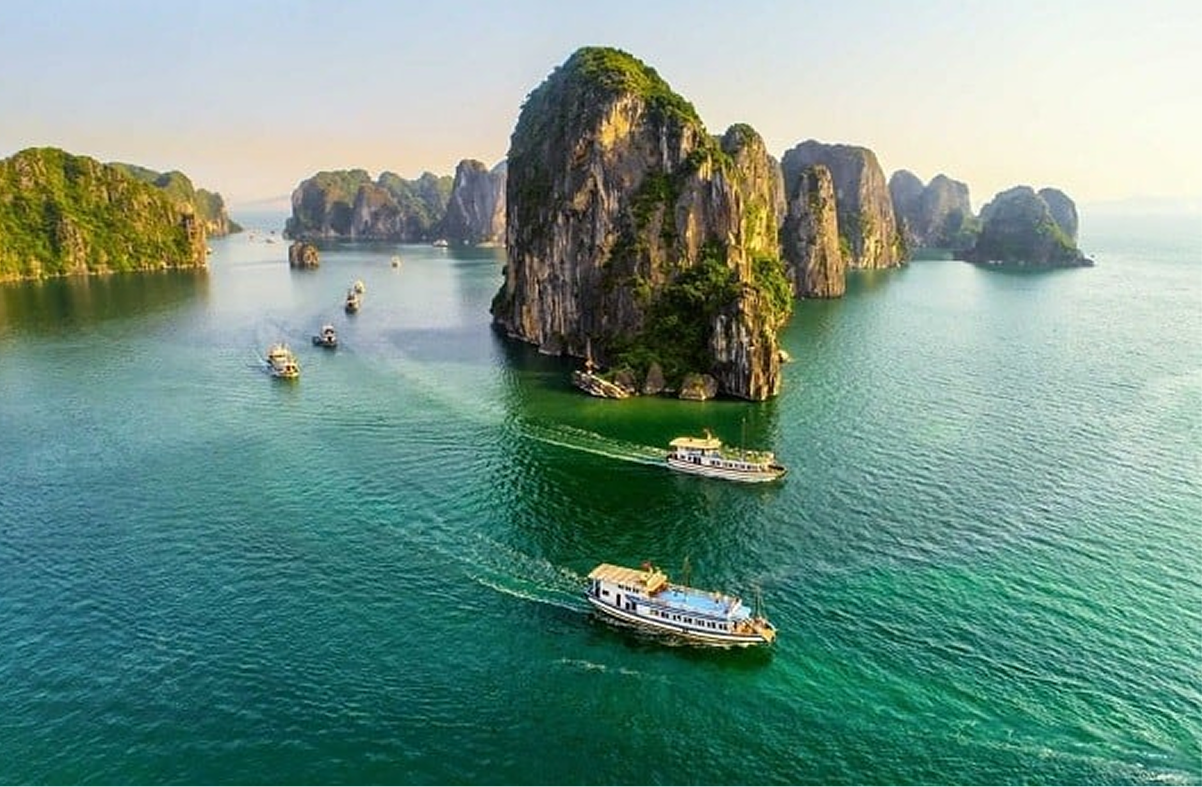
What is Halong Bay, Vietnam? Halong Bay, one of Vietnam’s most iconic natural wonders, is a place where breathtaking scenery meets deep historical roots. Situated in the Gulf of Tonkin, Halong Bay Vietnam is a UNESCO World Heritage Site famed for its emerald waters and thousands of dramatic limestone karsts rising from the sea. Beyond its visual splendor, Halong Bay holds cultural and historical value shaped over centuries.
The history of Halong Bay is closely tied to ancient legends and folklore. According to local tales, gods sent dragons down to earth to defend Vietnam from invaders. As the dragons descended, they scattered jewels and jade into the sea, creating the limestone islands that form today’s bay. Archaeological evidence also reveals that humans have lived in Halong Bay for thousands of years, with traces of the Soi Nhu culture dating back to the Bronze Age. Thanks to its sheltered waters, the bay became an important maritime hub, supporting trade between China, Southeast Asia, and beyond along ancient sea routes.
In modern history, Halong Bay Vietnam played a strategic role during the 20th-century wars for independence, as its complex waterways offered natural protection and tactical advantages. Today, Halong Bay stands as a powerful symbol of Vietnam’s natural beauty and cultural heritage. From exploring mystical caves to enjoying peaceful cruises, travelers can experience both nature and history in one destination. For anyone planning a visit, a well-prepared Ha Long Bay travel guide will help uncover the timeless charm and enduring legacy that continue to make Halong Bay a must-see destination.
Top Attractions in Halong Bay, Vietnam
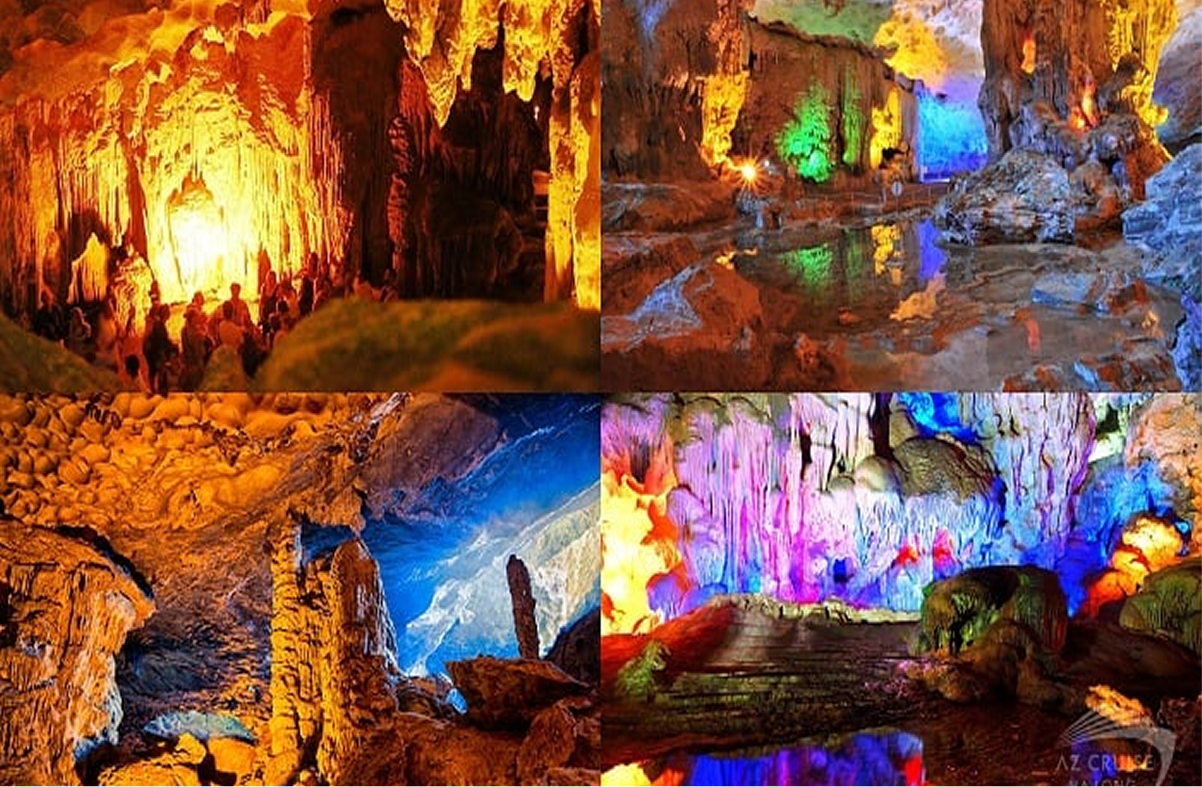
Sung Sot Cave (Surprise Cave)
Ti Top Island
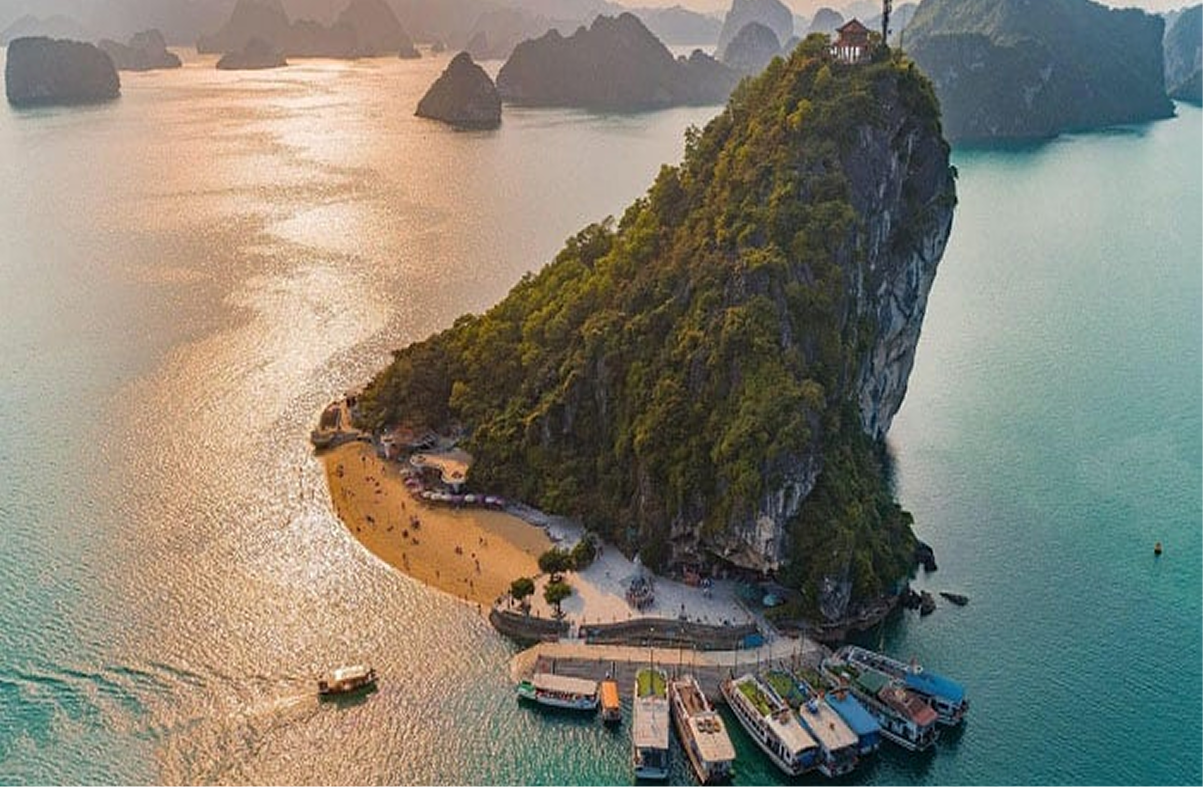
Named in honor of Russian astronaut Gherman Titov after his visit in 1962, Ti Top Island is one of the most iconic stops featured in many Ha Long travel guides. The island is best known for its unspoiled crescent-shaped beach, clear turquoise waters, and peaceful atmosphere, perfect for swimming, relaxing, and enjoying the sun in northern Vietnam.
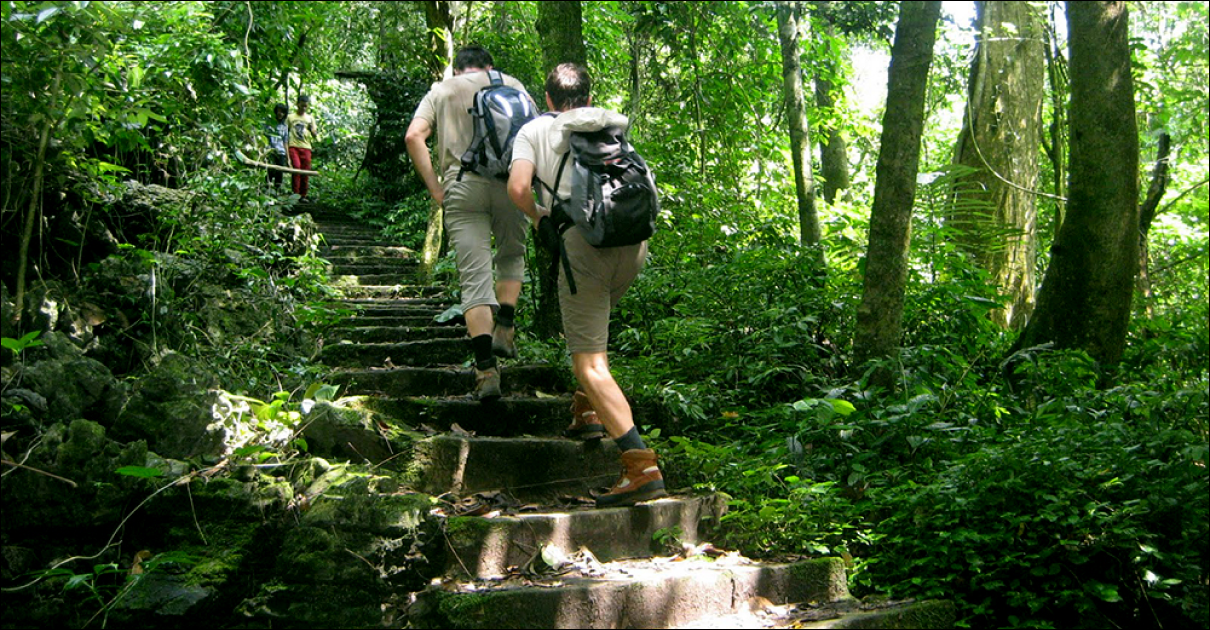
For more active travelers, conquering the nearly 400 stone steps to the summit is a rewarding challenge. From the top, visitors can admire sweeping panoramic views over Halong Bay, with its limestone karsts and scattered islands stretching endlessly into the horizon, an unbeatable spot for photography lovers.
Cua Van Floating Village
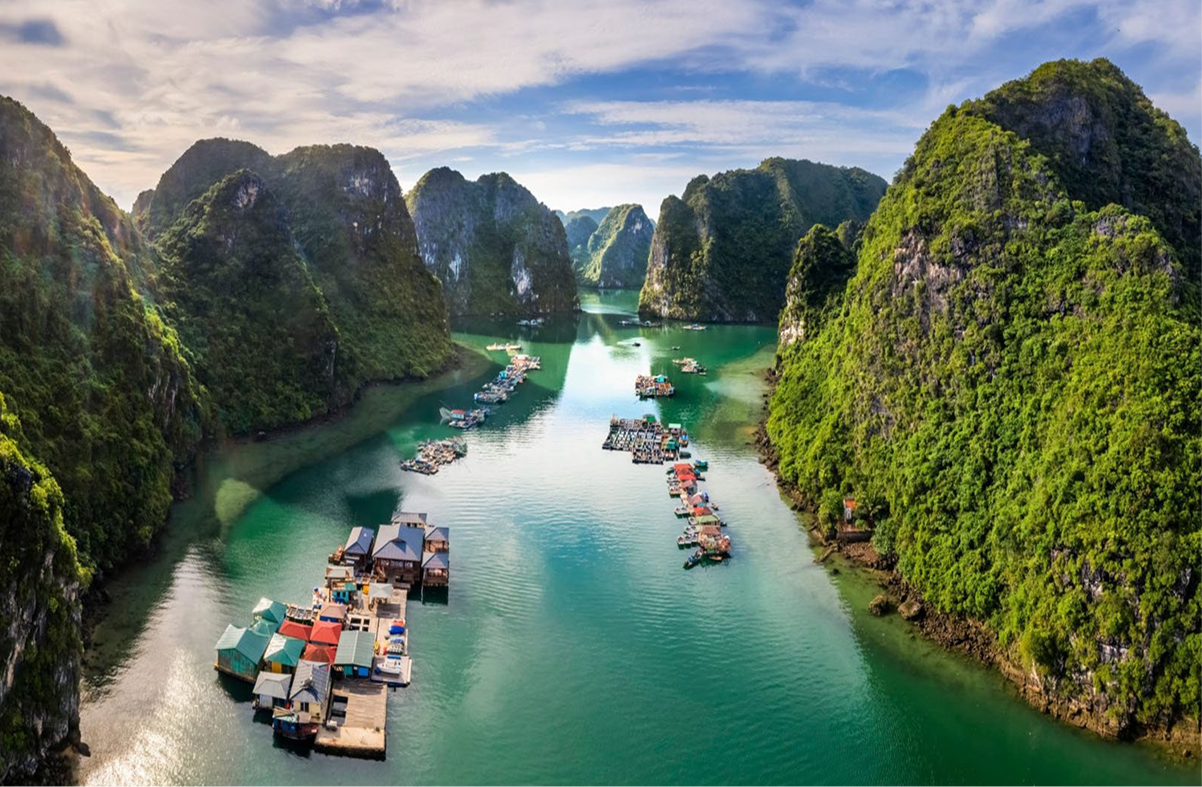
Cua Van Floating Village offers an authentic glimpse into the traditional fishing lifestyle of Halong Bay. Home to around 700 residents, it is one of the largest and best-preserved floating villages in Halong Bay Vietnam. Travelers can explore the village by boat or kayak, witnessing everyday life unfold among colorful floating houses. As highlighted in many Ha Long Bay travel guide resources, the village also features a small cultural center and museum, where visitors can gain deeper insight into the history, culture, and long-standing traditions of the local fishing community.
Bai Tu Long Bay
Bai Tu Long Bay, situated to the northeast of Halong Bay, is a serene yet equally breathtaking destination, ideal for travelers seeking a quieter side of Halong bay Vietnam. Far from the busy tourist routes often mentioned in a typical Ha Long Bay travel guide, this area captivates visitors with its untouched beaches, hidden caves, and lush limestone islands.
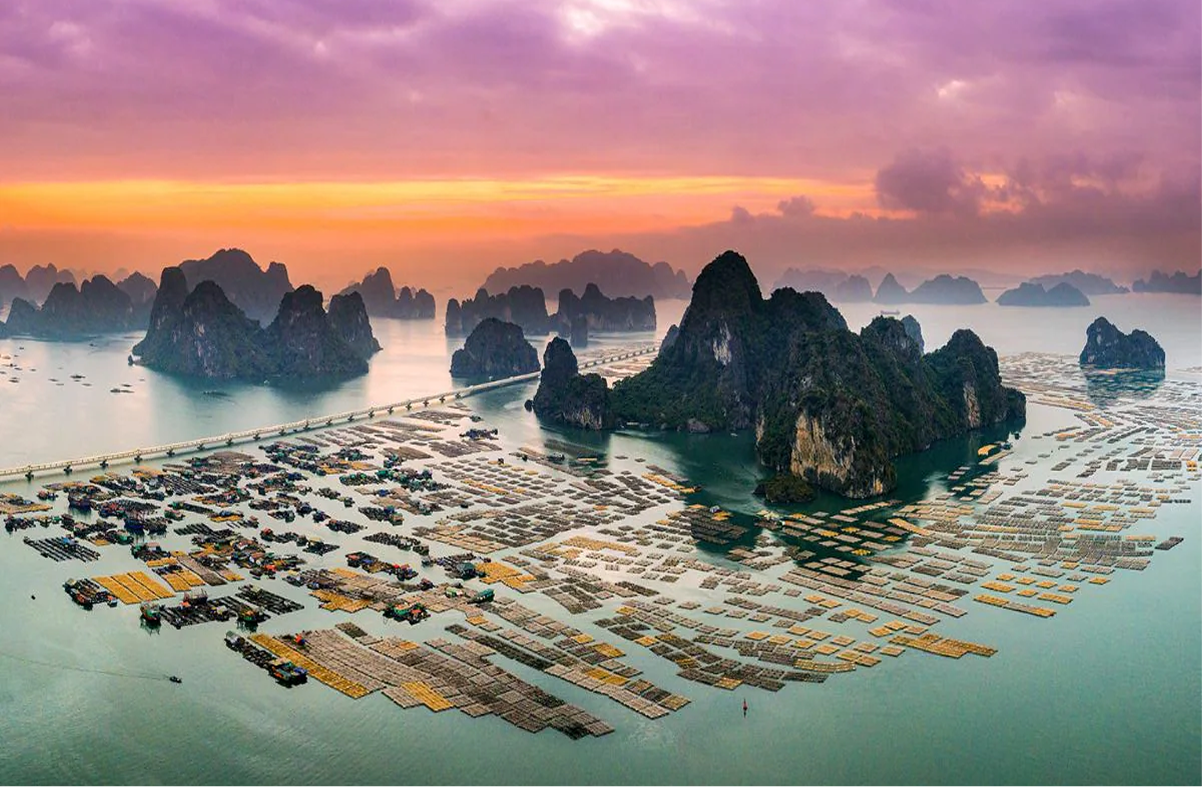
Among its highlights are Thien Canh Son Cave, famous for its impressive stalactites and stalagmites, along with the pristine shores of Ban Chan Island. With its unspoiled natural beauty and peaceful atmosphere, Bai Tu Long Bay offers a refreshing alternative to Halong Bay, perfect for immersive nature exploration and relaxation.
Dau Go Cave

Vung Vieng Fishing Village
Vung Vieng Fishing Village is a serene floating community celebrated for its unspoiled beauty and authentic coastal way of life. Unlike the more famous Cua Van village, Vung Vieng remains modest in scale and largely untouched by mass tourism, allowing visitors to experience local daily life in a truly intimate setting.

Guests can glide through the village on traditional bamboo boats, interact with friendly fishermen, and learn about time-honored fishing methods passed down through generations. Framed by tranquil waters and striking limestone formations, Vung Vieng offers a perfect balance of cultural insight and peaceful scenery. For travelers looking to escape the crowds and explore a lesser-known treasure, this quiet village stands out as a meaningful stop in any Vietnam bay travel itinerary.
Travel Guide to Halong Bay Vietnam
A timeless natural marvel, this iconic destination captivates travelers with its ethereal landscapes and deep cultural heritage. Located in northeastern Vietnam, the UNESCO-listed site is renowned for thousands of towering limestone karsts and lush islets that rise gracefully from the emerald waters of the Gulf of Tonkin. This comprehensive travel guide will help you plan an unforgettable journey to one of Vietnam’s most extraordinary coastal wonders.
Best Time to Visit Halong Bay
The best time to visit this UNESCO-listed seascape is during autumn (October–December) and spring (March–April). These months offer comfortable temperatures and low rainfall, making them ideal for sightseeing and outdoor activities. In autumn, temperatures typically range from 15°C to 25°C (59°F–77°F), while spring is slightly warmer, averaging 18°C to 27°C (64°F–81°F), perfect for scenic cruises and exploration in northern Vietnam’s iconic bay.
The summer months (May–September) are generally hot and humid, with temperatures rising between 25°C and 35°C (77°F–95°F). This period also experiences heavier rainfall and the possibility of typhoons, which may disrupt travel plans. Meanwhile, winter (January–February) brings cooler weather, with averages from 10°C to 20°C (50°F–68°F). Although fog can reduce visibility, it creates a dreamy, mysterious atmosphere that many visitors find uniquely appealing.
How to Get to Ha Long Bay
Most visitors reach Halong Bay via Hanoi, the capital city of Vietnam. The distance between Hanoi and Halong Bay is approximately 170 kilometers (105 miles). There are several transportation options:
- Bus: Regular bus services operate between Hanoi and Halong Bay, taking about 3.5 to 4 hours. Luxury buses and minibusses offer a more comfortable and quicker journey.
- Private Car: Hiring a private car or taxi is a convenient and flexible option, particularly for groups or families. This option also takes around 3.5 to 4 hours.
- Seaplane: For a unique and scenic experience, you can take a seaplane from Hanoi to Halong Bay, which takes about 45 minutes and offers stunning aerial views of the bay.
Accommodation Options in Halong Bay
- Cruise Ships: Explore Halong Bay’s wonders aboard a traditional junk boat or a luxurious cruise liner. Cruises range from day trips to multi-day excursions, offering various amenities and itineraries to suit different preferences.
- Hotels and Resorts: Halong City and Cat Ba Island offer a range of accommodations, from budget-friendly hotels to upscale resorts that provide easy access to the bay and nearby attractions.
- Homestays: For an authentic experience, consider staying in a local homestay, particularly in the fishing villages. This option allows you to experience the local way of life.
Activities to Enjoy

- Boat Cruises: Embark on a leisurely or adventurous junk boat excursion to explore Halong Bay’s scenic beauty, limestone islands, and hidden caves.
- Kayaking and Swimming: Navigate through secluded lagoons and caves by kayak, or simply enjoy swimming in the bay’s crystal-clear waters.
- Cultural Experiences: Engage in cooking classes aboard cruises to learn about Vietnamese cuisine or visit local markets to shop for handicrafts and souvenirs.
Tips for Visitors when visiting Ha Long Bay
- Pack lightweight clothing suitable for tropical weather and comfortable footwear for exploring caves and hiking.
- Bring sunscreen, a hat, sunglasses, and insect repellent to protect against the sun and bugs.
- Respect local customs and traditions, especially when visiting temples or interacting with floating village residents.
- Book tours and accommodations in advance, especially during peak seasons, to secure preferred options and avoid last-minute hassles.
Halong Bay promises an enchanting blend of natural splendor, cultural insights, and adventurous activities that cater to every traveler’s desires. Whether you seek relaxation amidst serene waters or excitement exploring hidden caves, Halong Bay invites you to embark on a journey of discovery and awe amidst its breathtaking landscapes and timeless allure.
Read more: Cave In Halong Bay Vietnam: The Top 6 Must-See Places
Vietnam Tour 247 – Reputable Vietnam travel agency

Vietnam Tour 247 is a renowned travel agency committed to delivering outstanding travel experiences in Vietnam, with a special emphasis on the enchanting Halong Bay. Offering a variety of well-designed tour packages, this agency caters to diverse preferences and budgets, ensuring every traveler can enjoy the beauty and cultural richness of Halong Bay.
Vietnam Tour 247 offers a wide range of tour options to Halong Bay, accommodating various needs. Whether you’re looking for a quick day trip, an overnight cruise, or a multi-day adventure, we have you covered. Day trips are ideal for those with limited time, while overnight and multi-day tours provide a deeper exploration of the bay’s islands, caves, and floating villages.
Each Vietnam Tour 247 package includes carefully selected highlights showcasing the best of Halong Bay. Guests visit iconic sites like Sung Sot Cave, with its stunning formations, and Ti Top Island for panoramic views. Tours often include visits to traditional fishing villages like Cua Van and kayaking opportunities to explore serene waters and hidden lagoons.
Vietnam Tour 247 arranges stays on traditional Vietnamese junk boats or luxurious cruise liners for overnight tours. These vessels feature comfortable cabins with private facilities, local and international cuisine dining options, and activities like Tai Chi sessions, cooking classes, and sunset watching from the deck.
Vietnam Tour 247 is praised for its excellent customer service and well-organized tours, consistently receiving positive reviews. The agency offers easy online booking through its website and travel agencies, ensuring a convenient process for travelers. By choosing Vietnam Tour 247, tourists are guaranteed a high-quality experience highlighting Halong Bay’s best.
Read more: Places To Stay In Halong Bay Vietnam
Conclusion
This Ha Long Bay travel guide is designed to help international visitors confidently plan their first journey to Halong Bay Vietnam. From weather insights, must-try activities, local cuisine, and accommodation options to the best transfer routes between Hanoi and Halong Bay, this guide answers all your essential travel questions. Plan your perfect Halong Bay experience with Vietnamtour 247 for a smooth, safe, and unforgettable adventure.
FAQs
1. How do I get to Halong Bay?
The most common way to reach Halong Bay is by road from Hanoi, which takes approximately 3.5 to 4 hours. Some travelers also opt for a seaplane or helicopter ride for a scenic aerial view.
2. What should I pack for a trip to Halong Bay?
It is recommended that you pack lightweight and breathable clothing suitable for tropical weather, comfortable footwear for walking and hiking, sunscreen, a hat, sunglasses, insect repellent, and swimwear. Also, pack layers during cooler months and rain gear for occasional showers.
3. Are there overnight accommodations in Halong Bay?
Yes, visitors can stay overnight on traditional junk boats or luxurious cruises that offer cabins with amenities, dining options, and onboard activities. Hotels and resorts in Halong City and Cat Ba Island are also available for alternative accommodations.
4. Is it safe to swim in Halong Bay?
Yes, it is generally safe to swim in designated areas where the water is clear and calm. However, following safety guidelines and swimming cautiously is advisable, especially during boat cruises and kayak tours.
5. What should I know about the local culture in Halong Bay?
Respect local customs and traditions, especially when visiting temples or interacting with residents of floating fishing villages. Engage with locals respectfully and consider supporting local businesses by purchasing handmade crafts and souvenirs.
Read more: