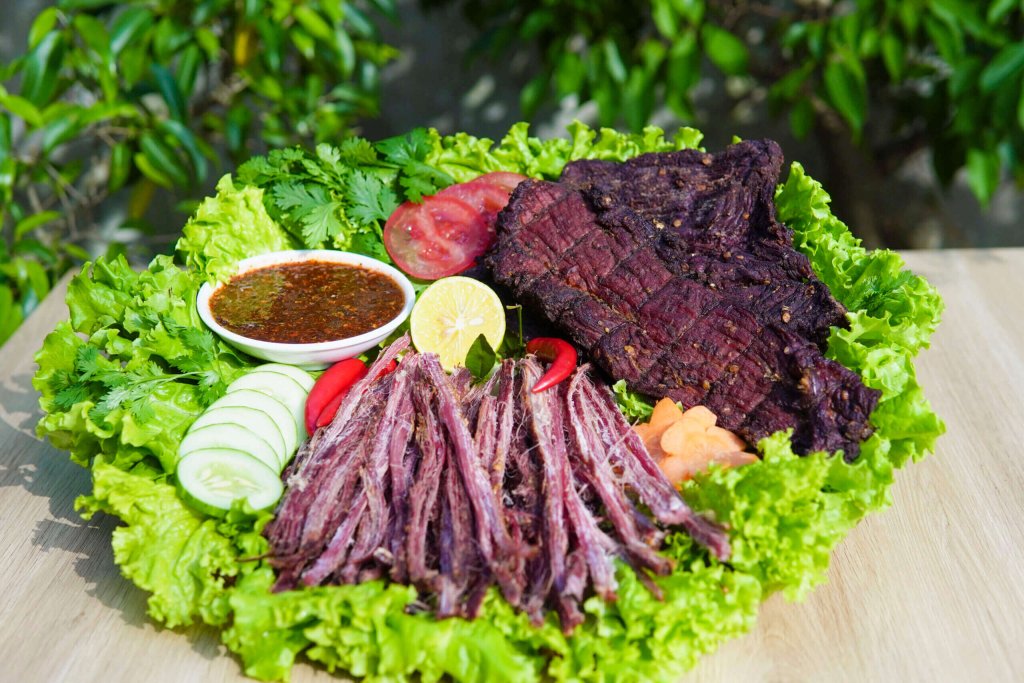
Ha Giang food is a reflection of resilience, using ingredients that thrive in the cracks of limestone rocks to create bold, earthy, and unforgettable flavors. In this region, Ha Giang cuisine is more than just sustenance—it is a cultural ritual. From the pungent aroma of a Hmong horse meat stew to the delicate purple of buckwheat cakes, the food here tells the story of the people who call the “Final Frontier” home.
Top 10 Delicious Ha Giang Food Must-try
1. Thang Co (Traditional Horse Meat Stew)
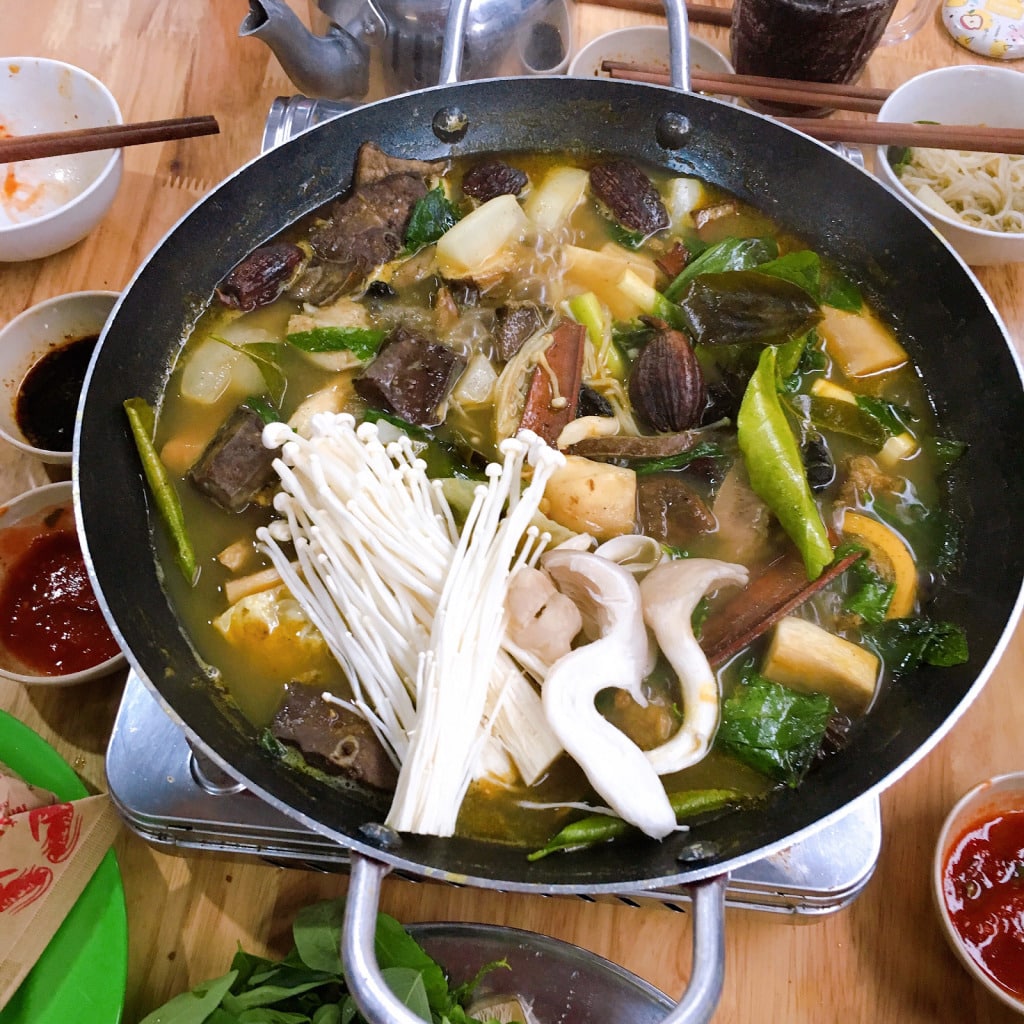
If there is one dish that defines Ha Giang local food, it is Thang Co. Originally a signature dish of the Hmong people, this hearty stew was traditionally made with horse meat, bones, and internal organs.
- The Flavor: It is simmered for hours with a blend of 12 mountain spices, including cardamom, star anise, cinnamon, and lemongrass.
- The Experience: To eat Thang Co like a local, head to a Sunday market like Dong Van or Meo Vac. You’ll sit at communal wooden tables, sipping local corn wine and dipping chunks of meat into a bowl of salt and spicy chili.
2. Au Tau Porridge (The “Poisonous” Root Porridge)
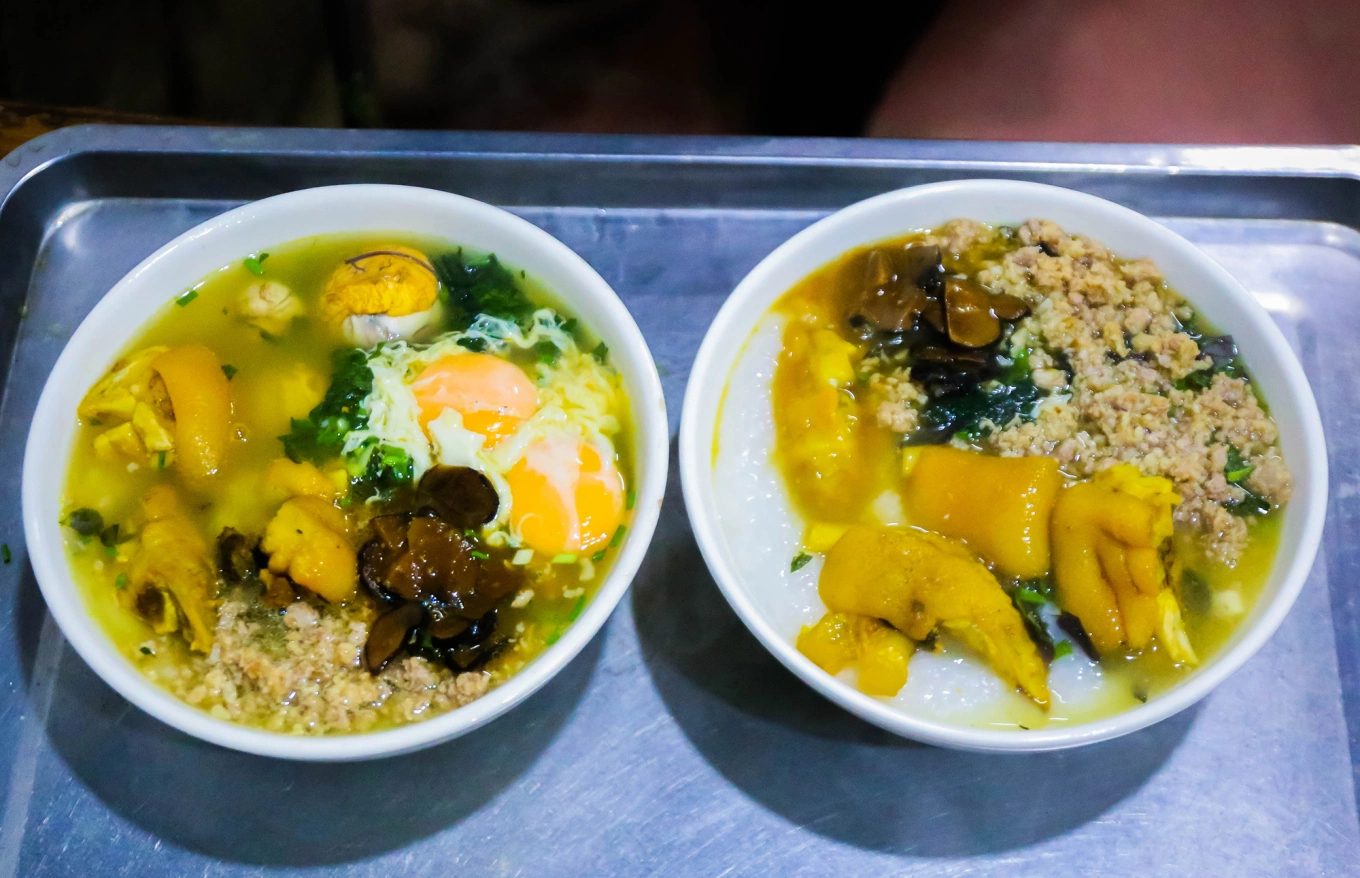
Don’t let the nickname scare you—Chao Au Tau is one of the most beloved Ha Giang specialities. The main ingredient is the Au Tau root, which is naturally toxic. However, the locals have mastered a technique of soaking and simmering it for over 10 hours until the toxins are gone, leaving behind a nutritious, medicinal tuber.
- Taste Profile: It has a unique, slightly bitter aftertaste that is balanced by the richness of fatty pork trotter broth, minced meat, and a fresh egg cracked into the bowl.
- Why try it: Locals eat it at night because it is believed to help with joint pain and promote deep sleep.
3. Five-Colored Sticky Rice (Xoi Ngu Sac)
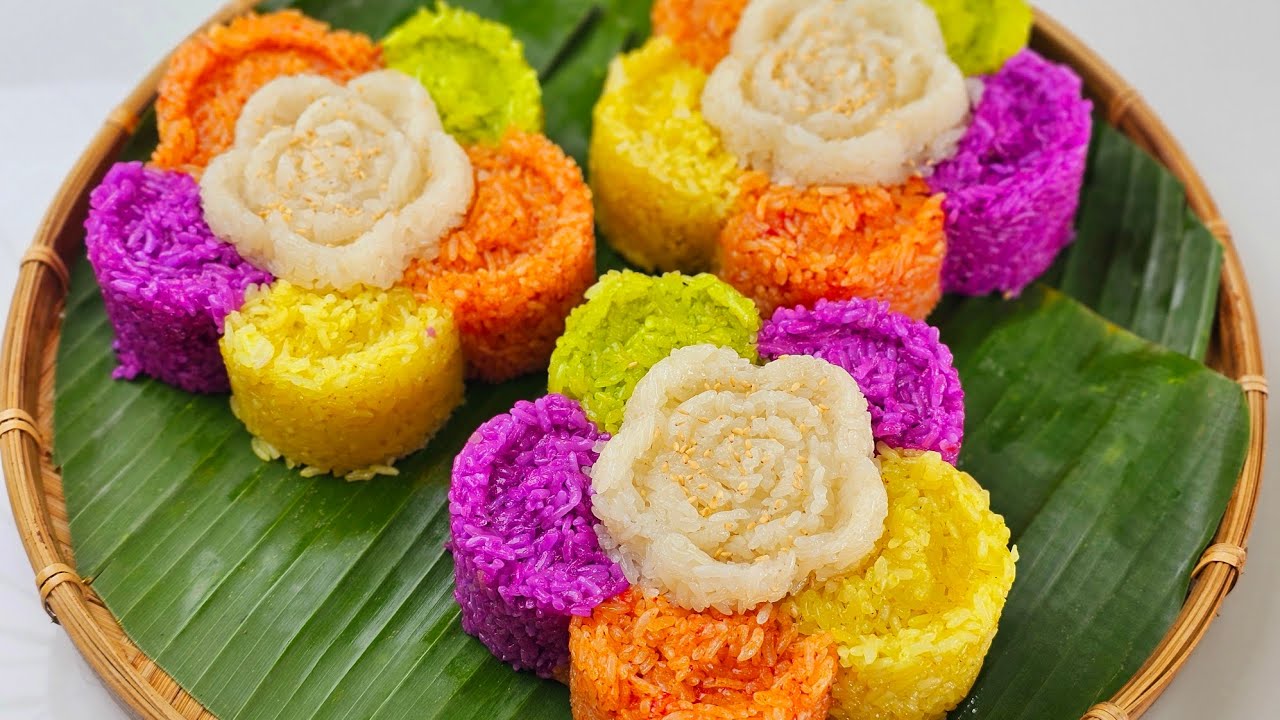
A visual masterpiece of the Tay ethnic group, this dish features five vibrant colors: red, yellow, green, purple, and white. These aren’t artificial dyes; the colors come from natural forest leaves and roots found in the Ha Giang wilderness.
- Symbolism: The five colors represent the five elements of the universe (metal, wood, water, fire, earth).
- Where to find: You can find this beautiful Ha Giang cuisine staple at almost any local market, usually served in a bamboo leaf.
4. Men Men (Steamed Cornmeal)
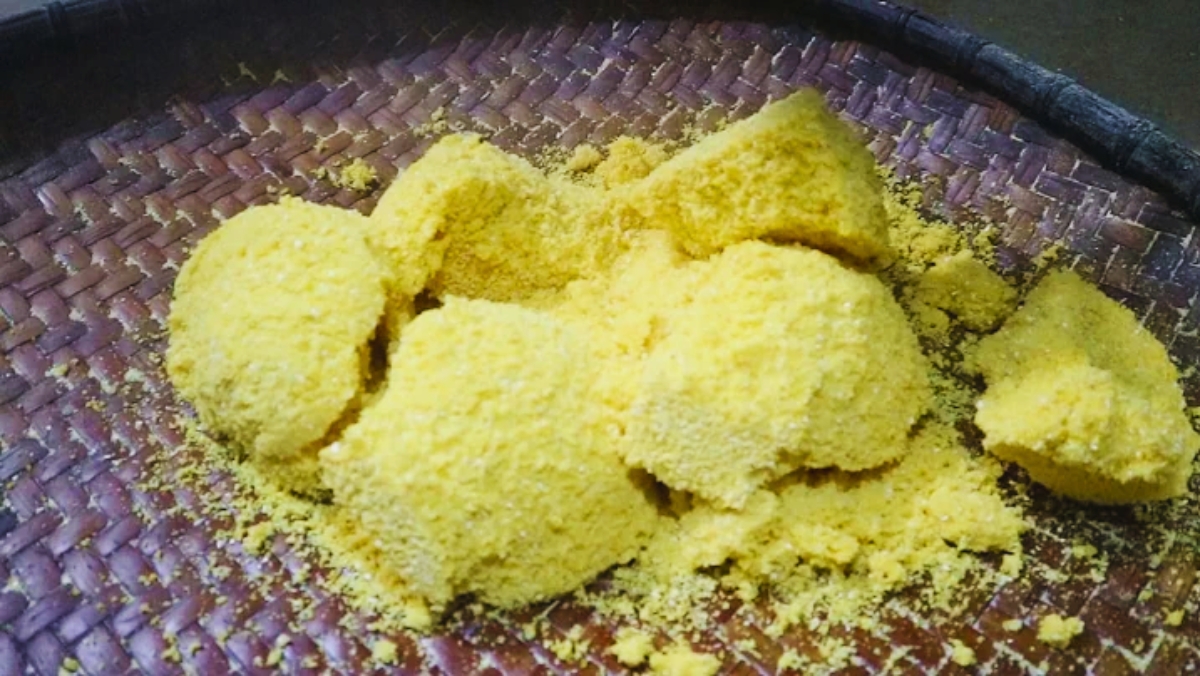
In the rocky highlands where rice is difficult to grow, corn is king. Men Men is a traditional Hmong dish made from ground corn. The process involves multiple stages of grinding, sifting, and steaming until the corn reaches a soft, fluffy consistency.
- Sub-key: Ha Giang cuisine
- How to eat: It is rarely eaten alone. Locals mix it with rice or dip it into a bowl of Thang Co broth or mustard green soup.
5. Banh Cuon Dong Van (Steamed Rice Rolls with Broth)
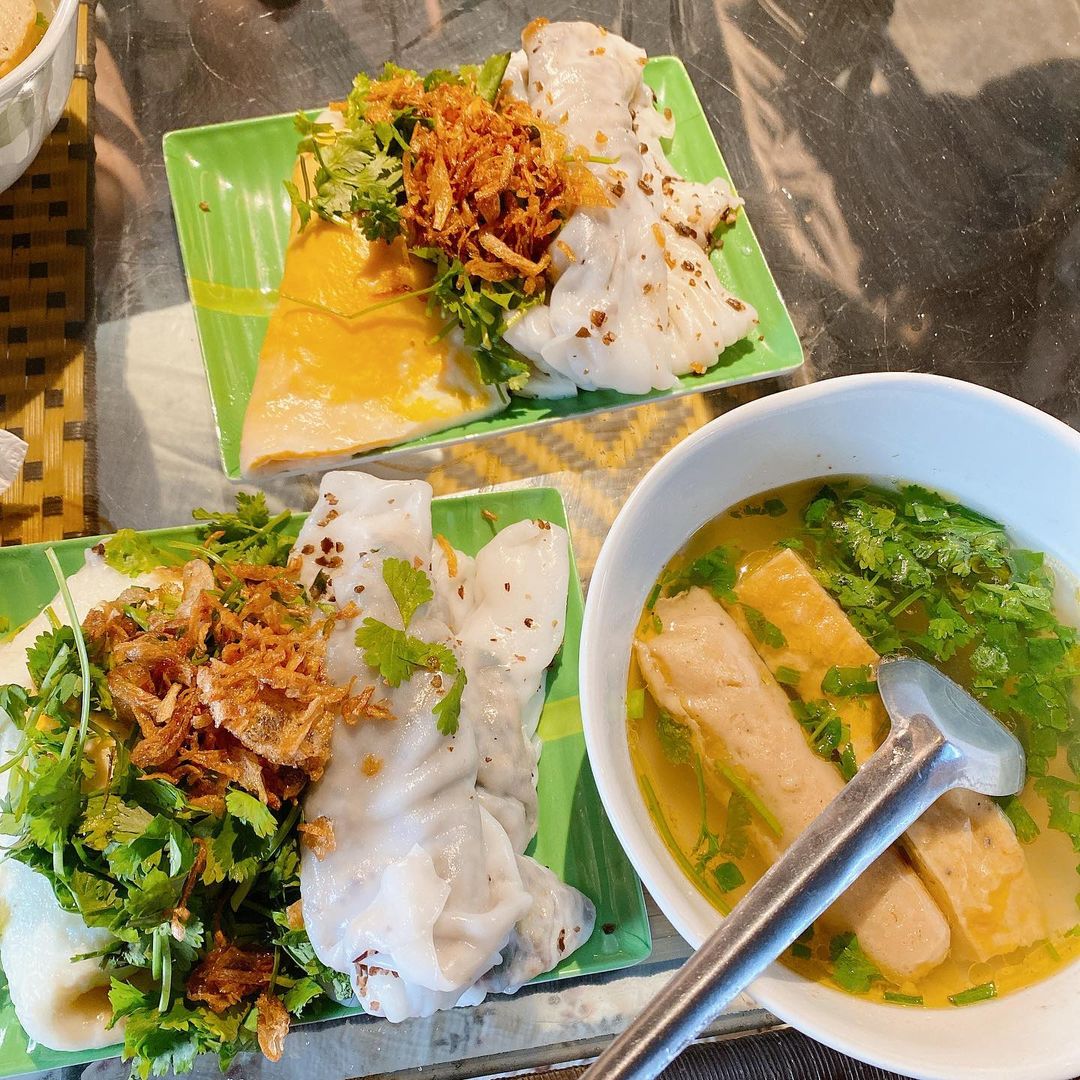
While you might have tried Banh Cuon in Hanoi, the Ha Giang version has a “highland twist.” Instead of dipping the rice rolls into a cold fish sauce, you receive a hot bowl of bone broth simmered for hours with pork sausage (cha) and herbs.
- Speciality: In Dong Van, they often add a poached egg inside the rice roll (Banh Cuon Trung), making it creamy and incredibly satisfying on a cold mountain morning.
6. Smoked Buffalo Meat (Thit Trau Gac Bep)
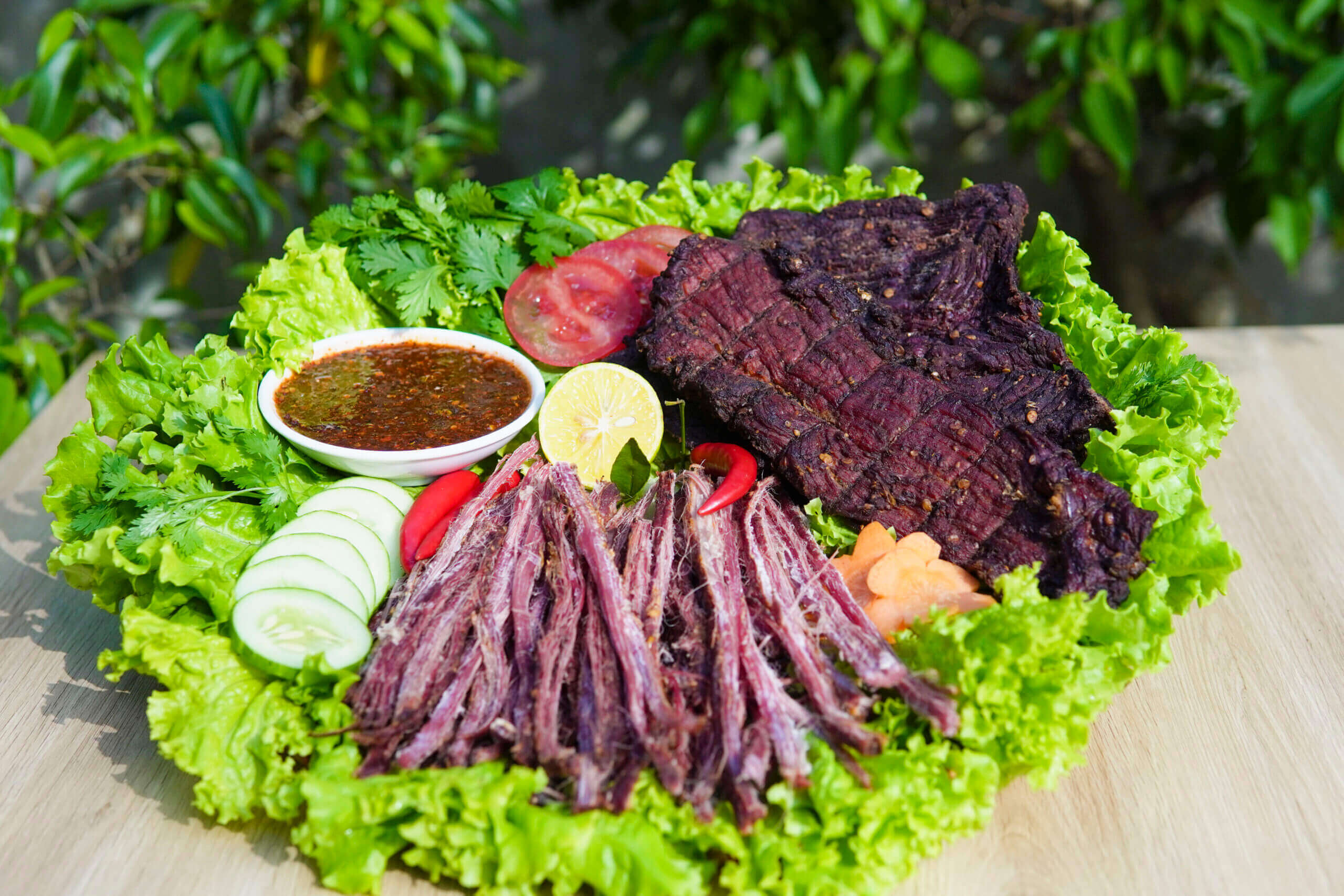
To preserve meat through the winter, the ethnic groups of the North marinate buffalo meat with salt, garlic, ginger, and mac khen (mountain pepper) before hanging it over the kitchen hearth.
- Sub-key: Restaurant in Ha Giang
- The Result: The slow smoke from the wood fire dries the meat, infusing it with a deep, smoky aroma and a chewy, spicy flavor. It is the ultimate snack to pair with a bottle of corn wine.
7. Buckwheat Cake (Banh Tam Giac Mach)
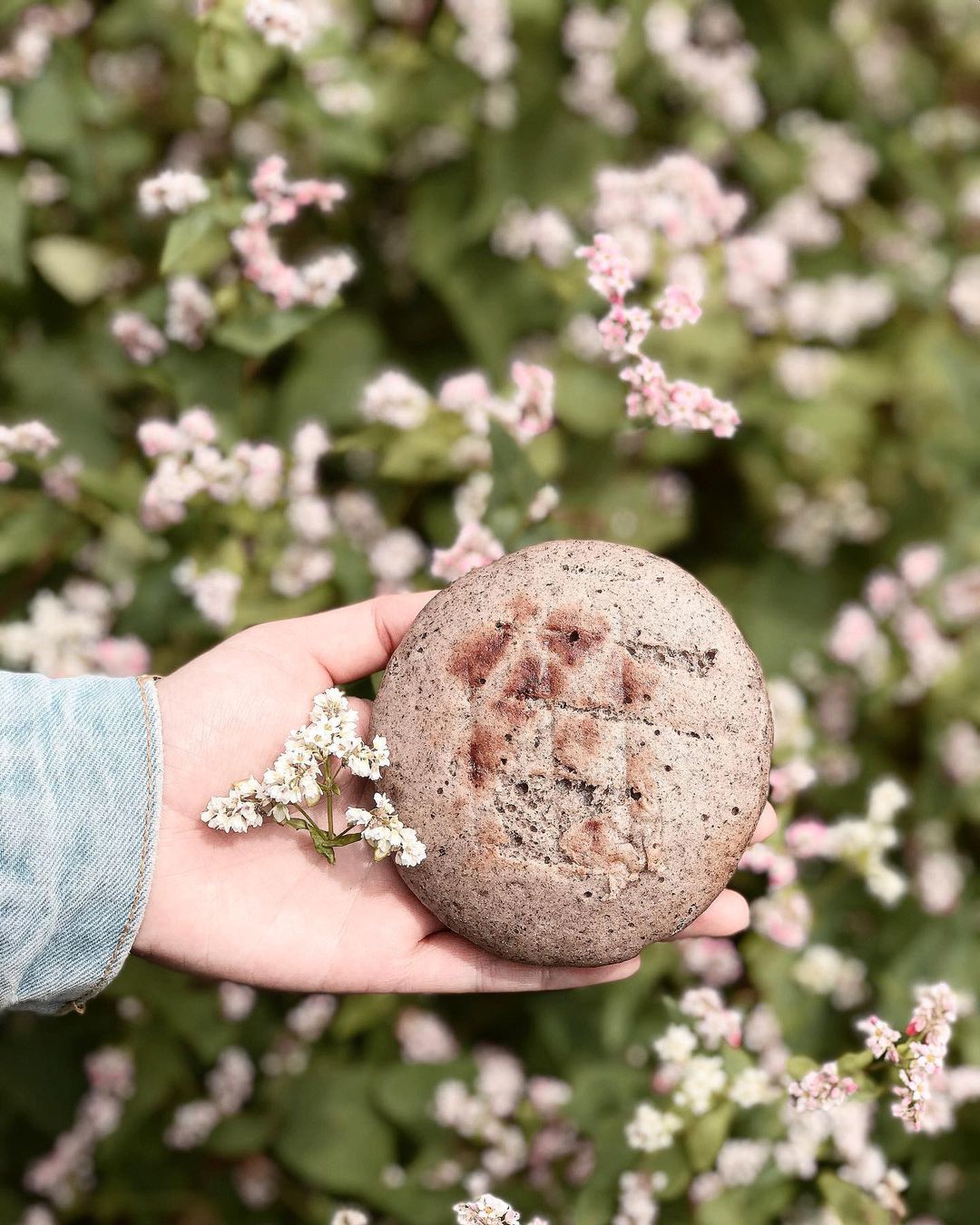
Buckwheat is the symbol of Ha Giang, painting the mountains in shades of pink every autumn. Once the flowers fade, the seeds are harvested and ground into flour to make these small, round cakes.
- Taste: The cakes are soft, nutty, and slightly sweet. They are usually grilled over charcoal, making them a perfect warm treat to hold in your hands while exploring the Dong Van Old Quarter.
8. Bac Me Bamboo Rice (Com Lam)
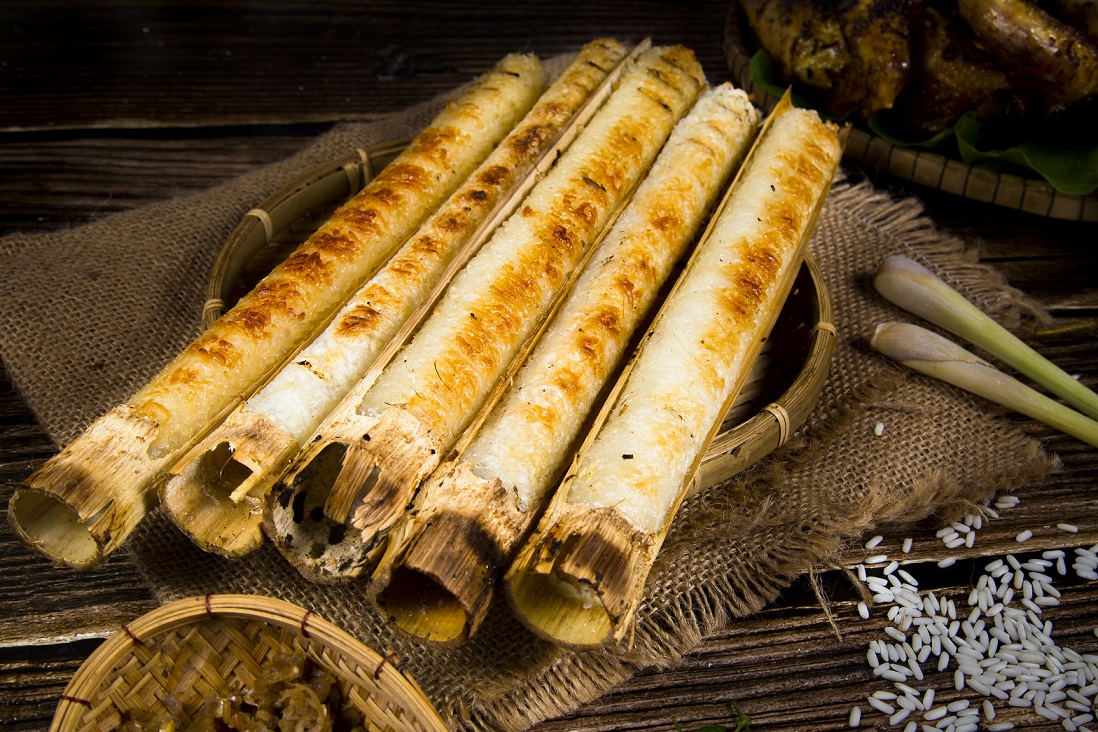
This is the quintessential “forest food” of the Tay people. Fragrant sticky rice is packed into bamboo tubes, sealed with banana leaves, and grilled over red-hot coals.
- The Secret: The bamboo tube imparts a fresh, woody scent to the rice. It’s often served with salted sesame or grilled “hill chicken” (Ga Doi).
9. Lap Xuong (Ha Giang Sausage)
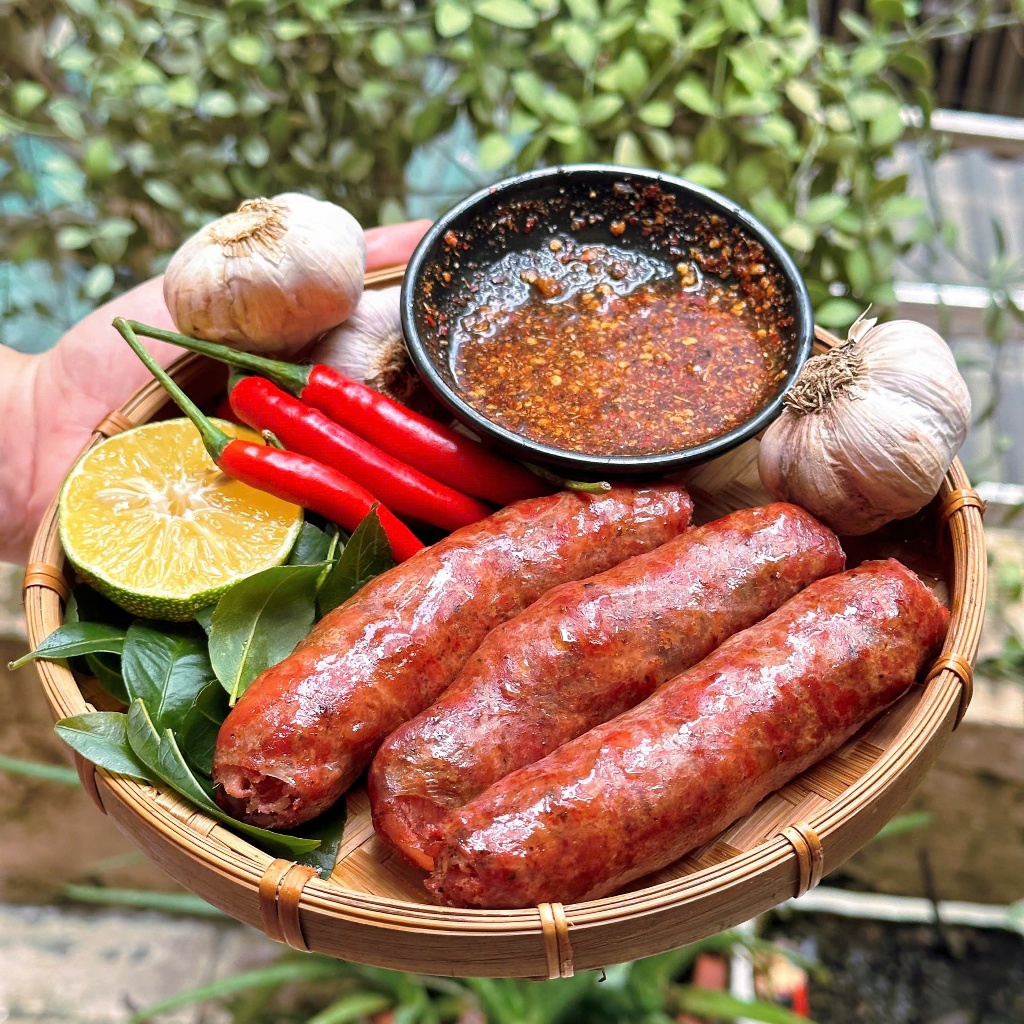
Unlike the sweet sausages of the South, Ha Giang’s Lap Xuong is savory and smoky. It is made from black pork, marinated with mountain spices, and smoked over the kitchen fire for weeks.
- Pro Tip: Look for the sausages hanging in the stalls of local markets; they are a popular souvenir for travelers to take home.
10. Corn Wine (Ruou Ngo)
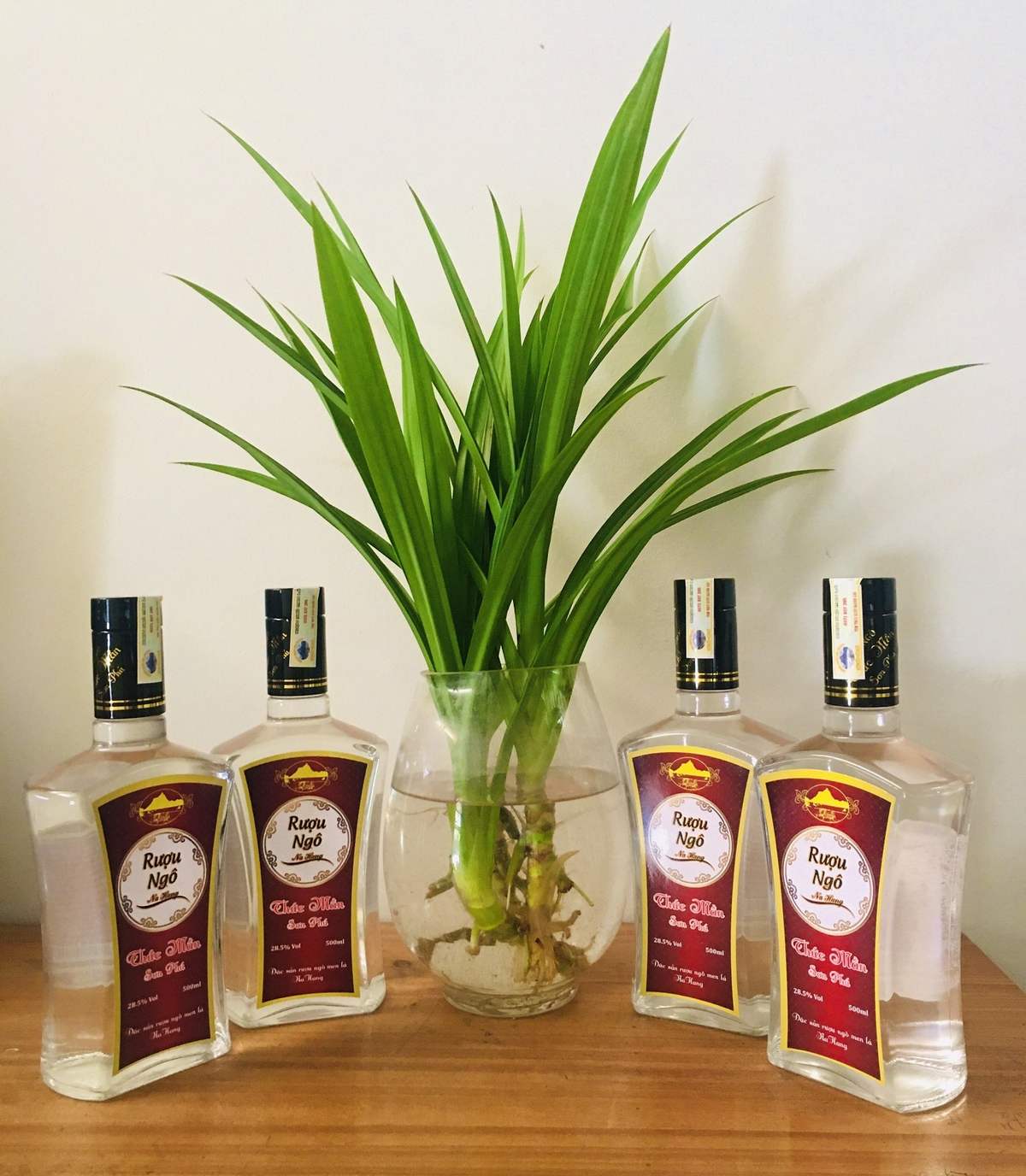
While not a “food,” no list of Ha Giang cuisine is complete without Ruou Ngo. For the Hmong and Dao people, corn wine is the “water of life.” It is fermented with a special yeast made from 30 different forest herbs.
- The Kick: It is strong, clear, and has a surprisingly sweet floral finish. It is a gesture of hospitality; if a local offers you a shot, it’s an invitation to be friends!
Beside amazing cuisine, Ha Giang also has many interesting places for you to visit such as Ma Pi Leng Pass, Nho Que River or Dong Van Ancient Town.
Best Places to Eat in Ha Giang
If you are looking for a great restaurant in Ha Giang or Dong Van to try these dishes, here are our top picks:
| Location | Recommended Spot | Signature Dish |
| Ha Giang City | Com Dan Toc | Mixed Highland Set Meals |
| Ha Giang City | Chao Moc Mien | Au Tau Porridge |
| Dong Van Town | Banh Cuon Ba Ha | Egg Rice Rolls & Broth |
| Dong Van Town | Green Karst | Black Chicken Hotpot |
| Meo Vac | Meo Vac Market | Thang Co & Corn Wine |
Why Choose Vietnam Tour 247 for Your Food Journey?
Tasting the most authentic Ha Giang local food often requires going where the tourists don’t. At Vietnam Tour 247, we don’t just take you to restaurants; we take you to the source.
- Local Access: We arrange dinners at local homestays where you can see how Men Men is steamed or how buffalo meat is smoked over the fire.
- Cultural Insight: Our guides explain the meaning behind every dish, from the colors of the sticky rice to the medicinal roots in your porridge.
- Seamless Travel: We handle all the logistics, so you can focus on savoring the unique flavors of the north.
Contact Vietnam Tour 247 for Booking
- Website: Vietnamtours247
- Hotline: (+84) 979133907
- WhatsApp: (+84) 916289247
- Email: sales@vietnamtour247.com
- Vietnam: 128 Ngoc Tri St, Long Bien District, Hanoi
Conclusion about Ha Giang cuisine
Ha Giang food is a journey of discovery for your palate. It is a cuisine that doesn’t rely on expensive ingredients but on the deep connection between the people and their land. Whether you are adventurous enough for Thang Co or prefer the comfort of a warm bowl of Banh Cuon, every bite in Ha Giang is an unforgettable part of the northern experience.
FAQs about Ha Giang food
1. Is Ha Giang food spicy?
Generally, no. Most dishes are seasoned with fragrant spices like cardamom and ginger rather than heat. However, local chili sauce is always available on the side if you want a kick!
2. Is Au Tau porridge really poisonous?
Only if prepared incorrectly. The locals in Ha Giang are experts who have been cooking this for generations. It is perfectly safe and highly nutritious when ordered at reputable stalls.
3. I am a vegetarian. Can I find food in Ha Giang?
It can be challenging at traditional markets, but most restaurants and homestays are happy to prepare tofu, stir-fried jungle ferns, and five-colored sticky rice for you.
4. What is the best drink to pair with Ha Giang local food?
Corn wine is the traditional choice, but if you prefer something non-alcoholic, try the Shan Tuyet Tea, which comes from ancient trees on the high mountain peaks.
5. Where can I find the best street food in Ha Giang?
The Dong Van Old Quarter at night and the Ha Giang City Night Market are the best spots to find a variety of snacks like grilled meat skewers and buckwheat cakes.