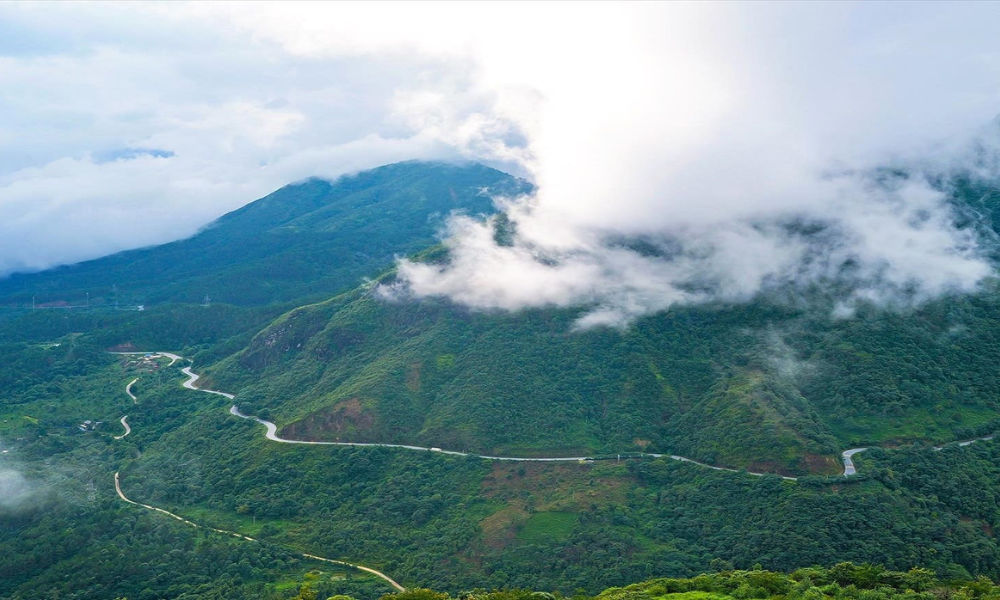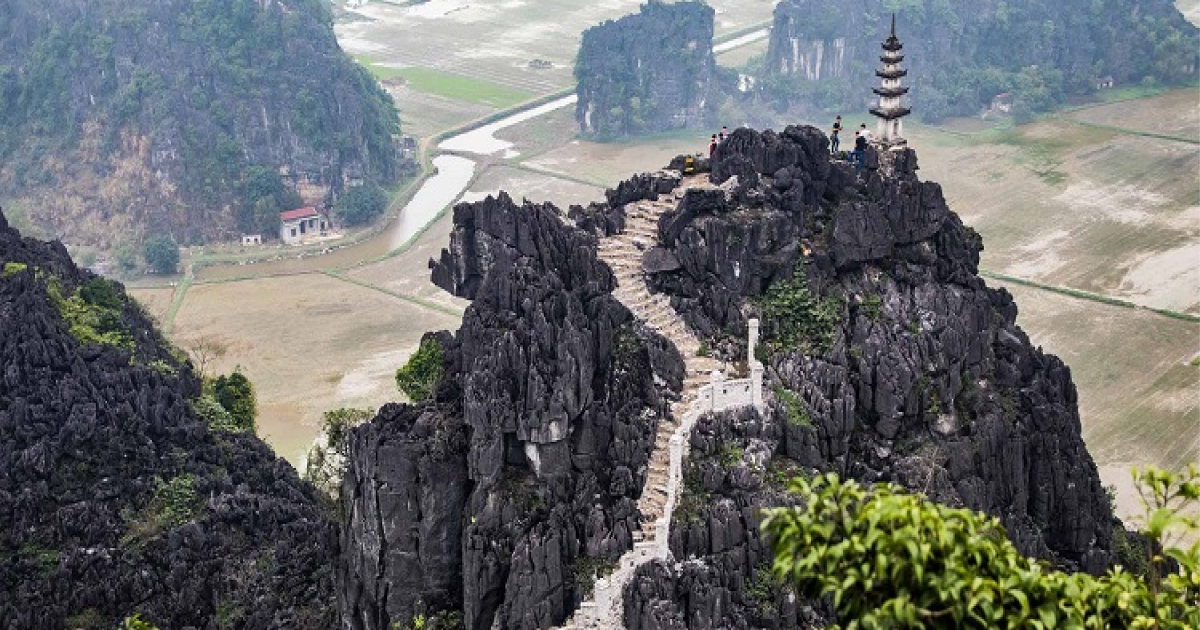
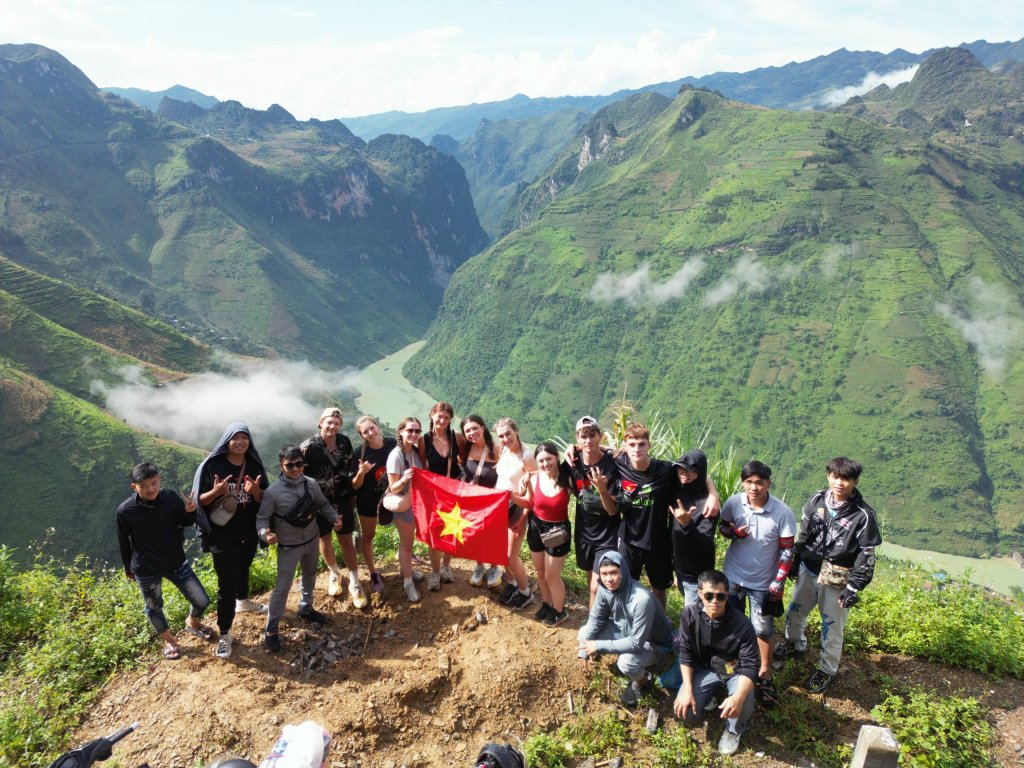
According to recent Ha Giang adventure reviews, 2026 has become the “sweet spot” for visiting—a time when infrastructure has finally caught up to the region’s popularity, offering boutique eco-lodges and luxury “mobile palaces” without losing the untamed spirit of the Ha Giang Loop.
Whether you’re navigating the legendary hair-pin turns of Ma Pi Leng or sharing corn wine with a H’mong family, this guide covers everything you need to know about the weather, food, and logistics of a true Ha Giang adventure.
Overview of the Ha Giang Loop
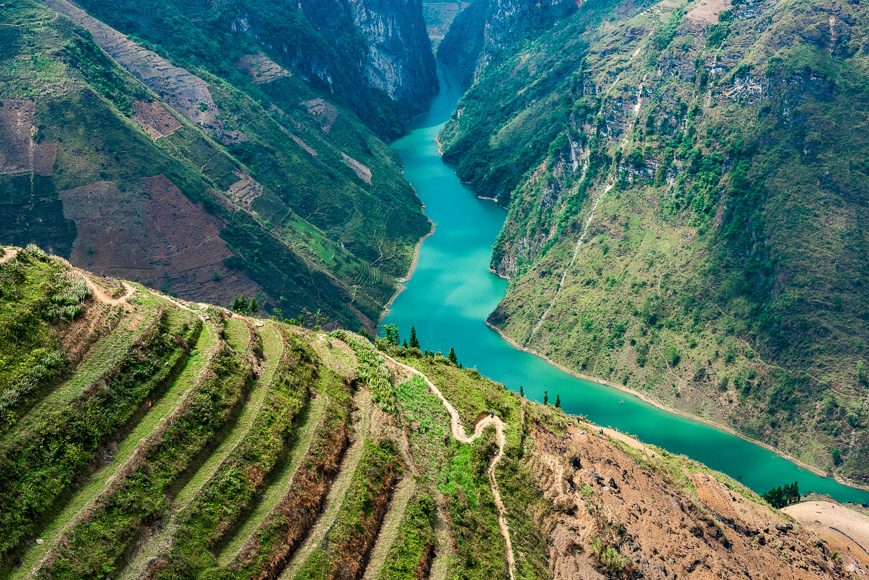
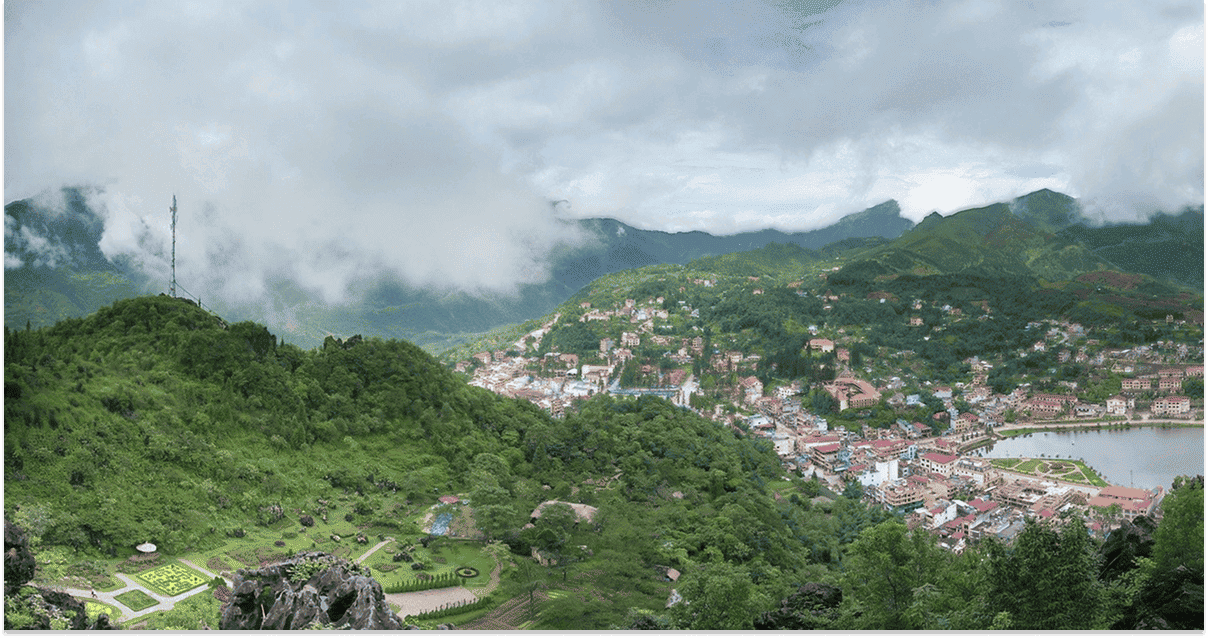
The Ha Giang Loop is a circular route starting and ending in Ha Giang City, typically spanning 350km to 450km. It is not just a road; it is a journey through a UNESCO Global Geopark where limestone pinnacles pierce the clouds and deep canyons hide emerald-green rivers.
- Duration: 3 to 5 days (4 days is the recommended “sweet spot”).
- Difficulty: High. Roads are well-built but feature hundreds of sharp bends and steep inclines.
Ha Giang Adventure Reviews: What Travelers Say in 2026
Modern Ha Giang adventure reviews emphasize that the experience depends heavily on your travel style. In 2026, travelers generally categorize their adventures into three buckets:
The “Easy Rider” Experience
This is the most highly-rated way to see the loop. You sit on the back of a motorbike driven by a professional local guide.
“Best decision I made. My Easy Rider knew every hidden photo spot and village chief. I got better photos because I wasn’t focused on the road.” — TripAdvisor Review.
The Self-Drive Challenge
For those with valid motorcycle licenses and significant experience. Reviews warn that about 70% of self-drivers in 2026 are beginners, leading to frequent minor accidents.
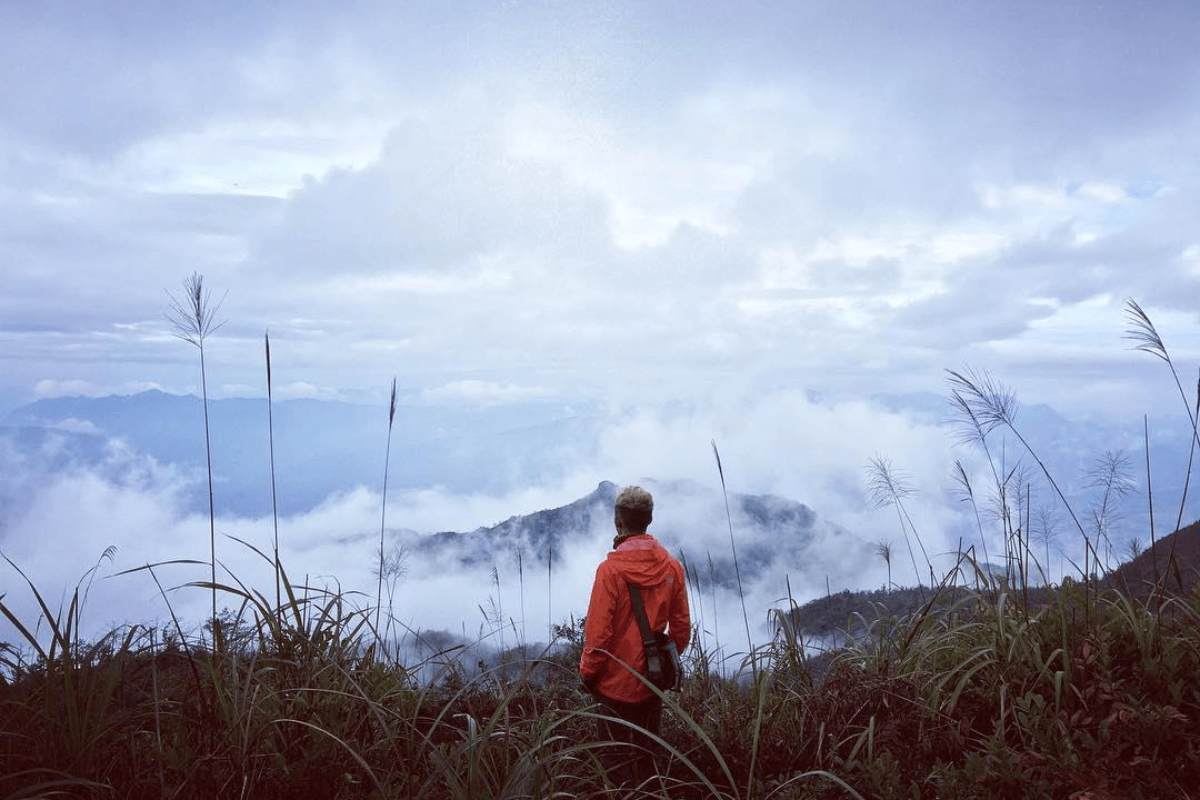
“It’s physically exhausting but meditative. Riding through the mist on Ma Pi Leng felt like another planet.” — Solo Traveler Review.
The Social Vibe
Reviews often mention “Happy Water” (corn wine) and karaoke at homestays. While some love the social energy, others recommend private tours if you prefer a quiet, “slow travel” experience.
How to Get to Ha Giang?
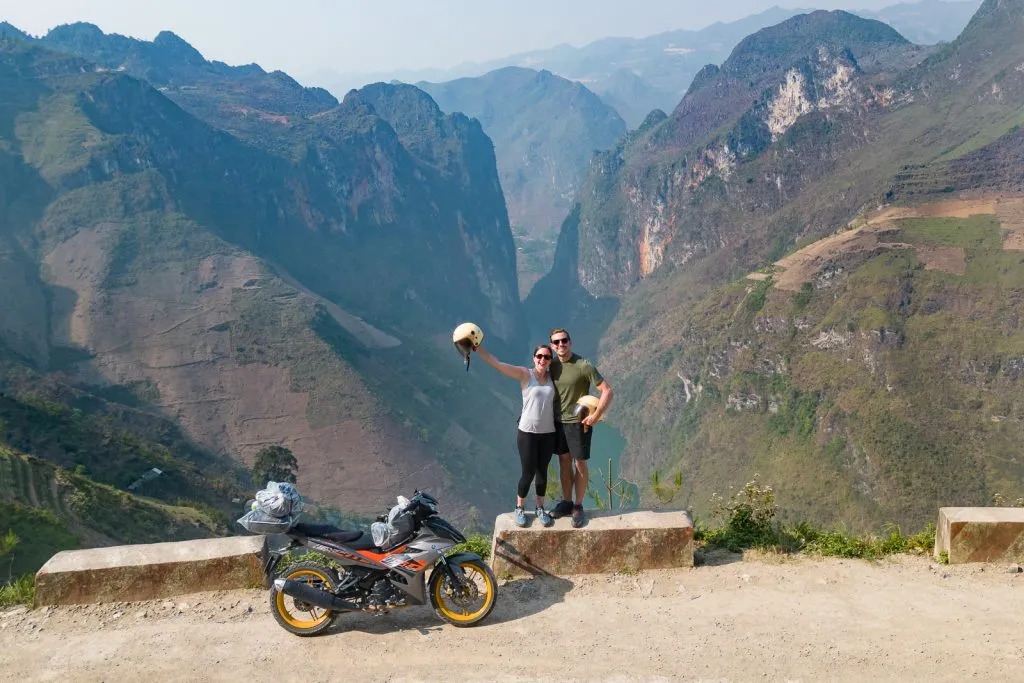
Since there is no airport or train station, you must reach Ha Giang by road. Most travelers start from Hanoi.
- VIP Limousine Vans: The most comfortable option ($18 – $25 USD). These 9-seater vans offer reclining leather seats and Wi-Fi, taking about 6 hours.
- Cabin Sleeper Buses: Known as “Mobile Palaces,” these overnight buses feature private pods with curtains and charging ports ($12 – $18 USD).
- Motorbike from Hanoi: Only for the “certified menace.” It’s a 300km ride through heavy truck traffic that takes roughly 8–9 hours. Besides Ha Giang loop, there are other amazing Vietnam Motorbike road trip for you to explore.
Ha Giang Weather: Best Time to Visit
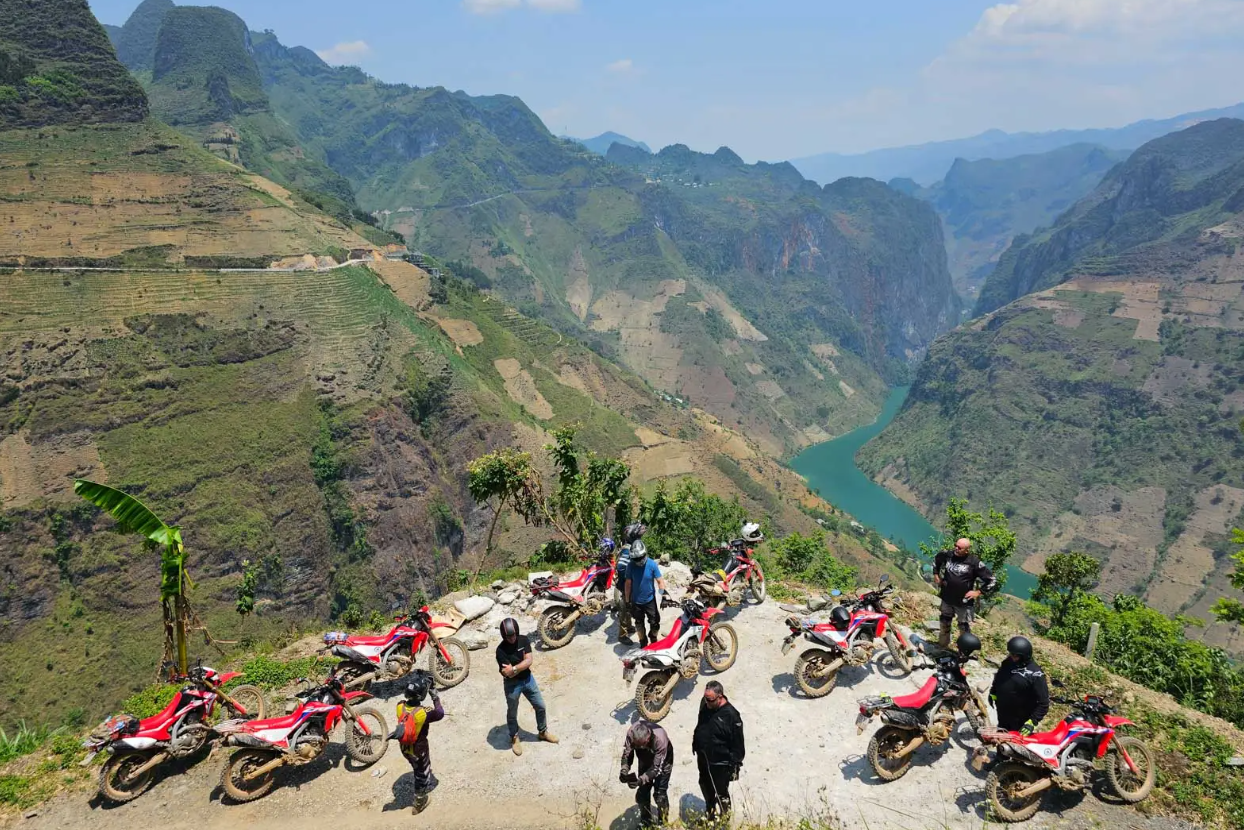
Ha Giang weather is the most critical factor for your safety and the quality of your photos. Because of the high altitude, the temperature is often 5°C – 10°C cooler than Hanoi.
| Season | Months | Landscape & Highlights | Best For |
| Spring | Feb – Apr | Peach and plum blossoms; mild (15°C – 20°C). | Photography & Festivals |
| Summer | May – Aug | Lush green fields; hot & rainy (20°C – 32°C). | Waterfalls & Low Crowds |
| Autumn | Sep – Oct | Golden Rice Terraces; perfect dry weather. | Top Choice |
| Winter | Nov – Jan | Buckwheat flowers; very cold (under 10°C). | Solitude & Flowers |
Pro Tip: Check the Ha Giang weather forecast daily during your trip. In the “rainy season” (July-August), rain often falls at night and clears during the day, but fog can still limit visibility on the passes.
What to Do in Ha Giang?
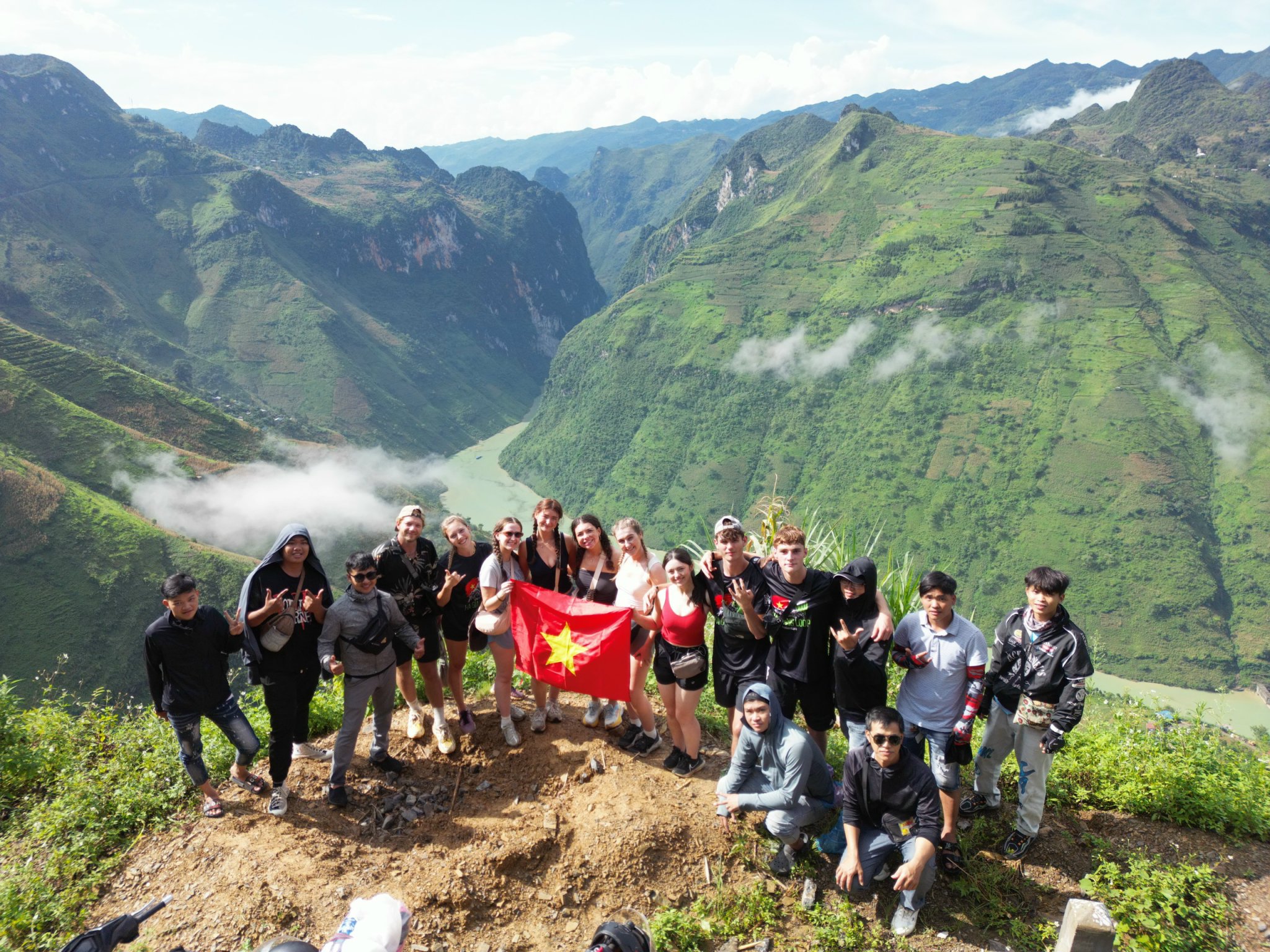
Beyond riding, Ha Giang adventures in 2026 are leaning toward cultural immersion and “slow travel.”
- Trekking in Dong Van: Move away from the road to walk through ancient limestone “forests.”. More over than Dong Van, Vietnam also has other marvelous trekking route that you should try.
- Boating on Nho Que River: Take a boat through the Tu San Canyon, the deepest canyon in Southeast Asia.
- Linen Weaving in Lung Tam: Learn the traditional H’mong craft of making fabric from hemp.
- Herbal Baths in Nam Dam: Soak in a traditional Red Dao medicinal bath after a long day of riding.
What to See in Ha Giang?
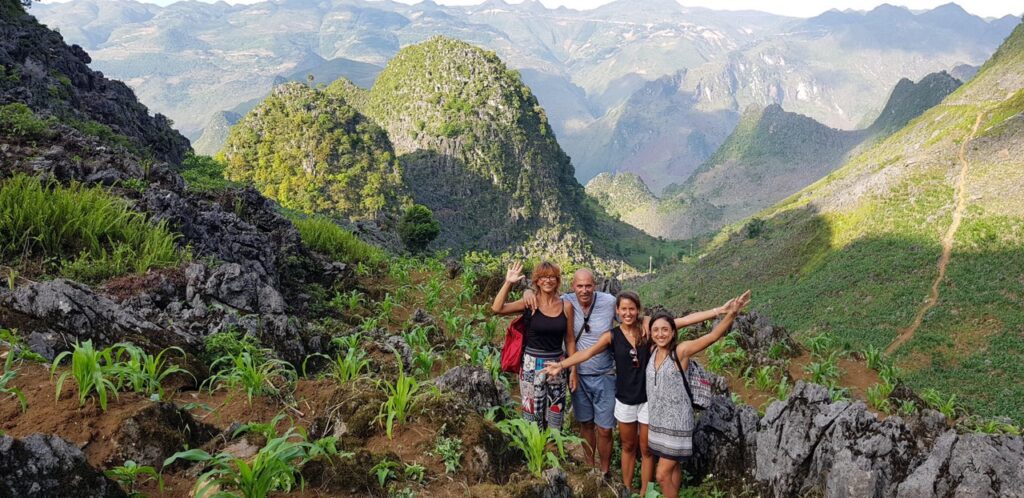
The loop is packed with “Bucket List” landmarks:
- Ma Pi Leng Pass: The “King” of passes. The road clings to a cliffside with a 1,000m drop to the river below.
- Lung Cu Flag Tower: The northernmost point of Vietnam. Climb 389 steps for a view into China.
- Quan Ba Heaven Gate: A viewpoint overlooking the iconic “Fairy Bosom” mountains.
- Tham Ma Pass: The legendary S-shaped road that was once a test for mountain horses.
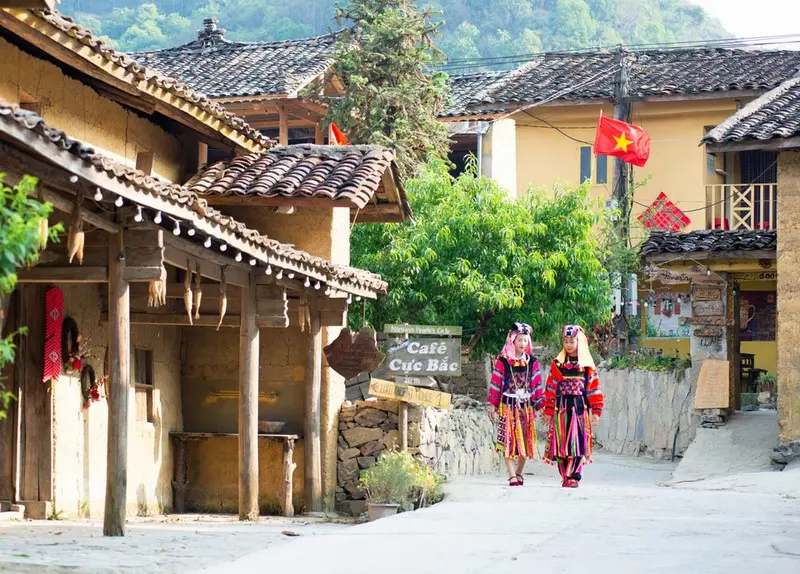
- Lo Lo Chai Village: A fairy-tale-like village at the foot of the flag tower with traditional rammed-earth houses.
Top 10 Must-Try Foods of Ha Giang Cuisine
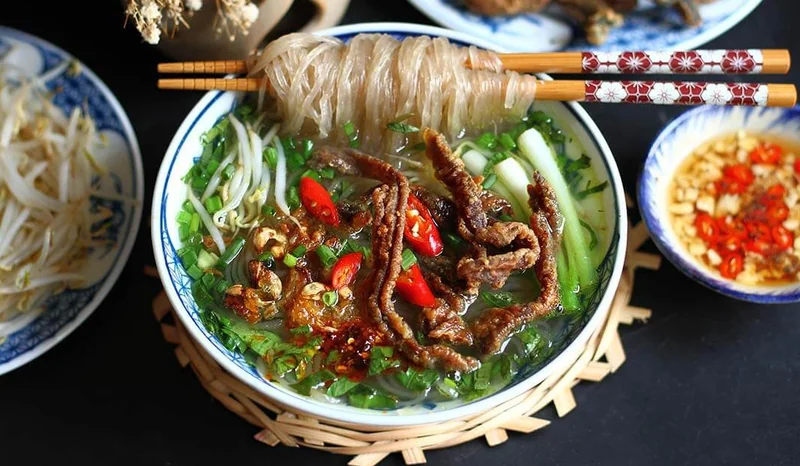
Ha Giang food is as rugged as the landscape-nutritious, warming, and deeply tied to ethnic minority traditions.
- Banh Cuon Trung (Egg Rice Rolls): A Dong Van specialty. Unlike the Hanoi version, these are served with a hot bowl of bone broth instead of fish sauce.
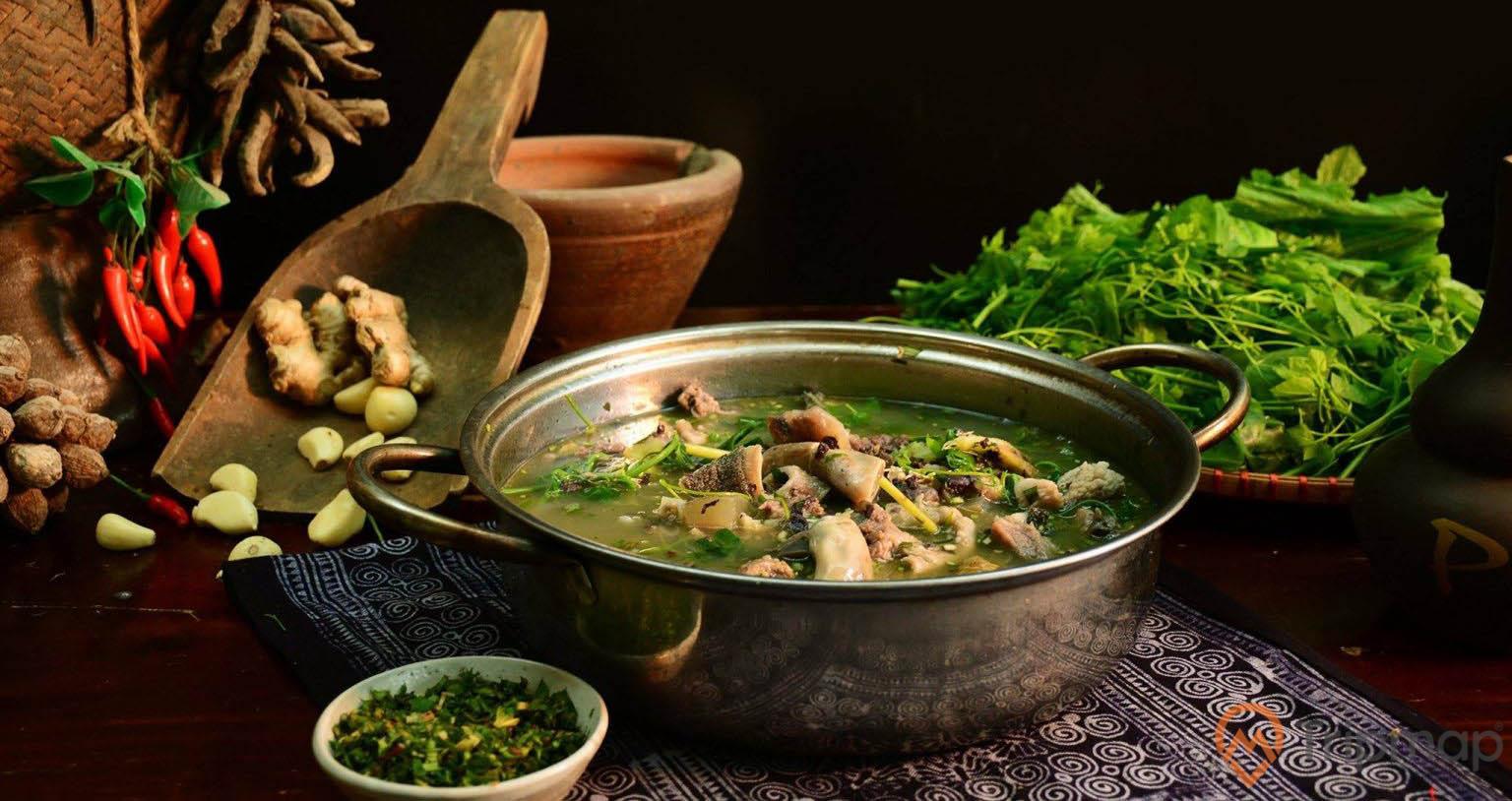
- Thang Co (Horse Meat Stew): A traditional H’mong dish. It’s an acquired taste, featuring meat and organs simmered with mountain herbs.
- Chao Au Tau (Bitter Porridge): Eaten at night, this medicinal porridge is made from a toxic tuber that is rendered safe through 4+ hours of cooking.
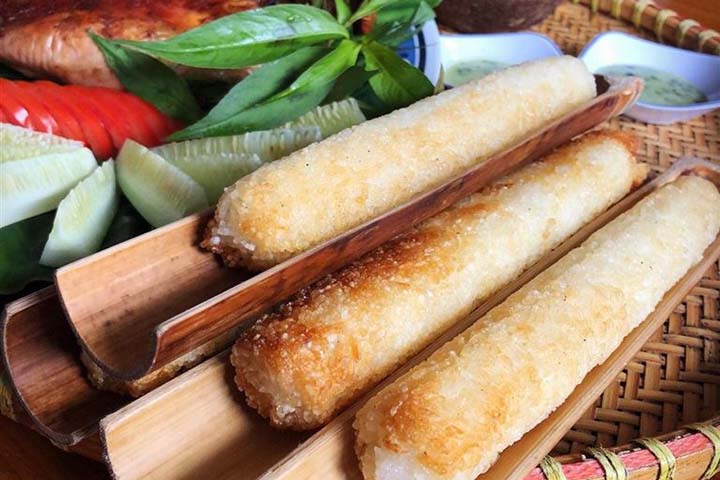
- Com Lam (Sticky Rice in Bamboo): Fragrant rice roasted over charcoal inside bamboo tubes.
- Thit Trau Gac Bep (Smoked Buffalo Meat): Dried over a kitchen fire for months, it is spicy, chewy, and smells of woodsmoke.
- Xoi Ngu Sac (Five-Color Sticky Rice): Natural dyes from plants create white, purple, blue, red, and yellow rice, symbolizing the five elements.
- Buckwheat Cake: Soft, round cakes made from buckwheat flour and grilled over coals.
- Men Men (Steamed Cornmeal): The traditional staple of the H’mong people, often served with mustard green soup.
- Au Tau Porridge: A late-night specialty in Ha Giang City, known for its bitter-yet-sweet aftertaste and health benefits.
- Corn Wine (Happy Water): The social glue of the loop. It is strong, sweet, and usually offered at every homestay dinner.
Read more: The amazing Top 15 Ninh Binh foods must-try
In Conclusion
A trip to Ha Giang is not a vacation; it is an expedition. As most Ha Giang adventure reviews suggest, the region’s magic lies in its unpredictability—the way the sun breaks through the clouds over Ma Pi Leng or the warmth of a family meal in a remote village. By choosing the right season and respecting the terrain, your Ha Giang Loop experience will likely be the highlight of your time in Vietnam.
FAQs
1. Is the Ha Giang Loop dangerous?
Yes, it can be. The roads have steep drops and sharp turns. If you are not an experienced motorcyclist, hiring an Easy Rider is the safest way to enjoy the Ha Giang adventures.
2. Do I need a permit for Ha Giang?
Yes. As a border province, you need a “Border Entry Permit” ($10 USD). You can easily get this at the Immigration Office in Ha Giang City or ask your hostel to arrange it.
3. What should I pack?
Even if the Ha Giang city weather is warm, the mountains are cold. Pack a windbreaker, sturdy shoes, a swimsuit (for Du Gia waterfall), and a Viettel SIM card, as it’s the only network with reliable signal in the canyons.
4. How much cash should I bring?
ATMs are only available in major towns (Yen Minh, Dong Van, Meo Vac). Carry enough cash for your entire 4-day trip, as most homestays and markets do not accept cards.
5. Can I do the loop in a car?
Yes! Jeep tours are becoming popular in 2026. They are more expensive but provide safety from the rain and wind while visiting all the same iconic spots.