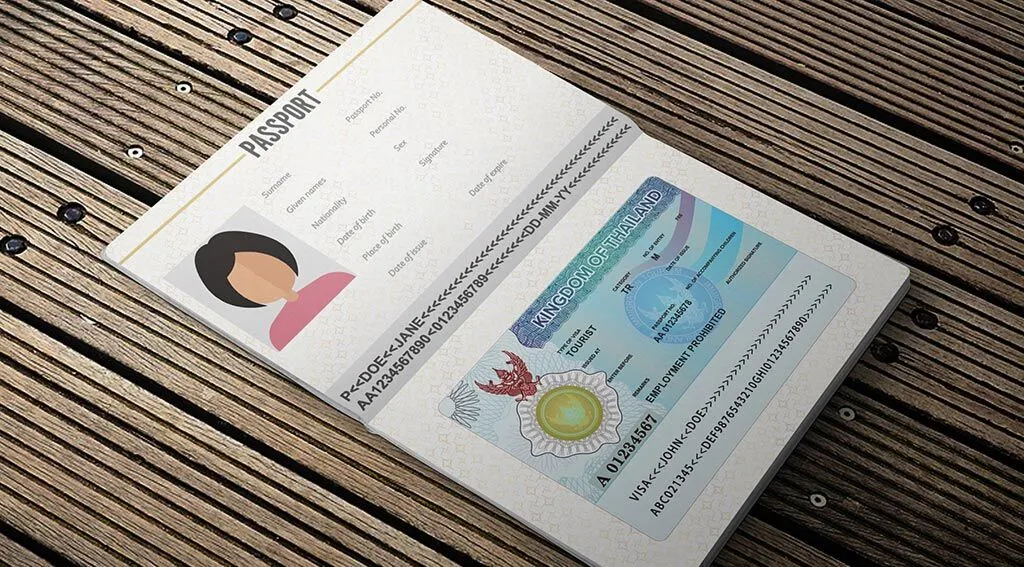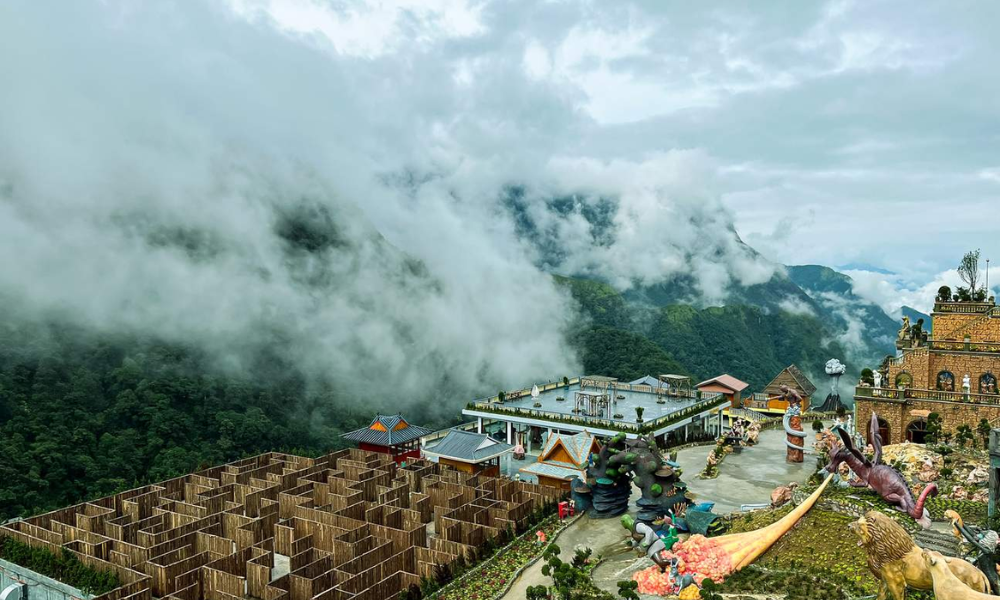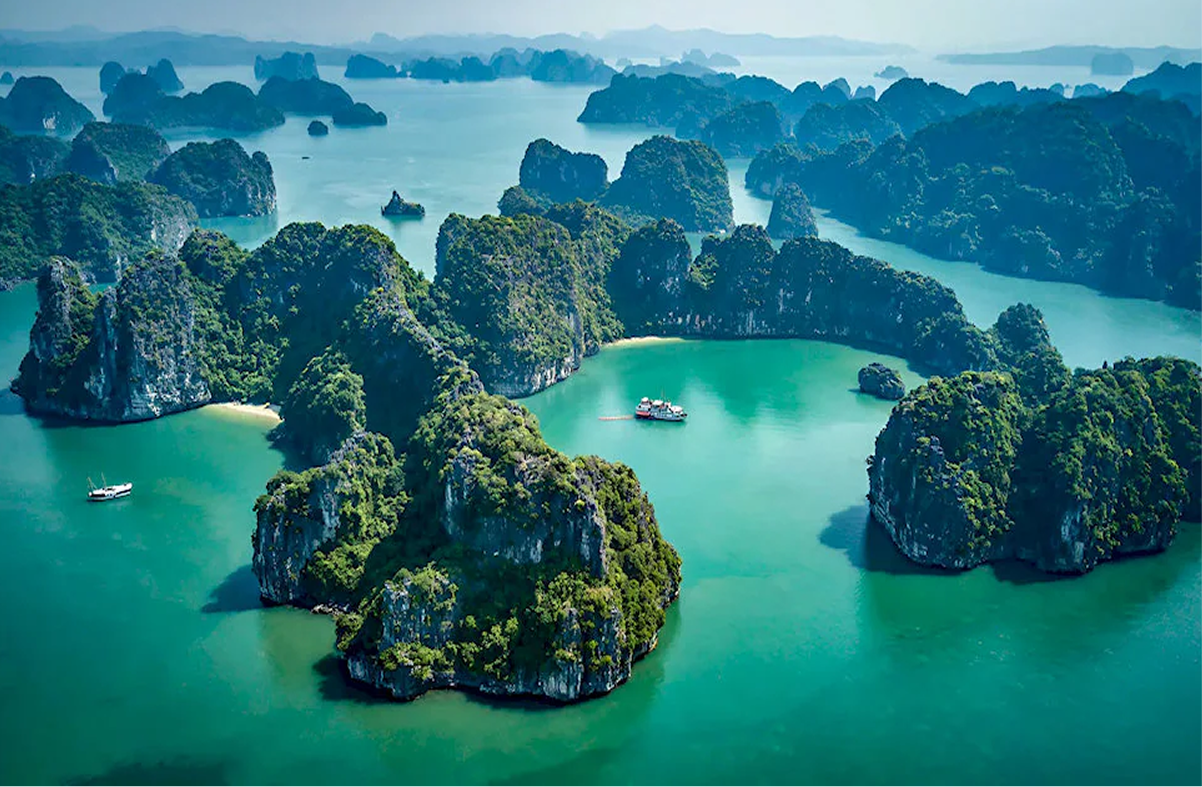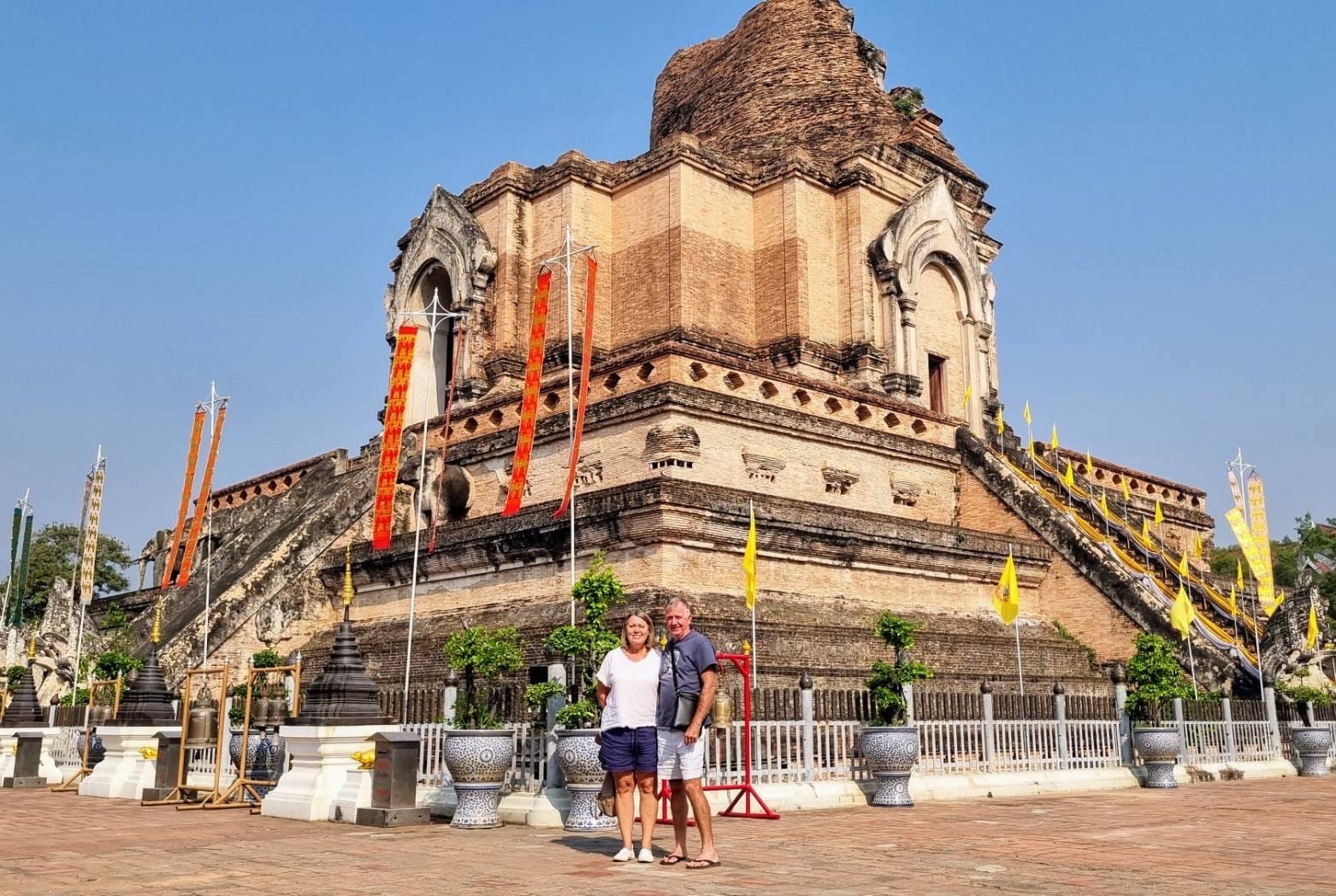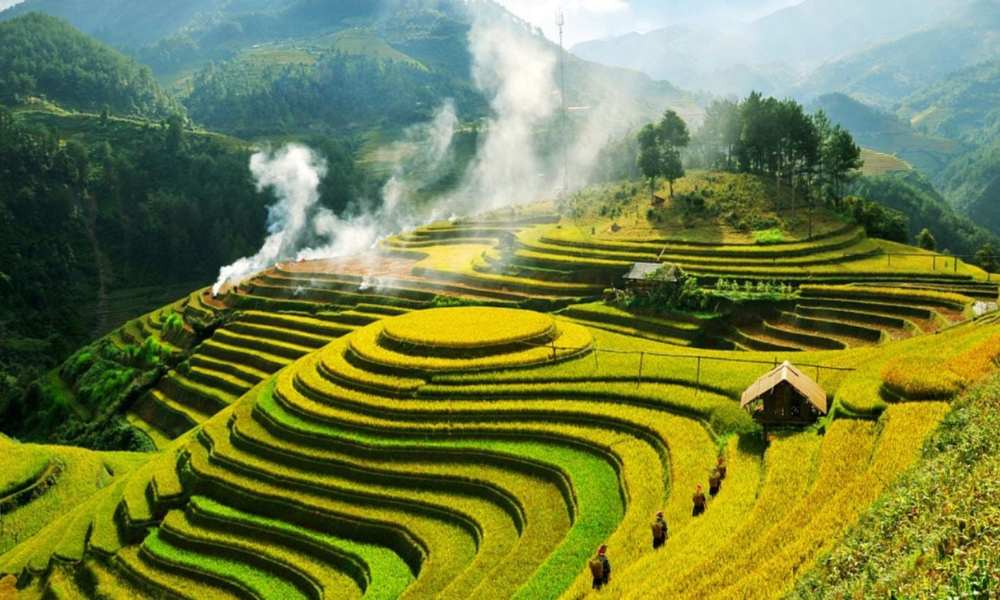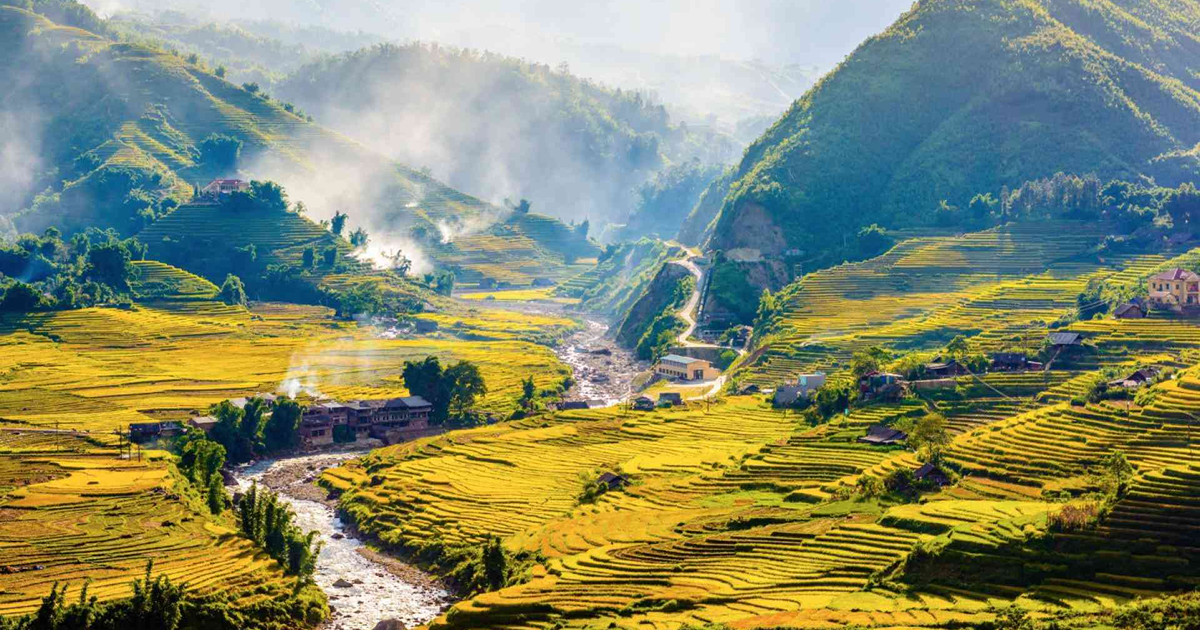

Crafting the perfect Vietnam itinerary involves balancing the mist-covered mountains of the North with the tropical pulse of the South. Start in Hanoi for ancient culture, then cruise through Ha Long Bay. Head south to explore the lantern-lit streets of Hoi An and the history of Hue. Conclude in Ho Chi Minh City with a trip to the Mekong Delta. This journey perfectly captures Vietnam’s stunning diversity.
Why Should You Choose The Vietnam Itinerary?
When mentioning ideal tourist destinations in Asia, most people will surely include Vietnam in their list of considerations. Although it is not a wealthy and highly developed country compared to most Western nations, Vietnam is a livable country.
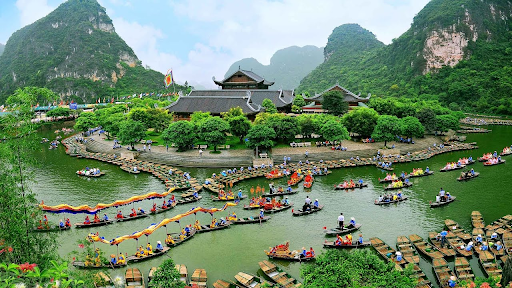
Vietnam’s allure lies in its sensory experiences—from the steam rising off a roadside bowl of phở to the towering limestone karsts of Ha Long Bay. As you plan your Vietnam travel, you’ll find that the country’s warmth is matched only by its affordability. Whether you are browsing for a Vietnam package tour or sketching out a DIY Vietnam itinerary, here is why this country remains a top global destination.
Why Vietnam is a Must-Visit
-
A Culinary Journey: Vietnam’s rich cuisine is globally celebrated. You can find world-class street food, from bún chả in Hanoi to bánh mì in Saigon, at incredibly affordable prices.
-
Natural Masterpieces: Beyond the famous Ha Long Bay, explorers flock to the terraced rice fields of Sapa and the world’s largest caves in Phong Nha.
-
Warm Hospitality: The genuine friendliness of the people, from urban coffee shop owners to rural farmers, makes every traveler feel welcome.
-
Shopping & Craftsmanship: For fashion lovers, the town of Hoi An is a “shopping paradise” where master tailors can create custom-made suits or dresses in under 24 hours.
How to plan your Vietnam travel itinerary
Exploring Vietnam
Whether you’re crafting a DIY Vietnam itinerary or looking for a comprehensive Vietnam package tour, the country’s transport infrastructure in 2026 makes exploring seamless. Vietnam travel is defined by its variety, allowing you to choose between high-speed efficiency and slow, scenic discovery.
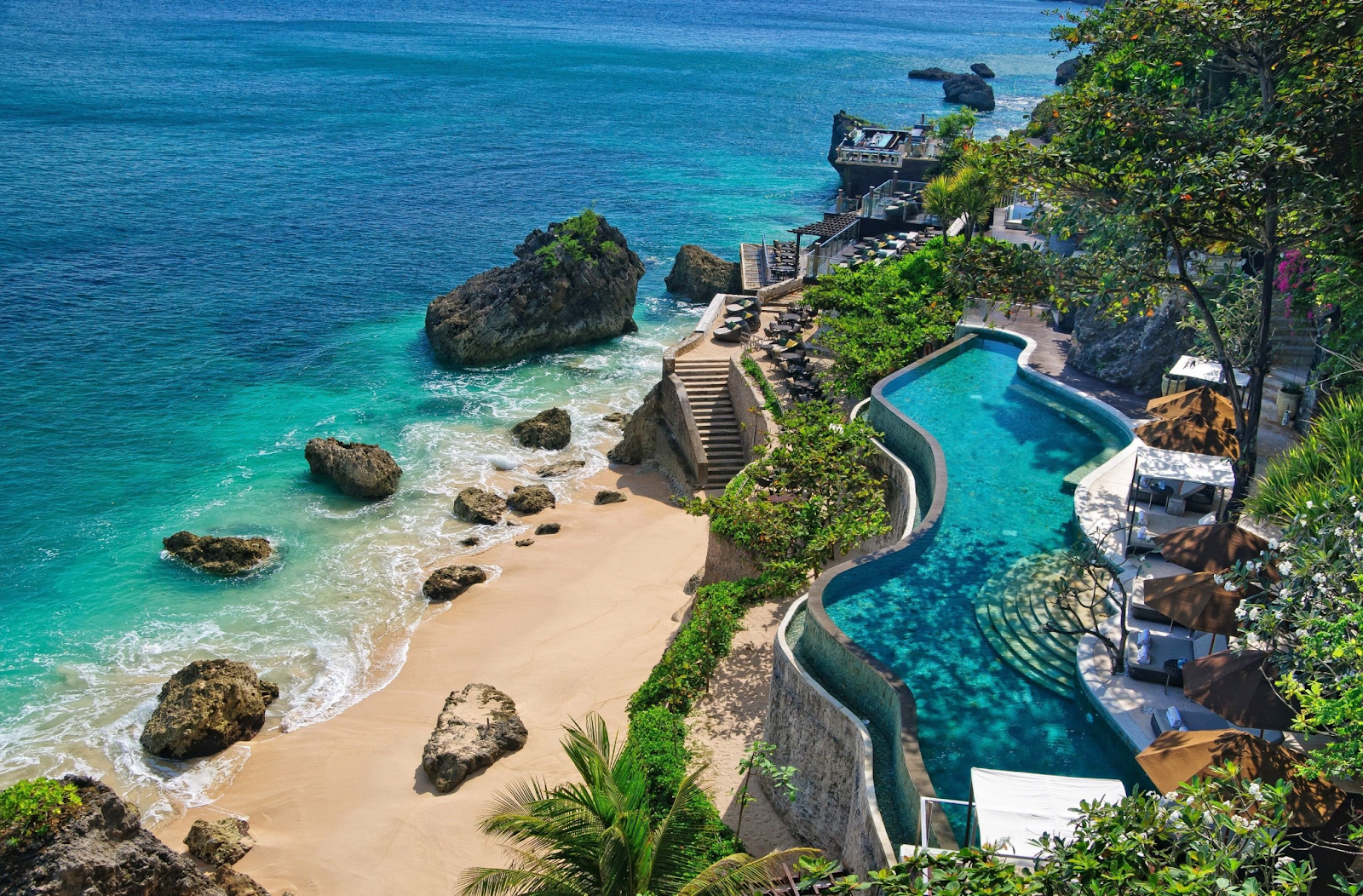
When planning your Vietnam travel in 2026, navigating the terrain is as much about the journey as the destination. For an iconic experience, include the Hai Van Pass in your Vietnam itinerary—this legendary 21km coastal stretch between Hue and Da Nang is best explored on two wheels, offering panoramic views of the “Sea Clouds.”
If you are booking a Vietnam package tour, transport is typically handled via luxury minivans or domestic flights. However, for independent spirits, renting a motorbike provides unmatched freedom. Just remember: in 2026, a 1968-version International Driving Permit (IDP) and a valid home motorcycle license are strictly required for legal riding.
North to South? Or the other way around?
When deciding whether to start your Vietnam travel in the north or south, your Vietnam itinerary should be guided by the seasonal shift. For those travelling to Thailand and Vietnam in one trip, the best time to visit Thailand (November–February) aligns perfectly with the dry season in Southern Vietnam, making a south-to-north route a popular choice for 2026.
North vs. South: Which Direction?
-
South to North (Saigon to Hanoi): This route often feels like a slow crescendo, moving from the tropical energy of the Mekong Delta toward the “peace and grandeur” of the northern highlands. It is ideal if you want to end your trip with the dramatic landscapes of Sapa and Ha Long Bay.
-
North to South (Hanoi to Saigon): Starting in the capital allows you to dive into Vietnam’s deep history first. This is a great choice if you want to finish your journey relaxing on the southern beaches of Phu Quoc or Mui Ne.
Is Vietnam expensive?
Vietnam remains one of the world’s most accessible destinations, where your money stretches remarkably far without sacrificing quality. As you plan your Vietnam itinerary for 2026, you’ll find that whether you are on a “shoestring” or seeking total indulgence, the value-for-money is nearly unbeatable in Southeast Asia.
Daily Budgeting in 2026
Depending on your travel style, here is what a typical day of Vietnam travel costs:
-
Budget Backpacker ($30–$50 USD/day): This allows for social stays in top-rated hostels (dorms often start at $5–$8), authentic street food meals like Phở or Bánh Mì ($1–$3), and travel via local buses or Grab bikes.
-
Mid-Range Comfort ($70–$130 USD/day): The “sweet spot” for many. You can enjoy stylish boutique hotels ($40–$70/night), dine at trendy local restaurants, and include internal flights or guided day trips to places like the Cu Chi Tunnels.
-
Luxury Indulgence ($200–$400+ USD/day): Vietnam excels at “affordable luxury.” You can stay in world-class 5-star suites in Hanoi or beachfront villas in Da Nang ($150–$300/night) and enjoy private car transfers and fine dining.
How many days do you need in Vietnam?

While two weeks allows you to hit the famous highlights, extending your Vietnam travel to 3 weeks or a full 30 days transforms your trip from a “greatest hits” tour into a truly immersive discovery. In 2026, with the availability of the 90-day e-Visa, staying longer has never been easier or more rewarding.
Choosing Your Duration
-
2 Weeks (The “Sweet Spot”): Ideal for first-timers. You can comfortably cover the “Big Three”: Hanoi (North), Hoi An/Hue (Central), and Ho Chi Minh City (South). This pace works perfectly for a pre-arranged Vietnam package tour.
-
3 Weeks (The Complete Experience): This allows you to add “depth” to your Vietnam itinerary. You can venture into the northern highlands of Sapa or the Ha Giang Loop, explore the world’s largest caves in Phong Nha, or relax for a few days on the beaches of Phu Quoc.
-
30 Days (The In-Depth Discovery): With a full month, you can travel slowly, discovering hidden gems like the coffee plantations of Da Lat, the sand dunes of Mui Ne, or the remote Con Dao Islands.
My Vietnam Itinerary
Vietnam itinerary – 15 Days
A 15-day Vietnam itinerary in 2026 offers a masterful blend of the country’s historic soul and its modern vitality. This journey typically follows a North-to-South path, beginning with the colonial elegance of Hanoi, where you can explore the 36 guild streets of the Old Quarter before heading to the emerald waters of Ha Long Bay for a luxury overnight cruise.
As you move through the central region, a comprehensive Vietnam package tour often includes the imperial grandeur of Hue and the lantern-lit charm of Hoi An. Your Vietnam travel experience reaches its peak in the south, diving into the dynamic pulse of Ho Chi Minh City and the winding waterways of the Mekong Delta.
Day 1: Majestic Vietnam begins!
Day 2: Hanoi → Halong Bay – Overnight on cruise
Day 3: Halong Bay → Hanoi
Day 4: Hanoi – Sapa by Limousine – Trek Cat Cat Village
Day 5: Trek Lao Chai & Ta Van village -Return Hanoi
Day 6: Hanoi → Fly to Dang Nang – Transfer to Hoi An
Day 7: Hoi An – My Son Sanctuary
Day 8: Hoi An Basket boat and Cycling and city tour
Day 9: Your Leisure
Day 10: Hoi An → Limousine to Hue – Hai Van Pass
Day 11: Hue city tour
Day 12: Hue → Fly Ho Chi Minh City
Day 13: Mekong Delta – My Tho – Ben Tre
Day 14: Cu Chi Tunnels
Day 15: Ho Chi Minh Departure
Vietnam itinerary – 10 Days

A 10-day Vietnam itinerary in 2026 is the gold standard for travelers wanting to experience the country’s most iconic highlights without feeling rushed. By selecting a well-crafted Vietnam package tour, you can seamlessly transition from the misty, historic North to the sun-drenched, energetic South. This route hits the most essential places to visit in Vietnam, offering a perfect balance of heritage, nature, and urban exploration.
Day 1: Hanoi Arrival
Day 2: Visit the historical sites in Hanoi
Day 3: Hanoi – HaLong Bay
Day 4: Halong Bay – Hanoi – Travel To Hoi An (Flight included)
Day 5: Hoi An Guided Walking Tour
Day 6: Hoi An Travel to Hue by private car
Day 7: Exploring Hue – Travel to Ho Chi Minh ( Flight included)
Day 8: Ho Chi Minh – Cu Chi Tunnels
Day 9 : Mekong River Delta Discovery
Day 10 : Time to say good-bye
Vietnam Romance – 8 Days
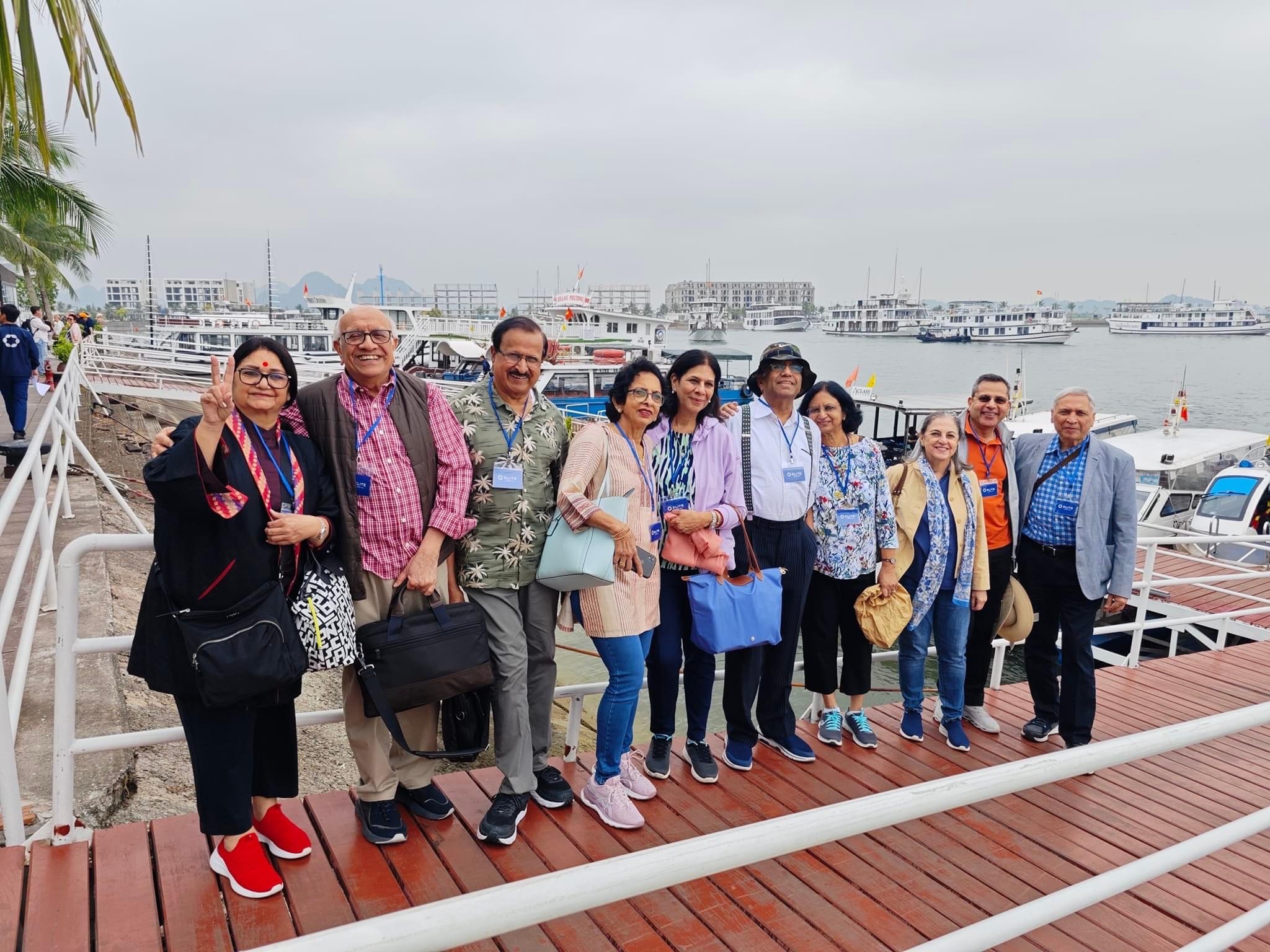
In just eight days, you can experience a whirlwind of Vietnam travel highlights, moving from the north’s colonial charm to the tropical south. An 8-day Vietnam itinerary is ideal for those who want to see the essential icons—Hanoi, Ha Long Bay, Hoi An, and Ho Chi Minh City—within a compact timeframe.
To maximize your time, many travelers opt for a Vietnam package tour that includes domestic flights to bypass long train or bus journeys. In 2026, a standard 8-day all-inclusive tour typically costs between $750 and $1,100 USD, covering logistics, boutique stays, and a mix of guided and independent exploration.
Day 1: Tour begins!
Day 2: Discover Hanoi City & Rickshaw
Day 3: Hanoi – Halong Bay
Day 4: Halong Bay – Hanoi – Fly to Danang
Day 5: Experience the charm of Hoi An
Day 6: Hoi An – My Son Sanctuary – Fly to Ho Chi Minh
Day 7: Discover Mekong Delta
Day 8: Time to say good-bye
Best places to add to your travel Vietnam itinerary
Northern Vietnam
Northern Vietnam is a tapestry of rugged peaks, emerald waters, and centuries-old traditions. When planning your Vietnam itinerary for 2026, focusing on the North allows you to witness the country’s most dramatic geography—from the “Roof of Indochina” in Sapa to the labyrinthine limestone karsts of Ha Long Bay.
Key Destinations in Northern Vietnam:
-
Hanoi: The soul of the country. Beyond the colonial architecture, 2026 travelers are flocking to the vibrant café culture for coconut coffee and exploring the 36 streets of the Old Quarter.
-
Sapa & Ha Giang: For those seeking the pinnacle of Vietnam travel, Sapa offers accessible trekking and Hmong homestays. However, the Ha Giang Loop has become the definitive 2026 adventure for those wanting “off-the-beaten-path” vistas and ethnic minority markets.
-
Ha Long Bay & Lan Ha Bay: While Ha Long is a classic UNESCO site, many modern Vietnam package tours now favor Lan Ha Bay for a quieter, equally stunning cruise experience among the 1,600 islands.
-
Ninh Binh: Often called “Ha Long Bay on Land,” this region is best explored via a sampan boat through the Trang An grottoes or by cycling through the limestone valleys of Tam Coc.
-
Da Nang: While technically in Central Vietnam, it is a primary flight hub from Hanoi. Don’t miss the Golden Bridge (the giant hands) at Ba Na Hills or the fire-breathing Dragon Bridge on weekend nights.

Central Vietnam
Central Vietnam is the cultural and geographic anchor of the country, where centuries of imperial history meet world-class beaches and mystical cave systems. As you refine your Vietnam itinerary for 2026, Central Vietnam stands out as a “must-visit” for its perfect balance of high-octane adventure and indulgent downtime.
Best Time to Visit Central Vietnam:
Timing is everything for this region. The best time to visit Thailand often overlaps with the ideal window for Central Vietnam:
-
Dry Season (February to August): This is the prime time for Vietnam travel in the center. Expect sunny days and calm seas, perfect for the beaches of Da Nang or walking the ancient streets of Hoi An.
-
Peak Months (March to May): These months offer the most comfortable temperatures before the summer heat intensifies in June and July.
-
Typhoon Season (September to November): It is best to avoid this period, as heavy rains and storms can disrupt travel plans, particularly in Hue and Hoi An.
Iconic Cities & Hidden Gems:
-
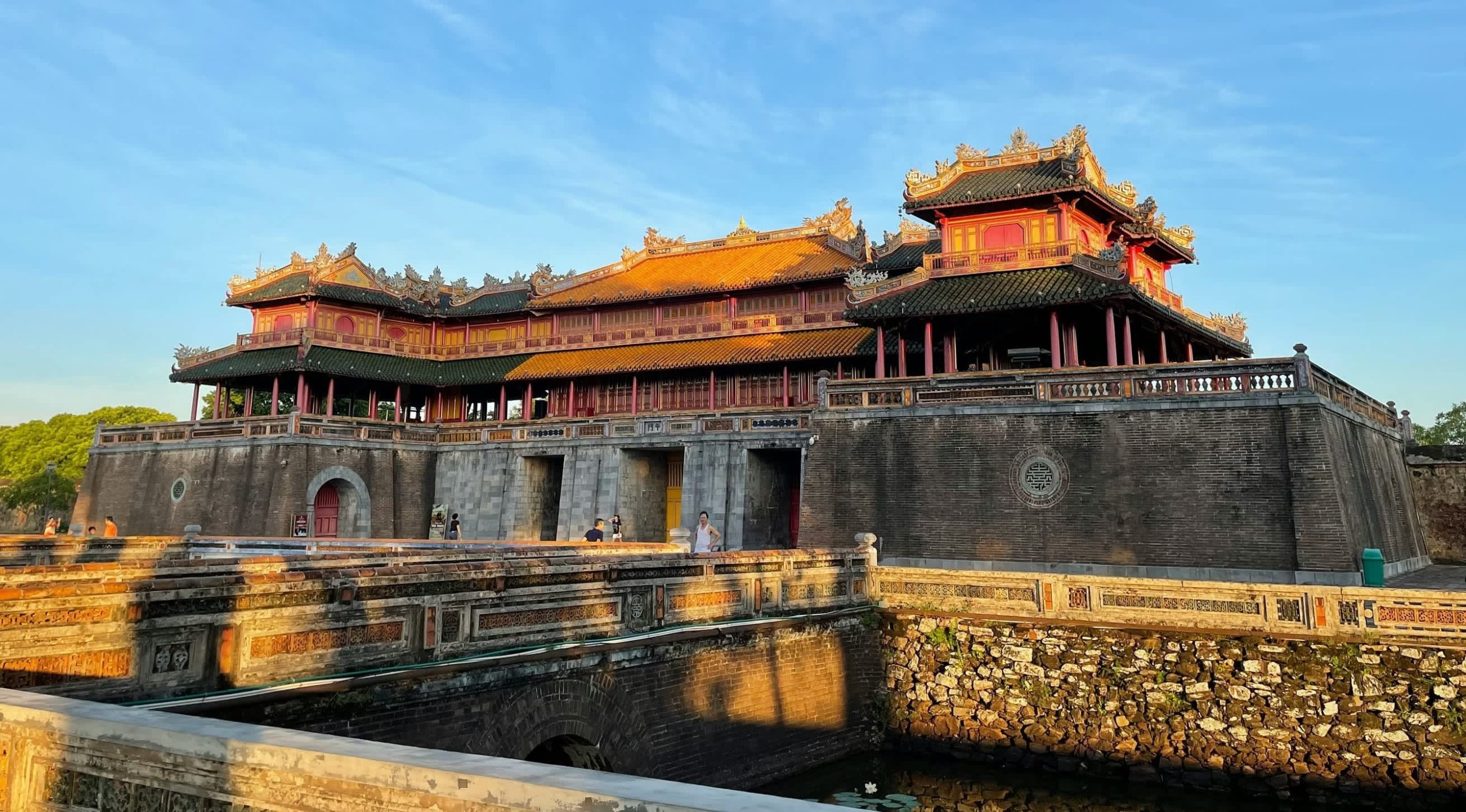
Hue: The former imperial capital is currently undergoing a “royal renaissance” with extensive restorations of the Imperial City. Don’t miss a sunset dragon boat ride on the Perfume River or a taste of the famous Bún Bò Huế.
-
Hoi An: This UNESCO-listed ancient town is best explored by bicycle. Beyond the famous tailors, 2026 travelers are loving immersive cooking classes and the monthly Full Moon Lantern Festival.
-
Da Nang: Now ranked as one of the world’s best places to travel in 2026, the city has upgraded its skyline with new luxury stays like the Nobu Hotel. The Golden Bridge at Ba Na Hills remains its most photogenic landmark.
-
Phong Nha: The gateway to the world’s most magnificent caves. For an unforgettable addition to your Vietnam tour, take a boat through the Phong Nha Cave or trek into the depths of Paradise Cave.
Southern Vietnam
Southern Vietnam is where the traditional “Rice Bowl” of the Mekong meets the neon-lit energy of a modern metropolis. As you craft your Vietnam itinerary for 2026, the South offers a consistent, tropical warmth that makes it a reliable anchor for Vietnam travel throughout the year.
Best Time to Visit Southern Vietnam
The best time to visit Southern Vietnam aligns perfectly from December to April. During this dry season, the humidity is manageable, the skies are a brilliant blue, and the seas around Phu Quoc are calm and crystal clear. While the “Rainy Season” (May–October) brings daily afternoon showers, they are usually brief, and the landscapes of the Delta become incredibly lush and green.
Southern Highlights & Must-See Spots
-
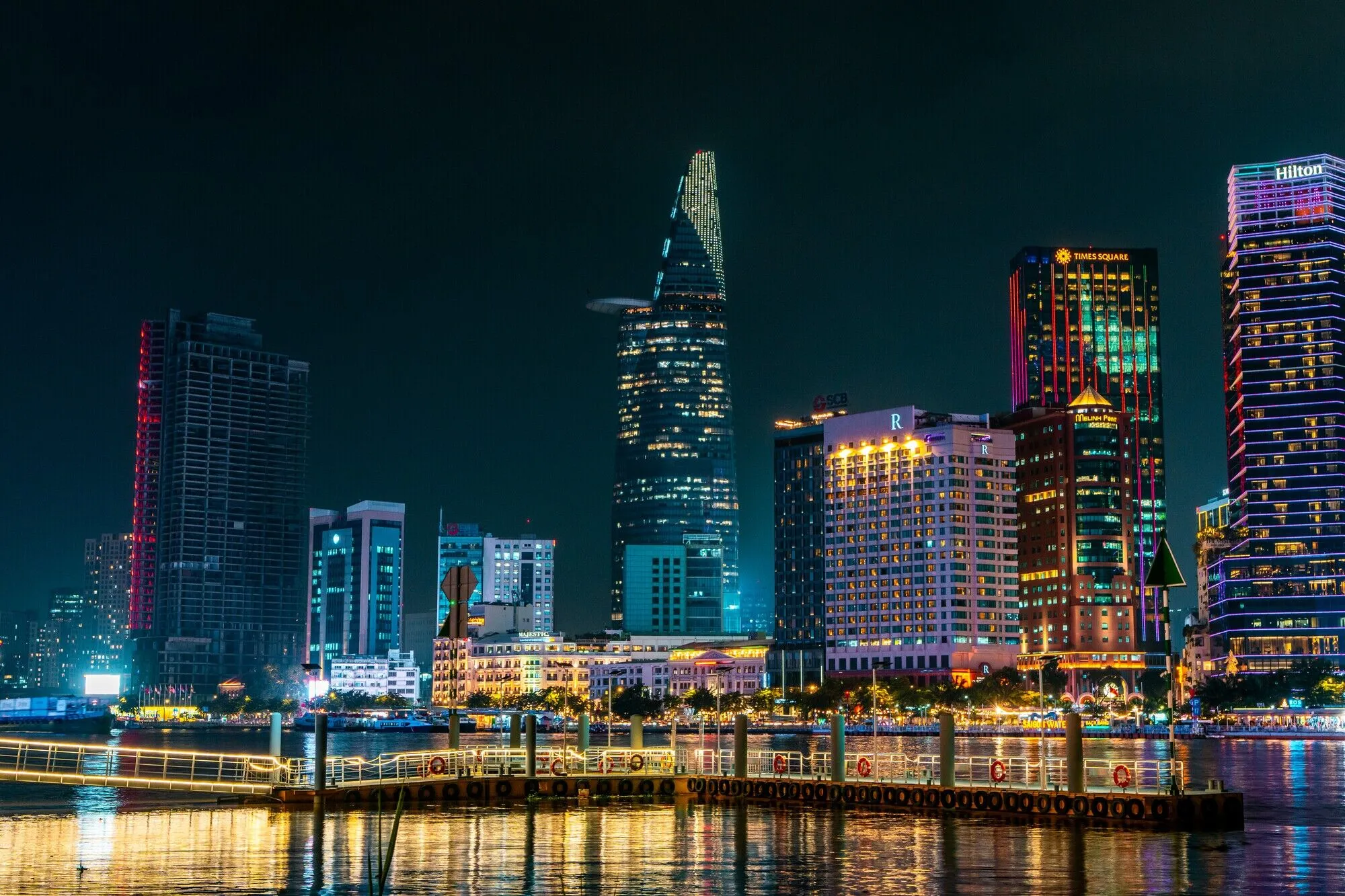
Ho Chi Minh City (Saigon): The “Motorbike City” is a sensory explosion. In 2026, travelers are exploring a mix of history at the War Remnants Museum and the Independence Palace, while catching sunsets from the Bitexco Financial Tower or the new Landmark 81. Don’t miss the “pink church” (Tan Dinh) for the ultimate photo op.
-
Phu Quoc Island: A short flight from Saigon, this “Pearl Island” is the ultimate 2026 beach escape. Rent a motorbike to find hidden gems like Starfish Beach or visit the Vinpearl Safari, one of the largest semi-wild conservation parks in the region.
-
The Mekong Delta: Often the centerpiece of a Vietnam package tour, the Delta is best experienced via a multi-day trip to Can Tho. Wake up early to witness the Cai Rang Floating Market, where hundreds of boats trade tropical fruits and local noodle dishes like Bánh Canh.
When’s the best time to visit Vietnam itinerary?
Peak and Off-Peak Seasons
Choosing when to embark on your Vietnam travel journey in 2026 depends heavily on which regions you plan to include in your Vietnam itinerary. While the “peak season” (November to April) offers the most consistent dry weather nationwide, the “off-peak” months provide unique advantages for the savvy traveler.
| Season | Months | Climate Highlights | Travel Vibe |
| Peak Season | Nov – April | Cool and dry in the North; warm and sunny in the South. | Most popular; higher prices for Vietnam package tours; vibrant festivals like Tet (Jan/Feb). |
| Shoulder Season | May & Oct | Transitional months with moderate rain and pleasant temperatures. | Great balance of lower crowds and decent weather; best for “slow travel.” |
| Off-Peak Season | June – Sept | Hot and humid with tropical downpours; typhoon risks in Central Vietnam (Oct/Nov). | Lush green landscapes; 20–30% lower costs on luxury hotels; fewer tourists at major sites. |
Price Differences
When planning your Vietnam travel for 2026, understanding the price fluctuations between peak and off-peak seasons is essential for your budget. While Vietnam remains a high-value destination, a well-timed Vietnam itinerary can save you significantly, especially on luxury experiences and domestic flights.
2026 Price Comparison: Peak vs. Off-Peak
During the peak season (November to April), increased demand can drive costs up by 10–50%. For example, a round-trip flight from Ho Chi Minh City to Hanoi that normally costs $100 can spike to over $300 during the Lunar New Year (Tet) in February 2026.
| Expense Category | Off-Peak (May–Oct) | Peak (Nov–April) | 2026 Budget Tip |
| 5-Star Hotels | $80 – $150 | $120 – $250+ | Book 3 months early for peak dates. |
| Boutique Stays | $30 – $50 | $50 – $80 | Look for “Last Minute” deals in the North. |
| Domestic Flights | $30 – $60 | $70 – $150+ | Avoid flying during the Tet holiday week. |
| Halong Bay Cruise | $120 – $180 | $150 – $300 | Off-peak often includes “buy 1 get 1” deals. |
Travel Tips: Dos and Don’ts When Visiting Vietnam
Do’s
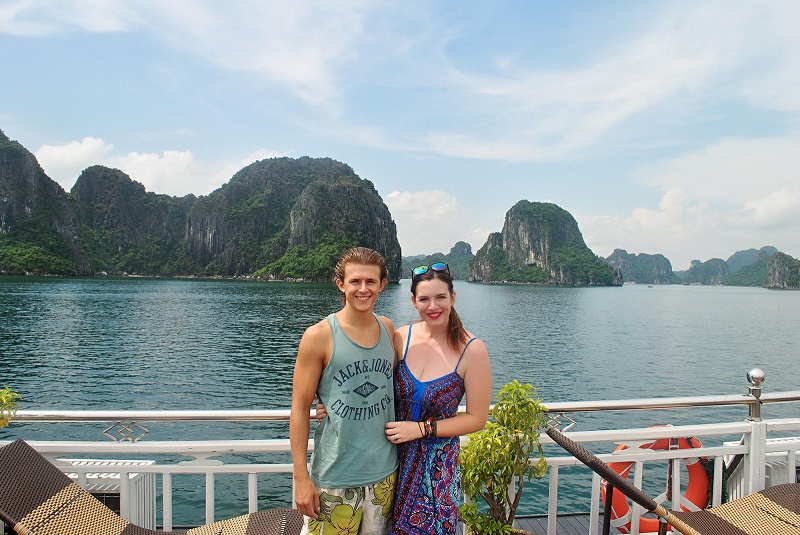
As you prepare for your Vietnam travel adventure in 2026, navigating the local culture with respect is just as important as choosing the right Vietnam itinerary. Vietnamese society is deeply rooted in traditional values, and following these etiquette tips will not only help you blend in but also ensure a smoother, more authentic experience.
Cultural Etiquette: Dressing for Respect
The guiding principle for dressing in Vietnam is modesty. While modern fashion is common in cities like Saigon and Hanoi, revealing clothing is generally discouraged in public spaces.
-
Public Places: Aim for “smart-casual” that covers your shoulders and reaches at least to the mid-thigh. This is especially true for women; dressing too revealingly can draw unwanted attention.
-
Temples & Pagodas: This is where the rules are strictest. You must cover your shoulders and knees. Avoid “beer t-shirts,” tank tops, or short shorts. A lightweight scarf or pashmina is a perfect travel accessory to wrap around your shoulders or waist when entering a sacred site.
-
Footwear: You will often be asked to remove your shoes before entering temples, pagodas, and even some local homes or boutique shops. Follow the “lead of the locals”—if you see a pile of shoes at the door, yours should join them.
Safety & Valuables in 2026
Vietnam is generally very safe, but petty theft like pickpocketing or bag-snatching (especially from motorbikes) can happen in crowded tourist hubs.
-
Secure Your Goods: Keep your Vietnam passport, plane tickets, and bulk cash in your hotel safe. Only carry what you need for the day.
-
Stay Alert: When walking in busy areas like Hanoi’s Old Quarter or District 1 in HCMC, hold your bag across your front and be discreet when using expensive smartphones near the road.
-
Reputable Services: For peace of mind, book your Vietnam package tour through established companies like Saigontourist, Vietravel, or reputable international operators like G Adventures. For daily transport, stick to authorized apps like Grab, Be, or the electric Xanh SM taxis to avoid overcharging.
Health & Hydration
The tropical heat can be intense, especially during the best time to visit Thailand and Vietnam (November–April).
-
Drink Bottled Water: Never drink tap water. Bottled water is ubiquitous and very cheap (around 10,000 VND). You don’t need to carry a gallon—vendors are “never far away” in cities and even at remote temple sites.
-
Sun Protection: Vietnamese locals often wear long sleeves and masks even in the heat to protect their skin. Emulate this by wearing breathable linens and plenty of sunscreen.
Don’ts
As you fine-tune your Vietnam travel plans for 2026, keeping these social and safety nuances in mind will help you move through the country with ease and confidence. Vietnamese culture is deeply rooted in the concept of “Face” and mutual respect, which influences everything from how you dress to how you handle a disagreement.
Safety: Protecting Your Valuables
While violent crime is exceptionally rare in Vietnam, petty crimes like pickpocketing or bag snatching can occur in high-traffic areas.
-
Jewelry & Wealth: It is wise to limit wearing expensive jewelry, watches, or gold chains in public. Not only can this draw unwanted attention from “snatchers” on motorbikes, but it is also seen as a bit impolite to flaunt wealth in a culture that values modesty.
-
The “Xe Ôm” Strategy: When taking a motorbike taxi (xe ôm) or even walking near the road, keep your bag tucked away. If you have a cross-body bag, wear it in front of you or on the side furthest from the traffic. In the rare event of a snatch attempt, the safest advice is to let the bag go to avoid being pulled into traffic.
-
Tech Safety: Be discreet when using your smartphone on busy street corners. Step inside a shop or a café if you need to check your Vietnam itinerary on a map.
Social Etiquette: “Face” and Affection
Understanding the social fabric will make your interactions much more rewarding.
-
The Concept of “Face”: In Vietnam, “saving face” (preserving dignity) is paramount. If a situation becomes frustrating—like a delayed bus or a pricing misunderstanding—losing your temper means losing face. Shouting or being aggressive will usually cause the other person to shut down. Remaining calm, polite, and smiling will almost always get you a better result.
-
Public Displays of Affection (PDA): Vietnam remains a relatively conservative society. While holding hands is perfectly fine, excessive hugging or kissing in public is generally frowned upon, especially in rural areas or near religious sites.
-
Respectful Communication: When giving or receiving items (like your Vietnam passport at a hotel or money at a market), using both hands is a small gesture that shows a high level of respect.
FAQs
1. Vietnam Journey – How Long to Budget?
I think two weeks in Vietnam is the minimum time to explore the South, Central, and North of Vietnam. If you have less time than this, you should stick to one region of Vietnam, such as the North. But if you have a month, you can explore more of this country without feeling rushed. If your vietnam itinerary vacation lasts from two weeks to a month, you can visit all three regions of Vietnam.
2. What’s Great About Vietnam?
Many travelers love this country for its cuisine, people, landscapes, and culture. Vietnam is a long, beautiful country rich in culture and wonders. It’s always one of the most worthwhile countries to visit in Asia.
3. Is Traveling in Vietnam Safe?
Vietnam is a friendly and safe country for travel. Your journey will be trouble-free and smooth in most cases. Travelers often complain about overly aggressive street vendors, dangerous driving, and tour operators with poor attitudes. But with proper planning and a clear head, you can avoid these issues.
Read more: Exploring the top 15 best travel agency in the world
Vietnam Tour 247 – The best travel agency in Vietnam
At Vietnam Tour 247, we pride ourselves on being more than just a travel agency; we are your gateway to a Vietnam filled with undiscovered treasures and profound cultural experiences. As part of our commitment to showcasing the very essence of Vietnam, we meticulously craft each itinerary to ensure a journey that’s not only immersive but deeply personal. Our passion for Vietnam shines through in every tour we offer, from the serene beauty of Halong Bay to the vibrant streets of Ho Chi Minh City.

Our team, comprised of locals with an intimate knowledge of Vietnam, is eager to share the hidden corners and stories of our homeland. We believe in creating experiences that go beyond the surface, offering a glimpse into the soul of Vietnam, where every meal, every alleyway, and every sunset tells a story.
Your satisfaction and the sustainability of our beautiful country are at the heart of everything we do. We strive to make each trip not only memorable for our guests but also beneficial to the local communities and respectful of the environment.
Choosing Vietnam Tour 247 means embarking on a journey where every detail is taken care of, allowing you to connect, explore, and discover the true spirit of Vietnam. We’re not just showing you Vietnam; we’re inviting you to experience it with us, creating memories that will last a lifetime. Join us, and let’s explore the wonders of Vietnam together.
Embarking on the “Ultimate Vietnam Itinerary From The North To The South” offers travelers an unparalleled journey through Vietnam’s heart and soul. This meticulously crafted tour encapsulates the essence of Vietnam, from Hanoi’s bustling streets and Halong Bay’s tranquil waters to the historic allure of Hoi An and the dynamic vibrancy of Ho Chi Minh City. Concluding this exquisite journey, travelers will leave with not just memories but a deep connection to the land and its people, having truly experienced the diversity and richness of Vietnam. This is more than just a trip; it’s a voyage through history, culture, and natural beauty, capturing the very best of Vietnam.
Read more:
Luxury Southern Vietnam & Nha Trang Beach – 07 Days
Vietnam Timeless Charm – 5 Days
The Central Heritage sites | Classic package tour from Quang Binh – 06 Days