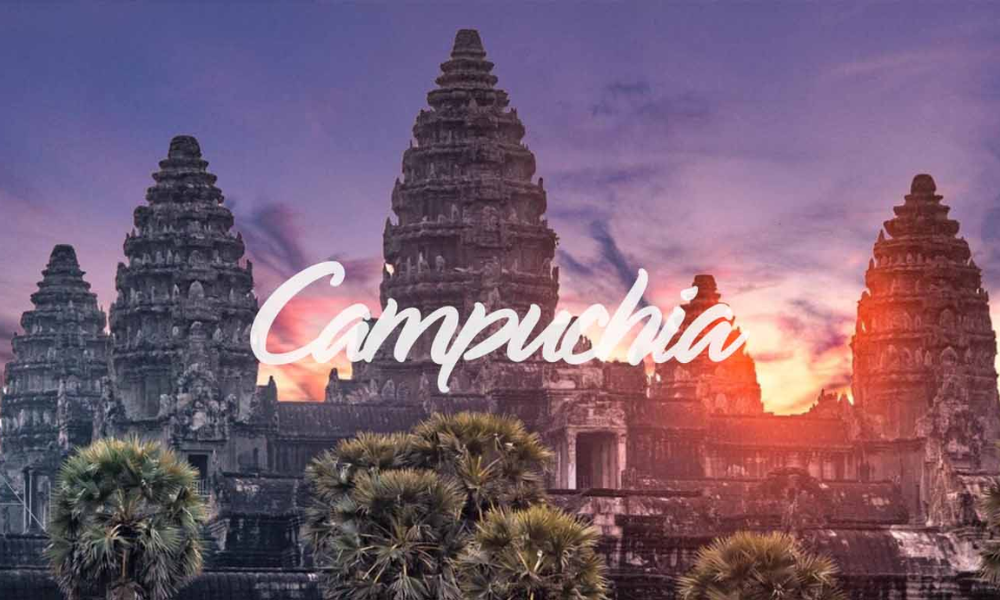
Located in the heart of Angkor Thom, Bayon Temple is one of the most iconic and mysterious sites in Cambodia. Known for its giant smiling stone faces, this temple offers a unique blend of history, architecture, and spiritual symbolism. Explore the following guide with Vietnamtour247 to discover the history, highlights, and travel tips for visiting this temple.
Overview of Bayon Temple
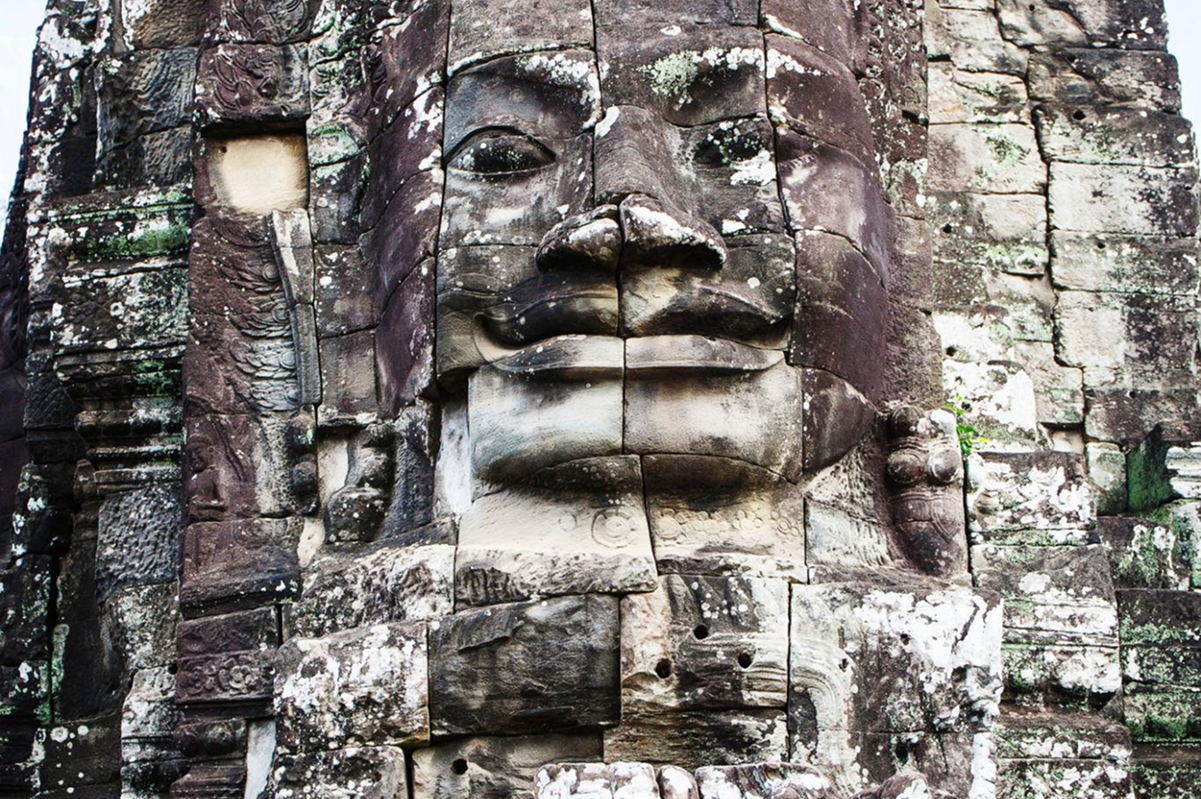
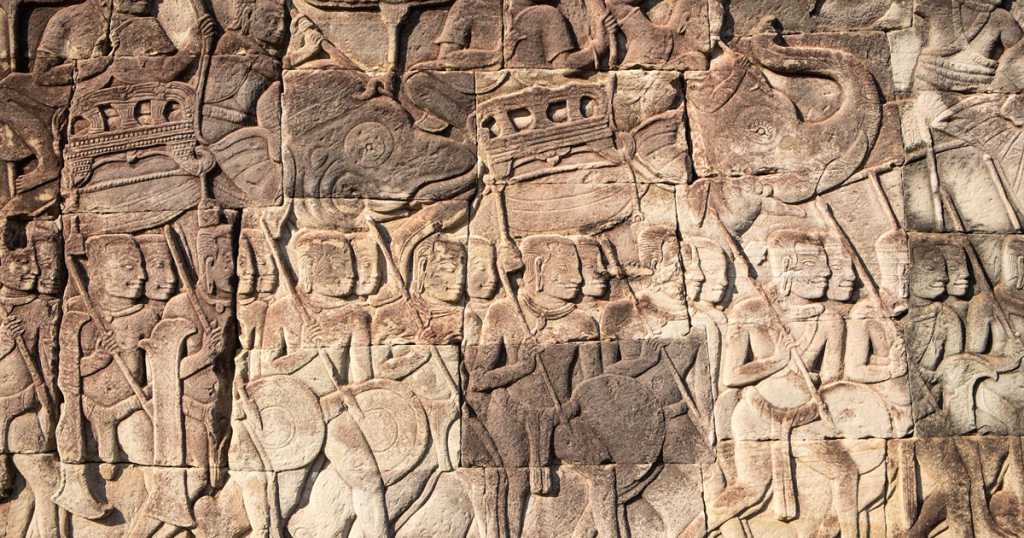
Located in the heart of Angkor Thom, just a short distance from Angkor Wat, Bayon Temple is one of the most iconic and mysterious sites in Cambodia. Often referred to as the “face temple,” Bayon is famous for its 216 giant stone faces believed to represent Avalokiteshvara, each carved with a serene and enigmatic smile. The temple features a complex, multi-level design that feels like a maze, inviting visitors to explore its narrow corridors and hidden corners. Its detailed bas-reliefs vividly depict scenes of everyday Khmer life, battles, and historical events, offering a rare glimpse into the past. Beyond its architectural beauty, Bayon holds deep religious and historical significance, reflecting both spiritual devotion and the power of the Khmer Empire.
History
- Built in the late 12th to early 13th century under King Jayavarman VII
- Originally dedicated to Mahayana Buddhism
- Later modified to reflect Hindu and Theravada Buddhist influences
- Evolved over time, showing layers of religious and cultural transition
Bayon Temple was constructed during the reign of King Jayavarman VII, one of the most powerful rulers of the Khmer Empire. Initially a Mahayana Buddhist temple, it symbolized both religious devotion and royal authority. Over the centuries, as Cambodia’s dominant religion shifted, the temple was gradually adapted, incorporating elements of Hinduism and later Theravada Buddhism. These changes are still visible today, making Bayon not just an architectural masterpiece but also a reflection of Cambodia’s evolving spiritual history.
How to Get to
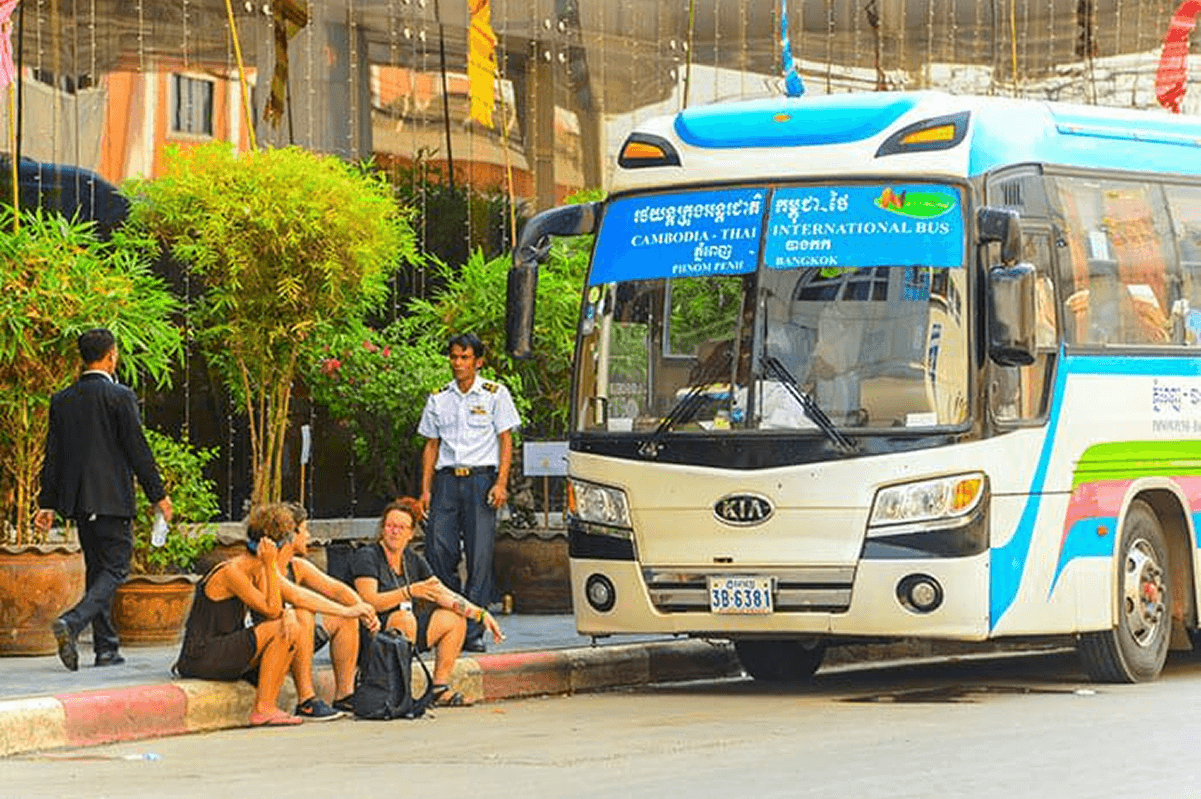
Reaching Bayon Temple is easy from Siem Reap, which is located about 10–15 minutes away. The most popular way to get there is by tuk-tuk, offering a convenient and affordable option for exploring the Angkor complex. You can also rent a bicycle if you prefer a more active experience, or join a guided tour for deeper insights into the temple’s history. Bayon is included in the Angkor Pass, so you can visit it along with other famous sites like Angkor Wat and Ta Prohm within the same ticket.
Top Things to Do at Bayon Temple
Admire the Giant Stone Faces
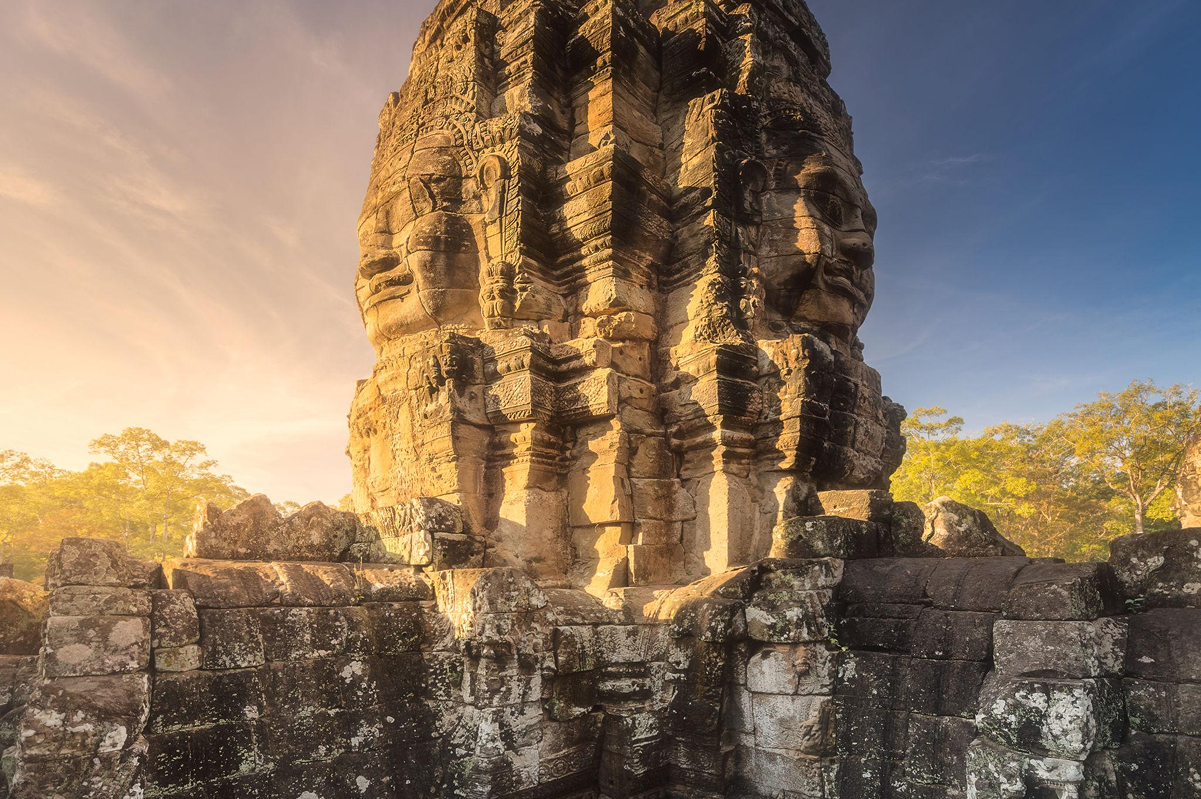
The most iconic feature of Bayon Temple is its 216 massive stone faces, each carved with a calm and mysterious smile. Walking among these towers creates a surreal experience, especially when the faces seem to “follow” you from different angles.
Explore the Bas-Reliefs
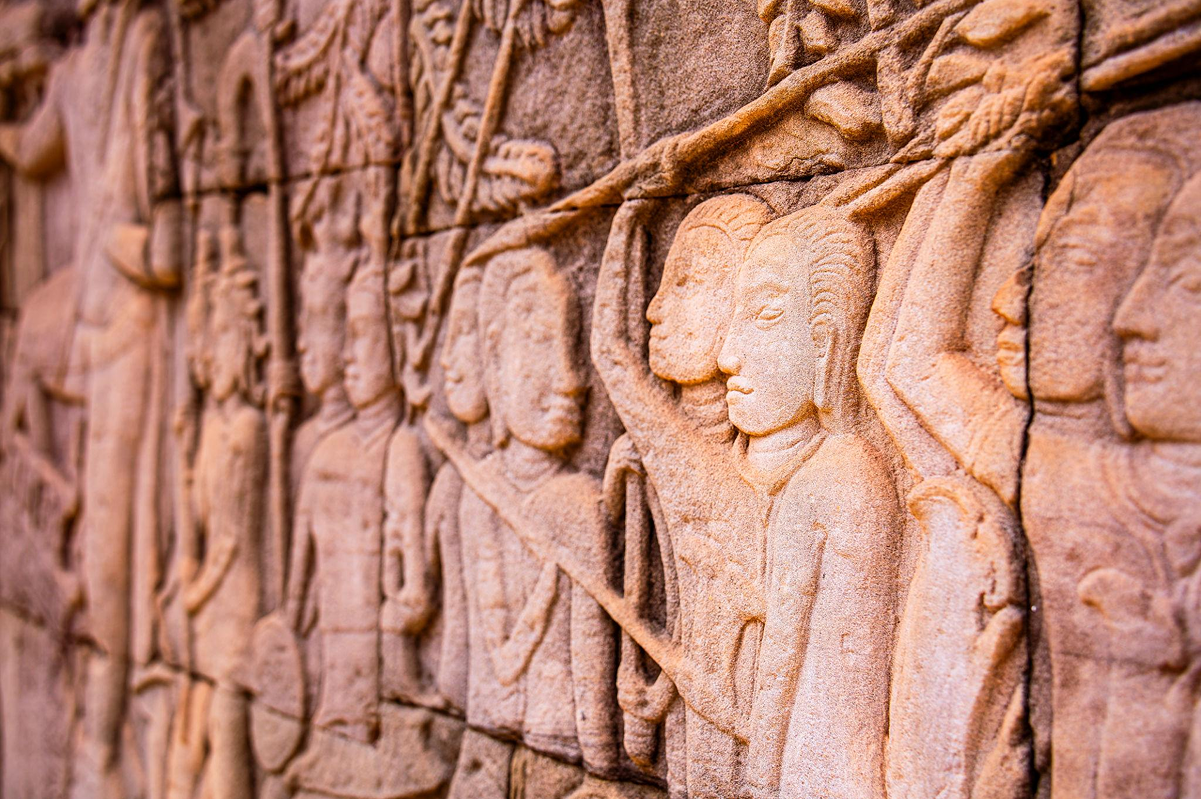
One of the most fascinating highlights of Bayon Temple is its incredibly detailed bas-reliefs carved along the temple walls. These carvings bring ancient Khmer history to life, showcasing everyday scenes such as farming, fishing, and bustling local markets, alongside dramatic depictions of battles and royal processions.
Walking along these stone galleries gives you a deeper understanding of Cambodia’s past, revealing not only religious beliefs but also the social and cultural life of the Khmer Empire. It’s like stepping into an ancient visual storybook that has been preserved for centuries, making it one of the most meaningful experiences inside Bayon Temple.
Take Photos from Different Angles
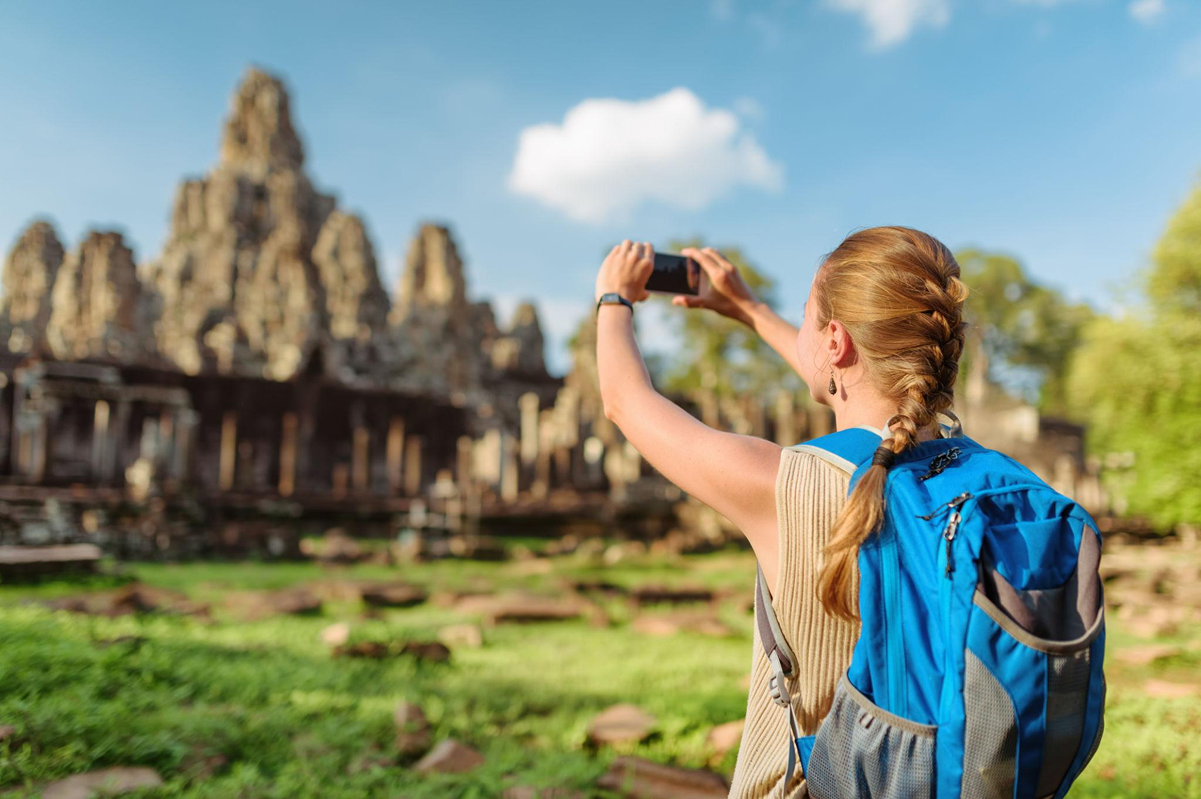
Bayon is a true paradise for photography lovers, thanks to its unique architecture and ever-changing natural light. In the early morning, soft golden light highlights the serene expressions of the giant stone faces, while later in the day, stronger sunlight creates dramatic shadows that add depth and mystery to the structures.
Exploring different levels and corners of the temple allows you to capture a variety of perspectives—from wide shots of towering stone faces to close-up details of weathered carvings. Each angle reveals a new mood, making Bayon one of the most photogenic and rewarding spots in the entire Angkor complex.
Wander Through the Maze-Like Corridors
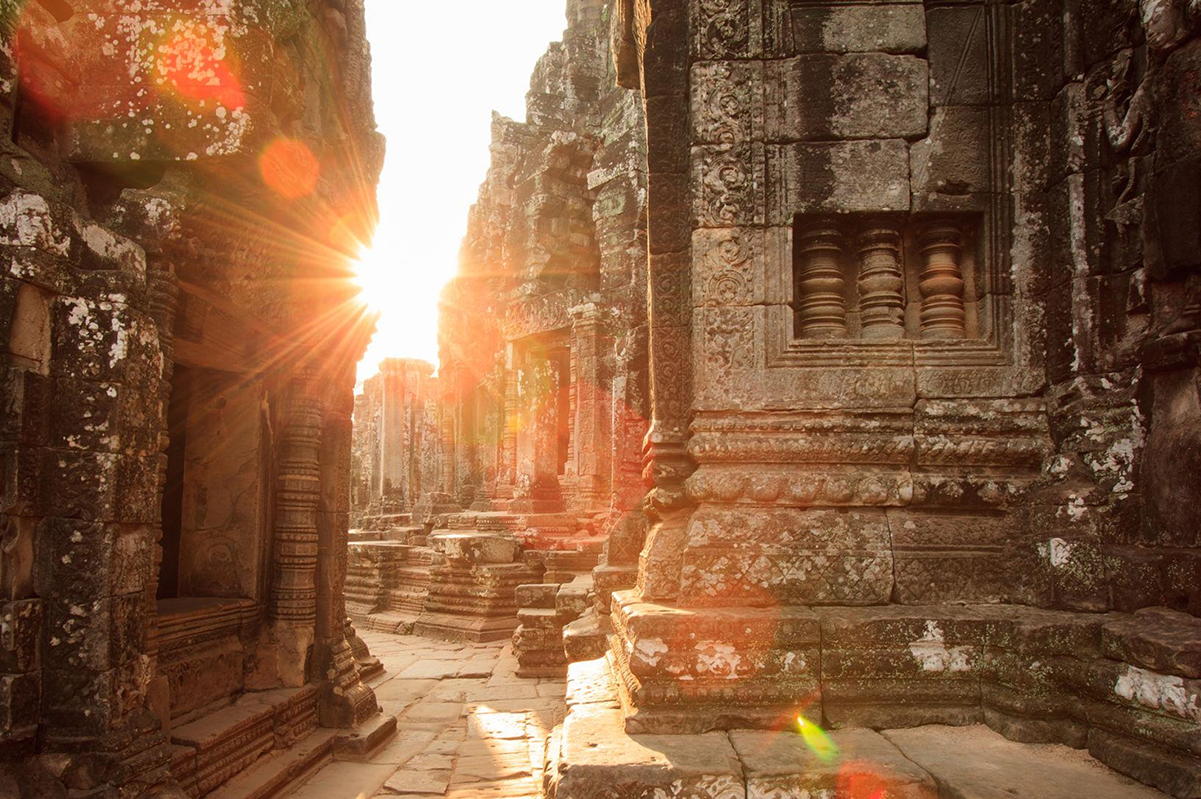
The Temple is not just famous for its stone faces, but also for its surprisingly complex layout. One of the most engaging experiences is simply wandering through its maze-like structure, where narrow corridors, tight passageways, and hidden staircases create a sense of discovery at every turn.
As you move deeper into the temple, the atmosphere becomes more mysterious and immersive, almost like exploring an ancient stone labyrinth. This layered design encourages slow exploration, letting you notice small details, unexpected carvings, and quiet corners that many visitors often miss.
Observe Local Rituals and Monks
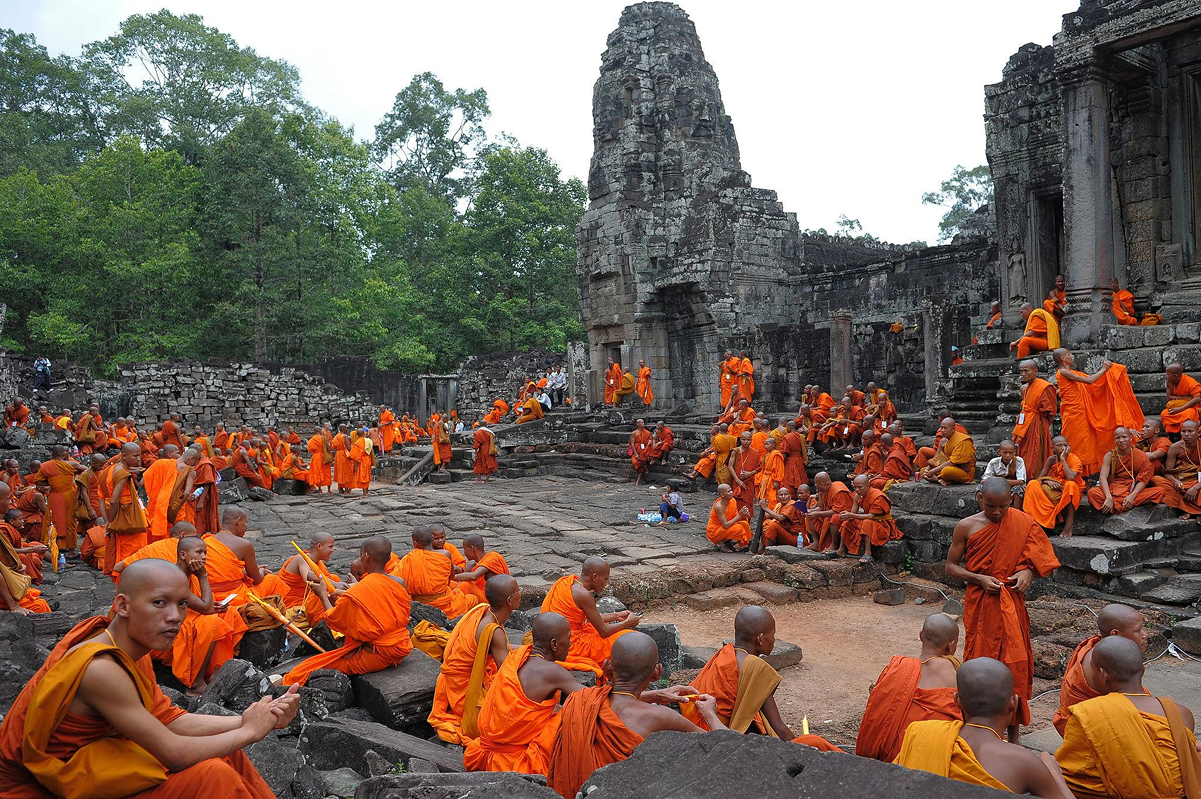
Bayon Temple is still an active spiritual space, so it’s not uncommon to see monks or local visitors quietly offering prayers or making small offerings in certain areas of the temple. These moments are simple yet meaningful, reflecting the living spiritual traditions that continue alongside the site’s historical significance.
If you encounter these scenes during your visit, observing them respectfully adds a deeper cultural dimension to your experience. Keeping a quiet distance and being mindful of ongoing rituals allows you to appreciate the spiritual atmosphere while also understanding how deeply Buddhism remains connected to daily life in Cambodia.
Combine with Nearby Angkor Thom Highlights
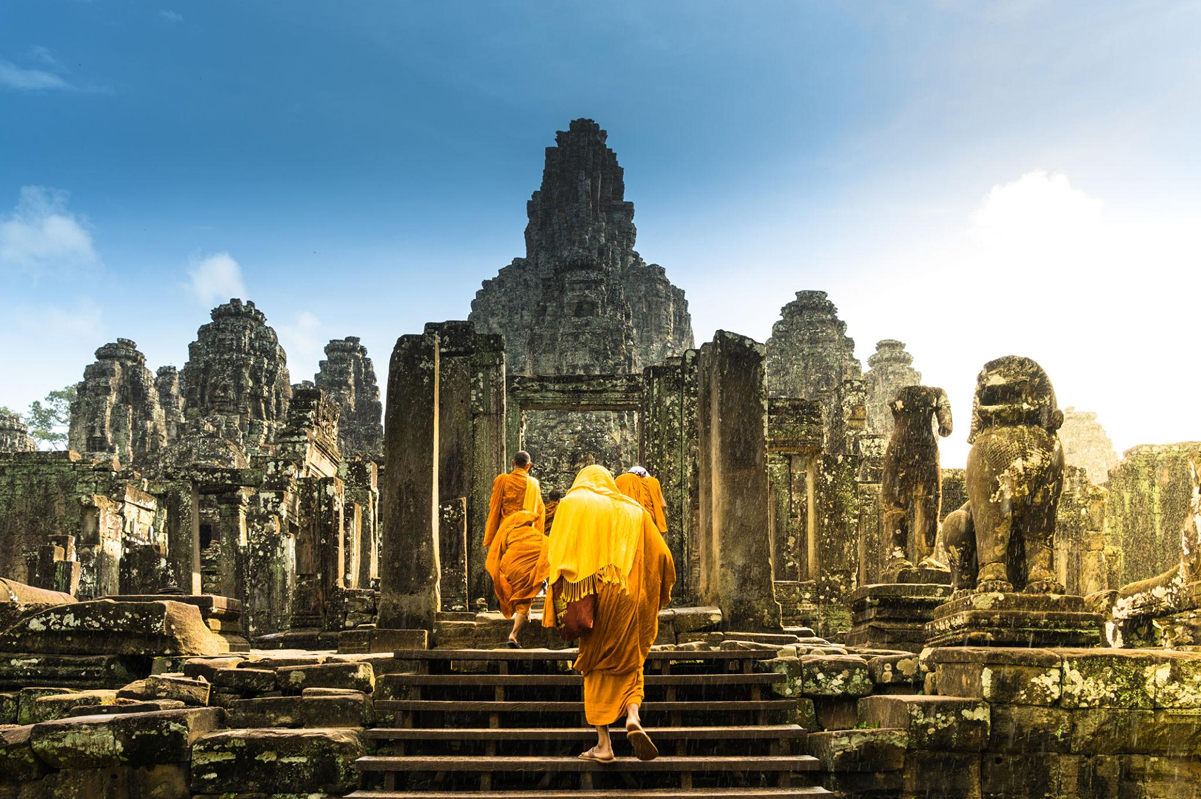
Because Bayon Temple is located right at the heart of Angkor Thom, it’s very easy to combine your visit with other nearby highlights in the same area. This makes your exploration more efficient and allows you to experience multiple iconic sites in one journey.
Just a short distance away, you can pass through the impressive South Gate, visit the massive structure of Baphuon Temple, or walk along the historic Terrace of the Elephants, once used for royal ceremonies. Together, these landmarks create a complete picture of the Khmer Empire’s grandeur and make your visit to Bayon even more rewarding.
Best Time to Visit Bayon Temple
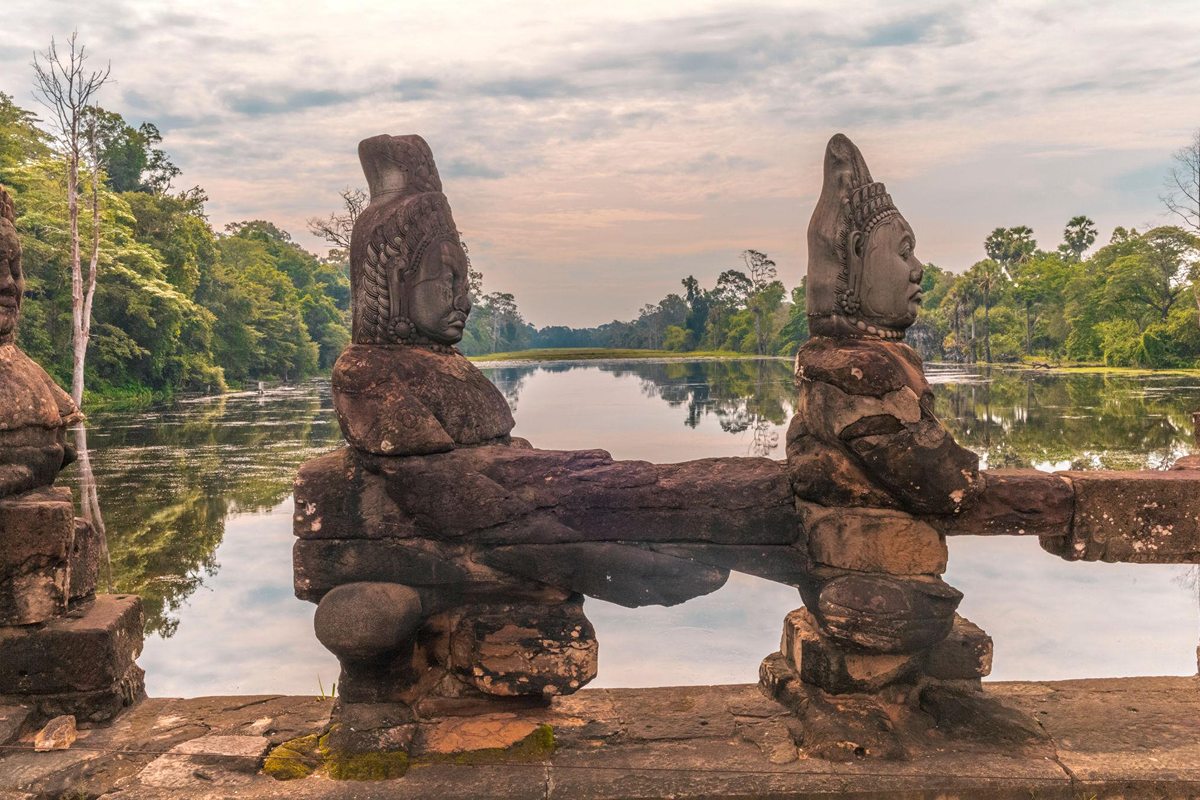
The best time to visit Bayon Temple depends on both the time of day and the season, as these factors can greatly affect your overall experience.
Visiting early in the morning is highly recommended if you want to enjoy a quieter and more peaceful atmosphere. The soft morning light also makes the stone faces look more mystical and is perfect for photography. Alternatively, late afternoon is another great option, when the sunlight becomes warmer and less harsh, creating beautiful golden tones across the temple.
In terms of seasons, the dry season (November to April) offers the most comfortable conditions, with clear skies and less humidity—ideal for exploring the temple complex. Meanwhile, the rainy season (May to October) brings fewer tourists and lush green surroundings, giving Bayon a more dramatic and atmospheric look, especially after light rain.
To have the best experience, it’s important to avoid peak hours, usually from mid-morning to early afternoon, when tour groups arrive and the heat becomes intense. Planning your visit outside these hours will help you enjoy the temple more comfortably and capture better photos.
Nearby Attractions
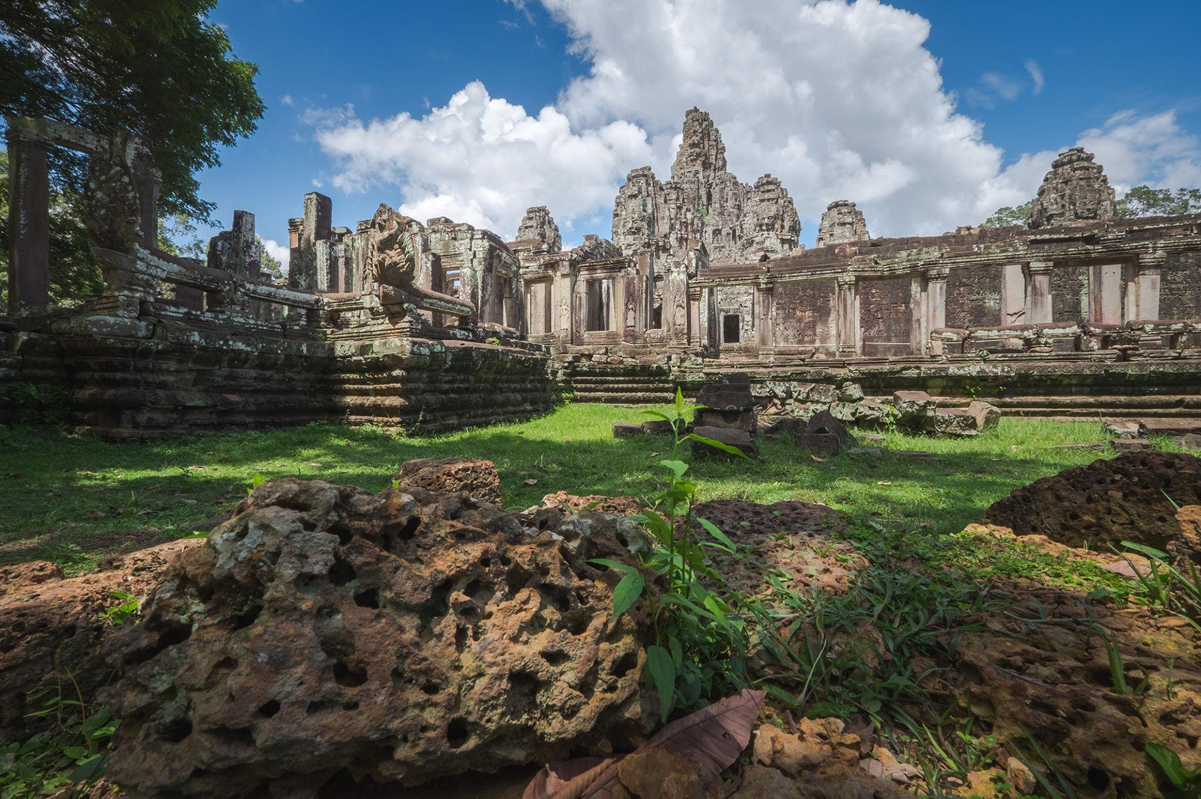
Bayon Temple is located right in the center of the ancient city of Angkor Thom, which makes it one of the most convenient temples to explore multiple iconic attractions in a single trip. Most of the surrounding sites are within walking distance or just a short tuk-tuk ride away, and they are all included in the same Angkor Pass. This compact layout allows visitors to experience the highlights of the Angkor Archaeological Park without spending too much time on transportation.
Within Angkor Thom itself (0 km), Bayon sits at the symbolic heart of the ancient capital of the Khmer Empire. From here, you can easily continue your journey to the impressive South Gate with its giant stone faces, the massive and historically significant Baphuon Temple, or the elegant Terrace of the Elephants, once used for royal ceremonies and public events. Each site is unique, yet they all reflect the grandeur and architectural mastery of the Khmer civilization.
Just around 1.5 km away (about 5–10 minutes by tuk-tuk), you’ll find Angkor Wat, the most famous landmark in Cambodia. Many travelers choose to start their day here for sunrise before continuing to Bayon, creating a perfectly balanced itinerary that combines spiritual atmosphere and architectural magnificence in one loop through the Angkor complex.
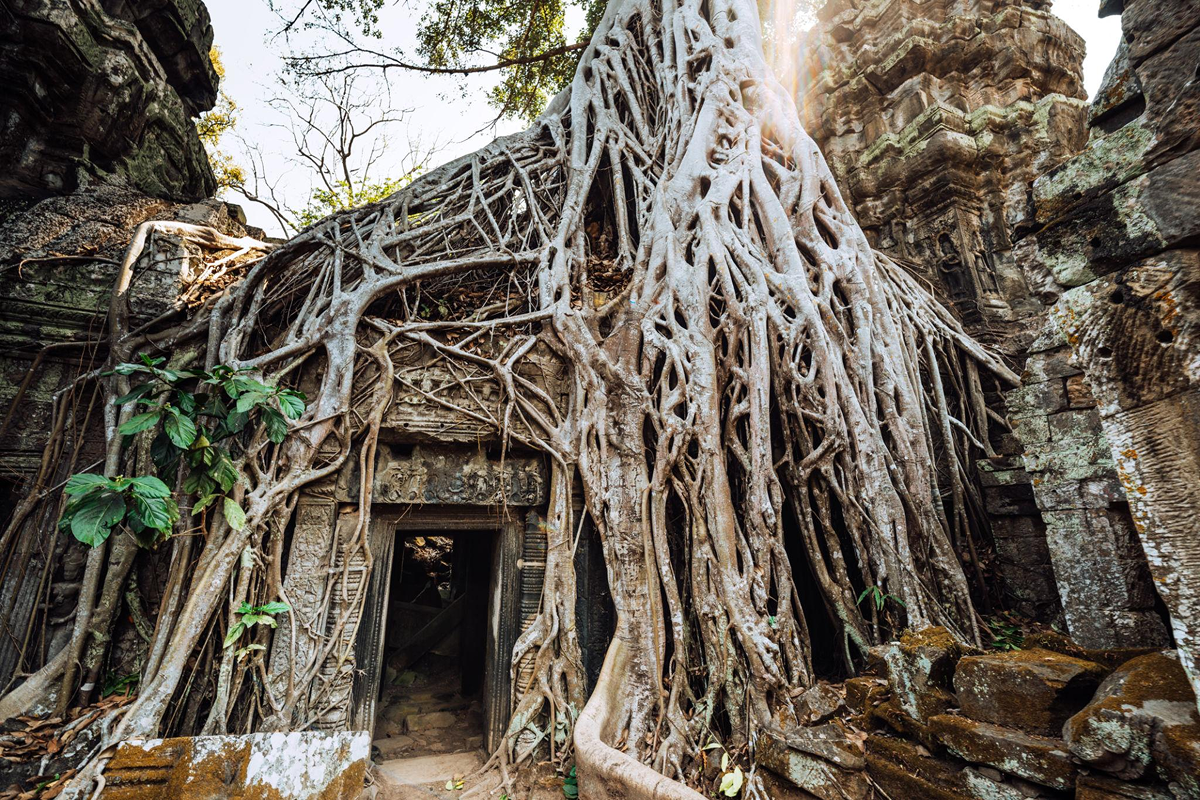
Another must-visit nearby site is Ta Prohm, located roughly 1 km away (about 5 minutes by tuk-tuk). Known for its dramatic jungle setting, where massive tree roots grow over ancient ruins, Ta Prohm offers a completely different mood compared to Bayon’s orderly structure and carved stone faces, making the contrast especially memorable.
Overall, these attractions are all clustered within a compact area of the Angkor Archaeological Park, allowing you to explore Bayon Temple, Angkor Thom, Angkor Wat, and Ta Prohm in a single day without long travel times—making the experience both efficient and unforgettable.
Travel Tips for Visiting Bayon Temple
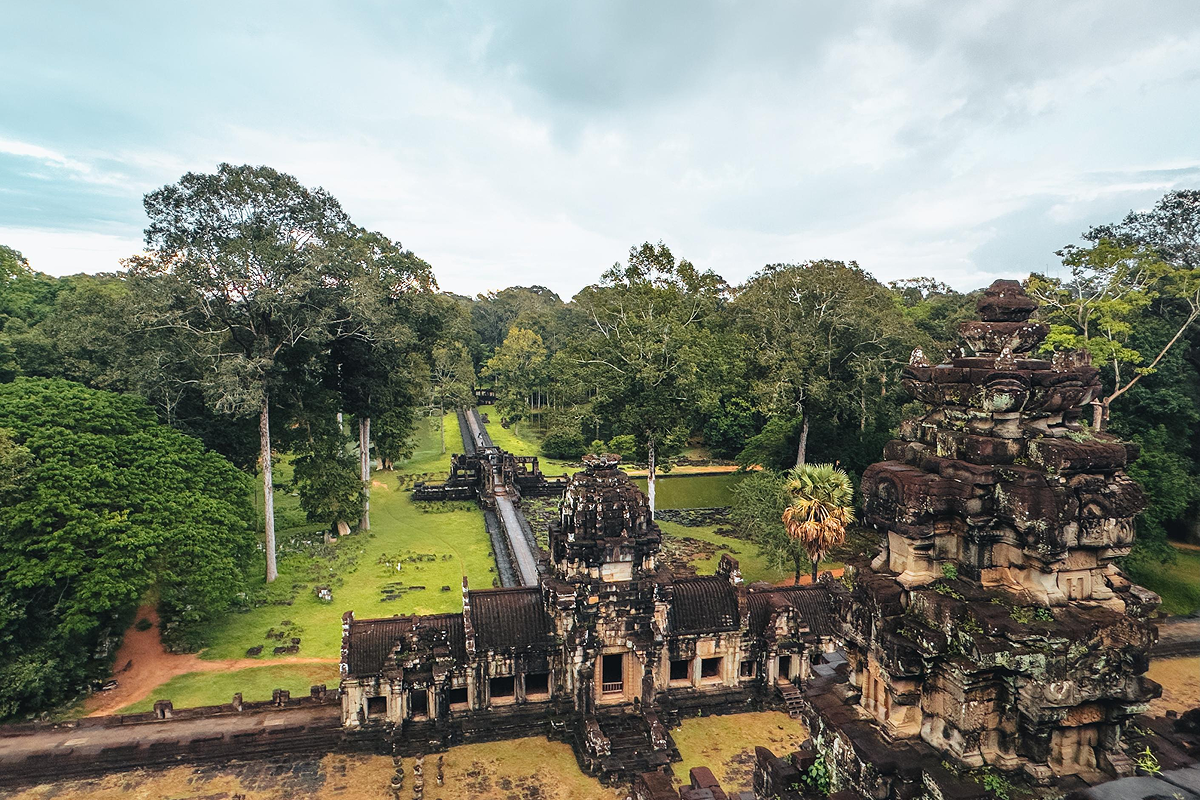
Before exploring Bayon Temple, it’s helpful to prepare a few essentials to make your visit more comfortable and enjoyable. From dress code to timing and practical tips, a little planning can greatly enhance your experience at one of Angkor’s most iconic temples.
- Dress modestly and respectfully: Make sure your shoulders and knees are covered, as Bayon is still a sacred religious site.
- Bring water and sun protection: The heat can be intense, so pack water, sunscreen, and a hat to stay comfortable.
- Combine your visit with Angkor Wat: Bayon is located within Angkor Thom, making it easy to visit alongside Angkor Wat.
- Wear comfortable shoes: Expect uneven paths and steep steps, so proper footwear is important.
- Visit early or late in the day: Avoid crowds and harsh sunlight by going in the morning or late afternoon.
Why Choose Vietnamtour247 for Visiting Bayon Temple
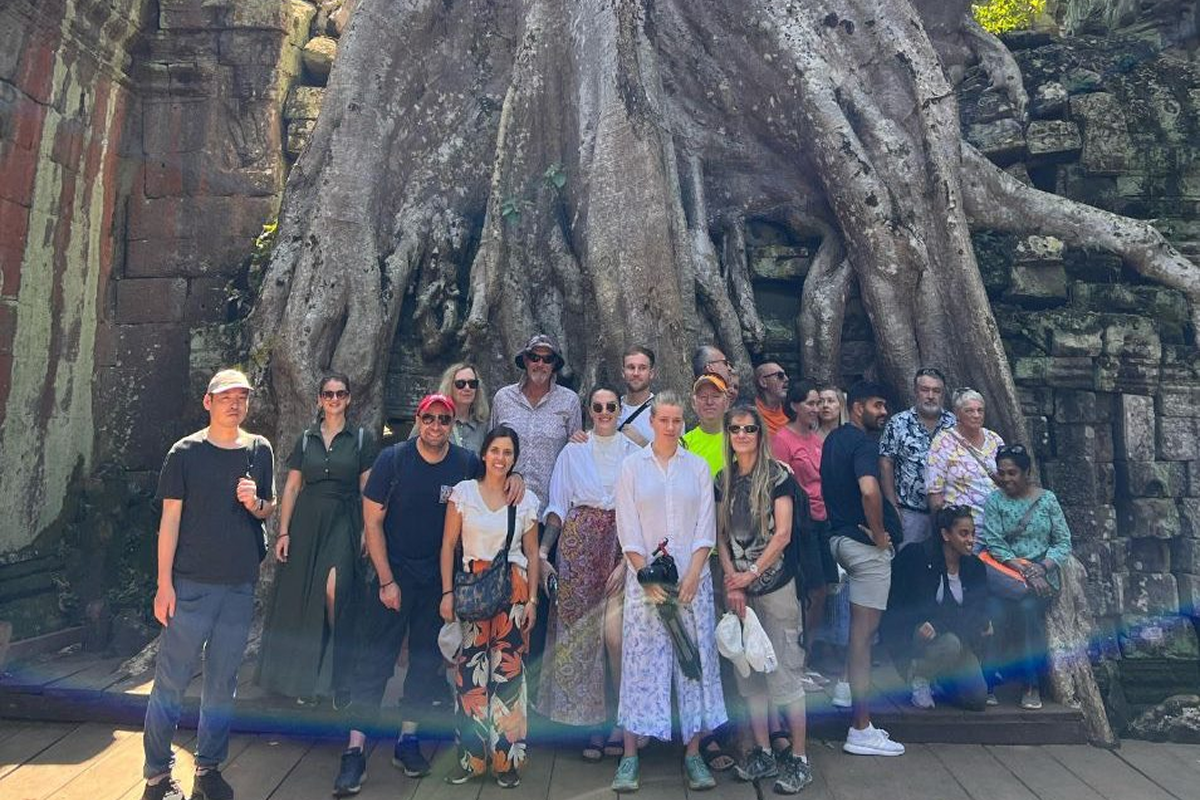
Choosing the right travel partner can make a big difference when exploring iconic sites like Bayon Temple and the wider Angkor complex. With Vietnamtour247, travelers get more than just a standard tour—you get a well-organized, informative, and stress-free journey designed to help you truly understand the history and culture behind each destination.
Vietnamtour247 has years of experience operating Indochina tours, with a strong focus on Cambodia’s top attractions. Their professional guides are carefully trained, not only in navigation and logistics but also in storytelling, ensuring that every temple visit becomes more meaningful. At Bayon Temple, for example, guides help you understand the symbolism of the 216 stone faces, the history of Angkor Thom, and the hidden details that many travelers might easily miss on their own.
In addition, the company provides a fully arranged experience including comfortable transportation, optimized itineraries, ticket assistance, and flexible support throughout the journey. Everything is planned to save your time and reduce travel stress, especially in busy areas like Siem Reap and the Angkor Archaeological Park.
Book your Bayon Temple experience with Vietnamtour247 today and enjoy a smoother, richer, and more insightful journey through Cambodia’s ancient wonders.
FAQs – Frequently Asked Questions About Bayon Temple
Why is this temple famous?
Bayon Temple is best known for its 216 giant stone faces carved into towering structures, each with a calm and mysterious smile. This unique design, along with its detailed bas-reliefs and central location in Angkor Thom, makes it one/ of the most iconic temples in Cambodia.
How many faces are there
There are 216 stone faces at Bayon, believed to represent Avalokiteshvara, the Bodhisattva of compassion. These faces are carved on dozens of towers, creating the temple’s signature “face temple” appearance.
Is it worth visiting?
Absolutely. While Angkor Wat often gets the spotlight, Bayon offers a completely different experience with its maze-like layout, artistic carvings, and peaceful yet mysterious atmosphere. It’s a must-visit for anyone exploring Angkor.
How long to spend at Bayon?
Most visitors spend 1 to 2 hours exploring. This gives you enough time to walk through the corridors, admire the carvings, and take photos without rushing.
When is the best time of day to visit?
The best time to visit is early morning or late afternoon, when the weather is cooler and the crowds are smaller. These times also offer the best lighting for photography, especially for capturing the temple’s famous stone faces.
Conclusion
Bayon Temple is truly a must-see highlight within the Angkor complex. With its iconic smiling stone faces, maze-like structure, and rich historical meaning, Bayon offers an experience that feels both mysterious and unforgettable. Whether you’re exploring it alongside Angkor Wat or as part of a full Angkor itinerary, Bayon is one of those places that leaves a lasting impression long after your trip ends.
Book your tour with Vietnamtour247 for a seamless and enriching experience
- Website: Vietnamtour247
- Fanpage: Vietnamtour247
- Hotline: (+84) 979133907
- WhatsApp: (+84) 916289247