Explore indoor climbing with Vietnamtour 247, a Vietnam mountain hiking guide for beginner hiking in Vietnam and first time hiking in Vietnam.
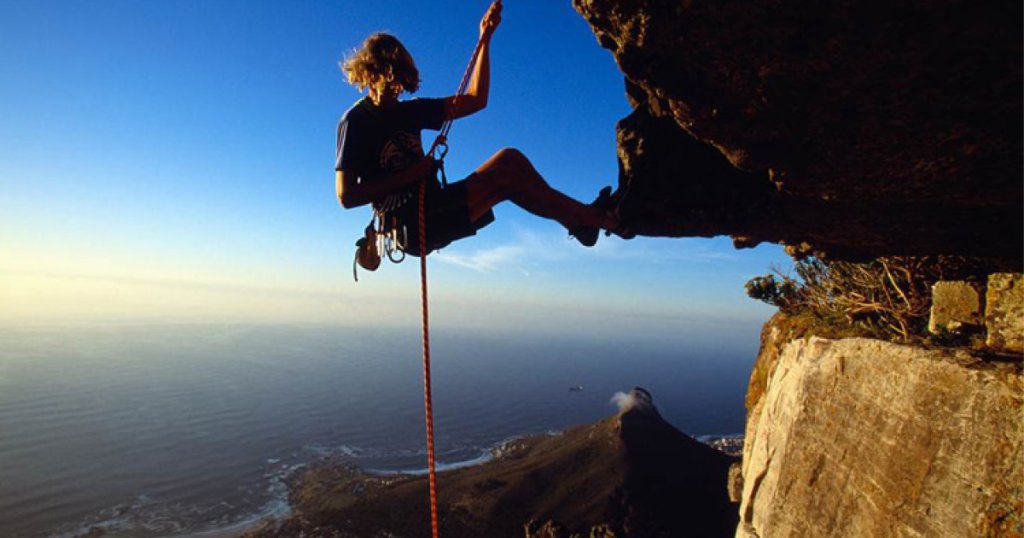
Indoor mountain climbing has become a hot topic across entertainment and lifestyle forums, especially among young adventure lovers. As part of the Vietnam mountain hiking guide trend, this activity offers a fresh and exciting way to challenge physical endurance, mental strength, and personal limits. For those interested in beginner hiking in Vietnam or preparing for the first time hiking in Vietnam, indoor climbing is an ideal starting point to build stamina, improve flexibility, and burn calories safely before heading to real mountain trails. Vietnamtour 247 brings you essential insights to start your journey with confidence and excitement.
1. Why Is It Important to Understand Mountain Hiking Experience?
Equipping yourself with solid knowledge and practical experience is not just a basic preparation step, it is a decisive factor that determines safety, success, and enjoyment in every hiking journey. This is especially true for anyone following a Vietnam Mountain Hiking Guide, where terrain and climate can vary dramatically.
- Ensure Maximum Safety
Mountain environments always carry unpredictable risks, from rugged terrain and sudden weather changes to encounters with wildlife. Understanding hiking experience helps you identify potential dangers, prevent accidents, and respond effectively to emergency situations such as injuries, getting lost, or dealing with insects and wild animals. For those interested in Beginner Hiking in Vietnam or First Time Hiking Vietnam, safety awareness is the most critical foundation.
- Enhance the Exploration Experience
With thorough preparation and confidence in your skills, you can reduce unnecessary worries along the trail. This allows you to fully immerse yourself in the majestic beauty of nature—breathing fresh mountain air, admiring breathtaking landscapes, and enjoying the peaceful silence of the forests. A well-prepared hiker gains more than a destination; they gain a complete experience.
- Personal Growth and Pushing Limits
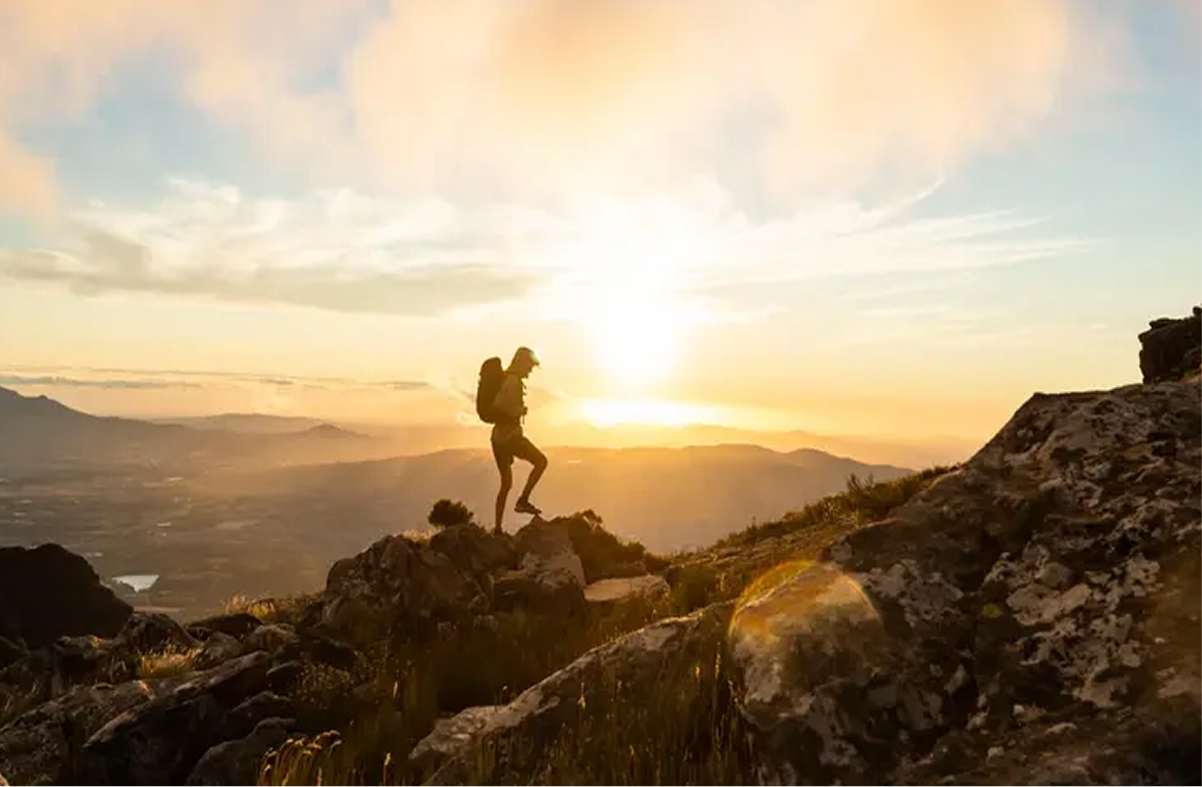
Every mountain trail is a challenge that demands endurance, patience, and mental strength. Applying hiking experience helps you improve physical fitness, develop survival skills, enhance problem-solving abilities under pressure, and most importantly, discover your hidden potential. This is one of the most rewarding aspects highlighted in any reliable Vietnam Mountain Hiking Guide.
- Stay Proactive in All Situations
Experience provides a comprehensive view of the journey from detailed planning and proper gear selection to energy management and handling unexpected incidents. Being proactive gives you a strong sense of control and peace of mind, enabling you to enjoy your hike to the fullest, especially if it is your First Time Hiking Vietnam. In short, mastering hiking knowledge is the key to safe adventures, meaningful exploration, and unforgettable memories across Vietnam’s mountain landscapes.
2. Choose the Right Route and Research Your Destination Carefully
If you are a beginner, start with short routes and easy terrain, such as Nature Walking or low-level Mountain Hiking. This approach allows your body to gradually adapt to physical intensity, gain experience, and build confidence. This is a fundamental principle in any reliable Vietnam mountain hiking guide.
Before your trip, assess your physical condition, overall health, and any existing medical issues. If you feel unprepared, dedicate time to endurance training through activities like jogging, skipping rope, stair climbing, or long-distance walking. Proper preparation is especially important for those doing beginner hiking in Vietnam.
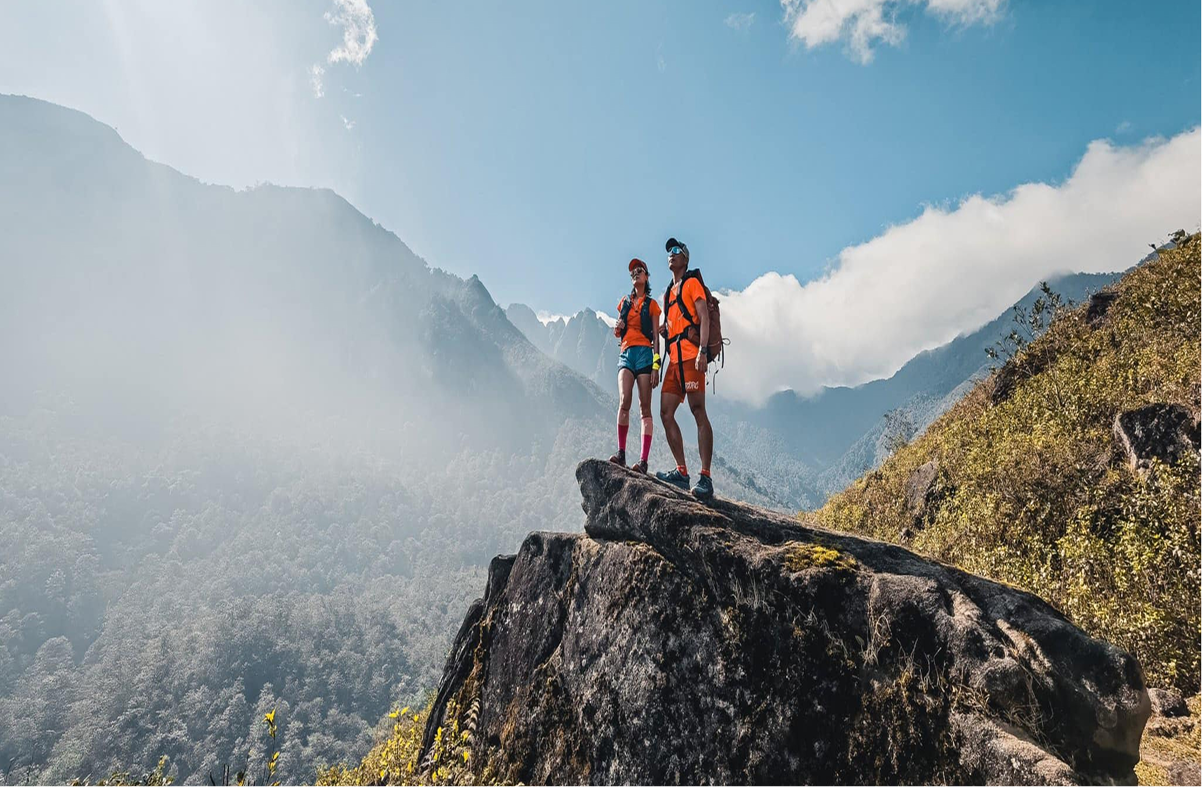
Researching your destination thoroughly is a critical hiking skill. Learn about the terrain, weather conditions, clean water sources, and potential wildlife or insects you may encounter. These factors play a major role in safety, especially for first time hiking Vietnam experiences.
3. Check Weather Conditions and Prepare Backup Plans
Monitor weather forecasts several days before your hike and continue checking updates until departure. This helps you finalize your packing list, including rain gear, sun protection, hats, scarves, or sunscreen depending on conditions.
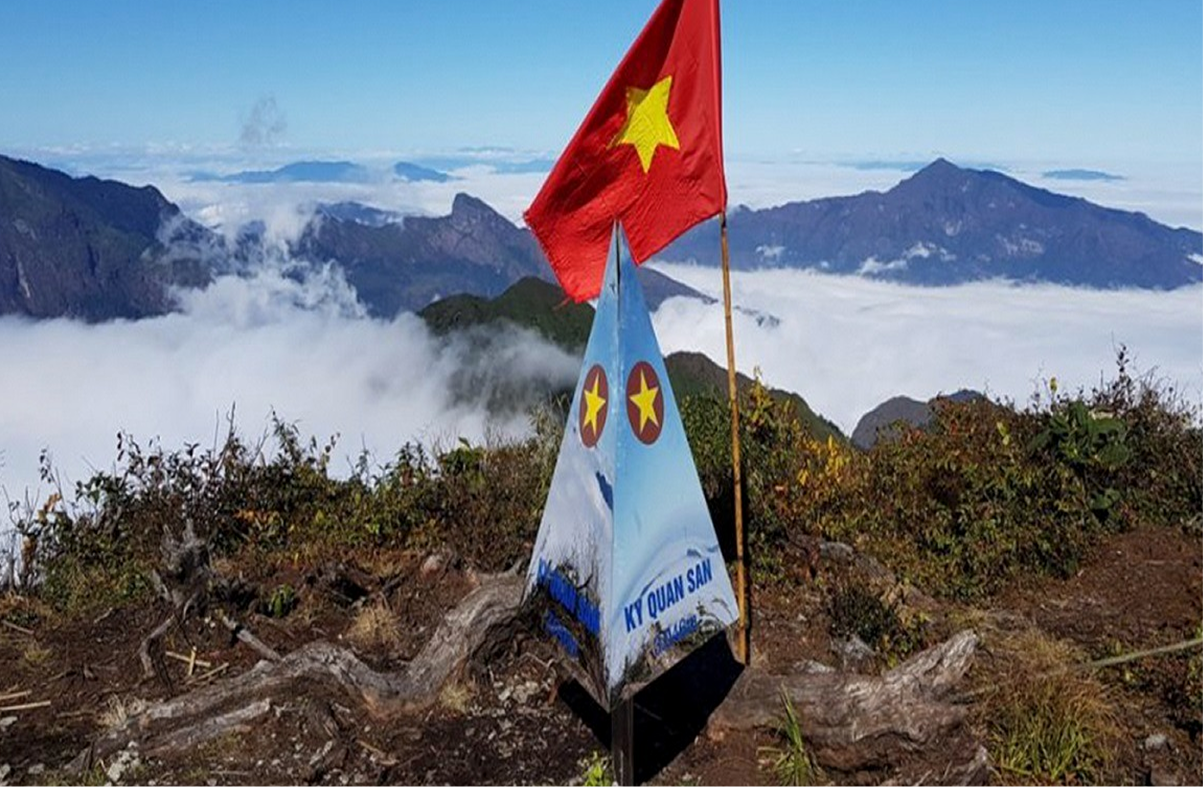
If forecasts indicate storms, prolonged heavy rain, or extreme weather, consider postponing or canceling your trip. Safety should always come first—never take unnecessary risks. Any well-structured Vietnam mountain hiking guide prioritizes weather awareness and contingency planning.
4. Prepare Essential Gear and Clothing
Packing light while carrying everything necessary is an art every hiker must learn.
- Hiking Shoes
Choose dedicated trekking shoes with strong grip, anti-slip soles, and durable construction to protect your feet from injury. Shoes should fit perfectly neither too tight nor too loose based on terrain difficulty.
- Socks
Opt for high-cut socks that extend above the shoe collar. Thick, moisture-wicking materials help prevent blisters and offer protection in areas with leeches.
- Clothing
Wear quick-drying, breathable, and stretchable fabrics. Avoid jeans. Long pants and long-sleeve shirts are recommended to protect against branches, insects, and snakes. Layering is essential bring a thermal layer, quick-dry T-shirt, and a windproof or waterproof jacket to adapt to changing mountain temperatures.
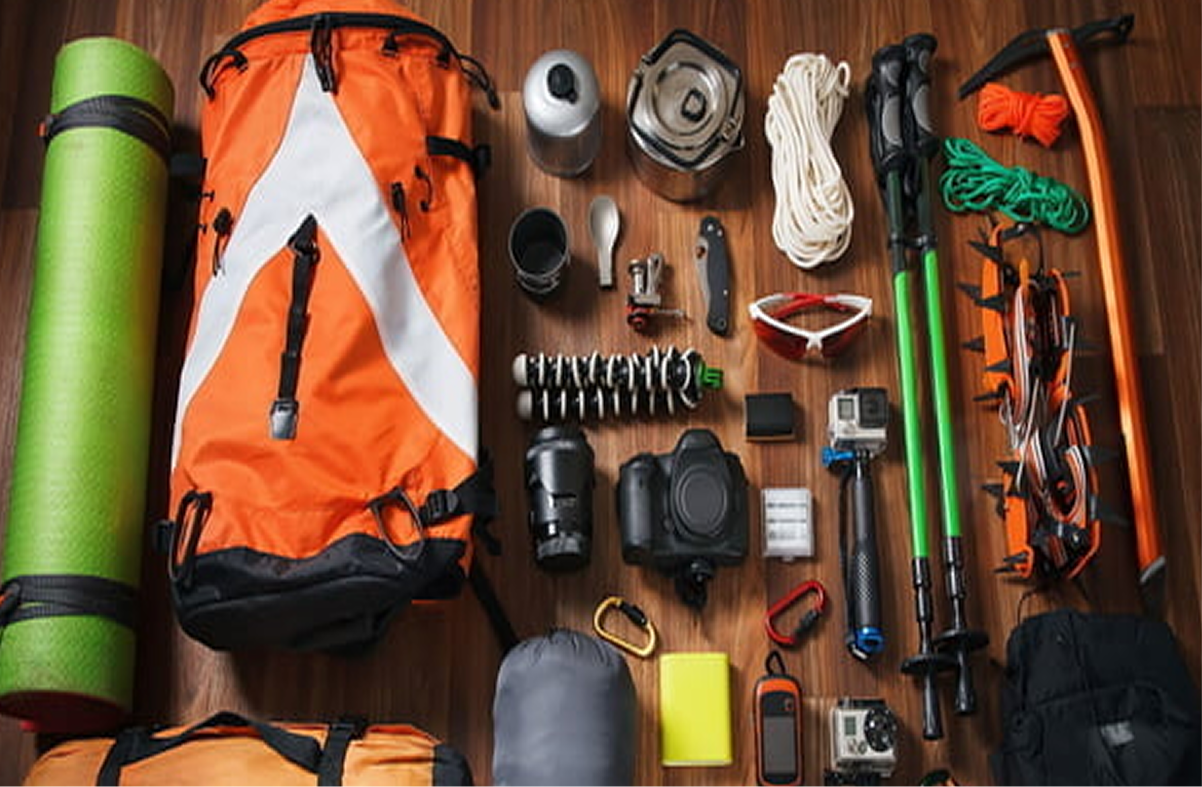
- Accessories
Bring a hat, scarf, arm sleeves, and gloves for added protection.
- Personal Items
Use a trekking backpack sized appropriately for your trip, with multiple compartments and a supportive waist belt to distribute weight evenly.
- Water and Food
Carry enough drinking water, or bring a portable water filter if clean water sources are available. Pack lightweight, high-energy food for sustained stamina.
- Basic First Aid Kit
Always include bandages, gauze, antiseptic, pain relief medication, insect repellent, and any personal prescription medicine if needed.
- Lighting
A headlamp or flashlight with spare batteries is essential for low-light conditions.
- Survival Tools
Pack a multi-tool knife, waterproof matches or lighter, and a rescue whistle. Beginners should familiarize themselves with basic usage beforehand.
- Navigation Devices
Bring a map, compass, GPS device, or a smartphone with offline maps downloaded, and ensure you know how to use them.
- Identification and Cash
Carry essential identification and a reasonable amount of cash. Avoid bringing valuables or expensive jewelry.
- Extra Footwear
A pair of light sandals or flip-flops is useful for resting at campsites or shelters.
5. Essential Skills for Mountain Hiking in Vietnam
Beyond packing the right gear, mastering movement techniques and emergency handling is the core of any Vietnam mountain hiking guide. These skills help hikers maintain stamina, stay safe, and react effectively to unexpected situations especially for beginner hiking in Vietnam or those experiencing first time hiking in Vietnam.
5.1 Movement Skills and Energy Management
Maintaining a steady pace is crucial when hiking mountains in Vietnam. Always conserve your energy by moving at a moderate, consistent speed. Avoid rushing at the beginning of the hike, as it can quickly lead to exhaustion.
Breathing control plays a vital role in endurance. Practice deep, rhythmic breathing, especially when ascending or descending slopes, to regulate your heart rate and ensure sufficient oxygen supply to your muscles.
When hiking uphill, walk in a zigzag pattern to reduce the perceived steepness. Using trekking poles helps generate momentum and minimizes pressure on the knees. If poles are unavailable, you can stabilize yourself by holding onto rocks, roots, or nearby trees.
Descending requires extra caution, as the body tends to lean forward due to gravity. Step with the sole slightly angled, keep your body slightly bent, and focus on balance to reduce the risk of slipping or falling.
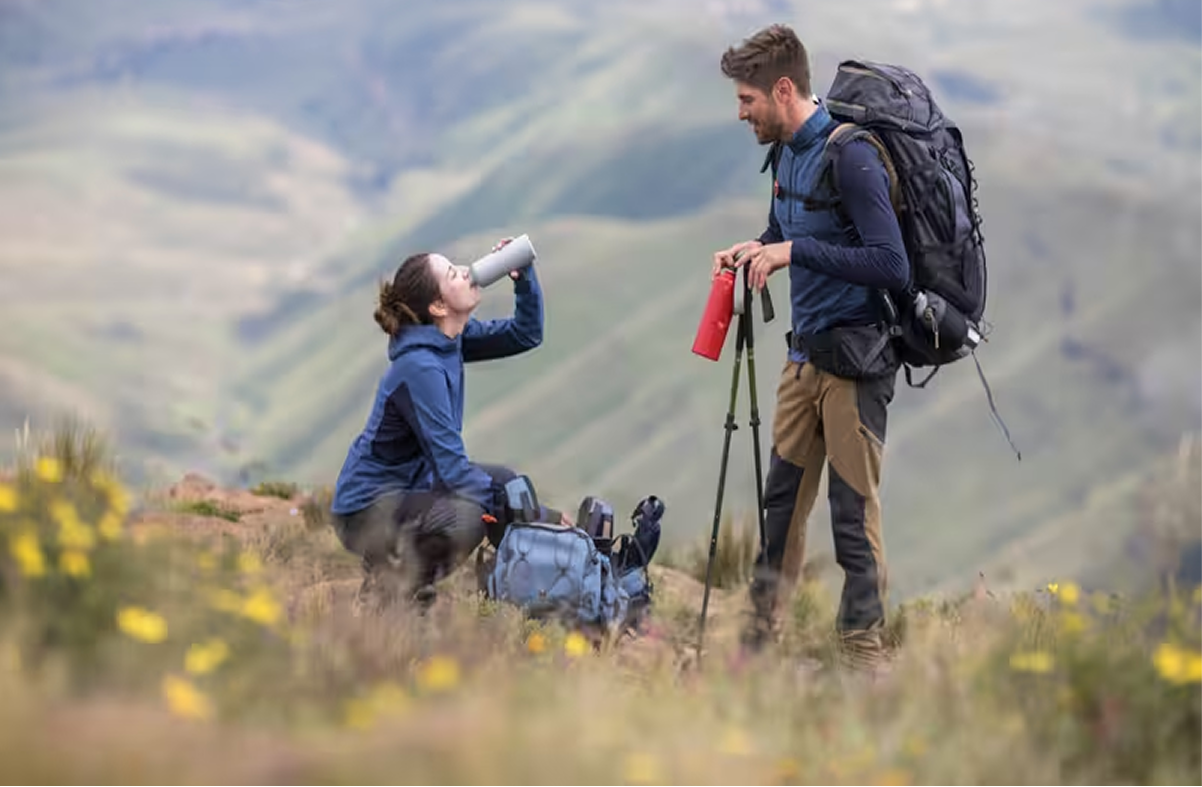
If you feel overly fatigued, take short breaks to recover. However, avoid resting for too long—ideally no more than 10–15 minutes to prevent muscle stiffness and body temperature drops.
Always stay alert and focus on each step, especially on narrow or dangerous trails. Never push yourself if something feels wrong. Safety should always be the top priority in any Vietnam mountain hiking guide.
5.2 First Aid Skills and Flexible Situation Handling
Basic first aid knowledge is essential for mountain hiking in Vietnam. Hikers should know how to bandage wounds, stop bleeding, and handle sprains or dislocations in emergency situations.
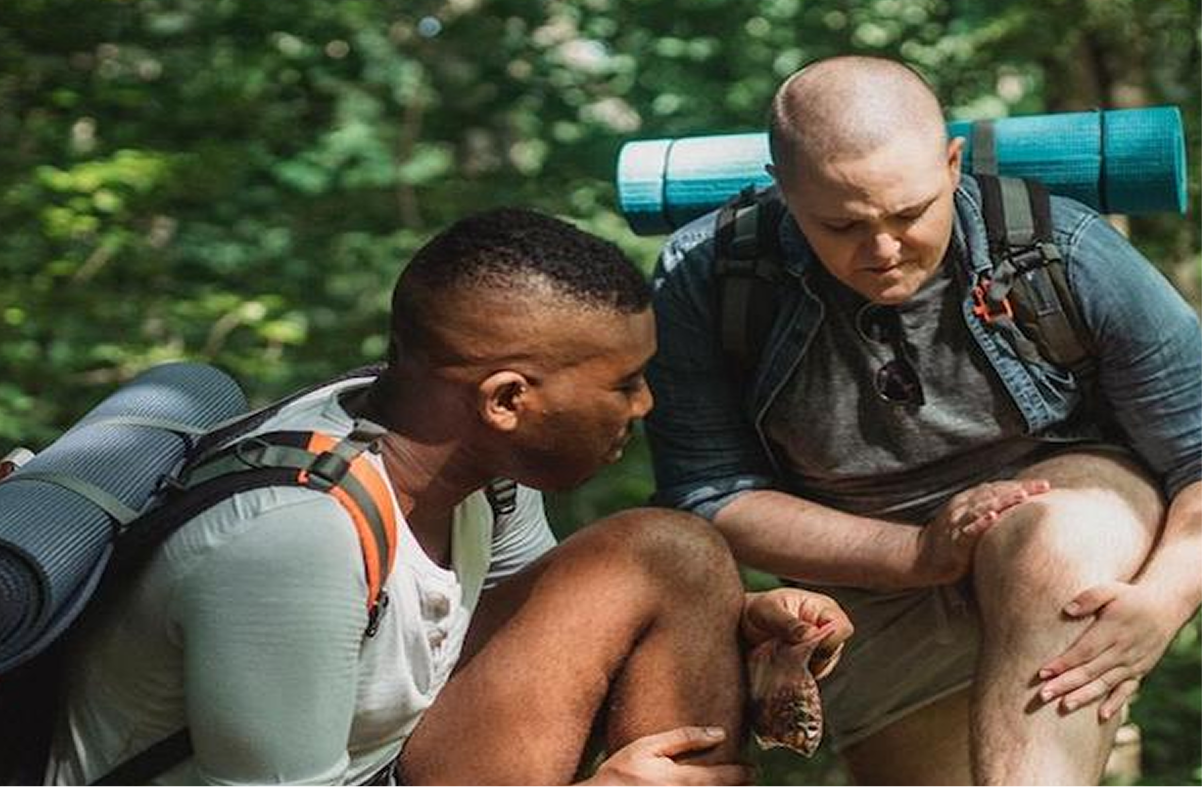
If you get lost while hiking, stay calm and avoid unnecessary movement to conserve energy—this is a key principle in any Vietnam mountain hiking guide. Use a map, compass, or GPS device to determine your direction and reassess your route. Creating visible or audible signals, such as lighting a fire to produce smoke or using a rescue whistle, is strongly recommended in a Vietnam mountain hiking guide to help rescuers locate you more quickly.
Whenever possible, follow existing trails or move along rivers and streams, as advised in every reliable Vietnam mountain hiking guide. Avoid entering dense forests or dark, unfamiliar areas, where visibility is limited and navigation becomes more difficult. According to a Vietnam mountain hiking guide, staying on recognizable paths significantly increases safety and survival chances during mountain hikes.
5.3 Skills to Deal with Insects and Wild Animals
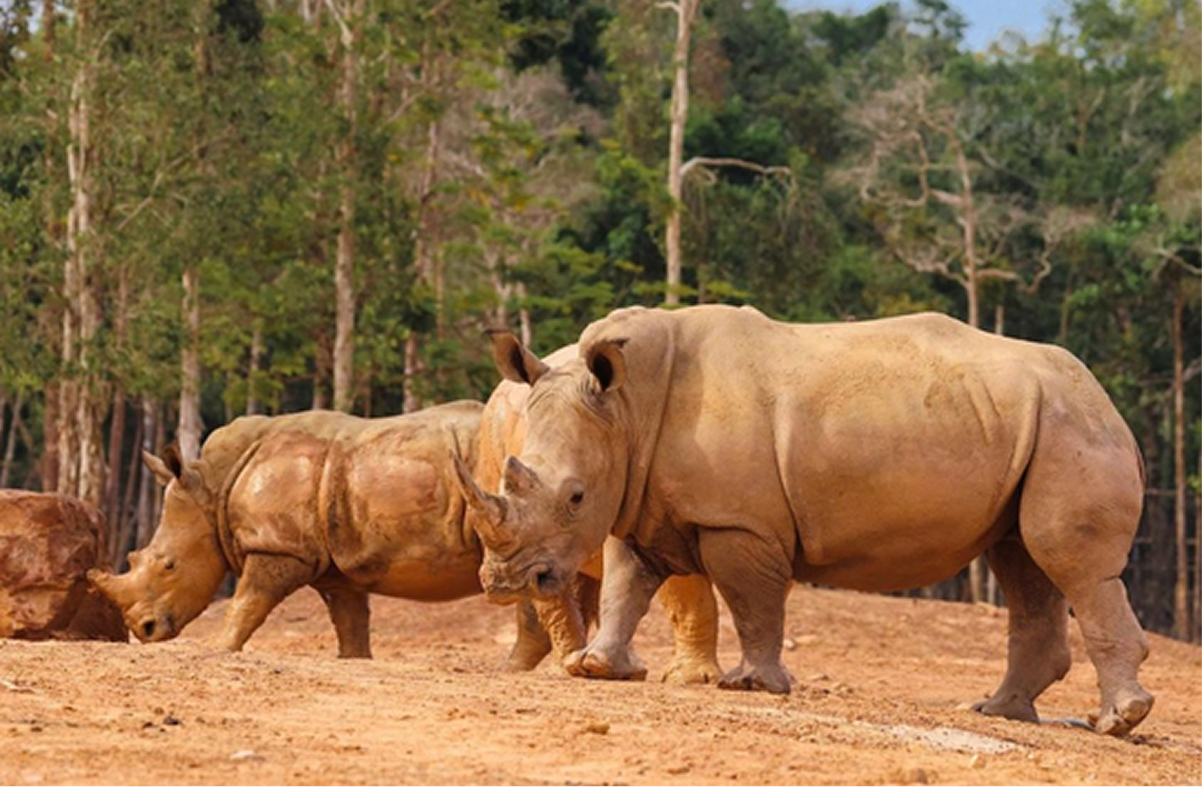
- Leeches: Apply ointment or oil to your socks before hiking. If a leech attaches to your skin, stay calm and use heat (such as a lighter) or salt mixed with chili to make it detach naturally.
- Horseflies: If bitten, gently apply heat to the back of the fly using a lighter to encourage it to withdraw its mouthparts.
- Snakes: In the event of a snake bite, apply a tight tourniquet above the wound if it is on an arm or leg to slow venom spread. If a tourniquet is not possible, extracting venom should only be attempted by individuals with proper medical knowledge and in extreme emergencies. Seek professional medical assistance immediately.
Conclusion
Starting from zero to hero in the trekking world requires more than just passion, it demands the right knowledge, preparation, and real mountain experience. With a wide range of tours from gentle Nature Walking to challenging Trekking routes, Vietnamtour 247 offers a complete Vietnam mountain hiking guide designed for every level.
Whether you are interested in beginner hiking in Vietnam or planning your first time hiking Vietnam, each journey is carefully crafted to help you build skills step by step, push your limits safely, and fully immerse yourself in the majestic beauty of Vietnam’s mountains. Now is the perfect time to turn curiosity into action. Join Vietnamtour 247 today, choose the hiking route that fits your level, and start your unforgettable mountain adventure with a trusted companion by your side.
Frequently Asked Questions (FAQ)
1. Is indoor climbing in Hanoi suitable for beginners in mountain hiking?
Yes. Indoor climbing in Hanoi is an ideal starting point for beginner hiking in Vietnam and for those preparing for their first time hiking in Vietnam. This activity helps beginners build strength, stamina, balance, and confidence in a safe environment before moving on to real mountain hiking in Vietnam.
2. Why is indoor climbing considered part of a Vietnam mountain hiking guide?
Indoor climbing trains core hiking skills such as grip strength, body control, endurance, and mental focus. As part of a complete Vietnam mountain hiking guide, it allows beginners to practice essential techniques and physical conditioning before facing outdoor terrain and unpredictable weather.
3. What should first-time hikers in Vietnam prepare before a trip?
For first time hiking in Vietnam, essential preparation includes:
-
Proper trekking shoes with good grip
-
Lightweight, quick-dry clothing
-
Enough water and high-energy food
-
A basic first-aid kit
-
Navigation tools such as GPS or offline maps
-
Basic knowledge of hiking safety and emergency handling
4. Which hiking routes are suitable for beginner hiking in Vietnam?
Beginners should start with:
-
Nature walking trails
-
Low-altitude mountain hikes
-
Short-distance routes with gentle slopes
These routes help the body adapt gradually and are strongly recommended in any reliable Vietnam mountain hiking guide.
Read more: