Discover Lung Cu Flag, Vietnam’s sacred northernmost landmark and symbol of sovereignty. Explore its history and pride with Vietnamtour 247.
Lung Cu Flag is not only a sacred landmark marking Vietnam’s northernmost point, but also a powerful symbol of national sovereignty and resilience. Standing proudly atop the frontier, it embodies the heroic spirit of generations who shed sweat and blood to protect every inch of ancestral land. Through this meaningful journey, Vietnamtour 247 invites travelers to feel the pride, history, and enduring patriotism that the Lung Cu Flag represents.
1. Introduction to Lung Cu Flag Tower
Lung Cu Flag, one of Vietnam’s most sacred national symbols, is located on Dragon Mountain (Long Son) at an altitude of approximately 1,470 meters above sea level. It belongs to Lung Cu Commune, Dong Van District, Ha Giang Province, Vietnam (now administratively part of Tuyen Quang Province after the recent merger).
From the top of Lung Cu Flag Tower, visitors can admire two perennial ponds known as the “Dragon’s Eyes,” which never run dry and provide an essential water source for local ethnic communities. The site is about 24 kilometers from the former Dong Van town center and approximately 154 kilometers from Ha Giang Ward 2, Tuyen Quang Province. Today, lung cu flag is considered a must-visit check-in destination on any journey to explore the majestic Dong Van Karst Plateau.
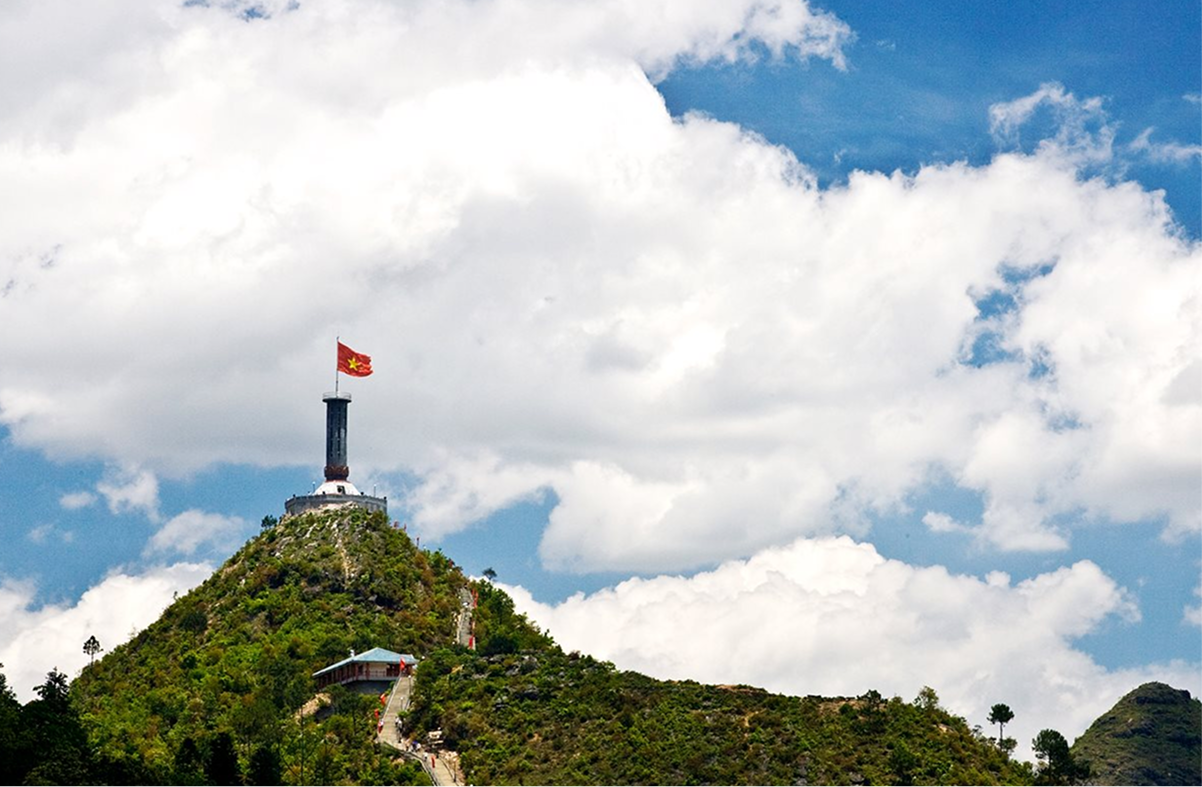
Renowned Vietnamese writer Nguyen Tuan once poetically referred to Lung Cu Flag as “the northernmost point,” where the very first stroke is drawn on the S-shaped map of Vietnam. With its profound symbolic meaning, conquering lung cu flag is not merely a Ha Giang travel experience, but a deeply emotional journey that awakens national pride in every Vietnamese heart.
2. The History of Lung Cu Flag Tower
The Lung Cu Flag Tower has witnessed many historical periods and continuously evolved alongside Vietnam’s development. In its earliest days, the flagpole was constructed from wood, later replaced by iron. By the year 1202, it was rebuilt in a more solid form. In 1887, during the French colonial period, the structure was reconstructed once again.
Entering the 20th century, the tower underwent several major renovations. A significant milestone came in 1978, when the Dong Van District People’s Committee rebuilt the flag tower at a greater height and raised a national flag measuring 54 square meters, symbolizing the 54 ethnic groups of Vietnam. From August 12, 1978, the red flag with a yellow star began flying proudly atop Lung Cu Mountain, becoming a sacred symbol at the northernmost point of the country. Further renovations followed in 1992 and 2000, each expanding the scale of the monument.
In the early 21st century, a new version of the tower was constructed in 2002, standing approximately 20 meters tall. Its hexagonal base was decorated with Dong Son bronze drum patterns, while a 9-meter flagpole above carried the iconic lung cu flag measuring 54 square meters.
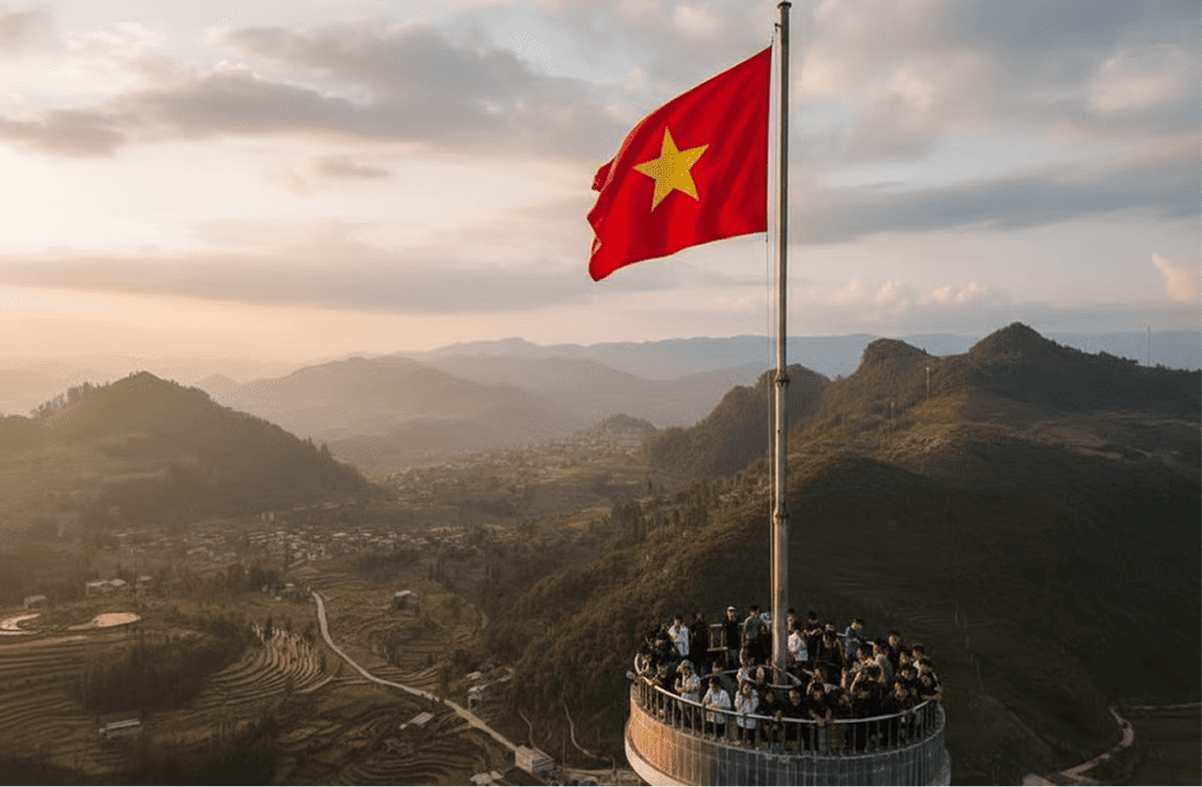
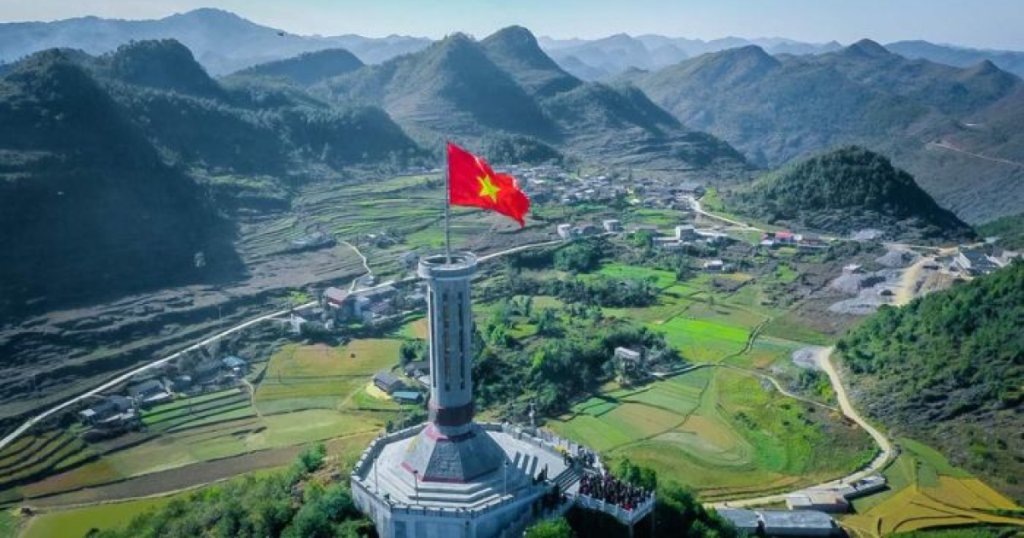
In early 2010, under the direction of the Vietnamese Government, the old tower was dismantled to make way for a more monumental structure. The current Lung Cu Flag Tower stands 33.15 meters high, with a 20.25-meter base and an octagonal shaft measuring 3.8 meters in diameter. The base is adorned with eight blue-stone reliefs inspired by Dong Son drum motifs, vividly depicting the history, culture, and daily life of ethnic communities in Ha Giang.
Inside the tower, a spiral staircase of 140 steps leads visitors to the top, where the lung cu flag flies majestically against the vast northern sky. After seven months of construction, the new tower was officially inaugurated on September 25, 2010.
Today, the Lung Cu Flag Tower is not only a powerful symbol of Vietnam’s sovereignty but also a must-visit destination in Ha Giang Province. The route to the summit features 839 stone steps, making the climb more accessible for visitors. From the top, travelers can admire the breathtaking mountain landscapes and gaze upon two emerald-green lakes at the foot of the mountain, affectionately known by locals as the “Dragon’s Eyes.”
At the base of the mountain, a memorial house displays cultural artifacts, traditional costumes, and farming tools of Ha Giang’s ethnic minorities, offering visitors a deeper and more meaningful cultural experience.
3. Best Time to Visit Lung Cu Flag
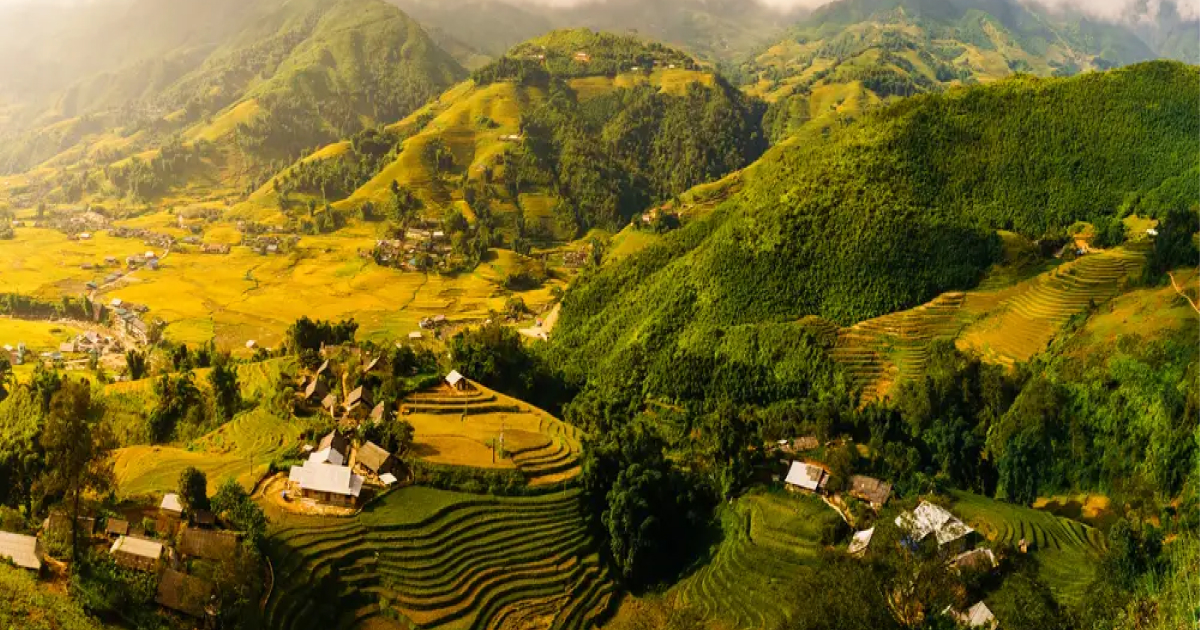
Each season of the year gives Lung Cu Flag a distinctive charm. In spring, the area comes alive with traditional festivals and the soft pink hues of peach and plum blossoms blooming across the mountains. Summer offers clear blue skies and bright sunshine, creating perfect conditions for visitors to enjoy panoramic views of the majestic highlands. Autumn is considered the most beautiful season, when golden terraced rice fields paint a poetic and vibrant landscape. In winter, mist gently covers the hills, turning Lung Cu Flag into a serene and mystical scene at the northernmost point of Vietnam.
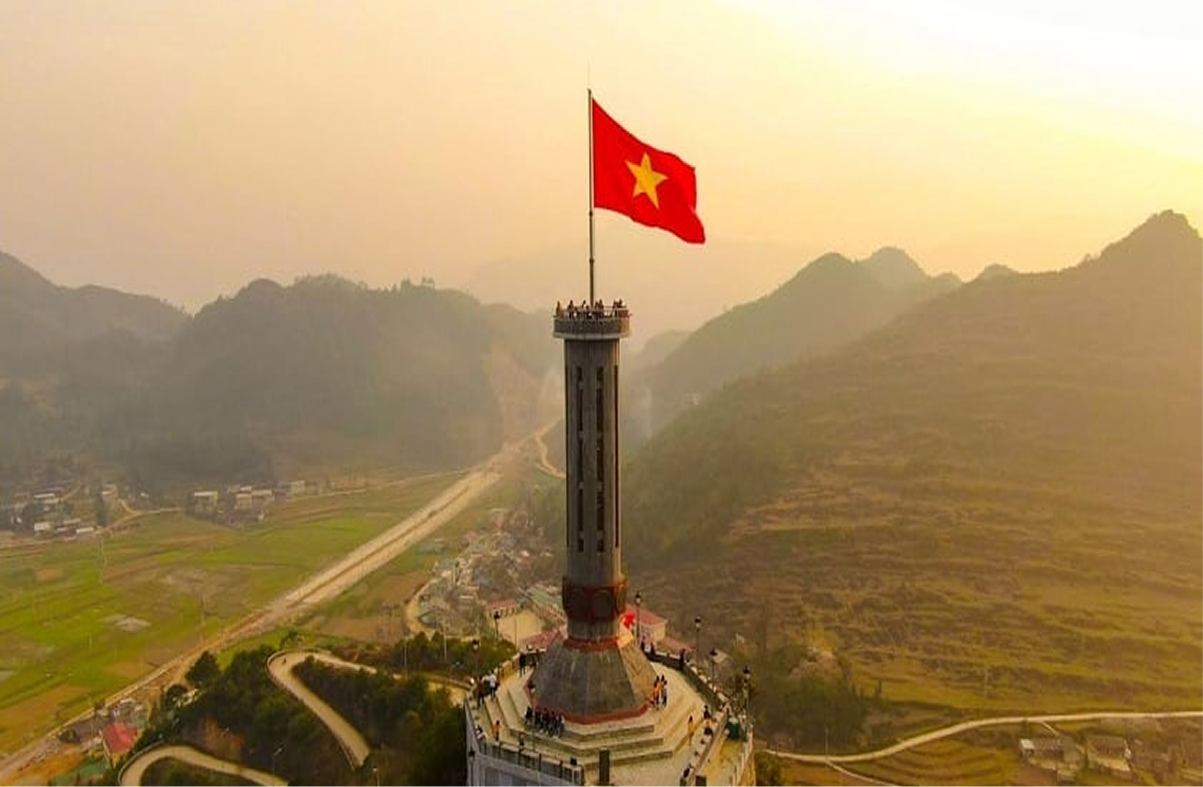
Among all seasons, the period from September (around Vietnam’s National Day on September 2nd) to November, as well as the Lunar New Year (Tet), is regarded as the ideal time to visit Lung Cu Flag. During these months, the weather is cool and pleasant, the scenery reaches its peak beauty, and travel conditions are favorable—allowing visitors to fully appreciate the sacred and awe-inspiring beauty of Lung Cu Flag, a proud symbol of Vietnam’s northern frontier.
4. Meaningful Experiences at Lung Cu Flag
4.1 Conquering the 839 Stone Steps to Lung Cu Flag
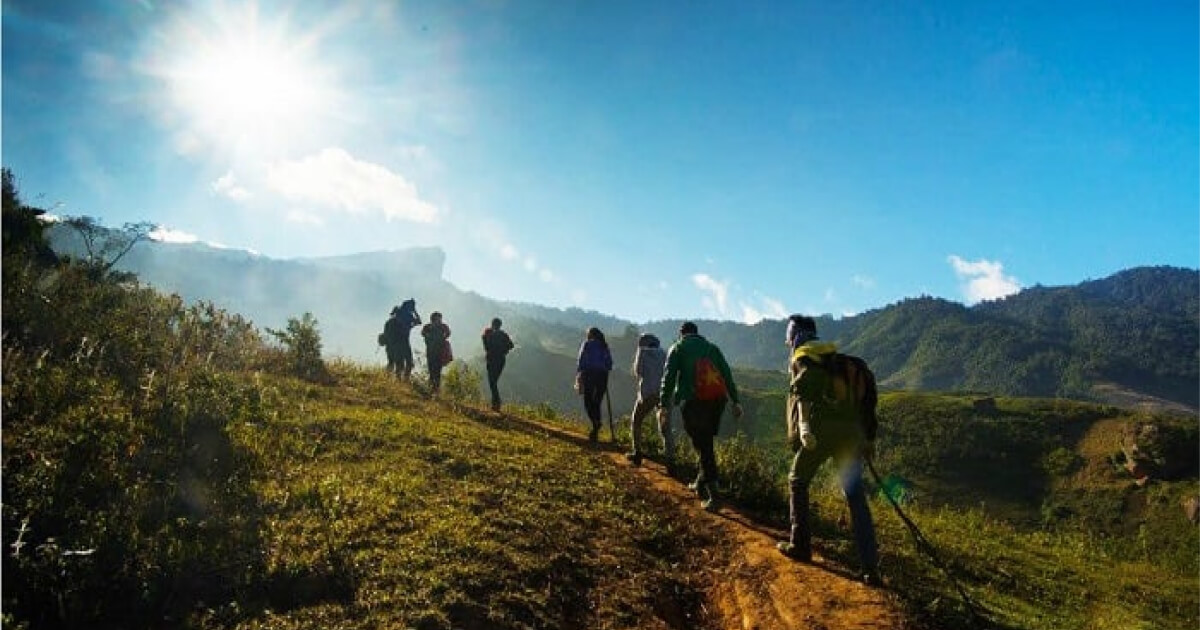
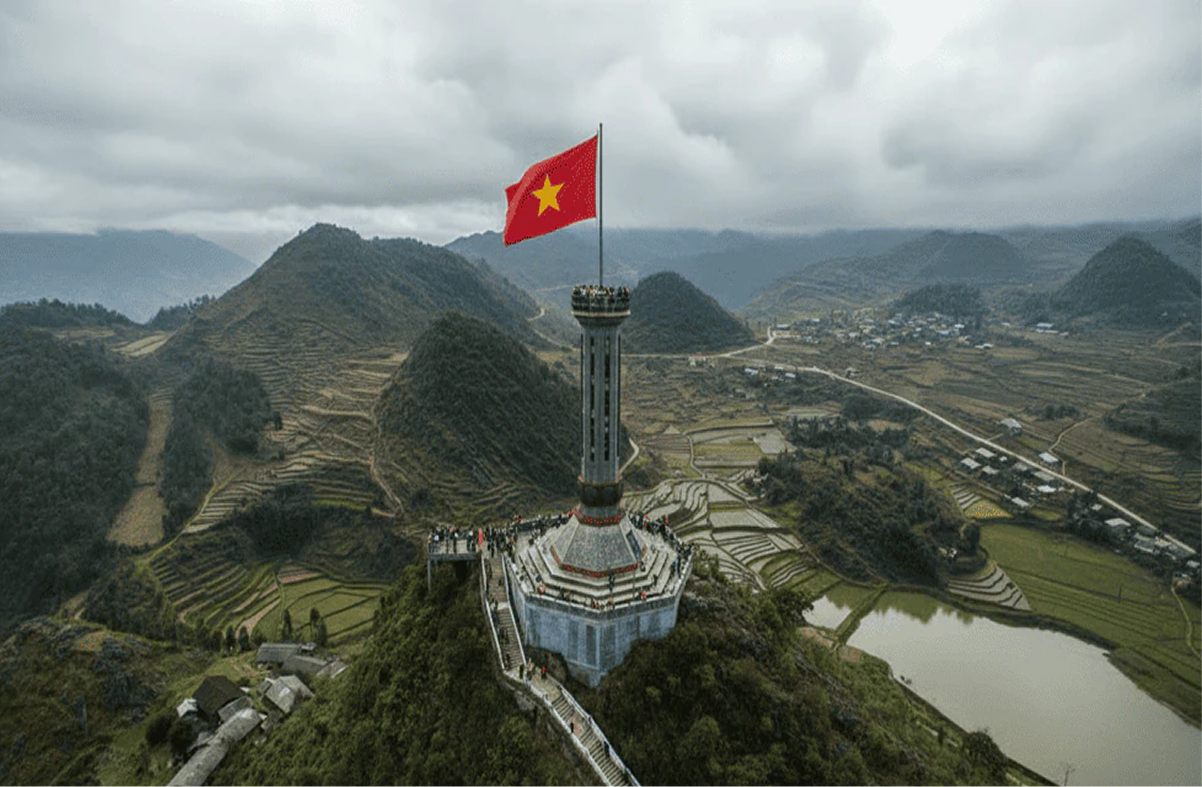
Reaching the top of the Lung Cu Flag is a rewarding journey that begins with conquering 839 stone steps, divided into three sections that gently wind around the mountainside. While the path is not overly steep, its length requires endurance and determination. Along the way, visitors can enjoy fresh mountain air and spectacular scenery — towering limestone mountains on one side, lush green valleys on the other, and, in the distance, the peaceful earthen houses of Lo Lo Chai village nestled among the hills. Every step brings travelers closer to one of Vietnam’s most symbolic landmarks.
4.2 Admiring Lo Lo Chai Village and the Northernmost Point of Vietnam
From the summit of the Lung Cu Flag, a breathtaking panoramic view opens up before your eyes. Below lies the tranquil Lo Lo Chai village, surrounded by rolling valleys and dramatic mountain ranges stretching toward the horizon. Standing beneath the iconic red Lung Cu Flag with a yellow star — covering 54 square meters to represent the unity of Vietnam’s 54 ethnic groups — is a deeply emotional and sacred moment. For many Vietnamese travelers, visiting the Lung Cu Flag at the northernmost point of the country is an unforgettable and proud experience.
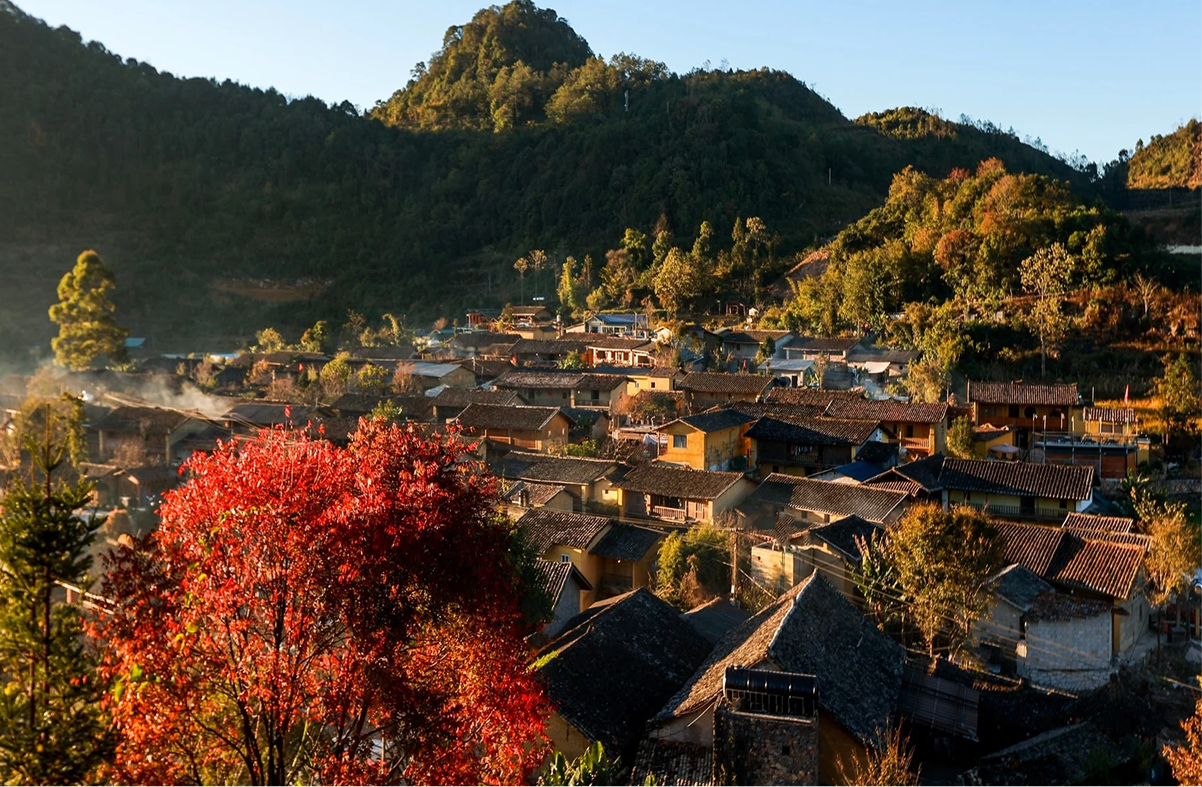
4.3 Discovering Daily Life in the Borderland Communities
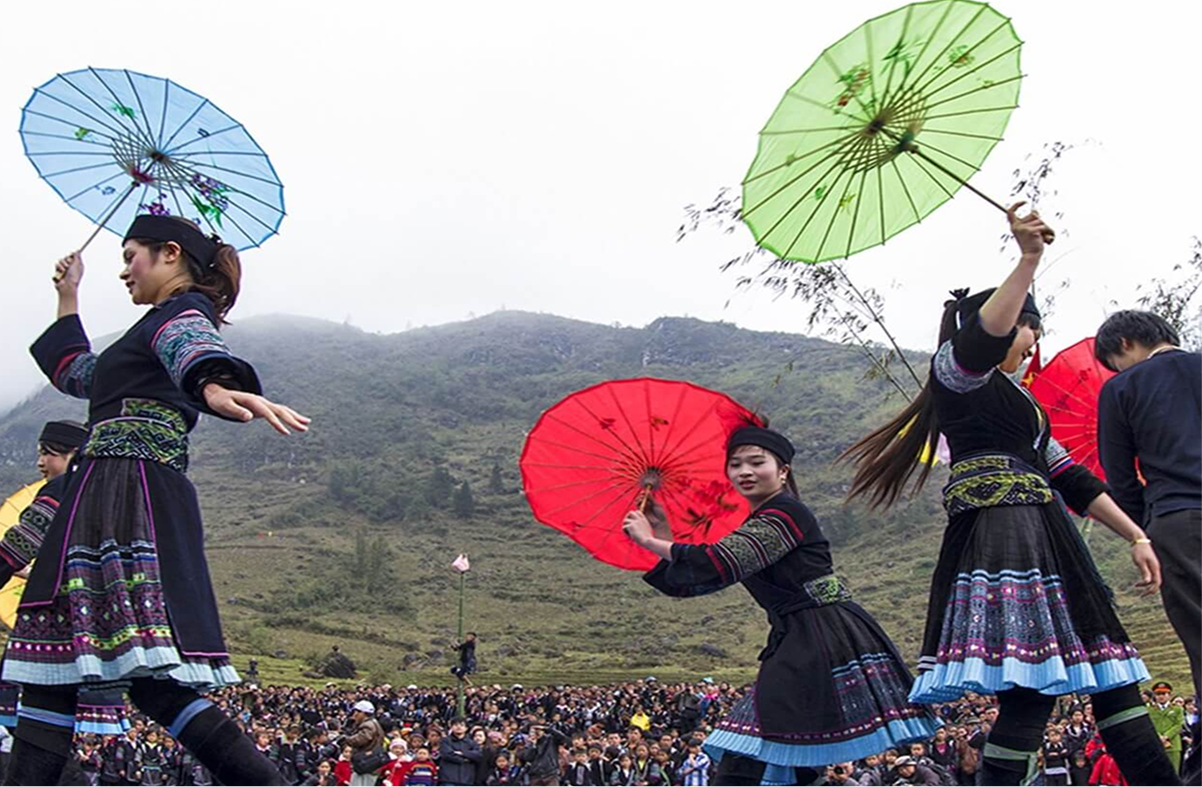
Beyond the landmark itself, the area surrounding the Lung Cu Flag offers meaningful cultural encounters. Exploring local daily life — sharing warm meals by a traditional fireplace, observing traditional customs, and meeting the friendly smiles of highland communities — creates a deep human connection. These authentic cultural experiences add lasting value to any journey to the Lung Cu Flag region.
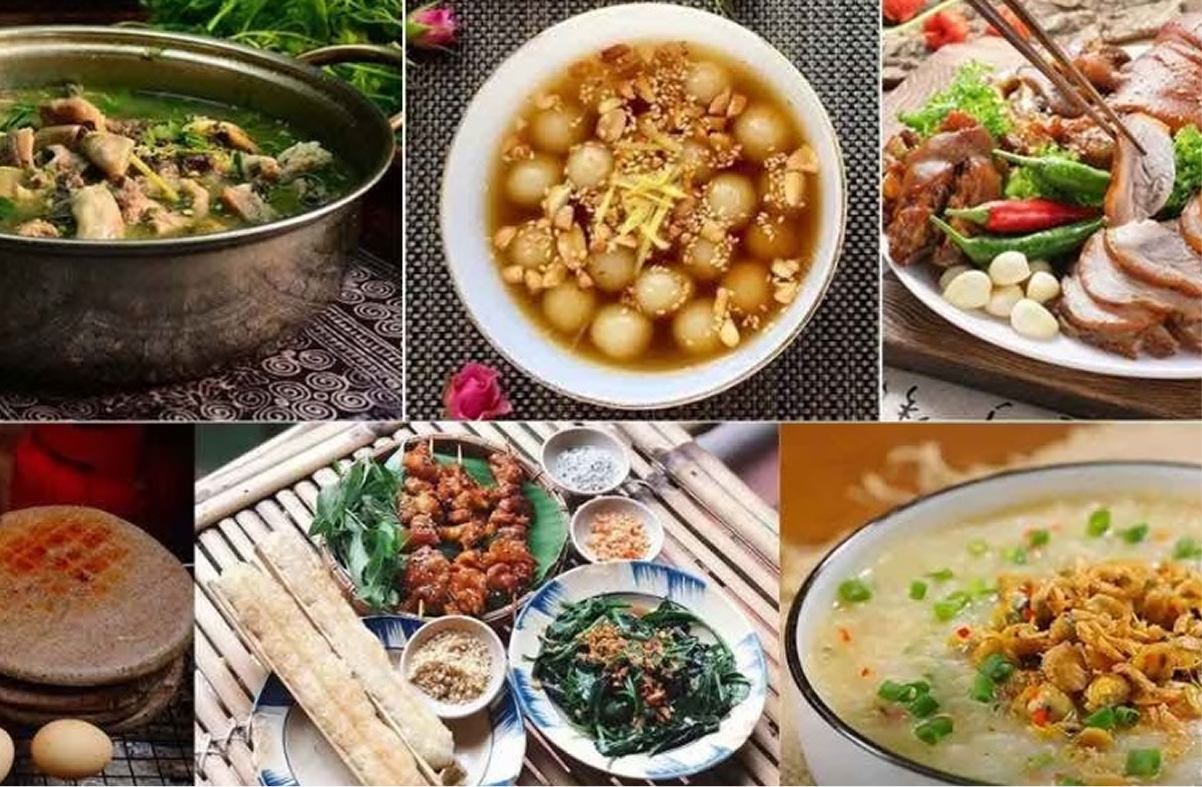
4.4 Enjoying Ha Giang’s Signature Local Cuisine
Cultural exploration, indulging in Ha Giang’s local cuisine is a well-deserved reward. Visitors should not miss these regional specialties:
- Thang Co: A traditional Hmong dish rich in bold flavors, infused with cardamom and wild mountain pepper.
- Smoked buffalo meat: Firm, flavorful slices with a perfect balance of chewiness and natural sweetness, best enjoyed with local corn wine — a true taste of Ha Giang.
- Men men: A simple yet iconic dish made from finely ground corn, deeply connected to the daily life of ethnic communities.
- Au Tau porridge: Nutritious and warming, especially comforting during Ha Giang’s cold winter months.
- Trang Kim Pho: Famous for its soft, chewy noodles and delicately sweet broth, leaving a lasting impression after just one taste.
Enjoying Ha Giang’s Signature Local Cuisine