Discover the wonders of Southeast Asia with our comprehensive guide on how to travel to Thailand. From Bangkok’s vibrant streets to Phuket’s serene beaches and Chiang Mai’s lush jungles, this diverse nation offers rich history, world-class cuisine, and unforgettable festivals. Whether you’re seeking adventure, cultural immersion, or relaxation, our guide provides essential tips to help you plan the perfect trip. Explore Thailand’s unique attractions and experience its legendary hospitality today!
How to Travel to Thailand
Discovering the Land of Smiles is an exhilarating experience, offering everything from vibrant cityscapes to tranquil temples. When planning how to travel to Thailand, it is essential to consider logistics like visa requirements and local customs for a seamless journey. Whether you are travelling to Thailand for a luxury beach escape in Phuket or a cultural trekking adventure in Chiang Mai, being well-prepared is key. This guide covers all the essentials—from flight arrangements to arrival tips—ensuring your Thai adventure is both smooth and unforgettable.
Travel Requirements and Documentation
If you intend to travel to Thailand, you must have the required documentation and meet the entry requirements. Here’s what you’ll typically need:
Thailand Passport
When planning how to travel to Thailand in 2026, the most critical step is verifying your Thailand passport requirements. Your passport must remain valid for at least six months beyond your arrival date to ensure entry.
Starting May 1, 2025, all international travelers—including those from visa-exempt countries—must also complete the Thailand Digital Arrival Card (TDAC) online within 72 hours of arrival. Checking your expiration date early prevents last-minute disruptions, ensuring a smooth start to your journey in the Land of Smiles.
Thailand Visa
Understanding how to travel to Thailand in 2026 involves staying updated on the current Thailand visa policies. Currently, citizens of 93 countries enjoy a 60-day visa exemption for tourism, which can be extended for an additional 30 days at local immigration offices.
However, all foreign nationals must now complete the mandatory Thailand Digital Arrival Card (TDAC) online within three days before arrival. Additionally, the new Electronic Travel Authorization (ETA) system is being phased in for visa-exempt travelers to streamline security. Always verify the latest requirements with the Royal Thai Embassy, as stay durations and entry rules are subject to frequent review.
Proof of Funds
Immigration officials may ask for proof of sufficient funds to cover your stay in Thailand. This could be in cash, traveler’s checks, credit cards, or a combination thereof.
Return Ticket
You may be required to show proof of onward or return travel, demonstrating your intention to leave Thailand before your visa or permitted stay expires.
Accommodation Details
To verify your travel plans, immigration officials may require proof of accommodation reservations for at least the first part of your trip.
Travel Insurance
While not mandatory, having travel insurance that covers medical emergencies, trip cancellations, and other unforeseen events is highly recommended.
Health Documentation
Depending on your travel history and destinations, you may need to provide vaccination documentation or undergo health screenings upon arrival. Check the latest requirements with your local health authority or the Thai Ministry of Public Health.
Customs Declaration
Upon arrival, complete a customs declaration form declaring any dutiable items or restricted goods you bring into Thailand.
Before traveling to Thailand, check the entry requirements and documentation well in advance. It’s crucial to stay informed about requirements and plan accordingly based on your nationality, the purpose of your visit, and current circumstances.
Transportation Options
Getting around Thailand is relatively easy due to its well-developed transportation infrastructure. Thai travelers can use the following modes of transportation to get around:
Domestic Flights
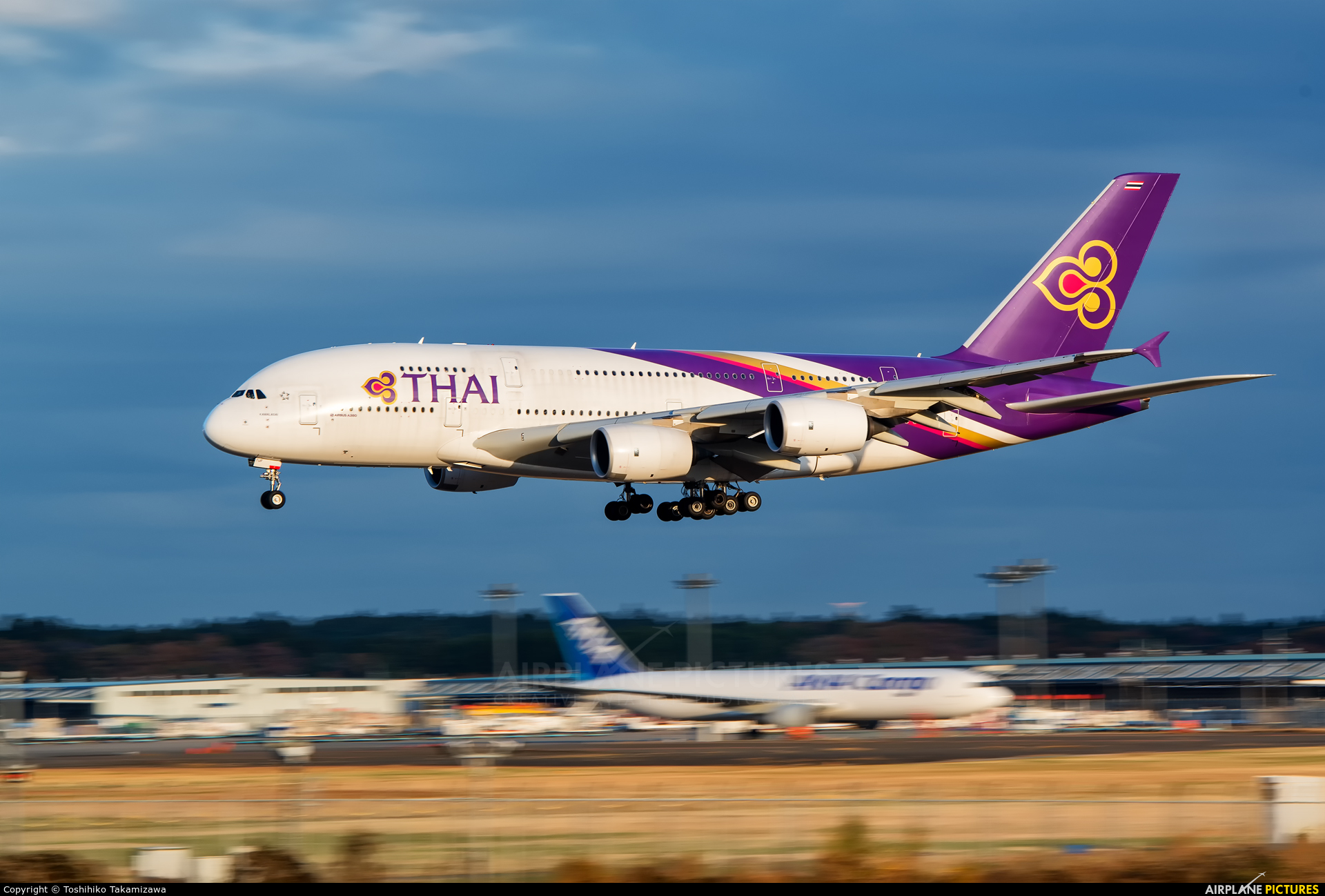
When researching how to travel to Thailand, you’ll find that flying domestically is the most efficient way to navigate the country’s vast geography. Travelling to Thailand often involves hopping between the mountainous north and the tropical islands of the south; domestic airlines make these long distances manageable in just over an hour. Whether you are connecting from Bangkok to Phuket or Chiang Mai, air travel saves precious time, allowing you to focus more on exploring remote hidden gems rather than spending a day on the road.
Trains
When planning how to travel to Thailand, the extensive railway network offers a charming and scenic alternative to flying. Travelling to Thailand by train allows you to witness the changing landscapes, especially on the iconic overnight route from Bangkok to Chiang Mai. The State Railway of Thailand (SRT) connects major hubs like Ayutthaya and Surat Thani, providing various classes of service to suit different budgets. It’s an authentic way to traverse the regions while heading toward the islands or the northern mountains.
Buses
When researching how to travel to Thailand on a budget, buses emerge as the most cost-effective and versatile option. Travelling to Thailand by road allows you to reach almost every corner of the country, from bustling city centers to remote provincial towns. You can choose from standard local buses to luxury VIP coaches and overnight sleepers, which offer reclining seats and snacks for long-distance journeys. This extensive network provides incredible flexibility for explorers who want to experience the country beyond the major airports.
Taxis
When considering how to travel to Thailand efficiently, navigating local transport is key. Taxis are a staple in urban hubs like Bangkok, but travelling to Thailand requires some savvy: always ensure the driver turns on the meter to guarantee a fair price. In resort areas where meters are less common, it’s best to negotiate the fare upfront. For a more transparent experience, many travelers now rely on ride-hailing apps like Grab or Bolt, which offer fixed pricing and ease of communication right from your smartphone.
Tuk-tuks
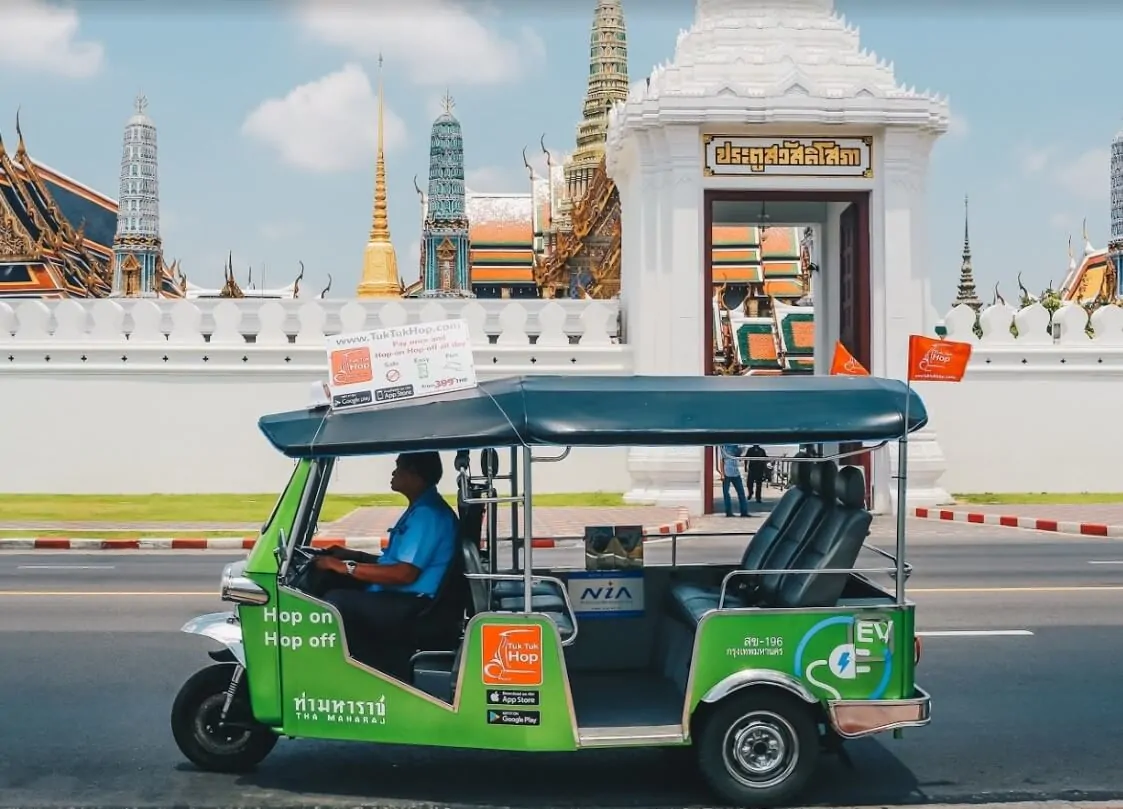
When figuring out how to travel to Thailand with a bit of local flair, you can’t miss the iconic tuk-tuks. These three-wheeled motorized vehicles are everywhere, and travelling to Thailand wouldn’t feel complete without at least one breezy, open-air ride through the city streets. They are perfect for short hops, but keep in mind that fares aren’t metered. A little friendly haggling is part of the experience, so be sure to agree on a price before you hop in!
Motorbikes and Scooters
When researching how to travel to Thailand in 2026, renting a motorbike remains a top choice for freedom, but legal compliance is stricter than ever. To be fully legal while travelling to Thailand, you must carry your valid home country motorcycle license alongside an International Driving Permit (IDP) (1968 version).
Checkpoints are frequent in tourist hubs like Phuket and Chiang Mai; riding without the proper Thailand visa or IDP can result in fines and, more importantly, void your travel insurance. Never leave your original Thailand passport as a deposit—reputable shops will only require a copy and a cash deposit. Always prioritize safety gear, as road conditions can be unpredictable.
Songthaews
When researching how to travel to Thailand like a local, you’ll likely encounter songthaews. These “two-row” shared trucks are essential for travelling to Thailand‘s smaller towns and islands. They operate on fixed routes for a very low cost—simply flag one down and hop in. While they aren’t the most luxurious for long hauls, they offer an authentic, breezy way to navigate rural areas where traditional taxis are scarce.
Ferries and Boats
When planning how to travel to Thailand in 2026, ferries and boats are your lifeline for exploring the country’s 1,400+ islands. For those travelling to Thailand to see iconic spots like Koh Phi Phi or Koh Tao, high-speed catamarans (like Lomprayah) and standard ferries offer reliable connections from mainland hubs like Phuket, Krabi, and Surat Thani.
Whether you’re island-hopping across the Andaman Sea or the Gulf of Thailand, these services run frequently during the high season (November–April). For the best experience, consider “fly-and-ferry” combo tickets or booking online via platforms like 12Go to secure your spot on popular routes.
Best Time to Visit Thailand
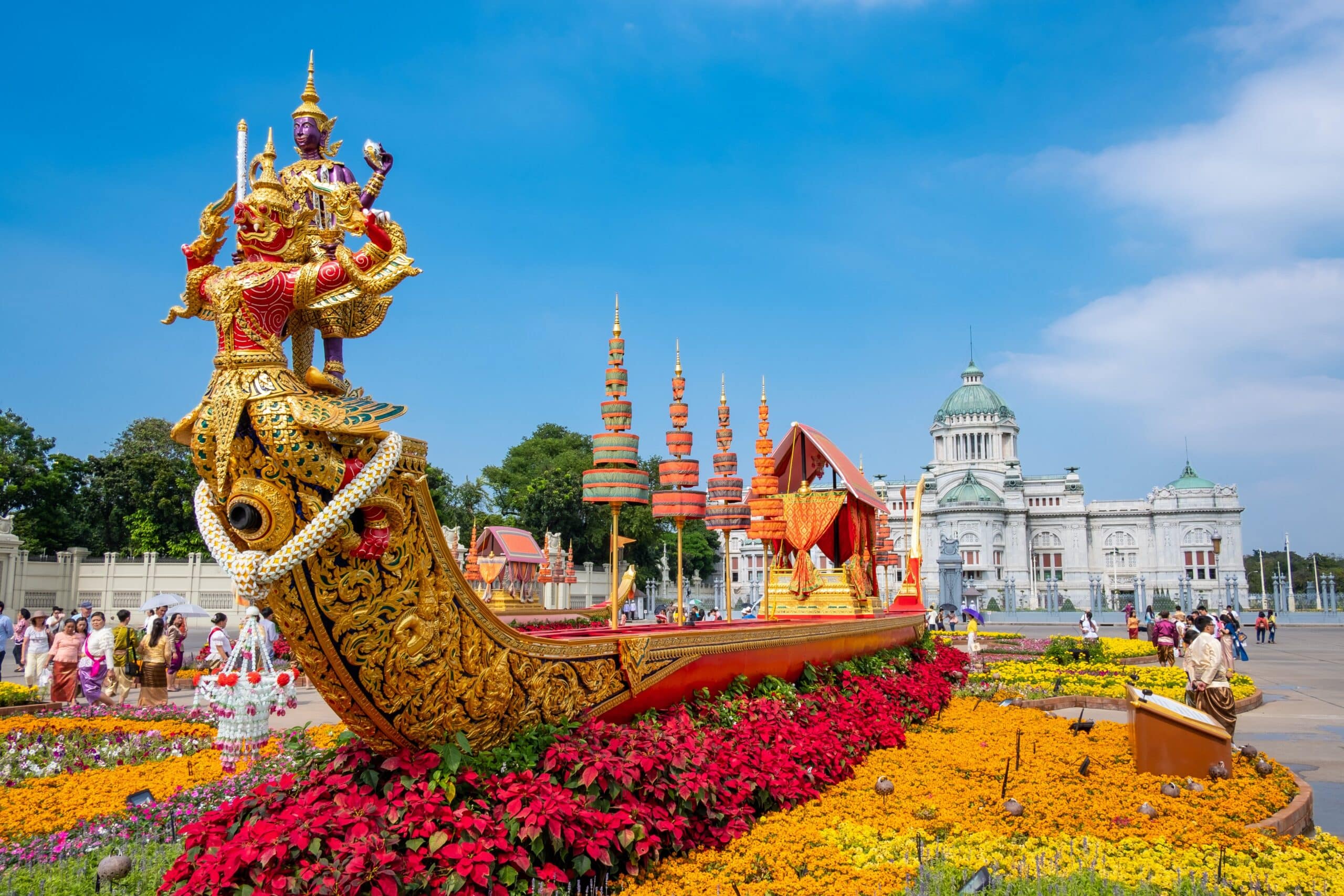
Finding the best time to visit Thailand depends entirely on whether you are chasing sun-drenched beaches, vibrant festivals, or quiet, lush landscapes. As you plan your journey, understanding the tropical cycle is key to a smooth experience while travelling to Thailand.
Weather in Thailand Overview

Thailand’s climate is generally divided into three distinct seasons:
-
Cool Season (November to February): Widely considered the best time to visit Thailand, this period offers pleasant temperatures and low humidity. It is the peak season for a reason—the weather is perfect for exploring Bangkok’s temples or hiking the northern mountains of Chiang Mai.
-
Hot Season (March to June): Temperatures can soar above 35°C, especially in April and May. While the heat is intense, it’s a great time for beach lovers and those wanting to participate in the famous Songkran water festival.
-
Rainy Season (July to October): Expect tropical downpours and occasional storms. However, the rain often comes in short, powerful bursts, leaving the rest of the day clear. Landscapes become a vibrant green, and budget-conscious travelers will find lower prices and fewer crowds.
Managing the Crowds
Since the cool season offers the most reliable weather, it also draws the largest tourist crowds. During this peak period, popular spots like Maya Bay or the Grand Palace will be busy, and accommodation prices often spike. If you prefer a quieter experience, consider the “shoulder seasons” (April to June or September to October). You’ll find better deals on luxury resorts and more breathing room at famous landmarks.
Beach Holidays: East vs West
A crucial tip for anyone travelling to Thailand for the coast is that the two sides of the peninsula have slightly different weather patterns:
-
Andaman Sea (Phuket, Krabi, Phi Phi): Best from November to April when the seas are calm and perfect for diving.
-
Gulf of Thailand (Koh Samui, Koh Phangan, Koh Tao): These islands have their best weather from January to August, making them a great alternative if you are visiting during the northern hemisphere’s summer.
Cultural Festivals
Timing your trip to coincide with a festival can make your visit unforgettable:
-
Songkran (April): The Thai New Year is celebrated with massive, country-wide water fights—the ultimate way to cool off during the hot season.
-
Loy Krathong & Yi Peng (November): Witness thousands of lanterns floating on rivers and into the sky, particularly magical in Chiang Mai.
Whether you’re seeking the festive energy of the peak season or the quiet beauty of the monsoon, Thailand offers a unique adventure year-round.
How to visit Thailand: What to Pack
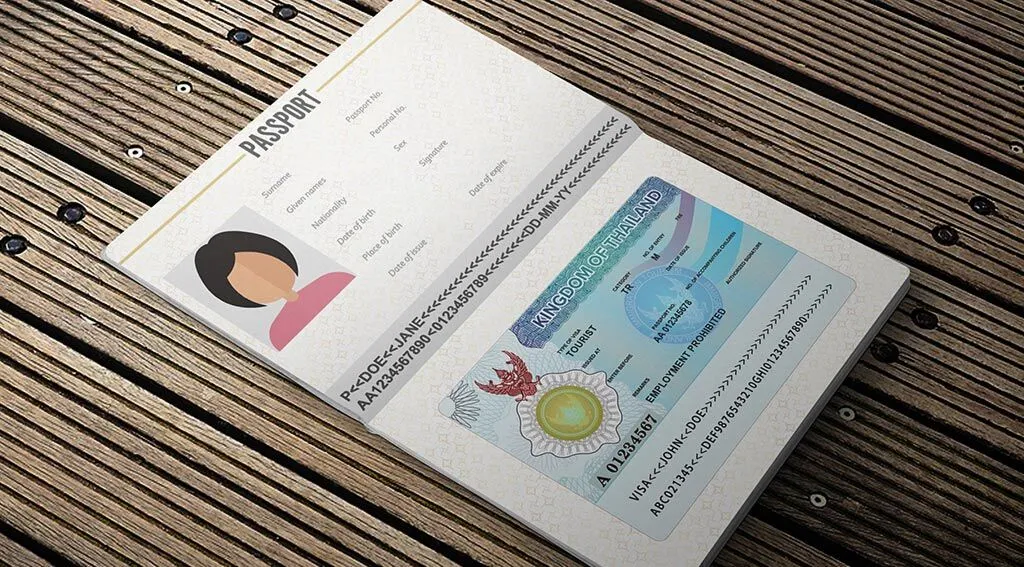
Packing efficiently is essential for a seamless adventure, but before you fill your suitcase, you must ensure your documentation is in order. When travelling to Thailand in 2026, the most critical item is your Thailand passport; it must be valid for at least six months from your entry date to avoid being denied boarding. Additionally, verify your Thailand visa status or check if you qualify for the 60-day visa exemption, and remember that all travelers must now complete the online Digital Arrival Card (TDAC) before landing.
Once the paperwork is settled, consider the best time to visit Thailand to tailor your wardrobe. If you are visiting during the cool peak season (November–February), lightweight layers are perfect. If your trip falls during the monsoon, a sturdy rain poncho is a must. Here is a breakdown of what to pack:
Clothing & Footwear
-
Breathable Fabrics: Stick to linen and cotton to combat the tropical humidity.
-
Temple-Ready Attire: Modest clothing is mandatory for religious sites. Pack a sarong or lightweight trousers that cover your knees and shoulders.
-
Versatile Shoes: Bring comfortable walking shoes for city treks and flip-flops for the islands.
Health & Protection
-
Sun & Bug Safety: High-SPF sunscreen and DEET-based insect repellent are vital, especially for rural excursions.
-
Hydration: A reusable water bottle helps you stay hydrated while reducing plastic waste.
Electronics & Essentials
-
Power Up: Thailand uses Type A and C plugs (220V). A universal adapter and a portable power bank will keep your camera and smartphone ready for those iconic shots.
-
Document Backups: Keep digital scans of your Thailand visa and passport on a secure cloud drive or your phone.
By combining the right gear with a clear understanding of how to travel to Thailand safely, you’ll be ready for everything from Bangkok’s street food stalls to the serene shores of the south.
The Top Tourist Attractions in Thailand
Thailand is renowned for its stunning beaches, rich cultural heritage, vibrant cities, and lush landscapes. Here are some of the top tourist attractions in Thailand:
Bangkok
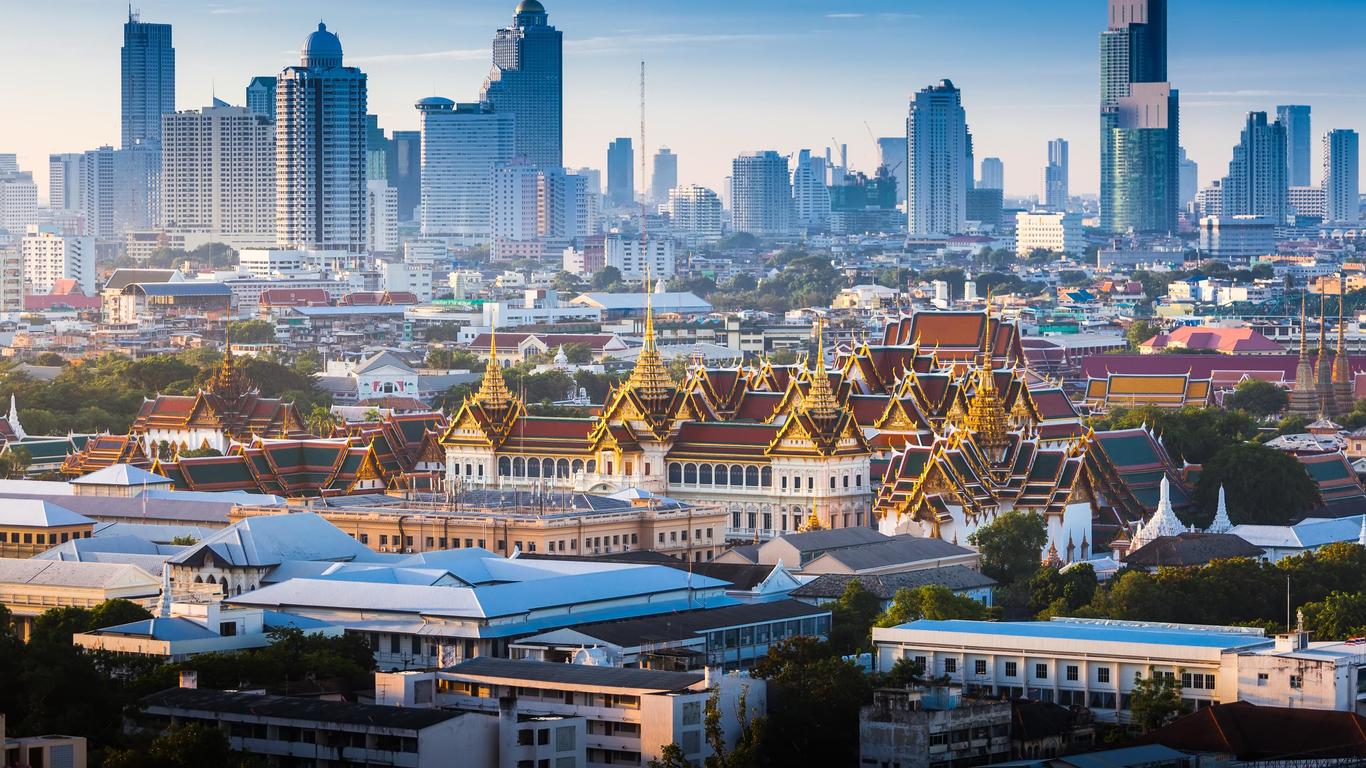
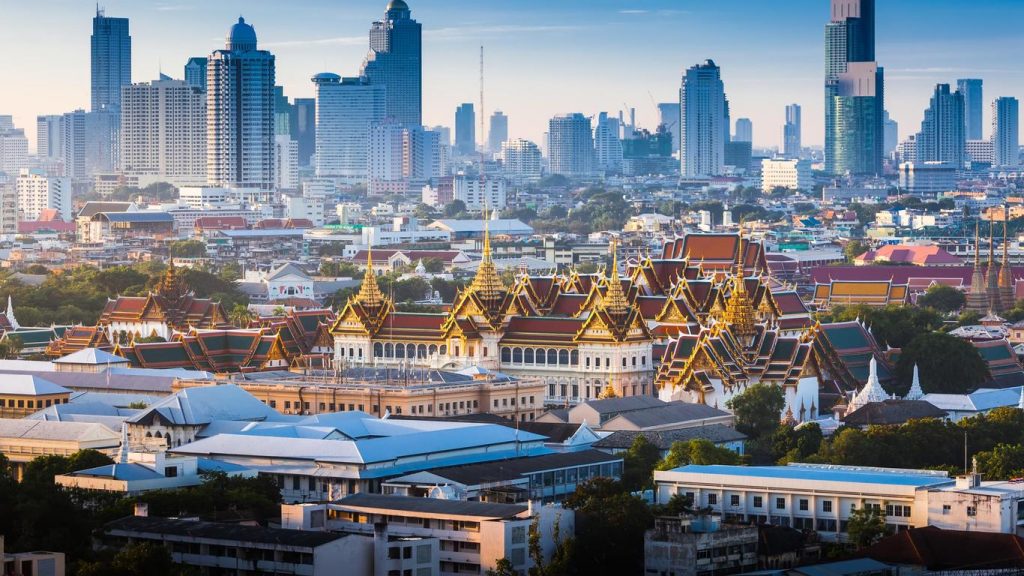
When planning how to travel to Thailand, your journey will likely begin in the bustling capital. The best time to visit Thailand, particularly Bangkok, is between November and February when the weather is cool and dry, making it much more comfortable to explore outdoor monuments.
Travelling to Thailand‘s capital allows you to witness a vibrant mix of modernity and tradition. Don’t miss these iconic landmarks:
-
The Grand Palace & Wat Phra Kaew: The spiritual heart of the city, housing the revered Emerald Buddha.
-
Wat Arun (Temple of Dawn): A majestic porcelain-encrusted spire on the banks of the Chao Phraya River.
-
Floating Markets: Experience local life at Damnoen Saduak or Taling Chan for authentic snacks and crafts.
To beat the heat and the crowds, start your sightseeing at sunrise and remember that modest dress is strictly required for all temple visits.
Chiang Mai

When planning how to travel to Thailand for a deeper cultural experience, Chiang Mai is an essential stop. The best time to visit Thailand‘s northern capital is from November to early February, when the cool, crisp mountain air makes exploring the city’s 300+ ancient temples—like the golden Wat Phra That Doi Suthep—truly magical.
Travelling to Thailand’s lush north offers more than just history; it is the gateway to the highlands. You can trek through jungle trails, visit ethical elephant sanctuaries, or shop for traditional handicrafts at the famous Sunday Walking Street. Just keep in mind that the “smoky season” usually starts in late February, so timing your visit for the cooler months ensures the clearest mountain views.
Phuket

When researching how to travel to Thailand for a tropical escape, Phuket is often the top choice. The best time to visit Thailand’s largest island is from November to April, when the Andaman Sea is crystal clear and calm, perfect for exploring the breathtaking Phi Phi Islands.
Travelling to Thailand’s south offers a diverse coastal experience—from the high-energy nightlife and shopping at Patong Beach to the more relaxed, family-friendly shores of Kata Beach. Whether you’re looking for world-class scuba diving, luxury resorts, or vibrant street food markets, Phuket serves as the ultimate hub for sun-seekers and water sports enthusiasts alike.
Ayutthaya Historical Park
A UNESCO World Heritage Site, Ayutthaya was once the capital of the Kingdom of Siam and is now home to impressive ruins and ancient temples.
Krabi
Known for its breathtaking limestone cliffs, crystal-clear waters, and pristine beaches, Krabi is a haven for beach lovers, rock climbers, and snorkelers. Railay Beach and Phi Phi Islands are must-visits.
Sukhothai Historical Park
Another UNESCO World Heritage Site, Sukhothai, was the first capital of ancient Thailand (13th and 14th centuries). The park features well-preserved ruins and temples.
Chiang Rai

This city in northern Thailand is famous for the White Temple (Wat Rong Khun), a contemporary Buddhist temple adorned with intricate white carvings. The Golden Triangle, where Thailand, Laos, and Myanmar meet, is also a popular attraction.
Pai
A laid-back town nestled in the mountains of northern Thailand, Pai is known for its picturesque landscapes, hot springs, waterfalls, and vibrant night market.
Koh Samui
One of Thailand’s largest islands, Koh Samui, offers pristine beaches, luxury resorts, and vibrant nightlife. Don’t miss the iconic Big Buddha Temple and the Na Muang Waterfalls.
Elephant Nature Park
This sanctuary is located near Chiang Mai and rescues and rehabilitates elephants from the tourism and logging industries. Visitors can observe and interact with these magnificent creatures responsibly and ethically.
Vietnam Tour 247 – Reputable Thailand tour agency

Vietnam Tour 247 is a premier travel agency in Vietnam renowned for designing personalized private tours and multi-day excursions across Vietnam, Laos, Cambodia, Thailand, and Bali. We are a member of the Allure Vietnam Travel Group and are dedicated to delivering exceptional travel experiences tailored to each client’s unique preferences.
Our extensive range of Vietnam tour packages encompasses the most popular destinations and highlights throughout Vietnam and Southeast Asia. Whether you’re drawn to the vibrant energy of bustling urban centers, the serene beauty of rural landscapes, the rich tapestry of cultural experiences, or the awe-inspiring natural wonders, our offerings cater to every traveler’s desires. Our tours are designed flexibly, aligning seamlessly with your preferences, budget, and schedule. You can choose from our meticulously crafted itineraries or work with our experienced travel consultants to create a journey that perfectly matches your vision.
For those planning a trip to Thailand, we provide various tour options that showcase the country’s unique splendor. From the comprehensive “Majestic Thailand and Vietnam” 15-day tour to the enchanting “Lands of Smiles in Thailand, Cambodia, and Vietnam” 16-day tour, our offerings promise an unforgettable exploration of Thailand.
With its rich history, architectural marvels, and cultural significance, Thailand is an essential destination for any traveler. Trust Vietnam Tour 247 to curate an immersive and enriching experience, guiding you through the captivating allure of Thailand and beyond.
In Conclusion
In conclusion, understanding how to travel to Thailand involves thorough preparation and awareness of essential travel requirements. From ensuring your passport validity and securing the appropriate visa to selecting your travel routes and accommodations, every detail contributes to a hassle-free journey. Embrace Thailand’s vibrant culture, breathtaking landscapes, and warm hospitality. By planning and staying informed, you can make the most of your adventure in this captivating destination. Enjoy your trip and savor the unique experiences that await you in the Land of Smiles.
FAQs
1. What are the mandatory entry requirements for 2026?
Beyond your Thailand passport (which must be valid for at least six months), all foreign travelers must now complete the Thailand Digital Arrival Card (TDAC) online. This replaces the old paper forms and must be submitted within 72 hours of your arrival. You will receive a QR code to present to immigration officers.
2. Do I still need a Thailand visa for a short holiday?
Citizens of 93 countries, including the US, UK, Canada, and most of the EU, are eligible for a 60-day visa-free entry for tourism. This can usually be extended for an additional 30 days at a local immigration office. If you plan to stay longer or work remotely, you should look into the Destination Thailand Visa (DTV), which is valid for 5 years.
3. When is the best time to visit Thailand to avoid rain?
The best time to visit Thailand for clear skies and calm seas is during the cool season, from November to February. If you are heading to the Gulf islands (like Koh Samui), the weather remains excellent through August, making it a great alternative during the European summer months.
4. Is travel insurance mandatory for entry?
While not strictly required for most tourist entries in 2026, having travel insurance is highly recommended. It ensures you are covered for medical emergencies and protects your investment if you have to cancel your trip. Some long-term visas, however, may still require proof of specific health coverage.
5. What is the most reliable way to get around once I’m there?
Travelling to Thailand is easy thanks to its diverse transport options. For long distances, domestic flights and sleeper trains are favorites. For local travel, ride-hailing apps like Grab and Bolt offer the most transparent pricing in cities, while songthaews and ferries are essential for reaching more rural or island destinations.
Read more
Health & Safety In Thailand: What You Need To Know To Have A Perfect Trip
Enjoying Amazing Thailand Cambodia Vietnam Itinerary 10 Days