Hidden in the bustling heart of Saigon, the Ho Chi Minh city museum of fine arts is an ideal destination for those who appreciate art and historic architecture. Featuring elegant French-style design and diverse exhibition spaces ranging from classical to modern, this Art Museum not only preserves cultural values but also serves as an inspiring check-in location. If you are looking for a gentle yet enriching artistic experience, join Vietnamtour247 to explore the unique charm found here.
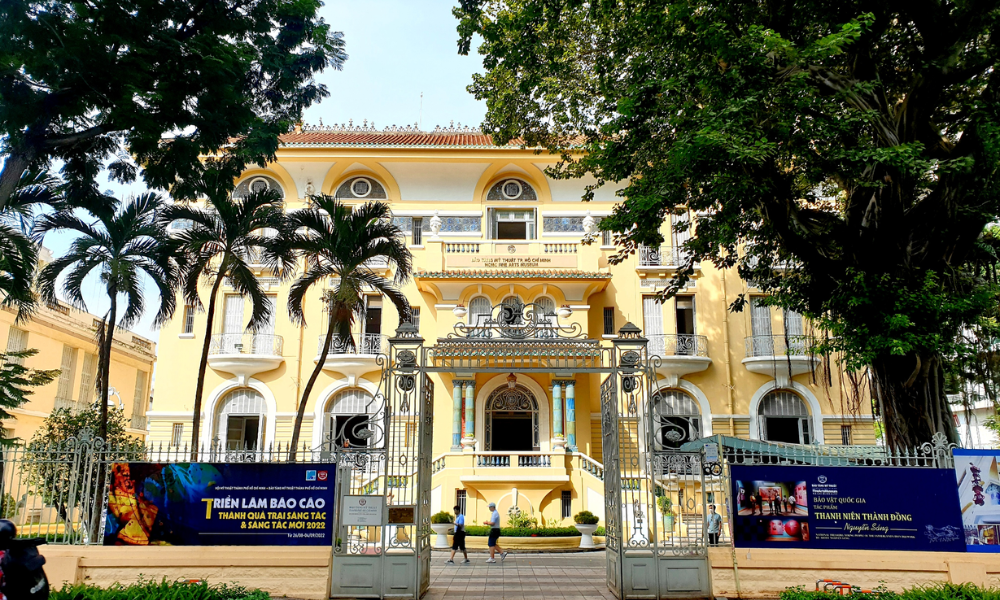
Introduction to the Ho Chi Minh City Museum of Fine Arts
The Ho Chi Minh city museum of fine arts is one of the most prominent cultural and artistic attractions in Saigon, attracting both local and international visitors. It impresses not only with its French colonial architecture but also with thousands of valuable artworks, including paintings, sculptures, and traditional fine art artifacts.
Located right in the city center, this Art Museum offers a peaceful and artistic atmosphere, completely contrasting with the vibrant life outside. For this reason, the Ho Chi Minh city museum of fine arts is not only an ideal sightseeing destination but also a unique check-in spot for those who love exploring culture and art.
Where is the Ho Chi Minh City Museum of Fine Arts?
Address and how to get there
- Address: 97A Pho Duc Chinh Street, Sai Gon Ward, Ho Chi Minh City
The Ho Chi Minh city museum of fine arts is located at 97A Pho Duc Chinh Street—right in the city center, making it very convenient for visiting and getting around. Thanks to its proximity to many famous attractions, visitors can easily combine it with other destinations in the same itinerary.
How to get to the Ho Chi Minh City Museum of Fine Arts:
- Motorbike: This is the most flexible option. You can follow central District 1 routes such as Ham Nghi, Le Loi, or Tran Hung Dao, then turn onto Pho Duc Chinh Street to reach the museum.
- Bus: Several bus routes pass through the city center, such as 01, 03, and 19. You can get off near Ben Thanh Market and walk for about 5–10 minutes.
- Taxi/Grab: If you are not familiar with the roads, ride-hailing services are a convenient choice. Simply enter “Ho Chi Minh city museum of fine arts,” and the driver will take you directly there.
Tips:
- You can park near the Ho Chi Minh city museum of fine arts or in nearby small alleys, with fees ranging from 5,000 to 10,000 VND.
- To avoid the city’s heavy traffic, plan your visit on weekdays rather than weekends, especially to avoid congestion on Le Loi and Tran Hung Dao streets. Visiting early in the morning or late afternoon will give you a more comfortable experience.
Opening hours and entrance fee
Information about the Ho Chi Minh city museum of fine arts opening hours and Ho Chi Minh city museum of fine arts entrance fee is essential for planning your visit.
- Opening hours: The museum is usually open from 8:00 AM to 5:00 PM daily, including weekends and public holidays.
- Recommended visit duration: Around 45 to 60 minutes for a full experience, depending on your interest in the exhibitions.
- Best time to visit: 8:00 – 10:00 AM or 3:30 – 5:00 PM
- Entrance fee (reference): 30,000 VND per person
Peak hours note: On weekends and holidays, the museum can be quite crowded, especially with young visitors coming for photos. If you prefer a quieter experience, avoid the time slot from 10:00 AM to 2:00 PM.
Additional notes:
- If you want to bring a camera inside for photography, an additional fee of 100,000 VND is required.
- For the latest updates on the Ho Chi Minh city museum of fine arts entrance fee or temporary closures, please visit the official website or contact the hotline: 028 3829 444.
History and Unique Architecture of the Museum
Historical background
The Ho Chi Minh city museum of fine arts is a building rich in historical significance, originally constructed in the early 20th century. At first, it served as the residence of a wealthy Chinese merchant—one of the most prominent families in Saigon at that time.
Through various historical changes, the building was used for different purposes before officially becoming a museum in 1987. Since then, it has not only functioned as an exhibition space but also as a place preserving important cultural and historical values of the city.
With more than 100 years of history, the building tells a story of cultural fusion, clearly reflecting the development of old Saigon and modern Ho Chi Minh City.
Impressive French colonial architecture
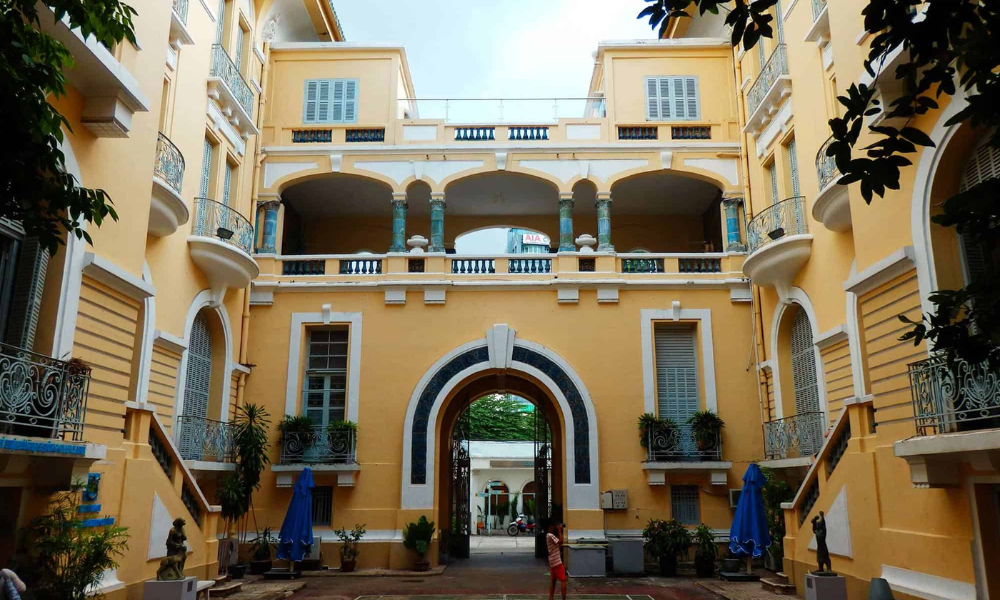
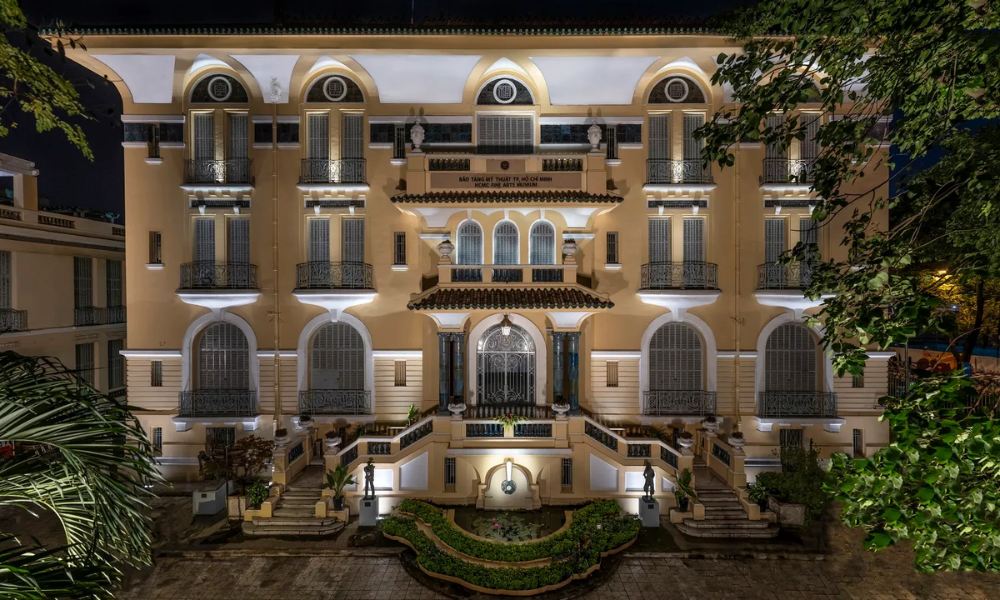
The building stands out for its French colonial architectural style, harmoniously combined with Asian elements, creating a beauty that is both elegant and familiar. The overall structure follows a symmetrical layout, featuring a signature yellow façade and refined decorative details.
Highlights not to be missed:
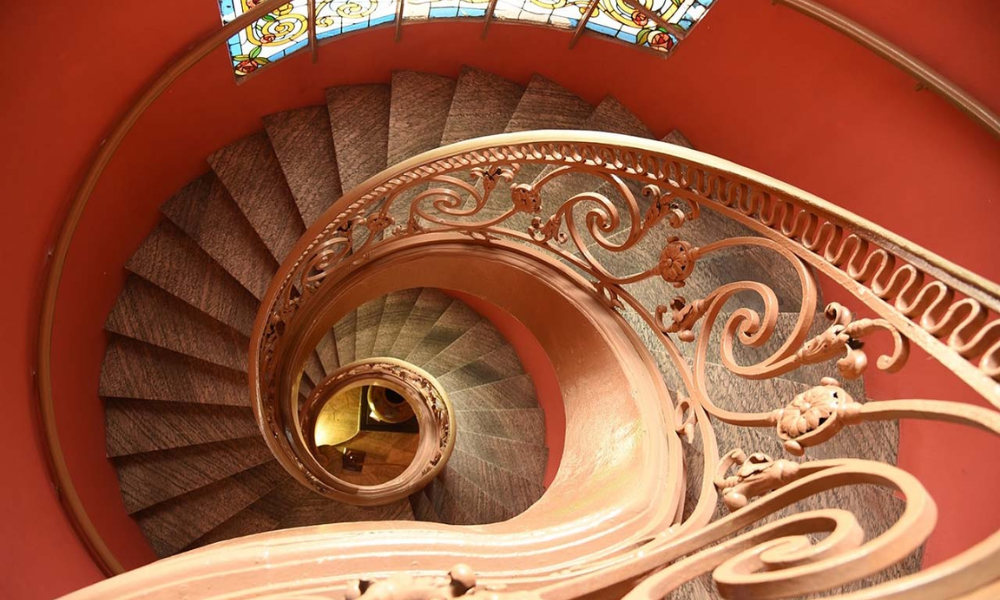
- Spiral staircase: With its soft, flowing curves, this is one of the most popular photo spots in the museum.
- Vintage tiled floors: Intricately patterned tiles reflect the passage of time and enhance the nostalgic atmosphere.
- Stained glass windows: Artistic glass panels allow natural light to filter inside, creating a captivating visual effect.
What’s Inside the Ho Chi Minh City Museum of Fine Arts?
Inside the Ho Chi Minh city museum of fine arts, the space is divided into three main buildings, each with its own function and unique identity, creating a diverse visitor experience. The first building stands out with its historic architecture and showcases important artworks arranged chronologically. The second building focuses on thematic collections and exhibitions based on specific periods or artistic themes.
Meanwhile, the third building is typically dedicated to modern works and contemporary creative spaces, offering a fresh perspective on art. This layout allows visitors to explore each area according to their interests while clearly experiencing the evolution of fine arts through different periods.
Classical art gallery
The Ho Chi Minh city museum of fine arts features a valuable collection of classical artworks. Here, visitors can admire a wide range of paintings, sculptures, and art objects from different historical periods.
These works are diverse in materials—such as oil paintings, lacquer art, and wood sculptures—and vividly reflect the life, culture, and spirit of each era. The artistic value of this section lies in its refined techniques and meaningful depth, helping visitors better understand the development of Vietnamese fine arts over time.
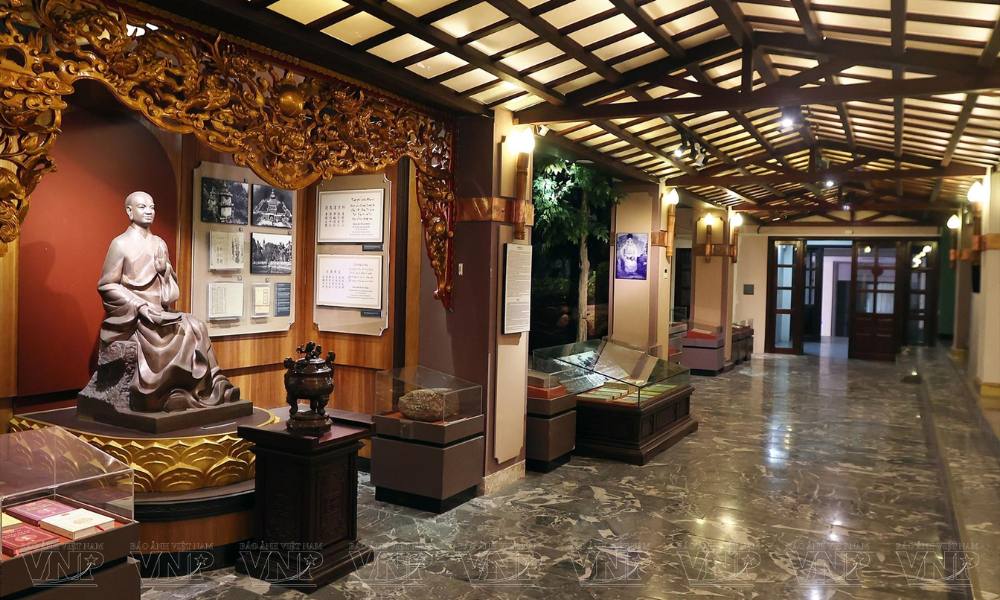
Thematic collections and exhibitions by period or artistic theme
At the Ho Chi Minh city museum of fine arts, the second building serves as a flexible exhibition space, regularly showcasing thematic collections based on historical periods or specific artistic topics.
The artworks are clearly organized by theme, making it easier for visitors to follow and gain deeper insights into each exhibition—from traditional art and wartime art to contemporary artistic trends.
This space frequently updates its exhibitions, offering a fresh experience with every visit. As a result, visitors not only admire artworks but also gain different perspectives on culture, history, and daily life through painting and sculpture.
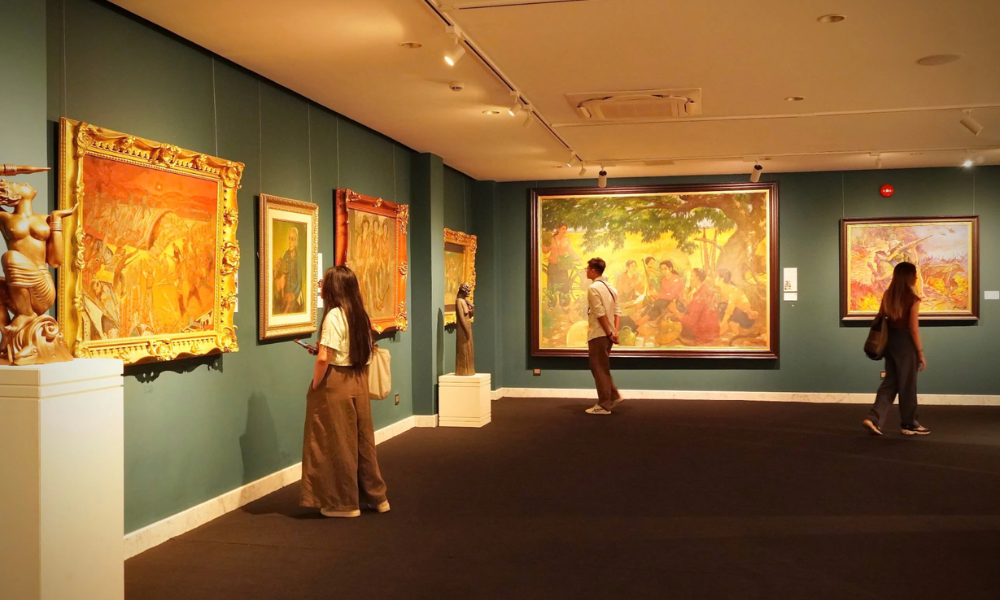
Modern art gallery
In addition to the classical section, the modern art gallery brings a fresh atmosphere with creative contemporary works. The paintings and installations here often express personal perspectives, reflecting society and new artistic trends.
Visitors can explore a wide range of artistic styles, from abstract to minimalist, along with the influence of notable artists both locally and internationally. This area is ideal for those who appreciate innovation and want to learn more about contemporary art.
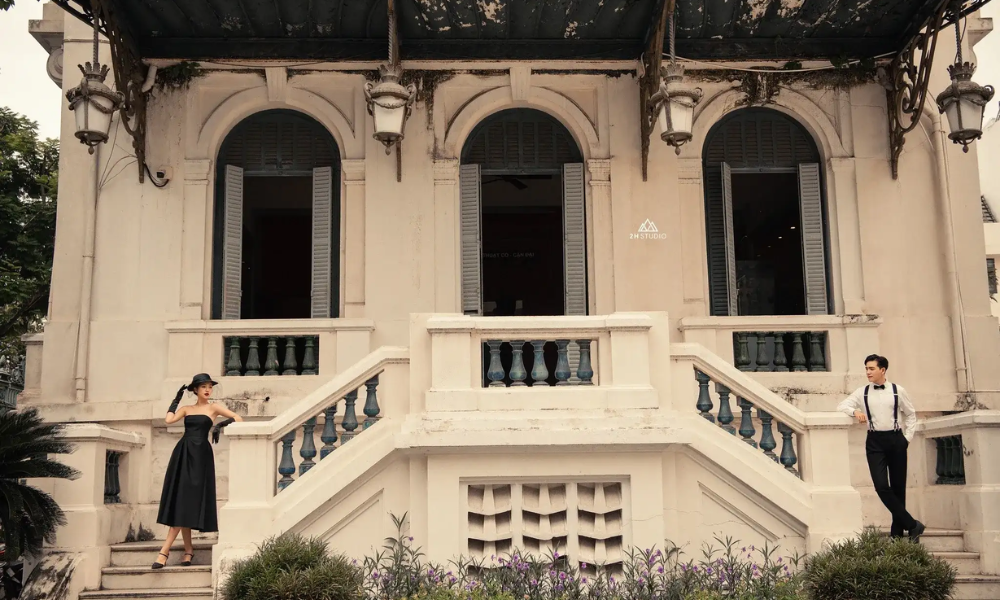
Trendy check-in spaces
Beyond being an Art Museum, it is also a popular check-in spot among young visitors thanks to its unique architectural setting.
Famous photo spots:
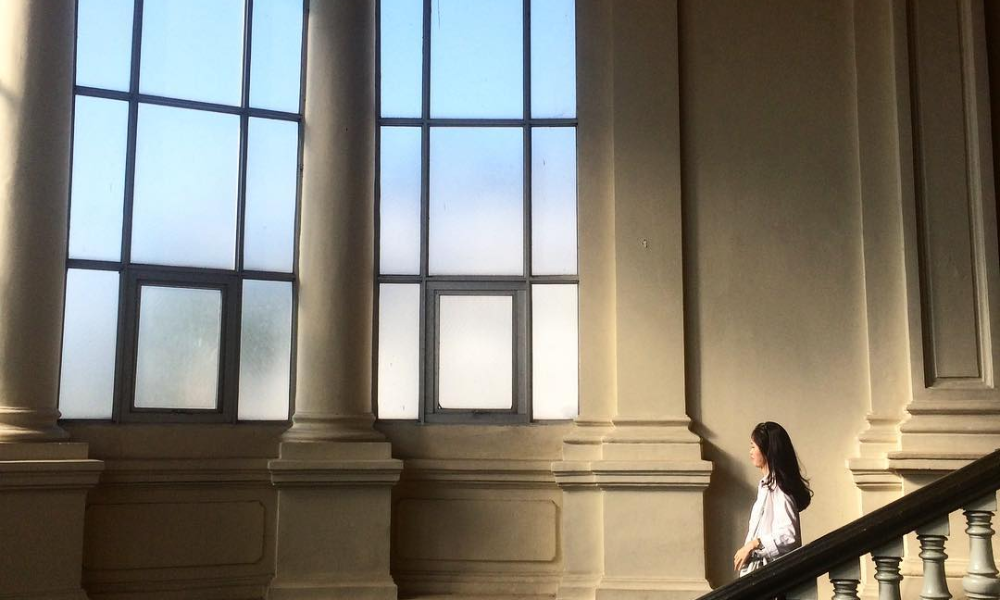
- The classic spiral staircase with natural lighting
- Long corridors in European style
- Stained glass windows creating beautiful light effects
Photography tips:
- Visit in the morning to take advantage of natural light
- Choose vintage or soft-toned outfits to match the space
- Avoid peak hours to capture clean, “perfect-angle” shots
Notes and Tips for Visiting
- Keep quiet: Avoid speaking loudly to maintain a peaceful atmosphere for everyone.
- Do not touch the exhibits: Artworks are highly valuable, so please observe from a safe distance.
- Bring a camera: This is an ideal place for photography, but make sure to follow the rules in each area.
- Photography is allowed, but flash is prohibited to protect the artworks. The museum also regularly hosts temporary exhibitions by contemporary artists.
Tips:
- Take time to read the information boards next to each artwork to better understand their historical and cultural significance.
- For a more complete experience, visitors can use the museum’s audio guide service to learn about the stories behind each piece.
- Check the museum’s website for the latest exhibition schedule so you don’t miss any special events.
- If possible, join workshops or artist talks to gain deeper insights into the art on display.
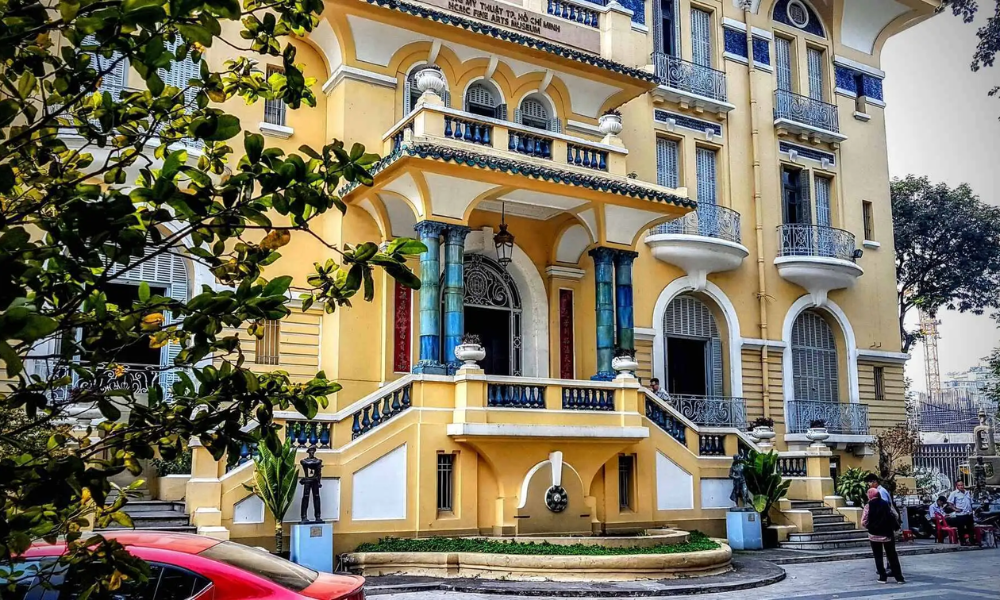
Experiences You Should Try at the Ho Chi Minh City Museum of Fine Arts
More than just an exhibition space, the Ho Chi Minh city museum of fine arts offers many engaging experiences that make your visit more meaningful and memorable. Here are some activities you should try:
Take time to “read” and feel each artwork
Instead of quickly walking through the galleries, choose a few standout pieces and spend time observing them carefully. Pay attention to colors, lines, materials, and the emotions conveyed.
Many oil paintings, lacquer artworks, and sculptures here are not only visually appealing but also tell stories about Vietnamese history, culture, and daily life across different periods. By “reading” artworks this way, art becomes much more accessible and engaging.
Explore constantly changing themed exhibitions
One of the highlights of the Ho Chi Minh city museum of fine arts is its regularly updated thematic exhibitions. Each visit may feature different collections, ranging from traditional art to contemporary works.
This ensures a fresh experience every time you return. If you’re lucky, you may even encounter exhibitions by young artists or interactive art events.
Capture artistic photos in a unique architectural setting
The museum is often considered a “photography paradise” thanks to its blend of classical and Asian-inspired design. You can experiment with various photo concepts such as:
- Soft vintage style with long dresses or classic shirts
- Minimalist artistic looks with neutral tones
- High-fashion concepts using natural lighting
Spots like the spiral staircase, long corridors, and stained glass windows will help you create stunning photos without much editing.
Conclusion
The Ho Chi Minh city museum of fine arts is not only a place that preserves valuable artistic and historical heritage but also an ideal destination for those who love exploring culture in the heart of Saigon. With its classic architecture, diverse exhibition spaces, and many impressive check-in spots, it offers an experience that is both aesthetically pleasing and rich in cultural value.
If you have the chance to visit the city, don’t miss the opportunity to explore this museum and gain a deeper appreciation of Vietnamese art through different periods, while capturing memorable moments.
Start planning your journey today with Vietnamtour247 to discover the beauty of Vietnam and enjoy meaningful travel experiences.
Contact Vietnam Tour 247 to book a tour to explore all of Vietnam.
- Website: Vietnamtour247
- Fanpage: Vietnamtour247
- Hotline: (+84) 979133907
- WhatsApp: (+84) 916289247
- Email: sales@vietnamtour247.com
- Address: 128 Ngoc Tri St, Long Bien District, Hanoi
See more:
- Vietnam Waterfall Travel Guide: Best Falls to Visit
- Sapa To Ninh Binh: Scenic Travel Guide For Visitors
- Top 5 Hidden Beaches in Vietnam You Must Visit
Frequently Asked Questions about Ho Chi Minh city museum of fine arts
Do I need to book tickets in advance?
No, visitors can purchase tickets directly at the counter upon arrival. However, on weekends or public holidays, it’s recommended to come early to avoid long waiting times.
Is there parking available?
Yes, there is a parking area near the entrance for visitors. It’s best to arrive early to secure a spot, especially during peak hours.
Is the museum air-conditioned or open-air?
Some exhibition areas are air-conditioned, while others follow an open-space design with classic architecture. Overall, the environment is airy and comfortable for visiting.
Are guided tours available?
Yes, the museum offers guided tour services for groups. Individual visitors can also hire a guide to better understand the artworks.