Located in the heart of Siem Reap, Angkor Wat Cambodia is not only a sacred symbol but also one of the greatest architectural masterpieces in the world. With its mysterious beauty, thousand-year-old history, and exquisitely carved structures, Angkor Wat has become a dream destination for travelers passionate about cultural and heritage exploration. Join Vietnamtour247 on an exciting all-inclusive journey to experience the local culture, cuisine, and the most remarkable attractions through the article below.
Overview of Angkor Wat Cambodia
- Location: Angkor Wat Temple, Siem Reap Town, Cambodia
Angkor Wat is the largest religious monument in the world and a source of national pride for Cambodia. Built in the 12th century during the Khmer Empire, the temple was originally dedicated to Hinduism before gradually transforming into a Buddhist site that remains active today. With its massive scale and perfectly symmetrical architecture, Angkor Wat Cambodia is not only a historical landmark but also an extraordinary symbol of religion and art in Southeast Asia.
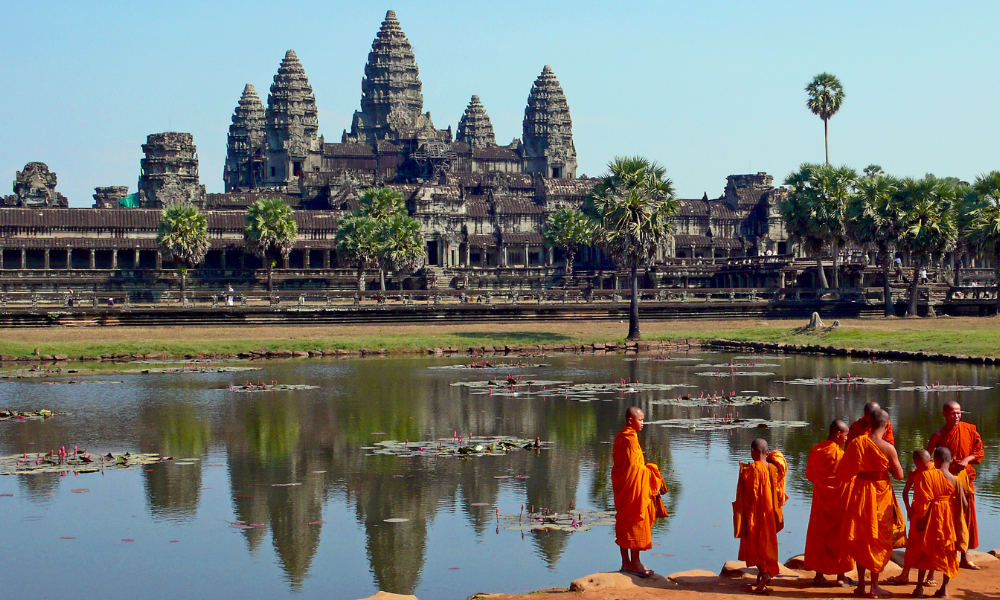
The Location of Angkor Wat in Siem Reap
Angkor Wat is situated north of Siem Reap, the country’s famous tourism hub. From here, visitors can easily access the entire Angkor Archaeological Park, home to hundreds of ancient temples and historical structures. Thanks to its strategic location, Angkor Wat has become an essential stop on any Cambodia travel itinerary while also contributing significantly to the development of local tourism.
The Meaning Behind the Name “Angkor Wat”
The name “Angkor Wat” carries deep cultural and linguistic significance. “Angkor” is derived from the Sanskrit word meaning “city” or “capital,” while “Wat” in Khmer means “temple” or “pagoda.” Together, Angkor Wat can be understood as “the city of temples.” This name perfectly reflects the immense scale and central religious importance of the site during the golden age of the Khmer Empire.
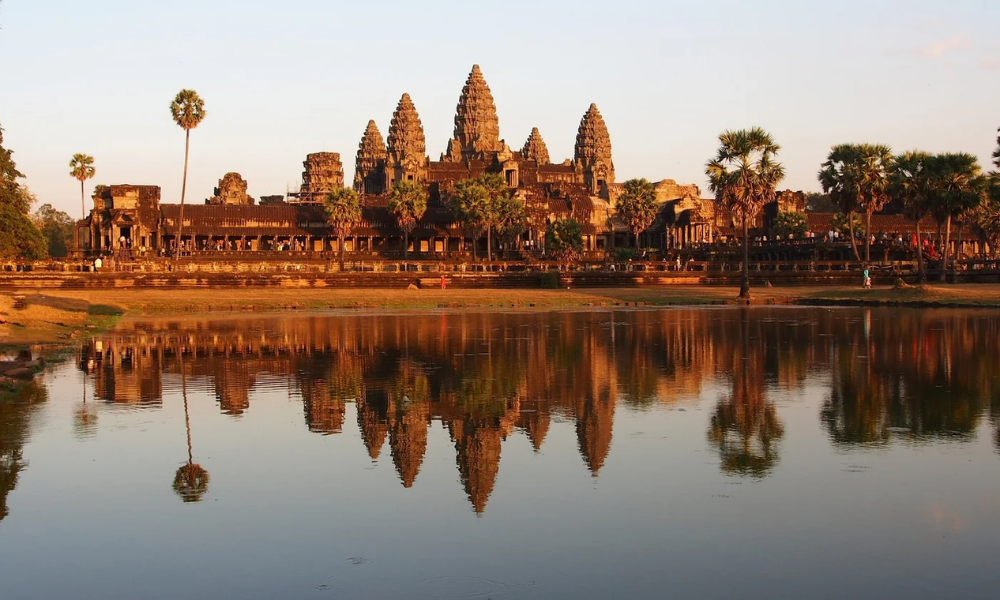
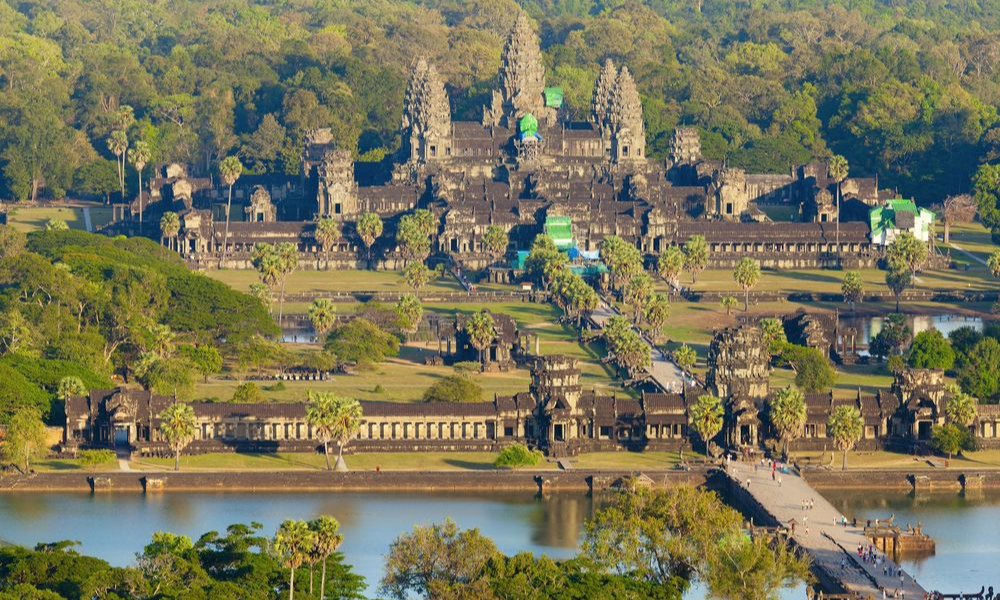
In terms of scale, Angkor Wat is the largest religious complex in the world, covering approximately 162.6 hectares. The entire temple is surrounded by a moat nearly 200 meters wide, creating both a strong defensive structure and a symbolic representation of the universe in Hindu cosmology. At the center of the temple stand five iconic towers representing Mount Meru, which is believed to be the center of the universe in Hindu tradition.
Beyond its enormous size, Angkor Wat impresses visitors with the intricate details found throughout its architecture. Kilometers of galleries feature beautifully carved bas-reliefs depicting mythological stories and historical events, showcasing the extraordinary artistic achievements of the ancient Khmer civilization. The combination of monumental scale and profound symbolism has made Angkor Wat one of the most fascinating and unique chapters in human civilization.
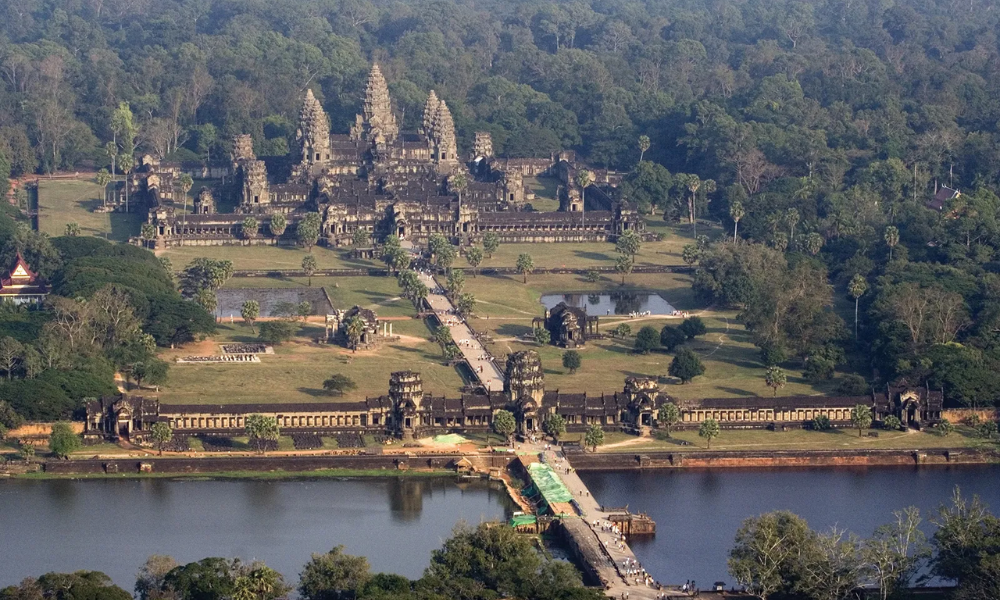
The Role of Angkor Wat in Cambodian Culture and Tourism
More than just an architectural heritage site, Angkor Wat Cambodia holds deep symbolic value for the Cambodian people. The image of the temple appears on the national flag, representing national pride and the country’s long-standing cultural identity. In addition, it is one of the leading tourist attractions in the region, welcoming millions of international visitors every year. The global fame of Angkor Wat has helped introduce Cambodia to the world while playing an essential role in economic development and cultural heritage preservation.
The History of Angkor Wat Cambodia
Angkor Wat Cambodia was constructed in the early 12th century during the reign of Suryavarman II, one of the most powerful kings of the Khmer Empire. Originally, the temple was dedicated to Vishnu, a major Hindu deity, while also symbolizing the strength, prosperity, and greatness of the empire at that time. In the history of Angkor Wat, this period is considered the golden age that laid the foundation for one of the world’s greatest architectural wonders.
Over time, Angkor Wat was influenced not only by Hinduism but also gradually transformed into a Buddhist temple as Buddhism became more widespread throughout the region. This transition reflected the political, cultural, and religious changes within ancient Khmer society. Traces of both religions can still be seen through the bas-reliefs, statues, and architectural elements preserved inside the temple, creating a unique identity within the Angkor wat Cambodia history.
Despite centuries of change and historical events, Angkor Wat has continued to be preserved as an important religious center. Today, the monument carries immense historical significance and has become a national symbol of Cambodia. The image of Angkor Wat on the national flag reflects the pride of the Cambodian people and highlights the importance of this heritage site on the global tourism map.
The Unique Architecture of Angkor Wat
Angkor Wat Cambodia features one of the most iconic architectural styles of the ancient Khmer civilization, designed according to Hindu cosmology. The entire temple complex follows a perfectly symmetrical layout, surrounded by a vast moat symbolizing the ocean, along with multiple walls and galleries leading toward the sacred central sanctuary. The most distinctive feature is the five lotus-shaped towers representing Mount Meru, the center of the universe in Hindu belief, creating the majestic and harmonious beauty that defines Angkor Wat.
In addition to its enormous scale, Angkor Wat is famous for its intricate bas-reliefs stretching for kilometers, depicting Hindu mythology and scenes from the daily life of the ancient Khmer people. Every architectural detail carries profound symbolic meaning, representing the journey from the earthly world to the spiritual realm. The seamless combination of art, religion, and philosophy has transformed Angkor wat Cambodia temple into a timeless masterpiece and a must-visit destination for travelers worldwide.
What Makes Angkor Wat Cambodia Special?
- Recognized as a UNESCO World Heritage Site, Cambodia possesses outstanding global value in terms of history, architecture, and culture. It stands as a vivid testament to the glorious development of the Khmer Empire and remains one of the best-preserved historical monuments in Southeast Asia.
- As one of the largest religious structures in the world, Cambodia impresses visitors with its immense scale, perfectly symmetrical design, and advanced construction techniques far ahead of its time. The entire complex was harmoniously designed to balance space, light, and spiritual elements, creating a truly rare architectural masterpiece.
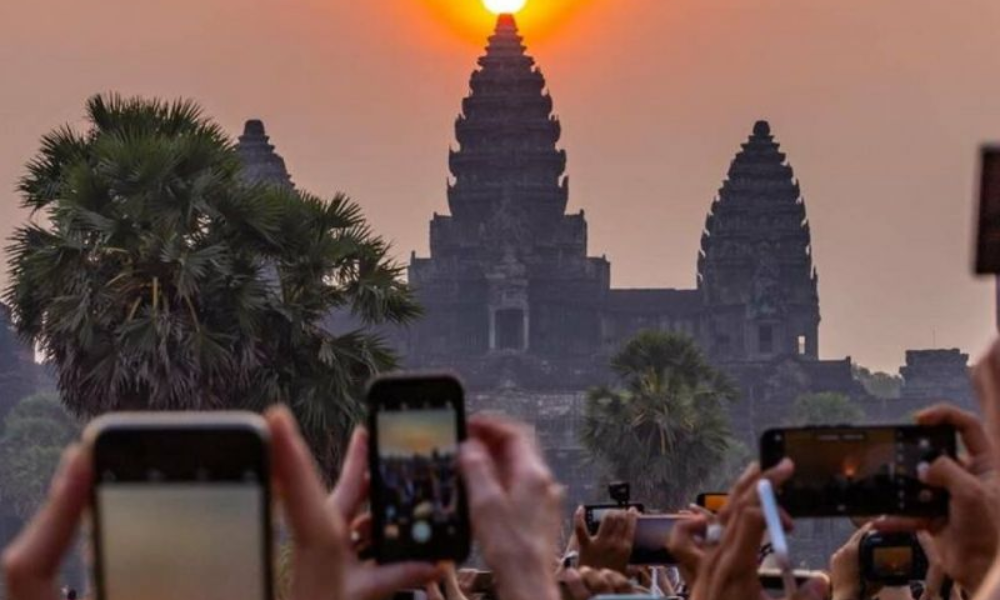
- The temple is also famous for its breathtaking sunrise and sunset views, offering unforgettable visual experiences. At sunrise, the sunlight reflecting behind the temple towers and across the water creates a magical atmosphere, while sunset brings a peaceful and romantic beauty that leaves a lasting impression.
Travel Experience at Angkor Wat Cambodia
Best Time to Visit
The best time to visit Angkor wat Cambodia is during the dry season, which typically lasts from November to April. During this period, the weather is dry with little rainfall, making it convenient for exploring the vast temple complex. In contrast, the rainy season from May to October offers greener landscapes and fewer tourists, although slippery paths and unpredictable weather may cause inconvenience. Best time to visit Cambodia: A Seasonal Guide in 2026. Within the day, the best times to explore are early morning or late afternoon. Sunrise at Angkor Wat Cambodia is an experience not to be missed, while the late afternoon offers peaceful sunset views with fewer crowds.
Ticket Prices and Opening Hours
- 1-Day Pass: Approximately 37 USD, valid for 1 day from the purchase date
- 3-Day Pass: Approximately 62 USD, valid within 7 days from the purchase date
- 7-Day Pass: Approximately 72 USD, valid within 1 month from the purchase date
To visit Angkor Wat, travelers need to purchase an Angkor Pass, available in 1-day, 3-day, or 7-day options depending on their itinerary. Ticket prices may vary over time but are generally considered worthwhile for such a world-famous heritage experience. The temple complex usually opens very early, around 5:00 AM, allowing visitors to enjoy the spectacular sunrise, and closes around 5:30 PM to 6:00 PM. Arriving early not only helps you experience the beauty of the site but also avoid the large crowds during midday.
Important Notes When Visiting
When visiting Angkor Wat, travelers should wear modest clothing that covers the shoulders and knees to show respect for the sacred site. Visitors should also follow preservation rules, such as avoiding touching carvings or climbing restricted areas. For a better experience, it is recommended to avoid peak hours, especially during sunrise at the main temple area. Choosing quieter routes can help you enjoy a more peaceful and complete exploration of the magnificent temple complex.
Famous Attractions Near Angkor Wat Cambodia
Angkor Thom
Angkor Thom was the last capital city and one of the largest constructions of the Khmer Empire, built in the late 12th century under the reign of King Jayavarman VII. Covering an area of approximately 9 square kilometers, the city was surrounded by massive walls and wide moats, reflecting the advanced urban planning and engineering skills of the ancient Khmer civilization.
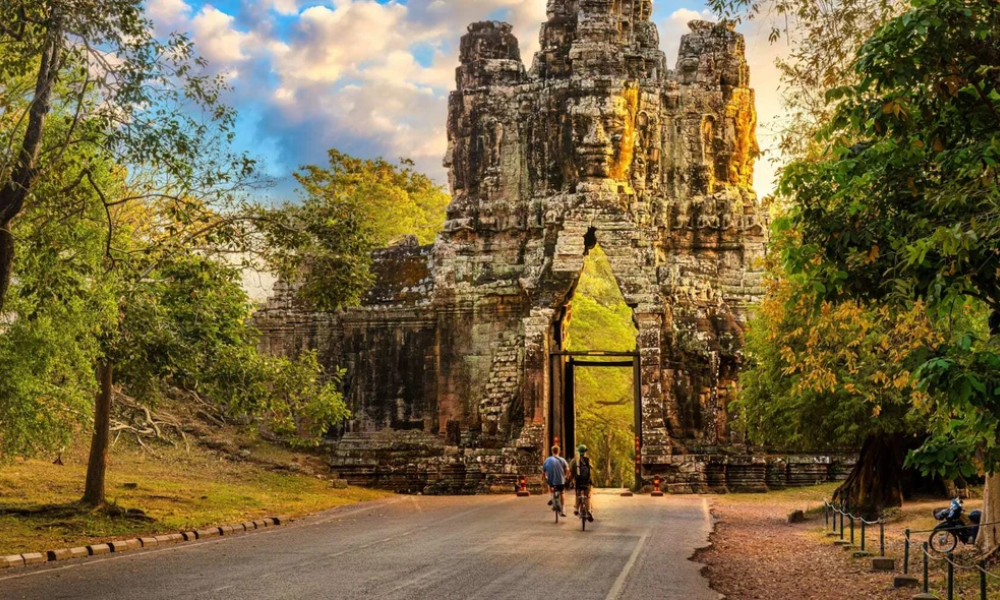
One of the most impressive features of Angkor Thom is its grand entrance gates, lined with statues of gods and demons pulling the Naga serpent on both sides, symbolizing the balance between good and evil in Hindu beliefs. Inside the city are numerous temples, royal palaces, and ancient squares that provide a deeper understanding of the political and cultural life during the Khmer Empire’s golden age. When exploring Angkor Wat Cambodia, Angkor Thom offers visitors a fascinating journey back in time to one of Southeast Asia’s most glorious civilizations.
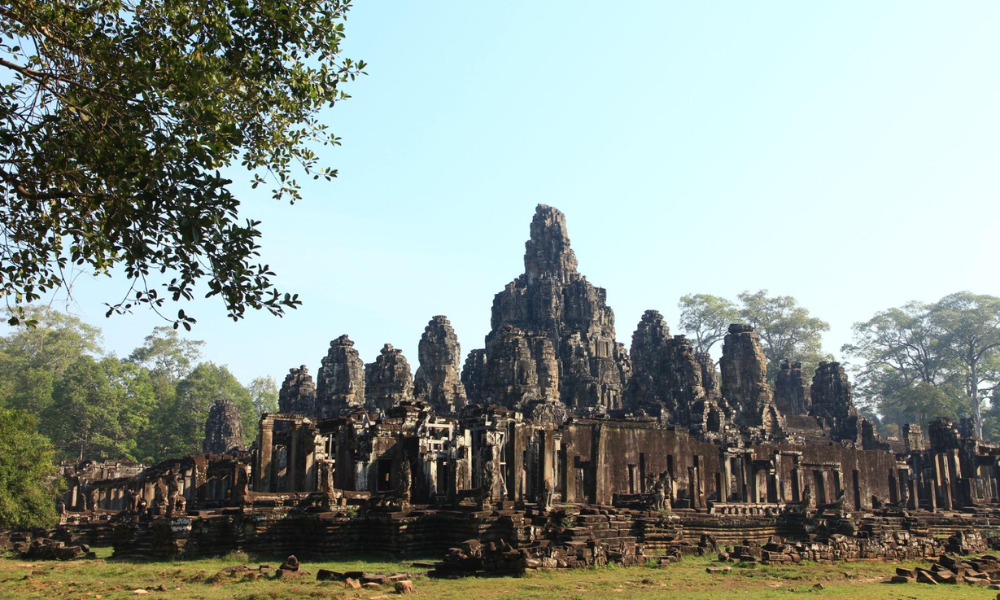
Bayon Temple
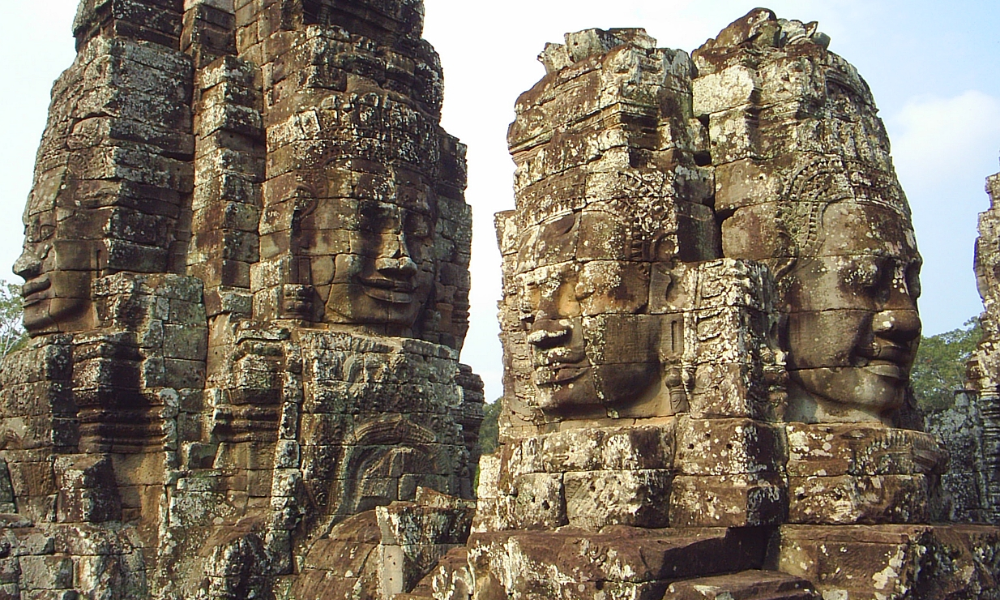
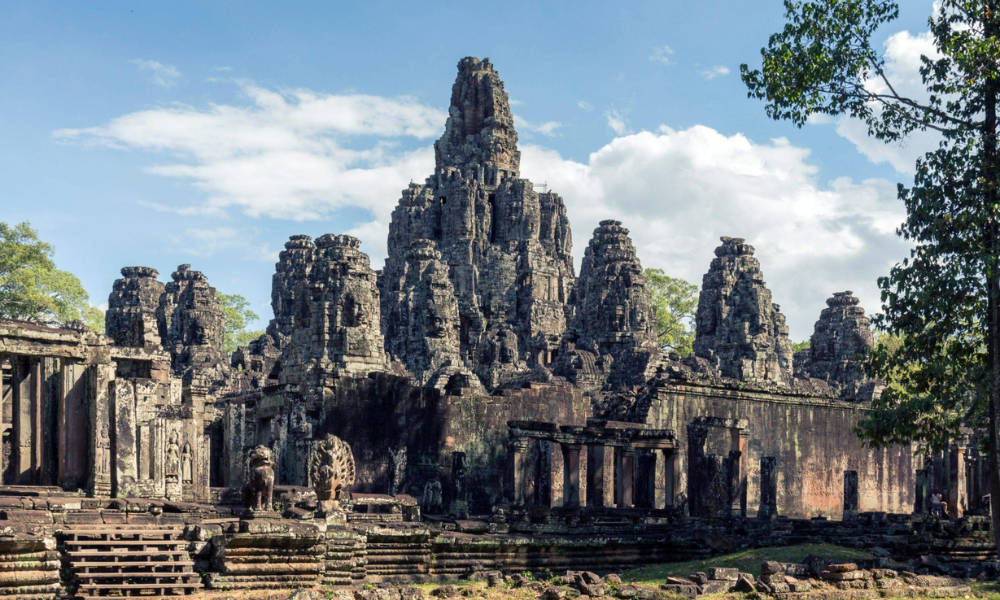
Bayon is the central temple of Angkor Thom and is famous for its completely unique architectural style compared to other temples in the region. The temple features more than 50 towers of various sizes, each decorated with giant stone faces looking toward the four cardinal directions. In total, there are over 200 mysterious smiling faces, creating an atmosphere that feels both sacred and magical.
The bas-reliefs at Bayon are equally remarkable, vividly portraying battle scenes, daily life, festivals, and the culture of the ancient Khmer people. These carvings allow visitors not only to admire the architecture but also to gain a deeper understanding of Cambodian history. During a journey through Angkor Wat Cambodia, Bayon provides a truly unique experience where art and spirituality blend perfectly together.
Ta Prohm
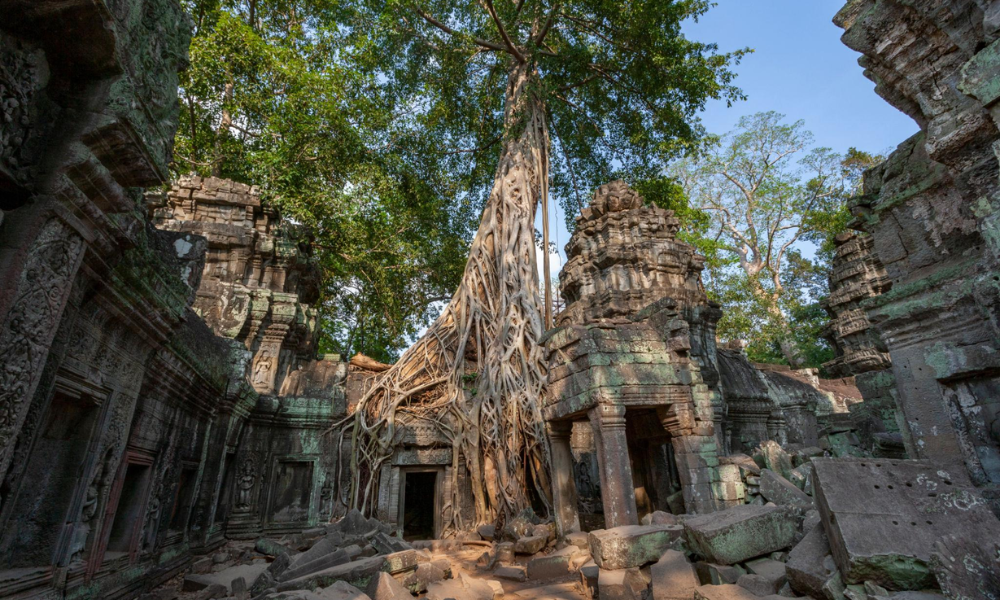
Ta Prohm is one of the most distinctive temples within the Angkor complex and is often referred to as the “jungle temple.” Built in the late 12th century, the site has been largely left in its natural state, with minimal restoration to preserve its original atmosphere.
The most striking feature of Ta Prohm is the enormous ancient trees whose massive roots spread across and through the stone walls, creating a dramatic and mysterious landscape. The combination of ancient ruins and untamed nature has made Ta Prohm one of the most photogenic locations in the Angkor complex. The temple also gained worldwide recognition after appearing in the movie Tomb Raider, helping introduce the beauty of Angkor to global travelers. When visiting Cambodia, Ta Prohm offers a completely different experience, allowing travelers to feel the intersection of history, culture, and the enduring power of nature over time.
Frequently Asked Questions about Angkor Wat Cambodia
How Much Time Should You Spend Visiting?
You should spend at least 1–2 days exploring the main attractions. If you have more time, a 3-day trip will provide a more complete experience.
Is It Necessary to Hire a Tour Guide?
It is not mandatory, but highly recommended to hire a guide to better understand the history and architectural significance of the site. This can make your journey much more interesting and meaningful.
Is It Better to Visit in the Morning or Afternoon?
The morning is ideal for watching the sunrise and avoiding the heat. The afternoon, on the other hand, is perfect for enjoying a quieter atmosphere and beautiful sunset views.
What Should You Prepare Before Visiting?
You should bring water, a hat, and comfortable shoes since there will be a lot of walking. In addition, it is recommended to check the weather forecast and book tickets in advance to save time.
Conclusion
Angkor Wat is not only an architectural wonder but also a remarkable cultural and historical symbol of Cambodia. With its mysterious beauty, monumental scale, and timeless value, Angkor Wat Cambodia continues to rank among the world’s most unforgettable travel destinations.
From its rich history and unique architecture to its extraordinary sightseeing experiences, Angkor Wat offers travelers an inspiring journey of discovery. If you are searching for a destination that combines profound cultural heritage with breathtaking scenery, Angkor Wat will undoubtedly be an unmissable highlight of your Southeast Asia adventure.
Contact Vietnamtour 247 to book a tour and explore everywhere.
- Website: Vietnamtour247
- Fanpage: Vietnamtour247
- Hotline: (+84) 979133907
- WhatsApp: (+84) 916289247