
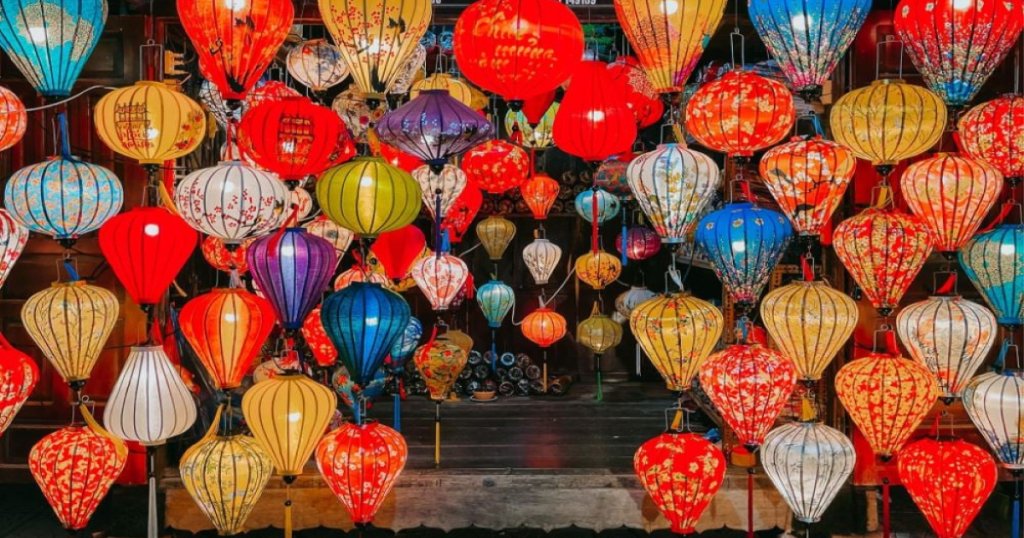
Hoi An lantern – an iconic symbol of the ancient town
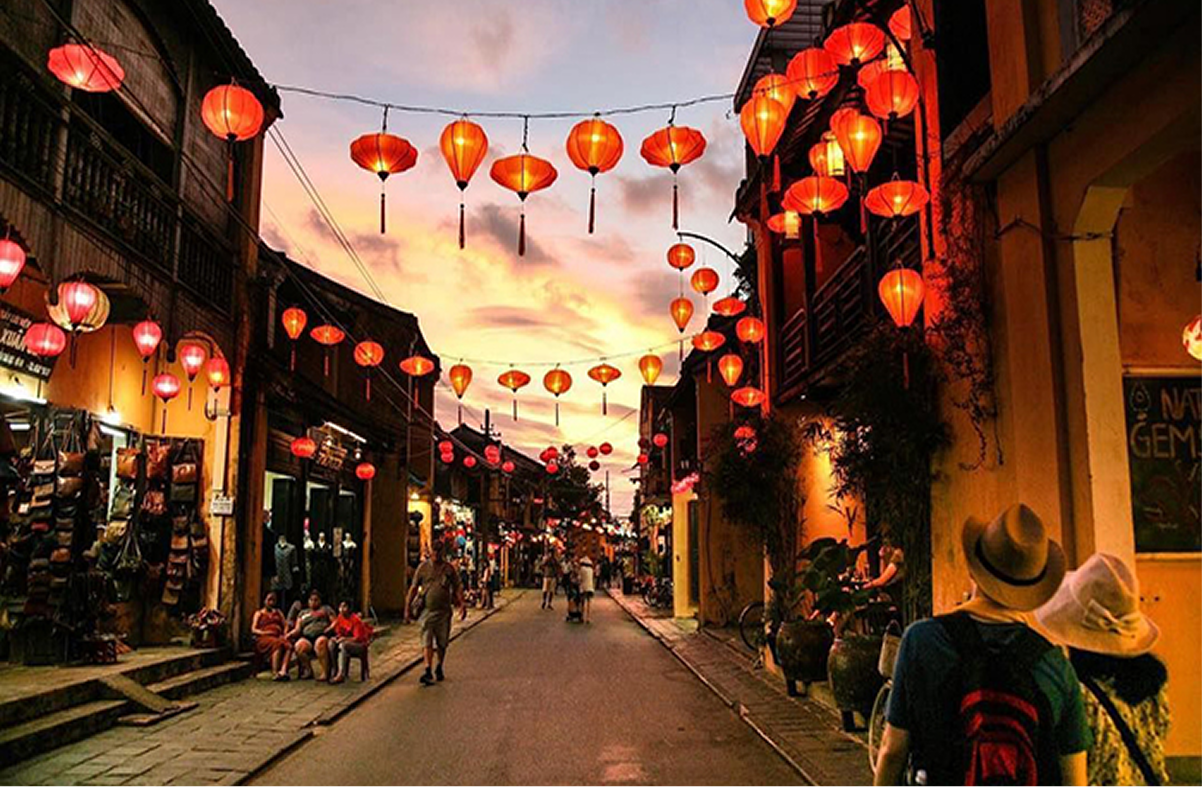
People frequently associate Hoi An with visions of glimmering, enchanted lanterns, tiny lanes shaded by areca blossoms, and historic homes. In addition to being decorations, Hoi An lanterns are distinctive cultural icons that add to this town’s allure.
The significance of Hoi An lanterns
In addition to being exquisite ornaments, Hoi An lanterns have deep cultural significance. The lantern’s light symbolizes human brightness as well as aspirations for a happy life. Furthermore, hanging lanterns at pagodas and churches is a sign of respect and a request for good fortune and serenity from the gods.
Lantern colors also convey messages of their own. Green lanterns stand for peace and health; red lanterns for luck, plenty, and prosperity; and golden lanterns for wealth and money.
Places to see the most brilliant lanterns in Hoi An
1. Hoi An ancient town
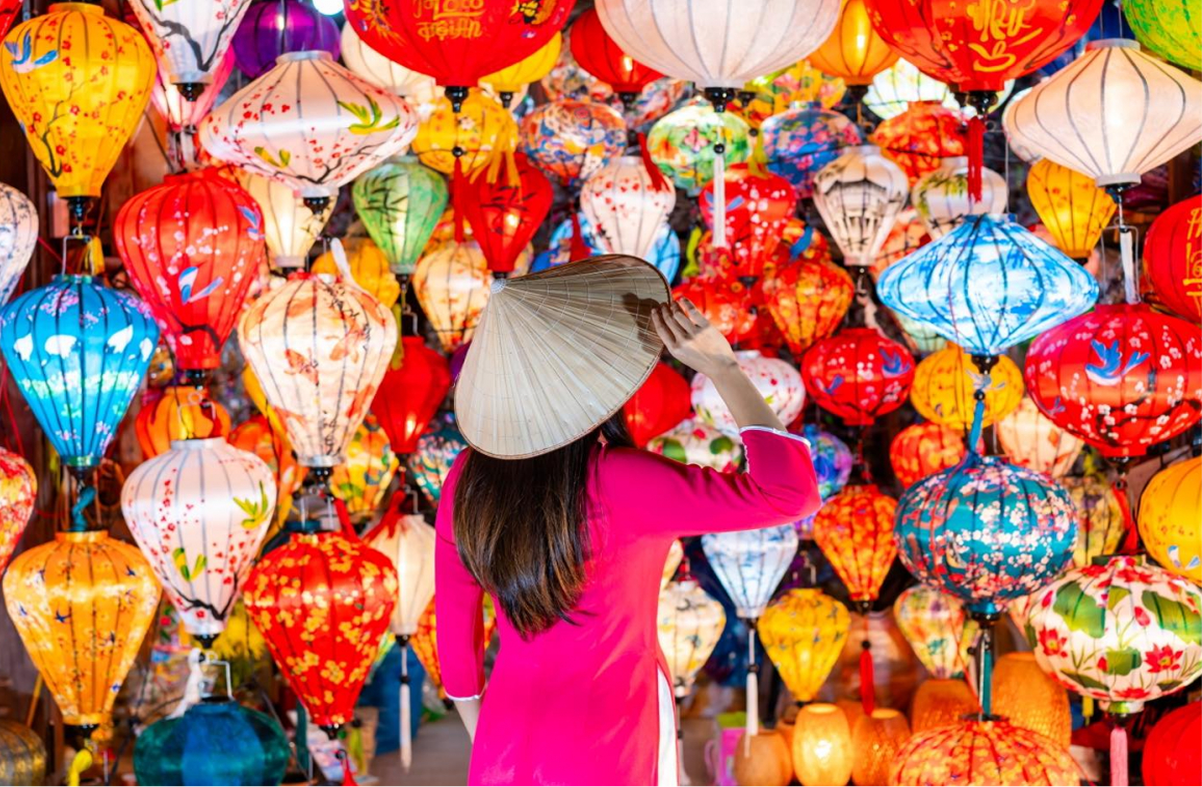
When traveling to Hoi An, this is the place where visitors are most accustomed to seeing hoi an lanterns. On the fourteenth day of every lunar month, thousands of colorful lanterns are lit throughout the ancient town, creating a truly breathtaking and unforgettable scene.
You can stroll through the narrow streets glowing with Hoi An night lanterns, take beautiful photos beneath the lantern-lit sky, or enjoy relaxing activities such as releasing lanterns on the Hoai River, listening to traditional Hue folk songs, and simply soaking in the peaceful atmosphere of this timeless town.
2. Pagodas in Hoi An
Lanterns are exquisitely decorated at several of Hoi An’s most iconic pagodas, including Cau Pagoda, Ba Mu Pagoda, and Ong Pagoda. Amid the warm glow of hoi an lanterns, visitors can admire the refined beauty of these sacred spaces while also gaining deeper insight into their history, culture, and distinctive architecture. Experiencing the temples at night, surrounded by Hoi An night lanterns, offers a quieter, more reflective perspective—different from the lively atmosphere of the Hoi An lantern festival, yet equally captivating.
3. Nguyen Phuc Chu Street
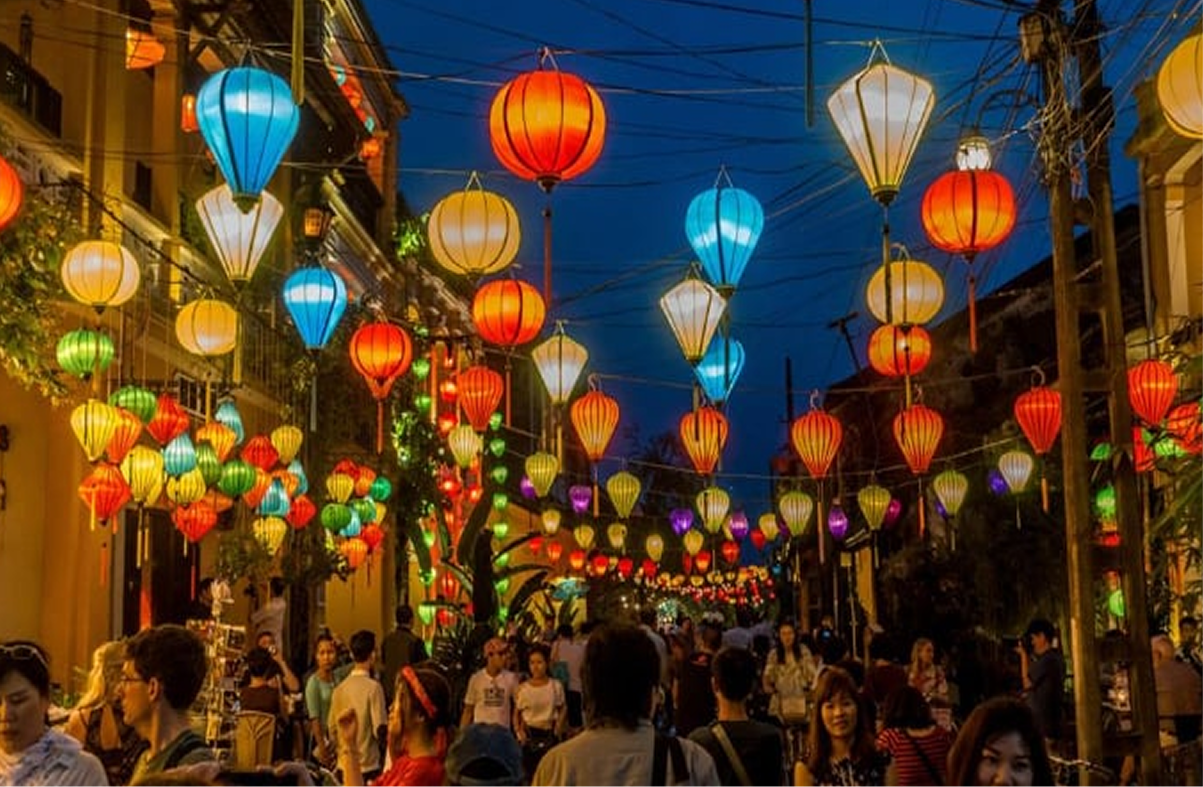
“Lantern Street” is the name of this well-known pedestrian thoroughfare in Hoi An. At night, thousands of hoi an lanterns suspended along both sides of the street transform the area into a dazzling, enchanting space. Visitors can leisurely stroll, take beautiful photos, and enjoy a wide variety of local street food while being surrounded by the magical glow of Hoi An night lanterns.
In addition, the street is lined with numerous shops selling lanterns in a wide range of colors, shapes, and designs. These iconic hoi an lanterns are popular purchases, whether as unique home décor pieces or meaningful souvenirs to remember Hoi An by.
4. Japanese Bridge
Explore the lantern-making tradition in Hoi An
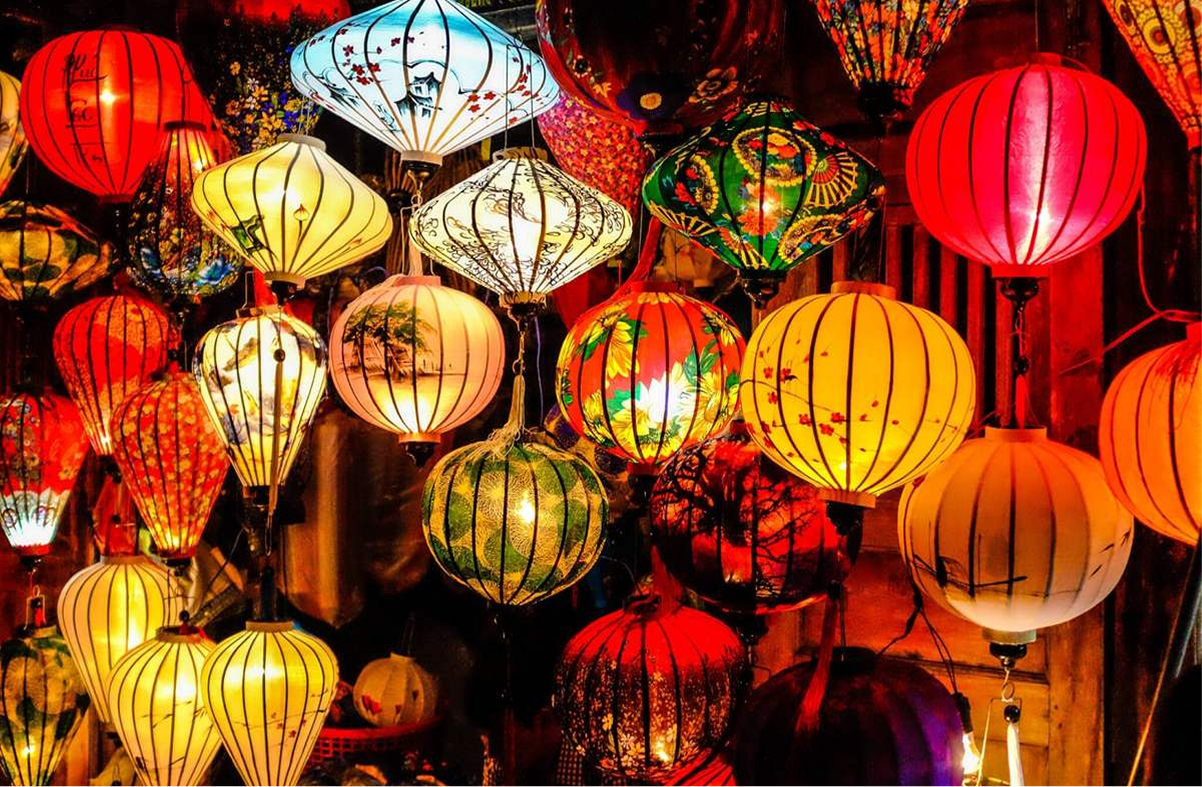
The production of hoi an lanterns has been a vital part of the ancient town’s cultural heritage for more than 400 years. To create a lantern that is both elegant and long-lasting, an artisan must be highly skilled, meticulous, and deeply devoted to the craft. From material selection to final decoration, the process of making Hoi An lanterns involves many careful and detailed stages.
Materials for making lanterns
- Bamboo: The bamboo used for hoi an lanterns is carefully selected from mature, fresh stalks to ensure durability and resistance to termites. After being chosen, the bamboo is boiled and soaked in salt water for about ten days to increase its strength and prevent insect damage. It is then dried and finely shaved to suit each specific lantern design.
- Fabric: The outer covering of Hoi An lanterns is typically made from silk or ruby fabric. Since the fabric color directly affects the glow of the lantern, artisans choose the material with great care to create a warm and harmonious light, especially for Hoi An night lanterns.
Lantern making process
- Step 1: Shaping the frame
Bamboo slats are bent and assembled into a frame using strong parachute cords. Depending on the design, lantern frames may take various shapes, such as square, hexagonal, or spherical.
- Step 2: Gluing the fabric
The fabric is cut precisely to fit the lantern frame, then carefully glued around it. Artisans use scissors to trim excess fabric, ensuring smooth edges and a refined finish.
- Step 3: Decoration
Decoration is the final and most important stage, giving each lantern its unique charm. Artisans embellish lanterns through painting, embroidery, stitching, or beading. Decorative patterns often reflect traditional Vietnamese culture or symbolize luck and prosperity, making them especially meaningful during the Hoi An lantern festival.
Hoi An lantern making is not only a traditional craft but also a powerful symbol of the cultural spirit and values of the ancient town. Each lantern reflects the artisan’s passion, creativity, and dedication, contributing to the magical and romantic atmosphere of Hoi An night lanterns that illuminate the old town after sunset.
Enjoy the time at Hoi An Lantern Festival on your trip
Following receiving instructions about Hoi An lanterns and the locals’ custom of creating lanterns, Vietnam Tour 247 will recommend the most comprehensive 2-day, 1-night itinerary for your exploration of Hoi An.
- Day 1:
7am: Enjoy breakfast with Hoi An specialties such as Cao Lau, Quang noodles, Phuong bread,…
8am: Visit the Hoi Discover the historic buildings, mossy homes, and narrow, twisting streets of this medieval village.
10am: Visit Hoi An’s emblem, the Cau pagoda, snap some mementos, and offer up a prayer for prosperity and serenity.
11am: Visit Tan Ky ancient house, and learn about the culture and history of Hoi An.
12pm: Enjoy lunch alongside other signature dishes from Vietnam, such as Banh Xeo, Banh Beo, and Ba Buoi chicken rice.
2pm: Participate in the lantern festival, and release flower lanterns to pray for luck and peace.
4pm: Visit Tra Que Vegetable Village, learn about growing vegetables, and enjoy dishes made from Tra Que vegetables.
6pm: Enjoy dinner with fresh seafood dishes at An Bang beach area.
7pm: Stroll Hoi An night market, shop for souvenirs, and enjoy street food.
8pm: Watch traditional art performances at the Fujian Assembly Hall.
9pm: Releasing flower lanterns to pray for good luck on the Hoai River.
Day 2:
7am: Enjoy breakfast with Hoi An specialties.
8am: Take a tour of Thanh Ha Pottery Village to discover the art of traditional pottery manufacturing and to purchase ceramic goods.
10am: Take a boat ride among the rows of nypa fruticans trees at Bay Mau Coconut Forest and savor some fresh nypa fruticans.
12pm: Enjoy lunch with other Hoi An specialties.
2pm: Visiting Ba Mu Pagoda to pray for children and fortune.
3pm: Shop for souvenirs at shops selling handicrafts.
4pm: Check out of the hotel, go to the airport/train station to go home.
These are some recommendations for a two-day, one-night trip to Hoi An. You can count on it to change in accordance with your schedule and tastes. Please get in touch with Vietnam Tour 247 if you want to visit Hoi An but are unsure where to begin. With a wealth of knowledge in planning excursions to Hoi An, we’re dedicated to providing you with:
- Attractive tour schedule, suitable to your needs and preferences.
- Competitive prices, and professional service.
- Enthusiastic and thoughtful staff, always ready to support you anytime, anywhere.
Please contact Vietnam Tour 247 today for free advice and support!

In addition to being a historic town with special cultural and historical significance, Hoi An is a site that, thanks to its enchanting, glittering lanterns, has managed to capture the essence of Vietnamese beauty. Visit Hoi An to experience the enchanted shimmering space of the lanterns, to sense the traditional cultural values, and to capture priceless moments.
Readmore:Best Of The Central Vietnam From Hoi An | Authentic Discovery – 06 Days
Conclusion
Overall, the Hoi An Lantern Festival is not only a unique cultural event but also a powerful driving force for tourism and the local economy. Through the enchanting glow of Hoi An lanterns and the magical atmosphere created by Hoi An night lanterns, the event helps preserve traditional values, create sustainable livelihoods for local people, and enhance community income.
More importantly, it continues to affirm Hoi An’s distinctive identity and strengthens its position on the world tourism map as a timeless, culturally rich destination. Ready to experience the beauty of Hoi An by night and immerse yourself in its glowing traditions? Plan your journey with Vietnamtour 247 and let us take you closer to the soul of Hoi An, one lantern-lit night at a time.
Frequently Asked Questions (FAQ) About Hoi An Lanterns
1. Why are Hoi An lanterns considered an iconic symbol of the ancient town?
Hoi An lanterns are more than decorative items; they represent the cultural soul of the ancient town. Their warm light symbolizes human brightness, hope for happiness, and a peaceful life. Over centuries, lanterns have become an inseparable part of Hoi An’s identity, creating the town’s romantic and poetic atmosphere after sunset.
2. What is the cultural meaning of Hoi An lanterns?
Hoi An lanterns symbolize wishes for luck, serenity, prosperity, and well-being. Traditionally, lanterns are hung at pagodas and churches as a sign of respect and as prayers for good fortune and peace from the gods.
3. What do the colors of Hoi An lanterns represent?
Each lantern color carries a specific meaning:
-
Green symbolizes peace and good health
-
Red represents luck, abundance, and prosperity
-
Golden stands for wealth and financial success
These meanings make lanterns both visually beautiful and spiritually meaningful.
4. Where can visitors see the most beautiful lantern displays in Hoi An?
Some of the best places to admire Hoi An lanterns include:
-
Hoi An Ancient Town, where lanterns illuminate streets and riversides on special lunar days
-
Pagodas in Hoi An, such as Cau Pagoda, Ba Mu Pagoda, and Ong Pagoda
-
Nguyen Phuc Chu Street, also known as “Lantern Street”
-
The Japanese Bridge, one of the most romantic lantern-viewing spots at night
Read more: