Best Time to Visit Sapa Vietnam
Choosing the best time to visit Sapa Vietnam depends on what makes your travel heart sing. Here’s a breakdown of each season’s unique charm — a helpful highlight in any well-crafted Sapa travel guide or flexible Sapa itinerary.
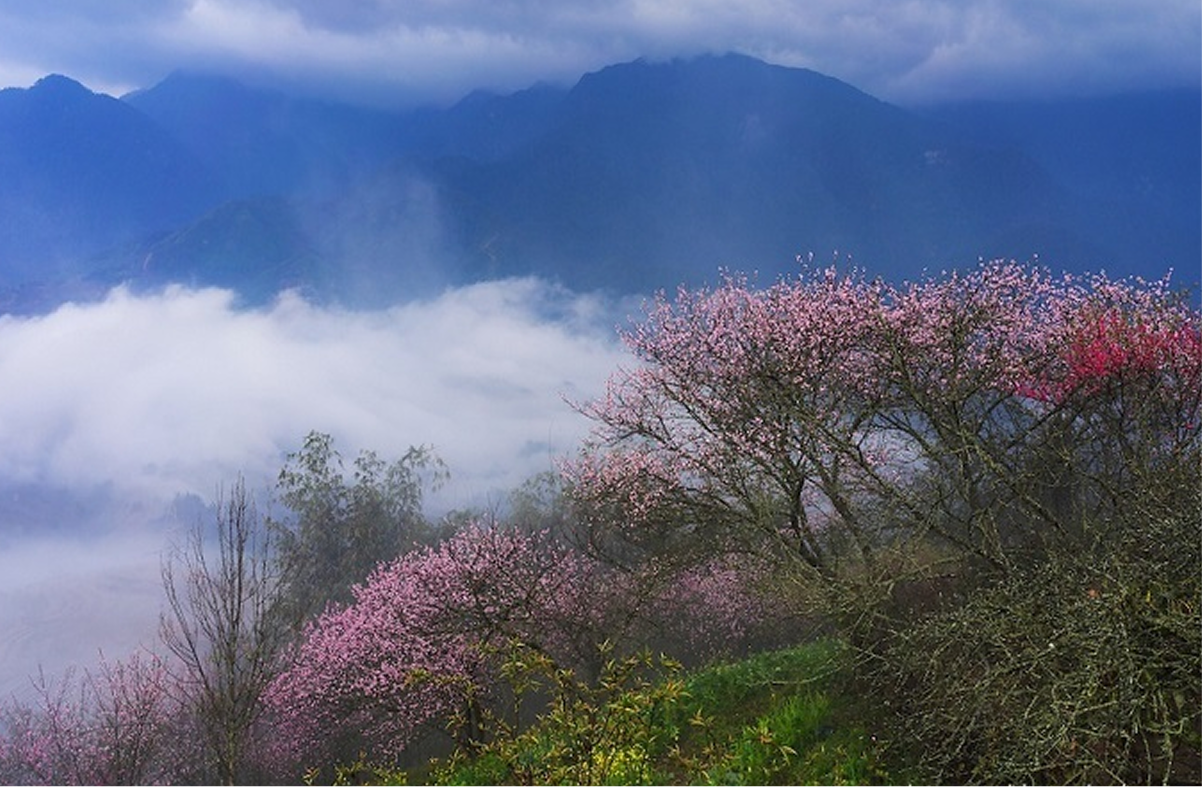
- Spring (March to May): Spring awakens Sapa with a vibrant kiss. Picture pleasant temperatures (around 15°C to 28°C or 59°F to 82°F) and occasional light showers. Wildflowers burst into a colorful spectacle, blanketing the valleys and hillsides in a true floral fiesta.
Pros: Picture-perfect weather, stunning wildflowers, fewer crowds compared to peak season.
Cons: Occasional rain showers, rice paddies still young.
- Recommended Activities: Explore the awakening beauty of Sapa with moderate hikes. Take in the breathtaking display of wildflowers and immerse yourself in the fresh spring air. Visit Cat Cat Village or Lao Chai Village to experience the rich culture of ethnic minority groups — perfect highlights to include in your personalized Sapa itinerary, especially if you’re planning your best time to visit Sapa for nature and culture lovers.
- Summer (June to August): Summer in Sapa brings warm, pleasant days with temperatures averaging between 20°C (68°F) and 32°C (90°F), occasionally accompanied by afternoon thunderstorms. While brief rain showers may occur, they only enhance the landscape—lush greenery thrives under the summer sun, transforming Sapa into a vibrant, verdant wonderland. For many travelers, this season is considered the best time to visit Sapa if you appreciate fresh air, green scenery, and a lively natural atmosphere.
Pros: Lush green rice terraces, perfect for travelers who enjoy warm weather and scenic landscapes.
Cons: Occasional afternoon rain showers and higher humidity.
- Recommended Activities: Enjoy scenic motorbike tours or leisurely bicycle rides through the emerald rice paddies, following routes suggested in a well-planned Sapa itinerary. Venture off the beaten path to hidden waterfalls such as Thac Bac (Silver Waterfall), or explore cultural and historical landmarks like Ham Rong Mountain Resort. As highlighted in any reliable Sapa travel guide, packing light rain gear is essential to stay comfortable during sudden summer showers.
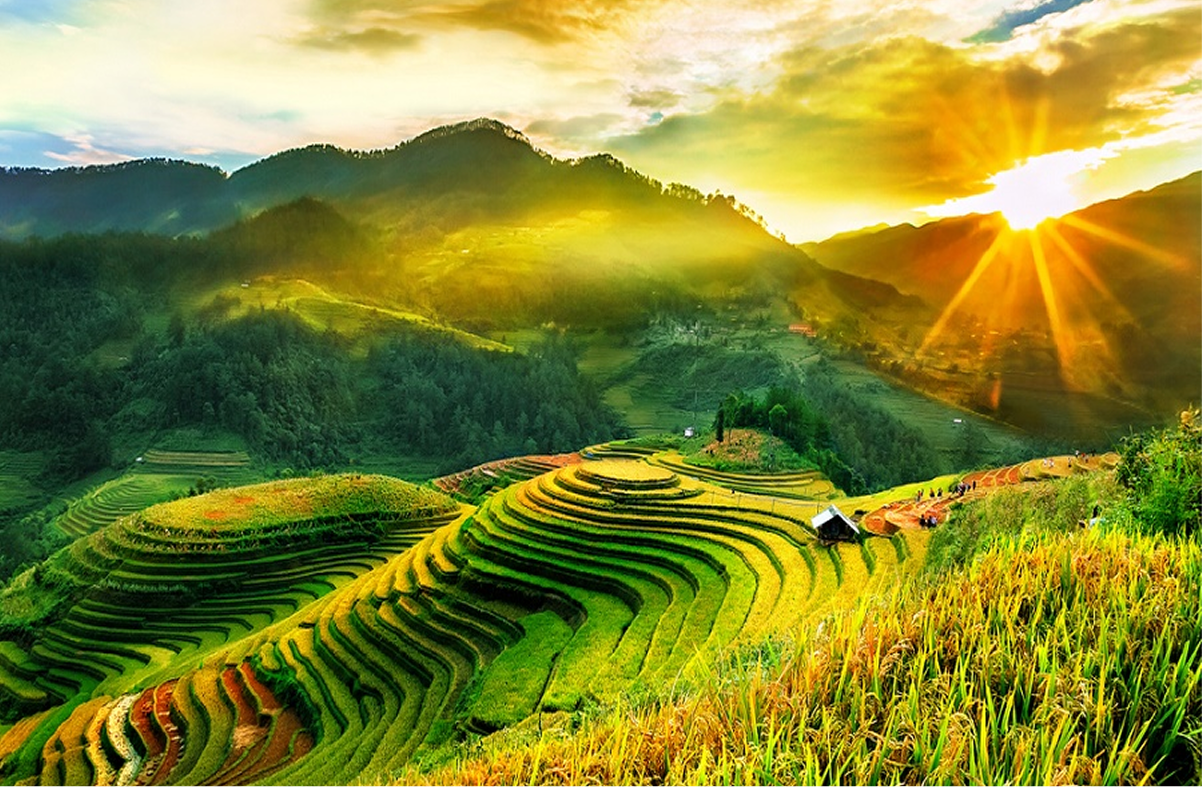
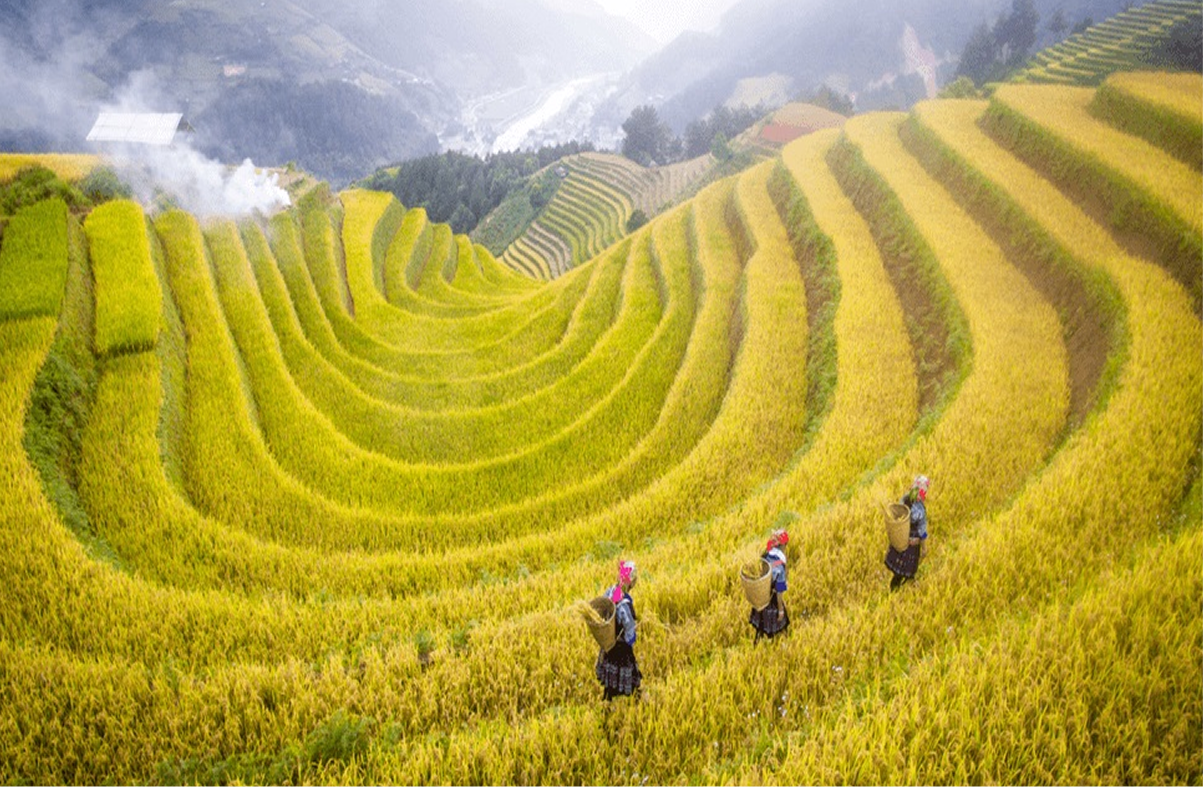
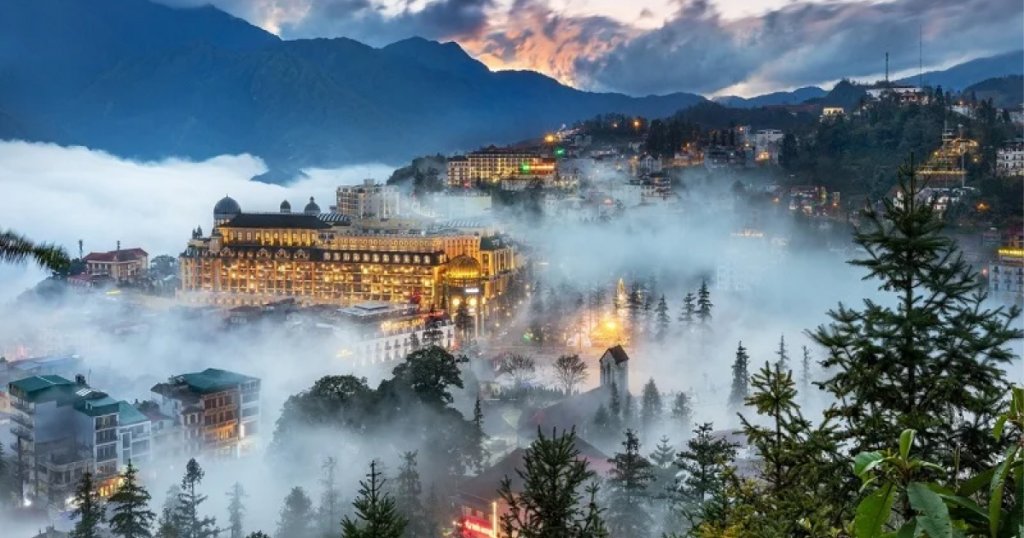
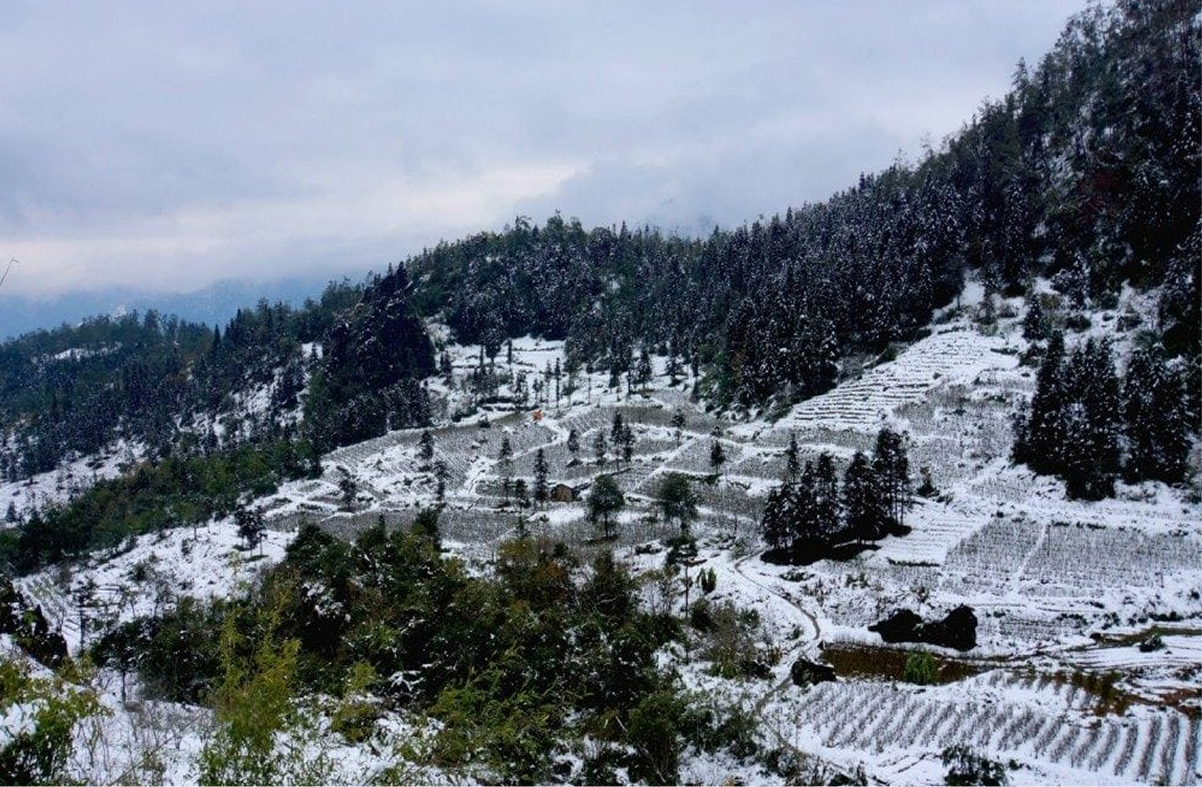
- Winter (December to February) is considered by many travelers as a unique best time to visit Sapa if you enjoy quiet landscapes and a mystical atmosphere. Winter in Sapa can be refreshingly chilly, with temperatures dropping as low as 5°C (41°F) and occasional frost. Mist often blankets the valleys, while mountain peaks are sometimes lightly dusted with snow, creating a rare and poetic scene in northern Vietnam. Travelers should be prepared for colder weather and possible road disruptions due to dense fog, as noted in most Sapa travel guide recommendations.
Pros: Fewer crowds, peaceful surroundings, and a rare chance to witness snow-capped mountains.
Cons: Coldest season of the year, rice terraces are dormant, and some outdoor activities may be limited.
- Recommended Activities: Winter is ideal for those seeking serenity. Enjoy leisurely walks through misty valleys, soak in the tranquil winter scenery, and explore Sapa Old Town for a warm, cozy escape. Local markets are especially inviting during this season, offering cultural charm and comfort food. When planning your Sapa itinerary, be sure to pack warm clothing to fully enjoy the beauty of Sapa’s winter without discomfort.
Monthly Weather in Sapa
Sapa boasts a subtropical highland climate with four distinct seasons, each offering its own unique charm—making it easy to choose the best time to visit Sapa based on your travel style, as highlighted in many a Sapa travel guide.
- Spring (March to May): Pleasant temperatures accompanied by occasional light showers, bringing lush landscapes and blooming flowers.
- Summer (June to August): Warm weather with refreshing afternoon thunderstorms, ideal for experiencing Sapa’s vibrant greenery.
- Autumn (September to November): Cool, dry conditions that are perfect for trekking and outdoor exploration—often considered the best time to visit Sapa.
- Winter (December to February): Chilly temperatures with occasional frost and misty fog, creating a quiet, atmospheric setting.
Understanding these seasonal changes will help you plan a well-balanced Sapa itinerary that matches your expectations and travel goals.
| MONTH | SEASON | AVERAGE TEMPERATURE (CELSIUS) | AVERAGE TEMPERATURE (FAHRENHEIT) | DESCRIPTION |
| March | Spring | 18 | 64 | Pleasant temperatures with occasional light showers. Wildflowers bloom. |
| April | Spring | 20 | 68 | Comfortable temperatures with occasional light showers. Wildflowers are still vibrant. |
| May | Spring | 23 | 73 | Warmest month of spring. Light showers are possible. Good time for hiking. |
| June | Summer | 25 | 77 | Warmest month overall. Lush green rice terraces. Afternoon rain showers are possible. |
| July | Summer | 26 | 79 | Hottest month. Lush green rice terraces. Afternoon rain showers likely. |
| August | Summer | 25 | 77 | Warm with occasional rain showers. Lush green rice terraces. |
| September | Autumn | 23 | 73 | Transition month with pleasant temperatures. Early stages of golden rice terraces. |
| October | Autumn | 20 | 68 | Ideal month to visit Sapa. Peak season for golden rice terraces. Cool and dry weather. |
| November | Autumn | 18 | 64 | Cool and dry weather. Late stages of golden rice terraces. |
| December | Winter | 13 | 55 | Colder temperatures with occasional frost. Rice terraces dormant. Misty valleys. |
| January | Winter | 10 | 50 | Coldest month. Rice terraces dormant. Misty valleys with a chance of snow on peaks. |
| February | Winter | 12 | 54 | Gradually warming temperatures. Rice terraces dormant. Misty valleys. |
Best Time To Visit Sapa Rice Fields
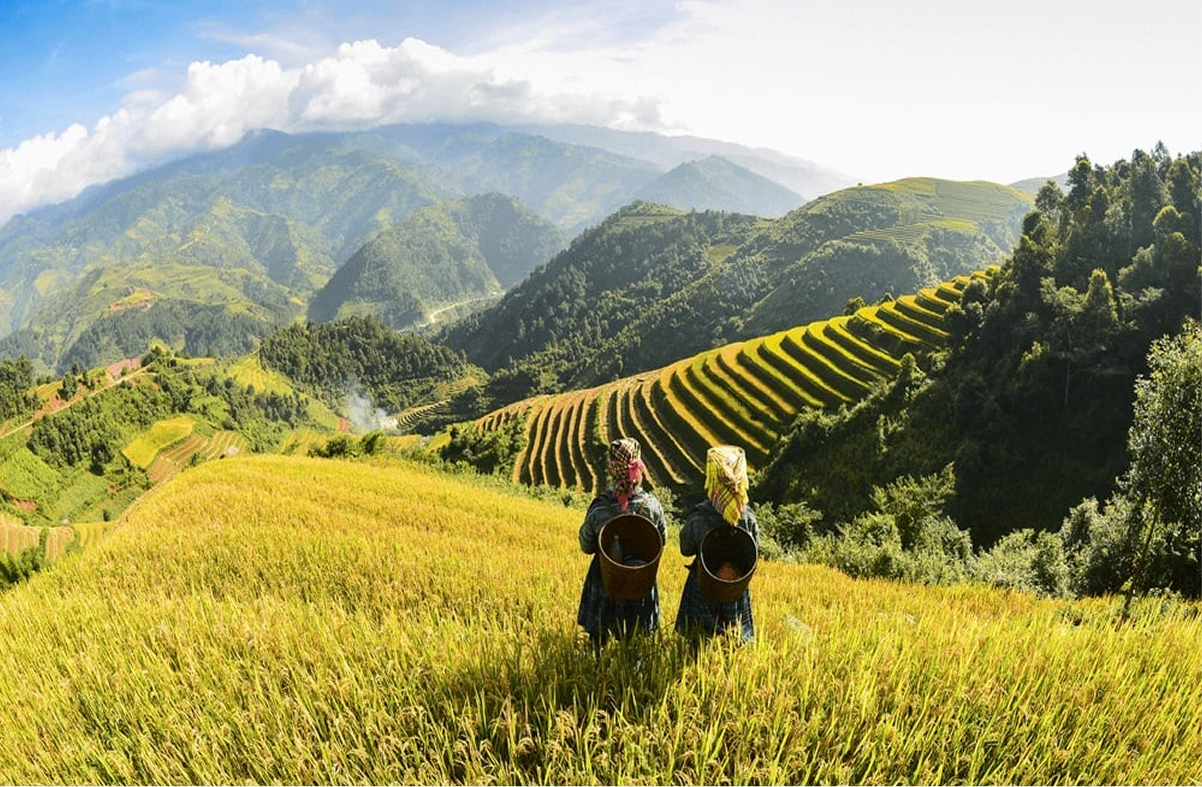
The rice terraces are undoubtedly Sapa’s crown jewel, and the timing of your visit can significantly shape your overall experience. Understanding the seasonal changes is essential when deciding the best time to visit Sapa, and this overview will help you plan your journey more effectively.
- March to May (Spring):
Spring breathes new life into the rice terraces, with vibrant green paddies stretching across the hillsides. This period marks the early stages of rice cultivation, offering fresh scenery and pleasant weather. It’s an ideal time for travelers seeking gentle trekking conditions and a refreshing atmosphere, often recommended in any well-rounded Sapa travel guide.
- June to August (Summer):
During summer, the rice terraces reach their lushest state. The valleys turn a deep, vivid green, creating a stunning backdrop for outdoor adventures. Trekking through these flourishing paddies under misty mountains is a highlight for many travelers and fits perfectly into an active Sapa itinerary.
- September to November (Autumn):
Autumn is widely regarded as the best time to visit Sapa, especially for those eager to witness the rice terraces at their most spectacular. From late September to mid-October, the rice ripens and the landscape transforms into a breathtaking sea of gold. Walking through the terraces during harvest season is an unforgettable experience and often the highlight of any Sapa journey.
- December to February (Winter):
In winter, the rice terraces enter a dormant phase, with many paddies filled with water that mirrors the surrounding mountains and sky. Although the scenery is less vibrant, the calm, misty landscape offers a peaceful charm. This season appeals to travelers who prefer quiet moments and a slower-paced Sapa itinerary.
Read more: Exploring the top 15 best travel agency in the world
Conclusion
Sapa is home to countless breathtaking natural wonders, and the best time to visit Sapa truly depends on what you wish to experience. From the planting season, when the rice fields are painted in vibrant shades of green, to late September, when golden terraces ripple across the mountains, each moment reveals a different yet equally mesmerizing beauty. Guided by a well-crafted Sapa itinerary and a reliable Sapa travel guide, your journey becomes more than just sightseeing—it’s an immersion into the peaceful rhythm of highland life. Let Vietnamtour 247 help you plan the perfect Sapa escape. Contact us today and begin your unforgettable journey through these world-famous rice terraces.
Frequently Asked Questions About the Best Time to Visit Sapa
Q: I love cooler weather. When should I visit Sapa?
Spring (March to May) or late autumn (November) might be your sweet spot! You’ll find fewer crowds and potentially snag some fantastic deals on accommodation during these shoulder seasons. Plus, if summer heat makes you wilt, the cooler temperatures will be a breath of fresh air. Imagine exploring the rice paddies bathed in the gentle spring sunlight or taking a hike with crisp autumn air invigorating your senses. Sounds pretty dreamy, right?
Q: Can I trek in Sapa year-round?
Absolutely! Sapa’s beauty is there for you to discover all year long. However, the best time to visit Sapa for trekking adventures is definitely during the dry seasons – spring (March to May) and autumn (September to November). These periods offer clear skies and comfortable temperatures, perfect for conquering those mountain trails. Just remember, the trails can get muddy during the rainy summer months, and some higher-altitude paths might be off-limits due to snow and ice in winter.
Q: Are there any festivals I shouldn’t miss?
The Sapa Love Market, held annually in April, is a one-of-a-kind cultural experience. Young people from surrounding ethnic minority groups gather to find love. Imagine the vibrant energy as the air fills with traditional music and colorful costumes! The Sapa Rice Festival, held in September, celebrates the rice harvest with exciting performances and festivities. Immerse yourself in the joy and gratitude of the locals as they celebrate this vital crop.
Q: What are some essential things to pack for Sapa?
As mentioned earlier, pack layers for unpredictable weather. Here’s a quick checklist:
- Rain gear: A poncho or raincoat is crucial, especially during the rainy season.
- Comfortable walking shoes: Opt for shoes with good traction, as you’ll likely be doing a lot of walking and exploring uneven terrain.
- Warm clothes: Even in summer, evenings can get chilly, so pack a sweater or fleece jacket.
- Hat and sunglasses: Sun protection is important year-round.
- Insect repellent: Especially during the summer months, mosquitos can be a nuisance.
Q: Is it safe to travel to Sapa alone?
Sapa is generally considered a safe destination for solo travelers. However, it’s always wise to be cautious and take precautions, just like anywhere else you travel. Here are some tips:
- Let someone know your itinerary and where you’re staying.
- Be aware of your surroundings and belongings.
- Avoid isolated areas at night, especially if you’re unfamiliar with the terrain.
- Trust your gut instinct and avoid situations that make you feel uncomfortable.
Q: What currency is used in Sapa?
The Vietnamese Dong (VND) is the official currency in Sapa. While some tourist spots might accept US Dollars (USD), it’s always best to have VND on hand. ATMs are readily available in Sapa to withdraw cash.
With careful planning and this guide as your compass, you can unlock the magic of Sapa and experience an unforgettable adventure in this captivating corner of Vietnam. So, start dreaming of your Sapa escape, and get ready to be enchanted!
Read more:
- Where is Sapa in Vietnam? Top 10 Famous Tourist Attractions
- Heaven’s Gate Sapa: A Guide To Vietnam’s Utopia