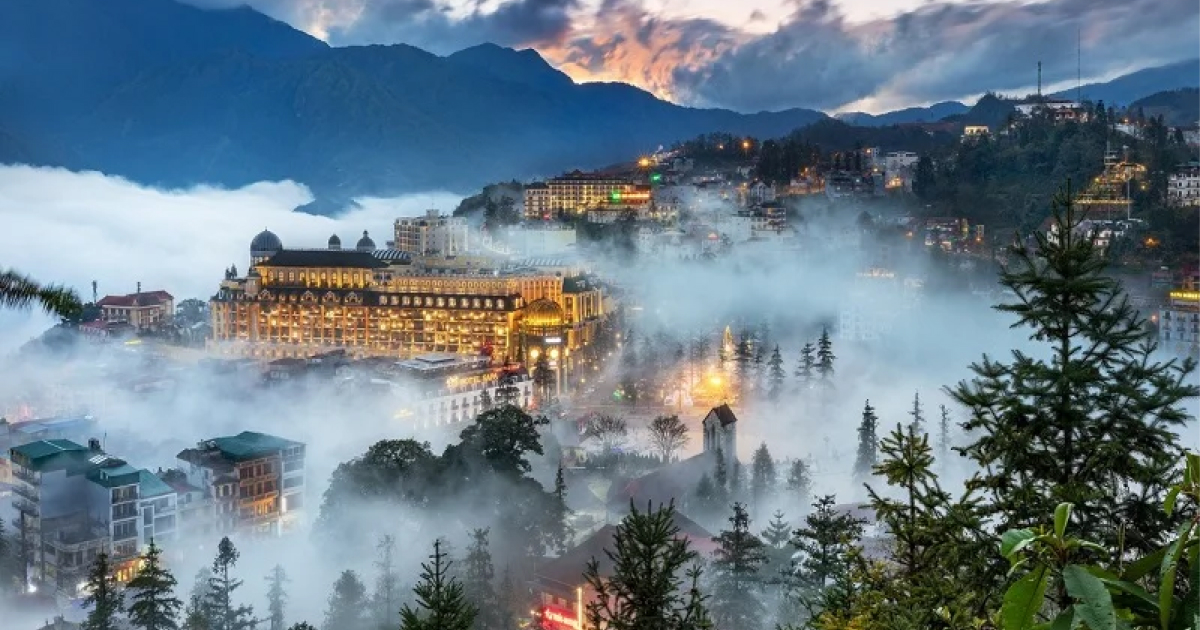
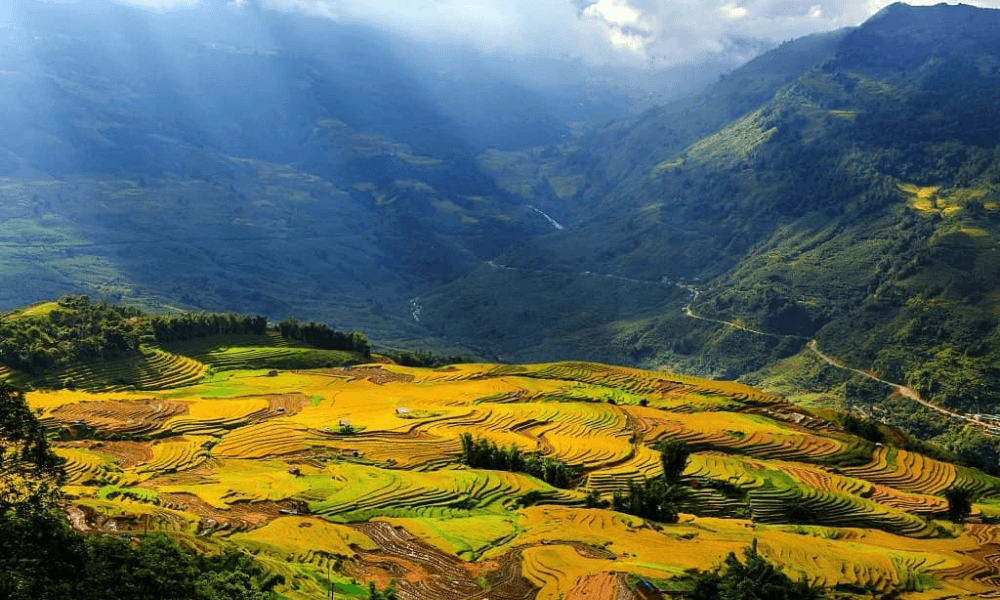
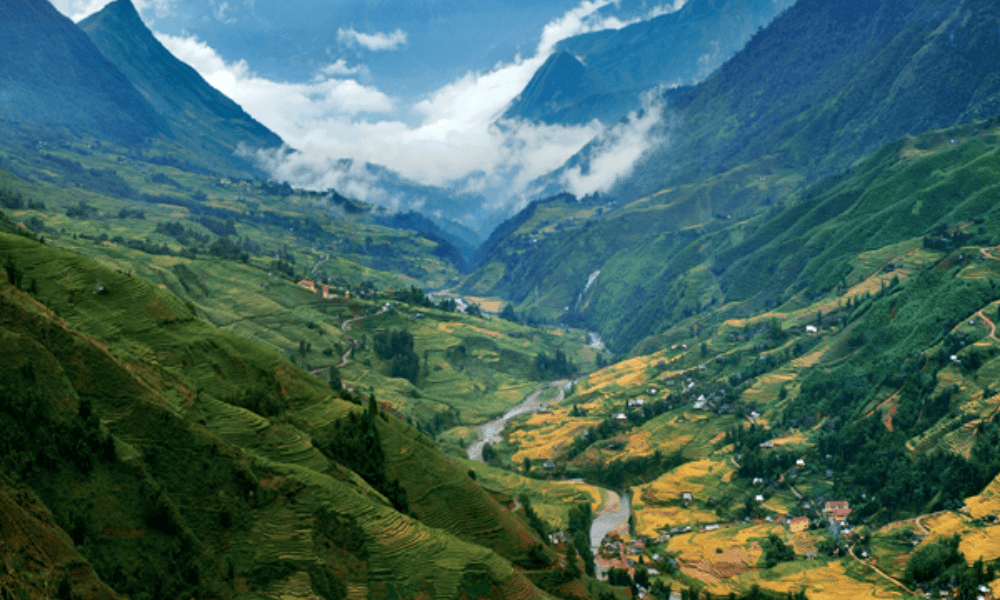
Hidden among the majestic mountains of Northwest Vietnam, Muong Hoa Valley in Sapa is often described as a “fairy garden” thanks to its poetic and mysterious beauty. This place impresses visitors with its soft, winding terraced rice fields, the crystal-clear Muong Hoa stream, and ancient rock formations marked by time. Not only does it boast breathtaking natural landscapes, but it also preserves the unique cultural identity of local ethnic communities. Vietnamtour 247 will accompany you on a journey to fully explore both the scenery and experiences this destination has to offer.
Where is Muong Hoa Valley?
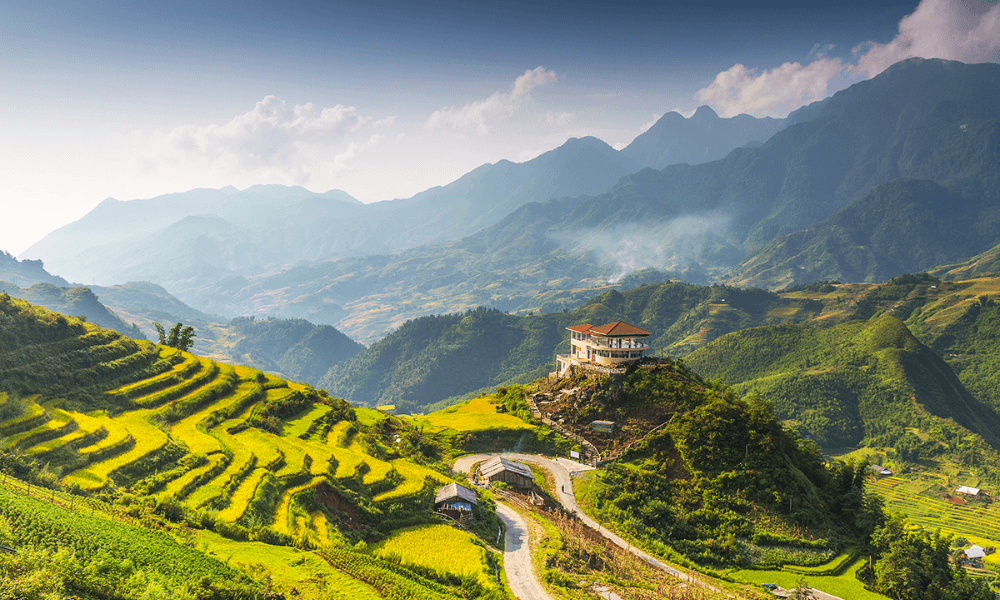
Located in the Hoang Lien Son mountain range, Muong Hoa Valley Sapa stretches along the stream of the same name, creating a landscape that is both peaceful and untouched. It lies about 8–10 km southeast of Sapa town, within Lao Chai and Ta Van communes. This is one of the most attractive destinations in Northwest Vietnam, famous for its terraced fields and vibrant local culture.
How to get to Muong Hoa Valley
To explore Muong Hoa Valley, you can choose from several transportation options depending on your preferences:
- Motorbike: Ideal for adventurous travelers who want flexibility. The journey takes about 20–30 minutes from Sapa, with scenic routes and plenty of photo stops.
- Car: A convenient and safe option for families or groups. You can take a taxi or private car from Sapa. However, cars can only reach certain نقاط, and you’ll need to walk further to explore deeper areas.
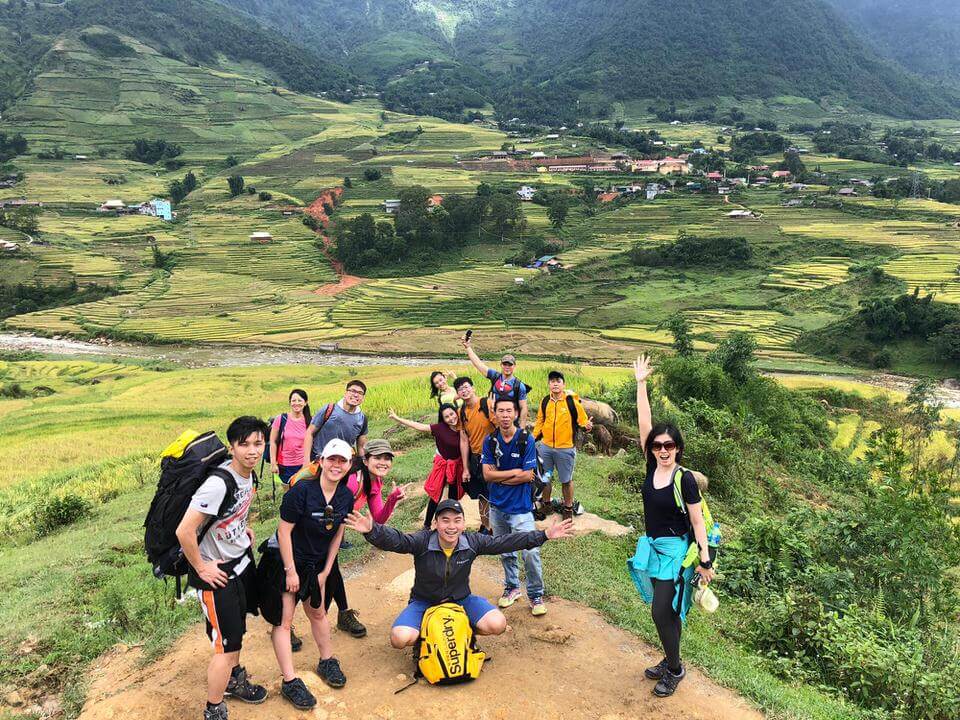
- Trekking: The most popular choice among international travelers. Routes often pass through villages like Lao Chai and Ta Van, lasting from half a day to a full day. This is the best way to fully experience nature and local life.
If you’re not in Hanoi yet, don’t rush your trip. Take a moment to read this guide and come back to continue your journey with us: How to Get To Sapa Vietnam: Mountains, Markets & More!
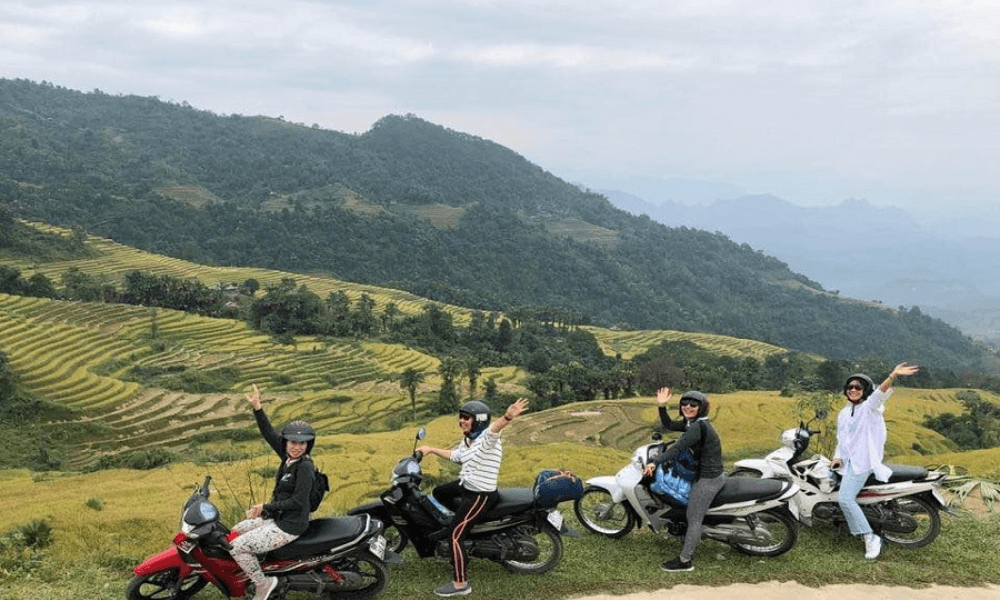
Notes when traveling to Muong Hoa Valley
To ensure a safe and smooth trip, keep the following points in mind:
- Check the weather before traveling: Sapa often has fog and sudden rain. Roads can be slippery, especially during the rainy season (May–August), so always check forecasts carefully.
- Choose transportation suitable for your driving skills: If riding a motorbike, you should have experience with mountain roads. Otherwise, opt for a car or taxi for safety.
- Prepare proper clothing and shoes: If trekking, wear non-slip sports shoes, comfortable clothes, and bring a light jacket.
- Refuel and check your vehicle: Gas stations are limited along the way.
- Bring water and light snacks: Especially important for trekking routes.
- Be careful when traveling through villages: Roads are small and may have locals, children, or livestock.
- Consider hiring a guide for long treks: Especially if it’s your first time
Best time to visit Muong Hoa Valley Sapa
Each season in Sapa has its own beauty, but to have the best experience exploring Muong Hoa Valley Sapa, you should choose the right time based on your travel purpose.
- Water season (May – June)
This is when terraced fields are filled with water for a new crop. The fields reflect the sky, creating a sparkling landscape perfect for photography.
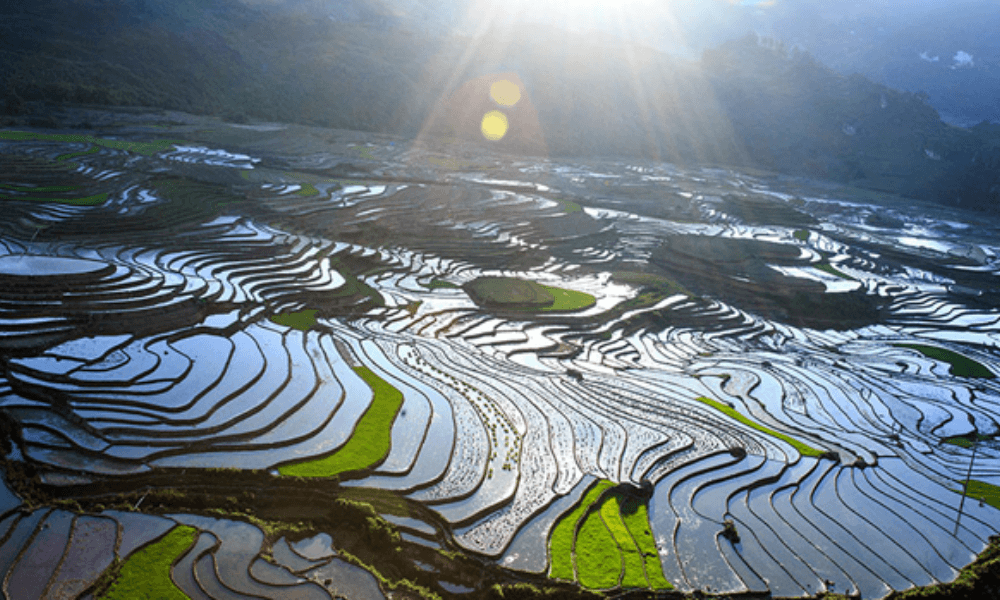
- Golden rice season (September – October)
Considered the most beautiful time of the year, when the entire valley turns golden, forming a breathtaking natural painting.
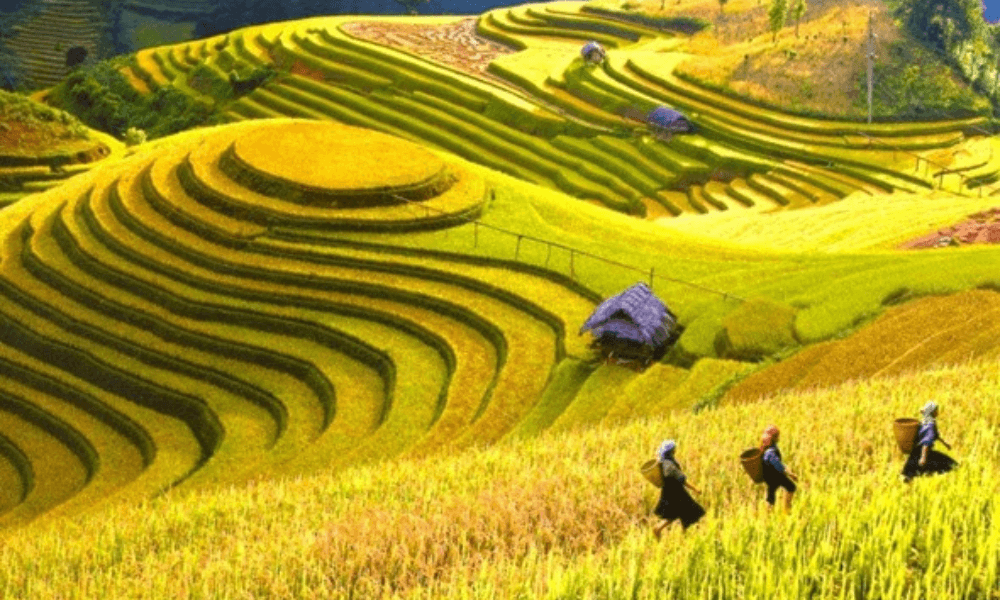
- Cloud hunting season (November – March)
If you love cool weather and dreamy landscapes, this is the ideal time to visit Muong Hoa Valley Sapa, with clouds floating through the mountains.
- Green summer (June – August)
The valley is covered in lush green rice fields. However, this is also the rainy season, so roads may be slippery. Don’t forget to explore what makes Sapa special here: Best Things To Do In Sapa Vietnam 2026.
Highlights of Muong Hoa Valley
Sapa has long been an attractive destination thanks to the harmony between majestic nature and unique local culture. It not only offers beautiful landscapes but also unforgettable experiences.
Majestic terraced rice fields
The terraced fields stretch across mountain slopes, cultivated by generations:
- Water season: fields look like giant mirrors
- Green season: fresh and vibrant
- Harvest season: golden landscapes like paintings
Mysterious ancient rock field
With around 200 stone blocks across 8 km², the ancient rock complex offers a glimpse into Vietnam’s ancient past. It is a valuable archaeological heritage attracting researchers and tourists.
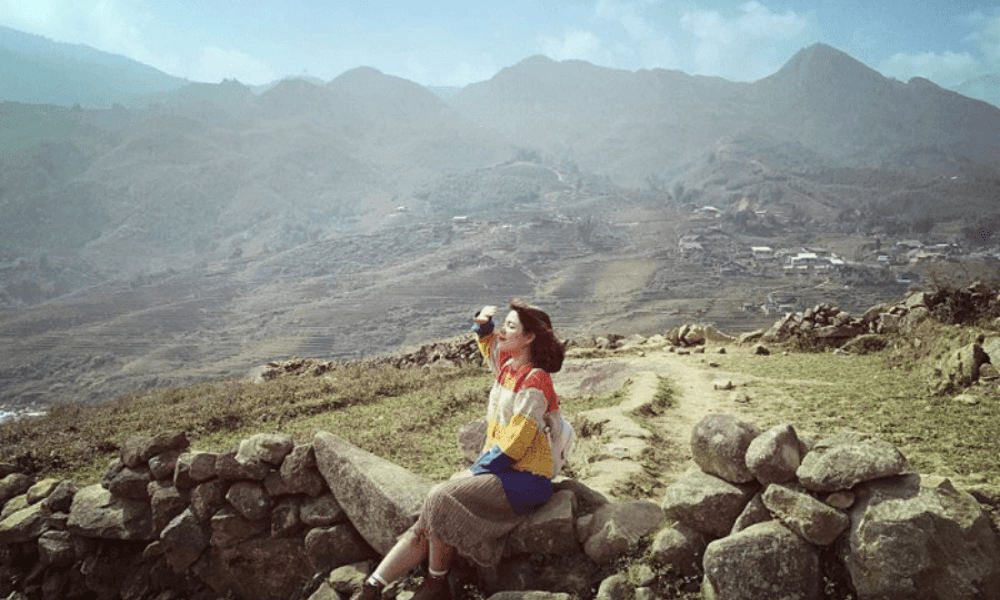
Poetic Muong Hoa stream
Adding to the beauty of Muong Hoa Valley is the Muong Hoa stream, flowing over 15 km through the valley. It creates a picturesque scene with waterfalls, clear ponds, and lush forests. The crystal-clear water winds through villages, rice terraces, and natural rocks, producing a peaceful, soothing sound.
Ethnic villages – vibrant cultural beauty
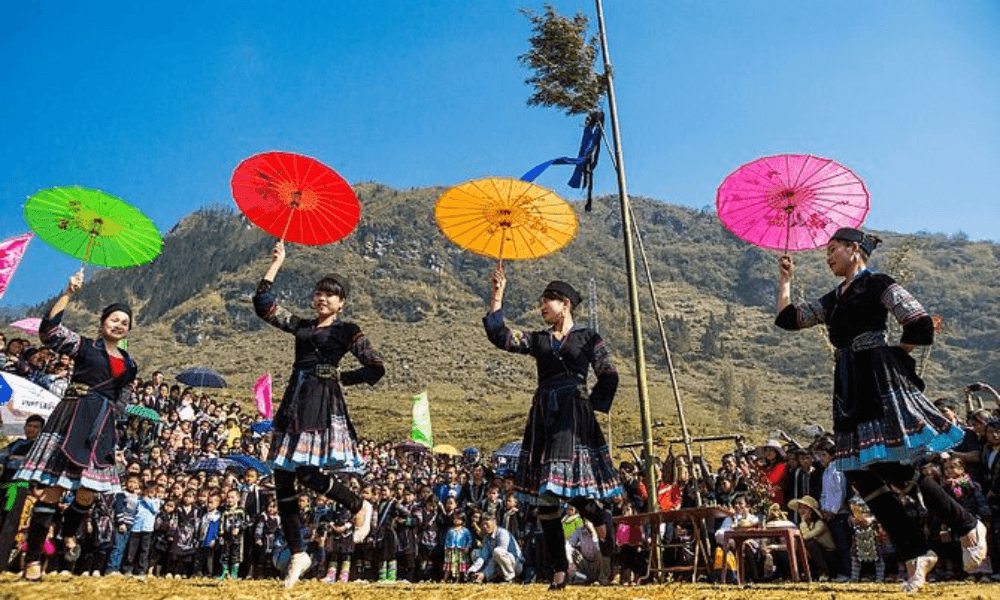
Not only about nature, the valley is home to ethnic groups such as H’Mong, Dao, and Giay. Villages like Lao Chai and Ta Van offer rich cultural experiences.
Visitors can:
- Experience daily local life
- Enjoy traditional cuisine
- Learn about customs, festivals, and handicrafts
Recommended accommodations in Muong Hoa Valley
Choosing the right place to stay will help you fully enjoy the scenery and culture. Below are some notable Muong Hoa Valley hotel and homestay options:
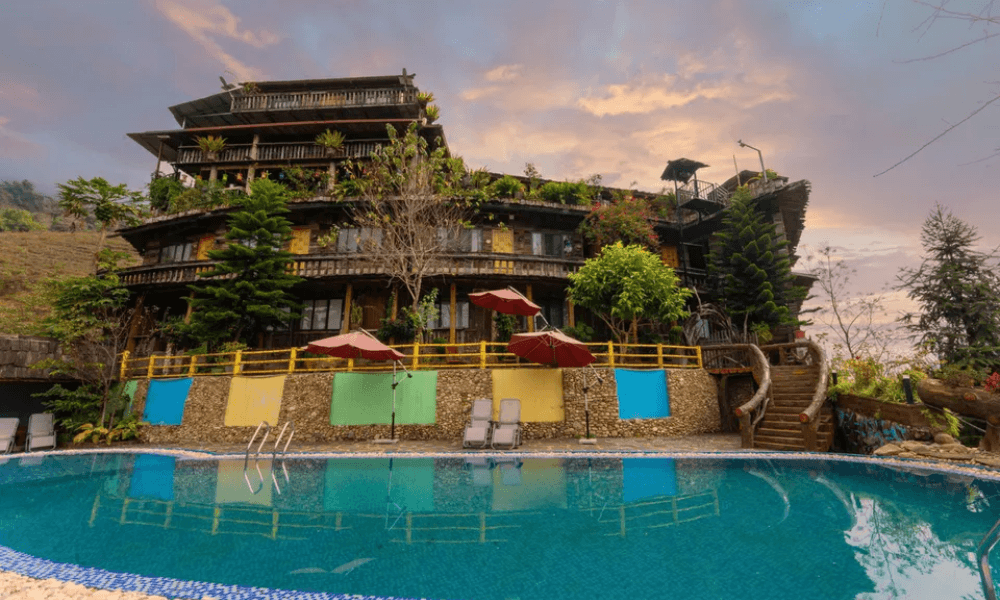
Muong Hoa River View Hotel
- Location: Ta Van Commune, Lao Cai
- Price: ~400,000 – 700,000 VND/night
This hotel stands out with its harmonious natural setting between the stream and terraced rice fields, offering a peaceful atmosphere ideal for relaxation and trekking.
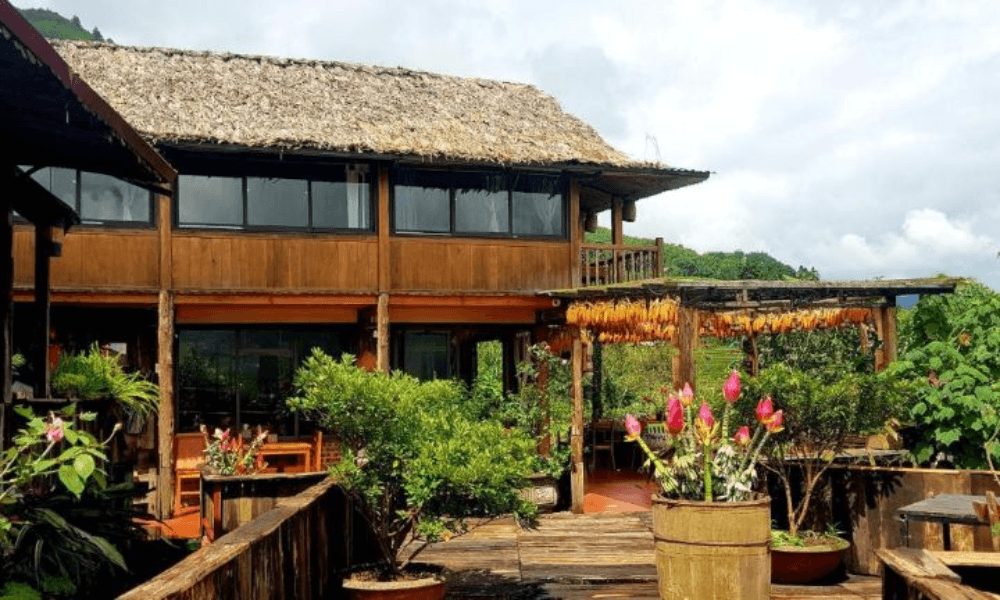
Muong Hoa Local House – Homestay
- Location: Day 2, Ta Van Commune, Lao Cai
- Price: ~500,000 – 900,000 VND/night
The highlight lies in its rustic, nature-friendly design. Guests can enjoy breathtaking mountain and valley views, perfect for relaxation and slow living.
Sapa Valley View Hotel
- Location: 034 Muong Hoa Street, Sapa
- Price: ~1,000,000 – 1,500,000 VND/night
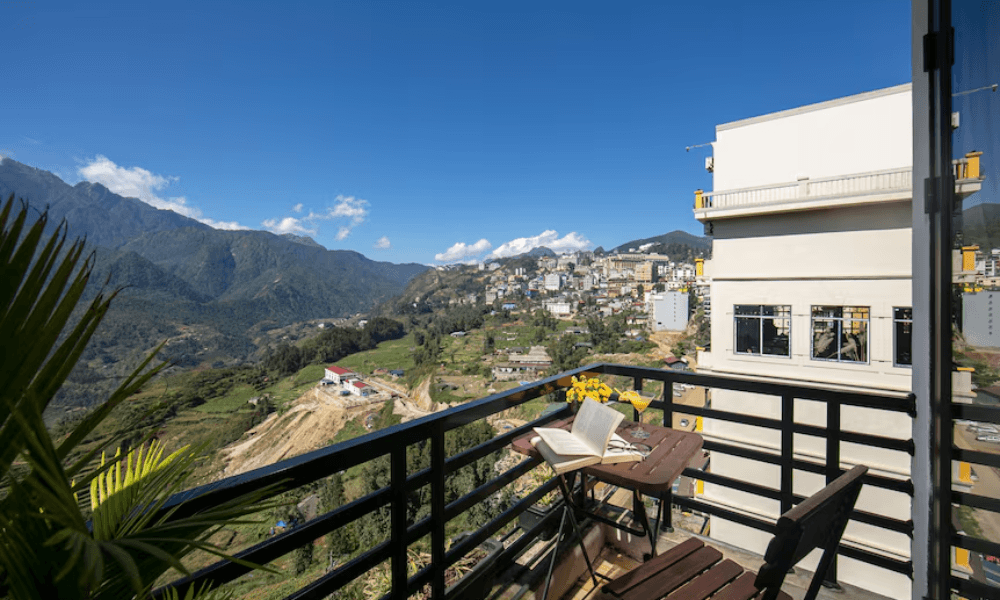
This place offers panoramic valley views, spacious modern rooms, and is ideal for couples seeking a romantic getaway.
Conclusion
Exploring Muong Hoa Valley in Sapa is a journey into a world of majestic nature and rich cultural heritage. From winding terraced fields and clear streams to mysterious ancient rocks and traditional villages, every moment here creates unforgettable memories. Whether you want to trek, take photos, or enjoy local cuisine, Muong Hoa Valley Sapa offers everything for a complete and meaningful trip. It is truly a must-visit destination when coming to Sapa.
Don’t rush to leave when you can receive great deals and dedicated travel advice via VietnamTour 247’s Fanpage or Website.