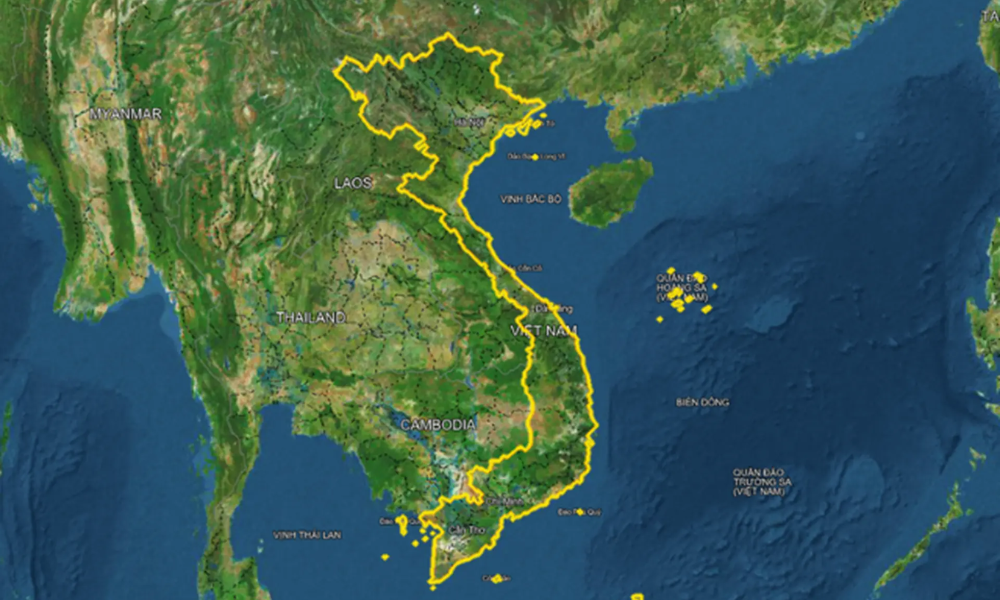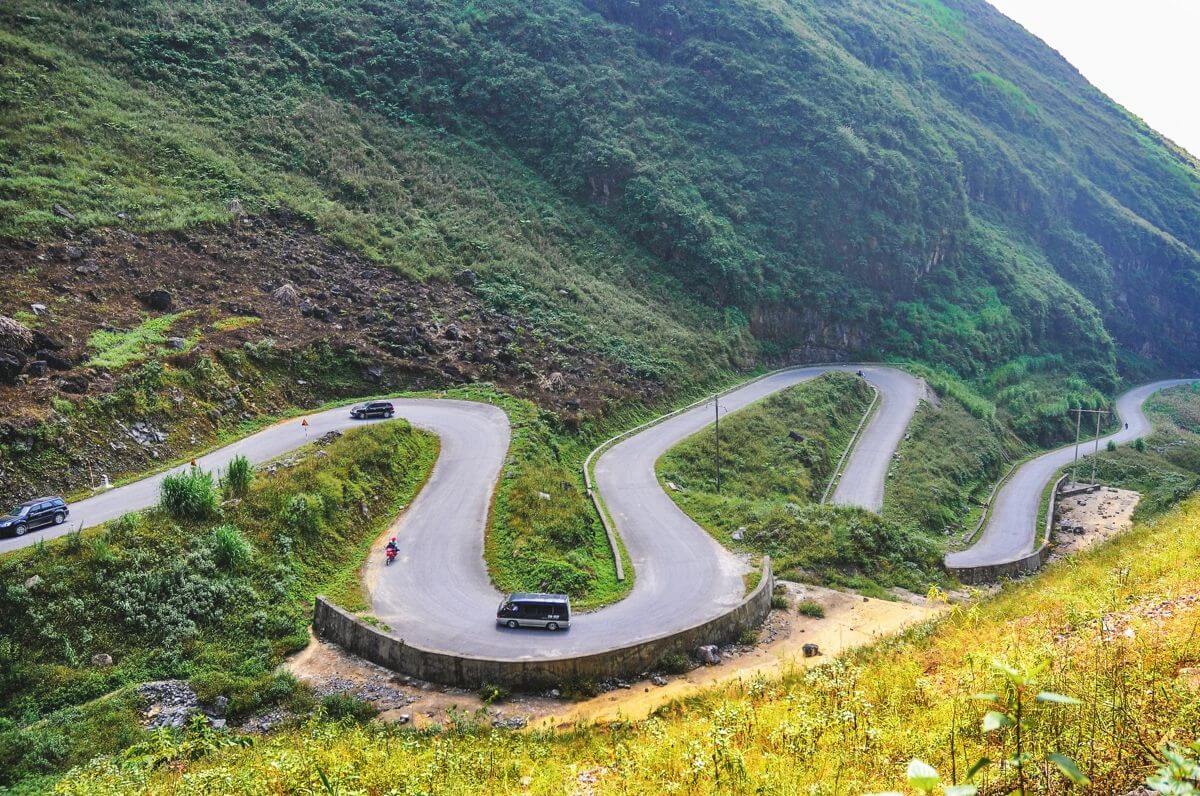
If you are traveling through Central Vietnam, there is one legendary landmark that demands you pull over and take a breath: Ngang Pass. Known in Vietnamese as Đèo Ngang, this 6-kilometer mountain pass is more than just a road; it is a historical divide, a literary icon, and a scenic masterpiece that connects the provinces of Ha Tinh and Quang Binh.
Stretching across the Hoanh Son mountain range—a spur of the Truong Son mountains that reaches out to the East Sea—Ngang Pass Vietnam has witnessed centuries of territorial shifts, from the ancient borders of Dai Viet and Champa to the strategic maneuvers of the Vietnam War. Today, it stands as a serene destination for those who appreciate the “slow travel” movement and the deep history of the region.
Planning a journey through the heart of Vietnam? Book your Vietnam Tour 247 now and let us guide you through the majestic landscapes of Ngang Pass and beyond!
The Historical Significance of Ngang Pass Vietnam
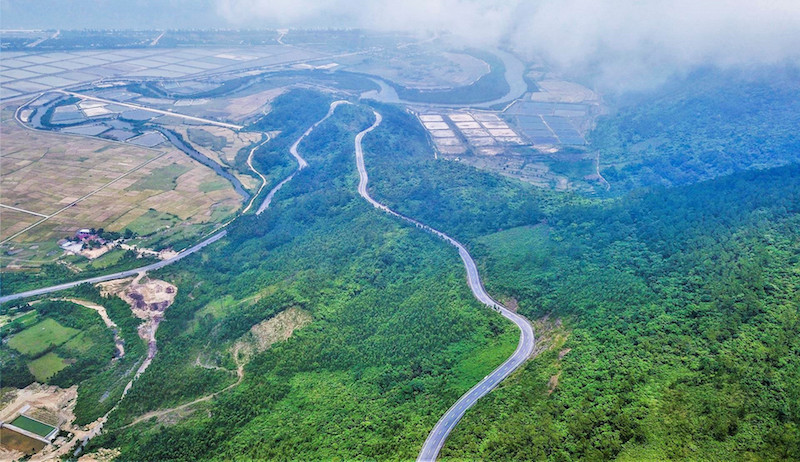
For centuries, Ngang Pass was the most formidable natural barrier for anyone traveling between the North and South of Vietnam.
- The Ancient Border: Historically, this pass marked the boundary between the kingdoms of Dai Viet and Champa. Control over the “Transverse Mountain” was essential for any dynasty looking to expand or defend its territory.
- Porte d’Annam: During the French colonial era, the pass was marked on maps as the Porte d’Annam (Gate of Annam), signifying its role as the gateway to the central region of the country.
- The Poet’s Inspiration: No mention of Ngang Pass is complete without referencing the famous poem by Bà Huyện Thanh Quan. Her verses immortalized the pass as a place of quiet nostalgia and breathtaking solitude, where “the grass mingles with stones, and flowers mingle with leaves.”
More than Ngang Pass, Quang Binh is very famous for its majestic caves to visit such as Son Doong Cave, Hang En Cave or Paradise Cave for you to explore.
Exploring Hoanh Son Gate: The Heaven’s Gate of Quang Binh
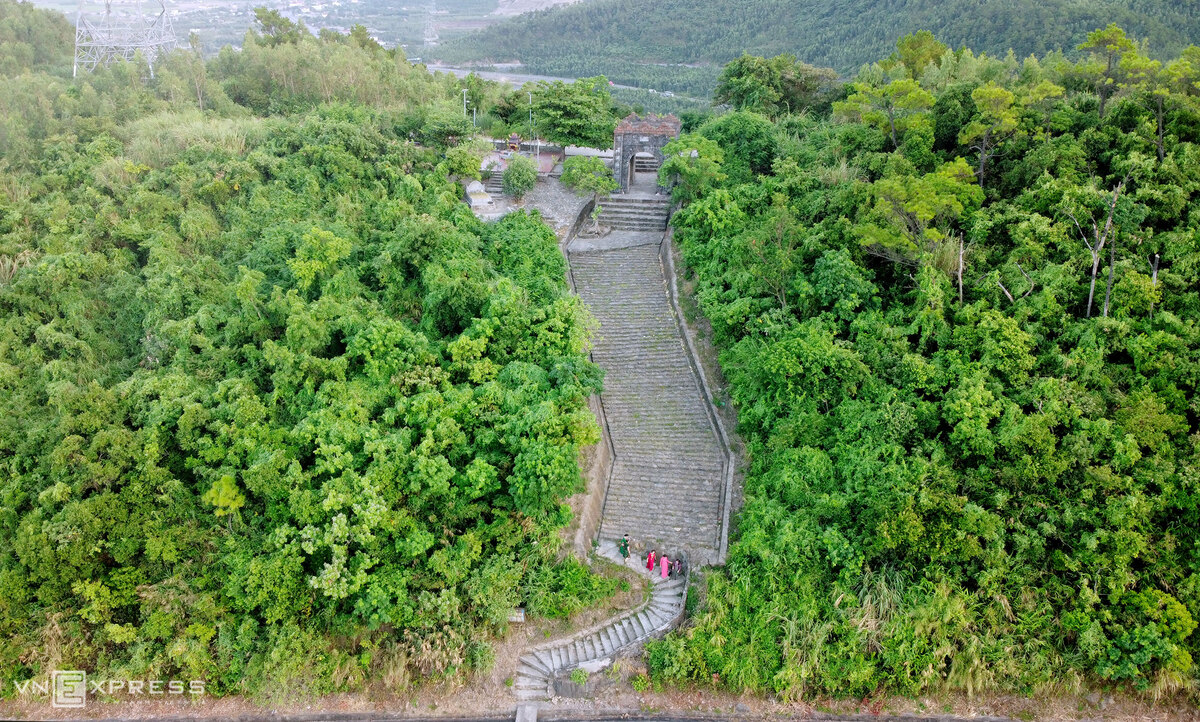
Perched at the highest peak of the pass (approximately 250 meters above sea level) is the Hoanh Son Gate (Hoành Sơn Quan). Built in 1833 during the reign of King Minh Mang of the Nguyen Dynasty, this arched masonry gateway was constructed to regulate traffic and serve as a defensive outpost.
The gate is often called the “Heaven’s Gate” because, from its mossy stone steps, you can see a panoramic view of both provinces. To the North lies the rugged beauty of Ha Tinh, and to the South, the poetic landscapes of Ngang Pass Quang Binh.
- Architectural Marvel: Built with massive stones and bricks, the gate features three Chinese characters—Hoành Sơn Quan—embossed on its surface.
- The View: Looking down from the gate, you can see the emerald green of the Hoanh Son range clashing with the deep blue of the East Sea and Hon La Bay.
The Modern Engineering of Ngang Pass Tunnel
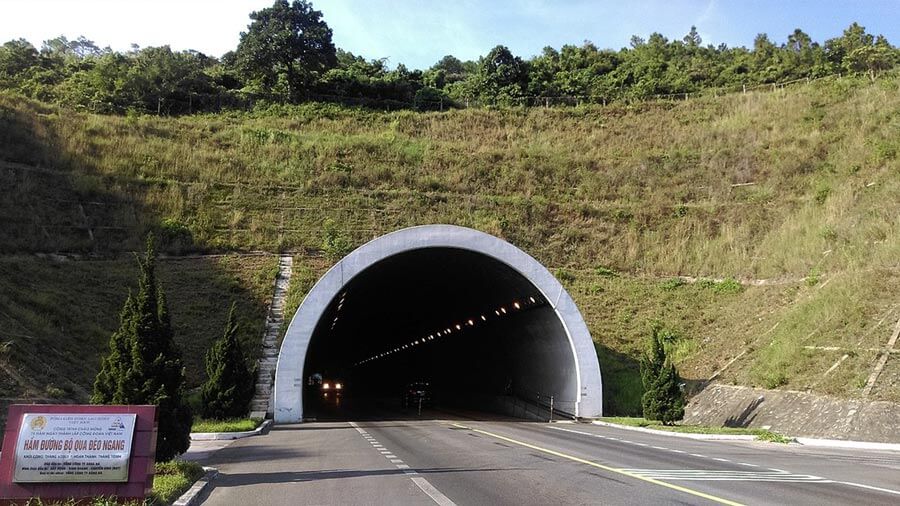
While adventurous travelers and photographers still choose the winding serpentine road over the mountain, most commercial traffic now utilizes the Ngang Pass Tunnel.
- Efficiency and Safety: Opened to bypass the steep grades and dangerous curves of the old road, the Ngang Pass Tunnel is nearly 500 meters long and 12 meters wide.
- The Choice: The tunnel has significantly shortened travel time between Ha Tinh and Quang Binh. However, for those seeking the soul of the region, we highly recommend taking the “scenic route” over the top to visit the Hoanh Son Gate.
Best Time to Visit Ngang Pass
To fully enjoy the vistas without the interference of mist or heavy rain, timing is everything.
- Dry Season (March to September): This is the best time to visit Ngang Pass. The skies are typically clear, providing 360-degree views of the coastline and the islands of Hon La and Yen Island.
- Spring (January to March): This period offers milder temperatures and a light mist that adds a “poetic” and mysterious atmosphere to the moss-covered stones of the Hoanh Son Gate.
- Note: During the rainy season (October to December), the mountain road can be slippery and prone to thick fog, making the Ngang Pass Tunnel the safer option.
Things to Do at Ngang Pass and Nearby
Your visit to Ngang Pass Quang Binh can be part of a larger coastal itinerary. Don’t miss these nearby spots:
Visit the Temple of Princess Lieu Hanh
Located at the foot of the pass on the Quang Binh side, this temple honors one of the “Four Immortals” in Vietnamese folk belief. It is a stunning example of traditional religious architecture set against a backdrop of mountains and streams.
Vung Chua – Yen Island
Only about 7km from the pass is the final resting place of General Vo Nguyen Giap. It is a place of immense peace, overlooking pristine beaches and the swallow-filled Yen Island.
Photography and Trekking
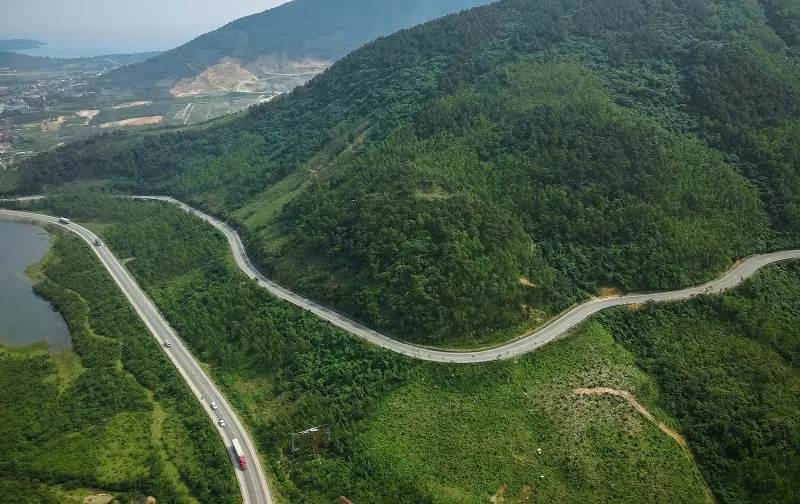
The old road over the pass is a favorite for motorbikers and photographers. Every curve offers a new perspective of the “jumping” rocks of the coast and the lush forests of the Hoanh Son range.
How to Get to Ngang Pass
Ngang Pass is situated on National Highway 1A, making it easy to access whether you are heading North or South.
- From Dong Hoi City: It is approximately an 80km – 100km drive north.
- From Ha Tinh City: It is about 75km south.
- Transportation: Most travelers choose a private car or a motorbike. If you are taking a long-distance bus, ensure you tell the driver you want to be dropped off at the “top of the pass” (đỉnh đèo) rather than going through the tunnel.
FAQs about Ngang Pass
1. Is it better to take the Ngang Pass Tunnel or the mountain road?
It depends on your goal!
-
The Ngang Pass Tunnel: Best for those on a tight schedule or driving large commercial vehicles. It is faster, safer, and avoids the steep 10% grades of the mountain. As of 2026, the expanded tunnel system has significantly improved traffic flow.
-
The Mountain Road: A must for tourists, photographers, and motorbikers. This 6km winding road is the only way to reach the Hoanh Son Gate and enjoy the panoramic views of the East Sea and the Hoanh Son mountain range.
2. Can I visit Hoanh Son Gate for free?
Yes! Hoanh Son Gate is a public historical relic located at the peak of the pass. There is currently no entrance fee to walk through the gate or take photos. However, the climb involves hundreds of stone steps, so be prepared for a short but steep hike from the roadside parking area.
3. What is the legend behind the “Heaven’s Gate” at Ngang Pass?
The Hoanh Son Gate is locally called “Heaven’s Gate” because of its elevation and the mist that often surrounds it. Historically, it was built by King Minh Mang in 1833 to control the “gate to the capital.” Legend says that those who cross the gate feel a shift in the wind and energy as they move between the two distinct climates of Ha Tinh and Quang Binh.
4. Is Ngang Pass dangerous to drive in 2026?
The road is well-maintained, but it remains a mountain pass with sharp “hairpin” curves and steep inclines.
-
Safety Tip: If you are riding a motorbike, check your brakes before descending.
-
New 2026 Regulation: Be aware that under Vietnam’s updated 2026 traffic laws, child safety seats are now mandatory for personal vehicles, and strict speed limits are enforced on the pass to protect the high volume of “slow travel” tourists.
5. What are the best nearby spots to combine with Ngang Pass?
To make the most of your trip, we recommend a “Heritage Loop”:
-
Princess Lieu Hanh Temple: Located right at the southern foot of the pass.
-
Vung Chua – Yen Island: Just 7km away, this is a serene spot to pay respects at General Vo Nguyen Giap’s resting place.
-
Hon La Bay: A great spot for lunch with views of the local fishing fleets.
Why Book Your Journey with Vietnam Tour 247?
Traveling between provinces in Central Vietnam involves more than just a map; it requires an understanding of the local stories and the best hidden viewpoints.
- Expert Drivers: Our drivers know the winding roads of Ngang Pass Vietnam like the back of their hands and can navigate the scenic route safely.
- Cultural Depth: Our guides will recite the poetry and history of Hoanh Son Gate as you stand on its ancient steps.
- Customized Stops: We don’t just drive past; we stop at the best local seafood shacks and hidden temples along the way.