This Vietnam adventure travel guide is your ultimate resource for navigating a country that, in 2026, has solidified its position as the premier adventure capital of Southeast Asia. From the world’s largest caves to the “Dinosaur Backbone” of the Northern highlands, Vietnam offers a high-octane journey for every type of thrill-seeker.
Top Adventure Activities in Vietnam
Vietnam’s diverse topography—ranging from jagged karst mountains to a 3,000km coastline—makes it a haven for thrill-seekers. Here are the most exhilarating Vietnam adventure travel guide and adventure activities in Vietnam for your 2026 itinerary.
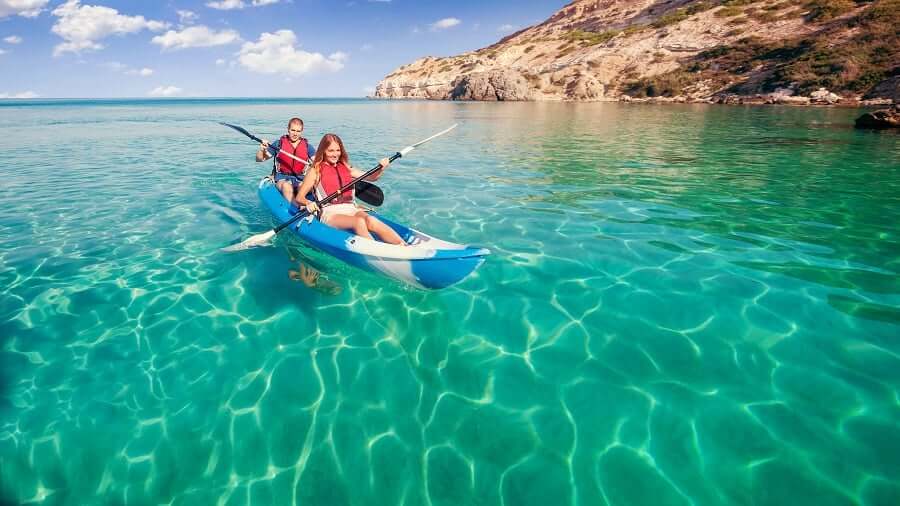
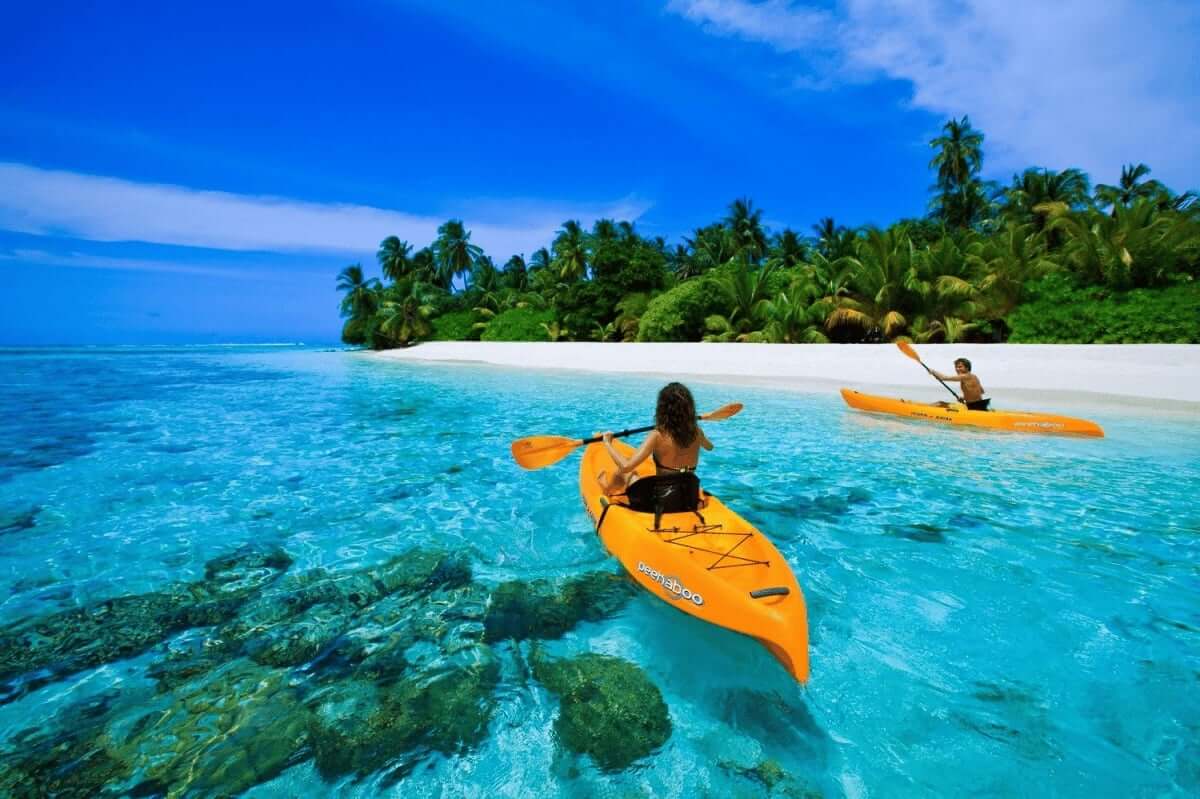
Water-Based Thrills: Kayaking & Beyond
Vietnam’s inland lakes and coastal waters are playgrounds for water enthusiasts.
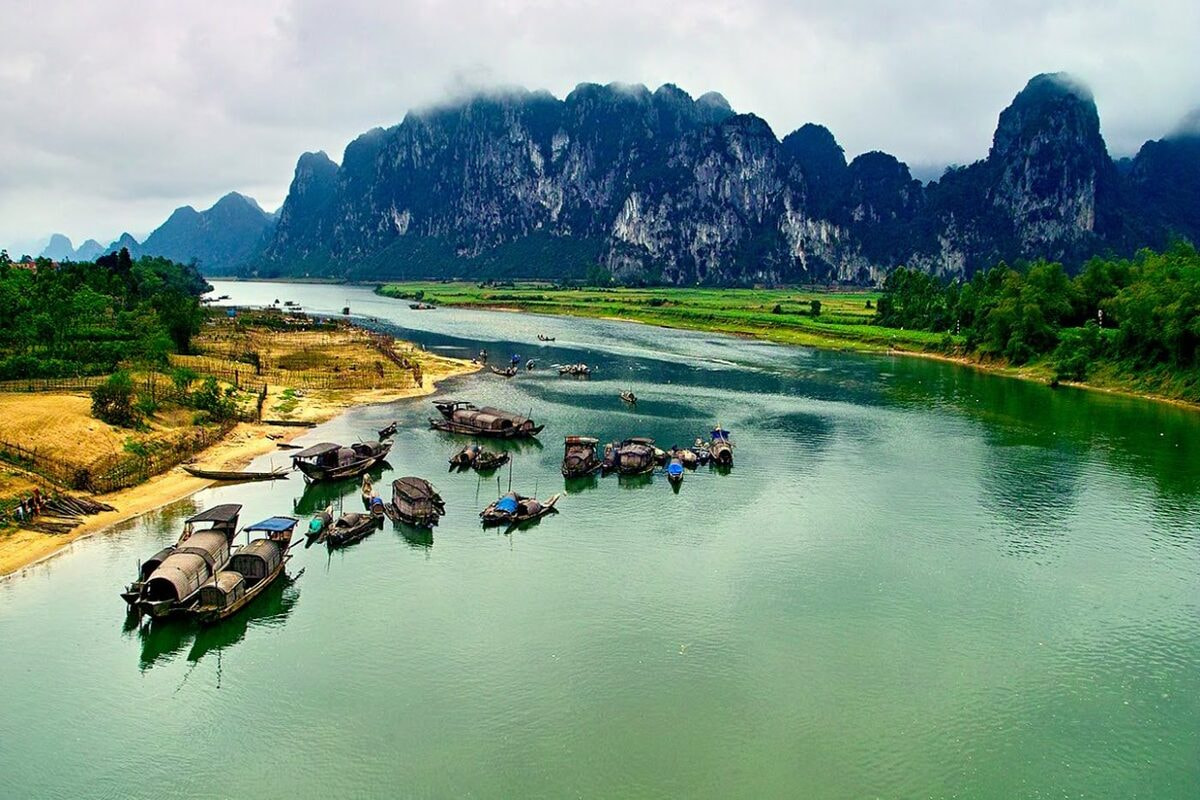
- Kayaking & SUP: Glide through the limestone lagoons of Lan Ha Bay or the emerald waters of the Nho Que River.
- Surfing & Kitesurfing: Mui Ne and Phan Rang remain the top “wind capitals.” For surfing, Da Nang’s My Khe Beach is perfect for beginners, especially from September to March.
- Scuba Diving: Explore the coral reefs of Hon Mun Island in Nha Trang or the pristine, quiet depths of the Con Dao Archipelago.
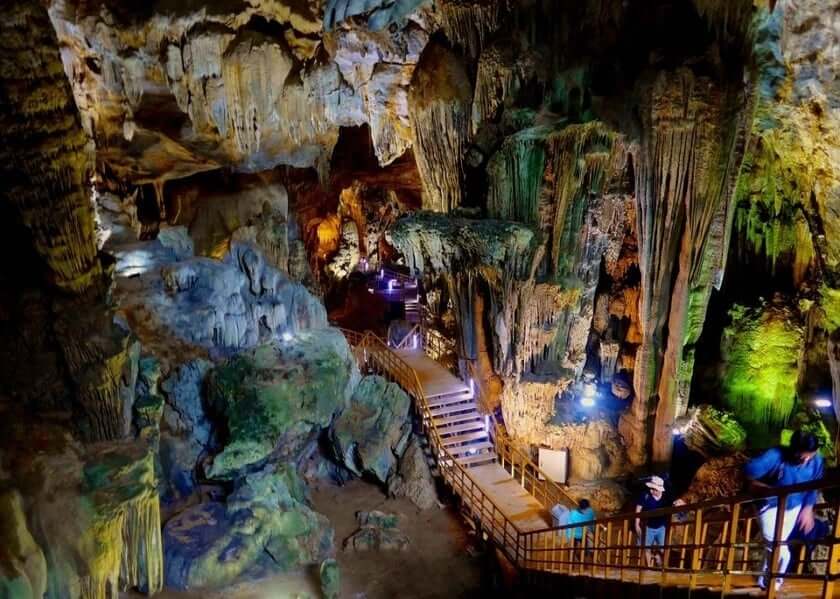
Cave Expeditions: The Kingdom of Caves
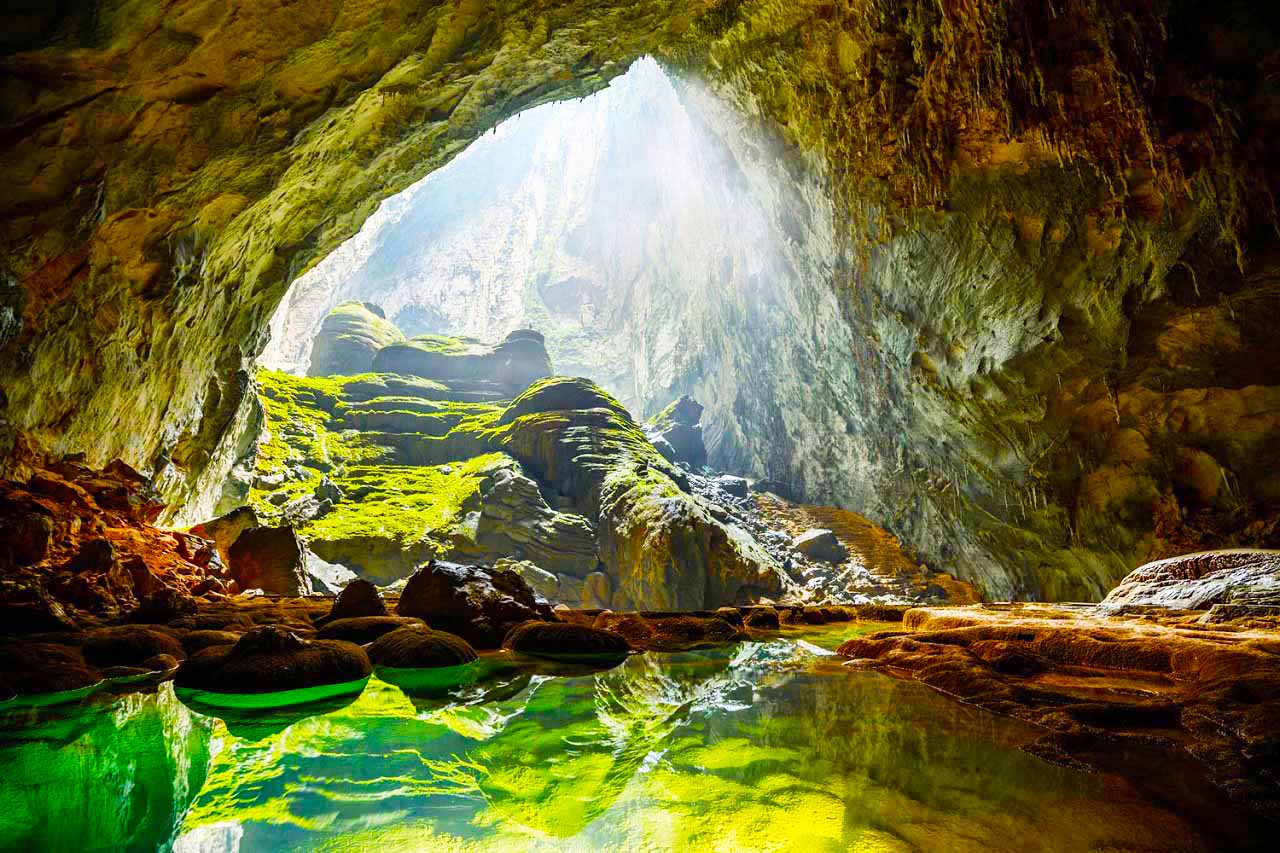
Phong Nha-Ke Bang National Park is the epicenter of global caving and a must-visit on any Vietnam adventure trip.
- Son Doong Cave: The world’s largest cave. It requires booking a year in advance for a rigorous 4-day expedition.
- Dark Cave (Hang Toi): An accessible thrill involving a zip-line entry, kayaking, and a subterranean mud bath.
- Hang Pygmy & Hang En: Great for those who want a multi-day “cave camping” experience without the premium price tag of Son Doong.
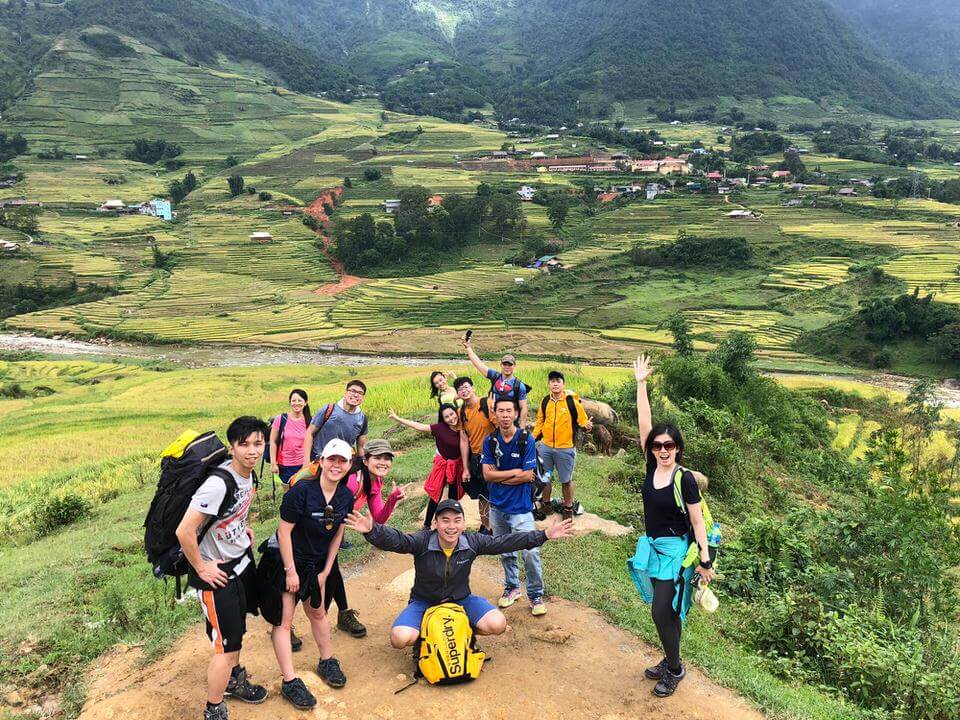
Trekking & Hiking: Peak Conquests
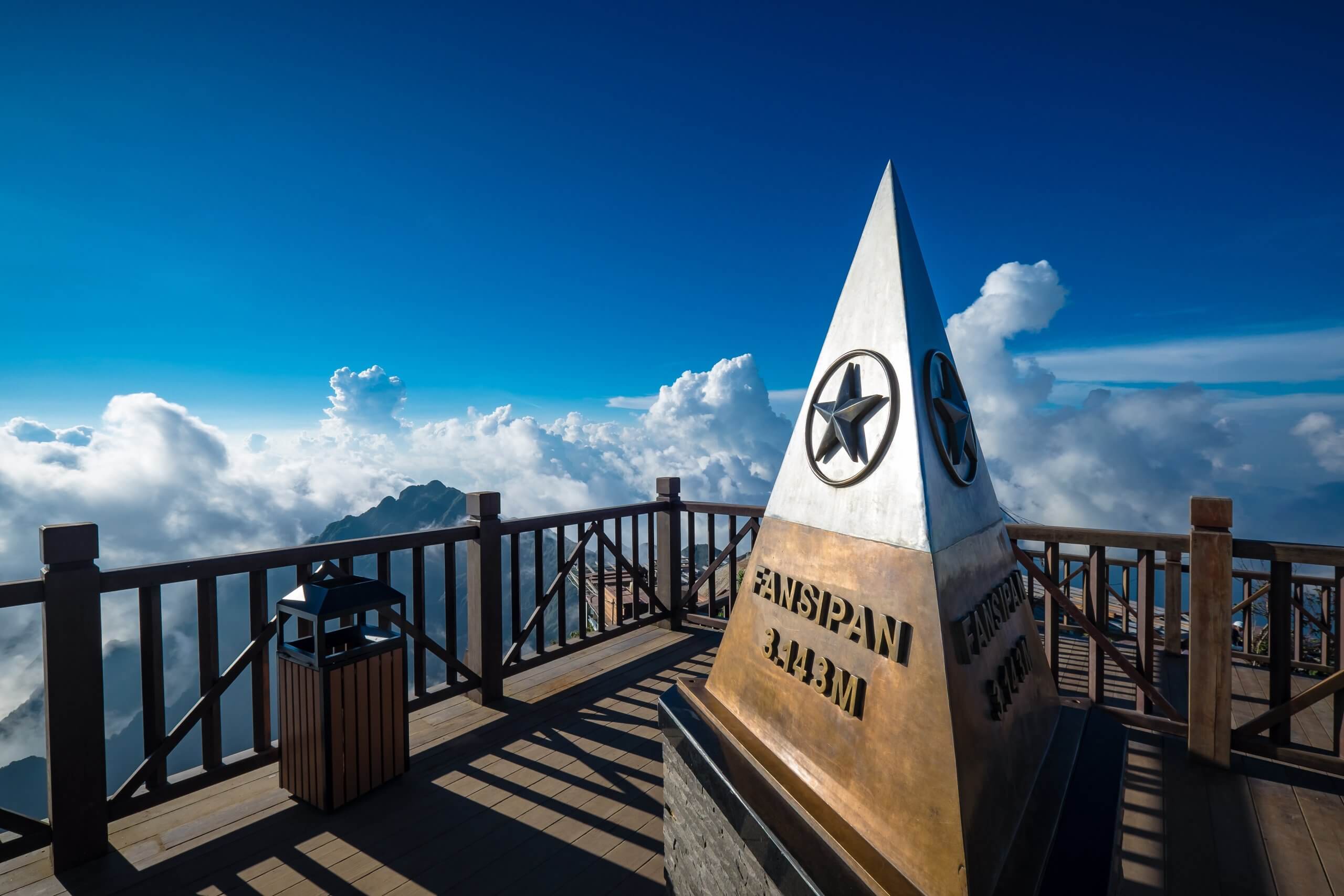
- Fansipan (Sapa): Known as the “Roof of Indochina.” While there is a cable car, the 1-2 day trek through the Hoang Lien Son range remains a bucket-list challenge.
- Pu Luong: Offering “Sapa without the crowds,” this region features trekking through bamboo forests and terraced rice fields.
- Bach Ma National Park: Offers coastal trekking with stunning views of the sea from 1,450 meters above sea level.
Canyoning & Ziplining
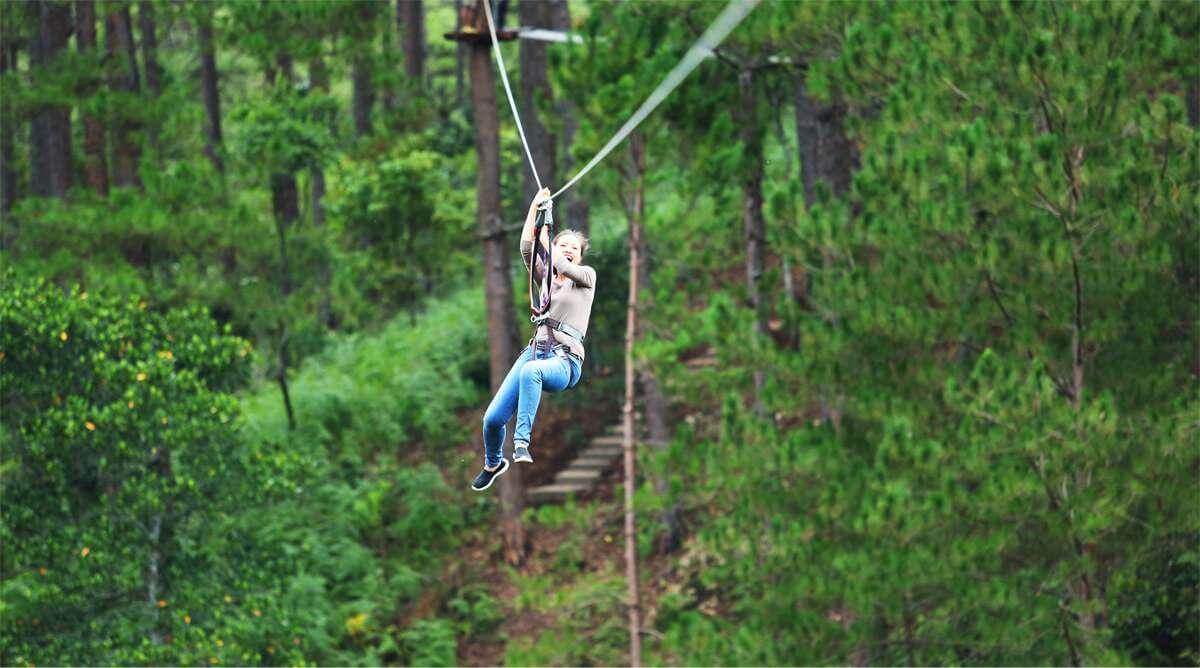
- Canyoning in Da Lat: This is the only place in Vietnam for professional canyoning. At Datanla Falls, you’ll abseil down 25-meter waterfalls and experience the “Washing Machine” whirlpool drop.
- Highwire & Zipline: Visit Alba Wellness Valley (Hue) for one of the longest ziplines in the country, or Datanla (Da Lat) for a forest canopy course.
Rock Climbing & Paragliding
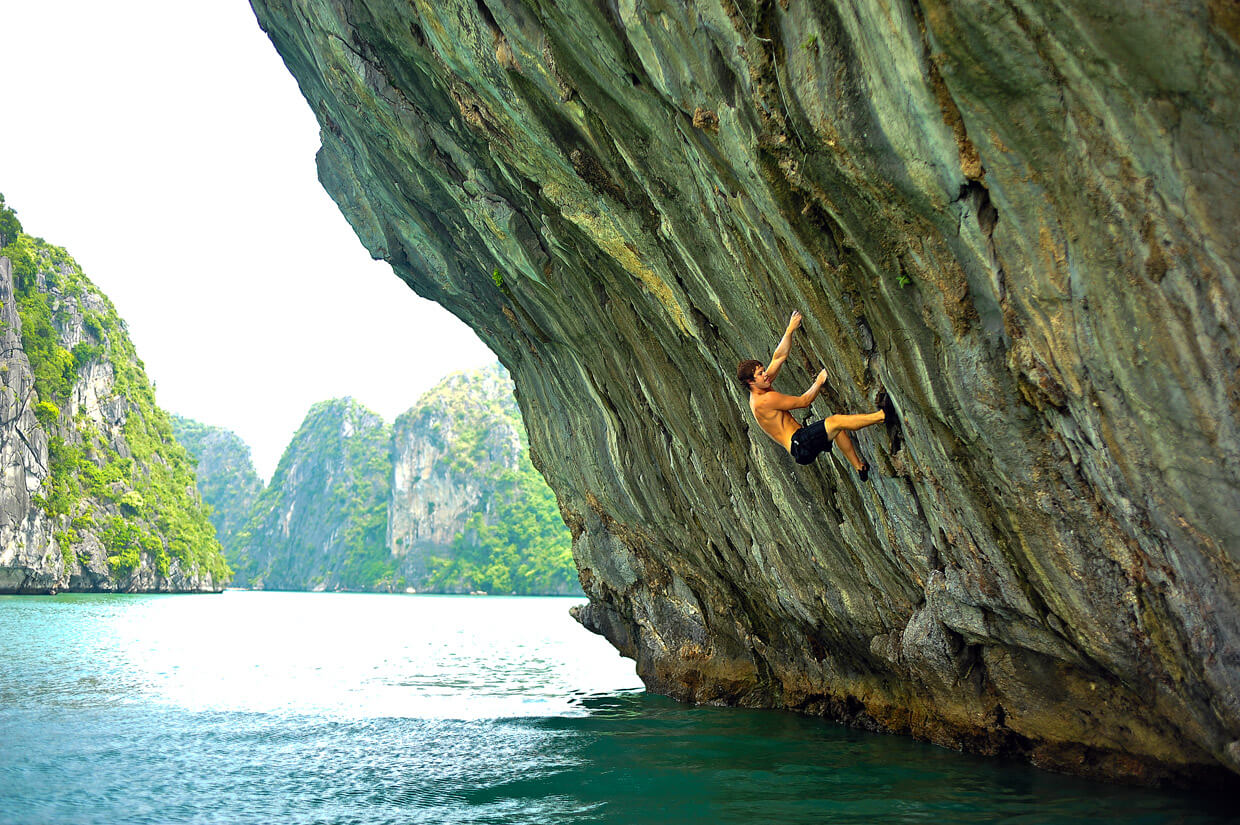
- Deep Water Soloing: In Lan Ha Bay, climbers scale limestone cliffs directly over the ocean, jumping into the water from the peak.
- Paragliding: Take flight in Mu Cang Chai during the “golden season” (September) to soar over the world’s most beautiful terraced fields.
The Legendary Ha Giang Loop
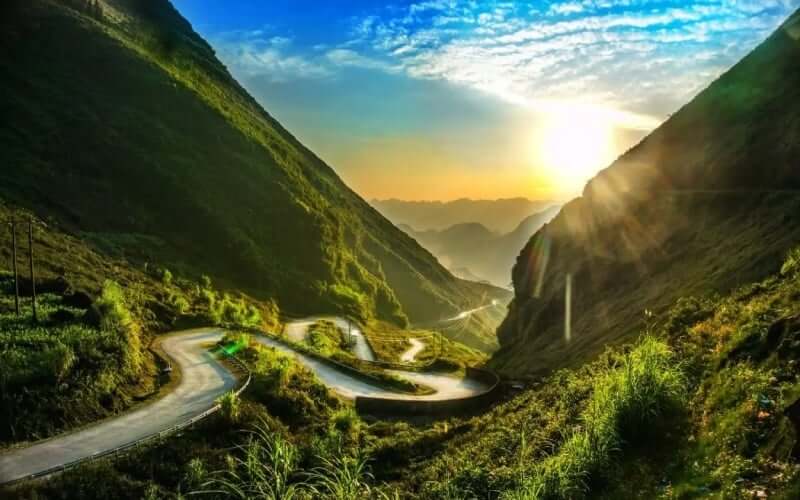
The most famous Vietnam adventure trip involves a 3-to-5-day motorbike journey through the Dong Van Karst Plateau.
- Ma Pi Leng Pass: The most dramatic road in the country.
- Easy Rider: If you aren’t a confident rider, you can hire a local driver (Easy Rider) to sit on the back, allowing you to focus entirely on the views.
Best places to adventure in Vietnam from the North to South
Vietnam is a playground for those seeking a mix of raw nature, adrenaline, and deep cultural immersion. From the jagged peaks of the North to the tropical waterways of the South, this Vietnam adventure travel guide highlights the best places to push your limits.
Northern Vietnam: The High Frontier
The North is the heart of adventure activities in Vietnam, defined by towering limestone karsts and misty ethnic homelands.
-
Ha Giang Loop: This is the ultimate Vietnam adventure trip for motorbike enthusiasts. Riding through the Ma Pi Leng Pass offers dizzying views of the Nho Que River snaking through deep canyons.
-
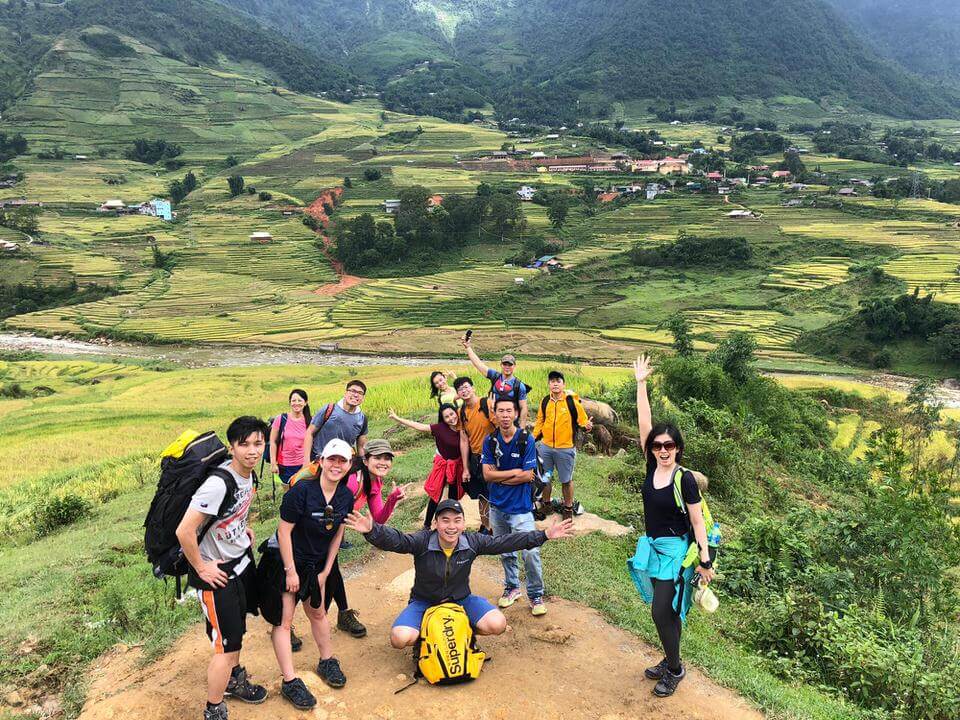
Sapa & Fansipan: For hikers, trekking through the terraced rice fields of Muong Hoa Valley is essential. To truly test your grit, take the multi-day trek to the summit of Fansipan, the “Roof of Indochina.”
-
Ha Long & Lan Ha Bay: Beyond the luxury cruises, these bays offer world-class kayaking into hidden lagoons and rock climbing on sheer limestone sea cliffs.
Central Vietnam: The Kingdom of Caves
The central region is where the landscape turns subterranean and dramatic.
-
Phong Nha-Ke Bang National Park: Known as the “Kingdom of Caves,” this UNESCO site is home to Son Doong, the world’s largest cave. Adventure seekers can join multi-day expeditions involving jungle trekking, river crossings, and underground camping.
-
Da Nang & Hue: Adventure here is often found on two wheels. Crossing the Hai Van Pass on a motorcycle or bicycle is a rite of passage, offering sweeping coastal views and historical ruins.
-
Bach Ma National Park: Located near Hue, this park is perfect for off-the-beaten-path trekking, rappelling down waterfalls, and swimming in the “Five Lakes” rock pools.
South Central Highlands: The Adrenaline Hub
As you move inland toward the mountains, the pace quickens with high-octane sports.
-
Da Lat: This is the undisputed capital of canyoning. You can abseil down 25-meter waterfalls, slide down natural rock chutes, and cliff jump into deep pools. It’s also a premier destination for mountain biking through pine forests.
-
Mui Ne: For a different kind of thrill, head to the coast for sandboarding on the giant white and red sand dunes or try your hand at kitesurfing, as this is one of Asia’s top spots for wind sports.

Southern Vietnam: The Water Wilderness
The adventure shifts to the tropical heat and vast waterways of the South.
-
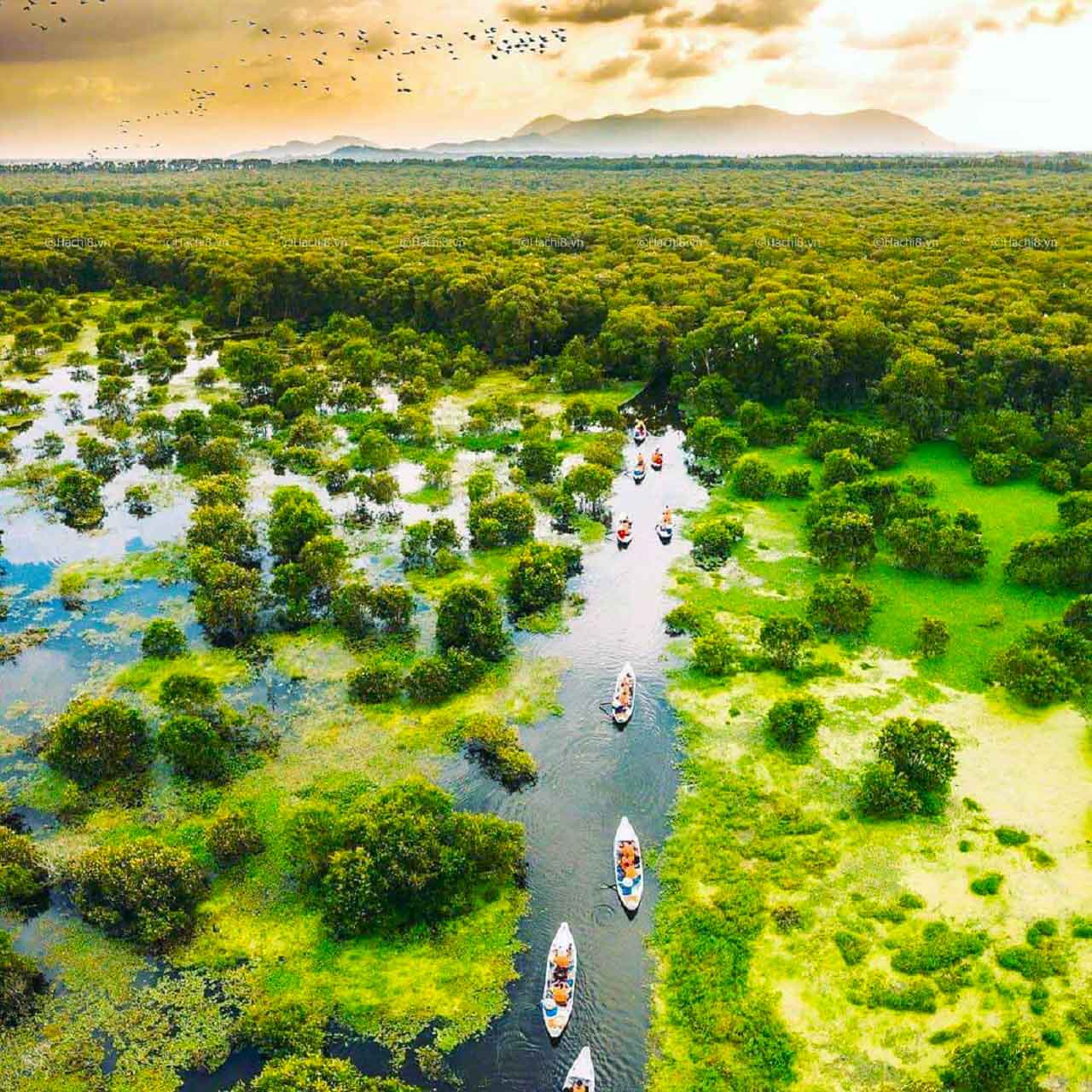
Nam Cat Tien National Park: Located a few hours from Ho Chi Minh City, this park offers overnight jungle treks to spot rare wildlife, including gibbons and crocodiles at Crocodile Lake.
-
Mekong Delta: Skip the tourist boats and opt for a multi-day cycling trip through the maze of islands and fruit orchards, or kayak through the narrow, coconut-fringed canals to see a side of Vietnam untouched by time.
Best Time for Vietnam Adventure Travel guide
Because Vietnam’s weather varies significantly by region, timing is critical for your safety and enjoyment. Take note the best time for Vietnam adventure trips:
| Region | Best Time for Vietnam Adventure Trips | Why? |
| Northern Highlands | September – November | Golden rice harvests and dry, cool trekking weather. |
| Central (Phong Nha) | February – August | Dry season; caves are safe and rivers are clear. |
| Southern (Islands) | November – April | Peak sunshine for diving, surfing, and sandboarding. |
Pro Tip: Avoid Central Vietnam from October to December. The typhoon season often leads to flooding, which closes caves and makes motorbike tours hazardous.
What to Pack for Vietnam Adventure Travel?
Preparation is key for the diverse tropical and mountainous climates you will encounter.
- Footwear: Broken-in hiking boots for the North and sturdy water shoes for Da Lat or Phong Nha.
- Clothing: Quick-dry base layers and a lightweight, breathable rain jacket. If visiting the North in winter (Dec–Feb), bring a down jacket as temperatures can drop to 5°C.
- Gear: A 20L waterproof dry bag (essential for kayaking), a powerful headlamp, and a portable power bank.
- Health: Insect repellent (DEET 30%+), rehydration salts, and a basic first-aid kit.
- Paperwork: An International Driving Permit (IDP) is mandatory if you plan to ride a motorbike legally.
What to eat in Vietnam at the first time?
When you step off the plane in Vietnam, your senses are immediately hit by the aroma of toasted star anise, grilled pork, and fresh herbs. For first-timers, eating is just as much of a thrill as the adventure activities in Vietnam themselves.
Here is what you cannot miss on your Vietnam adventure trip:
The “Big Three” Essentials
-
Phở (Beef or Chicken Noodle Soup): The undisputed national dish. In the North (Hanoi), the broth is clear and savory; in the South (Saigon), it is slightly sweeter and served with a mountain of fresh herbs and bean sprouts.
-
Bánh Mì (Vietnamese Baguette): A French-influenced crispy baguette stuffed with pâté, cold cuts, pickled daikon, carrots, and cilantro. It is the ultimate fuel for a busy day of exploring.
-
Bún Chả (Grilled Pork with Vermicelli): Famous for being the dish Anthony Bourdain shared with Barack Obama. You’ll get a bowl of warm dipping sauce with succulent grilled pork patties, served alongside rice noodles and a basket of greens.
Regional Specialties
If your Vietnam adventure trip takes you to the center of the country, look for Cao Lầu in Hoi An—a chewy noodle dish made with local well water—or Bún Bò Huế, a spicy, lemongrass-heavy beef soup that packs a serious punch. In the South, try Cơm Tấm (Broken Rice), featuring a smoky grilled pork chop and a savory steamed egg meatloaf.
For the Brave & Thirsty
-
Cà Phê Trứng (Egg Coffee): A Hanoi specialty. It’s essentially a liquid tiramisu made with whisked egg yolks and condensed milk over robust Robusta coffee.
-
Street Snacks: Don’t be afraid of the small plastic stools. Look for Bánh Xèo (sizzling savory crepes) or Gỏi Cuốn (fresh summer rolls) at bustling local markets.
Conclusion
Vietnam adventure trip in 2026 is an adventurer’s playground that perfectly balances raw nature with professional safety standards. Whether you are descending into the depths of the earth in Quang Binh or riding through the clouds in Ha Giang, this country guarantees a soul-stirring experience.
If you need more information about Vietnam adventure travel guide, please contact with Vietnam Tour 247 to have best support for your perfecr trip.
FAQs about Vietnam adventure travel guide
1. When is the best time for adventure activities in Vietnam: trekking and water sports?
Because Vietnam is over 1,000 miles long, the “best” time depends on your target activity:
-
Northern Trekking (Sapa, Ha Giang): Aim for October to April. The weather is cool and dry, though it can get surprisingly chilly in December and January.
-
Central Coast Surfing/Diving (Da Nang, Nha Trang): The dry season from February to August is ideal. Avoid September to November due to typhoon risks.
-
Southern Adventures (Mekong Delta, Phu Quoc): Stick to December to April for sunshine and low humidity.
2. Can I legally ride a motorbike as a tourist?
This is the most common “adventure” question. To be fully legal (and covered by insurance), you need an International Driving Permit (IDP) that specifically covers motorcycles, paired with your home license.
-
Tip: If you aren’t an experienced rider, the “Easy Rider” option (where a local professional drives while you sit on the back) is a popular and much safer way to tackle the famous Ha Giang Loop.
3. How do I get to the “World’s Largest Cave”?
Son Doong Cave in Phong Nha-Ke Bang National Park is the ultimate adventure prize. However:
-
Booking: It often requires booking 6–12 months in advance.
-
Access: Only one operator (Oxalis Adventure) is licensed to run these tours to protect the ecosystem.
-
Alternatives: If Son Doong is full or too pricey, look into Hang En or Tu Lan—they offer similar “lost world” vibes for a fraction of the cost and shorter wait times.
4. What is the visa situation for 2026?
Vietnam has significantly streamlined its entry process.
-
E-Visas: Most nationalities can now apply for a 90-day e-visa (single or multiple entry) via the official government portal.
-
Exemptions: Many European and Asian citizens enjoy visa-free entry for 14 to 45 days.
-
Note: Always ensure your passport is valid for at least 6 months beyond your arrival date.
5. Is it safe to eat street food while on an active trip?
Yes, and it’s often the best fuel for an adventurer. To avoid “Hanoi Belly”:
-
The Crowd Rule: Choose stalls with high local turnover; the faster the food moves, the fresher it is.
-
The “Ice” Myth: In major cities and tourist hubs, ice is usually produced in factories with purified water, but in remote mountain villages, it’s safer to stick to bottled or boiled water.
-
Hydration: Bring a reusable bottle with a filter (like a Grayl) to minimize plastic waste, which is a major focus of Vietnam’s 2026 “Green Logistics” initiative.